 Alarm Arcade
Why can't I wake up to my alarm? (And how to fix it)
If you dismiss your alarm without remembering it, or wake up 45 minutes after it fired, it's not because you lack willpower — it's because your alarm is too easy to silence at the exact moment when your brain is least capable of making deliberate choices. This guide explains the mechanism and the fix.
There are three distinct reasons people fail to wake up to their alarm: sleep inertia (temporary neurological impairment in the first minutes after waking), alarm fatigue (habituation to a familiar sound or dismissal action), and the dismissal mechanic problem (the alarm requires no meaningful engagement to silence). Most people who say they 'can't wake up' are experiencing all three simultaneously. Standard alarm advice (louder alarm, multiple alarms, phone across the room) addresses one or two of these but not all three.
The dismissal mechanic problem is the most fixable. Sleep inertia is biological and takes time to address through sleep hygiene changes. Alarm fatigue resolves when the sound or task is changed. The dismissal mechanic requires a different type of alarm entirely — one where silencing it requires an action that your sleep-inertia brain cannot execute on autopilot. That's what mission-based alarms provide.
Who This Is For
- People who dismiss their alarm and have no memory of doing so
- Anyone who wakes up confused about why their alarm didn't go off (it did — they dismissed it)
- People whose multiple-alarm strategy stopped working
- Heavy sleepers who've tried louder alarms, sunrise alarms, and vibration without success
- People who want to understand what's actually happening neurologically when they can't wake up
- Anyone frustrated by failing to wake up despite genuine effort to change the pattern
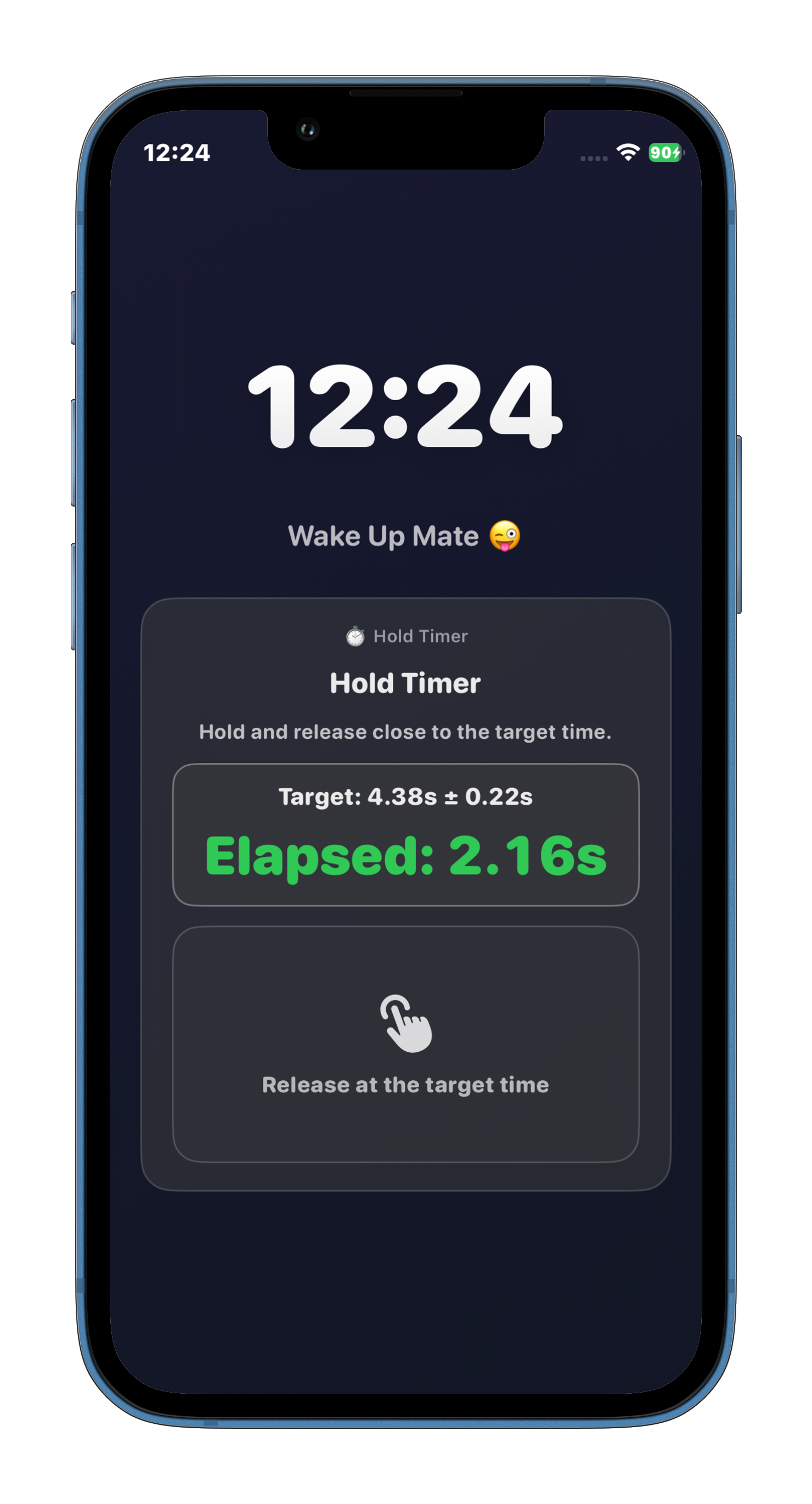
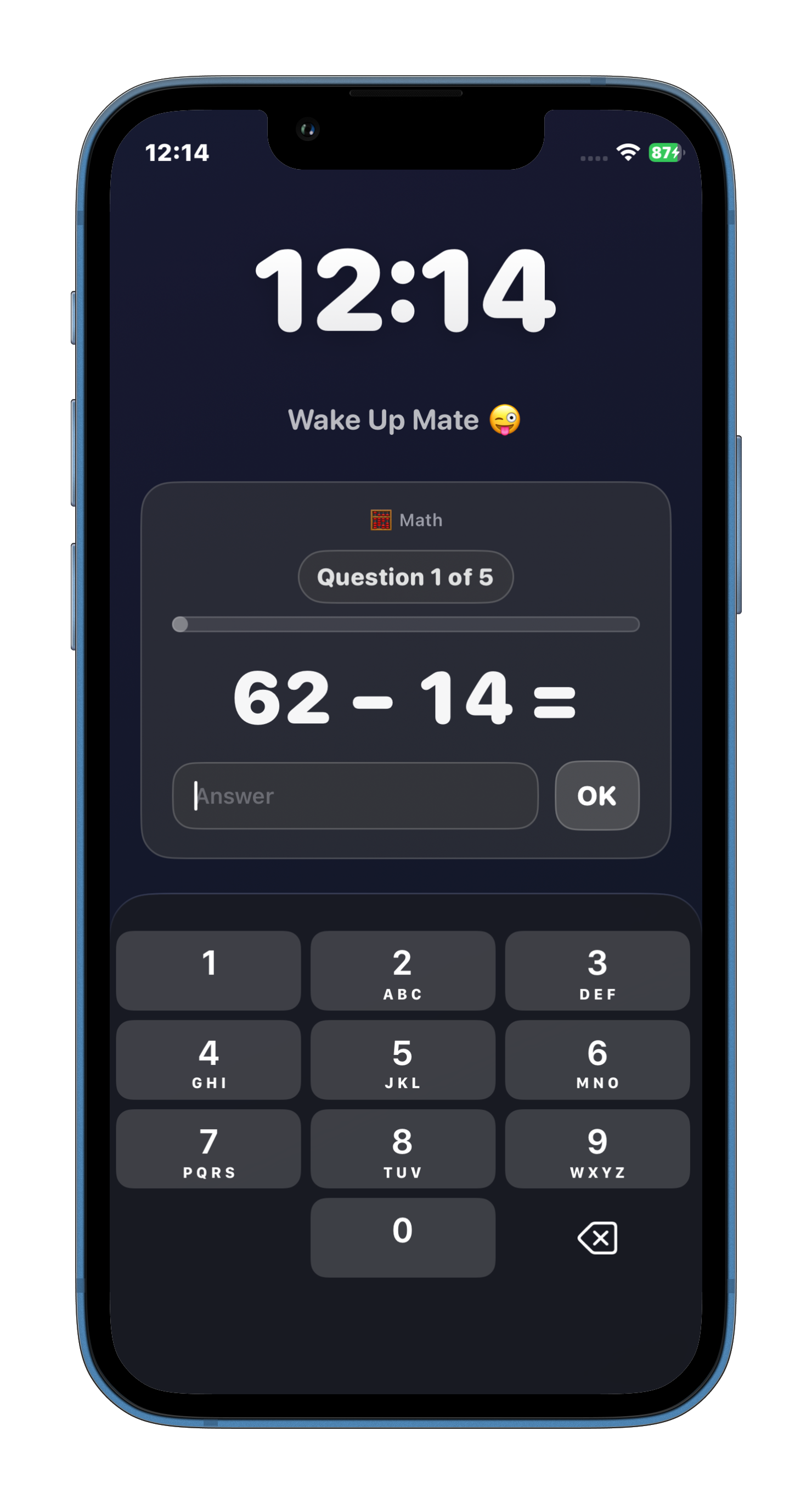
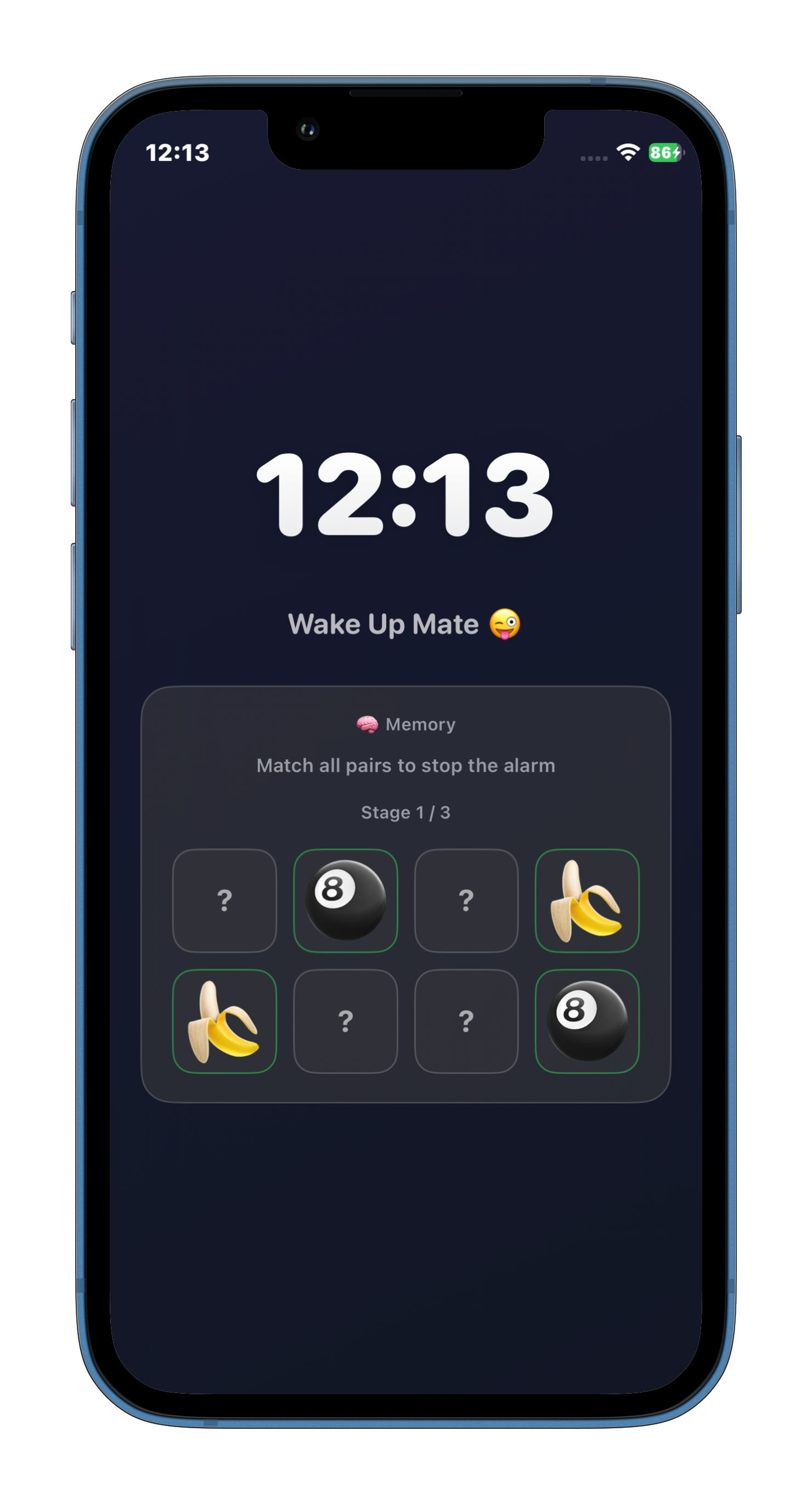
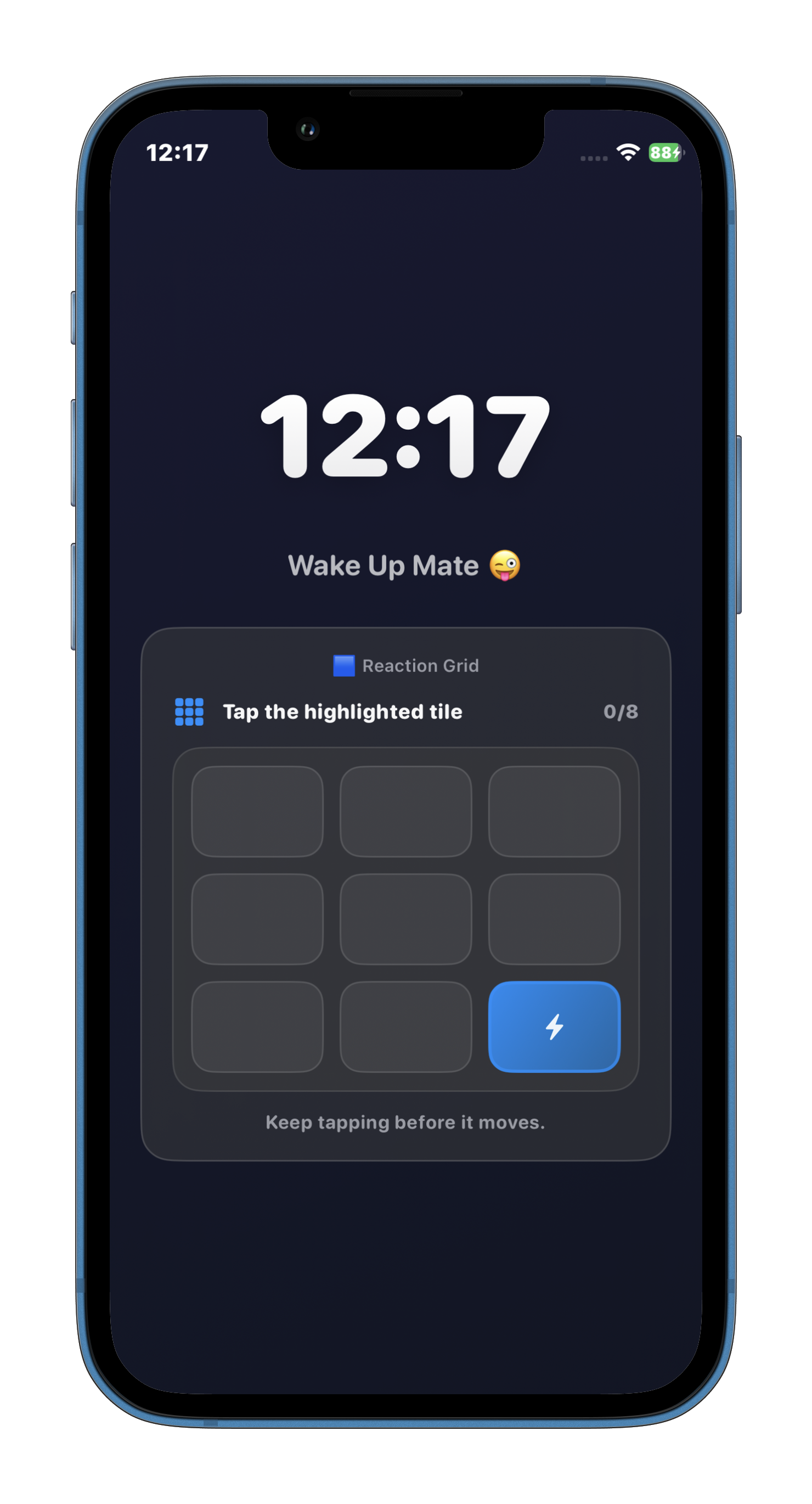
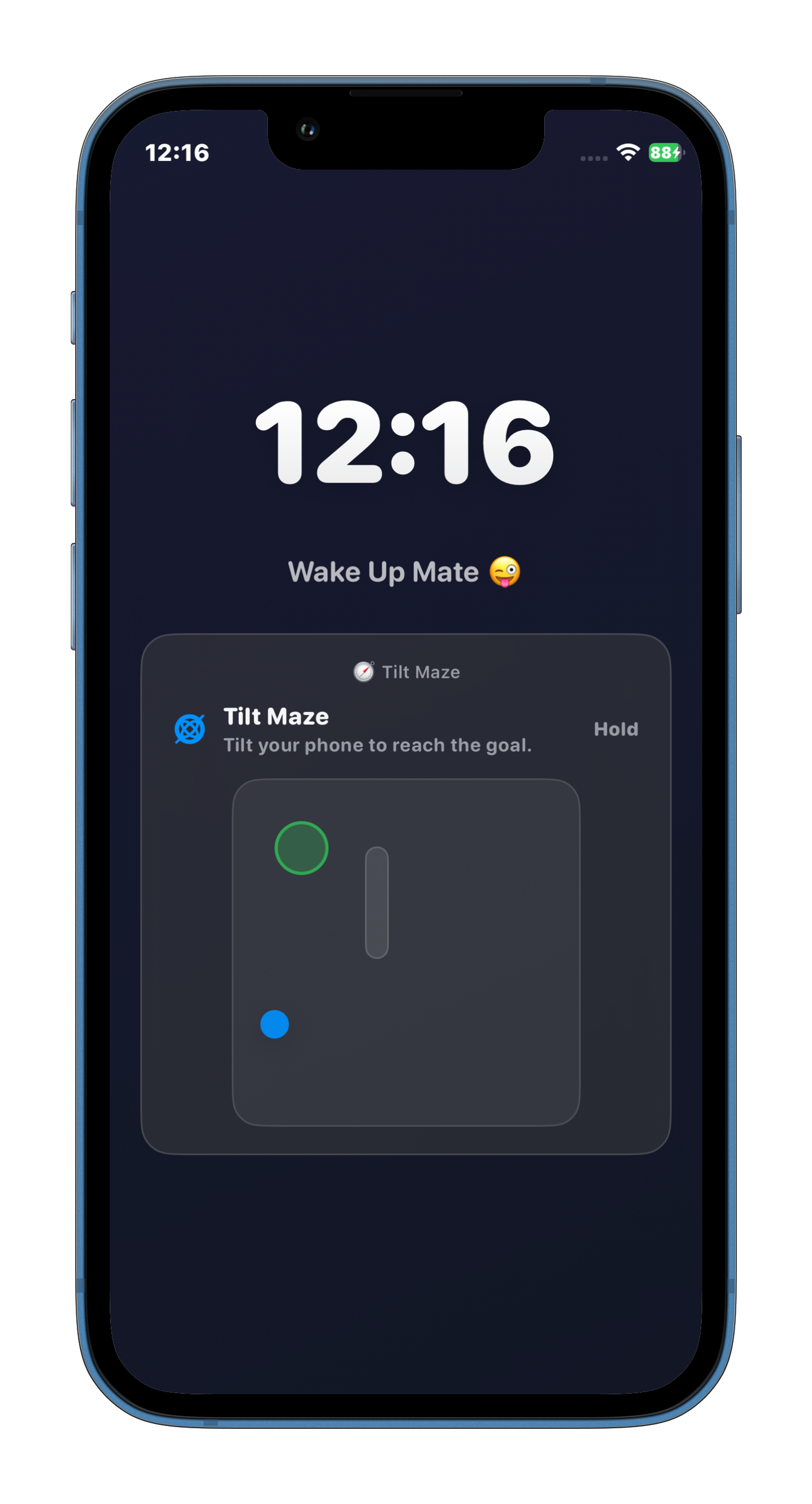
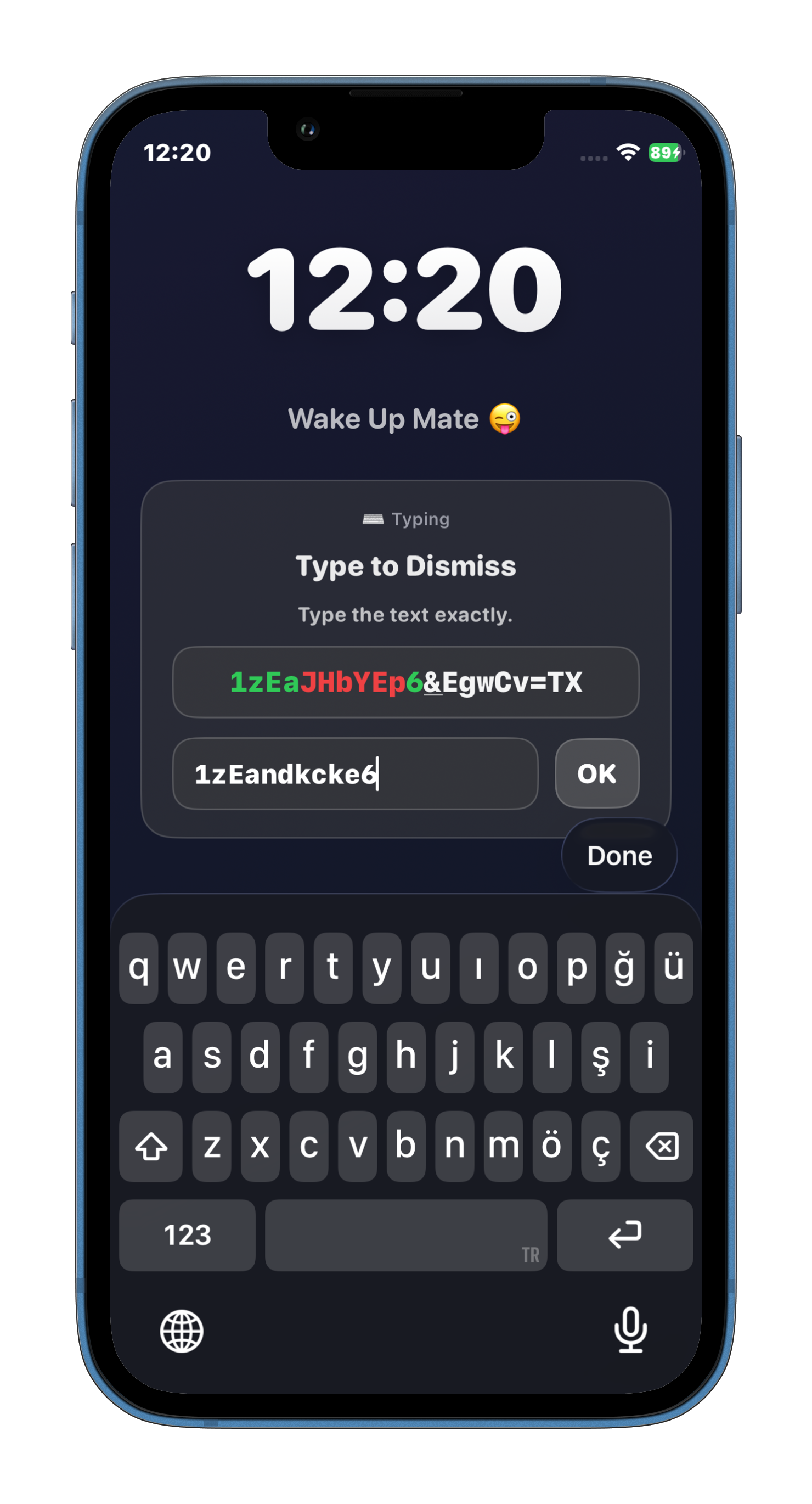
Why Alarm Arcade Works for People trying to understand and fix their inability to wake up to alarms
Addresses the dismissal mechanic problem directly
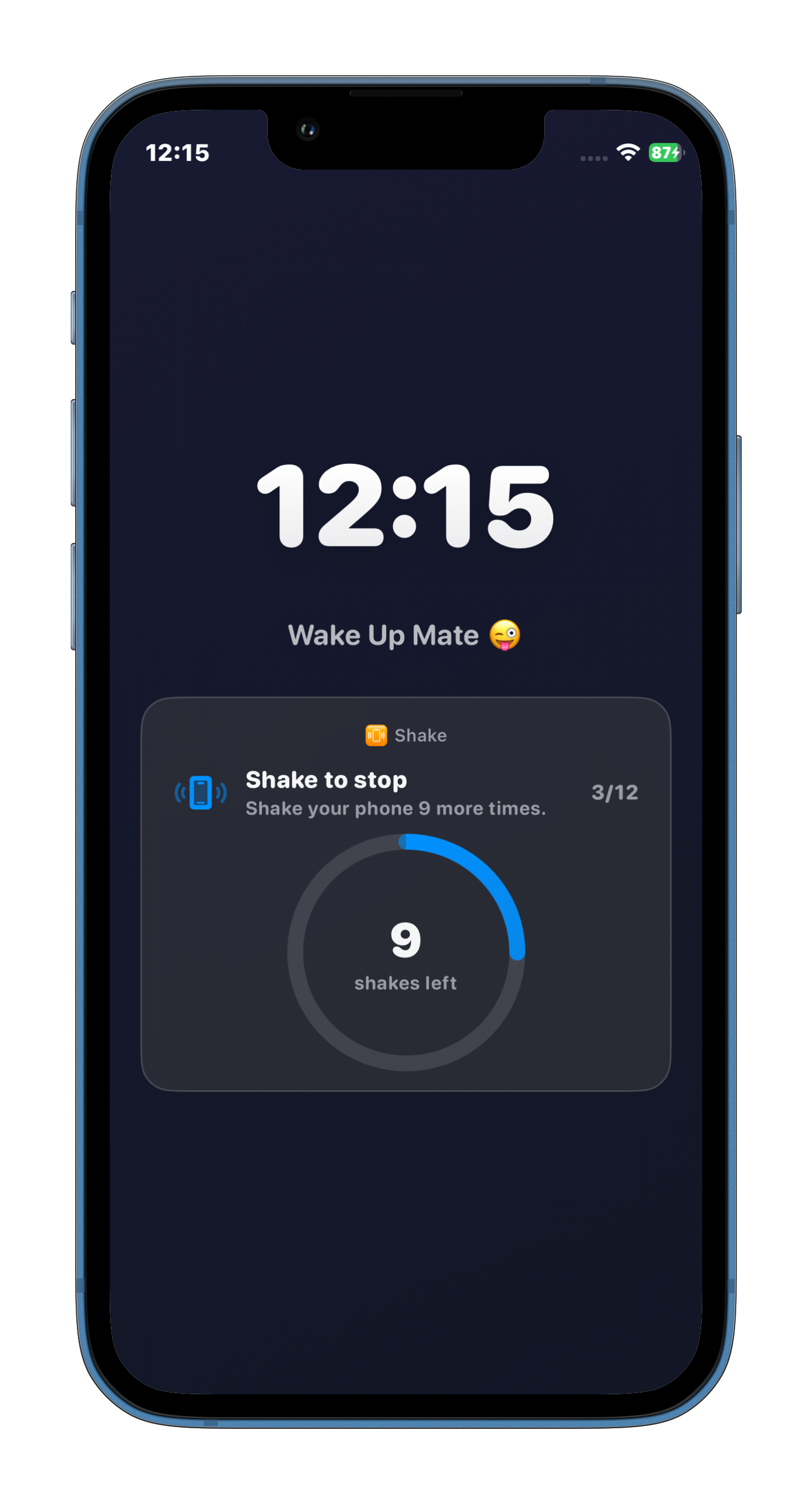
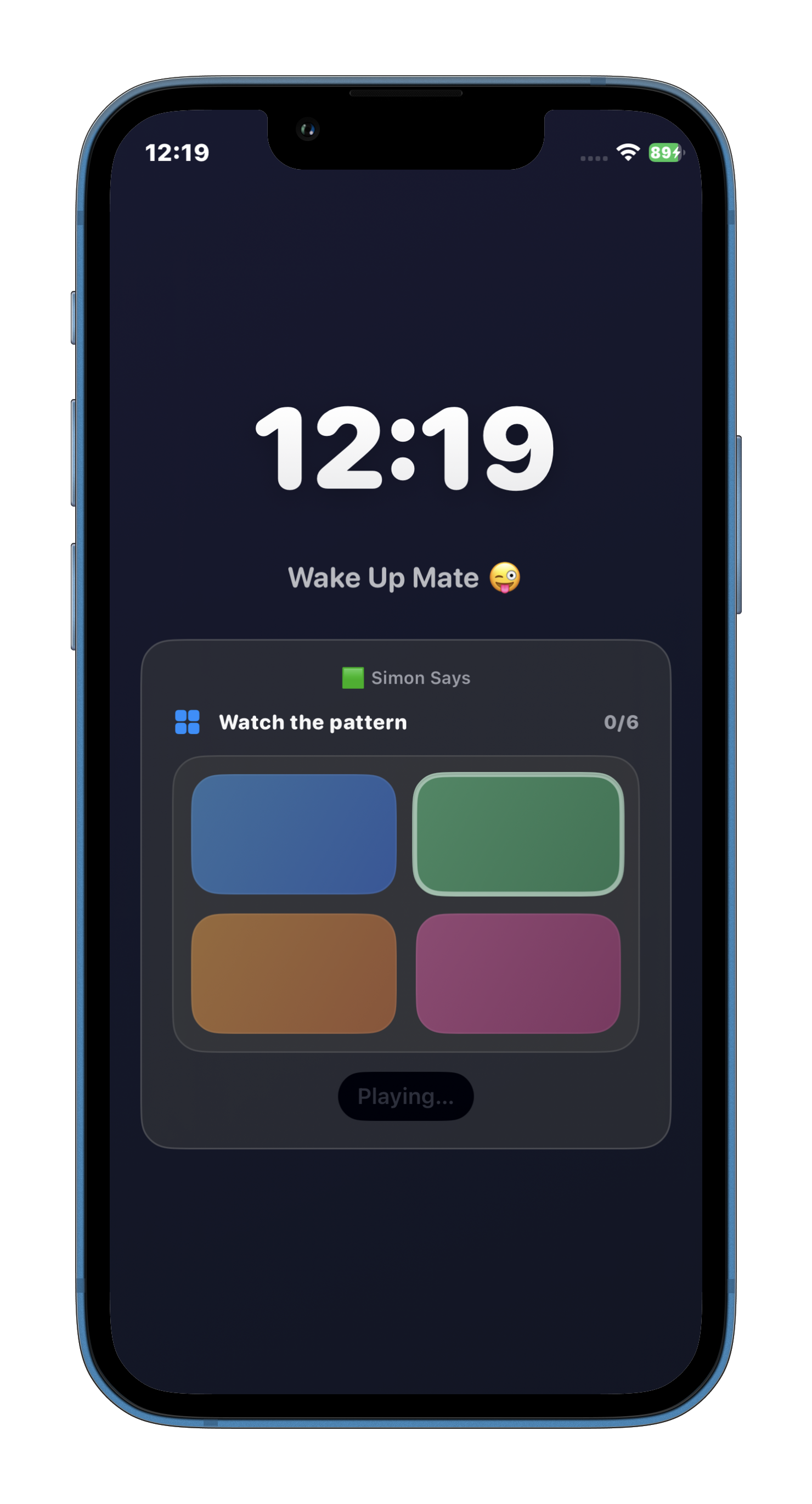
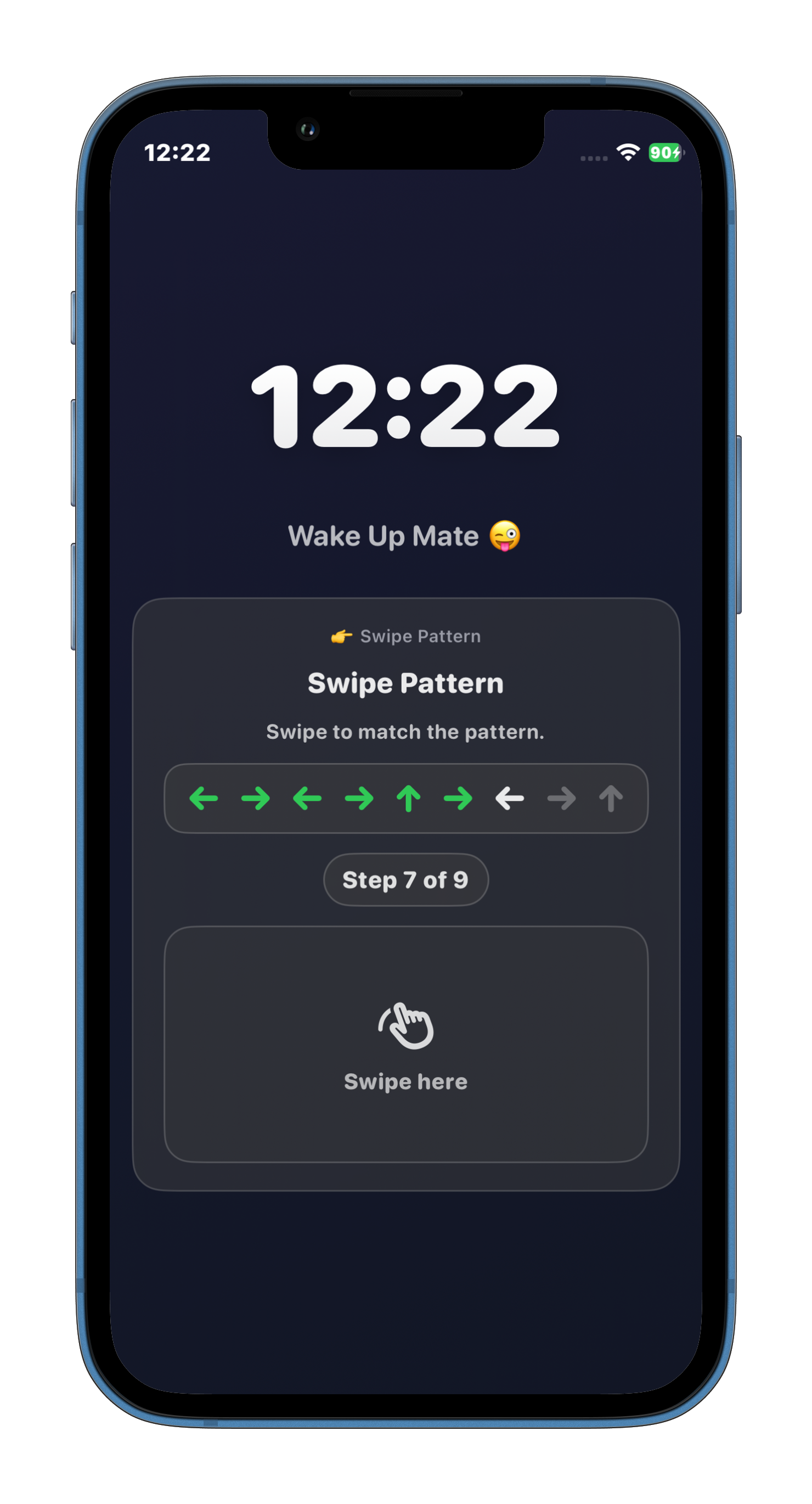
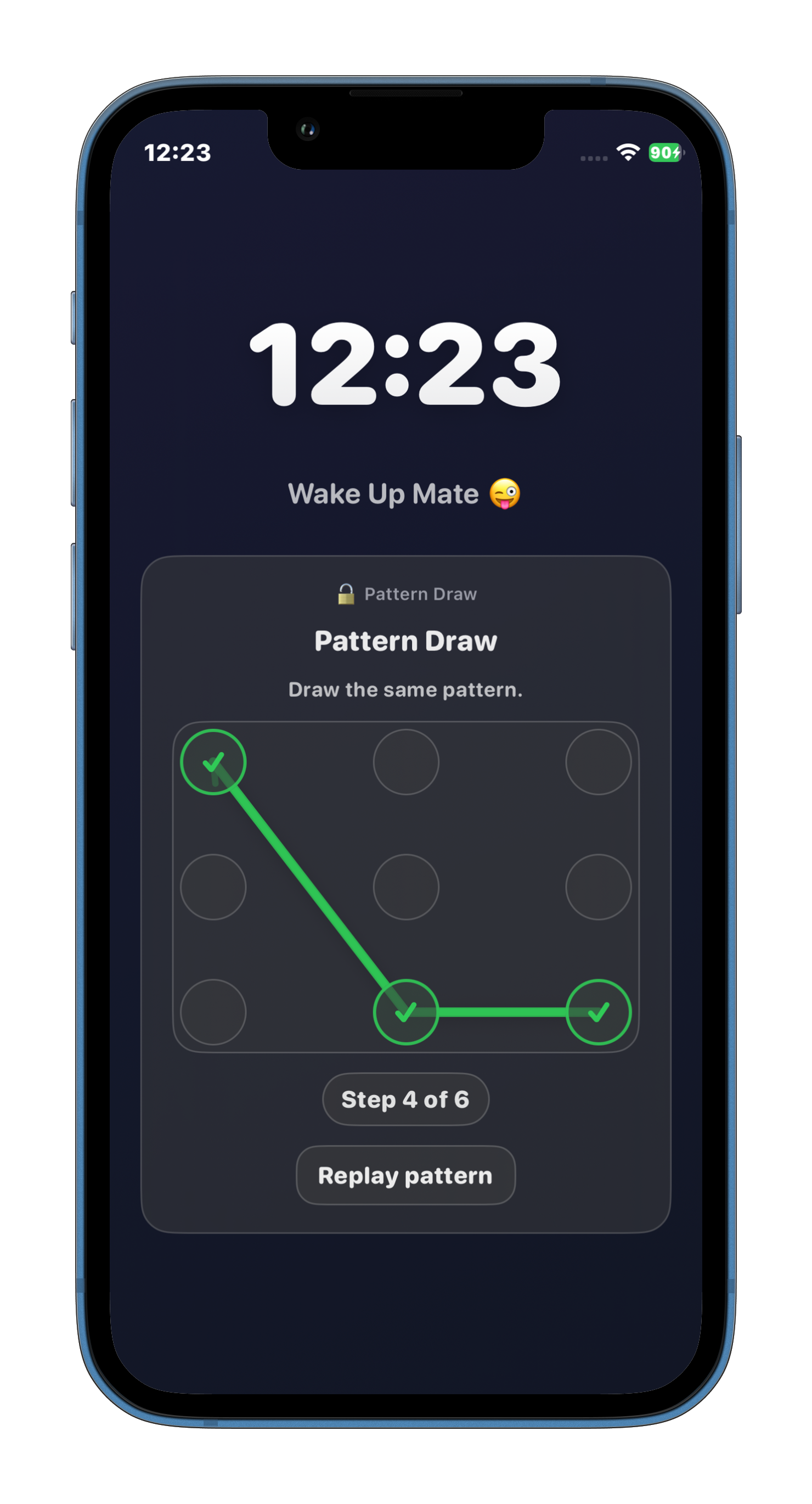
Alarm Arcade removes the easy-dismiss path. The alarm requires a mission — Math, Typing, Shake, Memory Match, and seven others — before it stops. Your sleep-inertia brain cannot execute any of these on autopilot. The alarm continues until you're actually engaged.
Ten missions address alarm fatigue through rotation
Alarm fatigue is real: your brain habituates to the same sound and the same dismissal action over time. Alarm Arcade's ten missions prevent task habituation. Rotating them every two to three days keeps the challenge genuinely novel.
Physical distance plus mission — the most effective combination
Putting the phone across the room and requiring a mission completion creates two separate barriers to the snooze reflex. Physical distance requires getting out of bed; the mission requires cognitive engagement. Neither alone is sufficient for serious heavy sleepers; together they create a robust wake-up system.
Why willpower alone doesn't work — and what does
| Feature | Alarm Arcade | Alarmy | iPhone Clock |
|---|---|---|---|
| No subscription required | ✓ | ✗ | ✓ |
| Game-based dismissal | ✓ | ✓ | ✗ |
| Works offline (no account) | ✓ | ✗ | ✓ |
| Pricing | $1.49 one-time | $4.99/mo | Free |
| Multiple mission types | ✓ | ✓ | ✗ |
The three reasons you can't wake up to your alarm
Sleep inertia: When you wake from deep sleep, your brain doesn't come online instantly. The prefrontal cortex — responsible for deliberate decision-making, impulse control, and planning — is the last region to recover. For the first 5–20 minutes after waking, you are neurologically impaired in ways that affect judgment and voluntary behavior. This is why you make 'decisions' (silencing the alarm, choosing five more minutes) that your awake self would never make. Sleep inertia is worse after poor sleep, longer sleep, and waking from deep sleep stages.
Alarm fatigue: The brain is highly efficient at filtering predictable, repeated stimuli. A familiar alarm sound becomes background noise after weeks of exposure — your auditory cortex processes it without escalating it to full consciousness. Similarly, a familiar dismissal action (the same tap every day) becomes a conditioned reflex that executes without conscious awareness. This is why people report dismissing their alarm 'in their sleep' — they literally are: the action has become habitual enough to run without full wakefulness. The dismissal mechanic: Most alarms stop with one tap or swipe. This is the core design flaw. The single-action dismissal requires no engagement that isn't compatible with sleep inertia. A mission that requires arithmetic, memory recall, or physical coordination cannot be completed in the same semi-conscious state.
Step-by-step fix using Alarm Arcade
Step 1: Address alarm fatigue immediately. Change your alarm sound. Any change to the sensory stimulus resets the habituation clock. Install Alarm Arcade and assign a new mission — this changes both the sound context and the dismissal action simultaneously. Step 2: Address the dismissal mechanic. Choose a high-demand mission: Typing or Math at Medium or Hard. Both require the prefrontal cortex to be operational. Your sleep-inertia brain cannot solve a two-step arithmetic problem or accurately type a phrase on autopilot.
Step 3: Address sleep inertia through physical position. Place the phone somewhere that requires you to stand up to reach. Standing activates your cardiovascular system and raises your cortisol slightly — both help accelerate recovery from sleep inertia. Step 4: Commit to no backup alarms. A second alarm is a guaranteed snooze cycle. One mission-based alarm at your actual required wake time, phone across the room, with a cognitively demanding mission. Give this setup one full week before evaluating whether it's working.
Frequently Asked Questions
Yes, and it's more common than most people realize. Dismissing an alarm during sleep inertia is an automatic behavior executed by habitual motor pathways that don't require full consciousness. It's the same mechanism as sleepwalking — your body performs a familiar action without your conscious mind being present. This is precisely why mission-based dismissal is necessary: automatic behavior cannot execute a new, cognitively demanding task.
Yes. Conditions including sleep apnea (which fragments sleep and prevents restorative deep sleep), delayed sleep phase disorder, narcolepsy, hypothyroidism, depression, and medication side effects can all contribute to difficulty waking. If you've tried behavioral interventions including mission-based alarms without improvement, or if you consistently feel unrefreshed regardless of sleep duration, consulting a doctor is worthwhile. Alarm Arcade addresses behavioral and mechanical factors; it's not a substitute for medical evaluation of sleep disorders.
This is the physical position problem. If you can complete a mission lying in bed, the mission breaks through sleep inertia enough to complete the task but not enough to prevent re-entry into sleep. The fix is ensuring you're standing up before completing the mission. Phone across the room is the most reliable enforcement of this. Once you're standing, completing the mission, and keeping the lights on, re-entry into sleep requires a deliberate decision rather than a passive slide.
Fix the alarm before you fix anything else
Free to download. Takes 60 seconds to set up. No subscription, no account needed.
Download Alarm Arcade — Free