 Alarm Arcade
Alarm Arcade vs Shake-it Alarm
Shake-it Alarm and Alarm Arcade both make you do something physical before your alarm stops — but one of them only has one trick. This page compares the two so you can figure out which approach actually works for your sleep patterns.
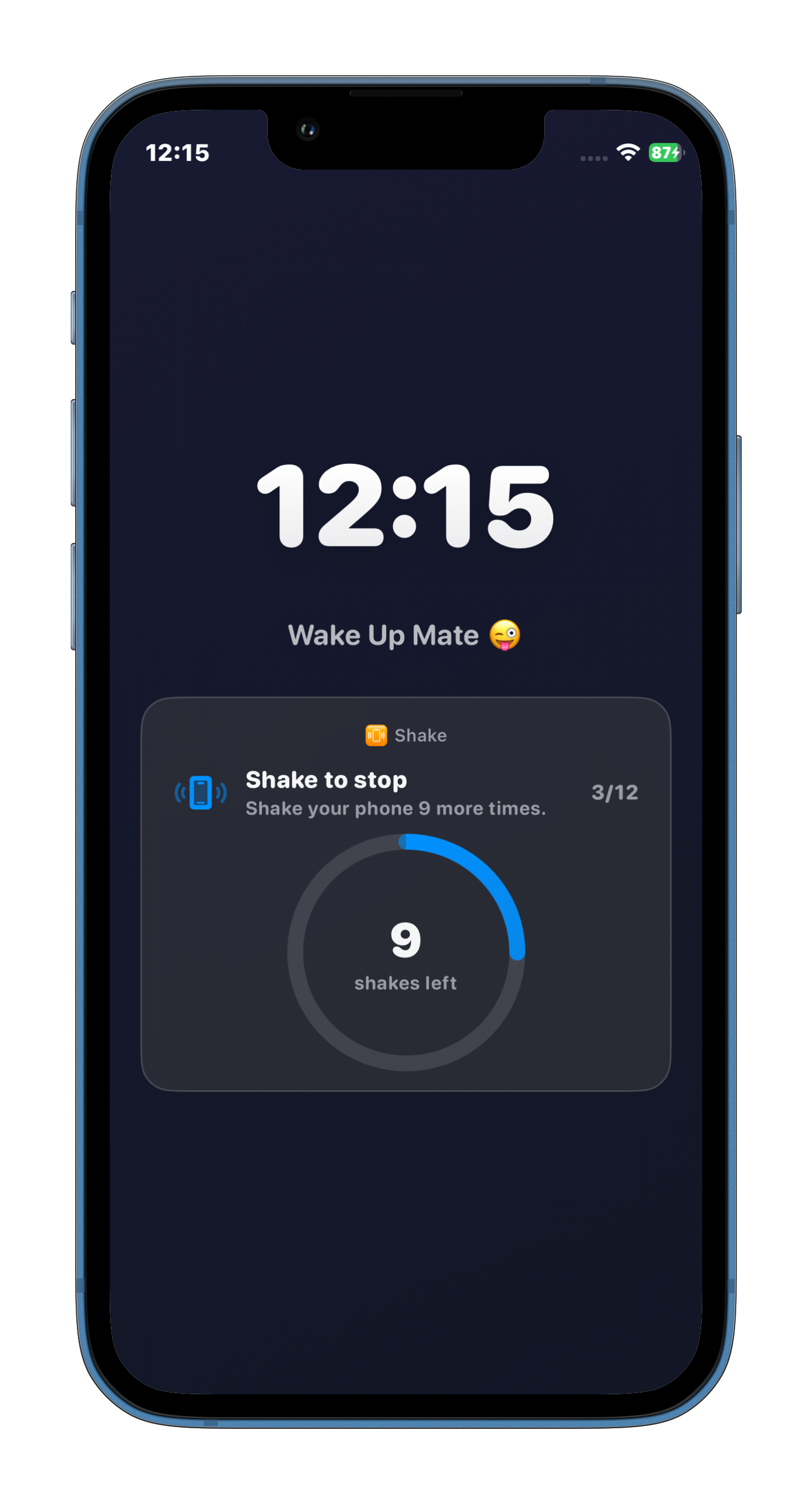
Shake-it Alarm's entire mechanic is in its name: shake the phone until the alarm stops. That's effective at first, but a single repeated motion is easy to automate after a few weeks. Alarm Arcade includes Shake as one of ten mission types, so you're not locked into a single dismissal method that your sleeping brain eventually learns to perform without waking up.
If you've been using Shake-it Alarm and find yourself completing the shake without actually feeling awake, Alarm Arcade lets you rotate to cognitive or reaction-based challenges whenever the physical approach stops working. Free to download, Pro is $1.49 once — no subscription.
Who This Is For
- Shake-it Alarm users who've learned to shake in their sleep
- People who want both physical and cognitive wake-up challenges
- Heavy sleepers who need variety to prevent autopilot dismissal
- Users looking for a one-time purchase instead of ongoing fees
- Light travelers who set alarms in airplane mode
- iOS users who want a simple setup with no account required
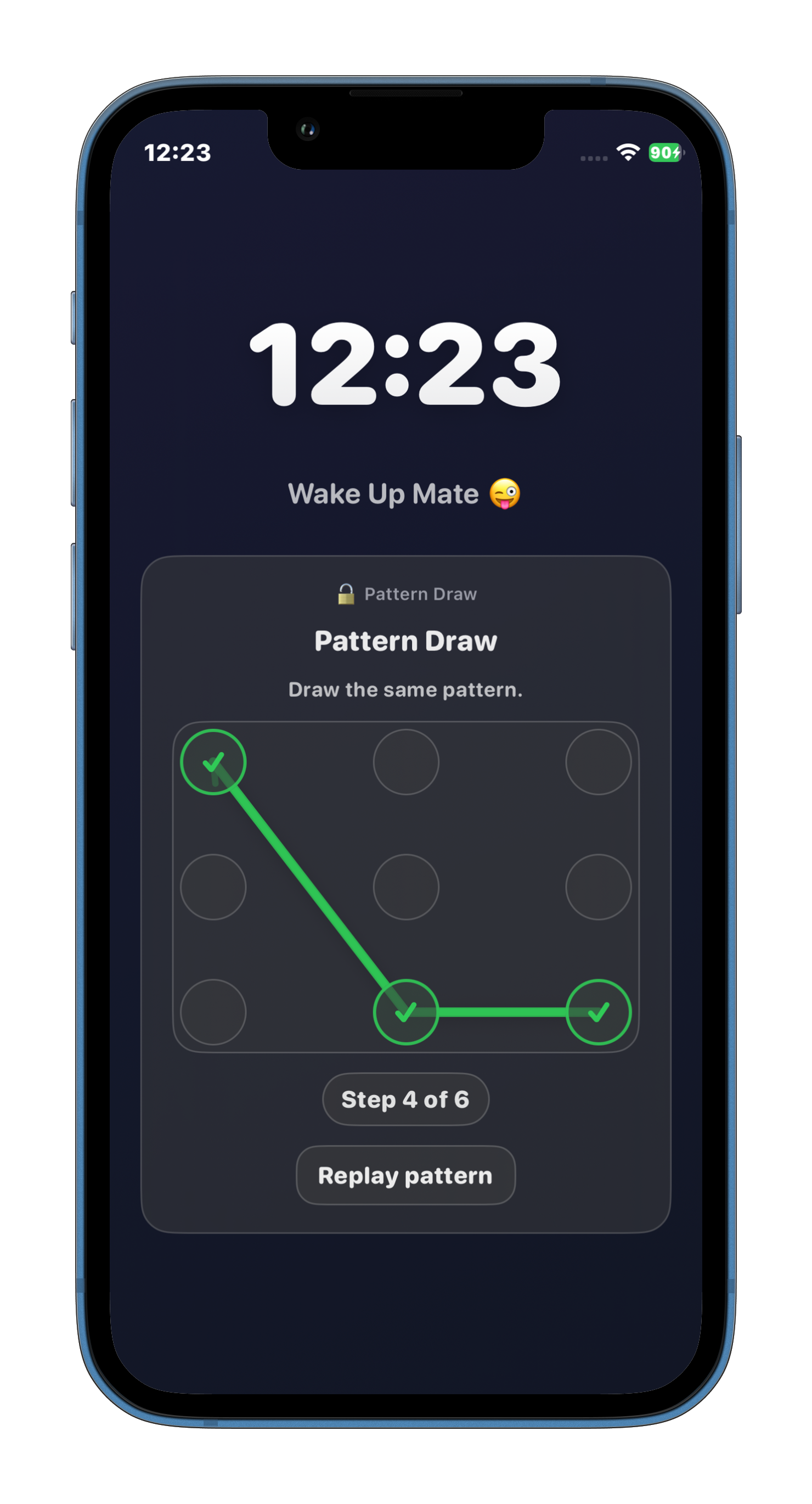
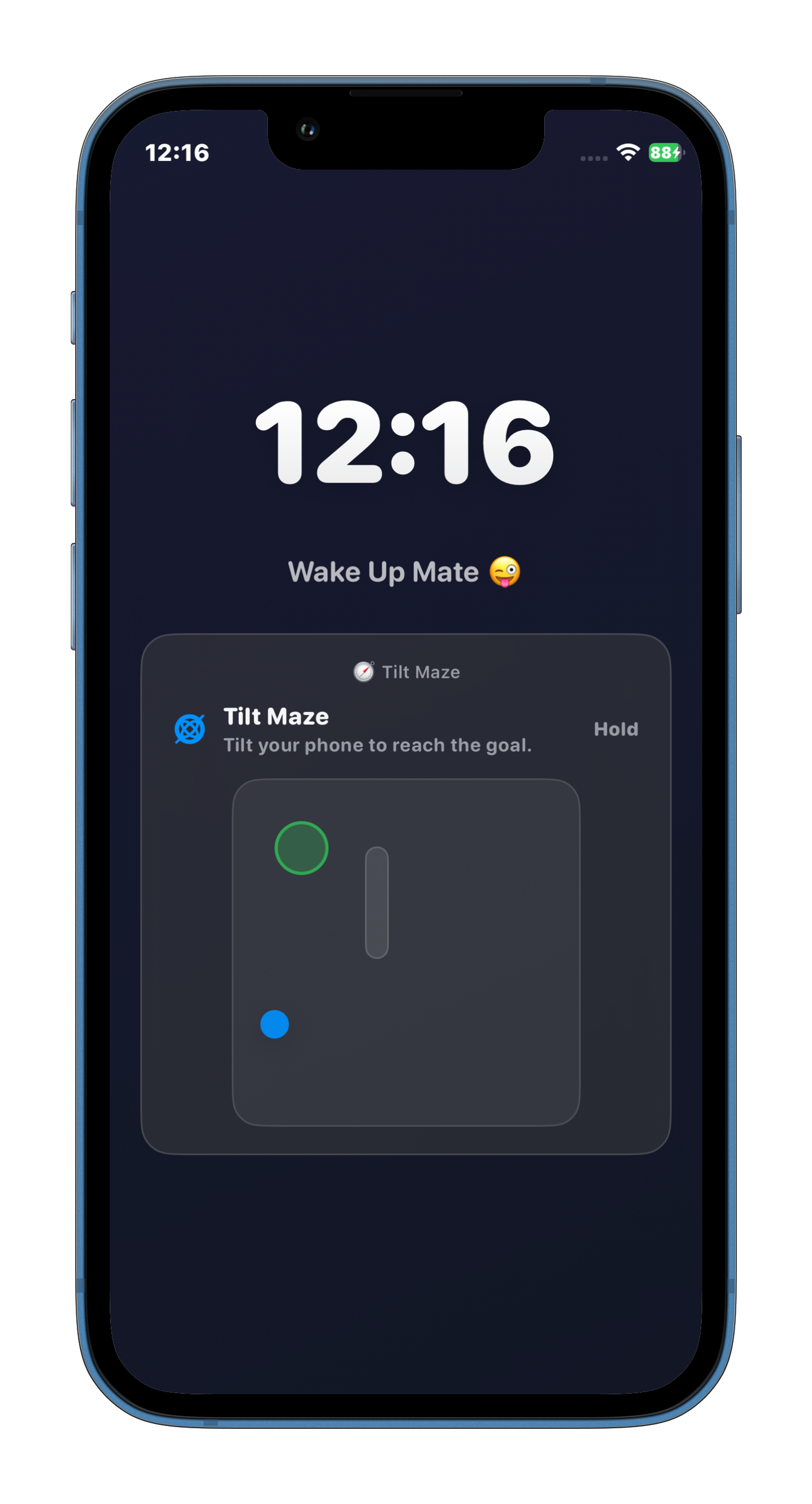
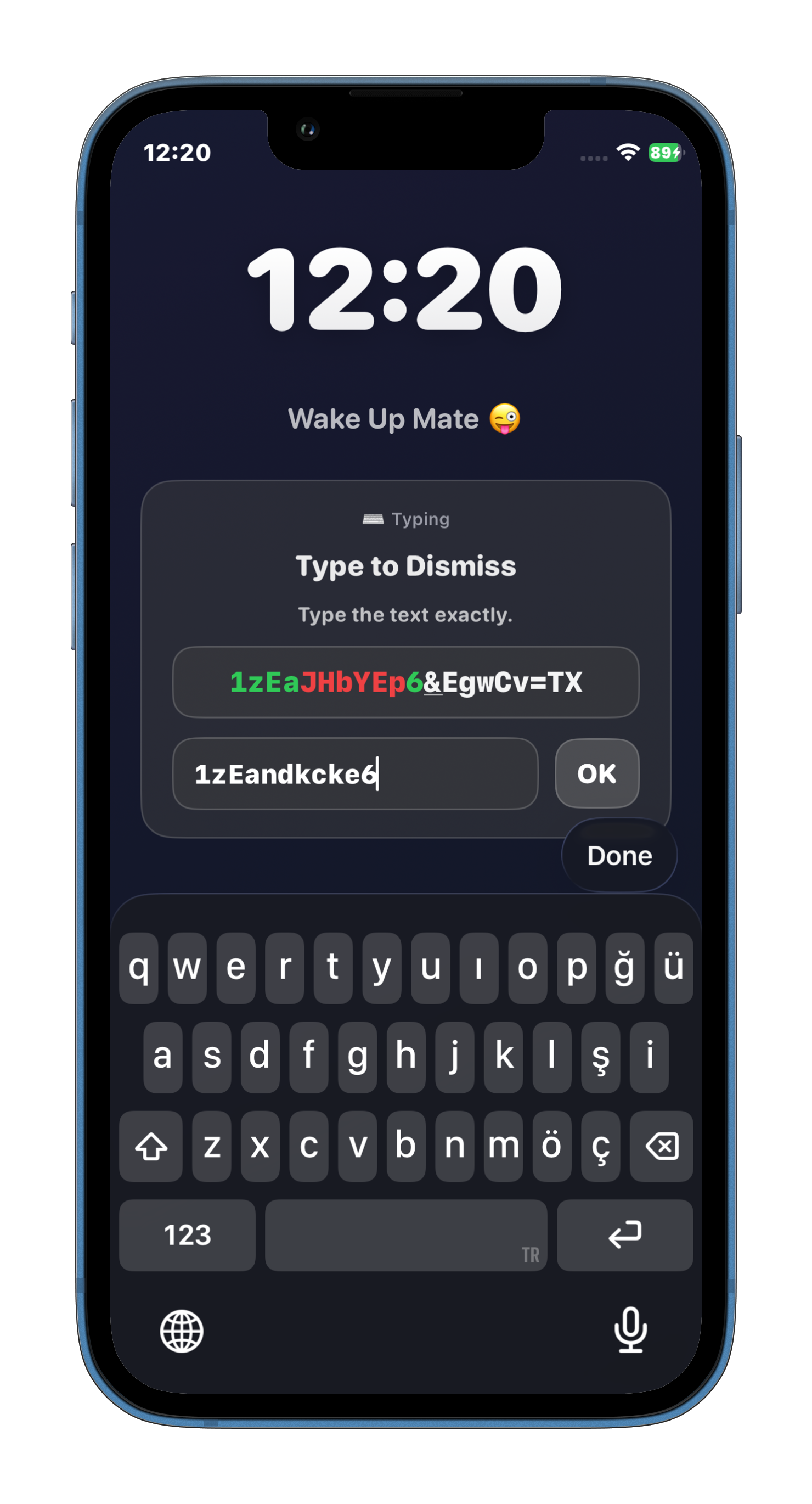
Why Alarm Arcade Works for Shake-it Alarm users considering a switch
Ten missions, not one — stay ahead of your sleeping brain
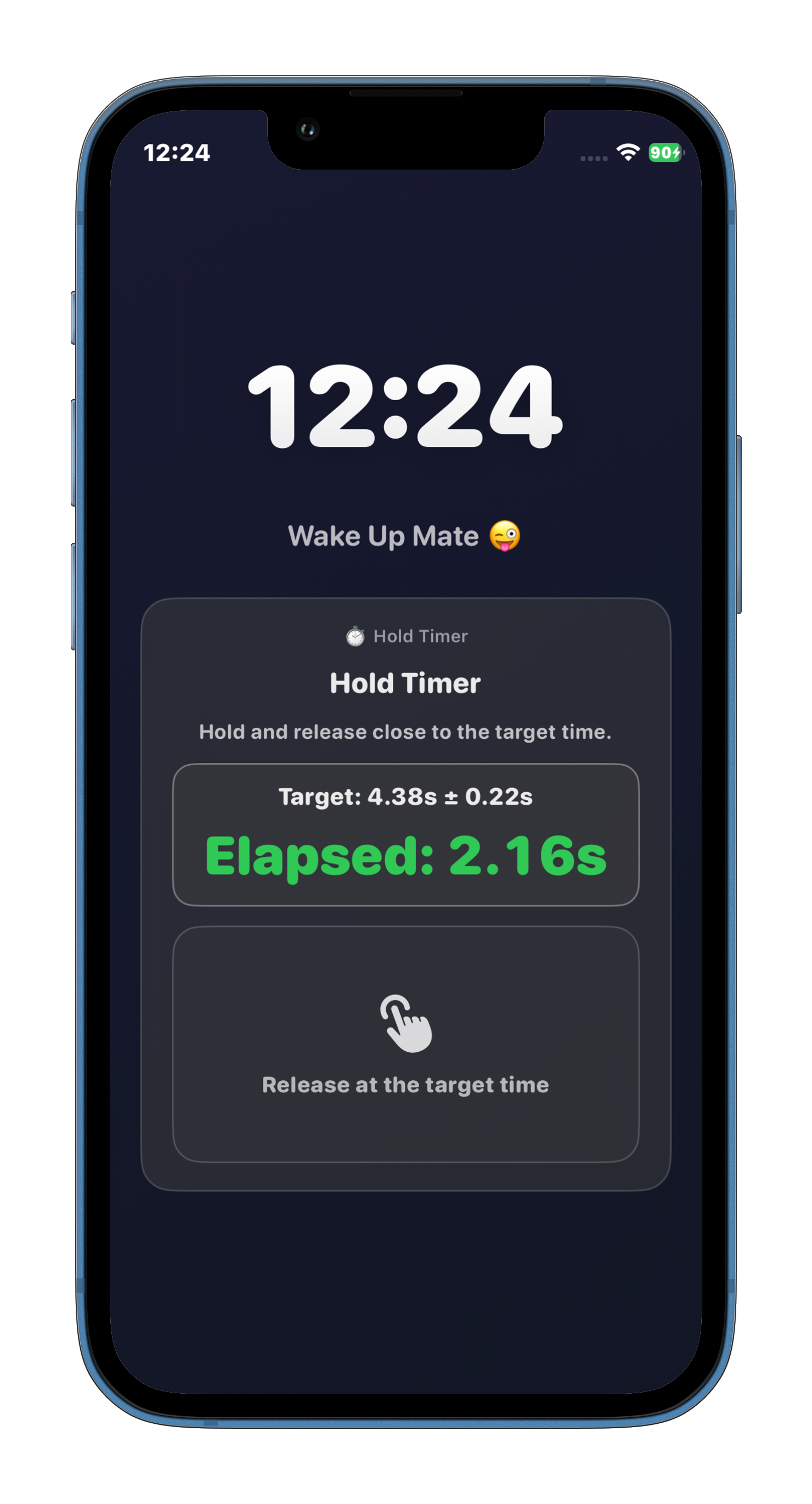
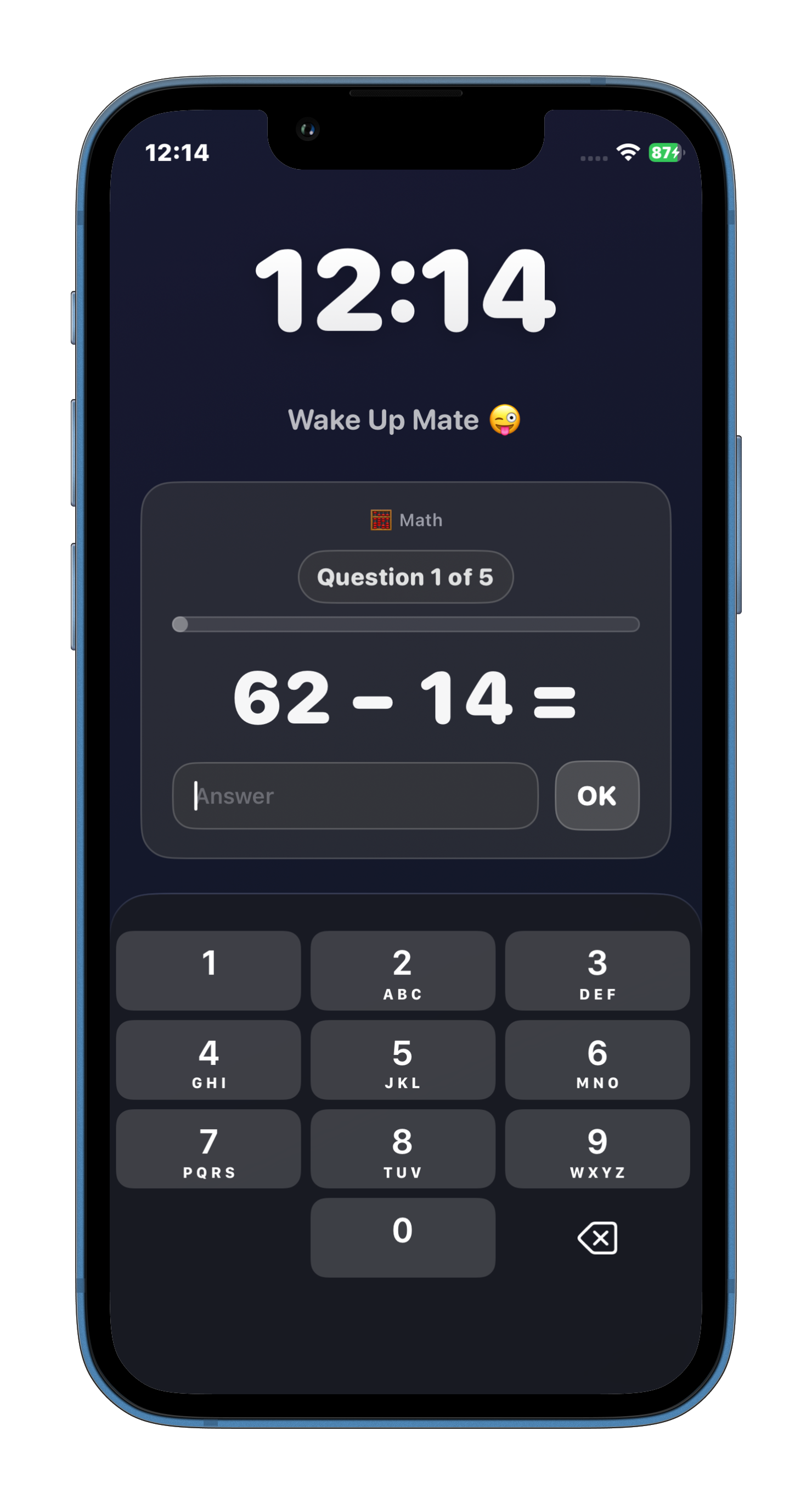
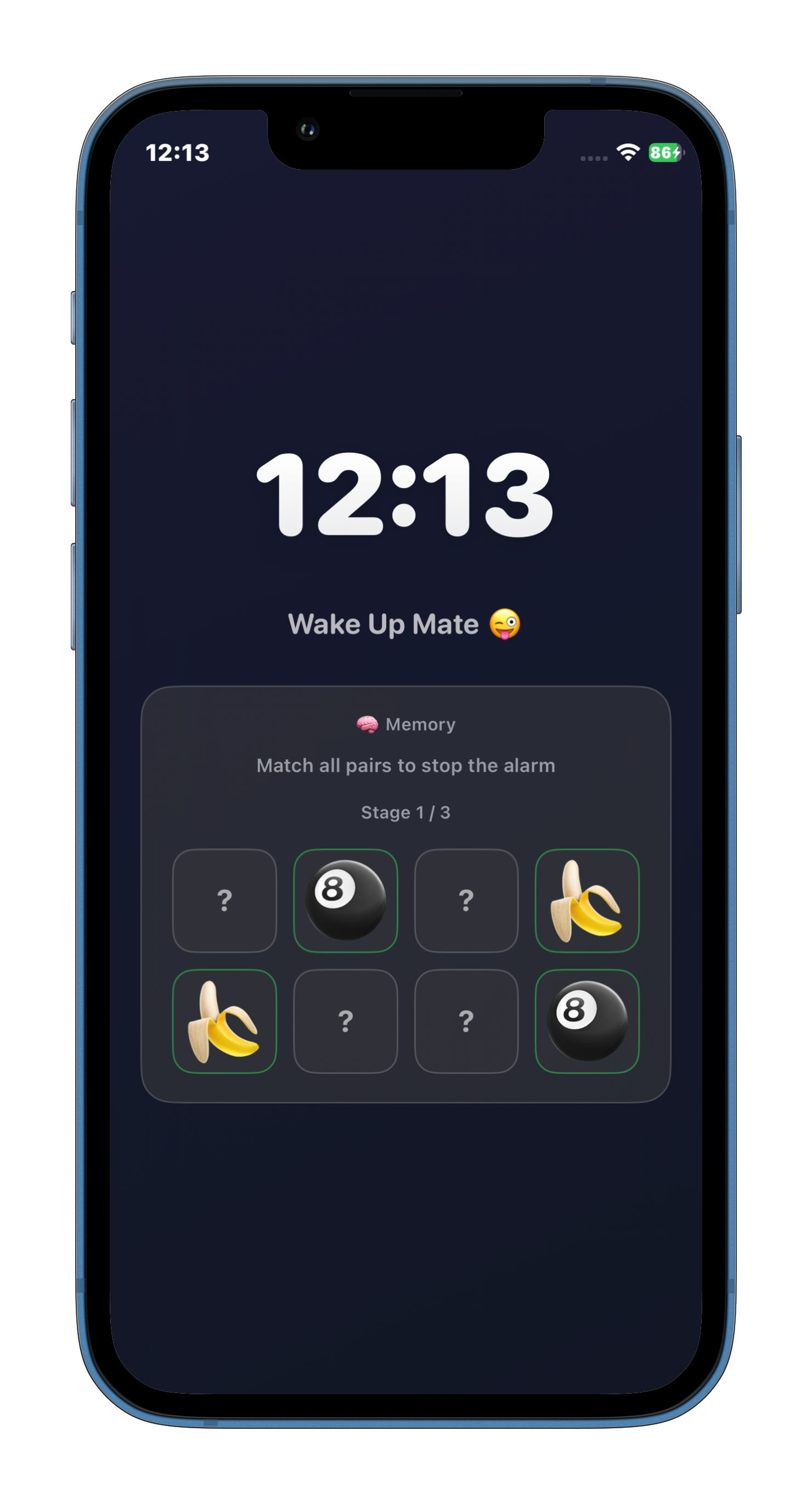
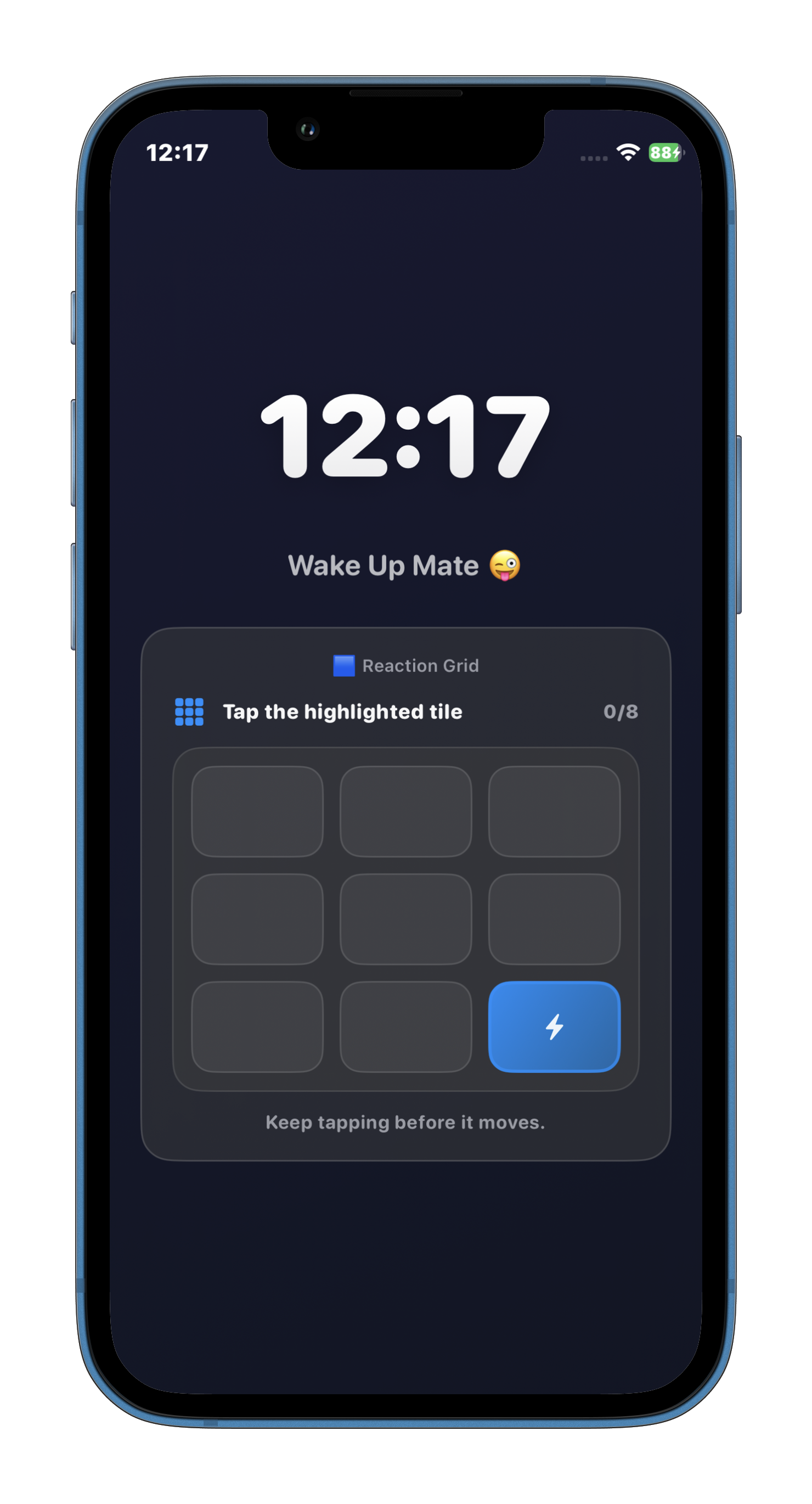
Shaking is a purely physical, repetitive action. Once your body memorizes the motion, sleep inertia is enough to complete it. Alarm Arcade lets you switch to Math, Typing, Reaction Grid, or Tilt Maze when shaking becomes too automatic — keeping the challenge genuinely unpredictable.
No subscription — $1.49 one-time Pro
Alarm Arcade's full feature set unlocks for $1.49 once. Compare that to any alarm app running a monthly subscription and the math is straightforward. You pay once, the app works forever, and you never have to think about it at renewal time.
No account, no data collected
Alarm Arcade requires no sign-up and collects no personal data. Everything runs locally on your iPhone. For an app you open first thing every morning, that's a meaningful privacy difference.
Alarm Arcade vs Shake-it Alarm — Feature Comparison
| Feature | Alarm Arcade | Alarmy | iPhone Clock |
|---|---|---|---|
| No subscription required | ✓ | ✗ | ✓ |
| Game-based dismissal | ✓ | ✓ | ✗ |
| Works offline (no account) | ✓ | ✗ | ✓ |
| Pricing | $1.49 one-time | $4.99/mo | Free |
| Multiple mission types | ✓ | ✓ | ✗ |
Why a single-motion alarm stops working for heavy sleepers
The problem with any single-method alarm is habituation. Your brain is remarkably good at building motor routines — especially for simple, repetitive actions like shaking a phone. After a few weeks, the motion becomes a conditioned response that doesn't require conscious attention. You shake, the alarm stops, and you're back asleep before you realize what happened.
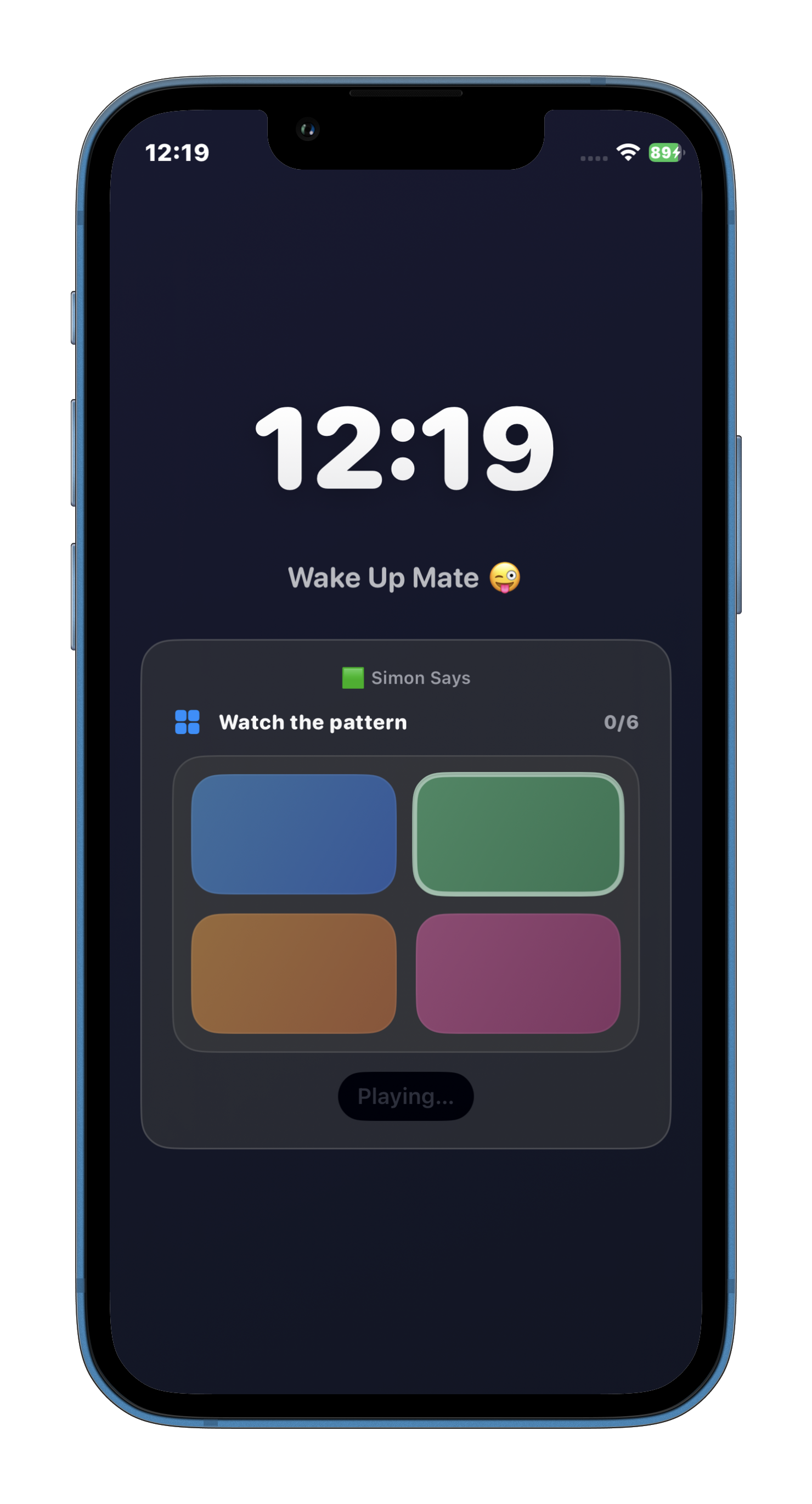
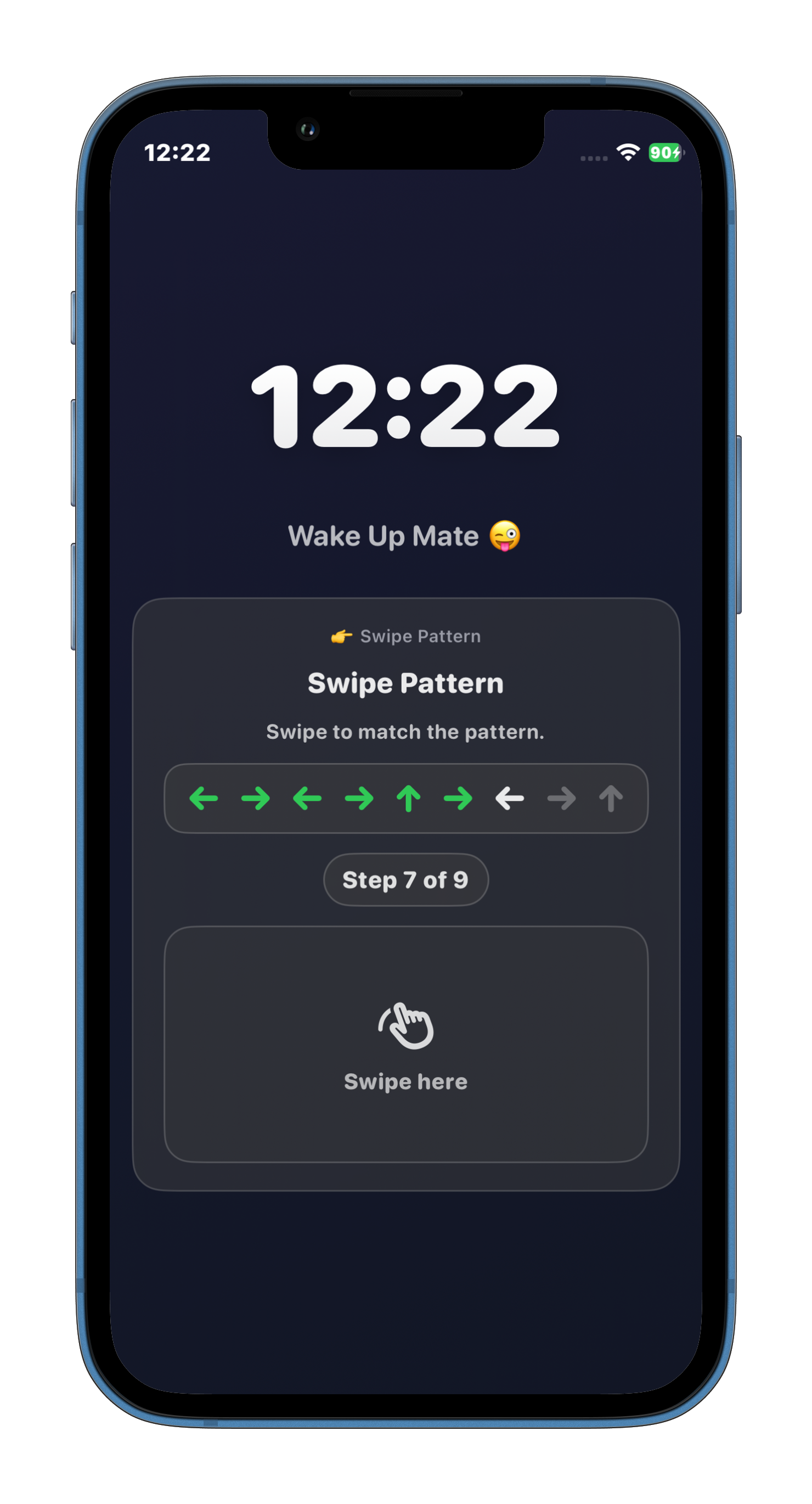
This isn't a flaw in Shake-it Alarm specifically — it's a fundamental limitation of single-method wake-up apps. The only reliable counter is variety. Rotating between physical challenges (Shake, Tilt Maze), cognitive tasks (Math, Typing, Simon Says), and reaction-based missions (Reaction Grid, Swipe Pattern) ensures your brain can't coast on autopilot.
How to switch from Shake-it Alarm to Alarm Arcade
Step 1: Install Alarm Arcade and set a single alarm at your target wake time. Step 2: Start with a cognitive mission — Math or Typing — since these require active thought and are the hardest to complete while still half-asleep. If you genuinely prefer physical motion, Shake is available in Alarm Arcade too, so you haven't lost anything.
Step 3: Change your mission every three to four days. This is the key habit that prevents re-habituation. Step 4: Set the phone on a surface you have to stand up to reach. Physical distance from the bed remains one of the most effective anti-snooze strategies regardless of which mission you're using.
Frequently Asked Questions
Yes. Shake is one of Alarm Arcade's ten built-in missions. The difference is that it's one option among many, so you can use it when you want physical engagement and switch to something cognitive (Math, Typing) or reaction-based (Reaction Grid) when shaking starts feeling too easy.
Alarm Arcade is designed to prevent dismissal without completing a mission — there's no tap-to-dismiss bypass. Snooze behavior can be configured, but the intent is that you have to complete the challenge before silence. That's the core mechanism that separates it from standard alarms.
Completely. Alarm Arcade is fully offline — no internet required to set alarms, trigger them, or run missions. No account login, no server dependency. It works the same whether you're at home, in a hotel, or on a plane.
Make the decision easy — pick the one that actually wakes you up
Download Alarm Arcade free. No subscription, no account needed, works offline. Pro is $1.49 one-time.
Download Alarm Arcade — Free