 Alarm Arcade
Puzzle alarm apps: which one is actually effective?
Puzzle alarms work when the puzzle is hard enough to require conscious engagement but not so hard that you fail repeatedly and give up. This page breaks down what makes a puzzle alarm actually effective and compares the leading options so you can pick the one that works past the first week.
Puzzle alarm apps vary significantly in how many puzzle types they offer, how difficulty scales, and whether the puzzle can be bypassed. An effective puzzle alarm has three properties: the puzzle requires genuine cognitive engagement, difficulty can be adjusted to stay ahead of adaptation, and there's enough variety that no single puzzle type becomes automatic. Alarm Arcade is designed with all three in mind.
Alarm Arcade includes ten mission types — including multiple puzzle formats — at a one-time Pro cost of $1.49. No subscription, no account, works offline. Free to download and test before spending anything.
Who This Is For
- Puzzle lovers who want their alarm to engage their brain from the first second
- People who tried math alarms and found them too easy after a few weeks
- Heavy sleepers who want cognitive challenges, not just physical tasks
- iOS users evaluating puzzle alarm apps before downloading
- People who want variety in their morning challenge, not just one puzzle type
- Students who find interactive wake-up tasks more effective than sounds
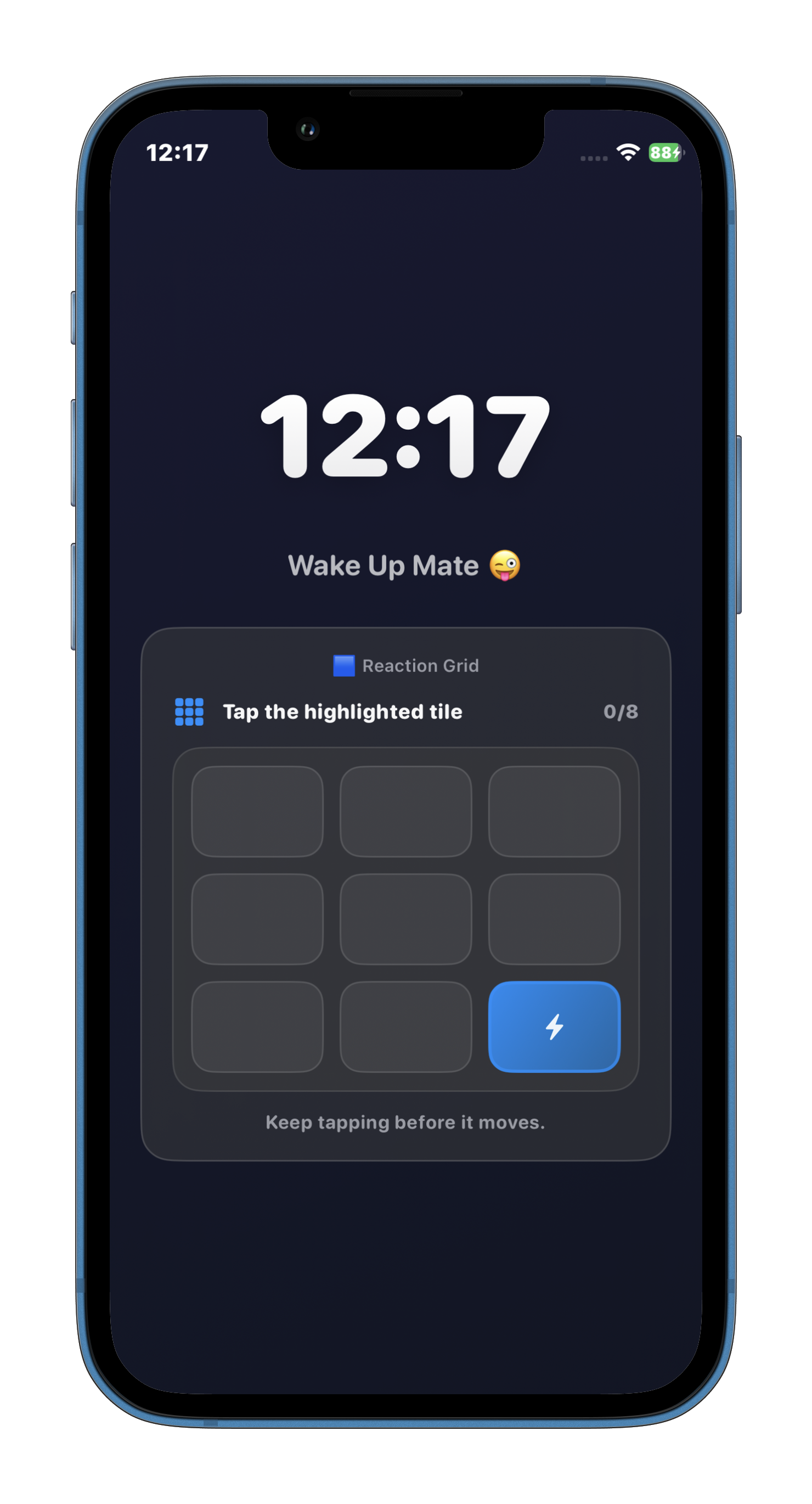
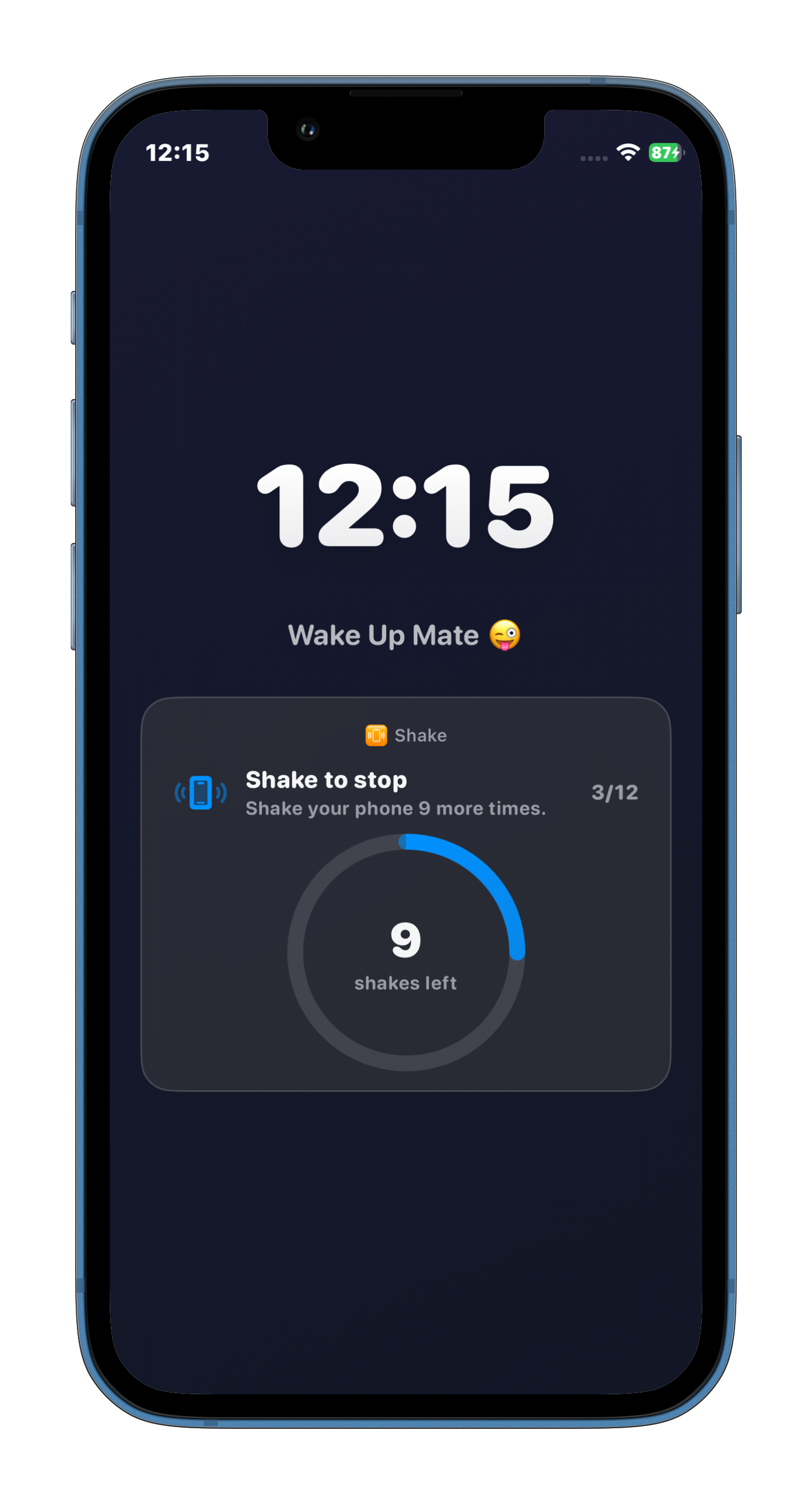
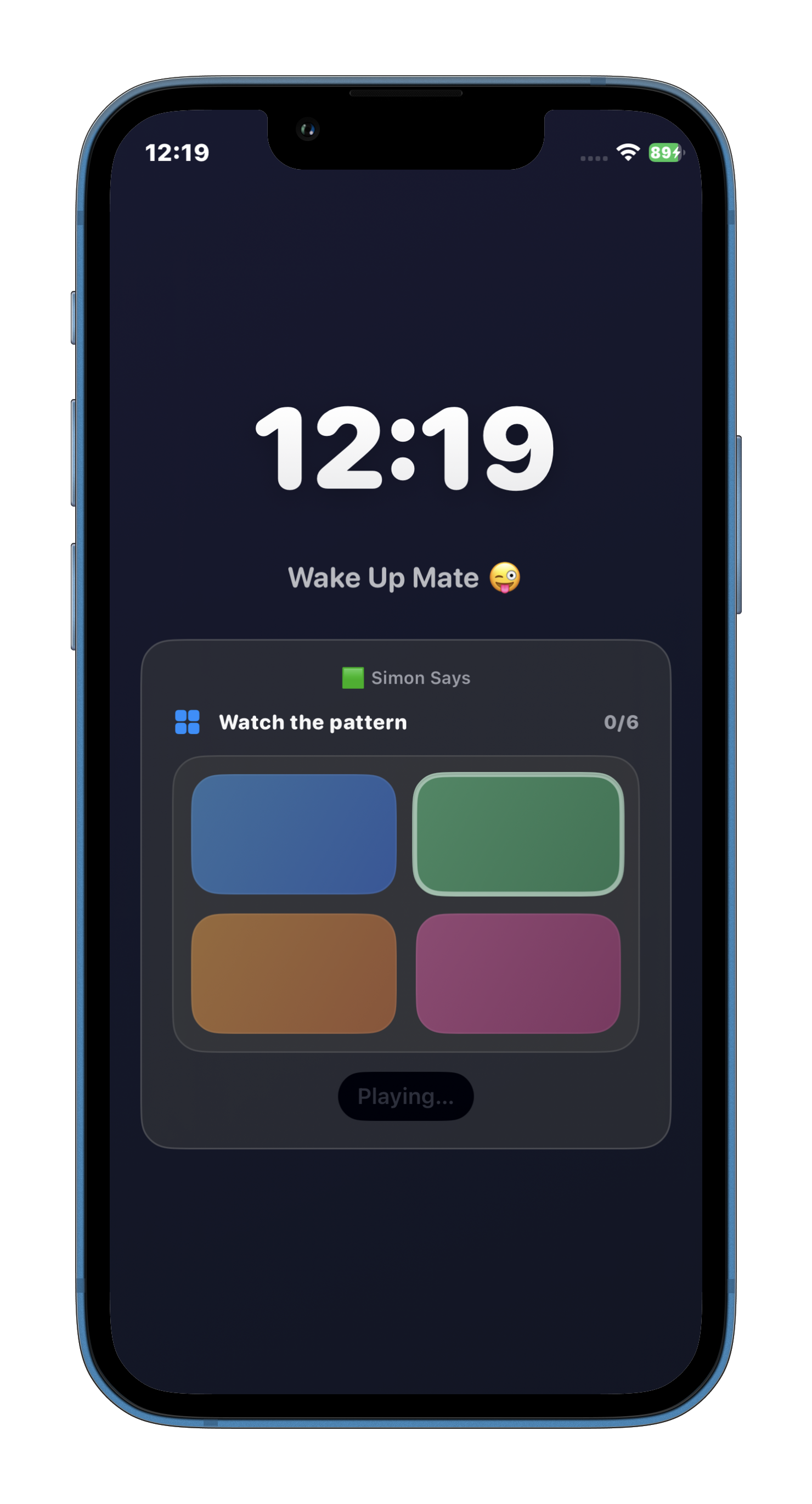
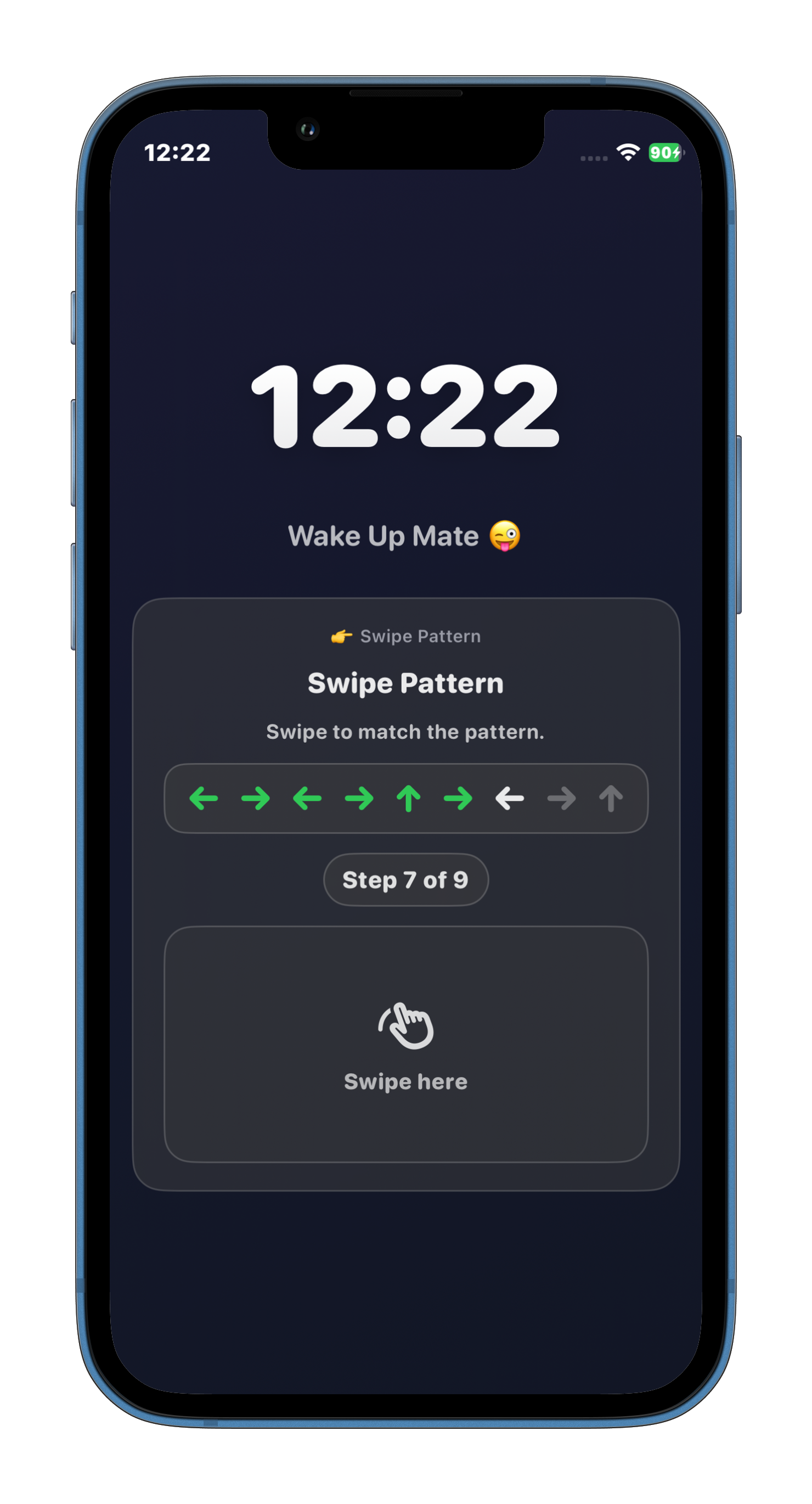
Why Alarm Arcade Works for Puzzle alarm app users comparing their options
Multiple puzzle formats — not just math
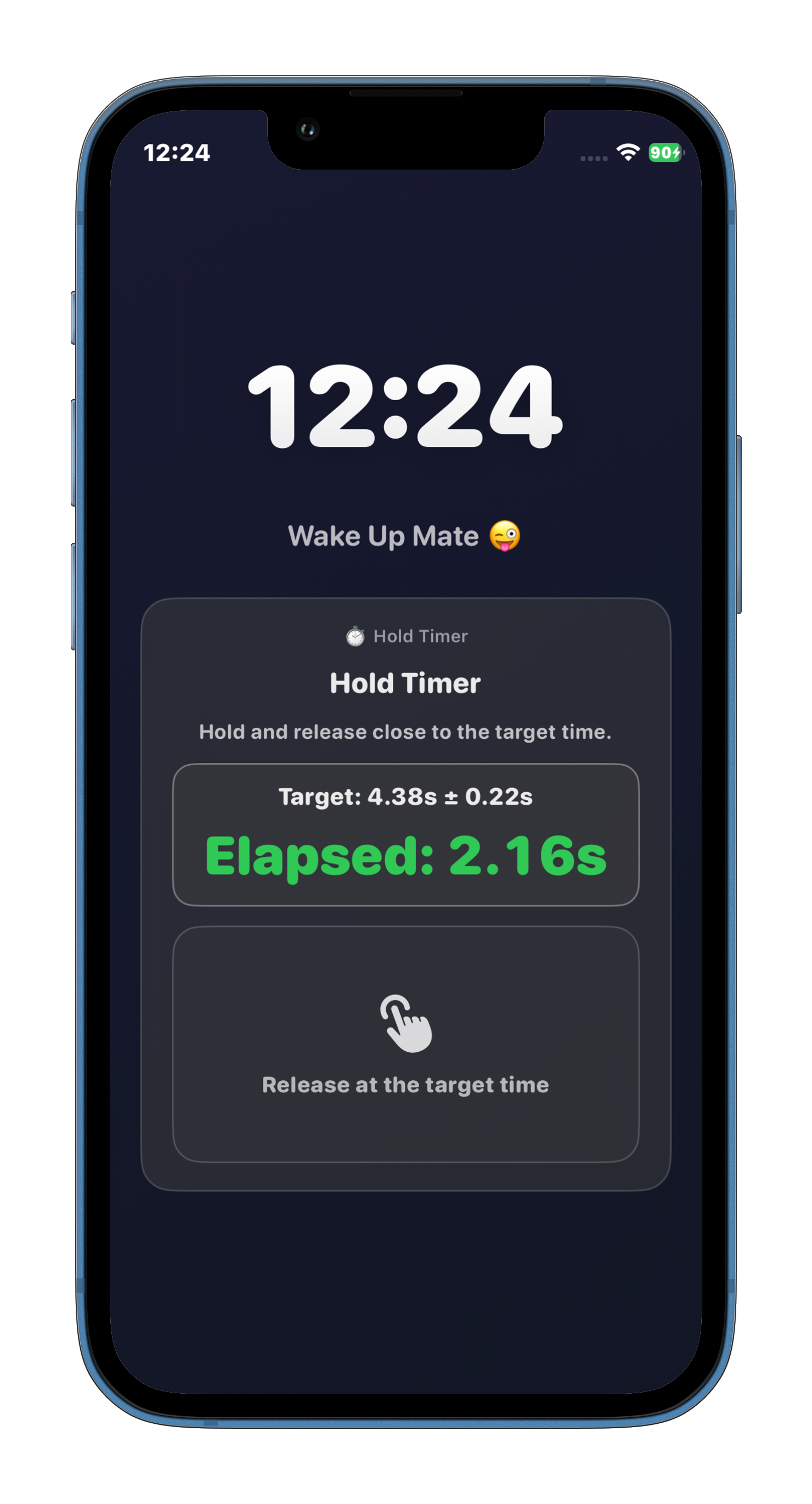
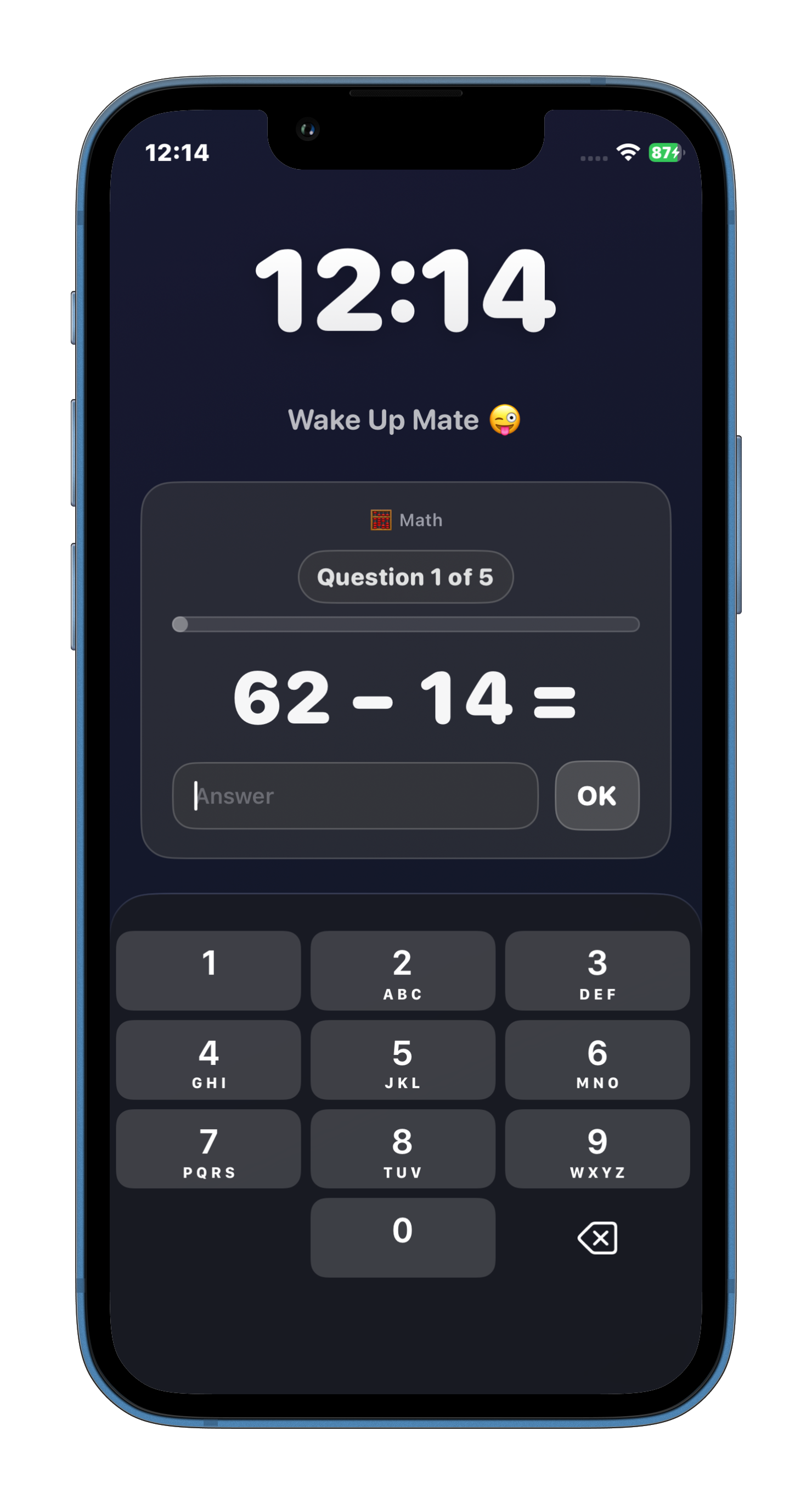
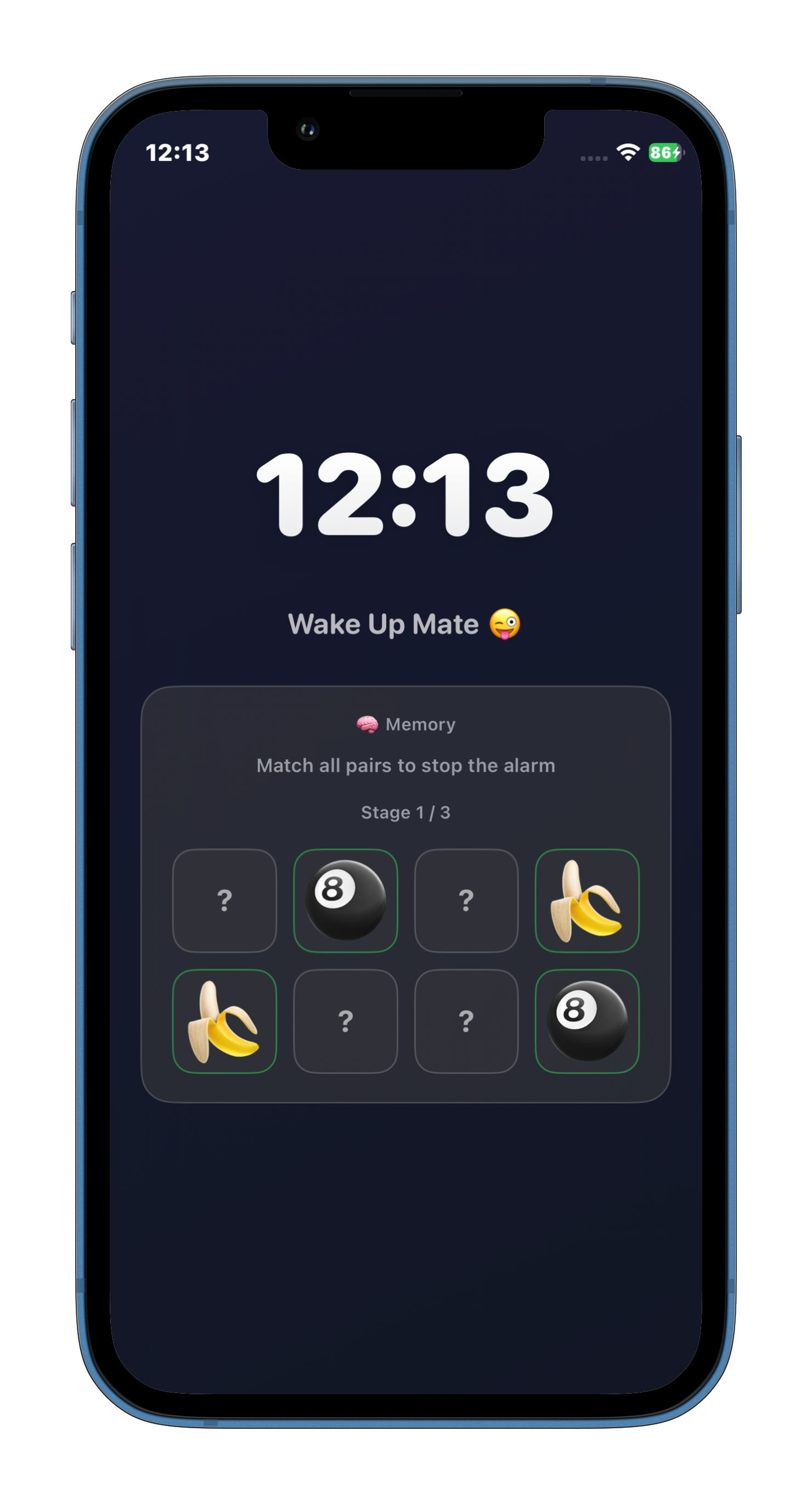
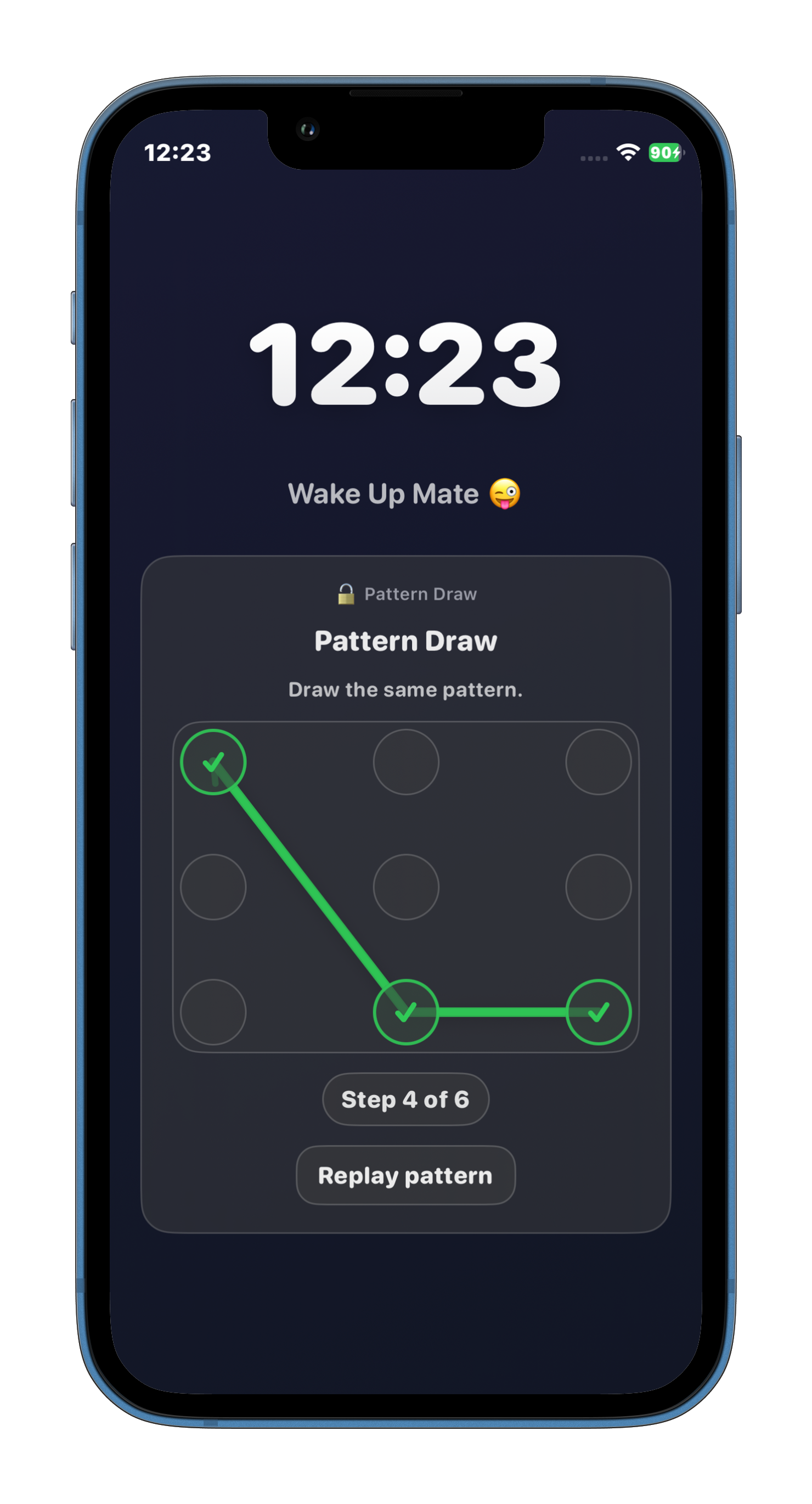
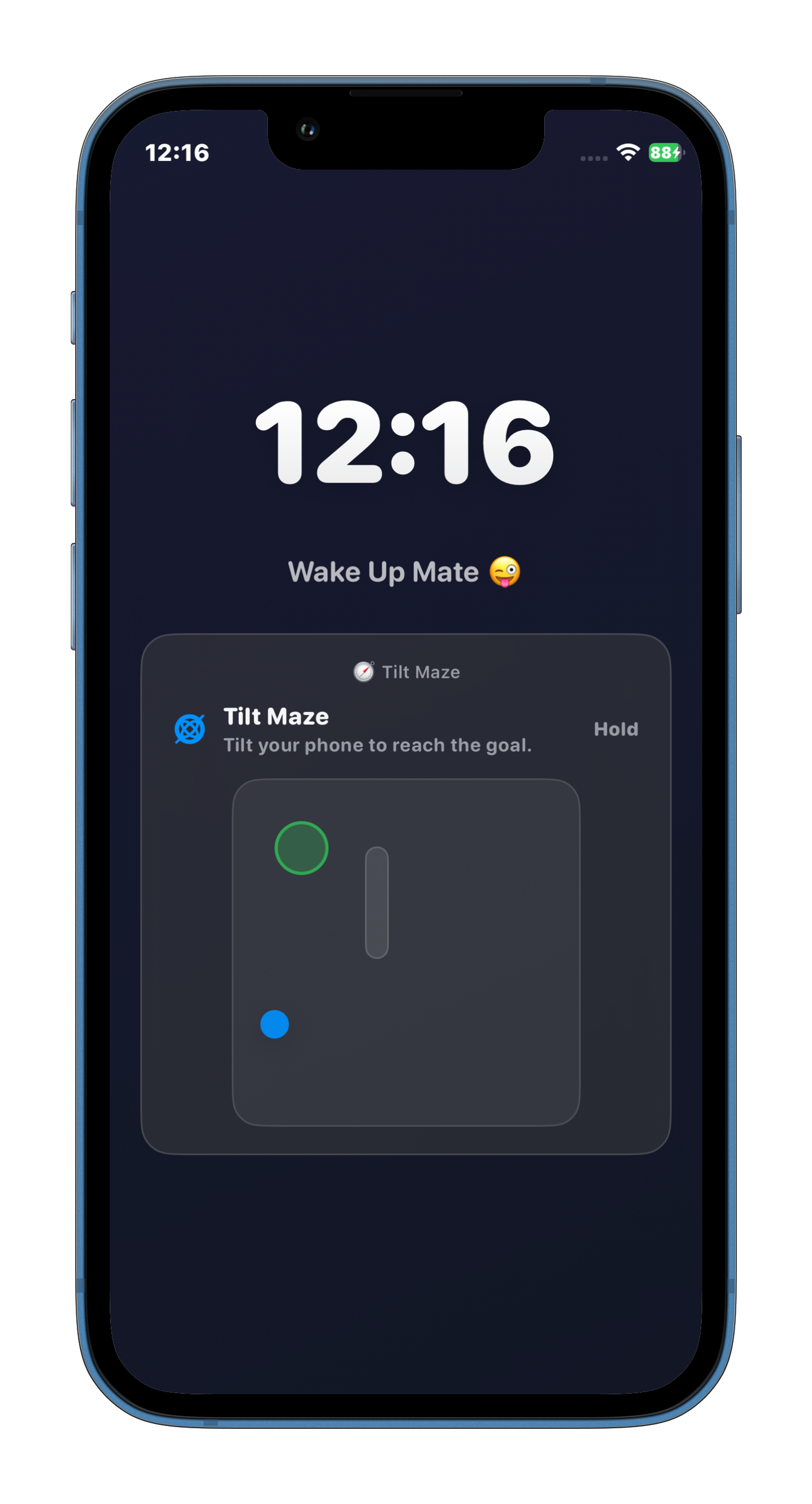
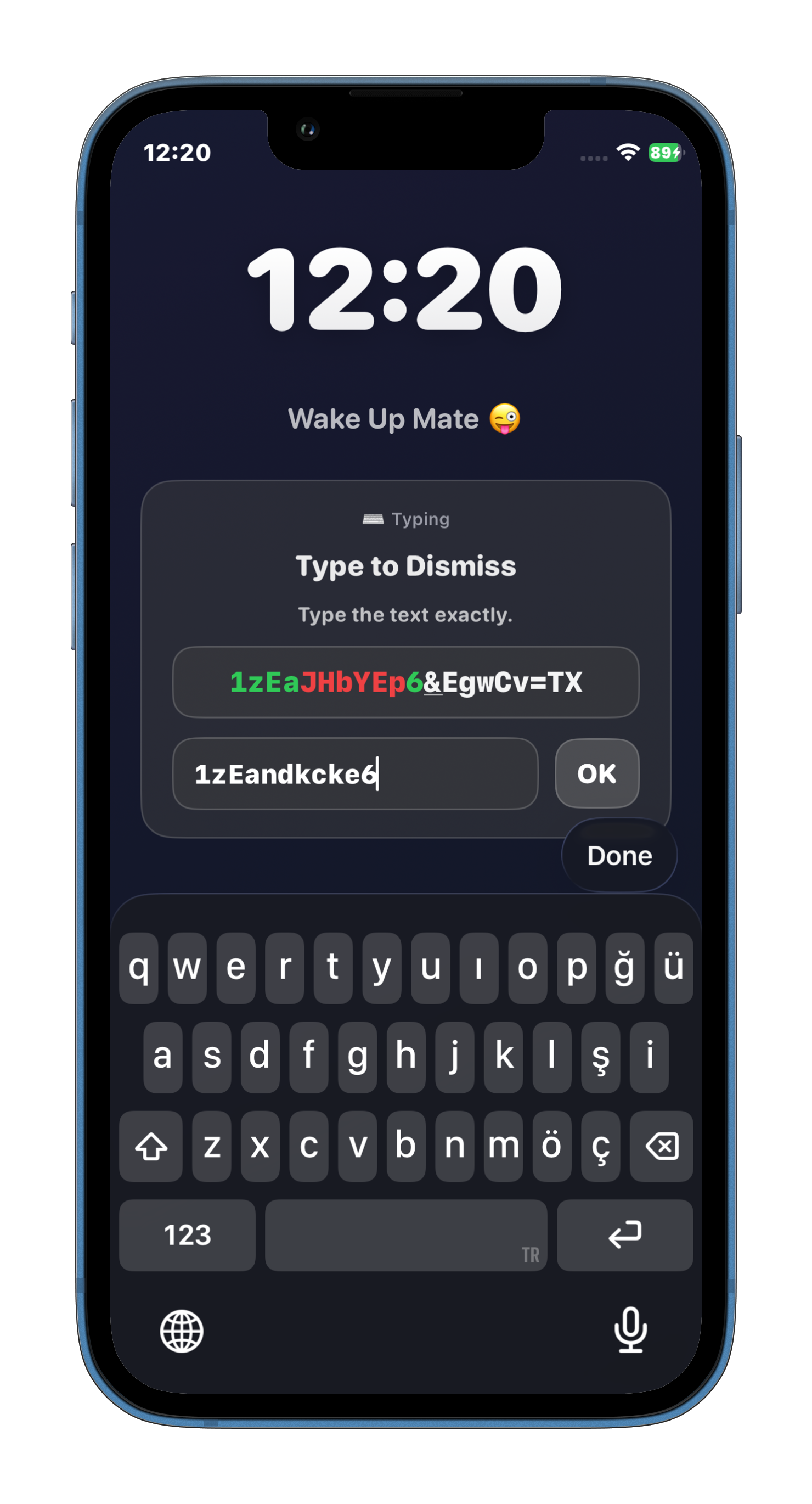
Alarm Arcade includes puzzle-type missions across different cognitive systems: Math (arithmetic and working memory), Memory Match (visual memory and pattern recognition), Simon Says (sequential memory and attention), Typing (language and motor coordination), Pattern Draw (spatial memory). Rotating between these engages different parts of your brain and delays adaptation.
Adjustable difficulty that scales with your alertness
A puzzle that's too easy stops working. A puzzle that's too hard makes you want to uninstall the app. Alarm Arcade's missions have adjustable difficulty — start where the challenge feels real, increase as your sleepy brain catches up. The goal is to stay in the zone where the puzzle requires attention without being impossible.
$1.49 one-time for all puzzle types and missions
No subscription. The full puzzle and mission library unlocks for $1.49, paid once. No individual puzzle type is locked behind a separate upgrade. One payment, ten missions including all puzzle formats, indefinitely.
Puzzle alarm apps — Effectiveness Comparison
| Feature | Alarm Arcade | Alarmy | iPhone Clock |
|---|---|---|---|
| No subscription required | ✓ | ✗ | ✓ |
| Game-based dismissal | ✓ | ✓ | ✗ |
| Works offline (no account) | ✓ | ✗ | ✓ |
| Pricing | $1.49 one-time | $4.99/mo | Free |
| Multiple mission types | ✓ | ✓ | ✗ |
What makes a puzzle alarm actually effective
The key to an effective puzzle alarm isn't puzzle complexity — it's that the puzzle requires active working memory to complete. Working memory is one of the last cognitive systems to come back online during sleep inertia. A simple arithmetic problem activates working memory in a way that a tap or a swipe doesn't. This is why math alarms work: not because math is inherently hard, but because it forces a specific type of engagement that autopilot can't replicate.
The limitation of single-puzzle apps is that working memory, like all cognitive systems, learns. After weeks of the same arithmetic format at the same time of day, the brain starts to process it procedurally — bypassing working memory and routing through habit. This is when the puzzle stops working. The solution is to switch to a puzzle that activates a different cognitive system: spatial memory (Pattern Draw), sequential memory (Simon Says), or visual memory (Memory Match). Each type takes longer to proceduralize.
How to use Alarm Arcade's puzzle missions effectively
Step 1: Start with one puzzle mission and set the difficulty to medium. Math or Memory Match are good starting points — both require working memory and neither is physically demanding for someone just waking up. Step 2: Increase difficulty gradually if the puzzle starts to feel automatic. The target is solving it in 30–60 seconds, not instantly and not in frustration.
Step 3: After two to three weeks on one puzzle type, rotate to a different cognitive category. If you've been doing Math, switch to Memory Match or Simon Says. The new puzzle engages different memory systems and resets the adaptation timeline. Step 4: Build a two-mission rotation — a cognitive puzzle for weekdays, a reaction mission like Reaction Grid for weekends when you want something slightly different. Variety is maintenance.
Frequently Asked Questions
Math and Typing are the highest cognitive-demand missions — hardest to complete on autopilot because they require active working memory and language processing respectively. Memory Match and Simon Says are close behind. For someone who has adapted to math-only alarms, Memory Match is the most effective next step because it uses visual memory rather than arithmetic, making it harder to proceduralize.
Each alarm is assigned one mission type, but you can have multiple alarms with different missions. A practical setup: one weekday alarm with Math, one weekend alarm with Memory Match, and an optional backup alarm with Simon Says. Different missions on different alarms ensure variety without manual switching every morning.
Yes. Math difficulty starts at Easy — single-step addition and subtraction that any adult can solve, just not instantly when half-asleep. The point isn't mathematical ability; it's that the solving process requires a few seconds of active thought. Alarm Arcade also has eight other mission types for people who find math frustrating — Memory Match, Typing, Simon Says, and the reaction missions are all effective without arithmetic.
Make the decision easy — pick the one that actually wakes you up
Download Alarm Arcade free. No subscription, no account needed, works offline. Pro is $1.49 one-time.
Download Alarm Arcade — Free