 Alarm Arcade
Alarm Arcade vs iPhone Clock app: Is it worth switching?
The iPhone Clock app is already on every iPhone — so switching to something else has to earn its place. This page makes the case for when the default alarm is genuinely enough and when it isn't, so you can decide whether the switch is worth it for your mornings.
The iPhone Clock alarm is simple, reliable, and free — but it lets you dismiss with a single tap while still half-asleep. Alarm Arcade requires you to complete a mini-game before the alarm stops, which is a fundamentally different mechanic for a fundamentally different type of sleeper.
If you regularly dismiss your alarm and drift back to sleep before you're actually awake, Alarm Arcade is worth switching to. It's free to download, Pro is $1.49 once, requires no account, and works fully offline — so the only thing you're giving up is the one-tap escape.
Who This Is For
- iPhone users who tap dismiss before they're conscious
- Chronic snoozers who set multiple backup alarms
- Students who've overslept for exams or early classes
- People who want more than one alarm sound option
- Heavy sleepers who've never found the default alarm sufficient
- Shift workers and commuters who can't afford to oversleep
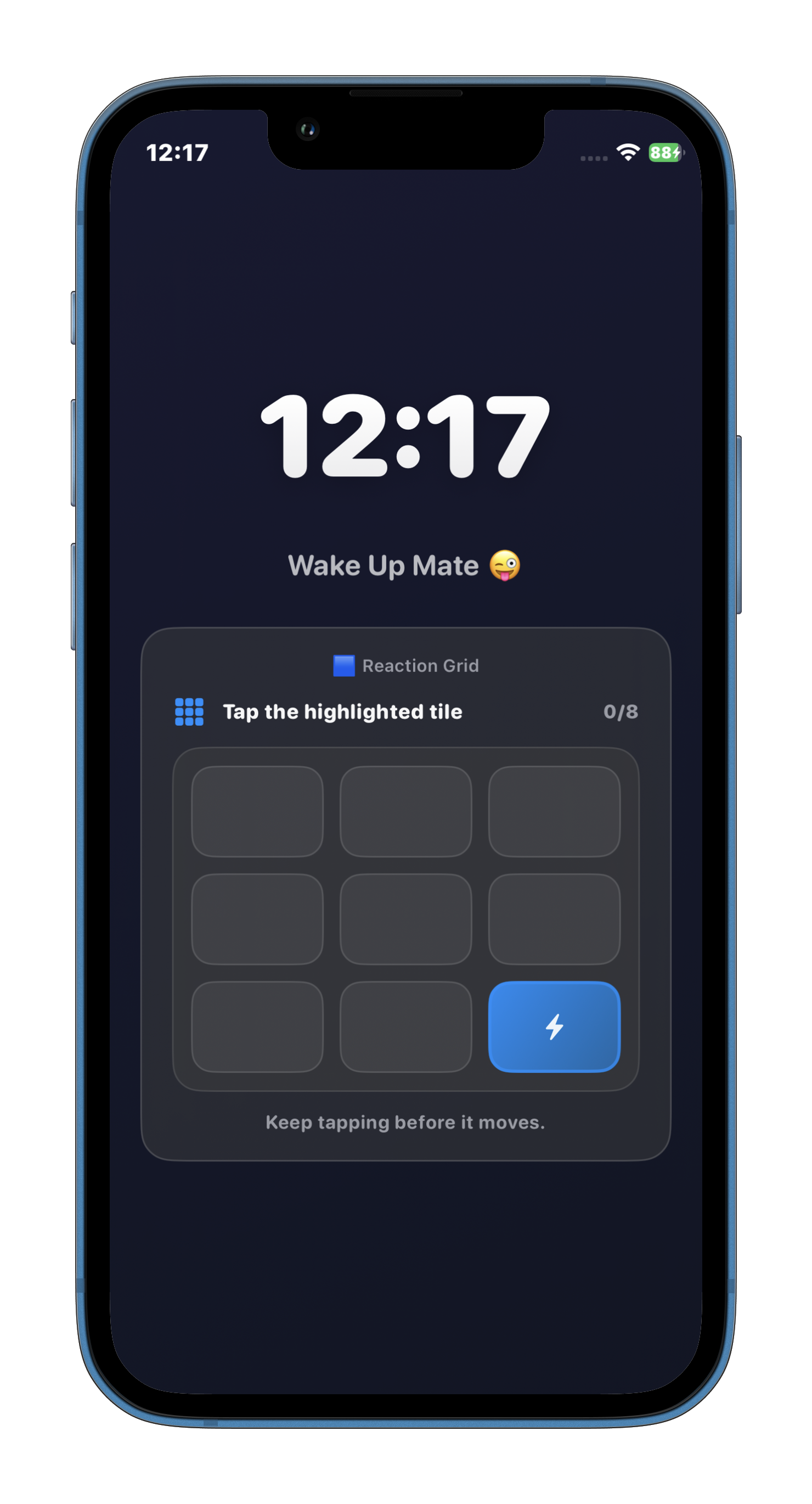
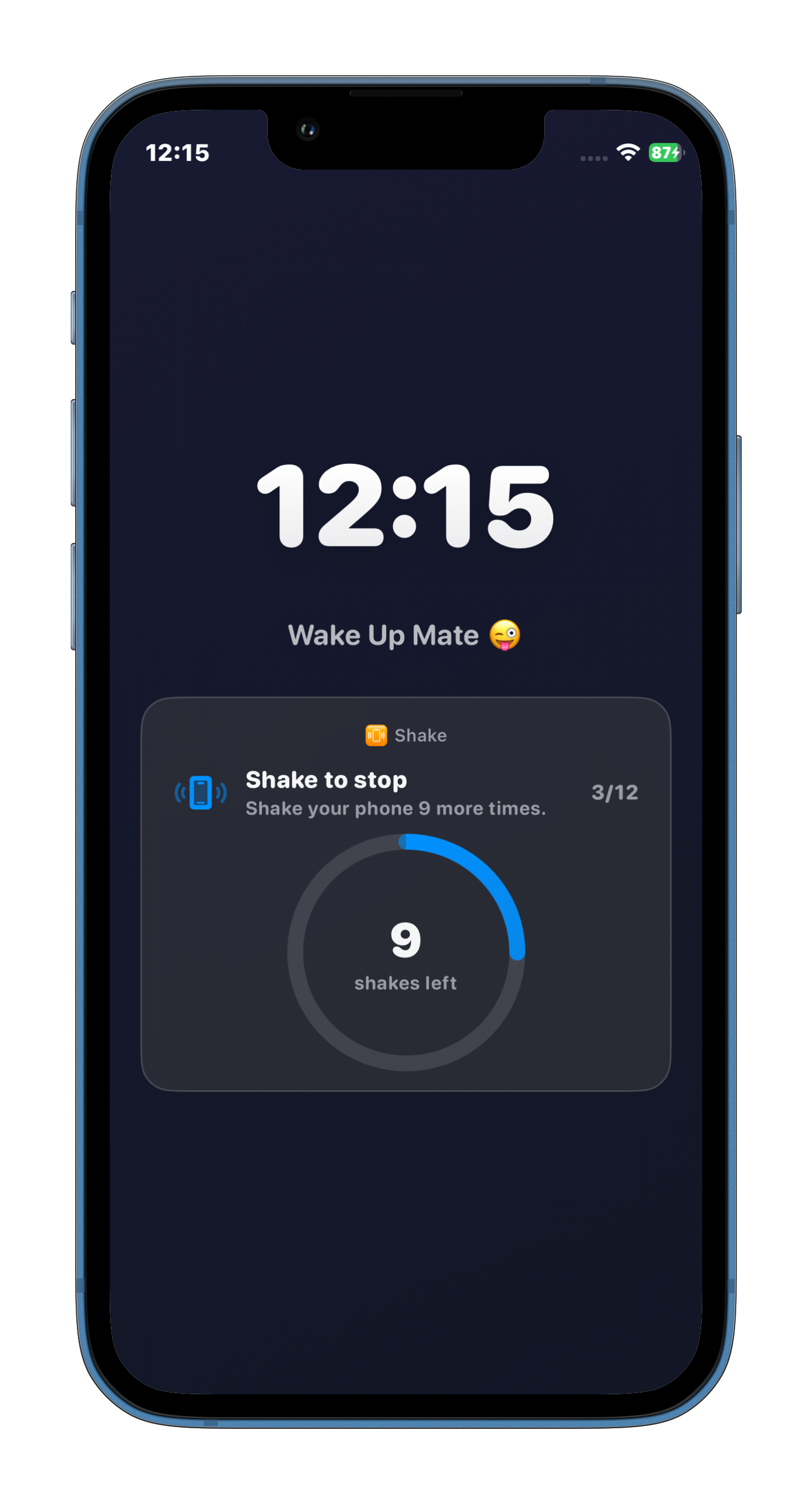
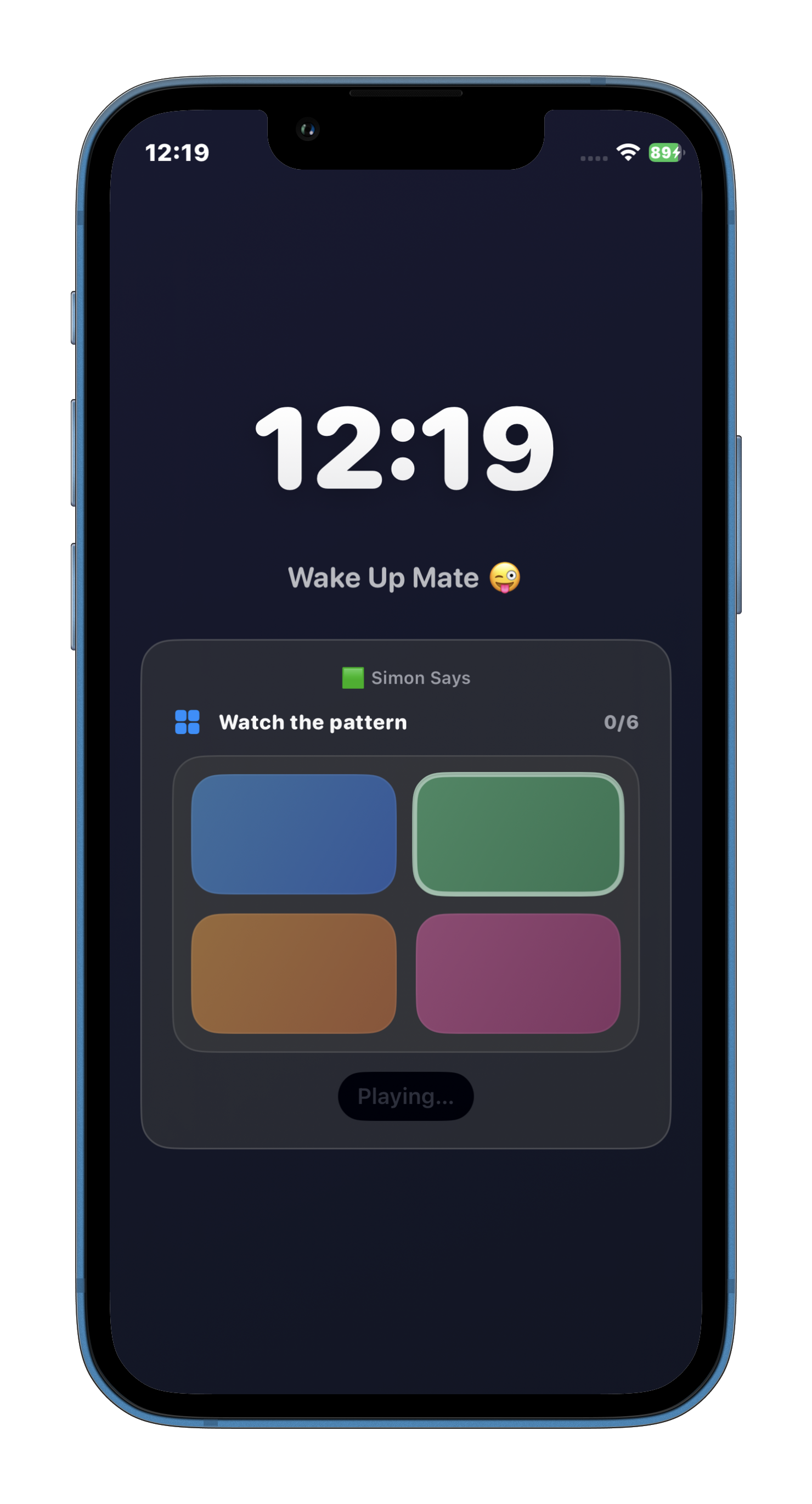
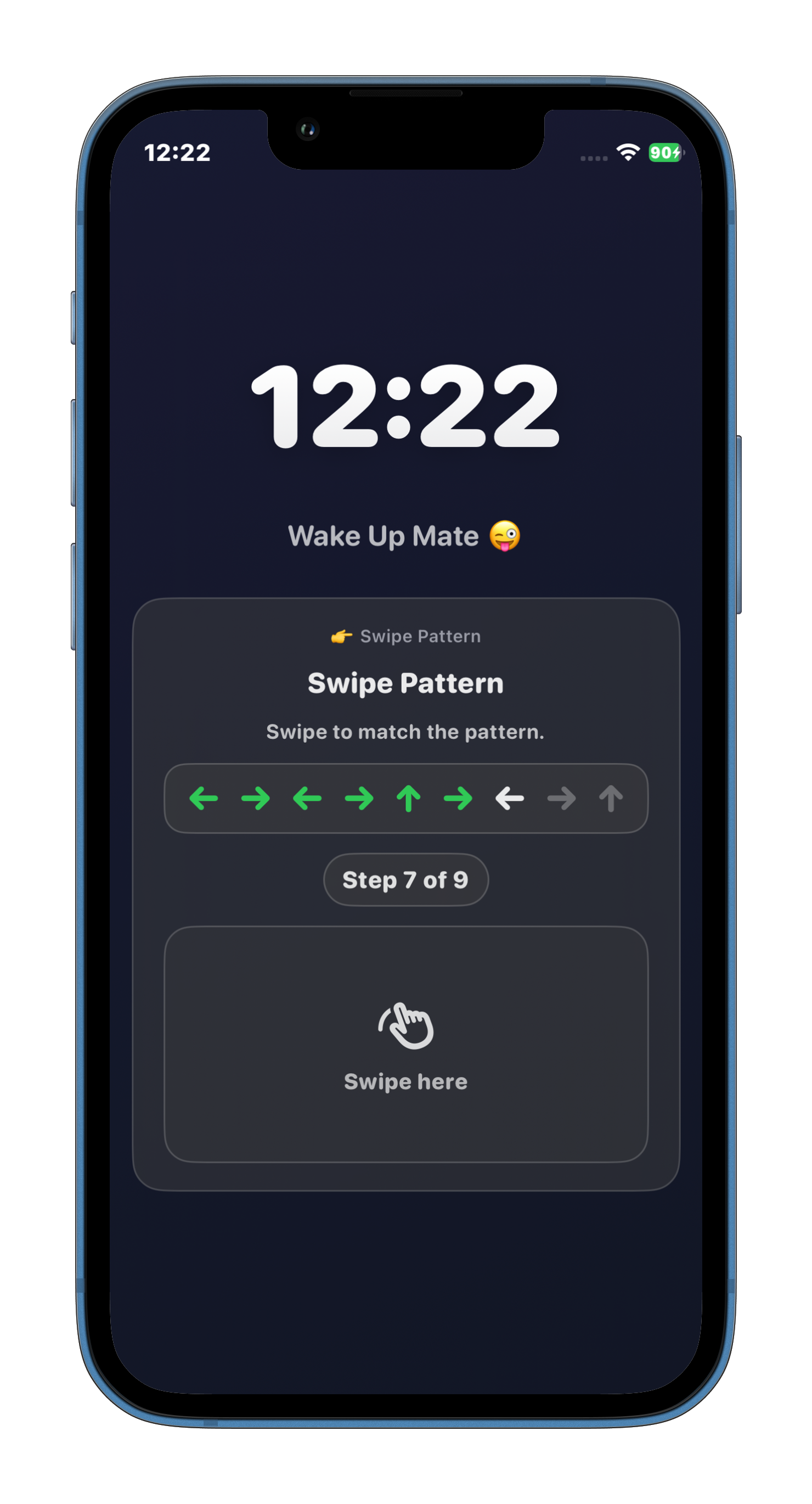
Why Alarm Arcade Works for iPhone Clock app users considering a switch
No one-tap dismiss — you have to earn the silence
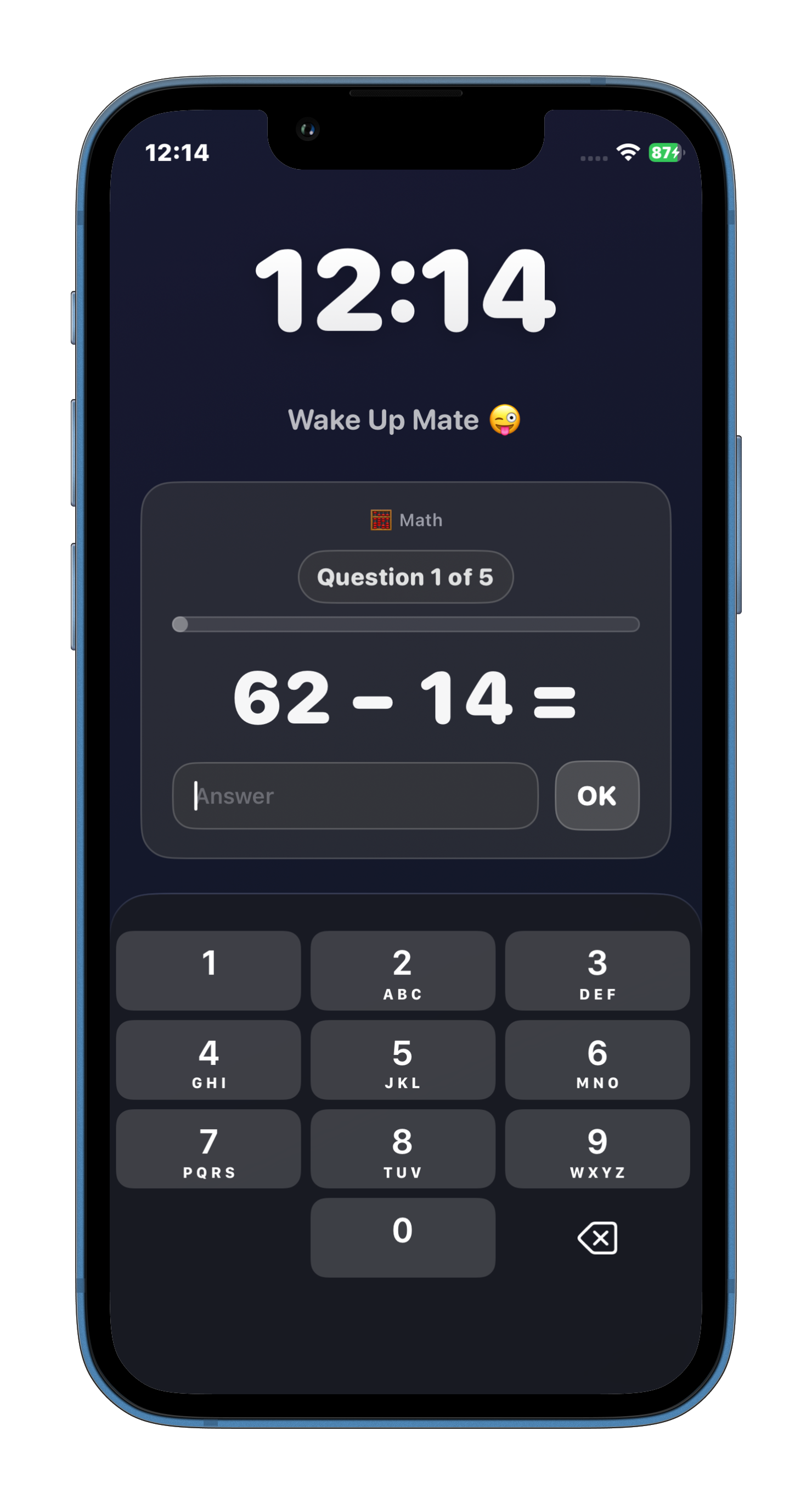
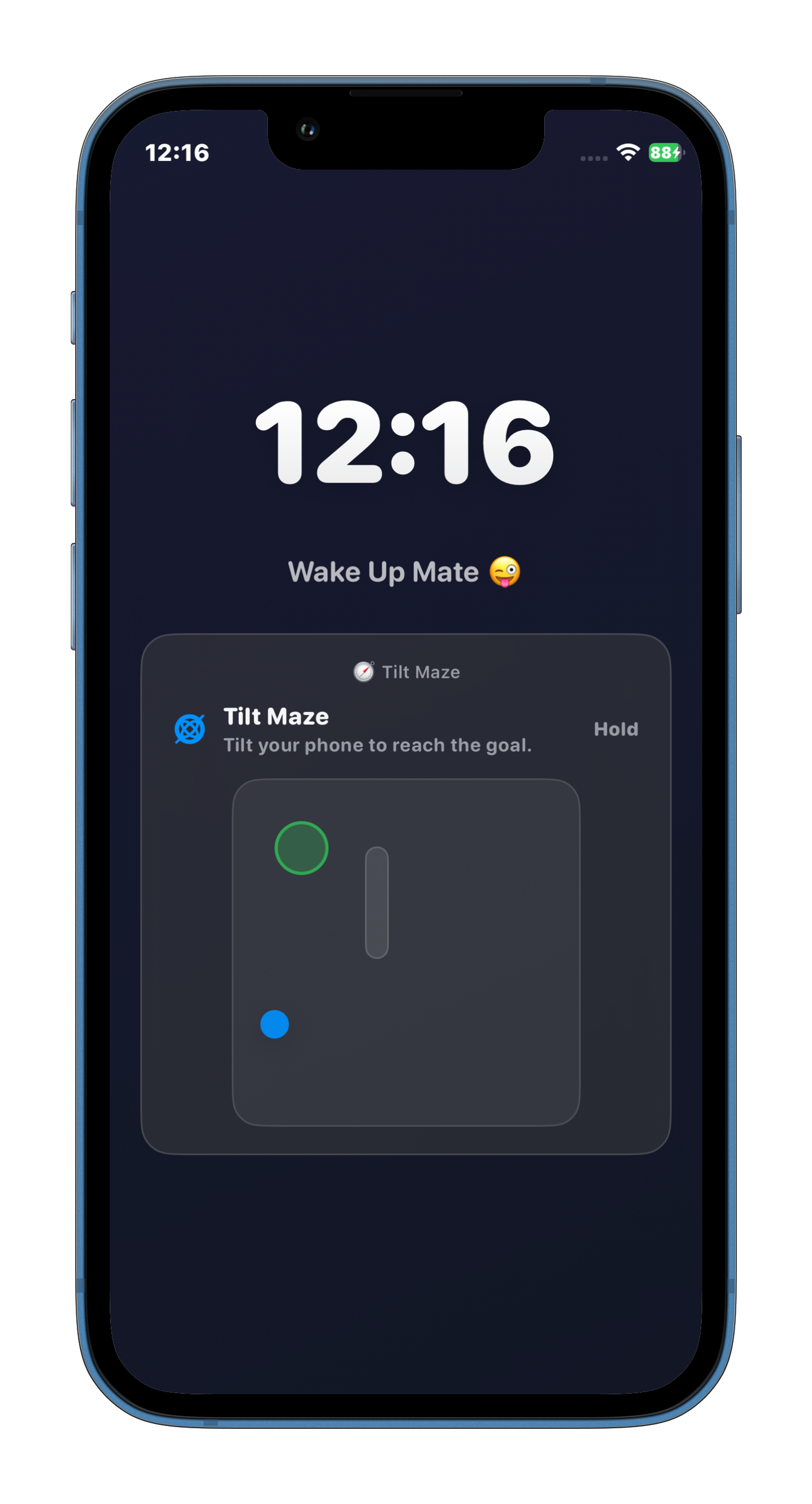
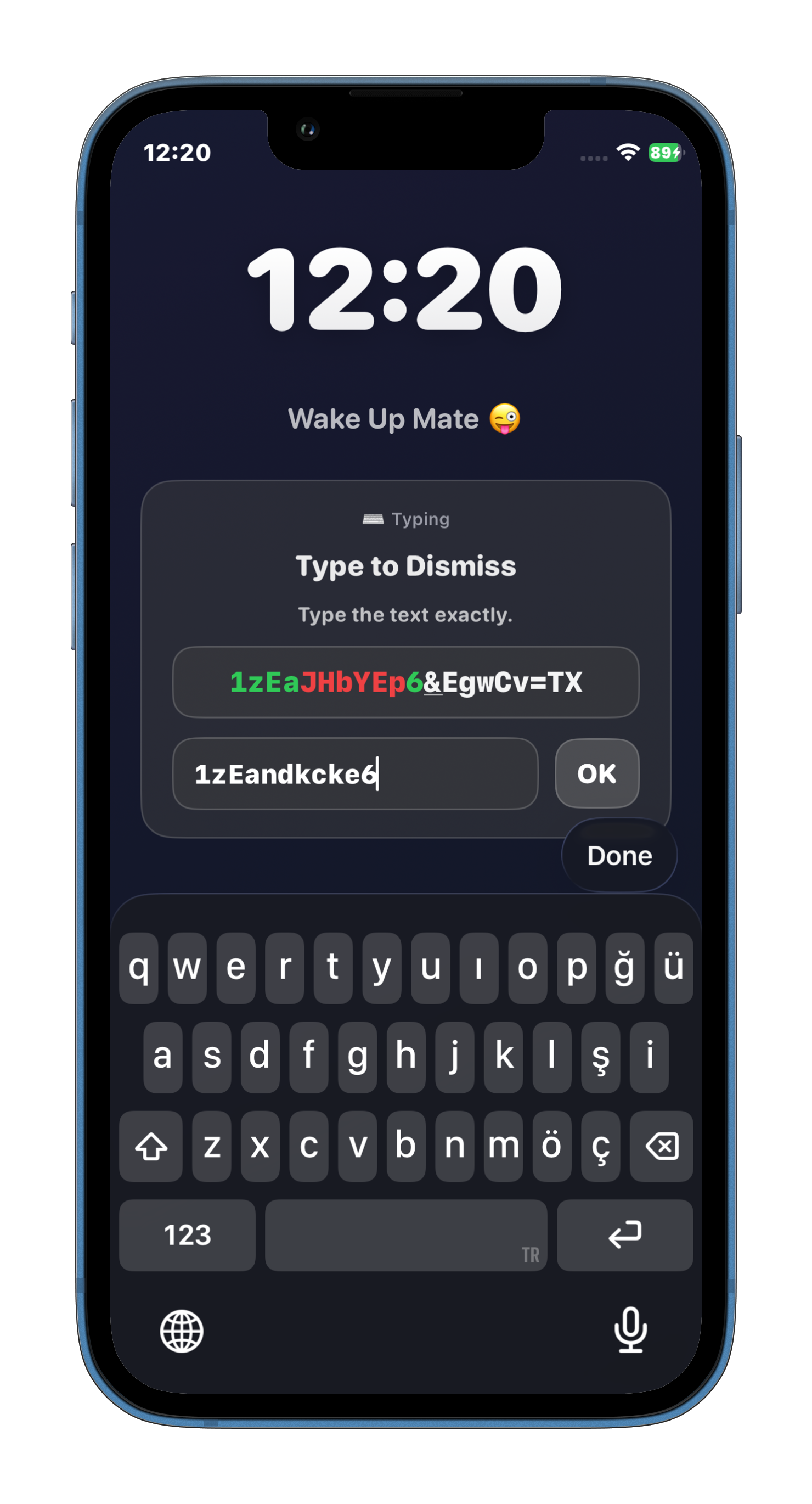
The iPhone Clock alarm stops the moment you touch it. That's the problem. Alarm Arcade requires a completed mission — a math problem, a typing challenge, a tilt maze — before sound stops. It's a small change with a meaningful effect on whether you actually wake up.
Ten mission types to prevent autopilot dismissal
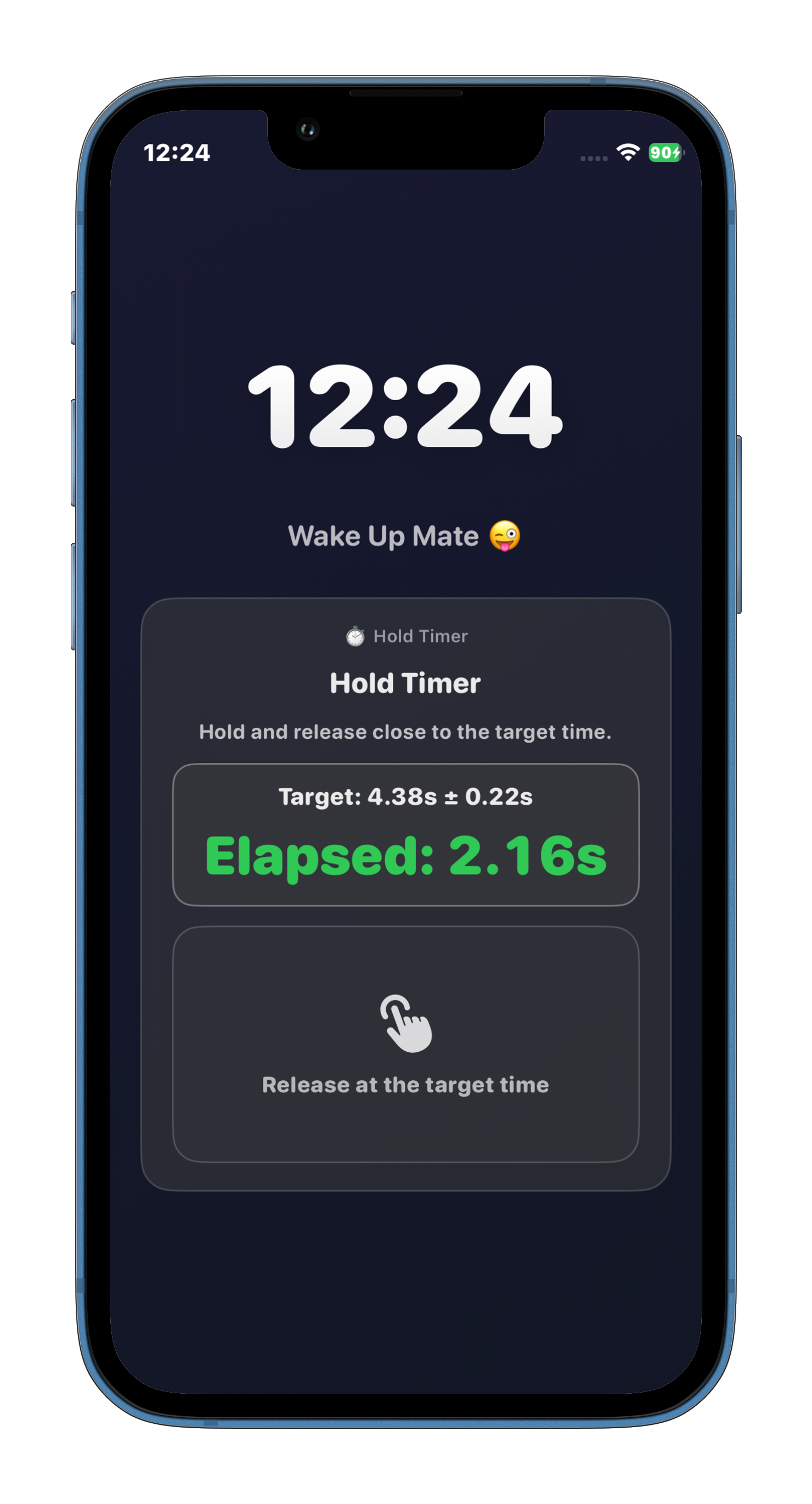
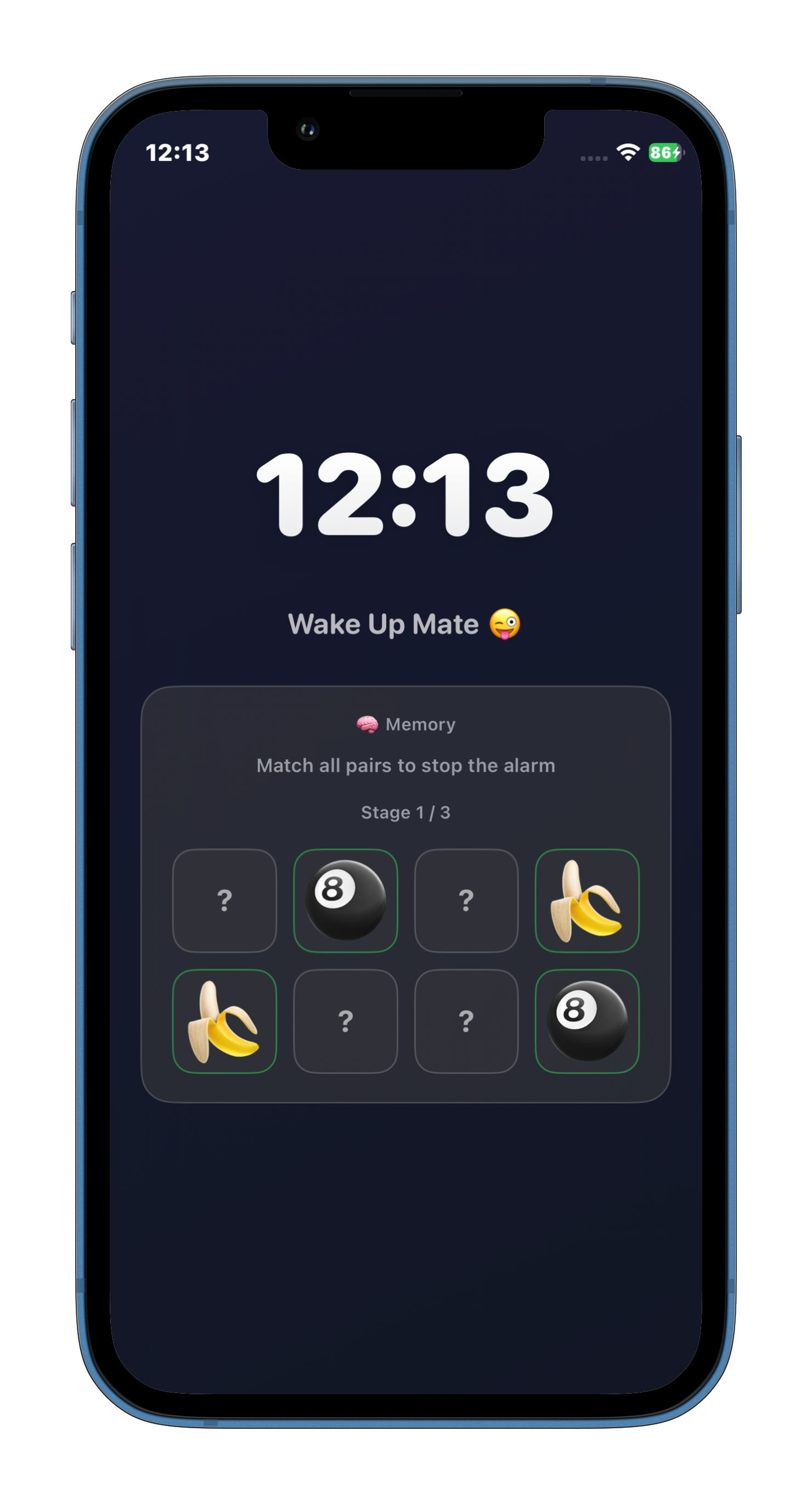
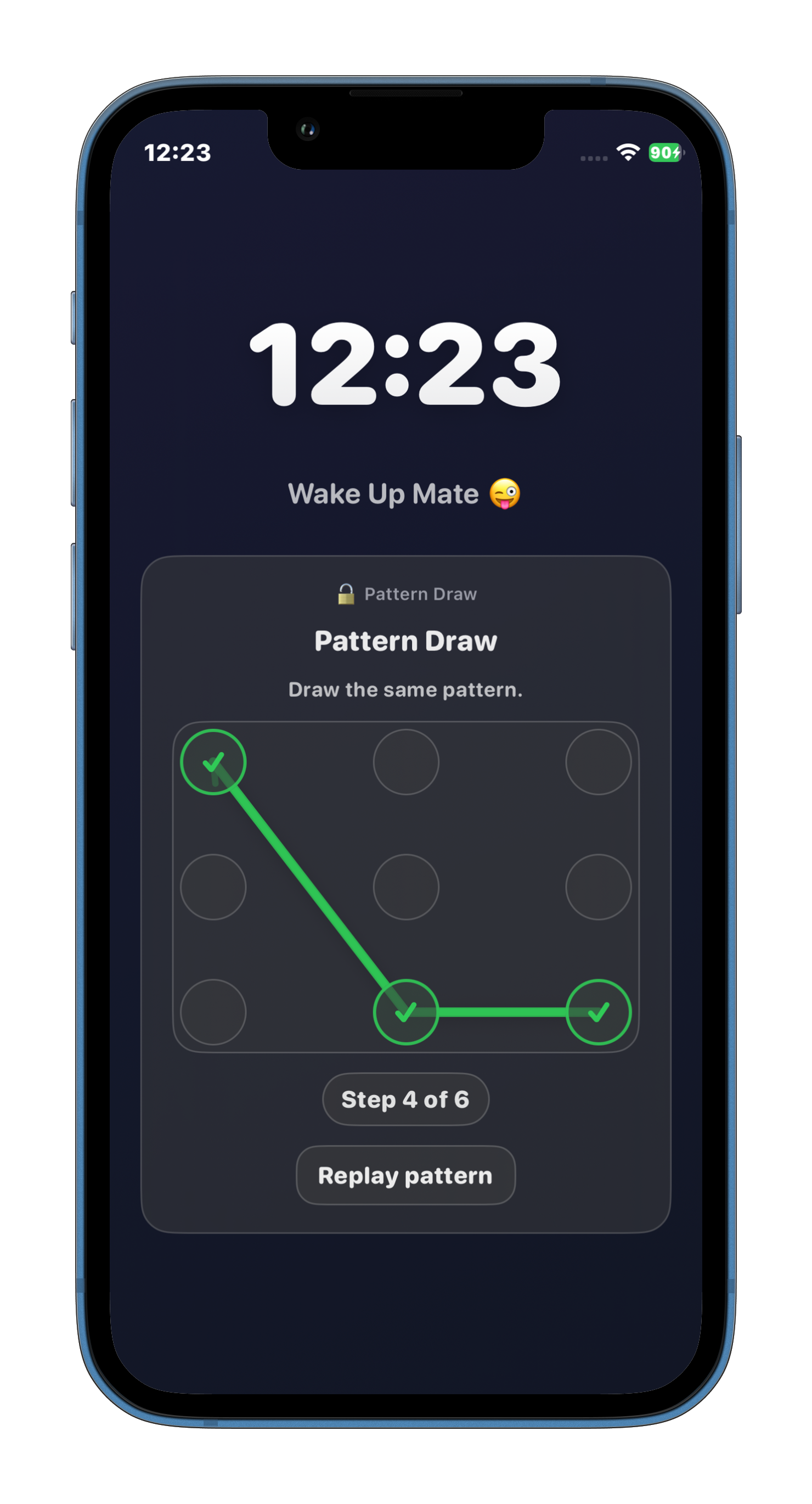
Even mission-based alarms can be gamed if the challenge is always the same. Alarm Arcade gives you Math, Memory Match, Shake, Tilt Maze, Reaction Grid, Simon Says, Typing, Swipe Pattern, Pattern Draw, and Hold Timer — enough variety that your sleeping brain can't automate the response.
Free to try, $1.49 to unlock everything
The iPhone Clock is free, and so is Alarm Arcade's core download. If you want the full mission library, Pro is $1.49 once — not a monthly fee. The switch costs you nothing to test and very little to commit to.
Alarm Arcade vs iPhone Clock app — Feature Comparison
| Feature | Alarm Arcade | Alarmy | iPhone Clock |
|---|---|---|---|
| No subscription required | ✓ | ✗ | ✓ |
| Game-based dismissal | ✓ | ✓ | ✗ |
| Works offline (no account) | ✓ | ✗ | ✓ |
| Pricing | $1.49 one-time | $4.99/mo | Free |
| Multiple mission types | ✓ | ✓ | ✗ |
Why the iPhone Clock alarm falls short for heavy sleepers
The default iOS alarm was designed for the median sleeper — someone who needs a sound prompt and can consciously choose to get up. For people with genuine sleep inertia, this design fails at the critical moment. Sleep inertia is the neurological lag between the alarm sounding and your prefrontal cortex coming back online. During that window, your hands can and do act without instruction from your conscious brain. The tap-to-dismiss mechanic is so simple that your body executes it as a reflex.
Setting multiple alarms is the standard workaround, but it backfires. Each alarm you sleep through teaches your brain that alarms are optional. You build a tolerance, not a habit. The first alarm loses authority, the second becomes the real one, and eventually you're sleeping through all of them on a bad day. One alarm with a mission that requires real engagement is more effective than five alarms with zero friction.
How to replace the iPhone Clock alarm with Alarm Arcade
Step 1: Download Alarm Arcade and set one alarm at your actual wake time. Turn off or delete your backup alarms — the stack is doing more harm than good. Step 2: Start with a mission that requires active thought. Math or Typing are good first choices because they can't be completed by reflex. If you want something physical, Shake or Tilt Maze work well.
Step 3: Place your phone somewhere you can't reach from bed — a desk, dresser, or the other side of the room. This adds a physical component that reinforces the cognitive one. Step 4: Change your mission every three to four days so your pattern-matching brain doesn't catch up. After a week or two, you'll know which missions reliably break your sleep inertia and which ones you complete too easily.
Frequently Asked Questions
Yes. Alarm Arcade uses the standard iOS alarm system, so it behaves the same way the Clock app does with Do Not Disturb and Focus modes — alarms are set to break through by default. The difference is purely in what happens after the alarm fires: you need to complete a mission before it stops.
Technically yes, but it's counterproductive. If you know some alarms have an easy-dismiss option, your half-asleep brain will seek them out. The most effective setup is committing to mission-based dismissal for your primary wake time. Use Alarm Arcade for the alarm that matters and skip the easy-out backups.
It's slightly more involved than the built-in Clock — you choose a mission type in addition to a time and sound. The full setup takes under two minutes. There's no account to create, no onboarding to complete, and no permissions beyond what any alarm app needs. Once the first alarm is set, daily use is the same as any alarm app except for the mission at dismissal.
Make the decision easy — pick the one that actually wakes you up
Download Alarm Arcade free. No subscription, no account needed, works offline. Pro unlock is $1.49 one-time.
Download Alarm Arcade — Free