 Alarm Arcade
Tilt maze alarm: The physical challenge that wakes you
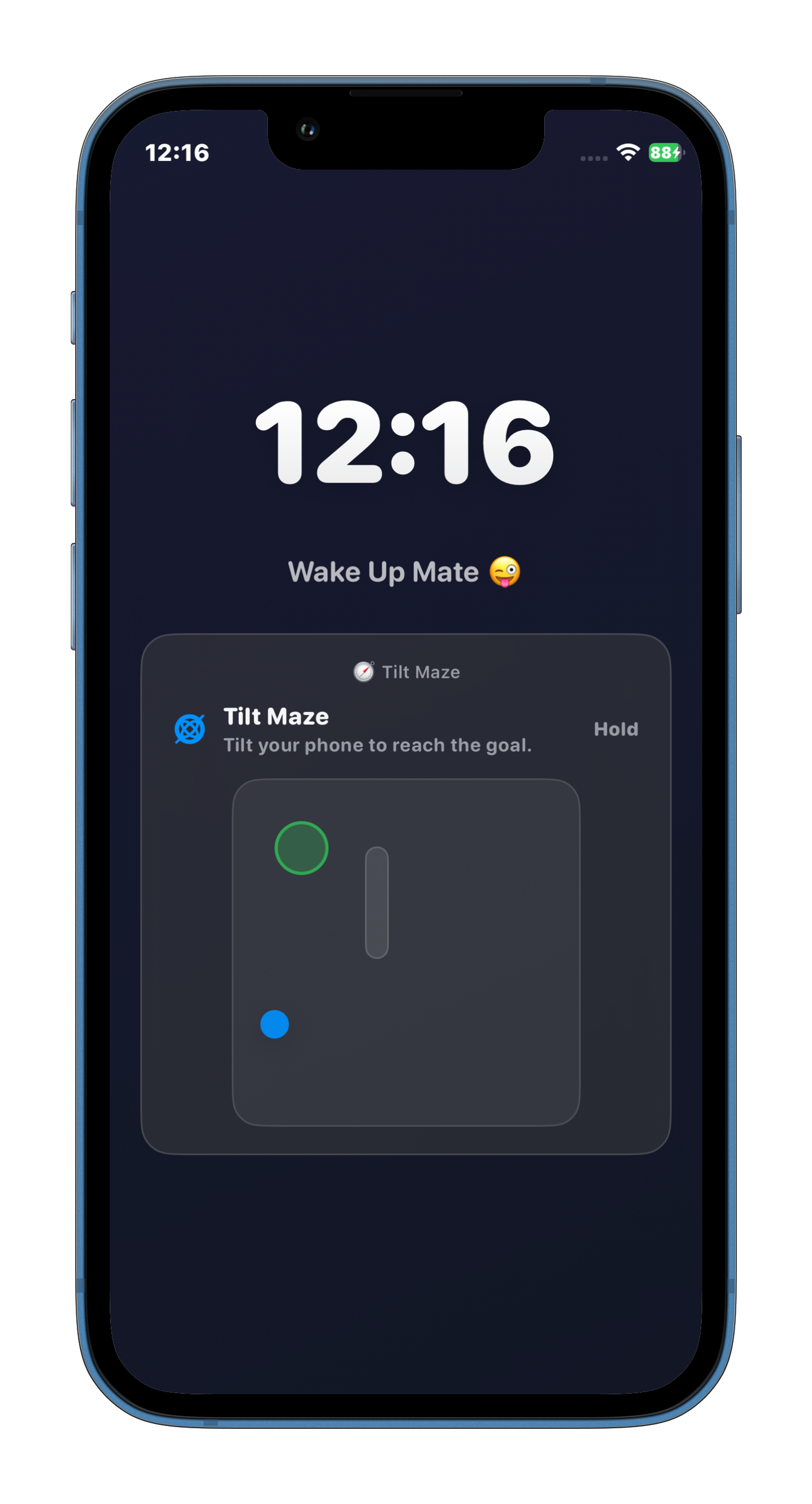
The Tilt Maze mission displays a maze on screen with a ball at the start position. You tilt your iPhone to roll the ball through the maze and reach the exit. It requires simultaneous spatial reasoning and physical motor control — a combination that's genuinely difficult to execute during sleep inertia.
When the alarm fires, a maze appears with a ball at the entrance. You tilt the phone in any direction to move the ball — the gyroscope and accelerometer track your movements and translate them into ball motion on screen. Walls block the ball's path; you have to navigate around them by adjusting your tilt angle and direction. The maze varies in complexity by difficulty level. The alarm stops when the ball reaches the exit.
Tilt Maze engages two systems simultaneously: spatial cognition (mentally mapping the maze and planning a path) and proprioceptive motor control (translating that plan into precise physical tilt movements). Spatial reasoning is processed in the parietal cortex, which is slow to recover from sleep inertia. Proprioceptive tasks — controlling your body's position in space — also require a level of sensorimotor awareness that is suppressed during sleep. Together, they create a compound challenge that's significantly harder to execute on autopilot than a single-system task like shaking or tapping.
Who This Is For
- People who want a physical challenge that also requires spatial thinking
- Heavy sleepers who've adapted to shake-only or tap-based alarms
- People who respond well to puzzle-with-movement combinations
- Anyone who finds purely cognitive alarms frustrating when half-asleep
- People rotating missions and looking for a distinctive physical-cognitive hybrid
- Users who want a challenge that forces them to sit up and orient in space
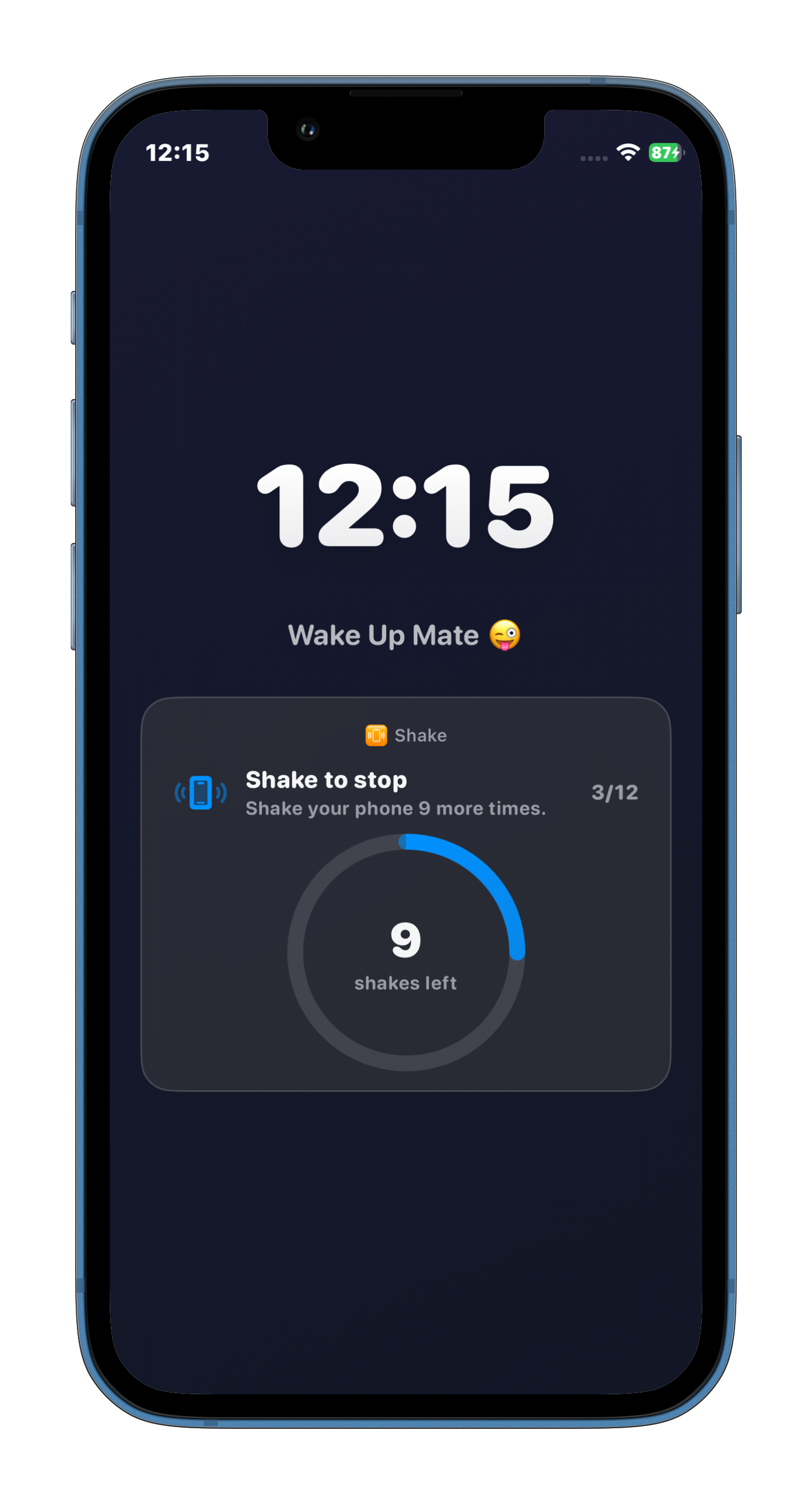
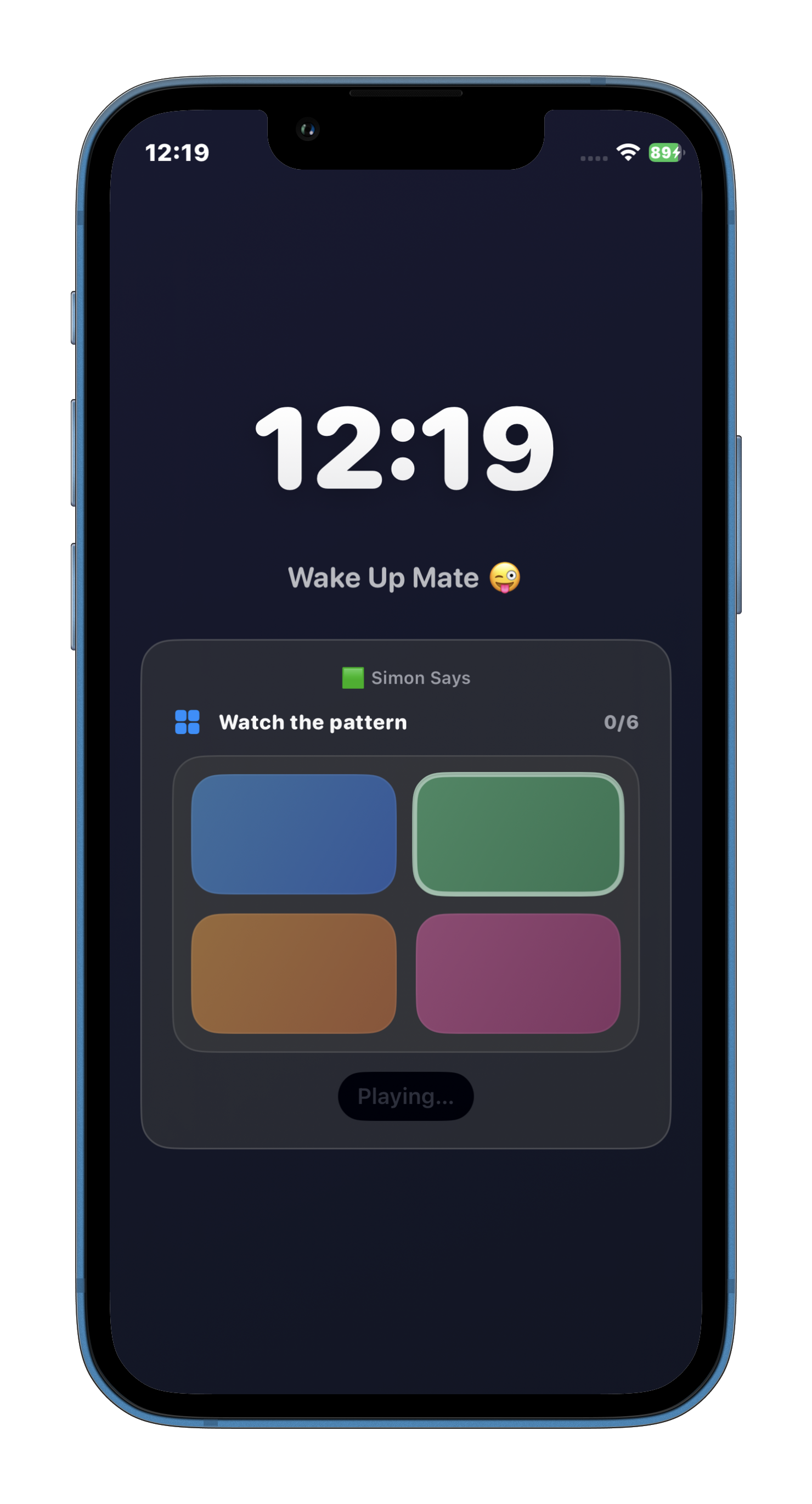
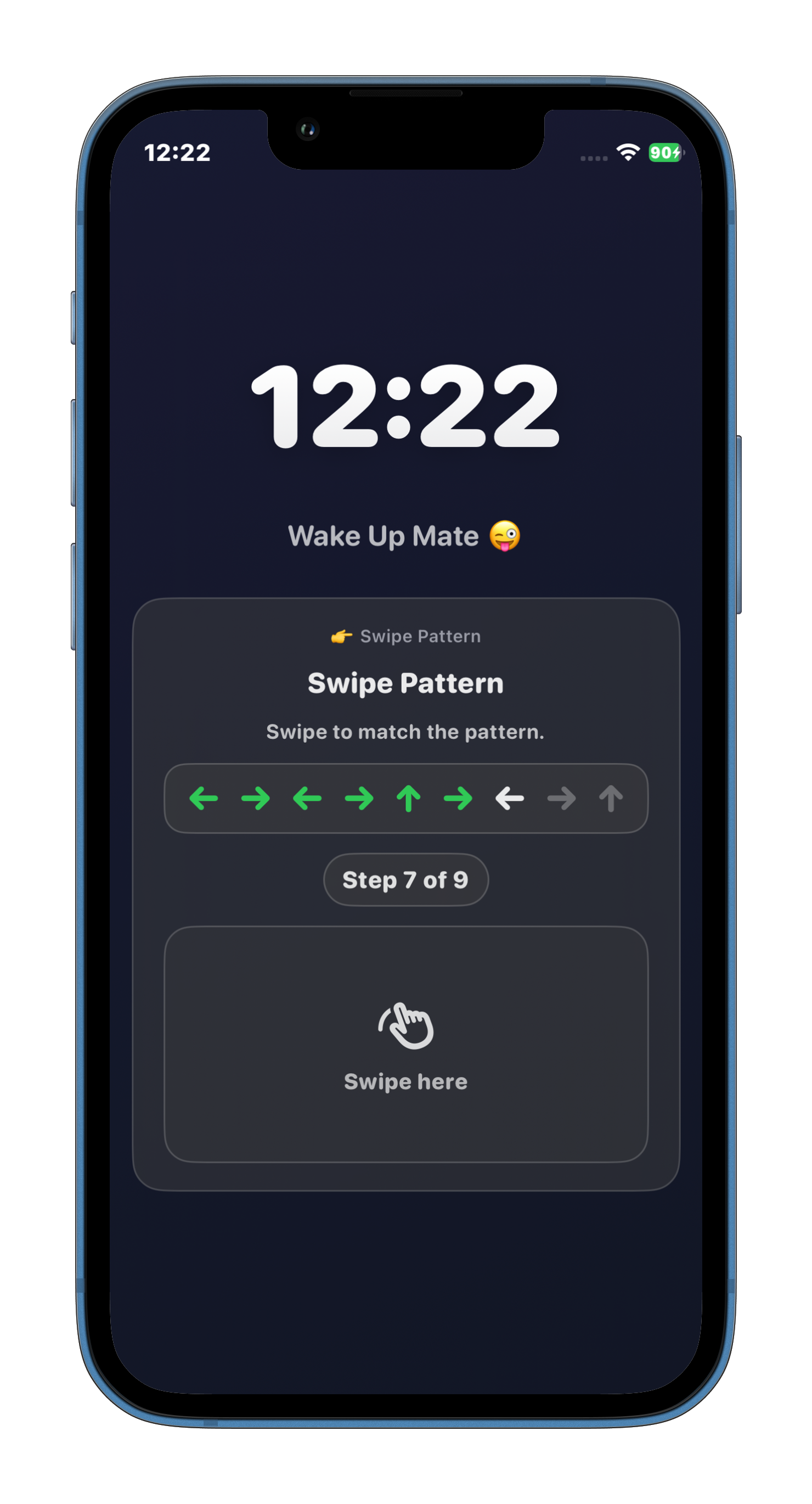
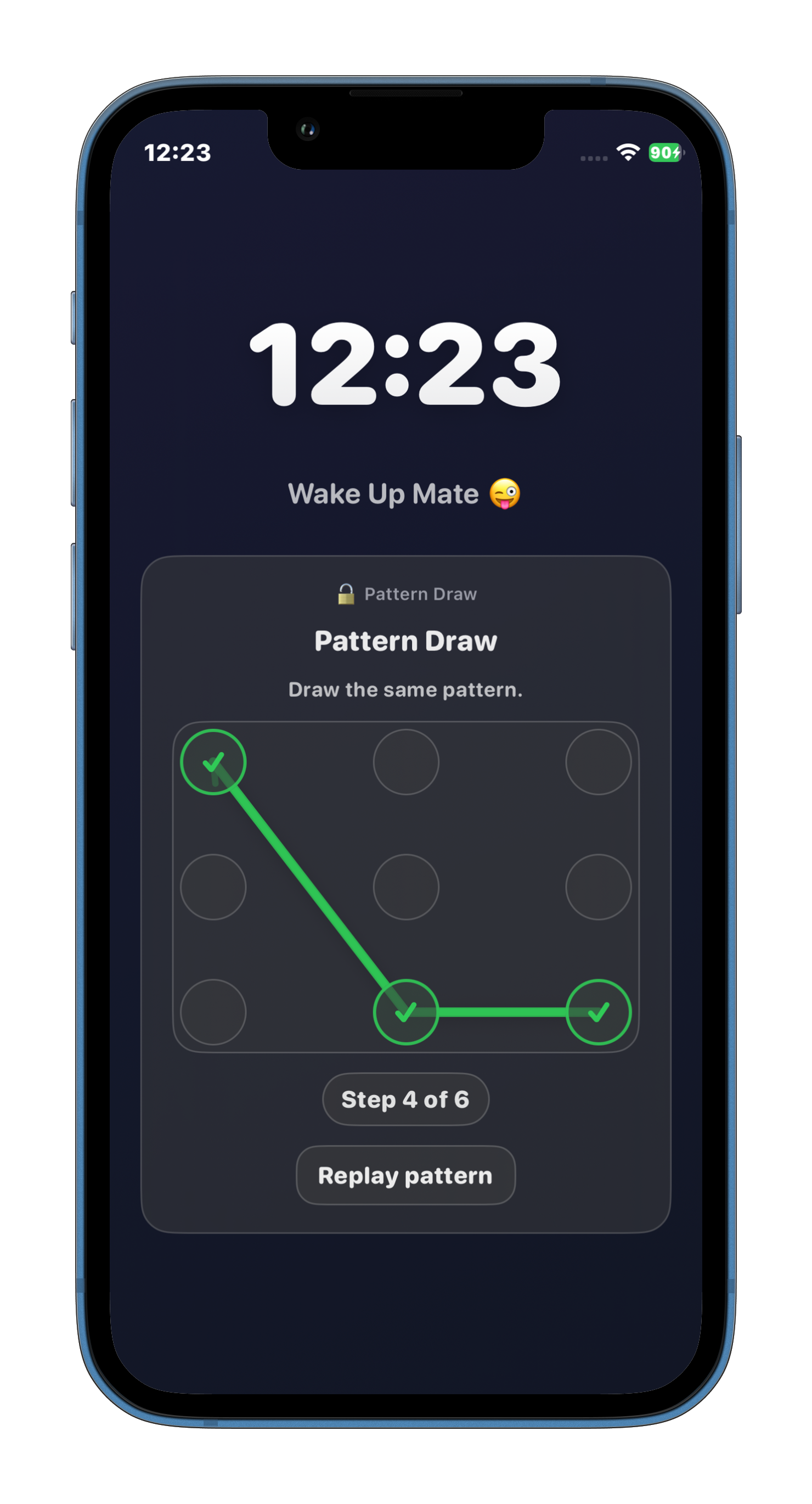
Why Alarm Arcade Works for People using Tilt Maze as their wake-up mission
Spatial reasoning plus motor control — two systems, not one
Tilt Maze requires you to visualize the maze layout and translate that into physical tilt movements simultaneously. Single-system tasks (pure math, pure shaking) habituate faster because only one neural system is involved. Compound tasks are harder to automate because both systems need to be online and coordinated.
Forces you to orient in space — your body can't stay horizontal
Completing Tilt Maze flat on your back is genuinely difficult. The challenge requires holding the phone at angles that correspond to intended ball movement — which means you naturally need to see the screen clearly and hold the phone steadily. Most people sit up or prop themselves up, which is a meaningful step toward being awake.
Different maze each time — no route memorization
Maze configurations are randomized, so you can't memorize a solution. Each morning requires genuine spatial problem-solving rather than repeating a learned path. This keeps the mission challenging over extended use.
Tilt Maze alarm vs standard alarm — Why it actually works
| Feature | Alarm Arcade | Alarmy | iPhone Clock |
|---|---|---|---|
| No subscription required | ✓ | ✗ | ✓ |
| Game-based dismissal | ✓ | ✓ | ✗ |
| Works offline (no account) | ✓ | ✗ | ✓ |
| Pricing | $1.49 one-time | $4.99/mo | Free |
| Multiple mission types | ✓ | ✓ | ✗ |
How to get the most out of the Tilt Maze mission
Tilt Maze difficulty scales with maze complexity — Easy has wide corridors and a short path; Hard has narrower paths, more turns, and a longer route to the exit. Start at Medium and increase once you find yourself completing the maze without needing to think about it. If the mission becomes easy enough to finish in five seconds, that's a signal to increase difficulty or rotate to a different mission type.
The most effective Tilt Maze setup involves the phone being placed away from the bed. If you have to stand up to reach the phone, you're already in a physically active state when the maze challenge begins. The compound effect of standing up plus completing a spatial-physical challenge is significantly more effective than completing Tilt Maze lying down.
Combine Tilt Maze with other missions for maximum effect
Rotation 1 — Physical variety: Tilt Maze + Shake. Both are physical missions but different in nature — Tilt Maze requires precision and spatial control; Shake requires repetitive vigorous movement. Alternating between them prevents habituation to either physical pattern and keeps the physical component of waking up feeling different each day.
Rotation 2 — Physical-cognitive bridge: Tilt Maze + Math. The spatial-motor challenge of Tilt Maze pairs well with the arithmetic of Math — they engage completely separate cognitive and physical systems. This is one of the most varied two-mission rotations available in Alarm Arcade. Rotation 3 — Spatial pair: Tilt Maze + Pattern Draw. Both involve spatial cognition and fine motor control, but Pattern Draw adds a visual memory component (reproduce the displayed pattern). Together they form a spatial-focused rotation that stays demanding without requiring arithmetic.
Frequently Asked Questions
You start with the phone roughly flat (face up) and tilt it in the direction you want the ball to move — tilt right to move the ball right, tilt forward to move it away from you, and so on. The sensitivity is calibrated so small tilts produce gentle ball movement and larger tilts produce faster movement. Precise control (not just brute tilting) is what navigates the maze effectively.
The ball stops at the wall. It doesn't reset to the start — you just need to tilt in a different direction to navigate around the obstacle. The maze is persistent; your progress through it doesn't reset on wall contact. This means the mission is about navigation skill, not penalized errors.
Different, not necessarily harder. Shake demands physical exertion — you're rated on intensity and count. Tilt Maze demands spatial precision — you're rated on navigation. For some sleepers, precise motor control is harder when groggy; for others, sustained physical effort is harder. The best approach is to have both in your rotation so your brain encounters a different challenge type on different mornings.
Wake up with your brain switched on
This mission is free to try. Download Alarm Arcade and set it as your alarm tonight.
Download Alarm Arcade — Free