 Alarm Arcade
How to make sure you never miss a flight
A missed flight is one of the most expensive and avoidable morning failures — and it happens despite multiple alarms because travel environments introduce failure modes that don't exist at home. This guide builds a flight-morning alarm system that works regardless of location, connectivity, or how badly you slept.
Travel mornings are uniquely high-risk for alarm failure. Unfamiliar sleep environments (hotel rooms, unfamiliar beds, new time zones) reduce sleep quality and increase sleep inertia severity. Travel anxiety — the low-level stress of getting to the airport on time — activates the same cortisol disruption as exam anxiety, producing lighter, more fragmented sleep. And travel often involves using alarms on a different device, in a different time zone, connected to an unfamiliar Wi-Fi network — all of which introduce failure points that don't exist in your home routine.
The most reliable flight-morning alarm is one that has no external dependencies: no Wi-Fi, no account to log into, no server to contact. Combined with a mission that makes dismissal impossible without genuine engagement, this is the configuration that works whether you're in your home city or waking up in an unfamiliar hotel after four hours of jet-lagged sleep.
Who This Is For
- Frequent travelers who've had close calls or missed flights due to alarm failures
- People with early morning departures (before 7 AM) who know sleep will be limited
- Business travelers for whom missing a flight has direct professional consequences
- Anyone traveling to unfamiliar time zones where sleep quality is unpredictable
- People who rely on hotel wake-up calls and want a personal backup
- Anyone who knows they sleep poorly before important travel days
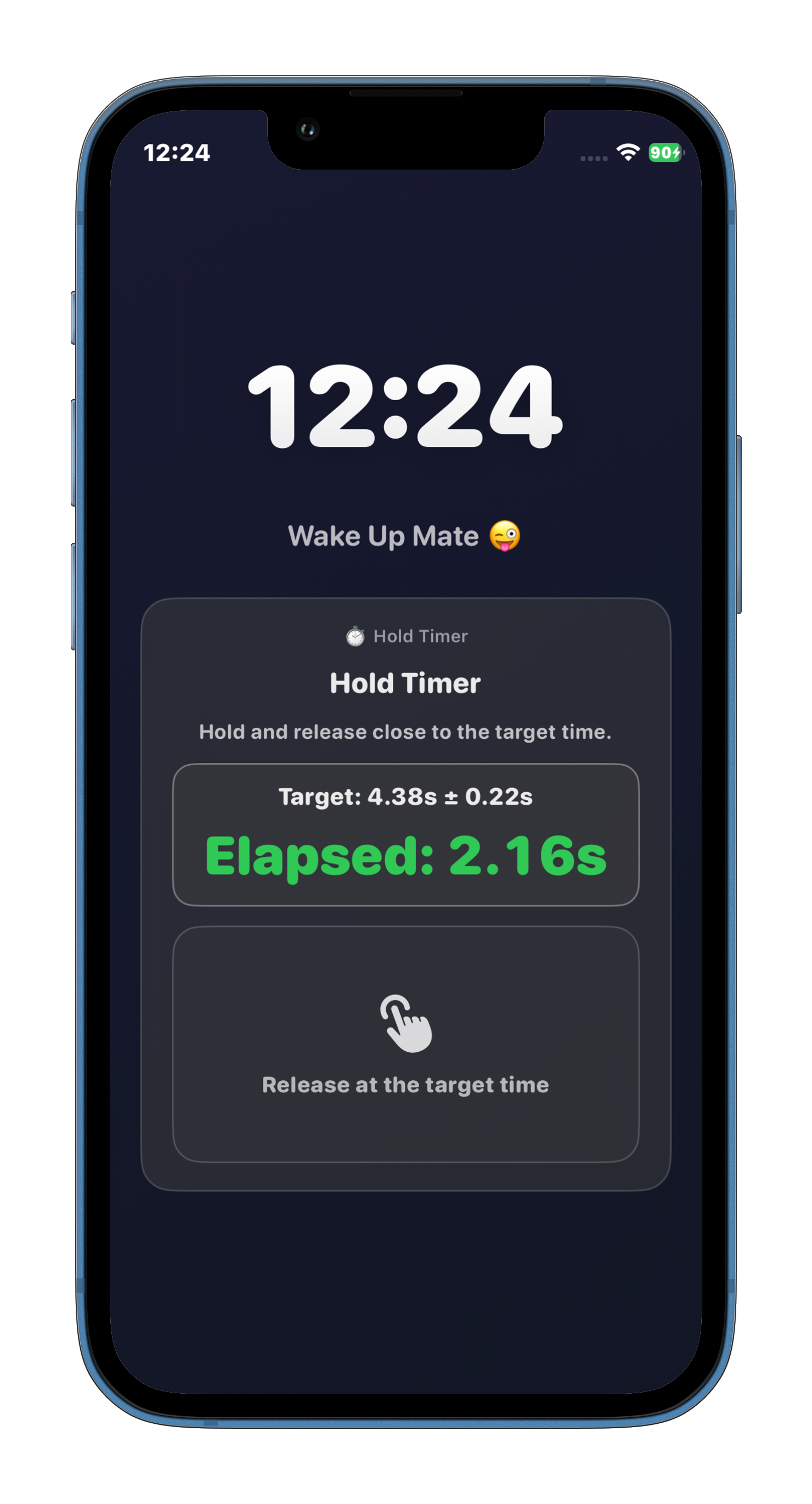
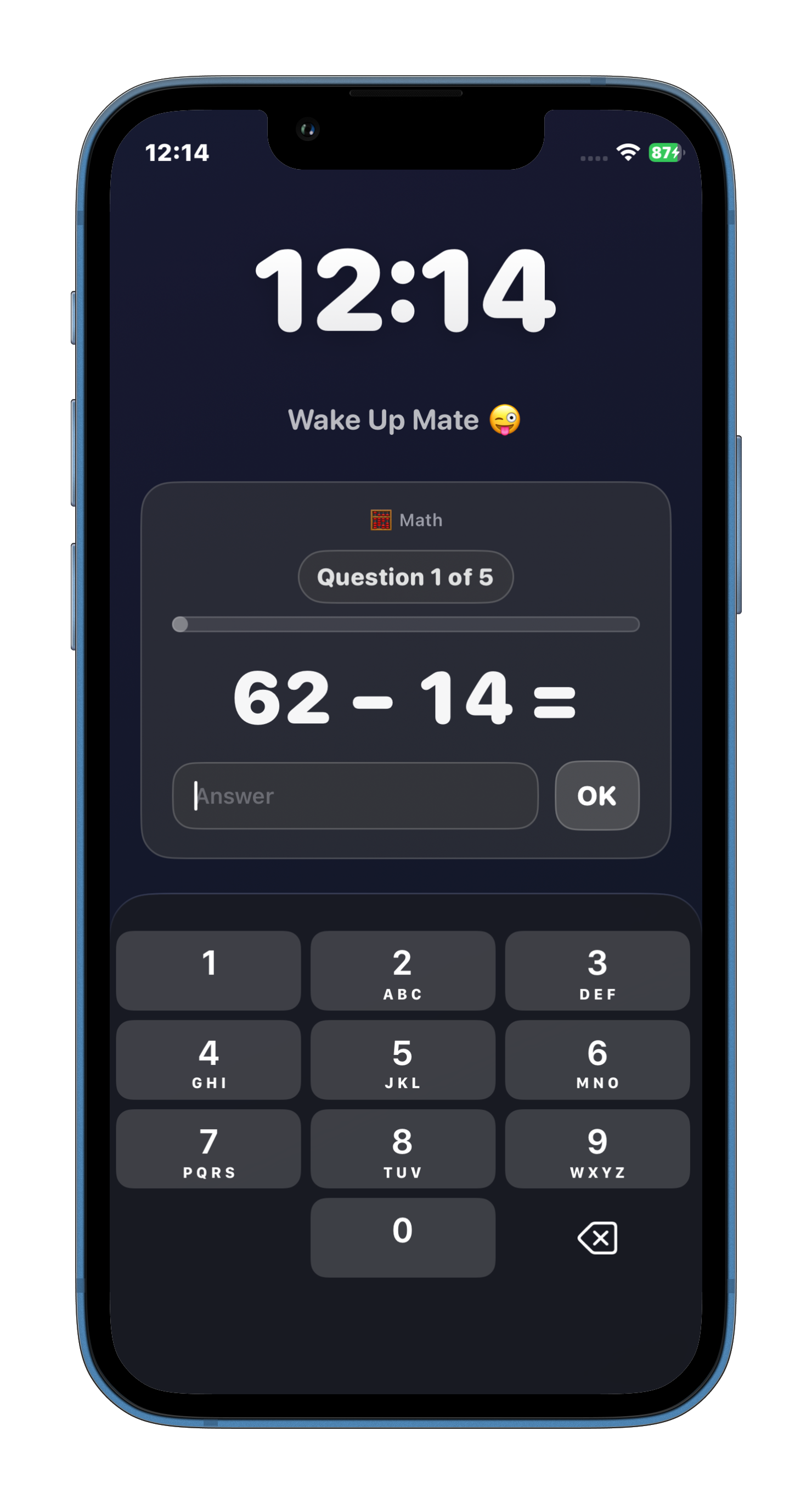
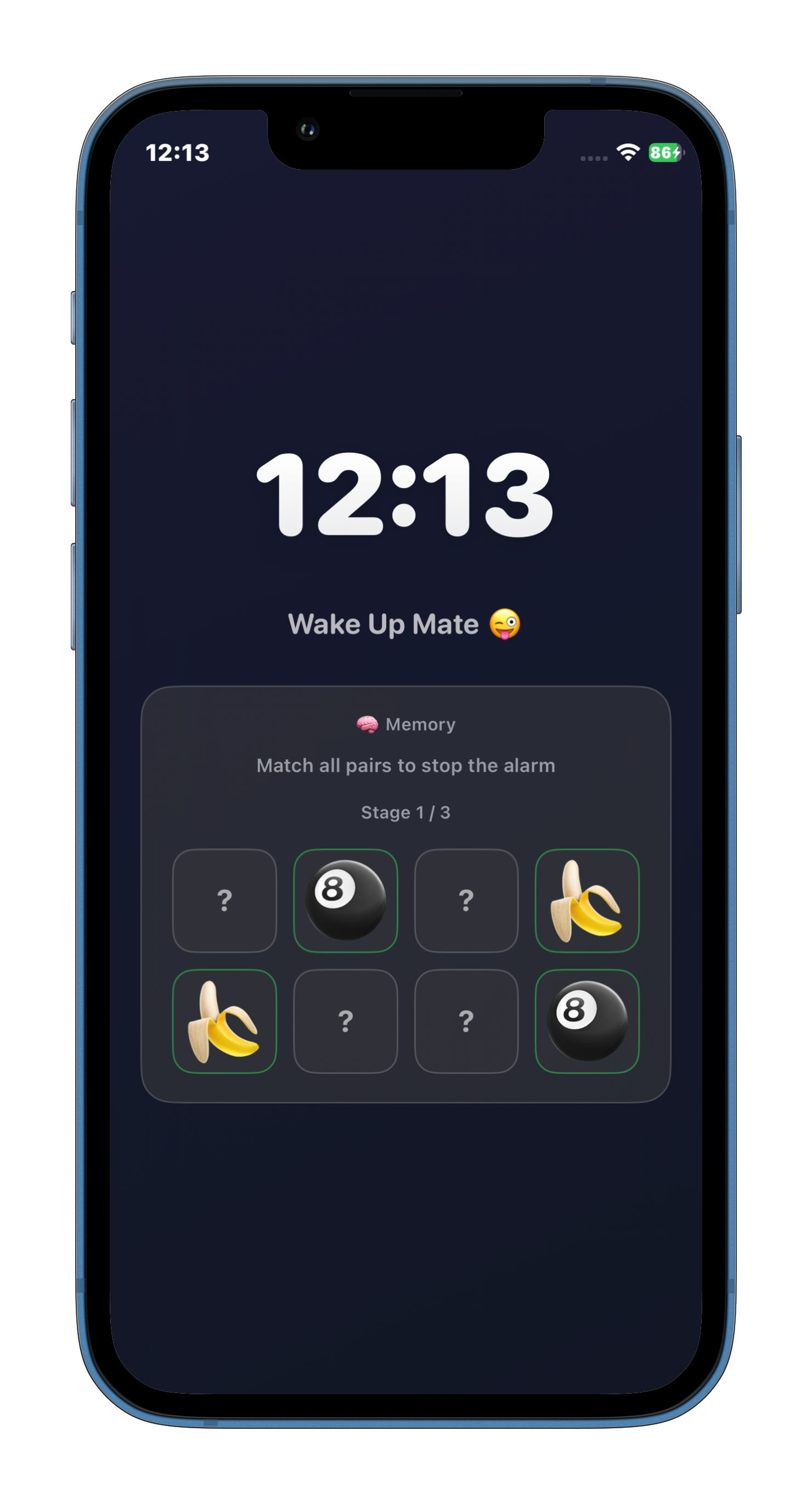
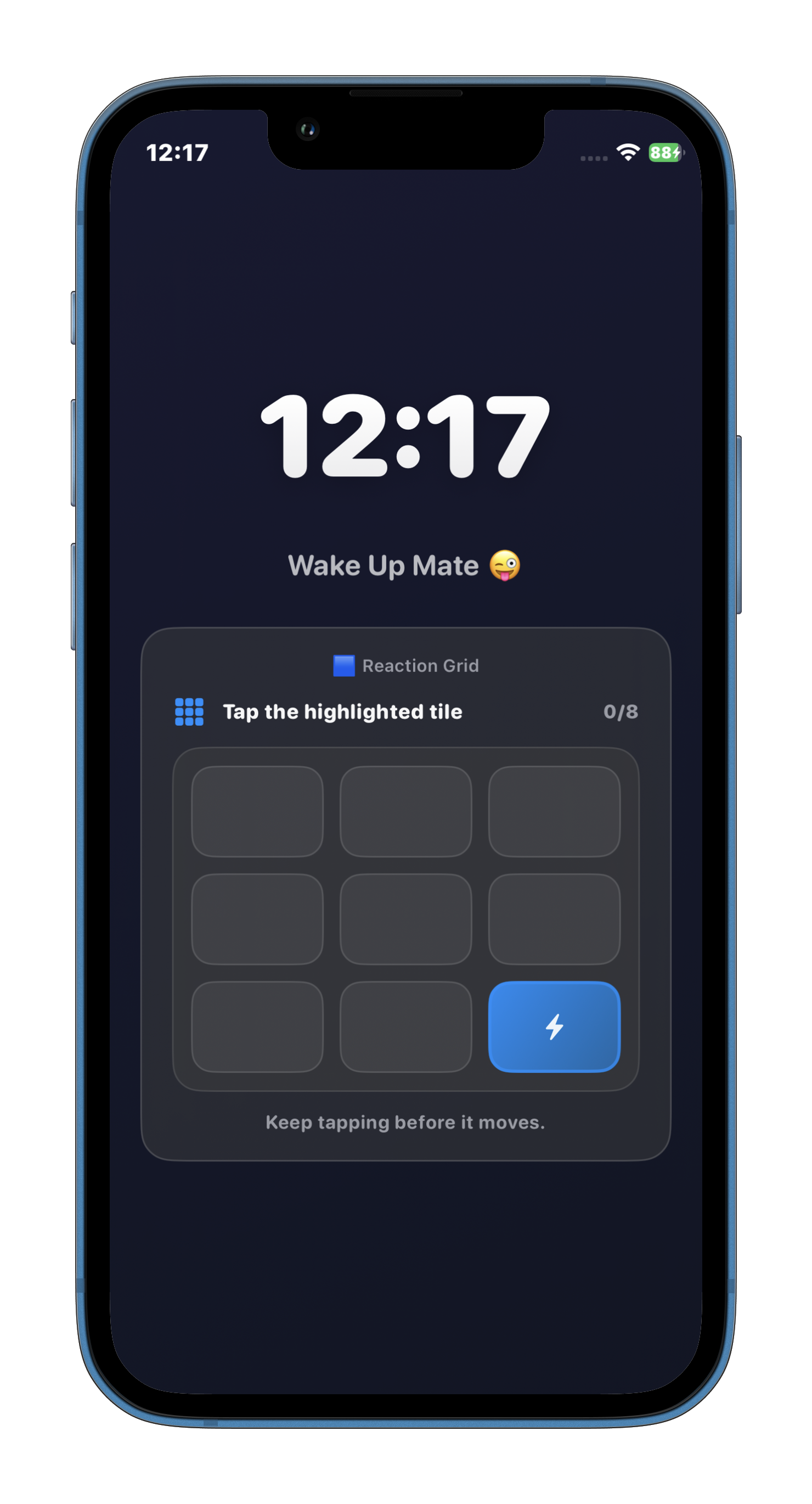
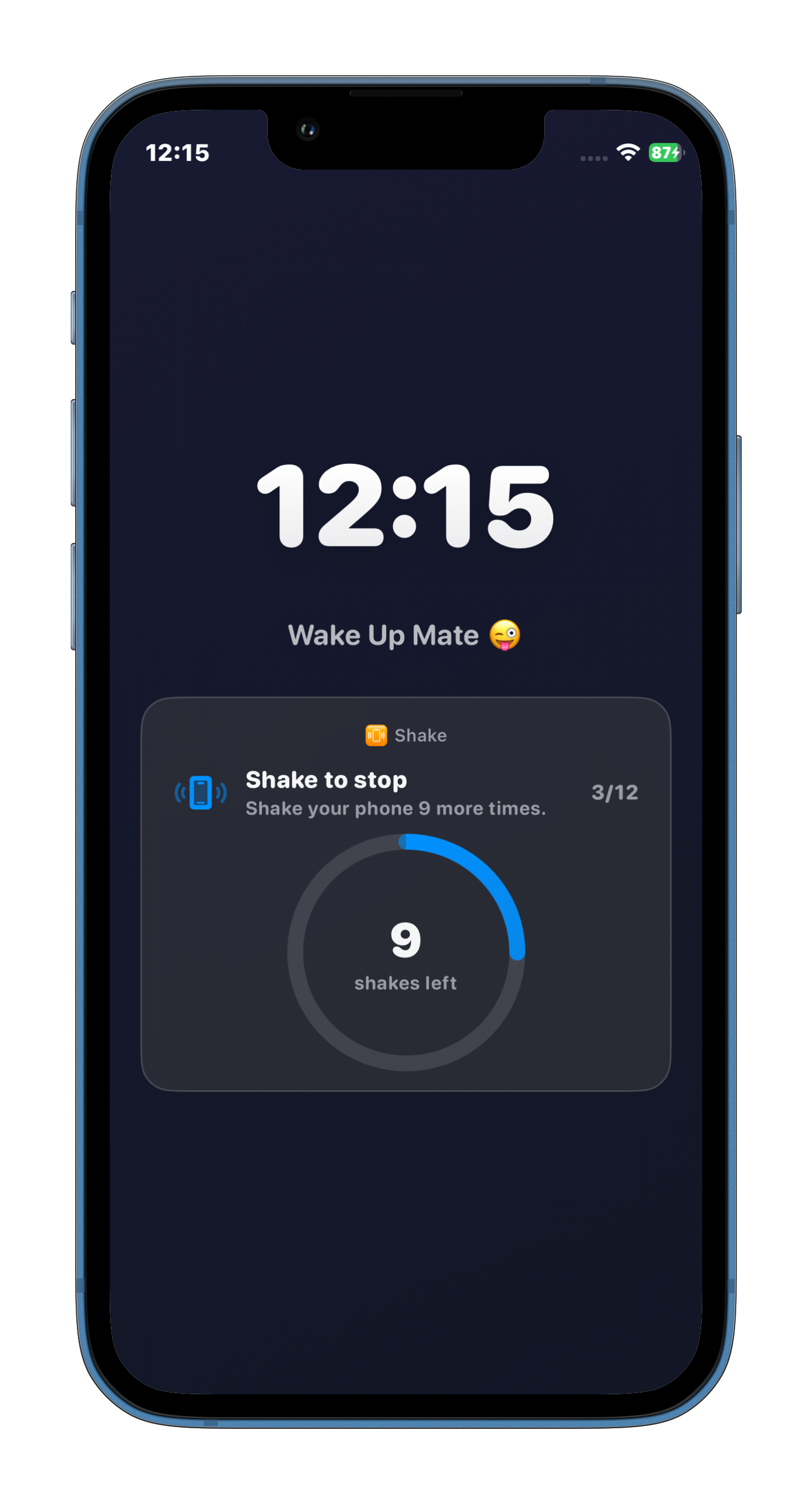
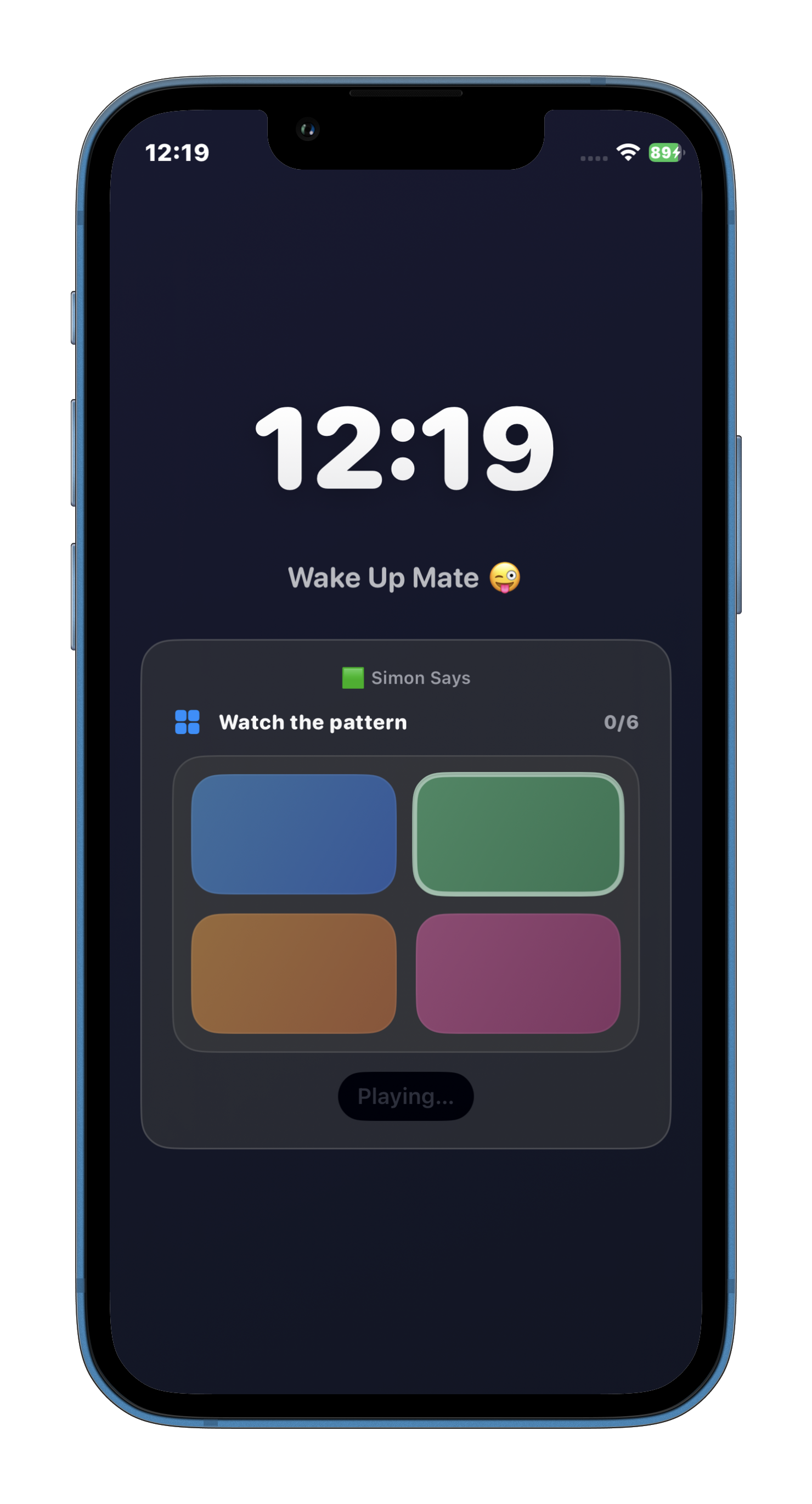
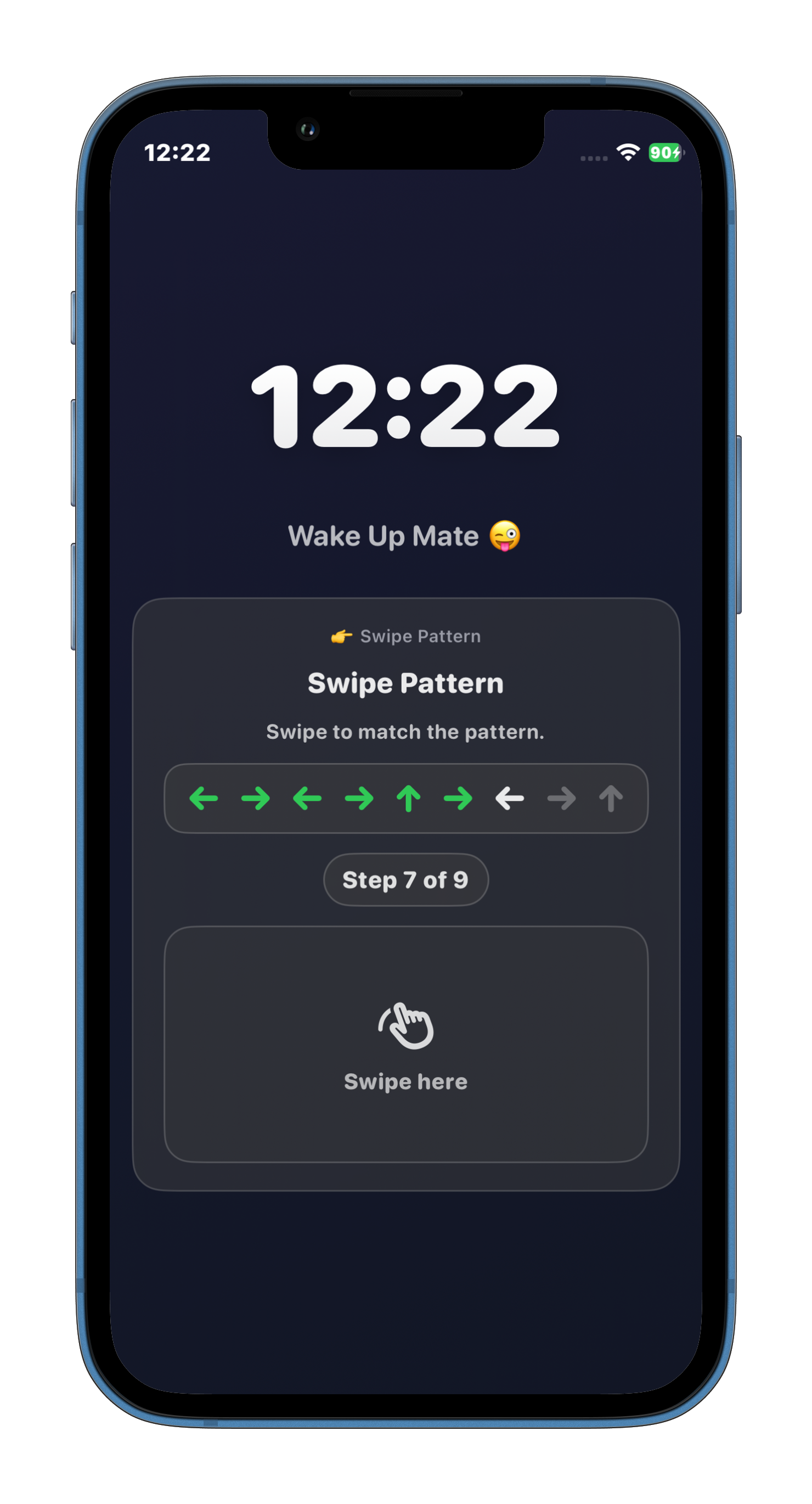
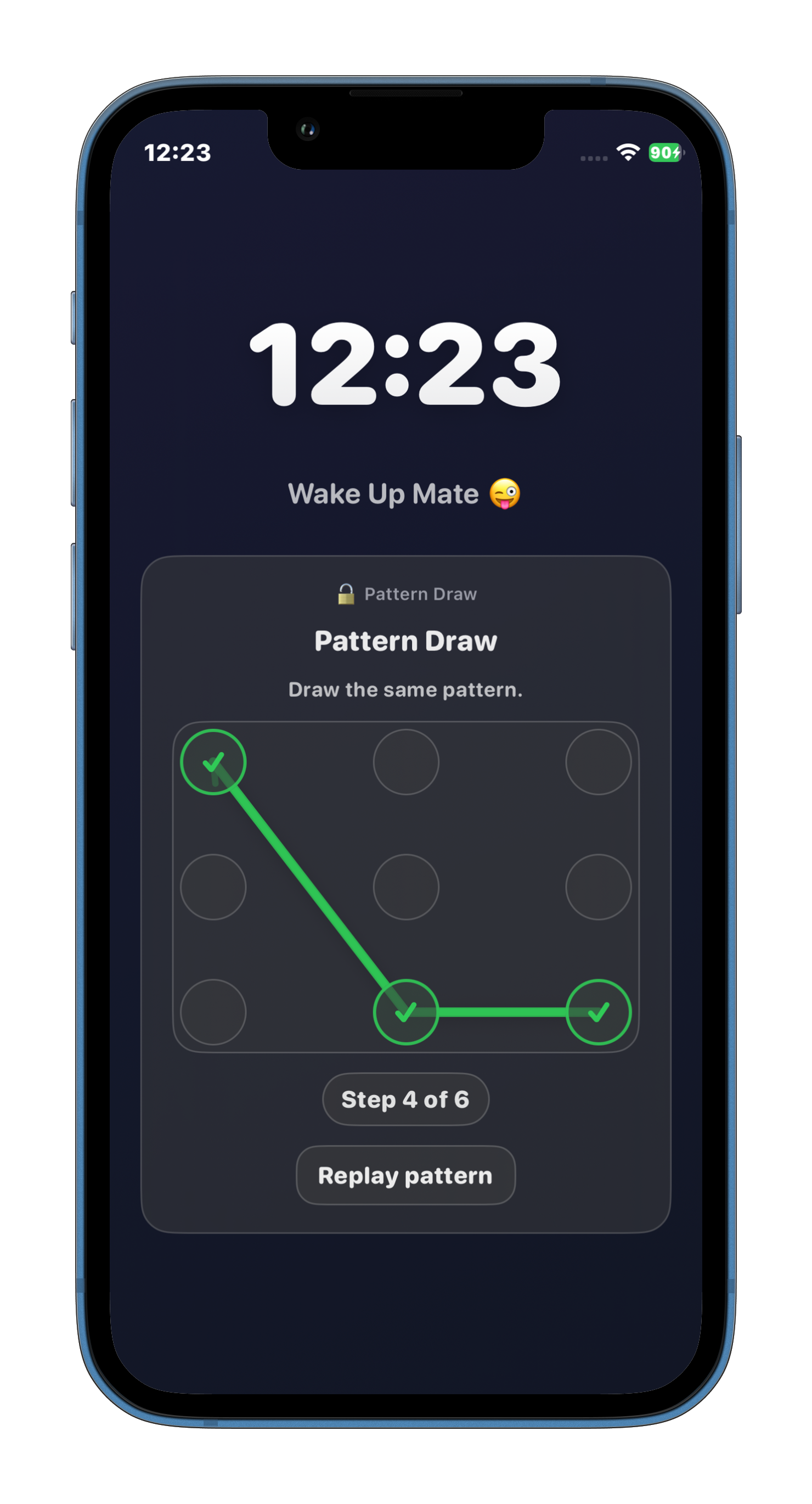
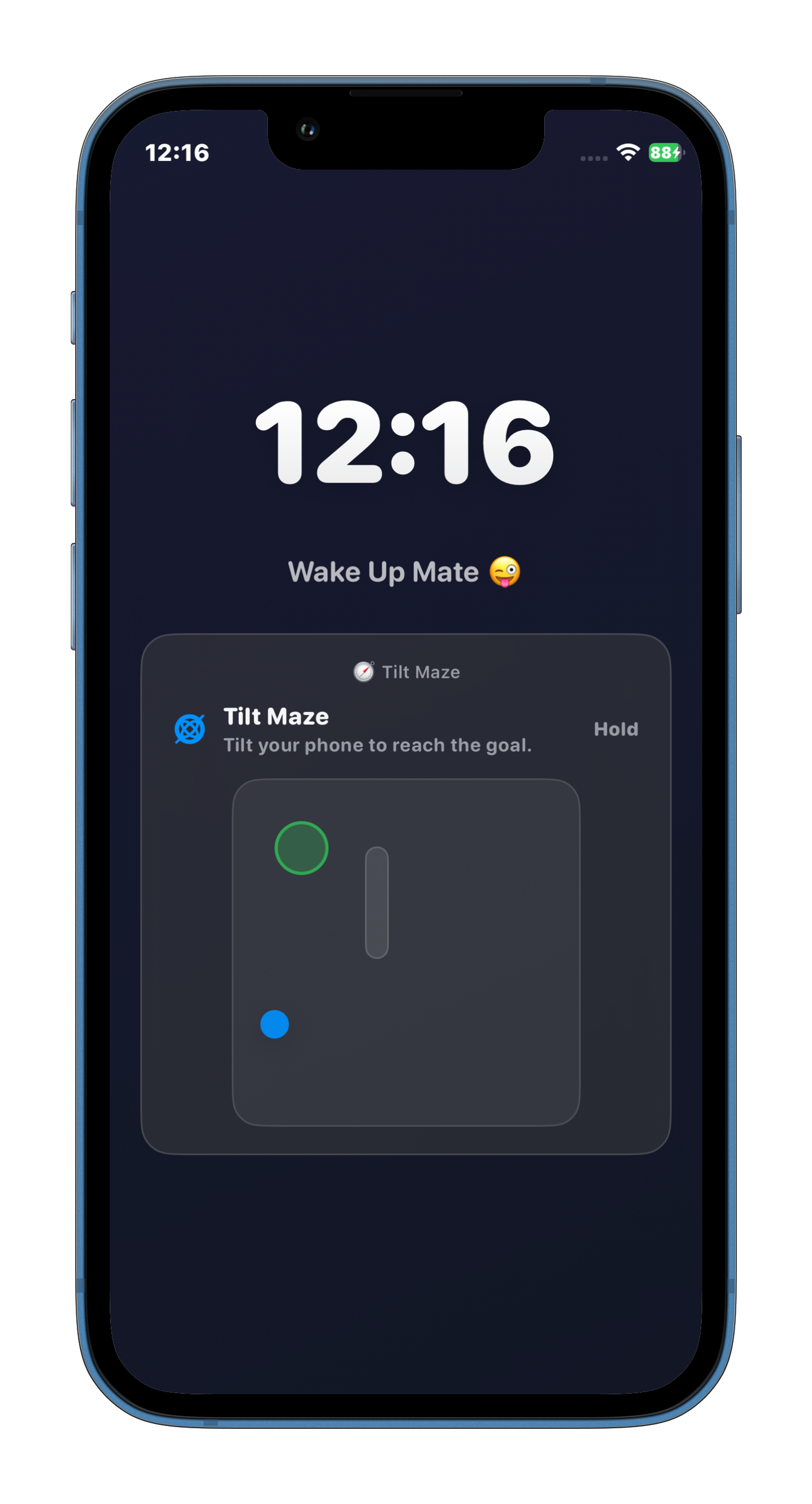
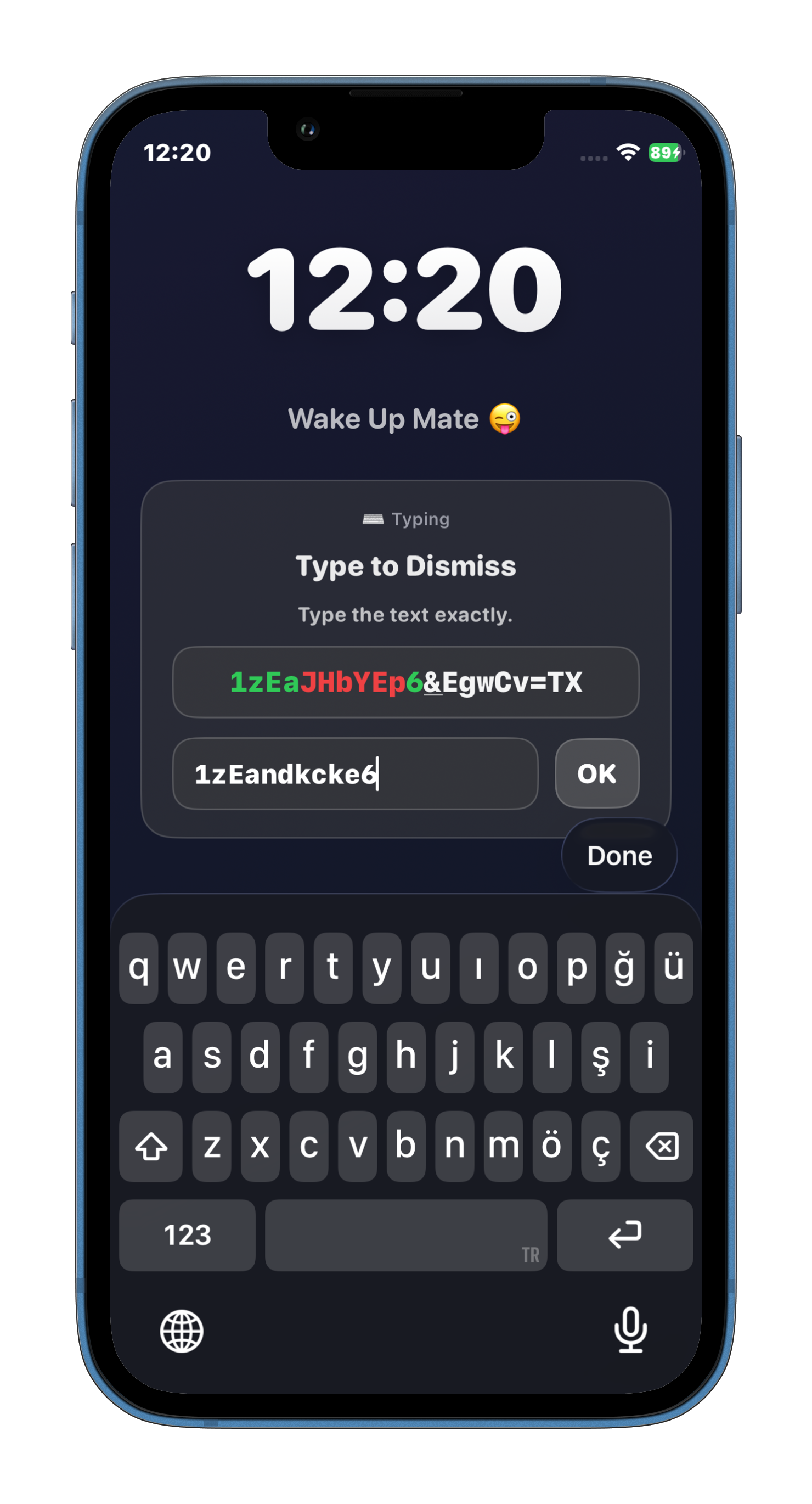
Why Alarm Arcade Works for Travelers setting up reliable early morning flight alarms
Fully offline — works in any hotel, any country, airplane mode
Alarm Arcade runs entirely on-device. No Wi-Fi needed, no account login, no server contact at alarm time. Set your alarm before going to sleep; it fires when it's supposed to regardless of connectivity. This is the most important feature for travel alarms.
Works correctly across time zones — no automatic adjustment confusion
Alarm Arcade sets alarms at the local device time. If you've adjusted your iPhone to the local time zone, the alarm fires at the correct local time. No automatic time zone adjustment surprises, no system time confusion — the alarm you set is the alarm that fires.
Mission enforcement — works even after poor jet-lagged sleep
Jet lag and unfamiliar sleep environments produce severe sleep inertia. A mission-based alarm that requires genuine cognitive engagement works precisely when sleep inertia is worst — the task must be completed before silence regardless of how impaired you are from poor travel sleep.
Why standard travel alarm strategies fail
| Feature | Alarm Arcade | Alarmy | iPhone Clock |
|---|---|---|---|
| No subscription required | ✓ | ✗ | ✓ |
| Game-based dismissal | ✓ | ✓ | ✗ |
| Works offline (no account) | ✓ | ✗ | ✓ |
| Pricing | $1.49 one-time | $4.99/mo | Free |
| Multiple mission types | ✓ | ✓ | ✗ |
Why travel mornings are the highest-risk alarm scenario
Three travel-specific factors make flight mornings more dangerous than regular mornings. First, unfamiliar sleep environments — new bed, different noise profile, unfamiliar temperature — reduce sleep quality compared to home. The first night in a new environment typically produces lighter, more fragmented sleep. Second, travel anxiety activates the stress response the night before departure, increasing nocturnal cortisol and further fragmenting sleep. Third, jet lag shifts the circadian rhythm relative to local time, meaning your 4 AM alarm may correspond to your body's sleep peak — the point of maximum sleep inertia.
Travel alarms also have unique failure modes: hotel room phones can fail or not be set correctly; backup wake-up calls can be forgotten; phone alarms can fail if the device ran out of battery, updated during the night, or is connected to an unfamiliar time zone setting. The accumulated probability of failure across these independent failure modes is non-trivial for regular travelers. The most reliable system minimizes external dependencies and ensures that when the alarm fires, dismissal requires genuine engagement.
The exact Alarm Arcade setup for early morning flights
Set-up the night before (not the morning of): Open Alarm Arcade and set your wake alarm before you go to sleep. Verify the time shown is correct for your current location. Assign Math or Typing at Hard difficulty — travel sleep is typically poor enough that you need maximum dismissal enforcement. Put the phone on the hotel desk or nightstand (not under your pillow or in bed with you).
Airplane mode strategy: Enable airplane mode to conserve battery and eliminate notification disruptions during sleep. iOS alarms, including Alarm Arcade, fire in airplane mode. Set the alarm, enable airplane mode, plug in to charge. Backup layer: Set one backup alarm on a separate device (laptop alarm, tablet) for 10 minutes after the primary, as catastrophic insurance only. Request a hotel wake-up call as a tertiary backup if flying business class or with critical professional stakes. The primary mission-based alarm should handle it; the backups are for system failures only.
Frequently Asked Questions
Yes. Alarm Arcade operates entirely offline and does not need internet connectivity at any point — including when the alarm fires. Airplane mode does not affect its operation. Set your alarm before enabling airplane mode; it will fire at the correct time and require mission completion before stopping.
Alarm Arcade uses your iPhone's current system time. If your iPhone is set to update automatically to the local time zone (the default setting), the alarm you set will fire at the correct local time. If you've manually set your iPhone to a different time zone, verify the alarm time reflects what you intend. Check your iOS Settings → General → Date & Time to confirm automatic time zone is enabled when traveling.
Hotel wake-up calls are a useful backup but not a reliable primary. They require the front desk to correctly log and execute the call, and failures are more common than travelers assume. Alarm Arcade as your primary alarm (with a hotel call as secondary backup) is a more reliable configuration than hotel call as primary. For very early flights (before 6 AM), using both provides meaningful additional confidence without significant overhead.
Never miss an early flight — starting with the next one
Free to download. Takes 60 seconds to set up. No subscription, no account needed.
Download Alarm Arcade — Free