 Alarm Arcade
Rotate your alarm missions daily to stay unpredictable
Mission rotation is the single most effective long-term strategy for any enforced-dismissal alarm system. Your brain adapts to repeated challenges — rotation prevents that adaptation and keeps the dismissal mechanic genuinely difficult regardless of how long you've been using the app.
Alarm Arcade's ten missions can be assigned independently to each alarm and changed at any time from the alarm settings. Rotation means deliberately changing which mission is active every two to three days (or more frequently if you adapt quickly) so that your brain never builds a habitual response to a single challenge type. You can rotate manually by editing your alarm's mission setting, or build a weekly rotation plan and follow it consistently.
Habituation — the process by which repeated stimuli become less effective at triggering conscious responses — is the primary reason any alarm system loses effectiveness over time. A standard alarm habituates through sheer repetition of the same sound. A task-based alarm habituates when the task type becomes procedural. Mission rotation directly counters the second failure mode: by introducing a different cognitive or physical challenge regularly, you prevent any single mission from becoming automatic. Ten missions means ten separate habituation timelines, and rotating means none of them fully complete.
Who This Is For
- People who tried a single-mission alarm app and found it stopped working after a few weeks
- Anyone building a long-term alarm system they want to stay effective for months
- Heavy sleepers who adapt quickly to challenge alarms
- People who want to use Alarm Arcade optimally, not just as a static alarm
- Users who want a structured rotation plan rather than ad-hoc mission changes
- Anyone who's experienced the 'I completed the mission in my sleep' problem
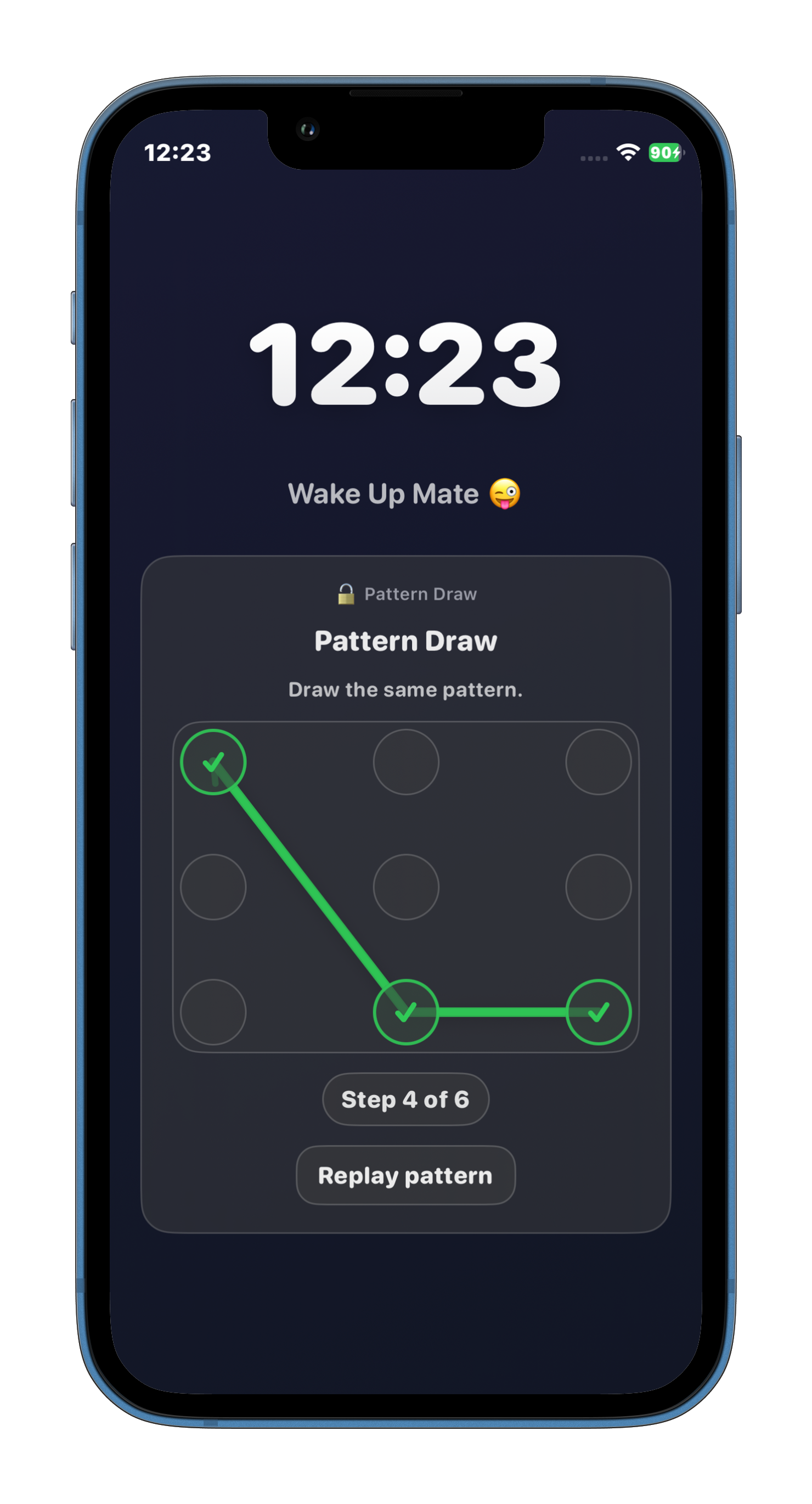
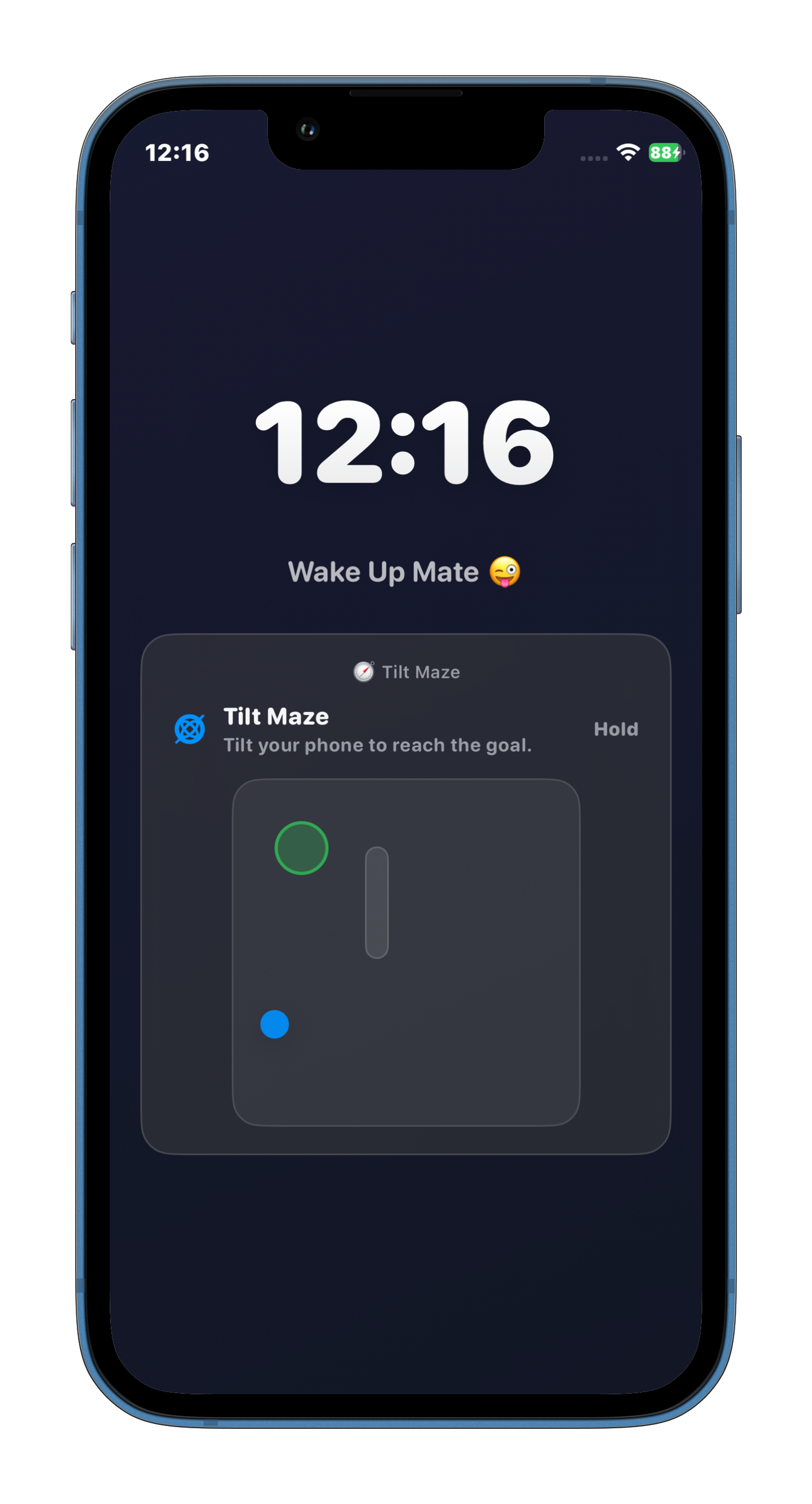
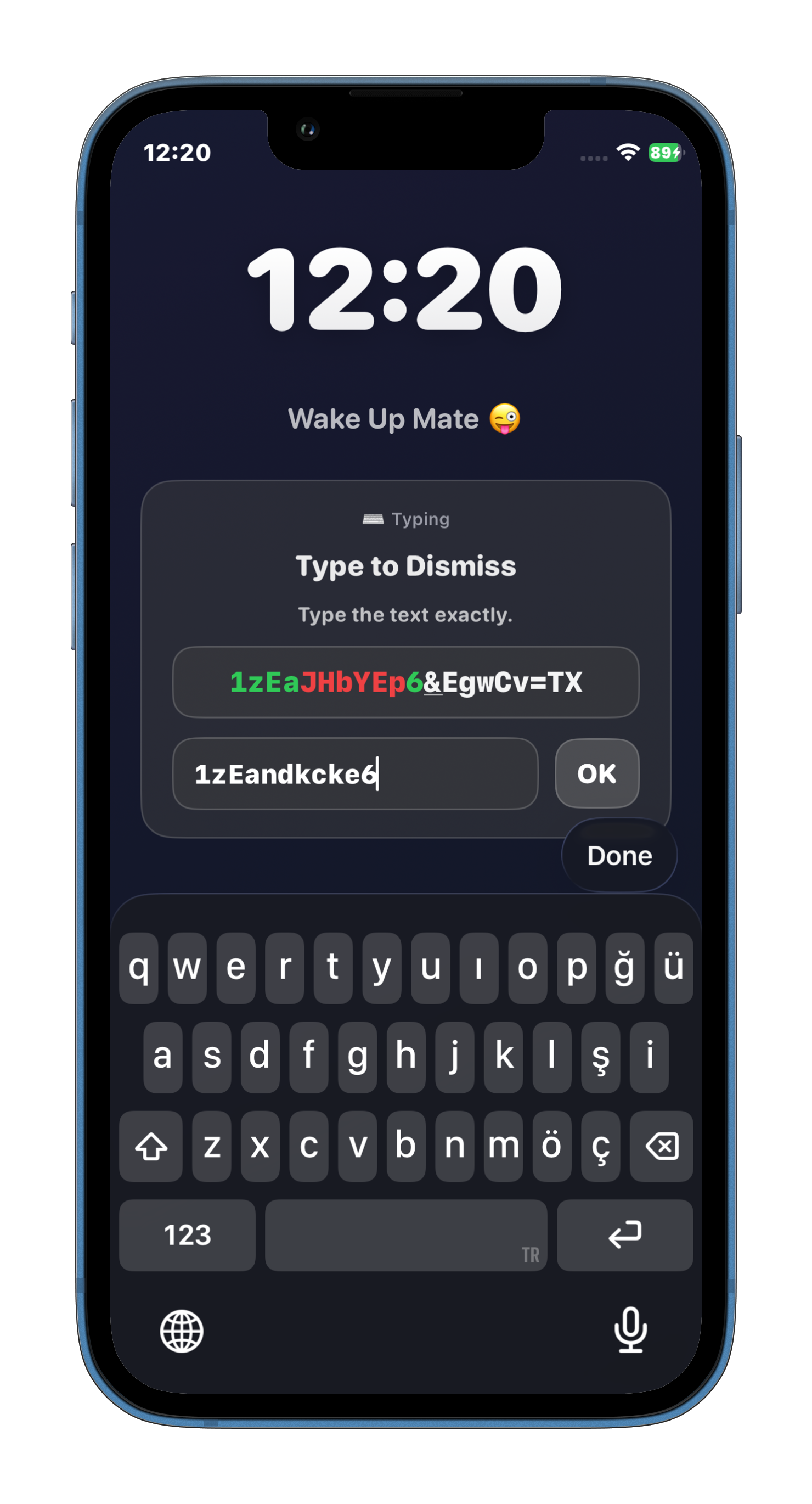
Why Alarm Arcade Works for People setting up mission rotation in Alarm Arcade
Rotation prevents habituation — the main reason alarms stop working
The same challenge every day becomes procedural within weeks. Rotation keeps each mission in the 'novel' zone where it requires genuine cognitive engagement. Ten missions means you can rotate for months before any single mission cycles back enough times to become automatic.
Different missions activate different neural systems
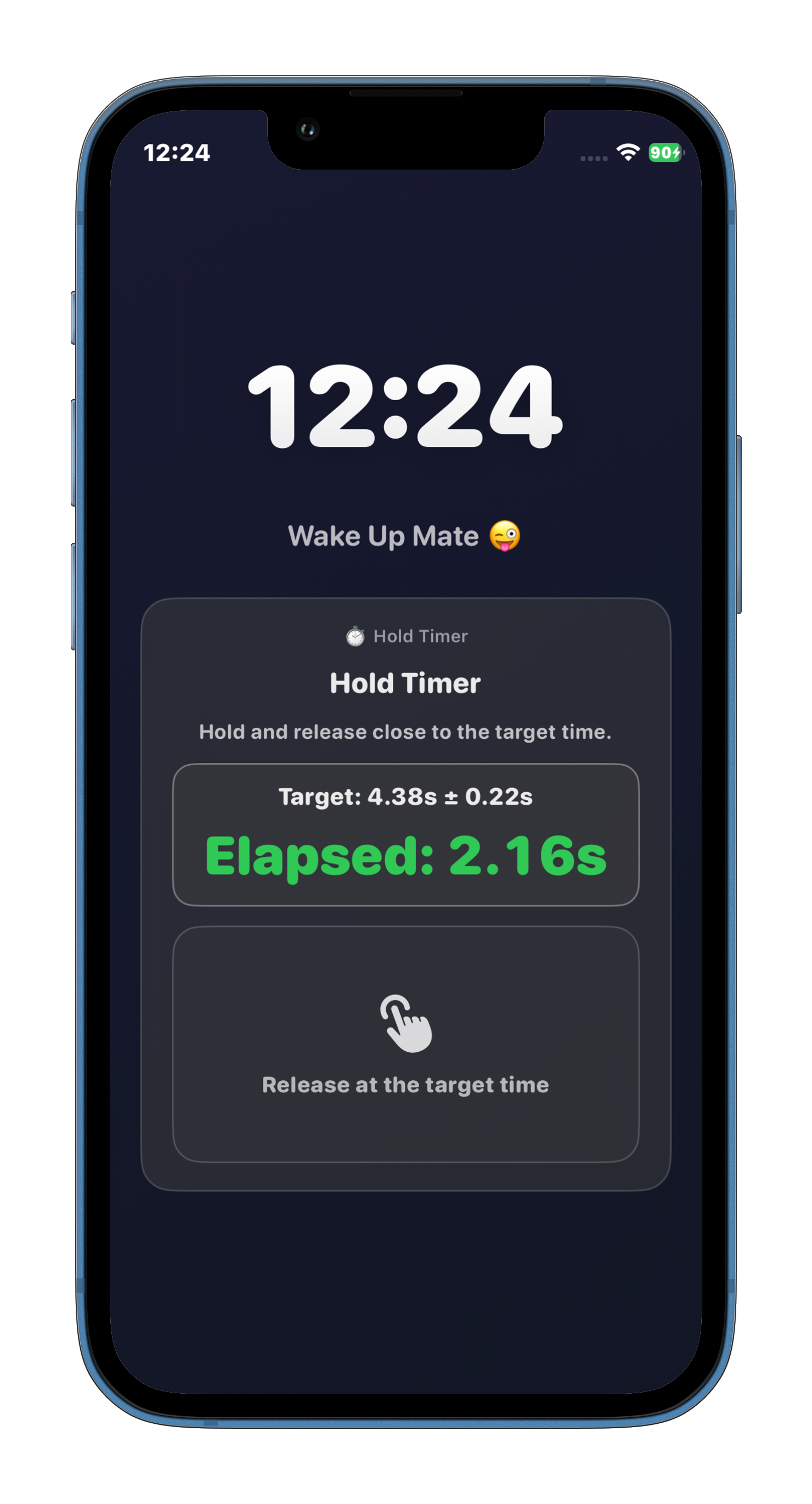
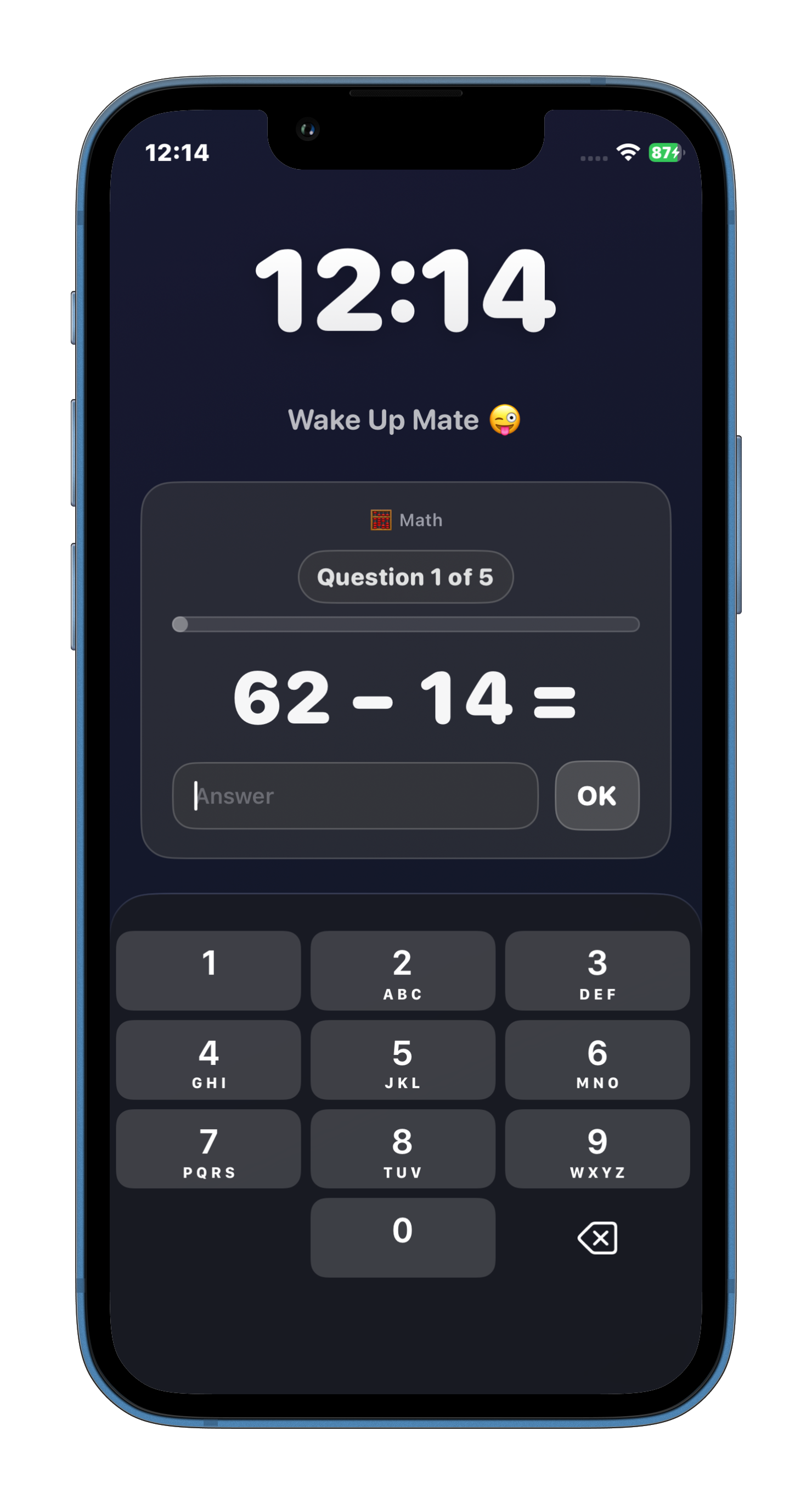
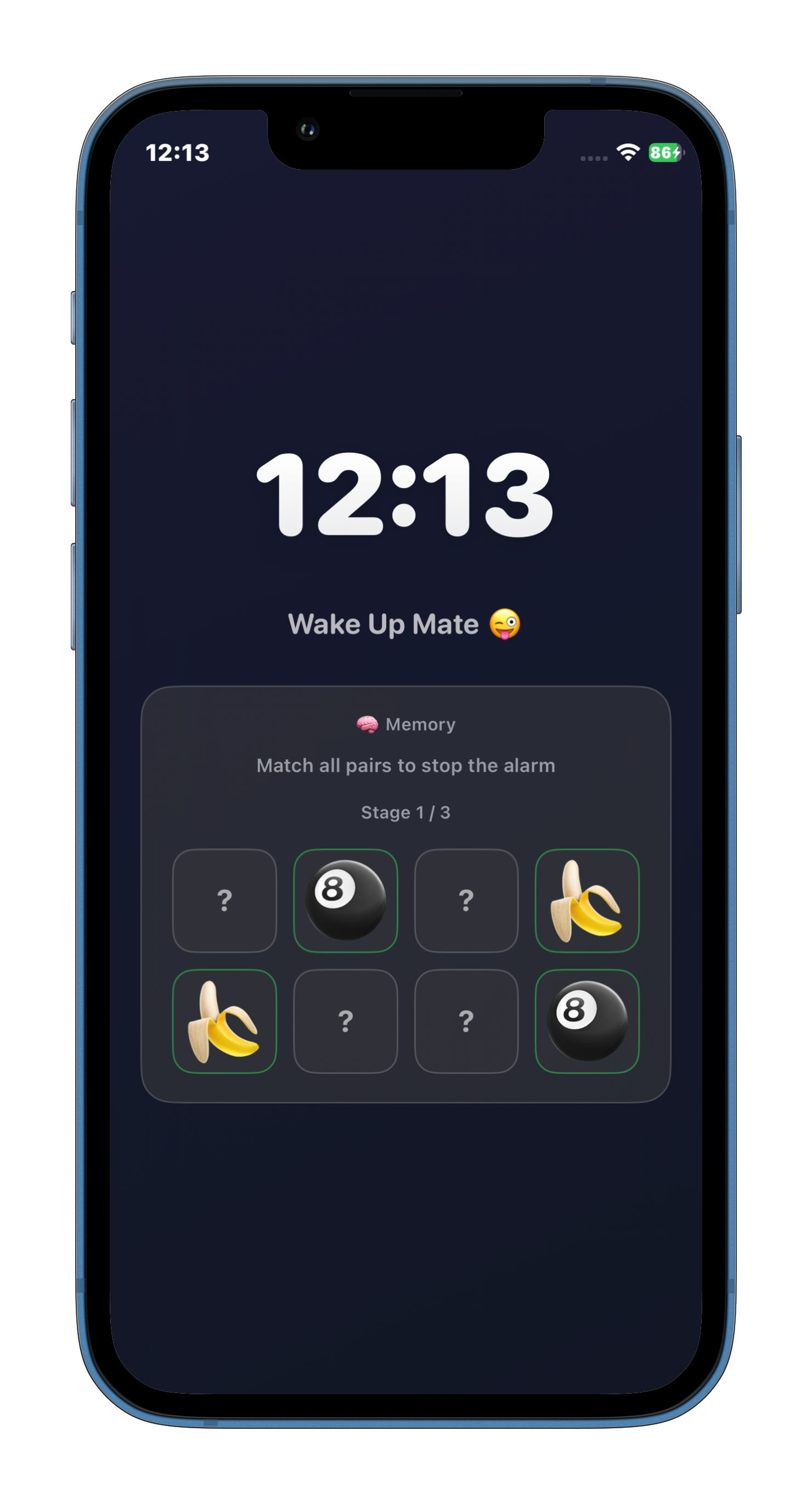
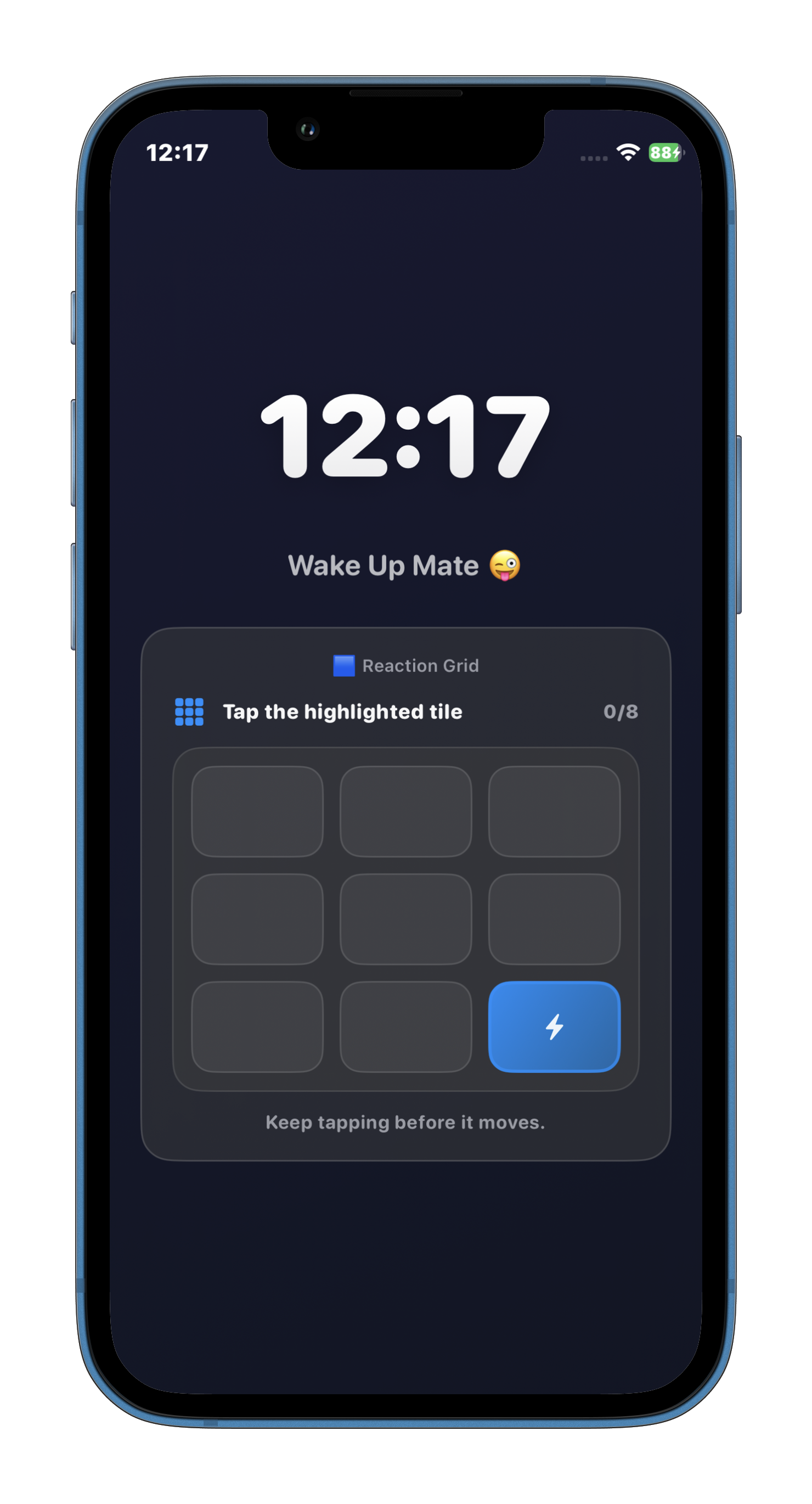
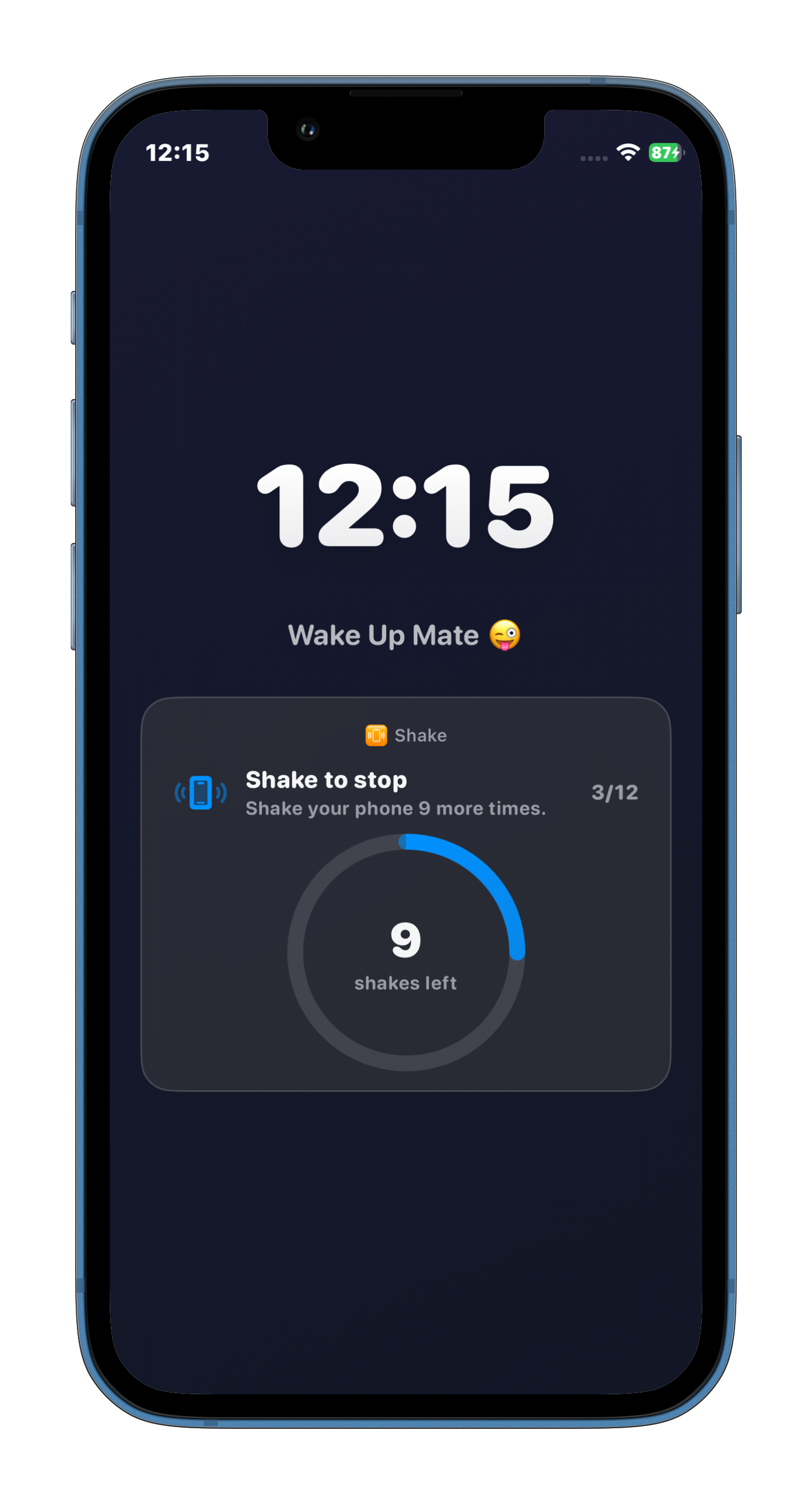
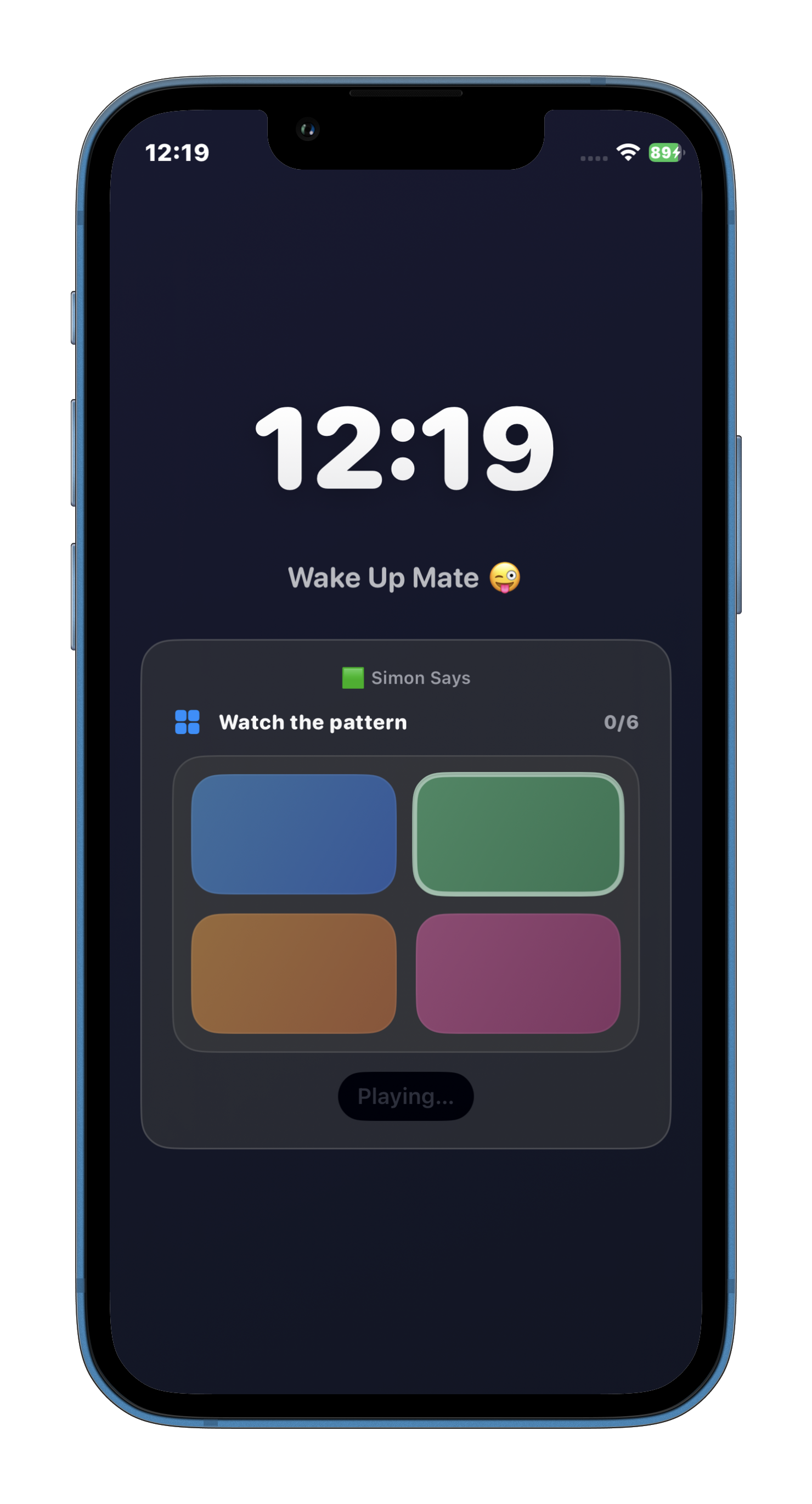
Math uses working memory and arithmetic circuits. Shake uses the vestibular system and motor activation. Simon Says uses sequential memory. Reaction Grid uses visual attention. These systems don't share procedural memory — which means adapting to Math doesn't help you automate Shake. Cross-category rotation is more effective than rotating within a single category.
A weekly rotation plan takes 2 minutes to set up
Assign different missions to weekday and weekend alarms (or to each day individually) once per week. After that, the rotation runs automatically. The planning overhead is minimal; the benefit is an alarm system that remains effective indefinitely.
Rotating missions vs fixed mission — Why rotation wins
| Feature | Alarm Arcade | Alarmy | iPhone Clock |
|---|---|---|---|
| No subscription required | ✓ | ✗ | ✓ |
| Game-based dismissal | ✓ | ✓ | ✗ |
| Works offline (no account) | ✓ | ✗ | ✓ |
| Pricing | $1.49 one-time | $4.99/mo | Free |
| Multiple mission types | ✓ | ✓ | ✗ |
How to build an effective mission rotation
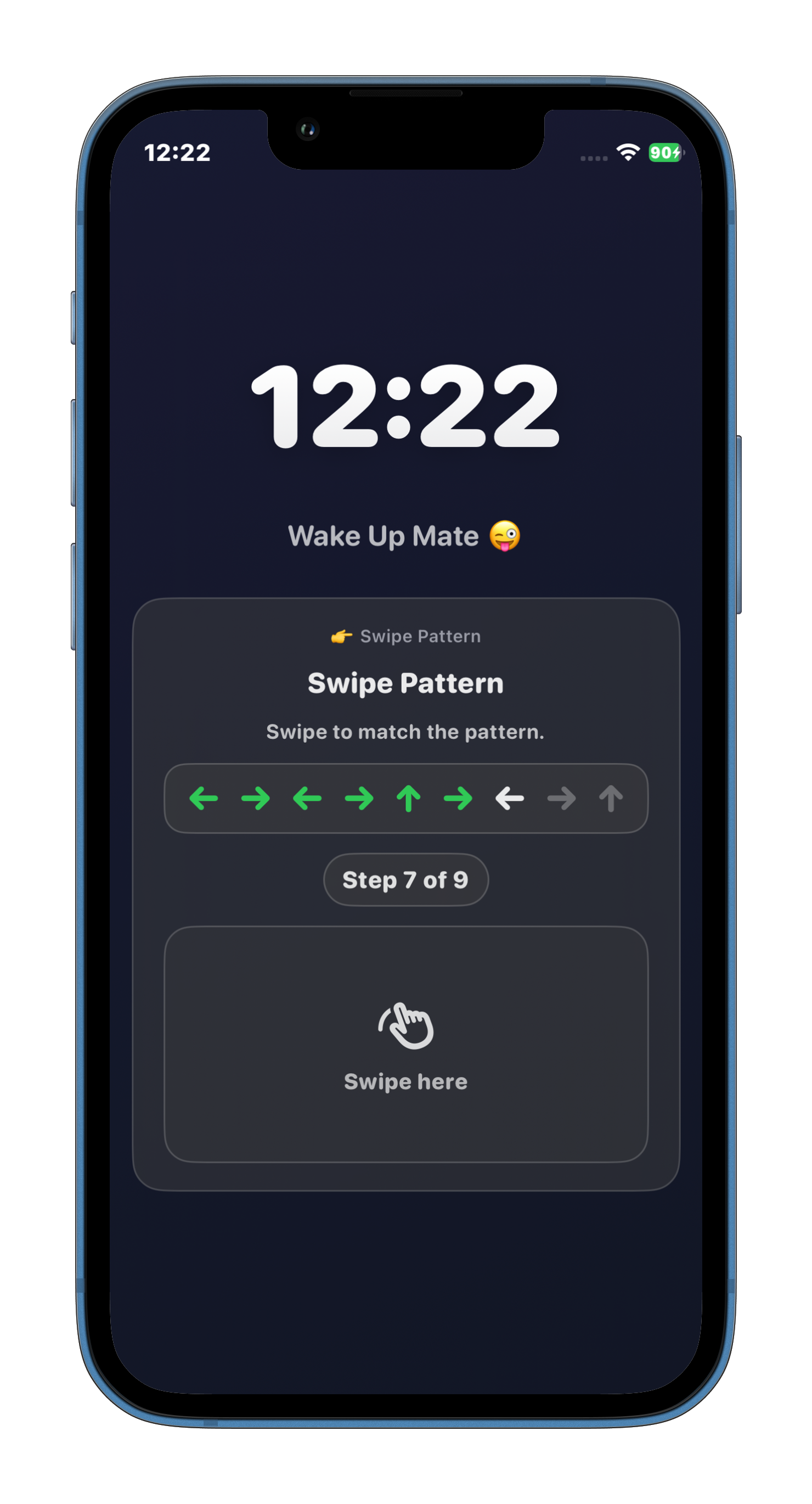
The most effective rotations mix across categories, not just within them. Three category types are available: cognitive (Math, Typing, Memory Match, Simon Says), physical (Shake, Tilt Maze), and reaction (Reaction Grid, Swipe Pattern, Pattern Draw, Hold Timer). A rotation that includes at least one mission from each category is the most robust because the different neural systems involved don't share habituation pathways.
Rotation frequency should match your adaptation rate. Most people do well rotating every two to three days. If you find yourself completing missions easily within a week of starting them, increase rotation frequency. If you find rapid mission changes disorienting or frustrating, rotate every week instead. The goal is staying in the zone where the challenge requires genuine attention — calibrate the frequency to keep you there.
Rotation plans that work
Rotation Plan 1 — Five-day weekday cycle: Monday: Math, Tuesday: Shake, Wednesday: Memory Match, Thursday: Reaction Grid, Friday: Typing. Weekend: Tilt Maze or Simon Says. This covers cognitive, physical, and reaction categories across the week and never repeats a mission type within a five-day window. It's the most varied five-mission cycle available in Alarm Arcade.
Rotation Plan 2 — Two-mission alternating: Pick two missions from different categories (e.g., Typing and Shake) and alternate daily. Simple to remember, covers cognitive and physical categories, and each mission gets roughly equal use. Good for people who want variety without a complex rotation calendar. Rotation Plan 3 — Monthly deep rotation: Use one mission per week for a month (four missions total), then cycle back. This gives each mission enough consecutive use to confirm whether it's effective for your sleep pattern before moving on. Slower rotation for people who prefer consistency over maximum variety.
Frequently Asked Questions
Every two to three days is a good starting point for most people. If you notice a mission becoming too easy — completing it in a few seconds without feeling fully engaged — switch sooner. If you find rapid changes disorienting, extend to five to seven days per mission. The signal to change is when the mission stops requiring genuine attention, not a fixed calendar interval.
Yes. Each alarm in Alarm Arcade can have its own mission assigned independently. This means your weekday 6 AM alarm can use Math, your weekend 8 AM alarm can use Memory Match, and a backup alarm can use Shake. You can build your rotation directly into your alarm schedule rather than manually switching missions each day.
For heavy sleepers, prioritize cross-category rotation with high-demand missions. A strong rotation: Typing (highest cognitive demand) for two days, Shake (physical activation) for one day, Simon Says (sequential memory) for two days, Reaction Grid (visual attention) for two days. This covers three distinct neural systems and never lets any single one dominate. Adjust based on which missions you find genuinely challenging versus too easy.
Wake up with your brain switched on
Ten missions, rotate freely. Download Alarm Arcade and try it tonight.
Download Alarm Arcade — Free