 Alarm Arcade
I keep oversleeping even with multiple alarms — help
If multiple alarms haven't solved your oversleeping problem, they may be making it worse. This guide explains why the alarm stack strategy backfires and what to do instead — a single-alarm approach that actually works for serious oversleepers.
Multiple alarms train your brain that alarms are optional. Each alarm you successfully sleep through teaches your nervous system that this particular sound at this particular time can be ignored without consequence — because the next alarm will come. Over time, your brain becomes progressively better at processing and dismissing each alarm in sequence, sometimes before full consciousness is reached. The result: you set eight alarms, sleep through six of them, and still wake up late feeling guilty and confused about why your system failed again.
The solution isn't more alarms — it's a better first alarm. A single alarm that requires genuine engagement before dismissal eliminates the multiple-alarm dependency entirely. When your brain knows there is no second alarm coming, the first alarm is processed differently. And when dismissing the first alarm requires completing a mission rather than a tap, the sleep-through failure mode is removed mechanically.
Who This Is For
- People with five or more alarms set who still oversleep
- Anyone who's tried gradually reducing their alarm count and failed
- People who feel embarrassed by how many alarms they need but can't stop
- Students who've missed classes, work calls, or appointments despite alarms
- People who know intellectually that multiple alarms aren't working but don't know the alternative
- Heavy sleepers who want to understand the alarm stack failure mode
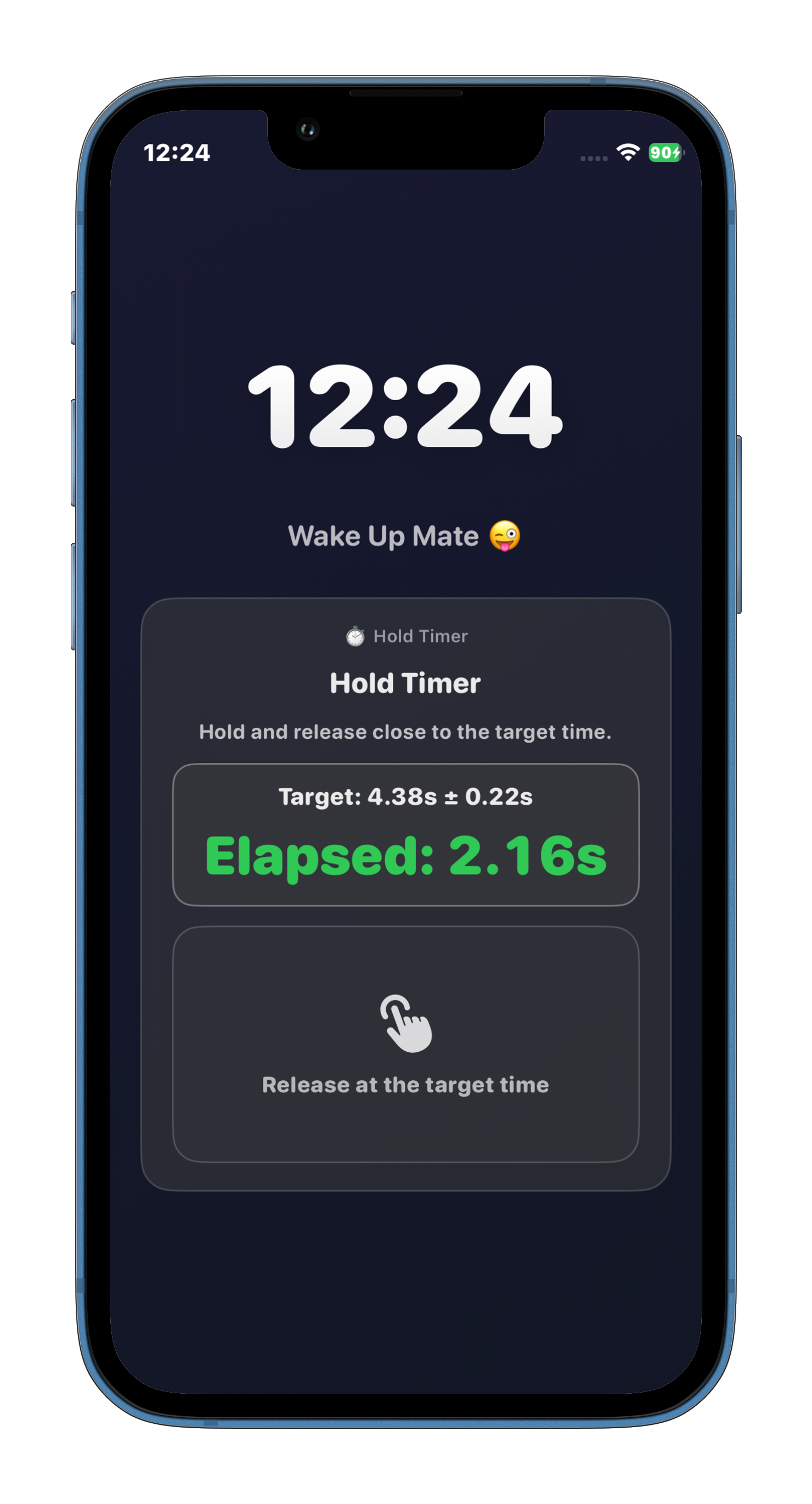
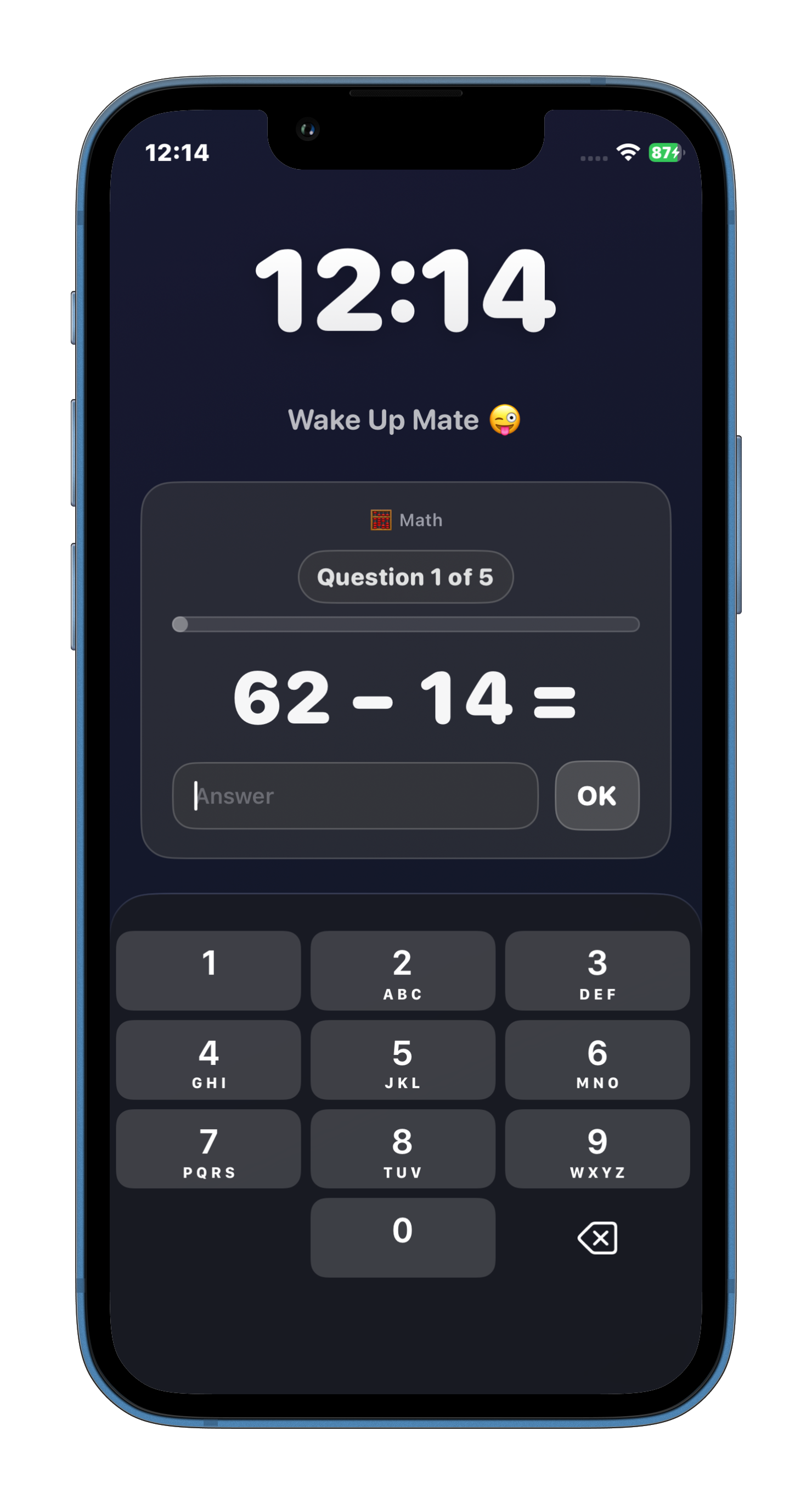
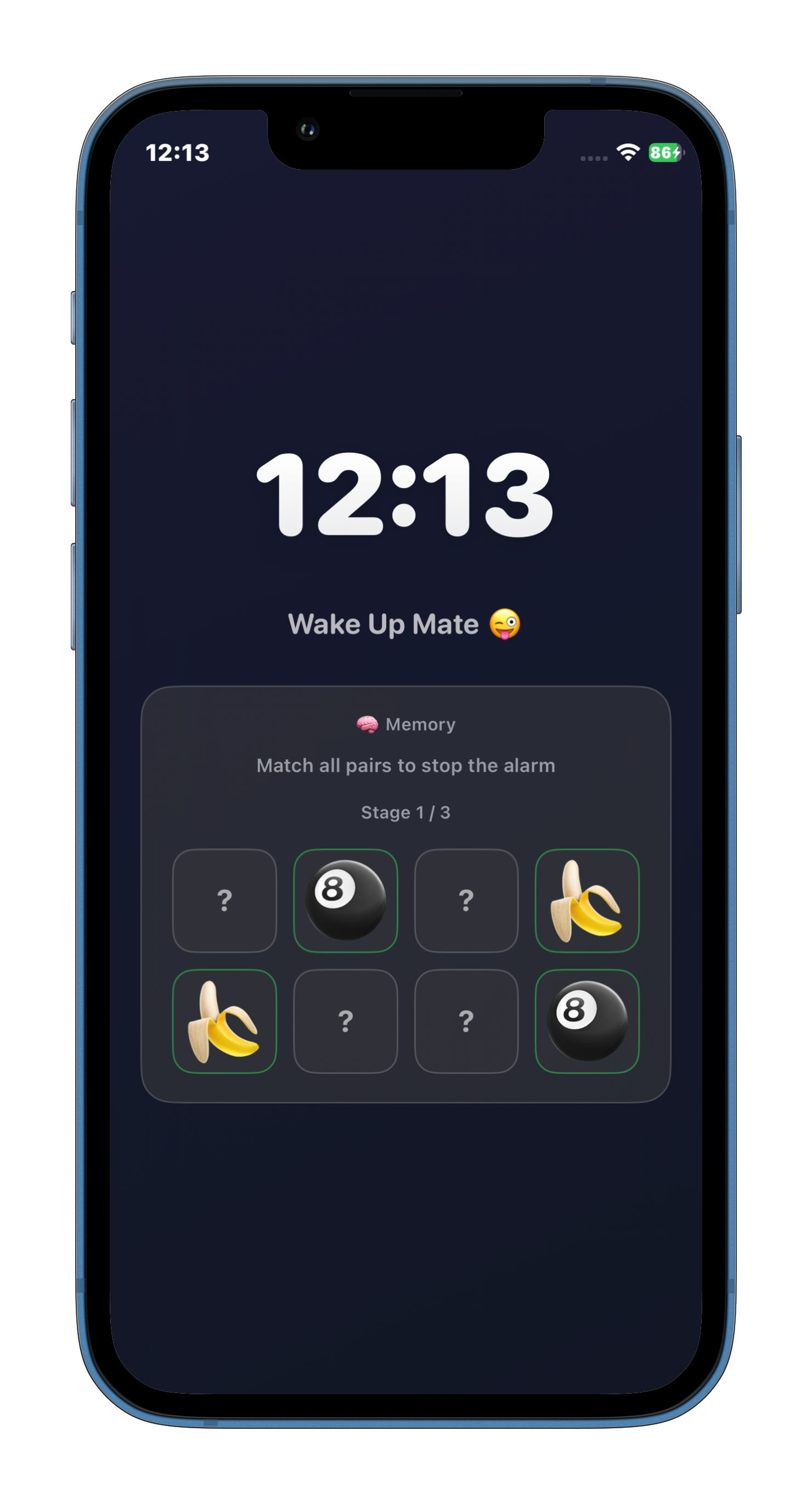
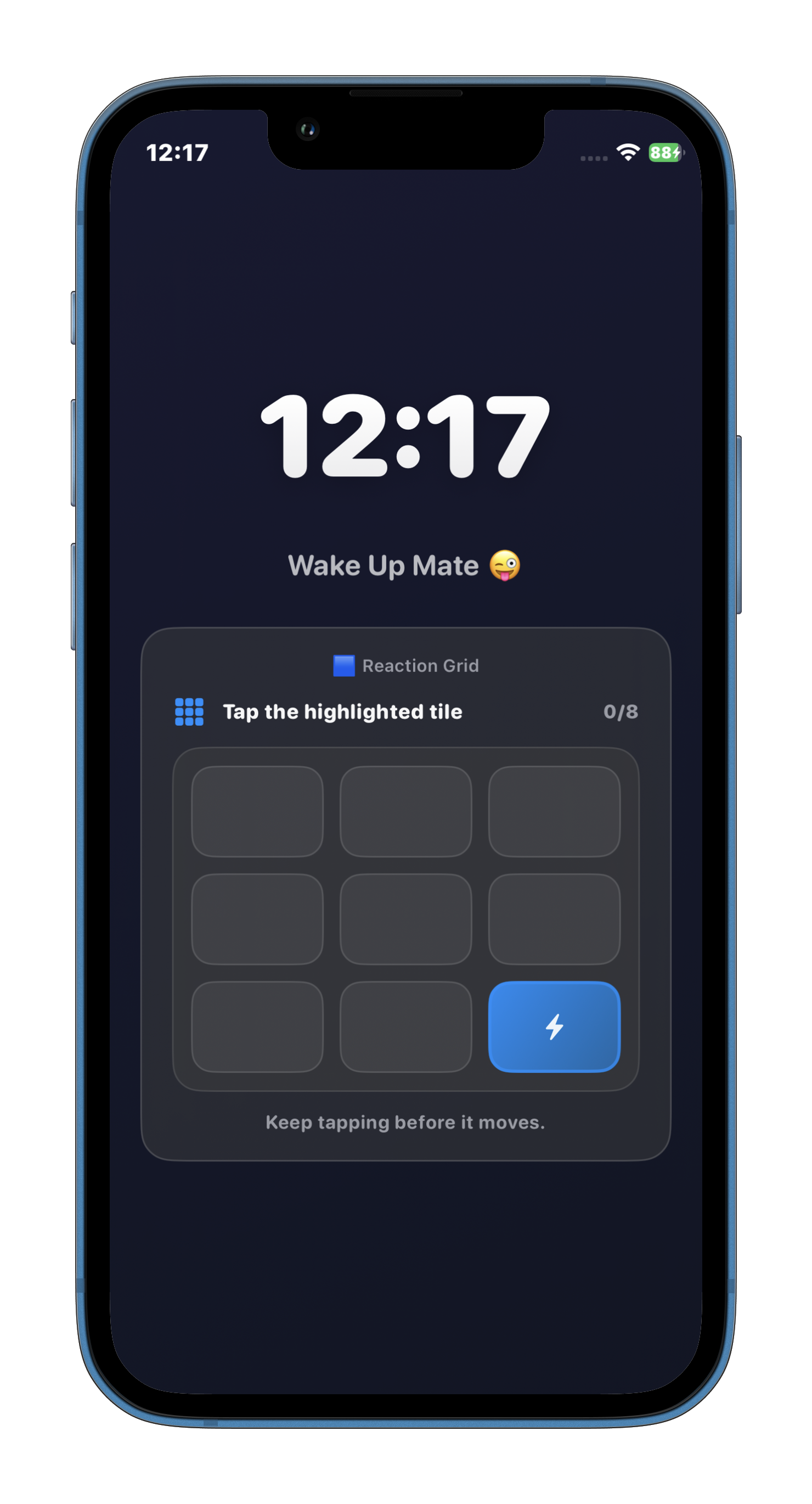
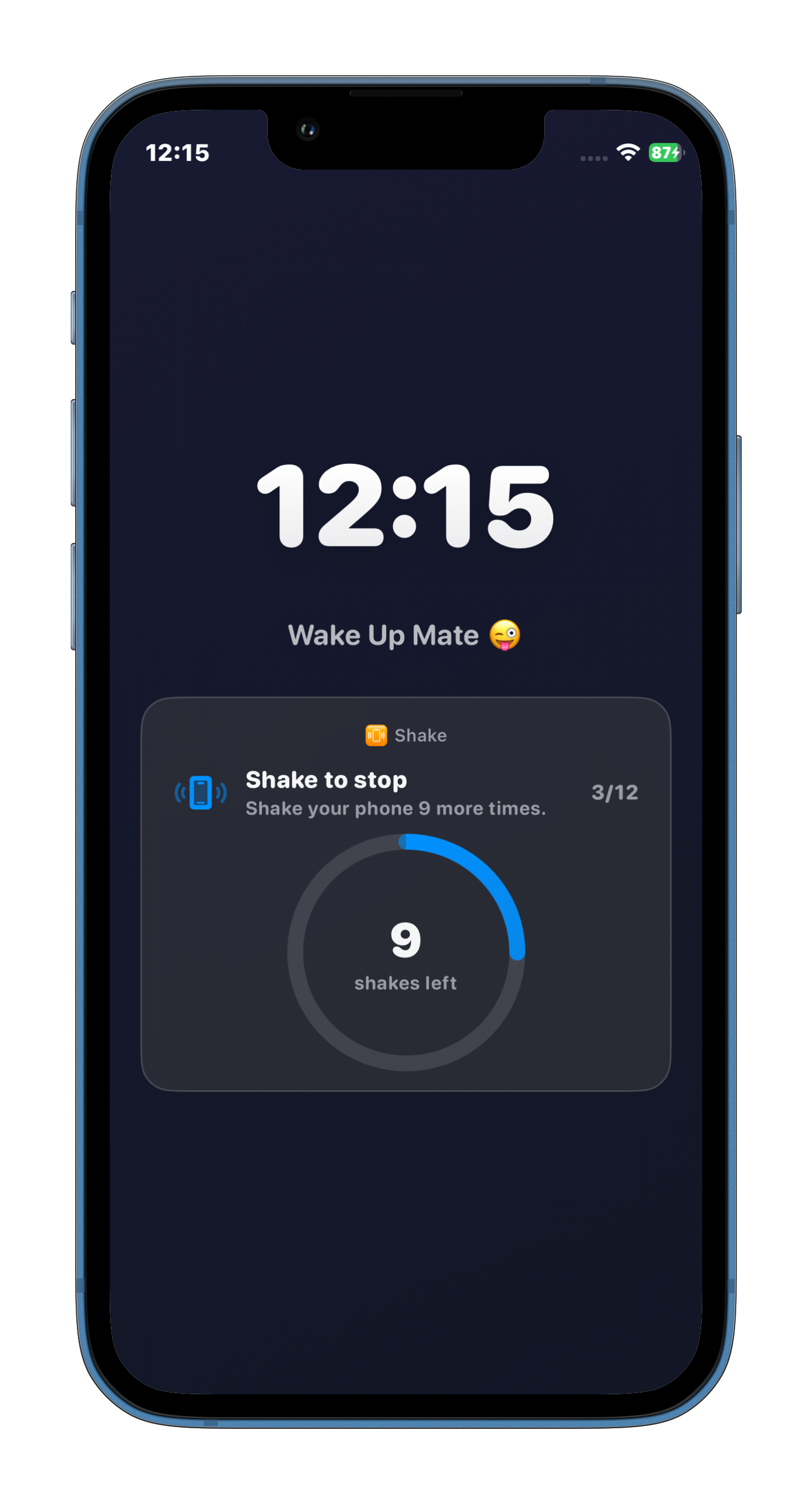
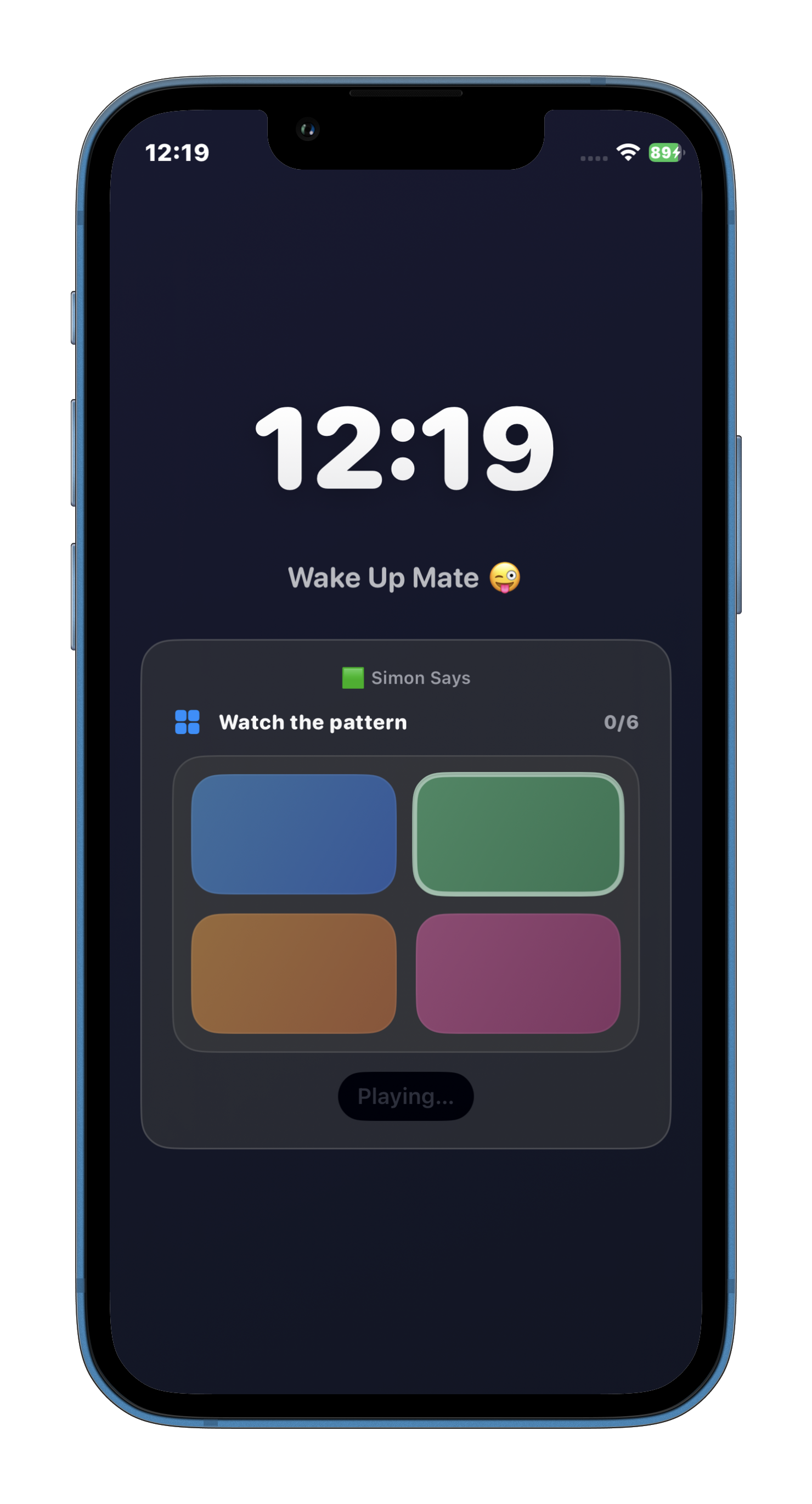
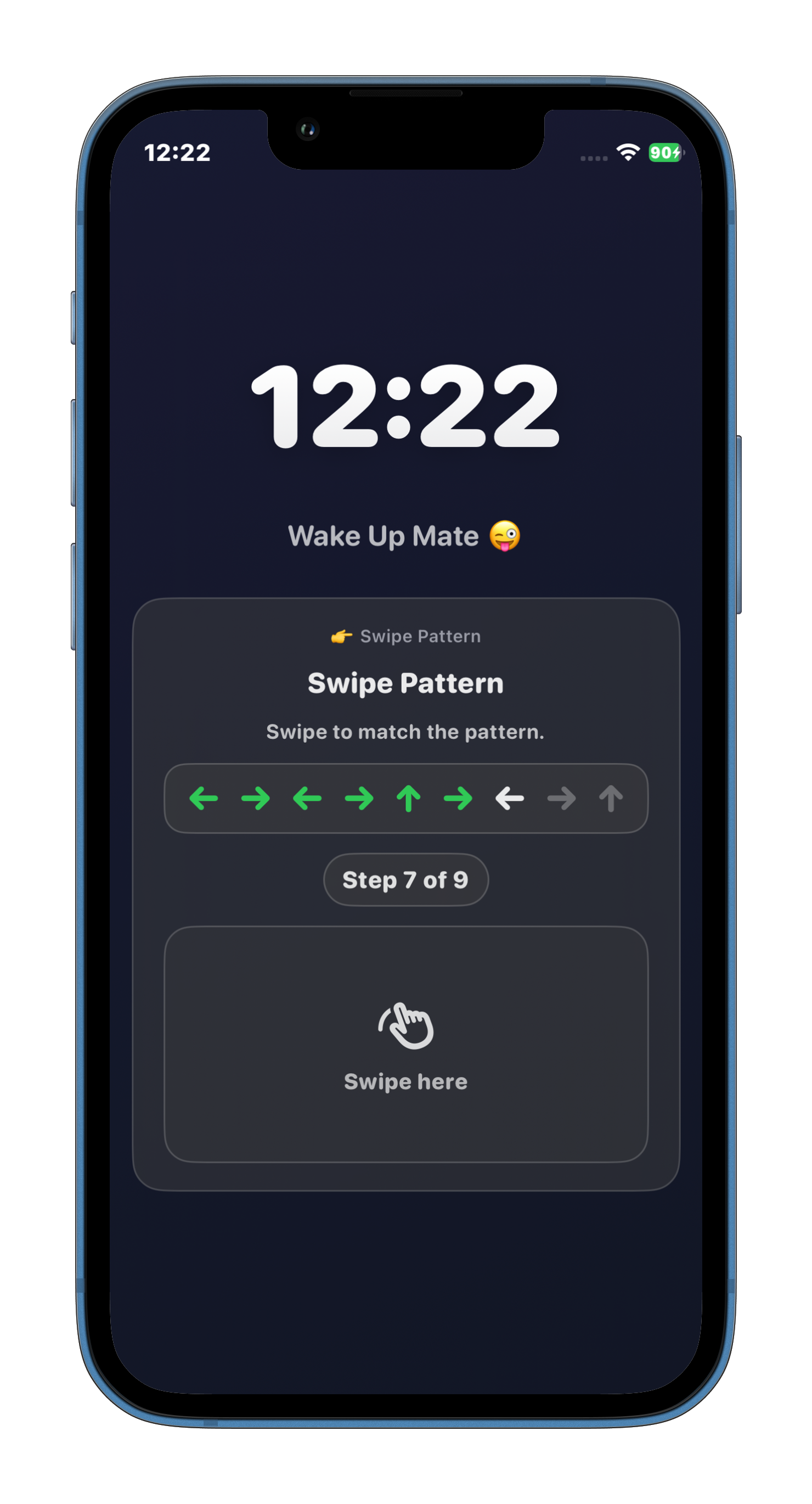
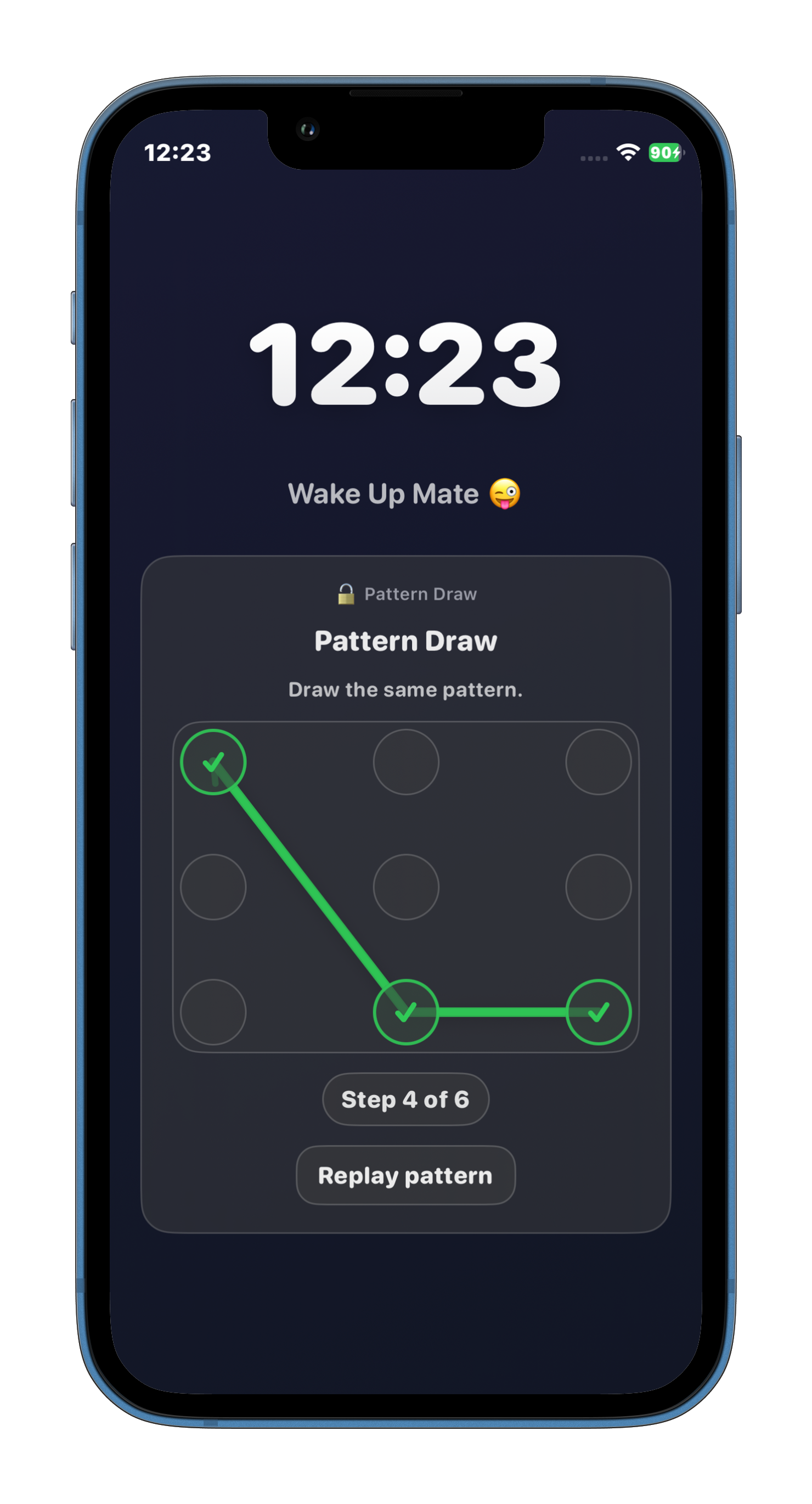
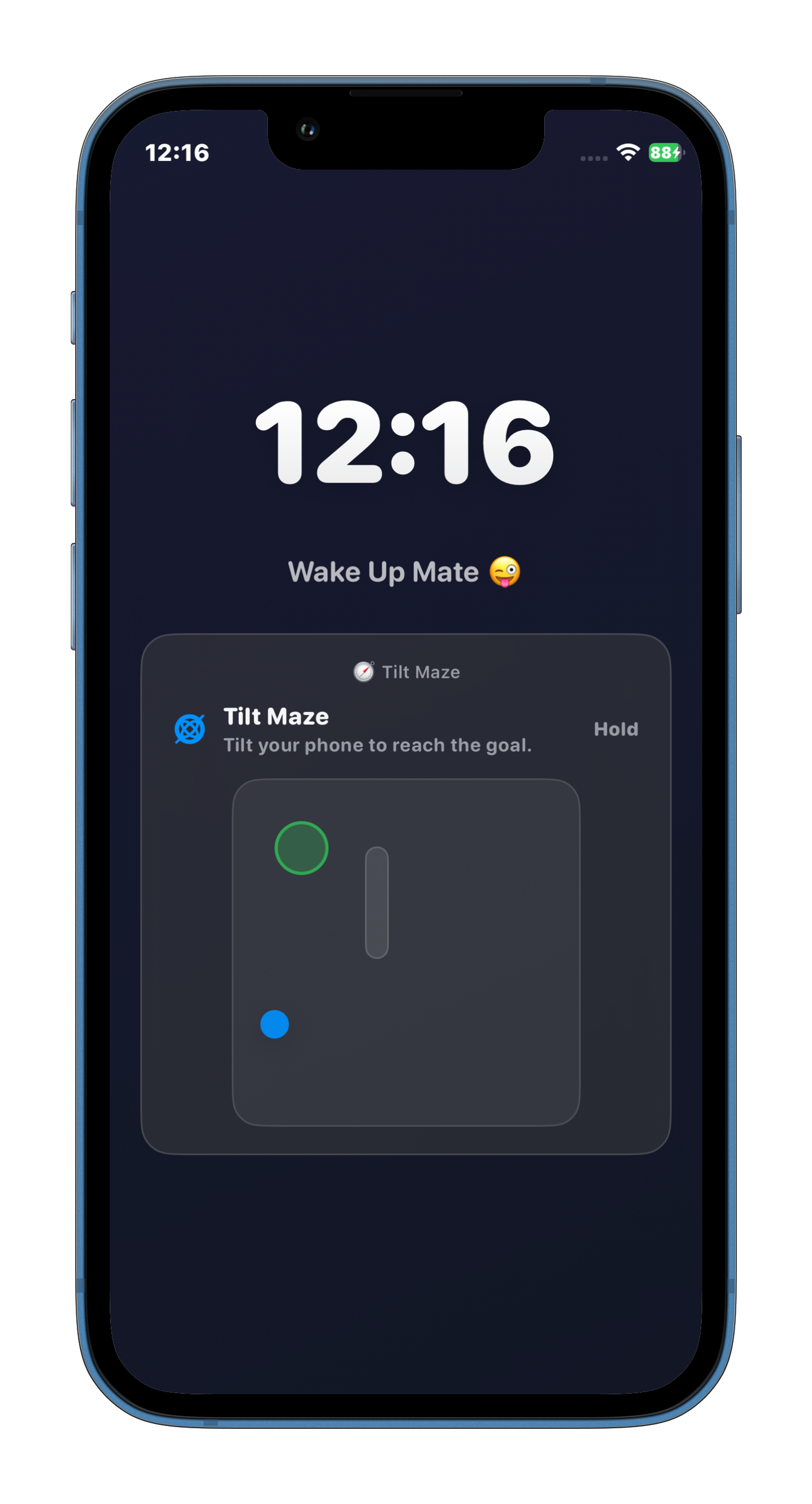
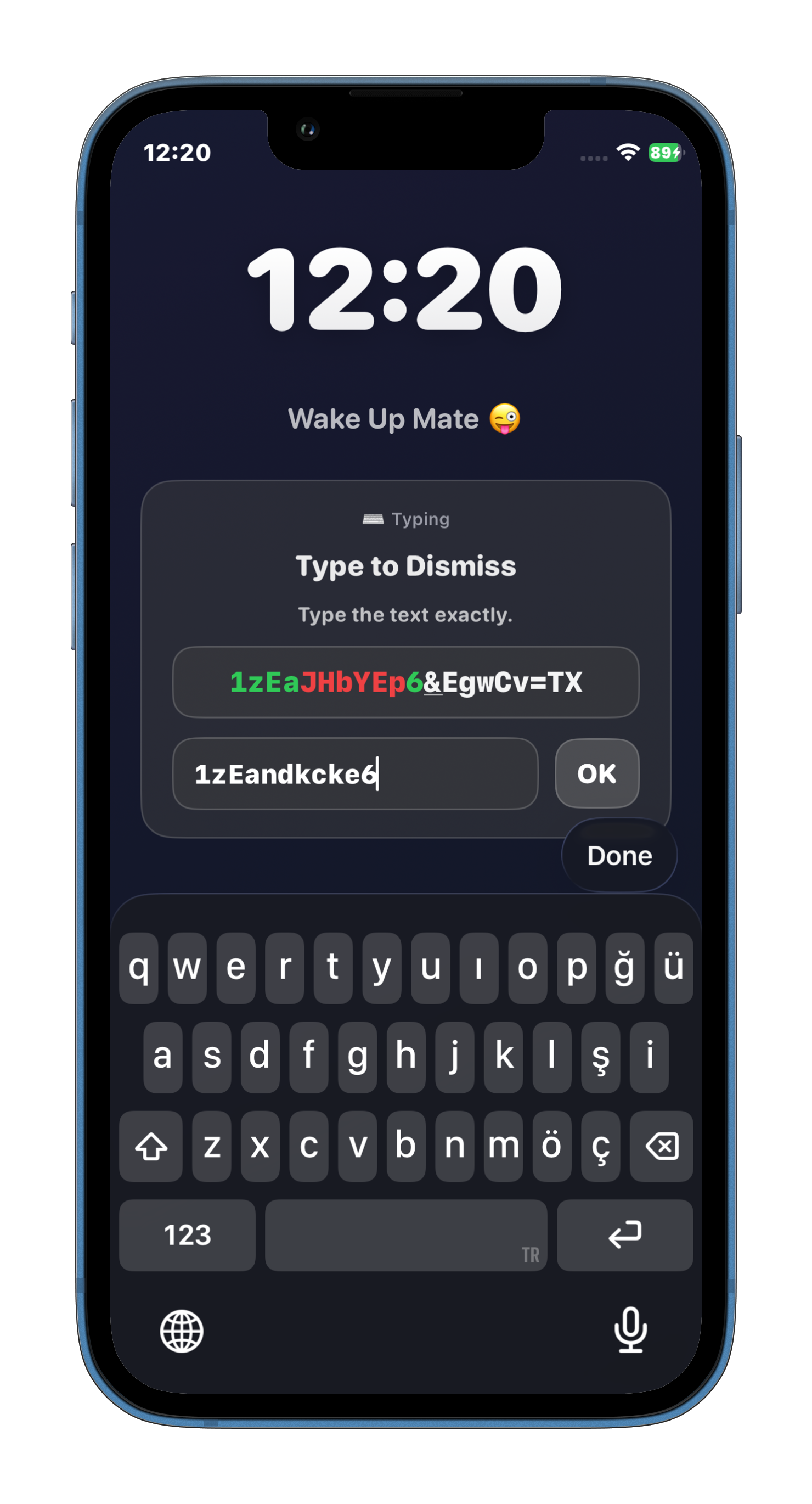
Why Alarm Arcade Works for People who oversleep despite multiple alarms
One alarm beats five — but only if it's hard to dismiss
A single alarm with enforced mission dismissal is more effective than five standard alarms because it removes the 'next alarm is coming' safety net your brain has learned to rely on. One alarm with a mission makes the first alarm the last alarm — which is how your brain treats it.
Mission dismissal makes sleeping through the alarm mechanically impossible
You can sleep through a sound. You cannot sleep through a task that requires arithmetic or memory recall. Alarm Arcade's missions require active cognitive engagement before silence — the same level of engagement that wakes you up. There's no passive path through the dismissal.
Ten rotatable missions prevent the one-task habituation problem
Even mission-based alarms develop a single-mission habituation over time if the task never changes. Alarm Arcade's ten missions — rotated every few days — prevent any single mission from becoming automatic. The system stays effective indefinitely.
Why multiple alarms don't work — and what does
| Feature | Alarm Arcade | Alarmy | iPhone Clock |
|---|---|---|---|
| No subscription required | ✓ | ✗ | ✓ |
| Game-based dismissal | ✓ | ✓ | ✗ |
| Works offline (no account) | ✓ | ✗ | ✓ |
| Pricing | $1.49 one-time | $4.99/mo | Free |
| Multiple mission types | ✓ | ✓ | ✗ |
Why multiple alarms make oversleeping worse
The alarm stack creates a conditioned response. Your brain learns that the first alarm in the sequence doesn't represent the actual wake time — it represents the start of a negotiation. The third or fourth alarm might be the 'real' one. This learned tolerance is not conscious; it develops through repetition. Each morning that you successfully dismiss the first two alarms and wake up on the third, you reinforce the pattern. Over months, your brain becomes remarkably efficient at processing and dismissing early alarms and reserving arousal for the later ones.
There's also a sleep fragmentation problem. Each alarm that fires and is dismissed without full waking creates a micro-arousal that fragments the sleep cycle. Fragmented sleep from the alarm stack leaves you groggier at the final wake time than you would have been if you'd simply slept through to that point. You're trading early quiet sleep for a series of groggy semi-wakings, and arriving at your final alarm in worse shape than if you'd only set one at the end. The alarm stack actively undermines the sleep quality that would make waking up easier.
Step-by-step fix using Alarm Arcade
Step 1: Commit to the one-alarm rule. This is the hardest part psychologically — the alarm stack feels like a safety net, and removing it feels risky. The reality is that the stack isn't working (you're still oversleeping) and is actively making your mornings worse (more groggy, more fragmented sleep). One alarm means the first alarm is treated seriously by your brain. Step 2: Install Alarm Arcade. Set your single alarm at the actual time you need to be awake — not a buffer time. Assign a high-demand mission: Typing or Math at Medium difficulty are good starting points.
Step 3: Put the phone somewhere that requires getting out of bed. The combination of physical distance and mission completion is the most effective setup for serious oversleepers. Step 4: Give it five consecutive mornings before evaluating. The first two or three mornings without the alarm stack may feel risky or uncomfortable — your brain expects the backup alarms and is surprised when they don't come. By morning four or five, the single-alarm system starts to feel normal. By the end of the first week, most people find they're waking up more reliably with one mission-based alarm than they were with five standard ones.
Frequently Asked Questions
For genuinely high-stakes events (flights, important meetings, exams), it's reasonable to set a single backup alarm 15–20 minutes after your primary Alarm Arcade alarm — not a stack of five, but one real backup. The distinction is that the backup is for true emergencies, not a routine second chance. Over time, as confidence in the one-alarm system builds, you'll find you don't need the backup for most situations.
Most people experience improved waking reliability within the first week of switching to a single mission-based alarm. The conditioned tolerance to multiple alarms starts to reverse within a few days once the pattern is broken. By week two to three, the one-alarm system feels natural and the multiple-alarm anxiety fades. The psychological adjustment (trusting the single alarm) takes slightly longer than the practical adjustment (actually waking up on time).
If you wake up naturally before the alarm and feel alert, you don't need to wait for it to fire. Natural waking before a mission-based alarm is a good sign — it suggests the consistent wake time is starting to align with your circadian rhythm. You can dismiss the pending alarm manually in the app. The mission is for the mornings when you need enforcement, not the mornings when your body handles it naturally.
Replace the alarm stack with one alarm that works
Free to download. Takes 60 seconds to set up. No subscription, no account needed.
Download Alarm Arcade — Free