 Alarm Arcade
How to set a no-snooze alarm on iPhone
A "no-snooze" alarm means you remove the easy escape hatch—no 9-minute bargain with yourself. It's effective because it prevents half-asleep autopilot from turning one alarm into a chain of micro-naps.
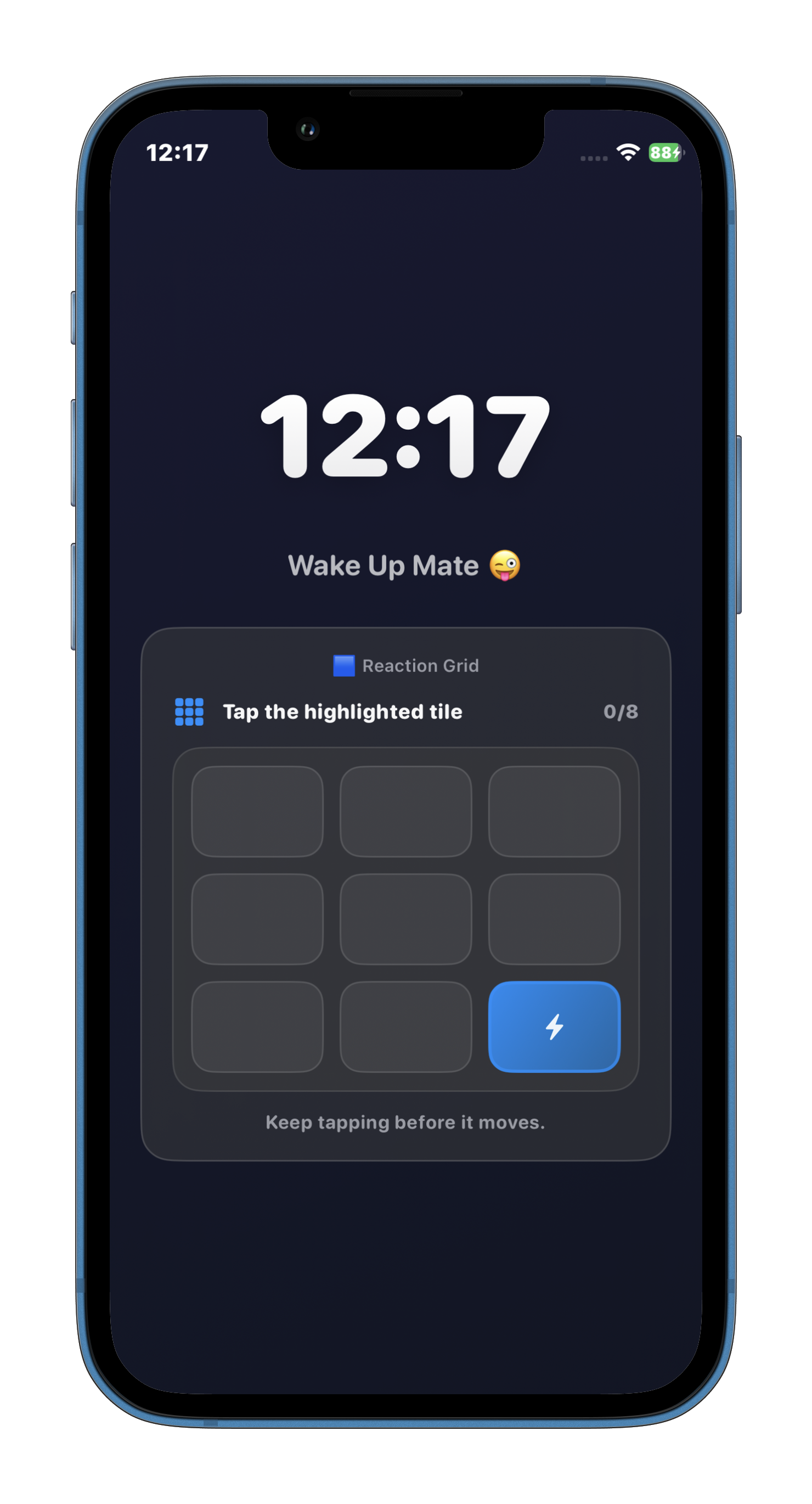
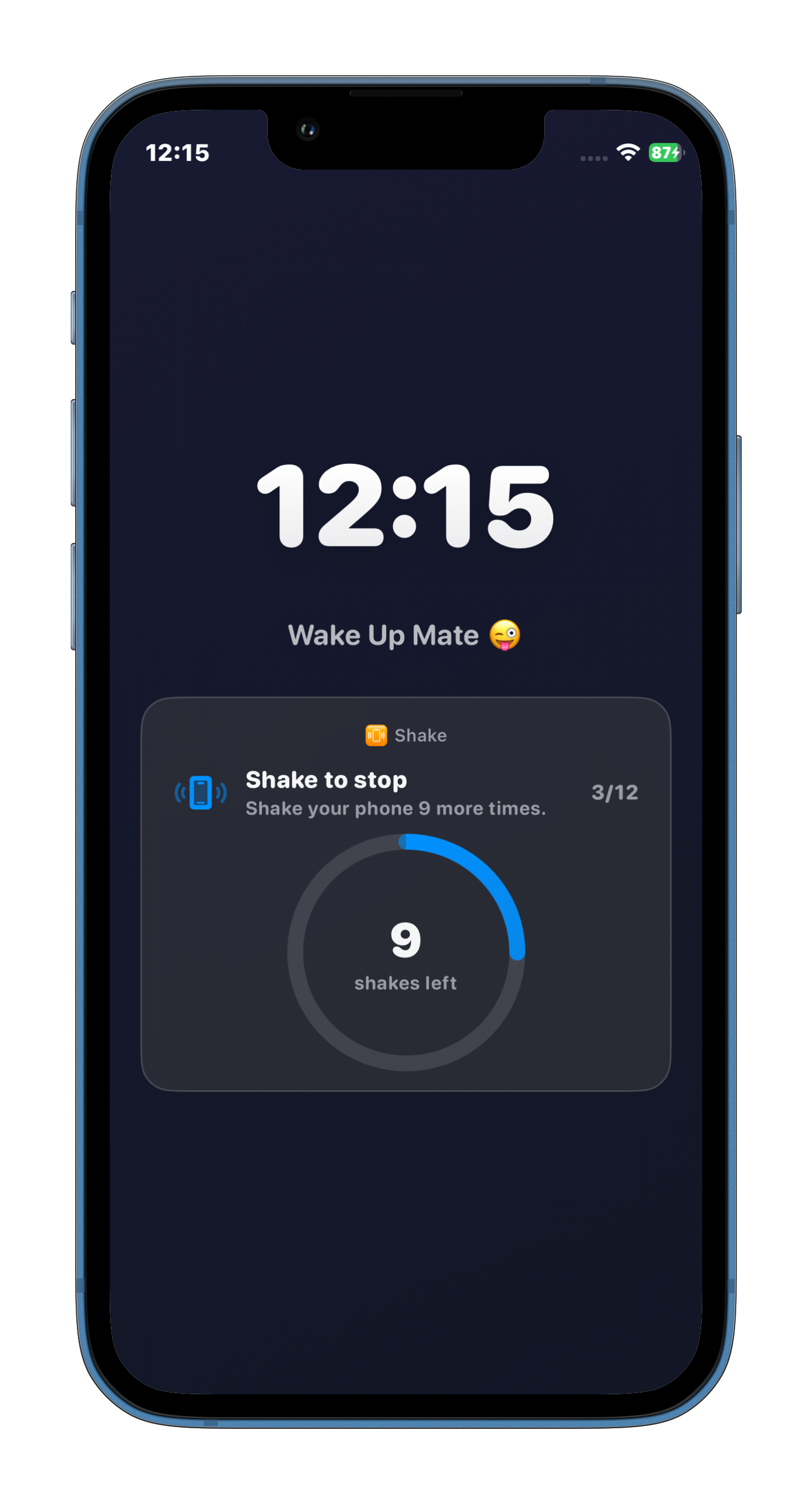
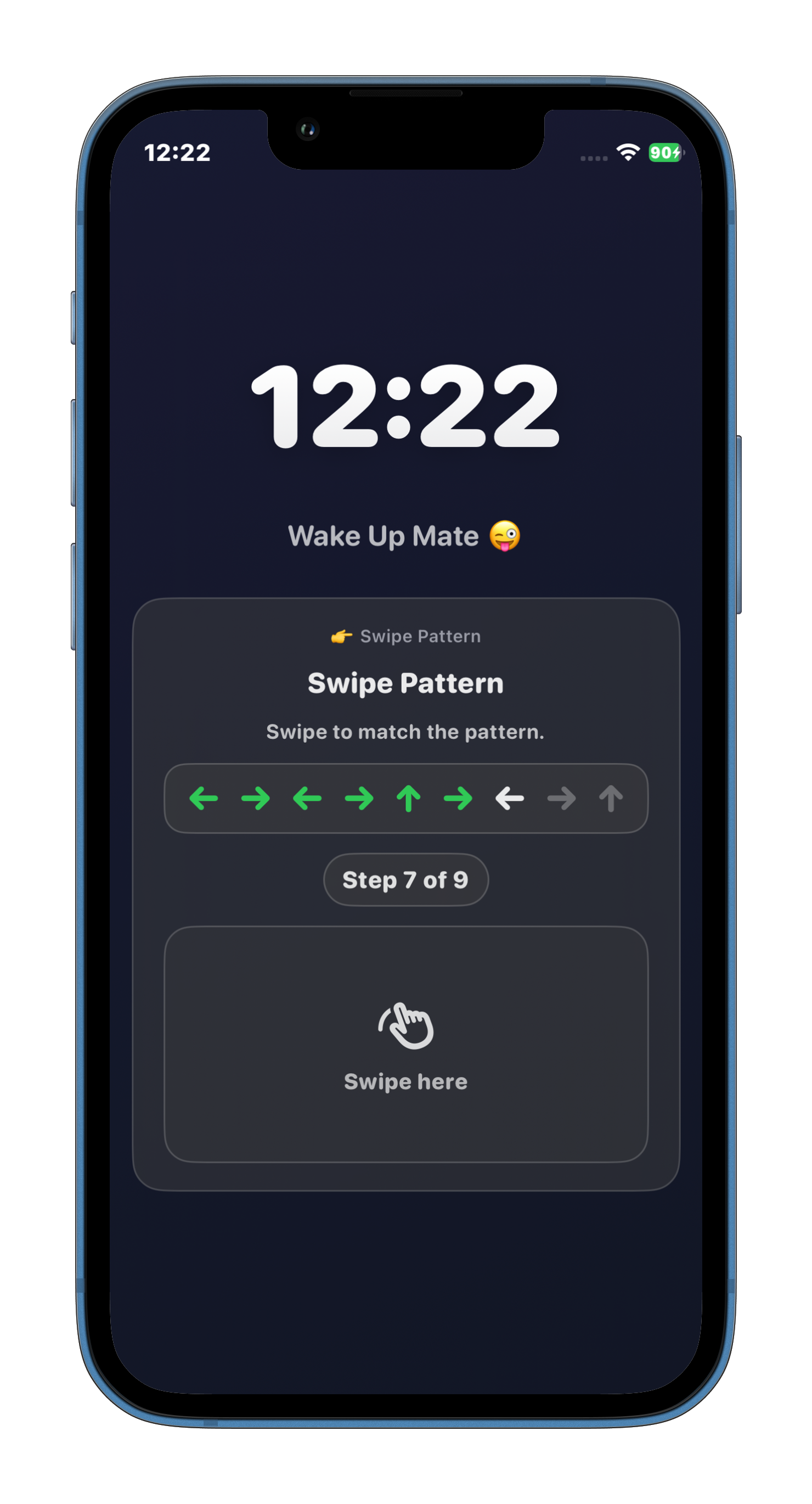
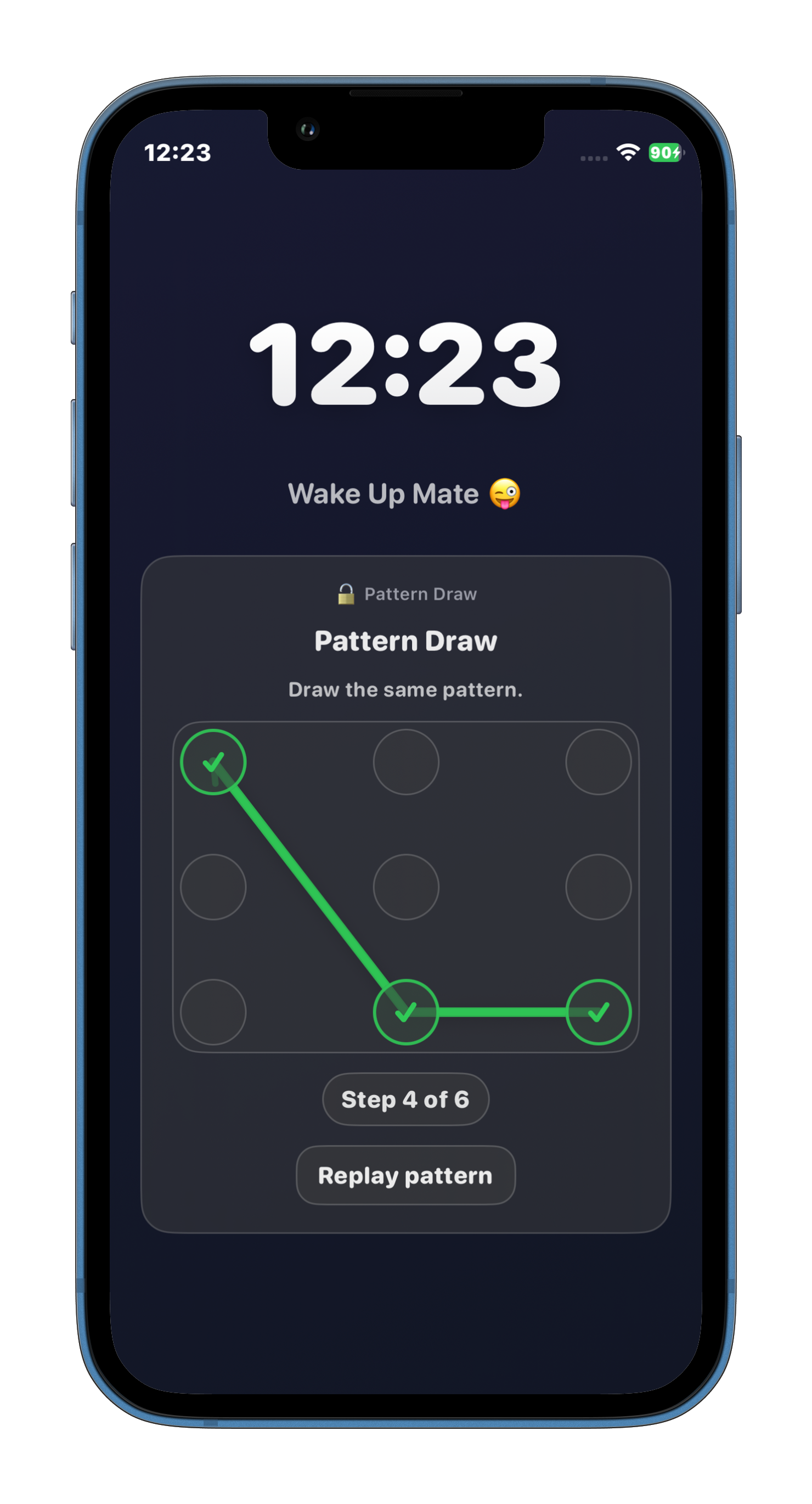
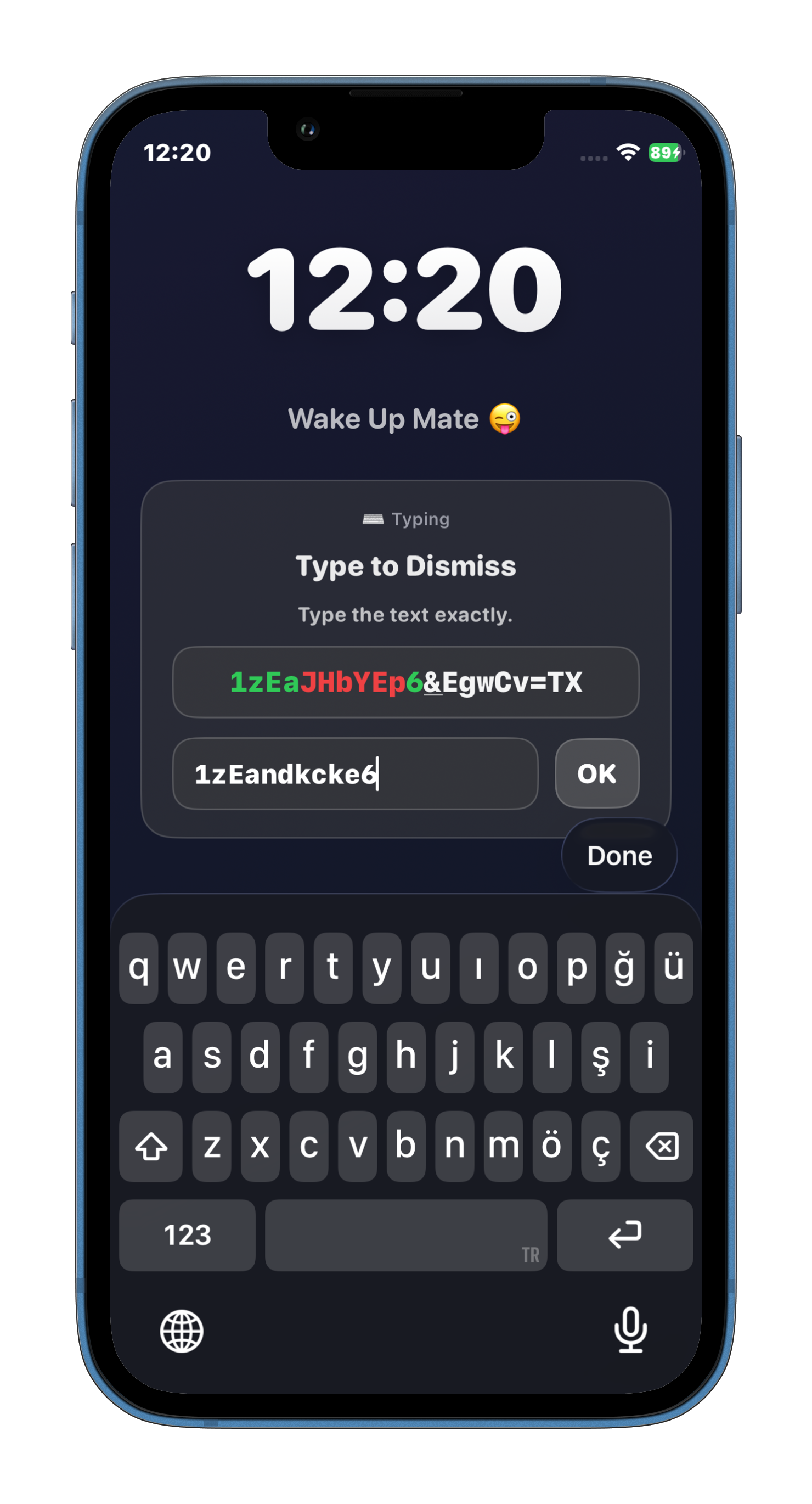
In Alarm Arcade, "no-snooze mode" is simple: set your alarm with a mission you must complete to dismiss, then add a backup alarm with a different mission a few minutes later. When the alarm rings, you won't see a Snooze button that feels tempting—you see a mini-game like Reaction Grid, Math, Typing, or Shake, and the alarm stops only after you finish. It's a practical way to build a no-snooze routine even if you've struggled with the iPhone Clock app in the past.
Snoozing works because your brain is still in sleep mode and will always pick the lowest-effort path back to comfort. Each snooze re-starts sleep inertia and reinforces the habit loop (alarm → snooze → relief), making it harder to wake up the next day. A no-snooze setup increases "wake friction" by forcing attention and/or movement—breaking the automatic response and creating a cleaner transition into wakefulness.
Who This Is For
- Chronic snoozers who hit snooze 3–10 times without thinking
- People who wake up late because the first alarm never becomes "real"
- Students who miss classes after "just 5 more minutes"
- Workers with morning shifts who can't risk drifting back asleep
- Heavy sleepers who dismiss alarms on autopilot
- Anyone building a strict morning routine and trying to stop negotiating
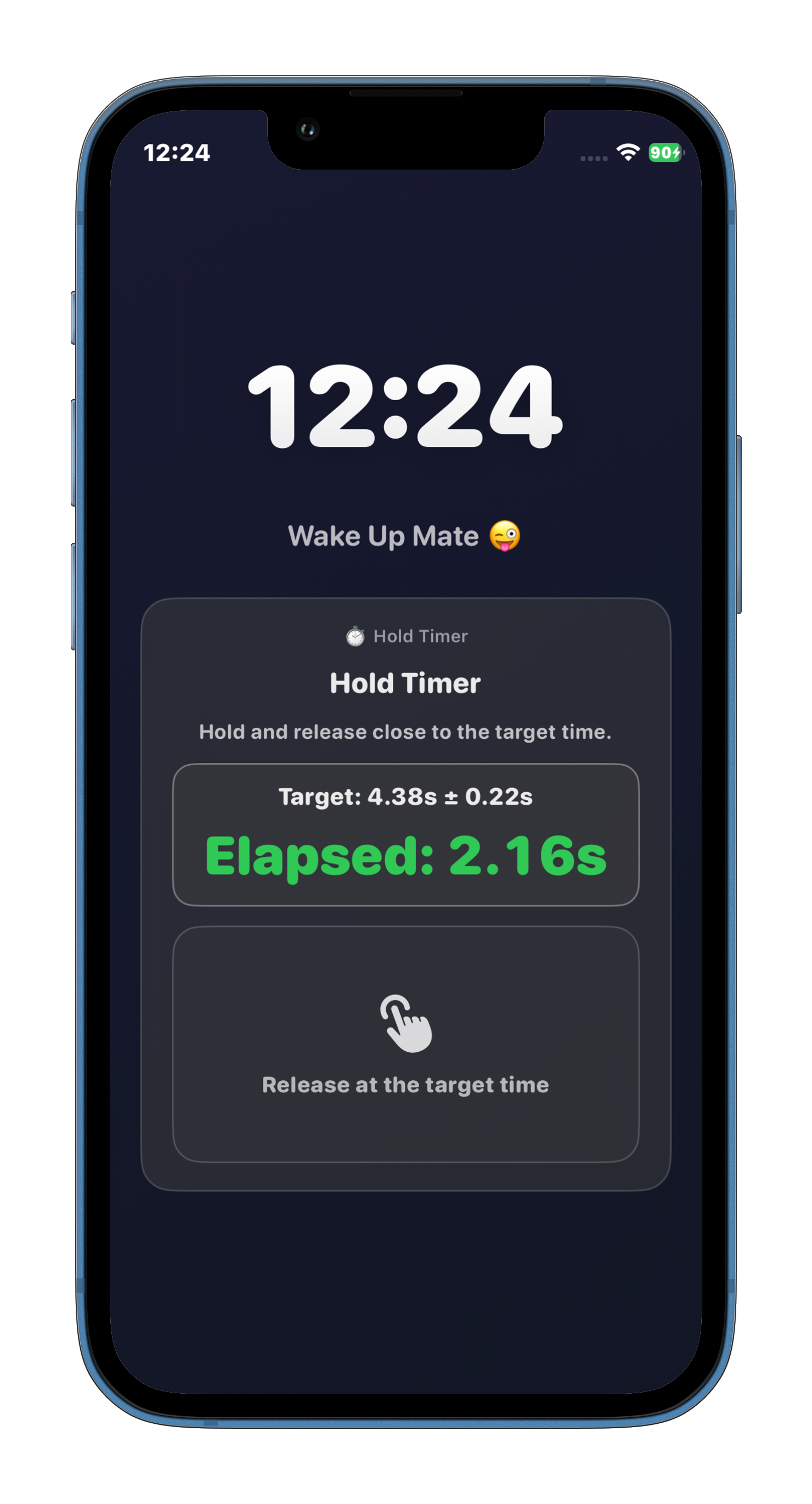
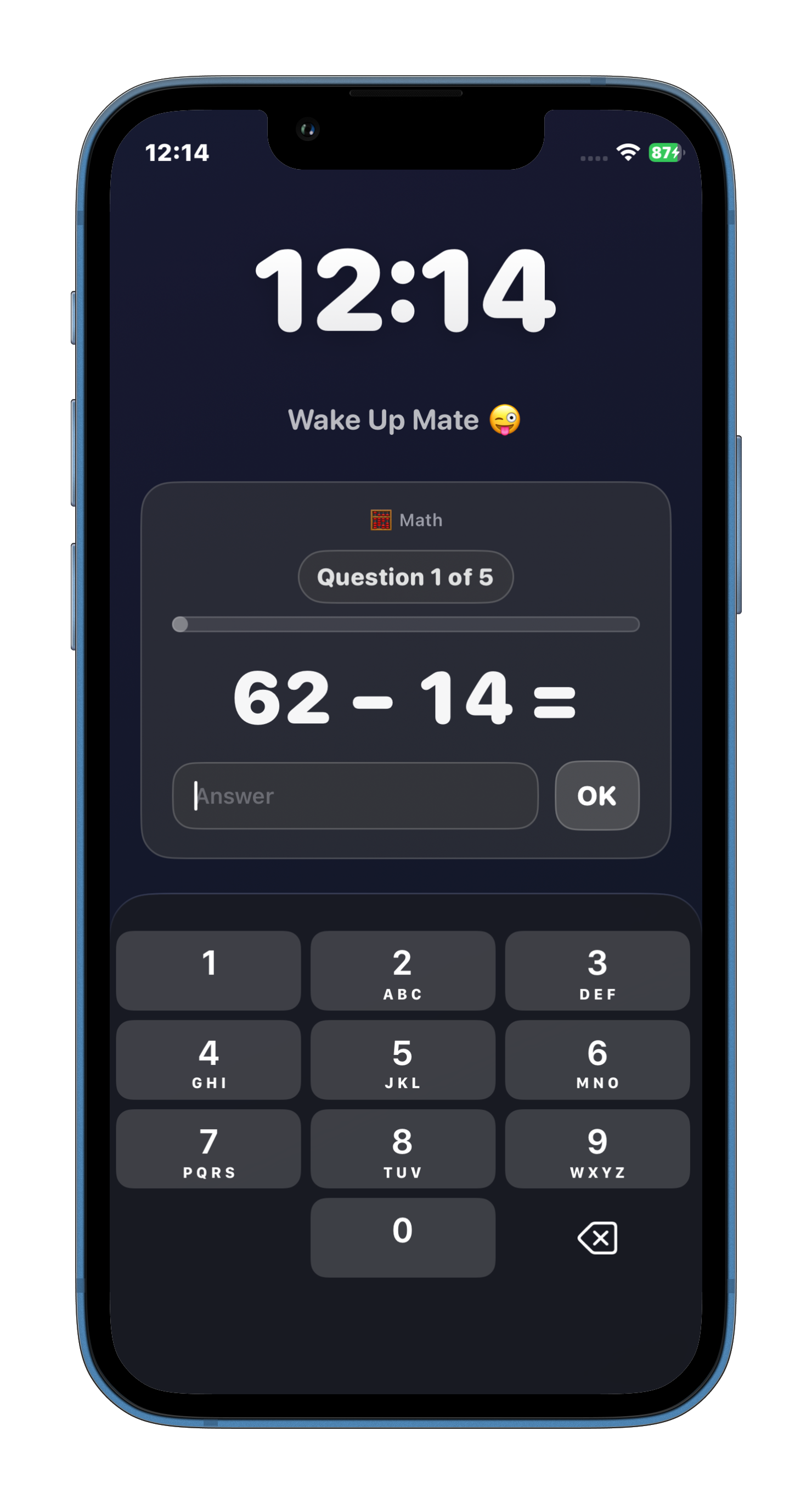
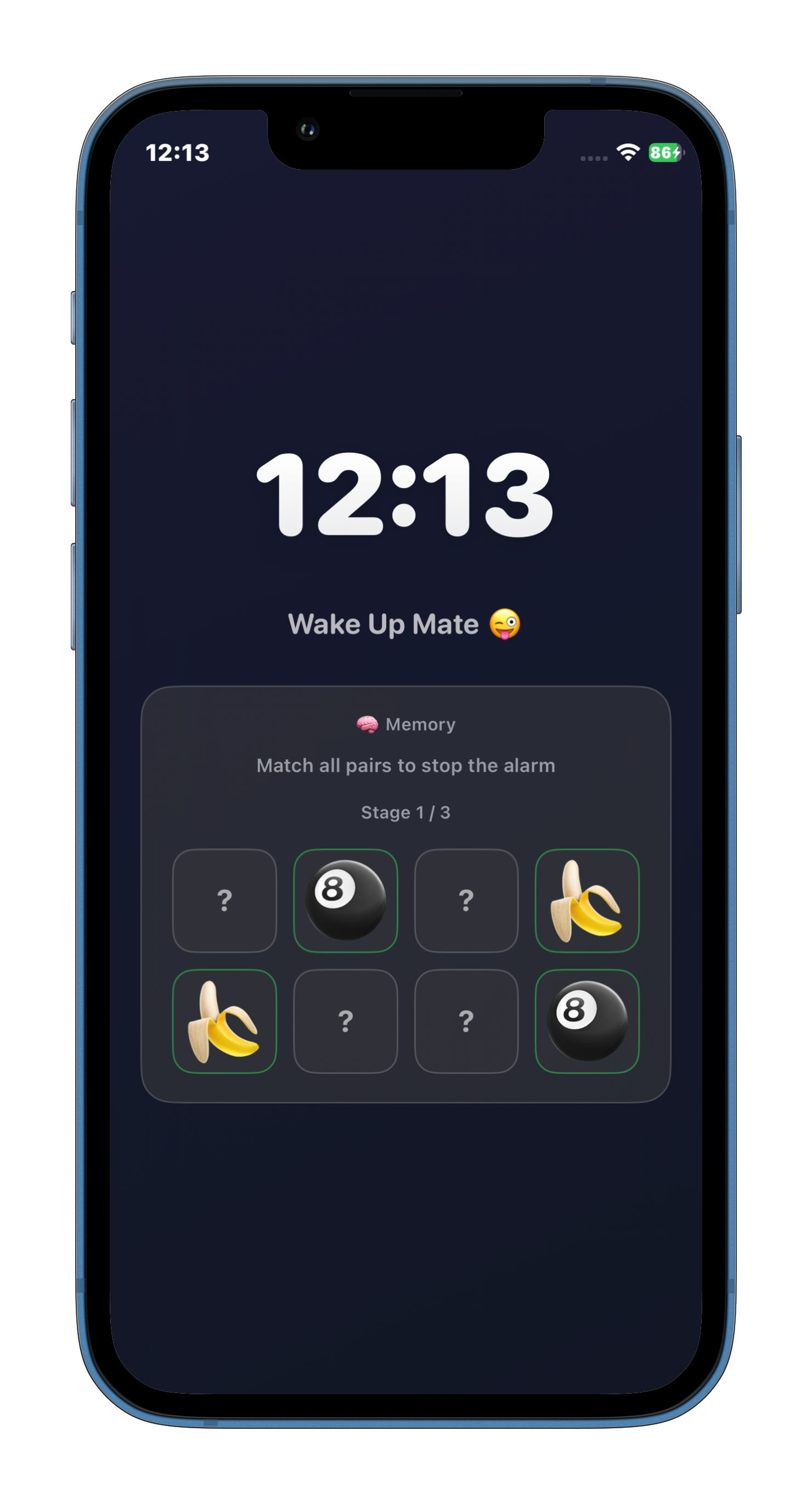
Why Alarm Arcade Works for people using no-snooze mode
Removes the easy escape
Instead of a tempting Snooze button, you get a mission that must be completed to dismiss—much harder to "accidentally" snooze.
Breaks autopilot fast
Cognitive missions like Reaction Grid, Math, and Typing force real attention, which reduces sleepy decision-making.
Backups stop adaptation
Stack a second alarm with a different mission 2–4 minutes later so your brain can't learn one shortcut and go back to sleep.
No-snooze alarm vs Standard Alarm — Why It Actually Works
| Feature | Alarm Arcade | Alarmy | iPhone Clock |
|---|---|---|---|
| No subscription required | ✓ | ✗ | ✓ |
| Game-based dismissal | ✓ | ✓ | ✗ |
| Works offline (no account) | ✓ | ✗ | ✓ |
| Pricing | $1.49 one-time | $4.99/mo | Free |
| Multiple mission types | ✓ | ✓ | ✗ |
How to Get the Most Out of This Mission
Step 1 (iPhone Clock): Open Clock → Alarm → Edit (or +) → toggle Snooze OFF. That's the "official" no-snooze setting, but many people still dismiss the alarm and fall back asleep. Step 2 (Alarm Arcade): Create your main alarm with a focus-heavy mission (Reaction Grid or Math) at medium difficulty so it can't be solved half-asleep.
Add a backup alarm 2–4 minutes later with a different mission (Shake or Typing). Keep difficulties "annoying but beatable": if you fail too often, lower one step; if you beat it while lying down, raise difficulty. After 3–5 days, rotate your mission pair so your brain can't adapt to the same pattern.
Combine with Other Missions for Best Results
Anti-snooze combo: Reaction Grid → Shake (backup). Attention first, then movement if you try to cheat.
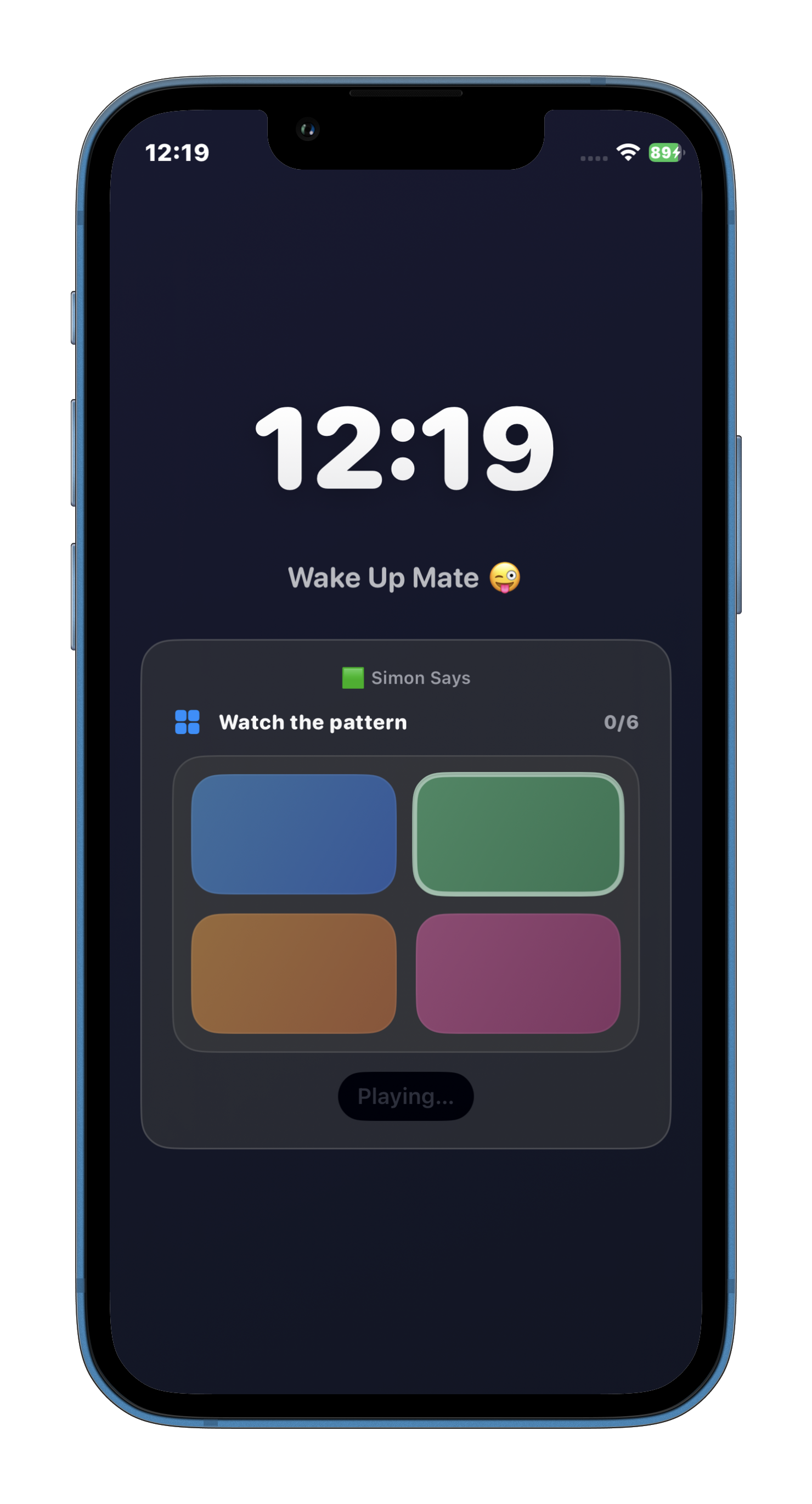
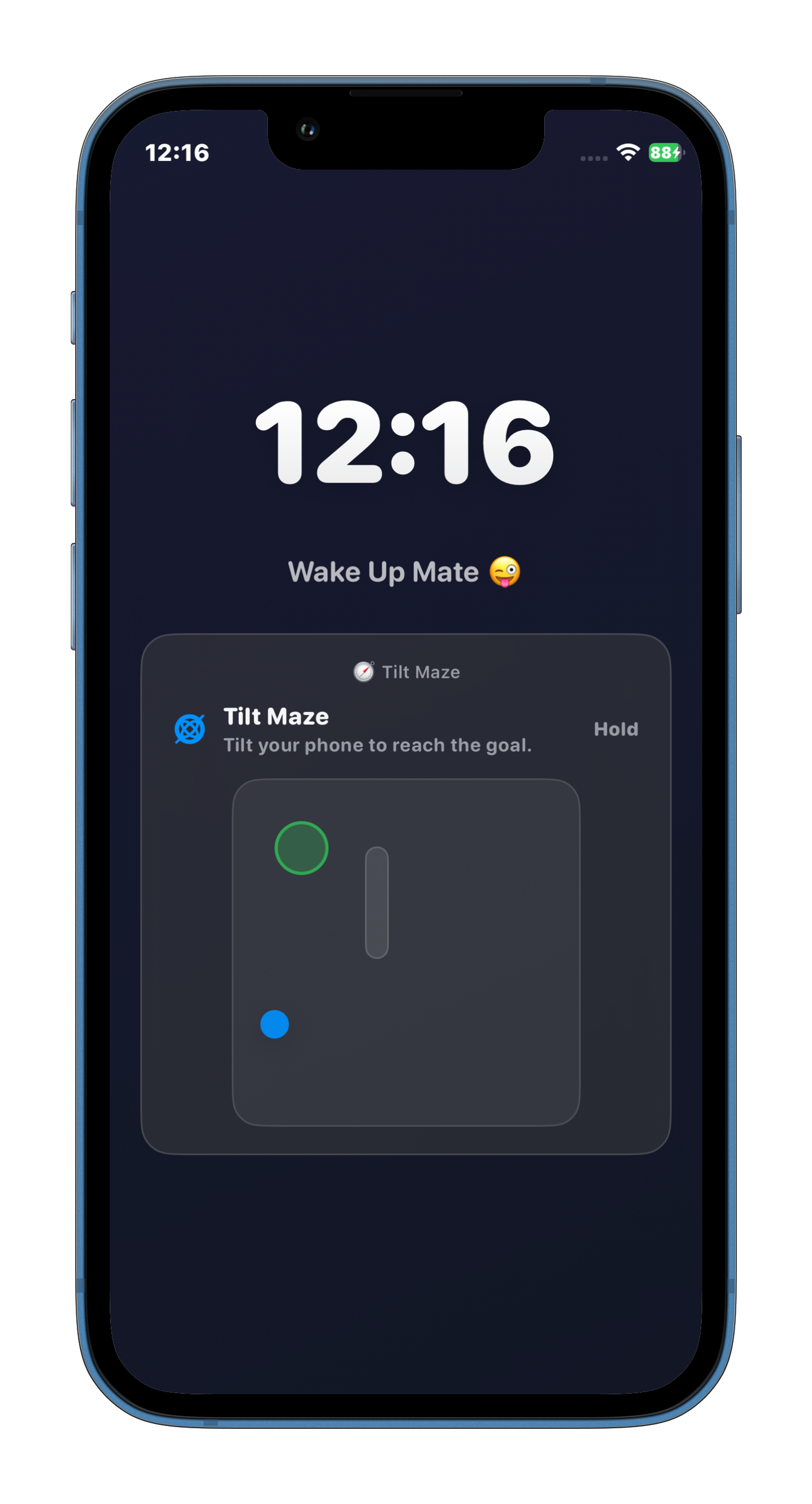
Soft-to-hard combo: Math → Typing. Math warms up your brain, typing forces full engagement. Pattern breaker combo: Simon Says → Tilt Maze. Keeps it unpredictable and harder to "sleep-solve."
Frequently Asked Questions
Clock → Alarm → Edit (or add a new alarm) → toggle Snooze OFF. Repeat for each alarm you use, since Snooze is set per-alarm.
Because the bigger issue is autopilot dismissal—your sleepy brain can still tap Stop and roll over. A mission-based dismissal adds friction and attention so stopping the alarm isn't effortless.
Yes. Alarm Arcade works fully offline, requires no account or sign-up, and collects no data. It's free to download; Pro is optional and $1.49 one-time (not a subscription).
Wake up with your brain switched on
This mission is free. Download Alarm Arcade and try it tonight.
Download Alarm Arcade — Free