 Alarm Arcade
Memory match alarm: Wake up your brain instantly
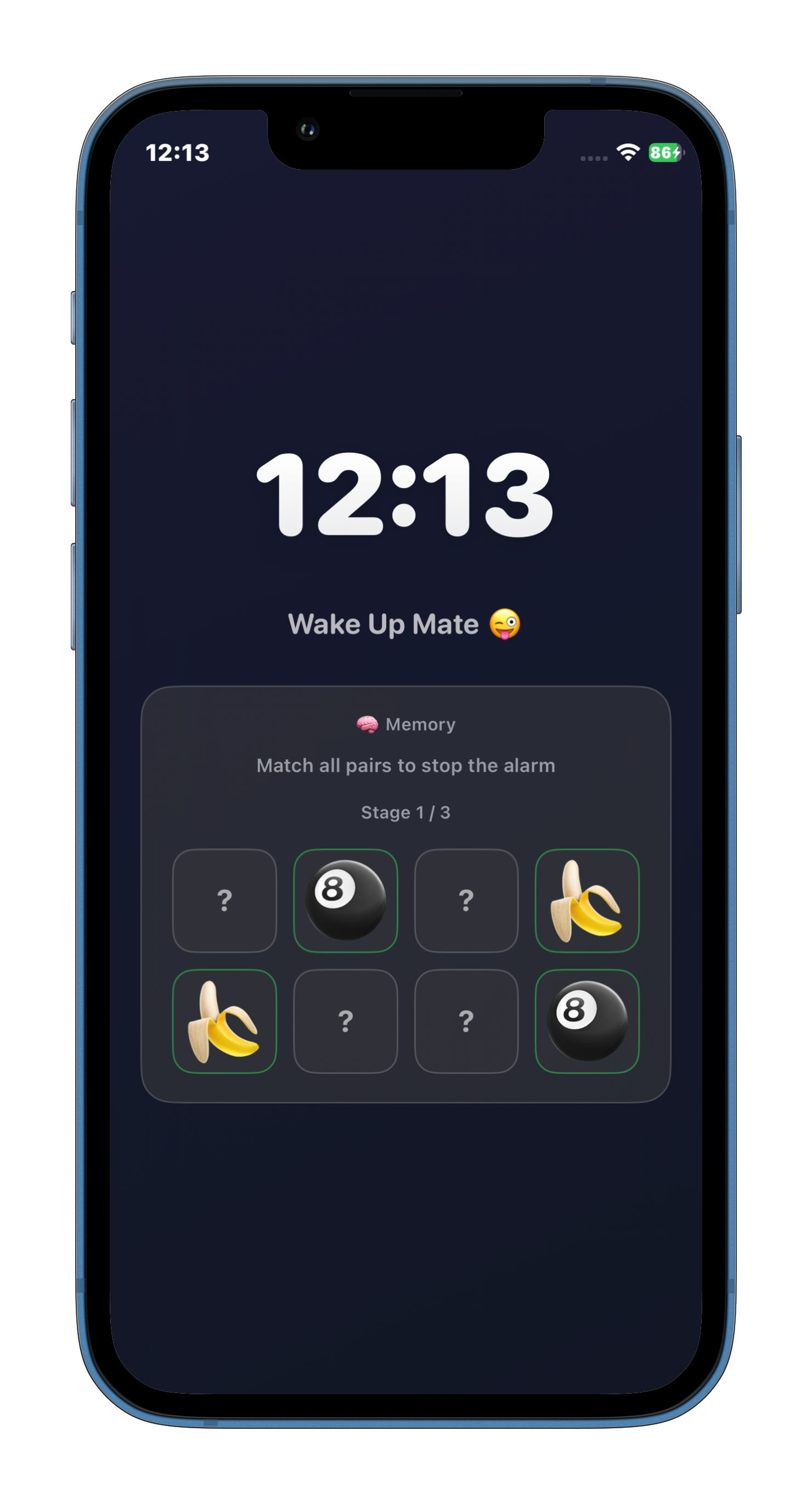
The Memory Match mission shows you a grid of face-up cards, flips them face-down, and makes you find matching pairs before your alarm stops. It works because visual memory recall is one of the last cognitive functions to recover from sleep inertia — you cannot fake it while still half-asleep.
When the alarm fires, you see a grid of cards briefly displayed face-up. They flip over. Your job is to tap pairs of matching cards from memory. The alarm keeps sounding until you've found all matches. The number of cards and the duration of the initial reveal both scale with difficulty — Easy gives you more time to look, Hard gives you a flash and many more cards to track.
Memory Match activates the hippocampus and visual working memory systems — the same systems that are among the slowest to recover from deep sleep. During sleep inertia, your procedural systems are online but your explicit memory is not. A card-matching game requires you to encode, retain, and retrieve visual information across multiple steps, which demands explicit memory engagement. You cannot complete it by reflex. That's exactly why it works.
Who This Is For
- Heavy sleepers who've automated math alarms and need a different cognitive system
- People who respond well to visual tasks rather than arithmetic
- Anyone who wants a challenge that's genuinely hard when groggy but achievable when awake
- Students who find number-based alarms frustrating before they're fully conscious
- People rotating missions to prevent any single task from becoming automatic
- Light-to-medium sleepers who want a fun morning challenge, not just a harsh one
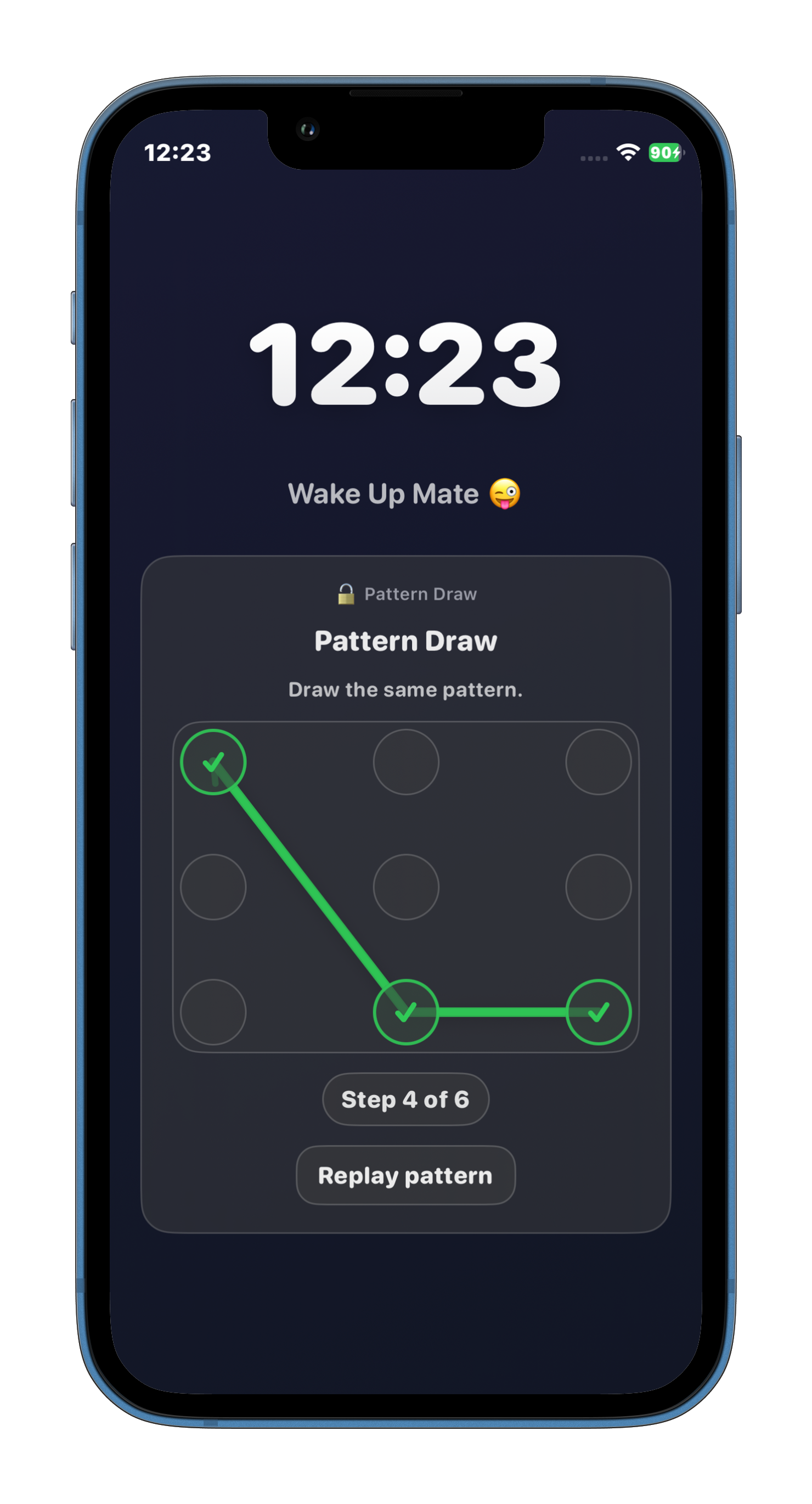
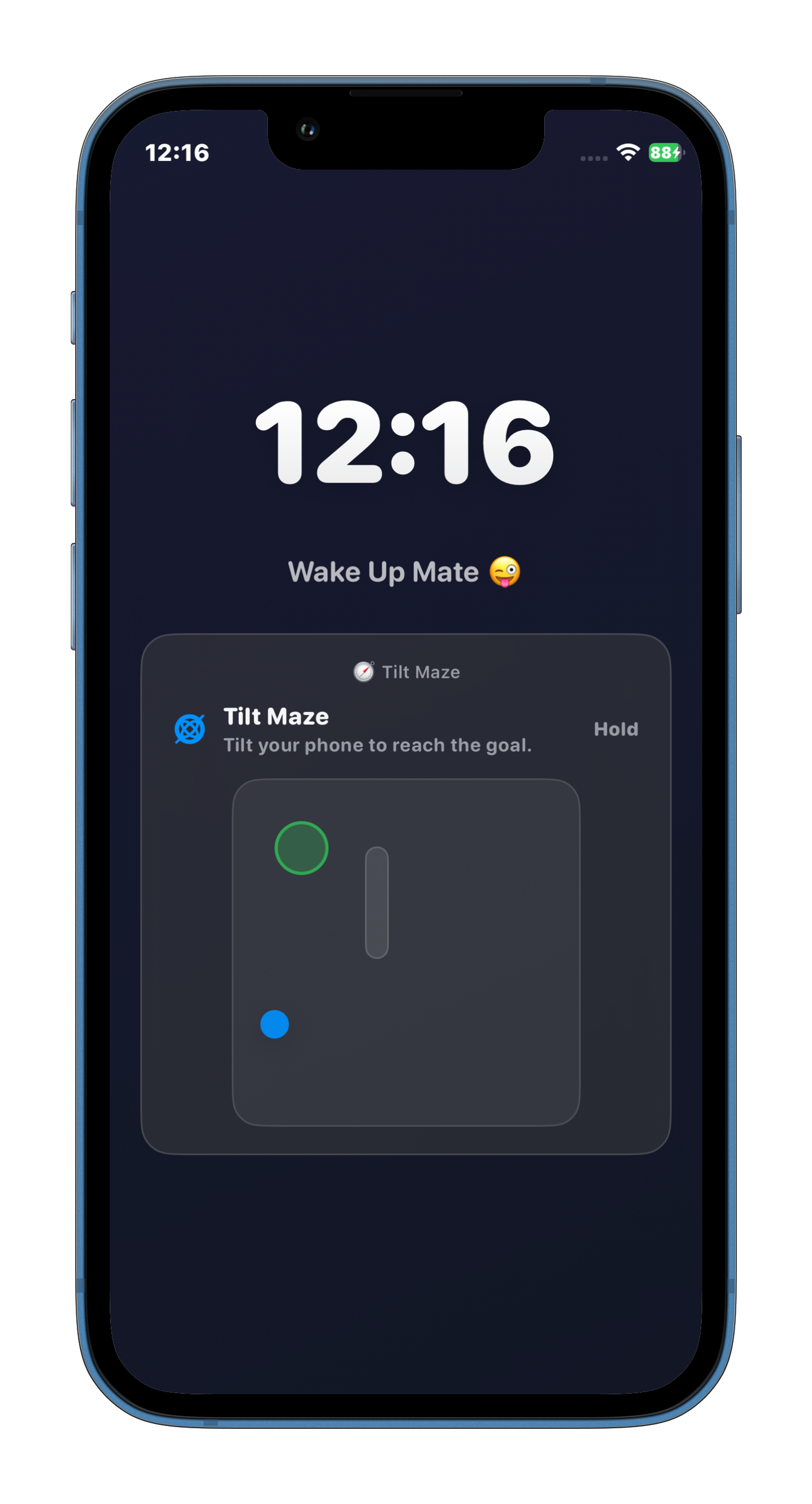
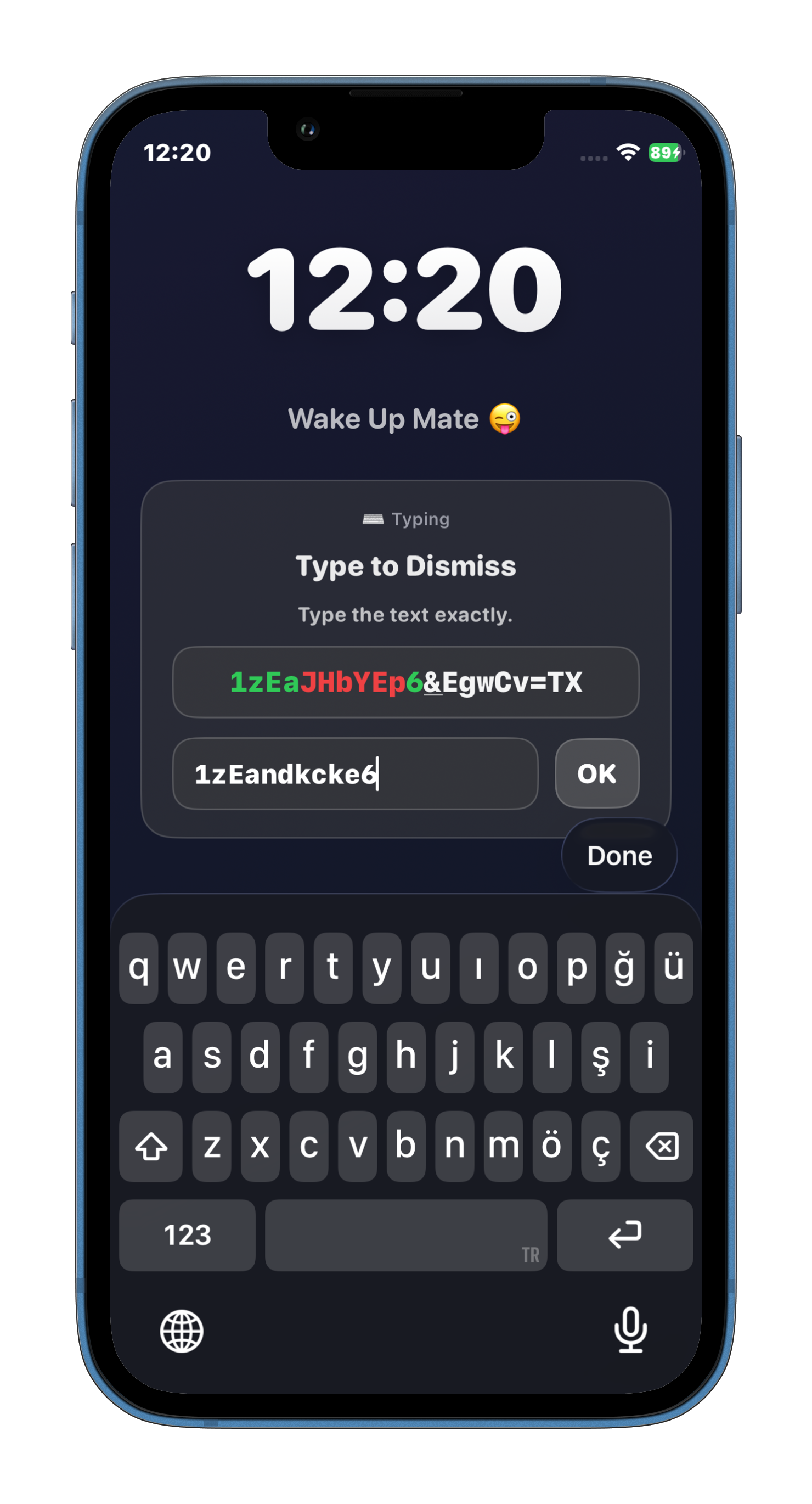
Why Alarm Arcade Works for People using memory match as their wake-up mission
Forces explicit memory — the system that doesn't work while asleep
Your brain can execute habitual actions during sleep inertia. It cannot reliably recall and match visual patterns. Memory Match targets the cognitive system that's offline when you're groggy, which is what makes it impossible to complete on autopilot.
Different grid each time — no pattern to memorize
The card positions are randomized every alarm. You can't learn the layout and use muscle memory. Each dismissal requires a fresh act of visual recall, which keeps the challenge genuine over weeks and months of daily use.
Adjustable difficulty from gentle to genuinely hard
Easy difficulty gives you a generous preview and a small grid — enough challenge for light sleepers or mornings after poor sleep. Hard difficulty uses a brief flash and a larger grid — demanding enough for heavy sleepers who've adapted to easier challenges.
Memory Match alarm vs standard alarm — Why it actually works
| Feature | Alarm Arcade | Alarmy | iPhone Clock |
|---|---|---|---|
| No subscription required | ✓ | ✗ | ✓ |
| Game-based dismissal | ✓ | ✓ | ✗ |
| Works offline (no account) | ✓ | ✗ | ✓ |
| Pricing | $1.49 one-time | $4.99/mo | Free |
| Multiple mission types | ✓ | ✓ | ✗ |
How to get the most out of the Memory Match mission
Start at Medium difficulty. Easy is sufficient for light sleepers or for days after particularly bad sleep when you don't want to fail repeatedly. Hard is the right setting once Medium starts feeling manageable — the larger grid and shorter preview time significantly increase the cognitive load. If you find yourself completing the mission while still in bed without sitting up, increase difficulty or move the phone to a location that requires standing.
Memory Match works best as a rotation partner with Math or Typing. Because it engages visual memory rather than arithmetic or language processing, it activates a different cognitive system — meaning your brain doesn't develop a cross-mission routine. Use Memory Match two to three days per week and a different mission type on other days. This is the most reliable long-term maintenance strategy.
Combine Memory Match with other missions for maximum effect
Rotation 1 — Cognitive variety: Memory Match (visual memory) + Math (working memory and arithmetic) + Typing (language and motor coordination). Three distinct cognitive systems, each hard to automate, each preventing the others from building routine. Cycle through them weekly. This is the best all-cognitive rotation for people who prefer not to use physical missions.
Rotation 2 — Cognitive plus physical: Memory Match + Shake or Tilt Maze. Alternate between a memory challenge and a physical one. Physical missions require body movement that makes going back to bed harder; memory missions ensure cognitive engagement. The combination addresses both the mental and physical components of waking up. Rotation 3 — Sequential memory pair: Memory Match + Simon Says. Both target memory systems but through different mechanisms (visual matching vs sequential recall). Excellent rotation if you want to stay within the memory category but prevent adaptation.
Frequently Asked Questions
The grid size scales with difficulty. Easy uses a smaller grid with fewer pairs and a longer initial reveal. Hard uses a larger grid with more pairs and a brief flash. The exact counts are calibrated to be completable within 30–60 seconds at each difficulty level when you're genuinely awake, and noticeably harder when you're still groggy.
Yes. Card positions are randomized with each alarm. You can't memorize a fixed layout and use procedural memory to complete the mission. Every morning is a fresh visual recall challenge, which is what prevents the adaptation that kills single-method alarm apps over time.
Core mission access is available in the free version. The full Memory Match experience including all difficulty levels is part of the Pro unlock at $1.49 one-time. There's no time limit on the free version — you can evaluate whether the mission works for your sleep patterns before deciding whether to upgrade.
Wake up with your brain switched on
This mission is free to try. Download Alarm Arcade and set it as your alarm tonight.
Download Alarm Arcade — Free