 Alarm Arcade
How to actually wake up for your 6am gym session
The 6 AM gym commitment is one of the most commonly broken promises people make to themselves — not because the gym isn't worth it, but because motivation at 5:45 AM is the weakest it will be all day. This guide makes waking up for it structural rather than motivational.
Morning gym sessions fail at the alarm, not at the gym. At 5:45 AM, cortisol is low, body temperature is near its minimum, and the prefrontal cortex — where long-term goals and delayed gratification live — is still impaired by sleep inertia. The limbic system, which governs immediate comfort-seeking, is already running. The result: the version of you who decided to go to the gym is not the same version making the dismissal decision at 5:45 AM.
The solution is to make the decision before 5:45 AM — specifically, to build an alarm system where getting up is the path of least resistance rather than a choice that has to be made against your sleep-inertia brain. A standard alarm doesn't do this. A mission-based alarm does: you can't dismiss it without engaging the cognitive systems that your awake self needs to be running.
Who This Is For
- People who've committed to 6 AM gym sessions and keep skipping them
- Anyone who's prepaid for gym classes that they keep missing due to oversleeping
- People who manage to get to evening workouts but can't establish morning ones
- Fitness enthusiasts who want mornings for training before work obligations
- People for whom morning is the only viable workout window in a busy schedule
- Anyone who's said 'I'll start going to the 6 AM class' more than once
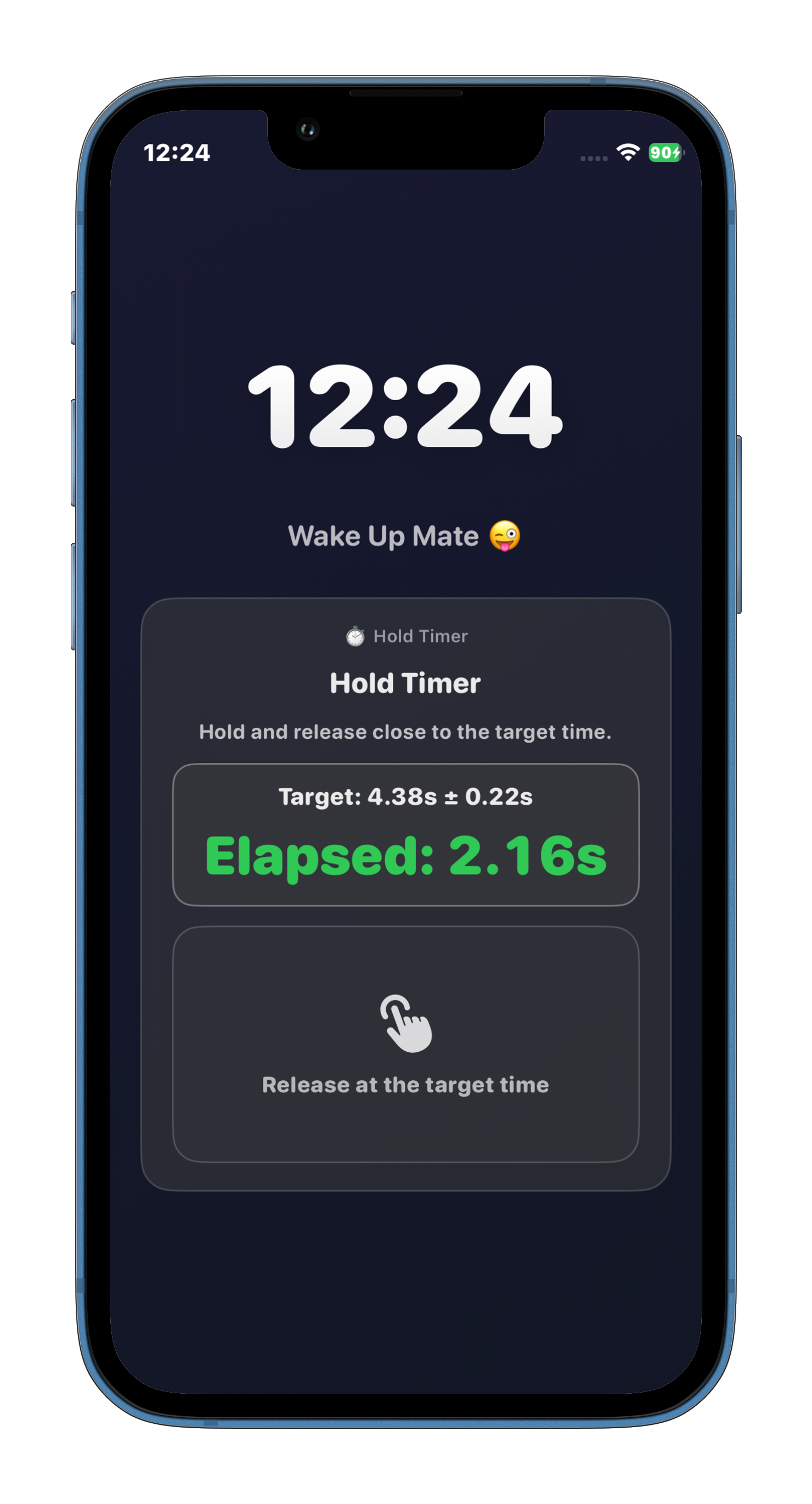
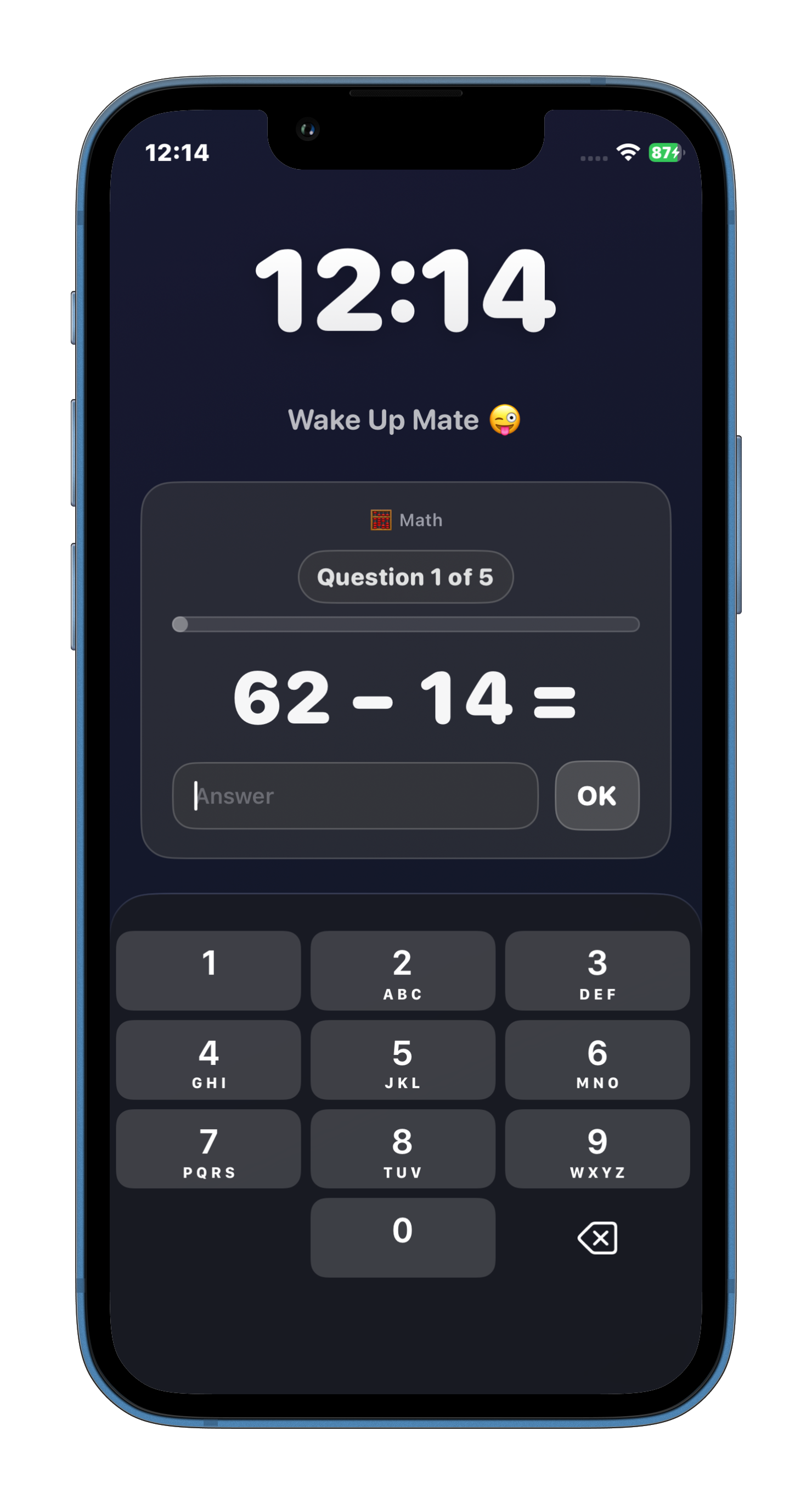
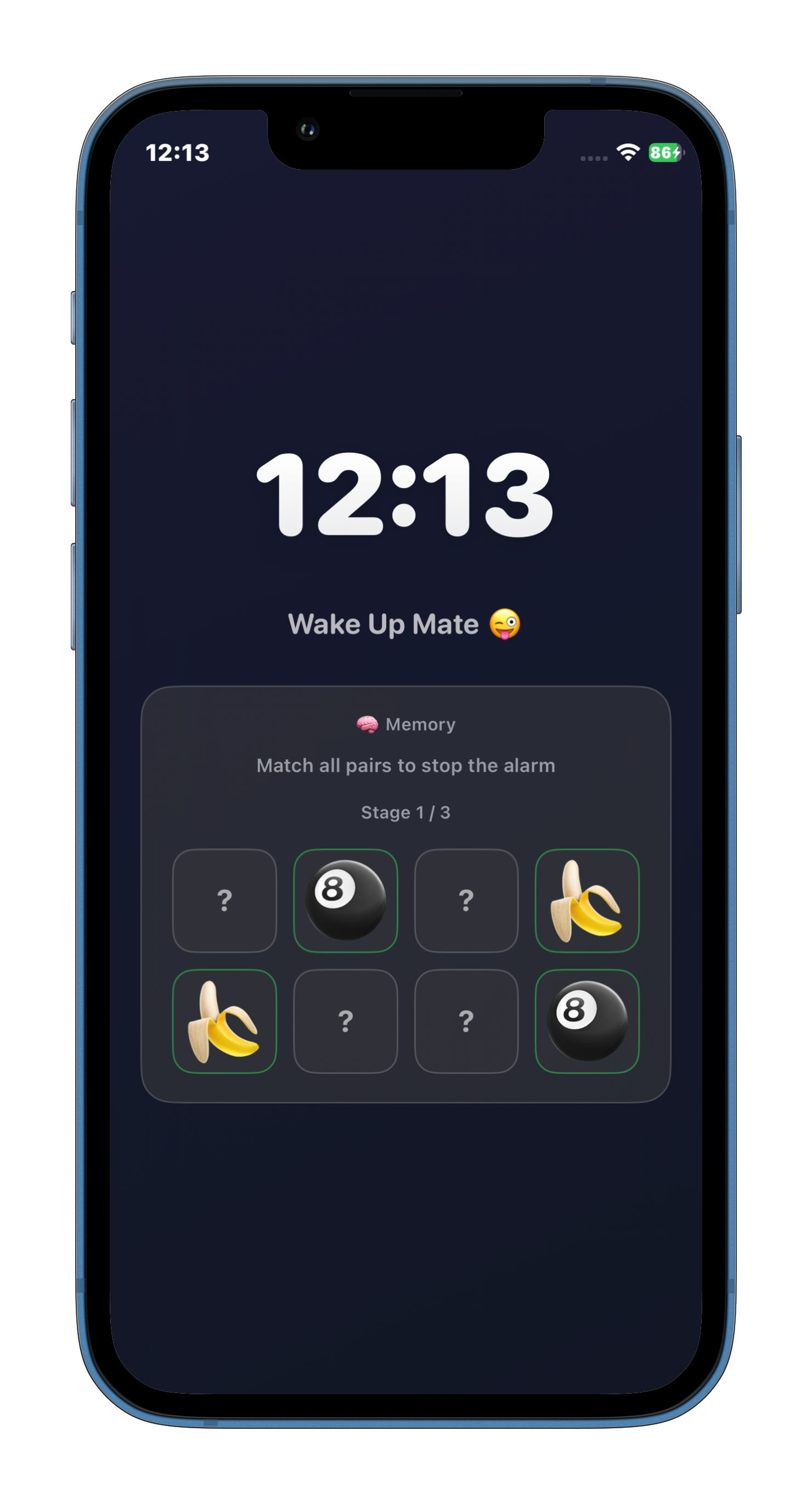
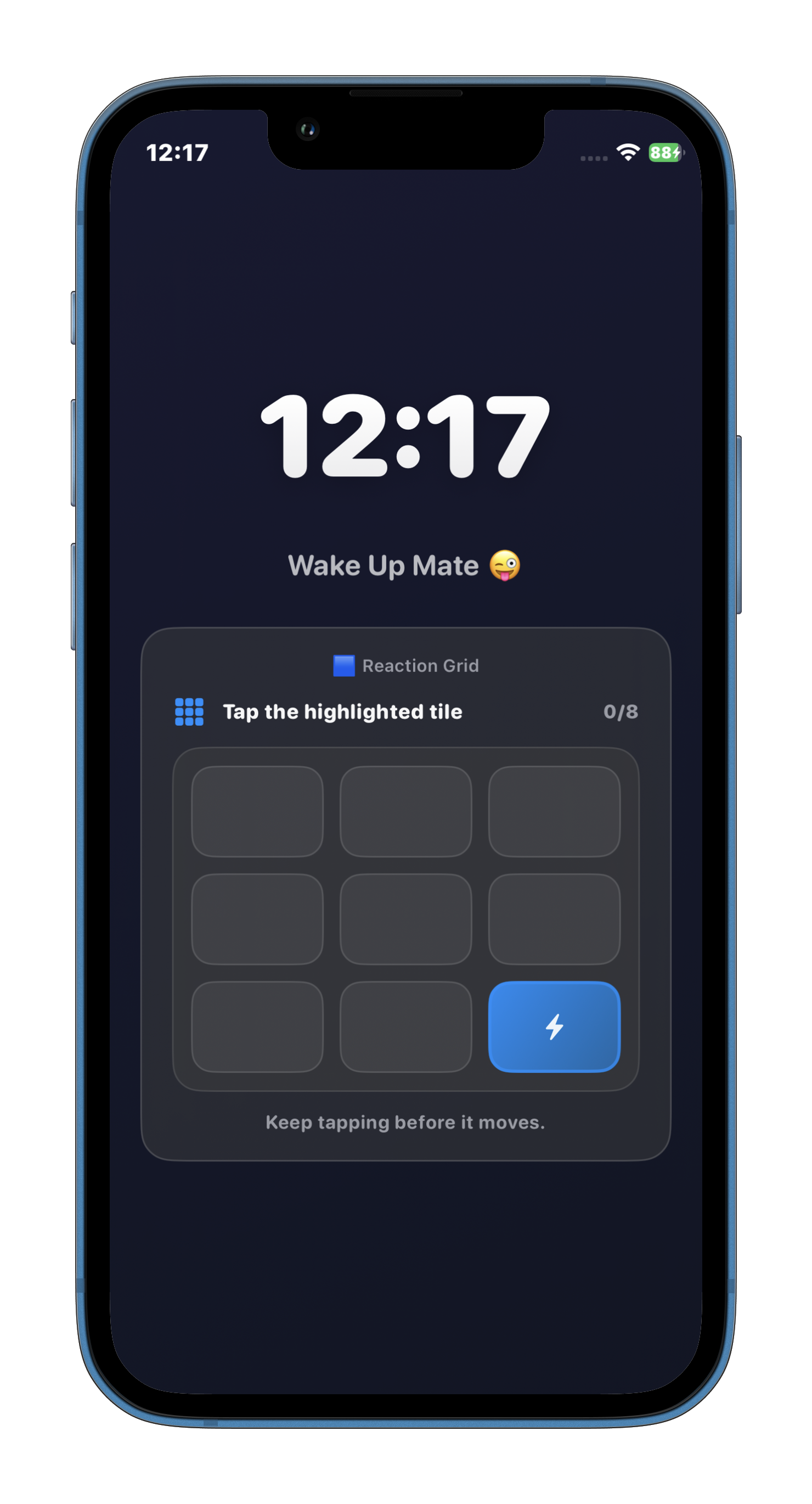
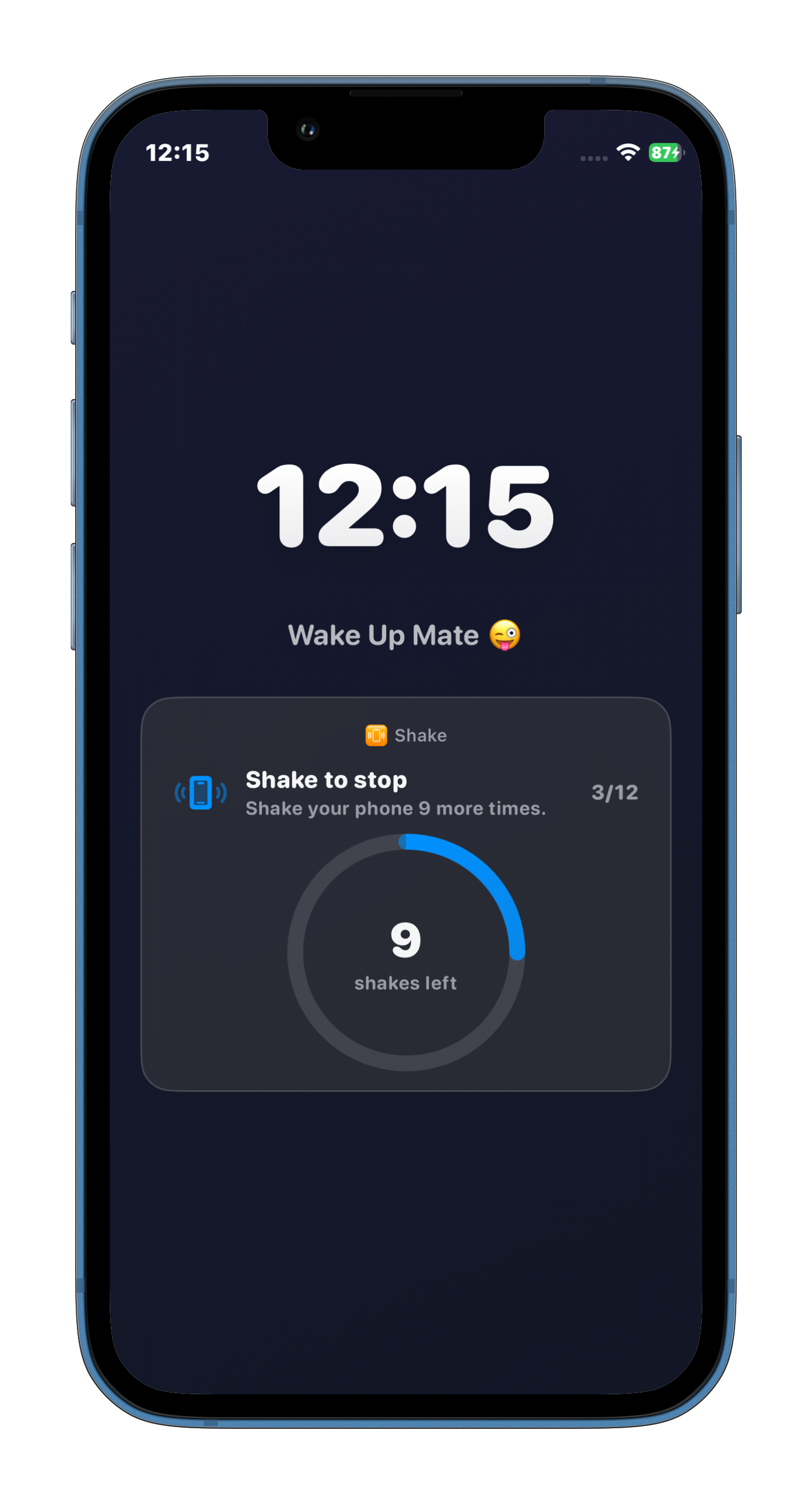
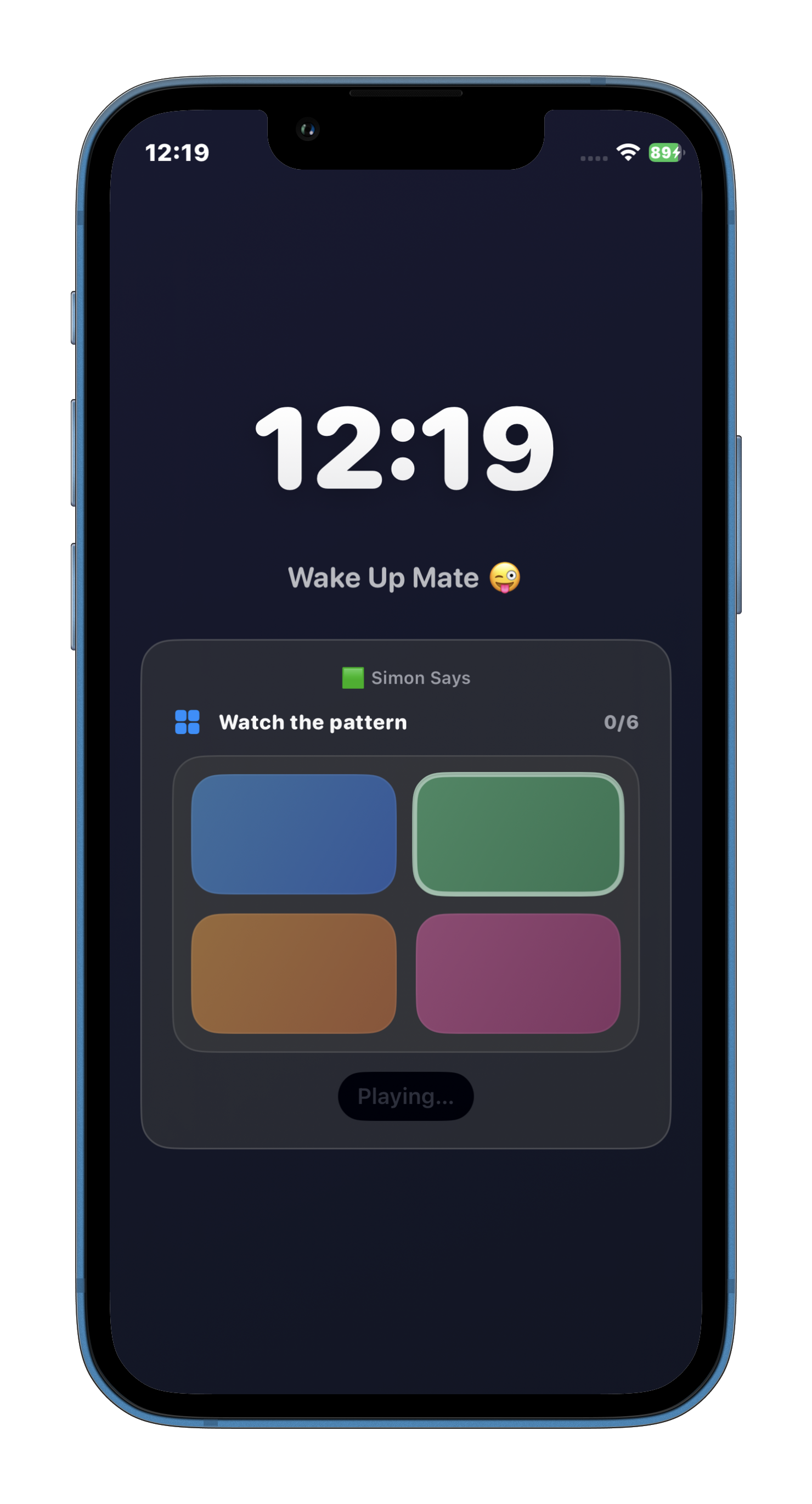
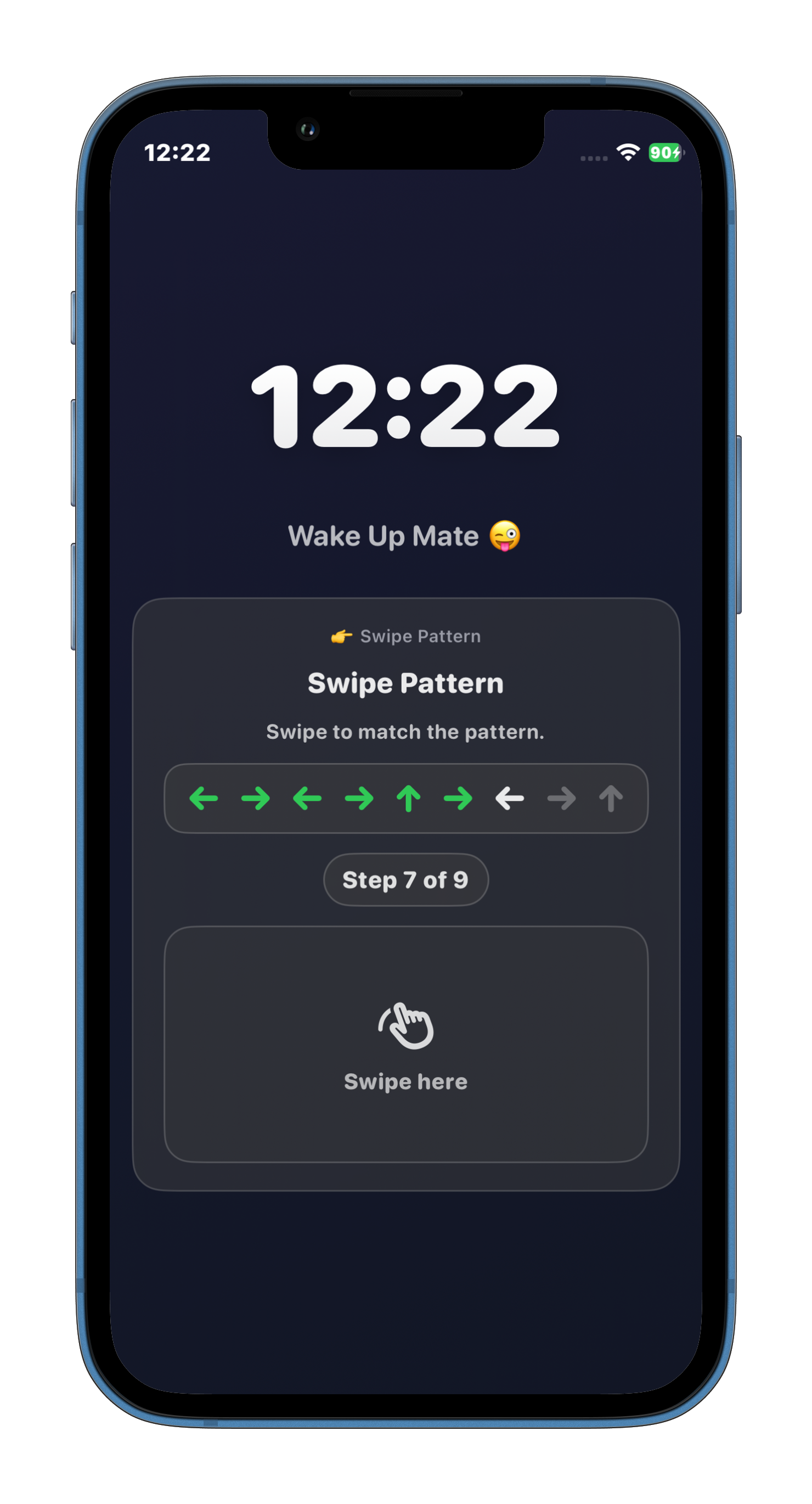
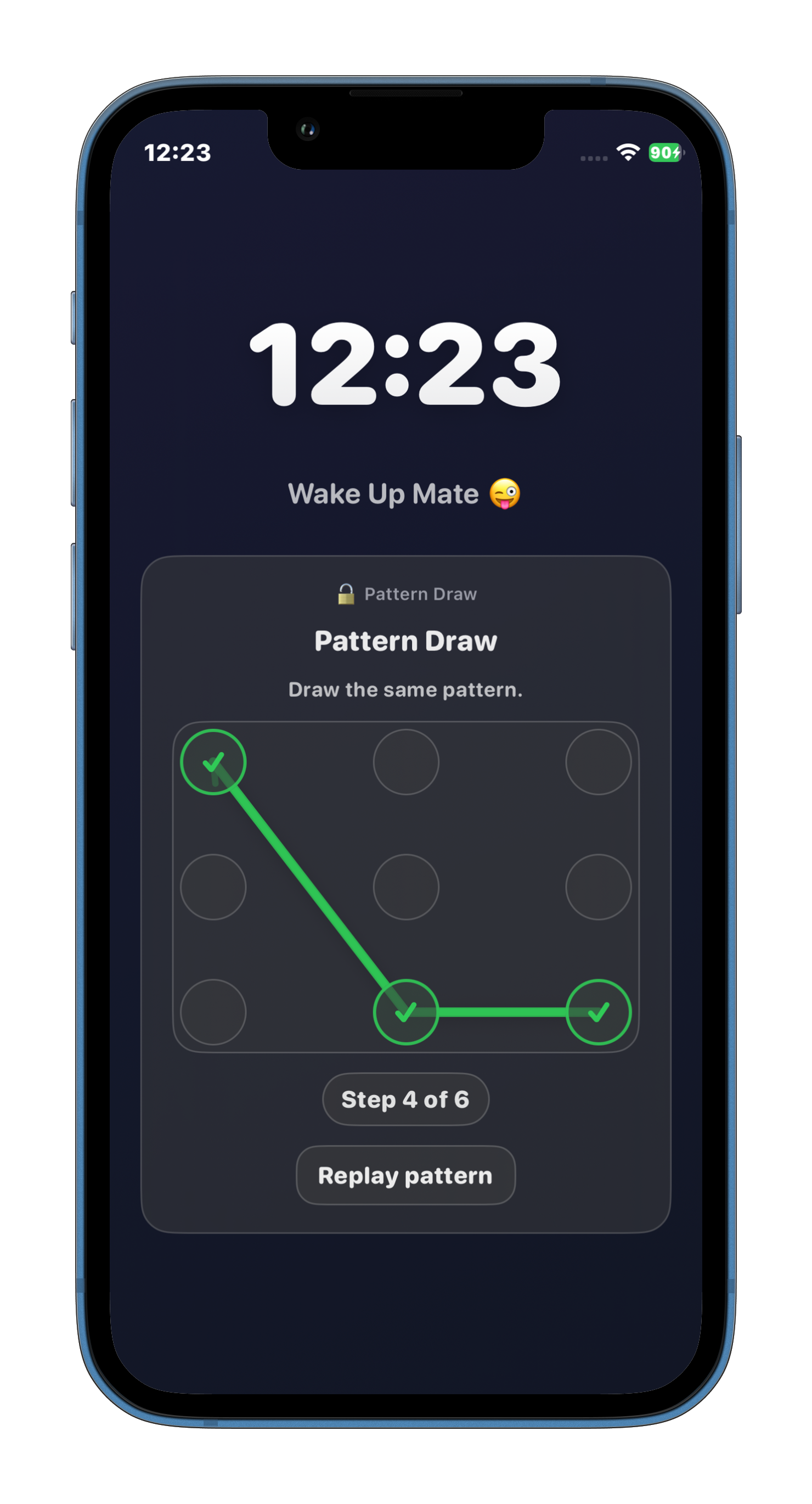
Why Alarm Arcade Works for People trying to consistently wake up for morning gym sessions
Makes the dismissal decision before 5:45 AM — when your willpower is strongest
By setting a mission-based alarm the night before, you're making the gym commitment at a time when motivation is available. The alarm system then enforces that commitment at wake time regardless of how you feel at 5:45 AM. The decision is made once; the system handles execution.
Physical missions create immediate physical activation
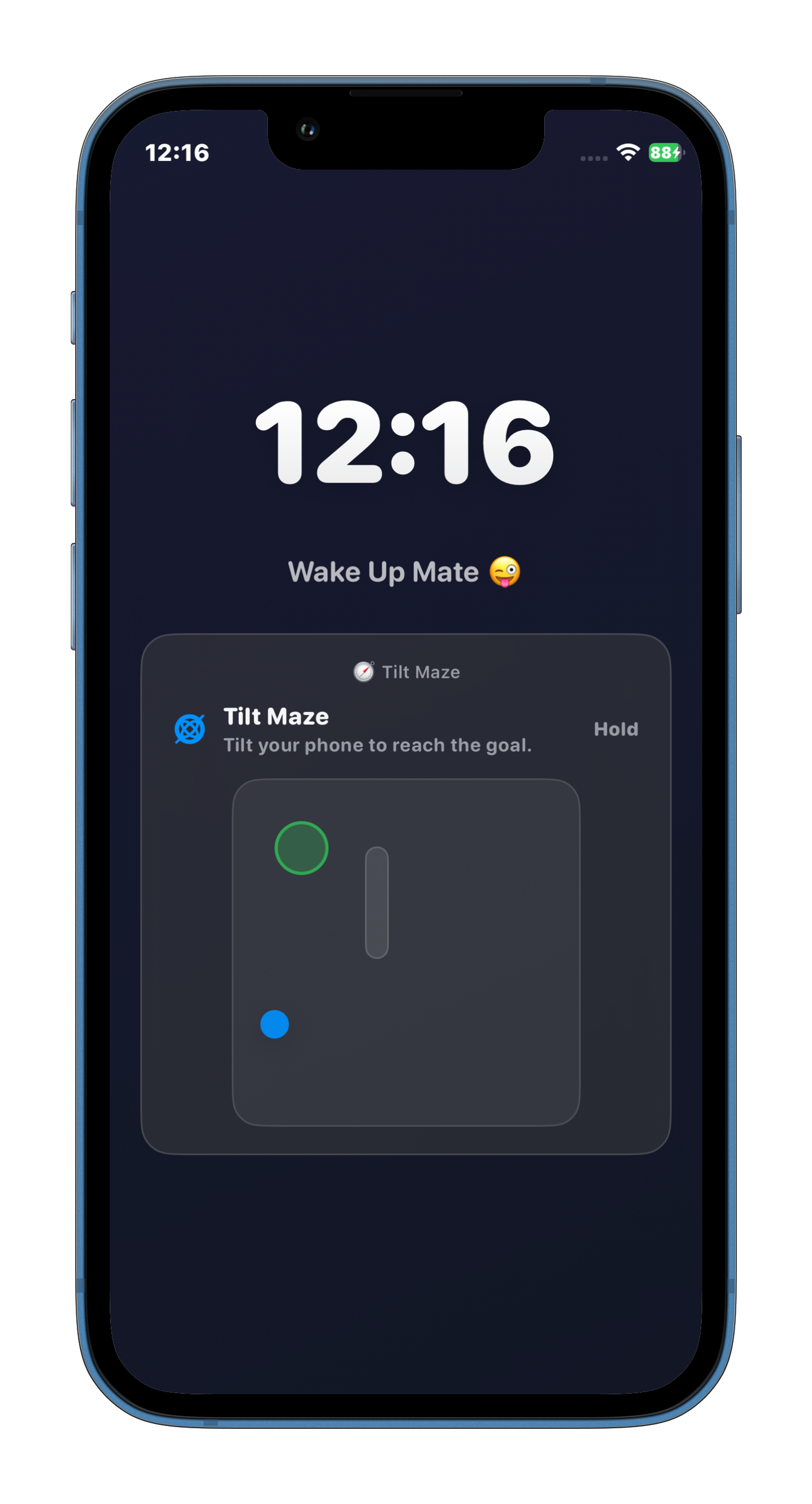
Shake and Tilt Maze missions introduce physical movement immediately at wake-up — which activates your cardiovascular system and begins the process of raising your body temperature and cortisol toward workout-ready levels. The physical mission is the warmup for the warmup.
Works offline — no dependency on hotel Wi-Fi or spotty morning signal
If you're traveling for a race, a training camp, or business and need your gym alarm to work reliably, Alarm Arcade's fully offline operation means no hotel Wi-Fi dependency, no account login, no failure points. It works exactly the same in any location.
Why willpower alone doesn't work for early gym sessions
| Feature | Alarm Arcade | Alarmy | iPhone Clock |
|---|---|---|---|
| No subscription required | ✓ | ✗ | ✓ |
| Game-based dismissal | ✓ | ✓ | ✗ |
| Works offline (no account) | ✓ | ✗ | ✓ |
| Pricing | $1.49 one-time | $4.99/mo | Free |
| Multiple mission types | ✓ | ✓ | ✗ |
The science behind why 6 AM gym commitments fail
Body temperature follows a circadian cycle, reaching its minimum in the 90 minutes before natural wake time. Core temperature elevation is a prerequisite for physical performance — which is why working out feels harder in the early morning than in the afternoon even after warming up properly. This is a real, physiological factor that makes early morning gym sessions objectively harder to perform than later ones. Knowing this doesn't change the temperature curve; it just explains why 'I'll go tomorrow morning' is a commitment made by a different physiological version of you than the one who needs to execute it.
The alarm dismissal problem makes this worse. If the first conscious act of your morning is successfully choosing comfort over commitment (snoozing), you've started the day with a behavioral precedent: your long-term goals can be deferred. This isn't a moral failure; it's operant conditioning. Every skipped gym morning makes the next one slightly easier to skip. The converse is also true: every completed mission that gets you to the gym reinforces the behavior pattern. The first two weeks are the hardest; after that, momentum builds.
The exact Alarm Arcade setup for morning gym
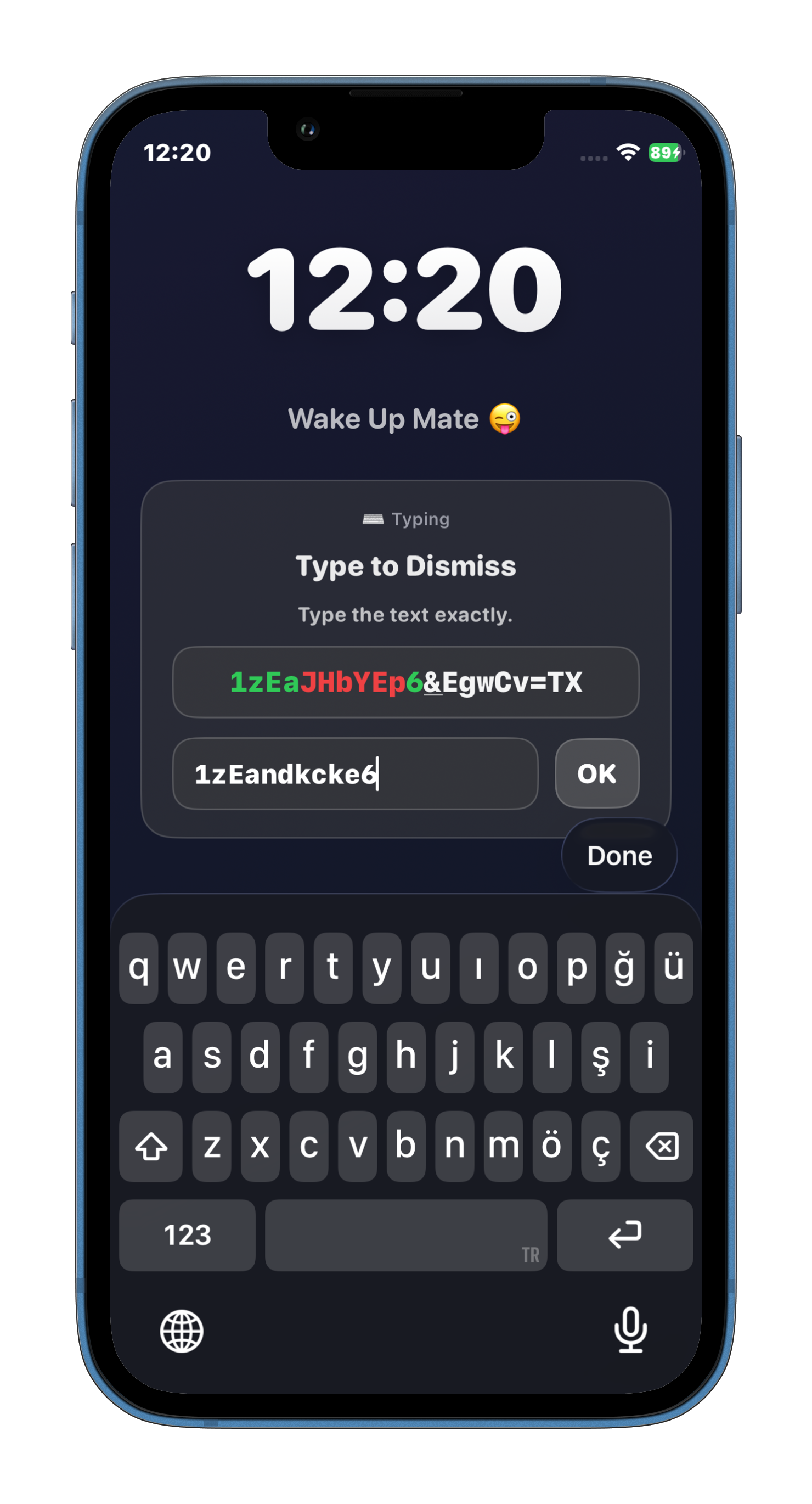
Mission recommendation: Shake at Hard difficulty or Tilt Maze at Medium. Both missions require physical movement that activates your cardiovascular system before you've taken a step. For people who want cognitive activation alongside physical, pair Shake with Math as a two-alarm setup: Shake fires first (5:50 AM, physical activation), Math fires second (5:55 AM, cognitive confirmation). Difficulty: Medium to Hard. Easy allows dismissal while still groggy; Hard ensures genuine engagement. For gym mornings specifically, lean toward Hard.
Phone placement: As far from the bed as possible while still being reachable — bathroom counter is ideal. If you have to walk to the bathroom to dismiss the alarm, you're already 30% of the way through the gym morning routine. Gym prep the night before: lay out gym clothes, pack bag, set phone away from bed. Remove every friction point that could become a reason to not go once you're up. Backup alarm: Set one backup 5 minutes after the primary, phone across the room. No stack of backups — just one safety net for genuine emergencies.
Frequently Asked Questions
Physical missions (Shake, Tilt Maze) have a slight edge for gym mornings specifically because they introduce movement immediately — which is congruent with the physical activity you're about to do and helps activate the sympathetic nervous system faster. Cognitive missions (Math, Typing) are more effective at preventing sleep-inertia dismissal for people who are more likely to complete physical tasks automatically. Try Shake first; if you find yourself completing it while still effectively asleep, switch to Math or Typing.
Alarm Arcade's mission doesn't prevent you from making an informed rest decision — it prevents you from making an impaired sleep-inertia decision. If you wake up, complete the mission, and consciously decide you need a rest day, that's a legitimate choice made by your awake self. The alarm system's job is to ensure the decision is made by the version of you that can reason about it, not the version that just wants five more minutes of warmth.
Research suggests 21–30 days for a new morning behavior to start feeling automatic. The first week with a mission-based alarm is the hardest — the cognitive effort of completing the mission while groggy feels significant. By week two, the pattern starts to solidify. By week four, most people find that the alarm fires and the gym sequence initiates with significantly less internal resistance than it did initially.
Stop skipping the morning gym — starting tomorrow
Free to download. Takes 60 seconds to set up. No subscription, no account needed.
Download Alarm Arcade — Free