 Alarm Arcade
How to wake up early when you're not a morning person
Not being a morning person is partly biology and partly habit — the biological part is harder to change, but the habit part responds to the right system. This guide separates what you can and can't control about your chronotype and gives you a practical setup for waking up earlier consistently.
Chronotype — your natural tendency toward morning or evening alertness — has a genuine genetic component. Evening chronotypes (night owls) have circadian rhythms that peak later in the day, which means waking up early is physiologically harder for them than for morning types. This is not a character flaw; it's a biological reality. However, chronotype is also influenced by behavior and environment, and most people can shift their effective wake time by 30–90 minutes through consistent behavioral changes without fighting their biology entirely.
The most common failure mode for night owls trying to wake up earlier is relying on motivation and willpower at the moment the alarm fires — which is exactly when motivation and willpower are least available. A better approach is to change the mechanics of dismissal so that getting up is the path of least resistance rather than a conscious choice you have to make while half-asleep.
Who This Is For
- Night owls who need to wake up earlier for work, class, or commitments
- People who've tried going to bed earlier but still struggle to wake up
- Students with morning classes who can't change the schedule
- People who know their chronotype is evening-leaning and want a practical workaround
- Anyone whose late waking is affecting their work, health, or relationships
- People who want a morning routine but can't get it started because they can't get up
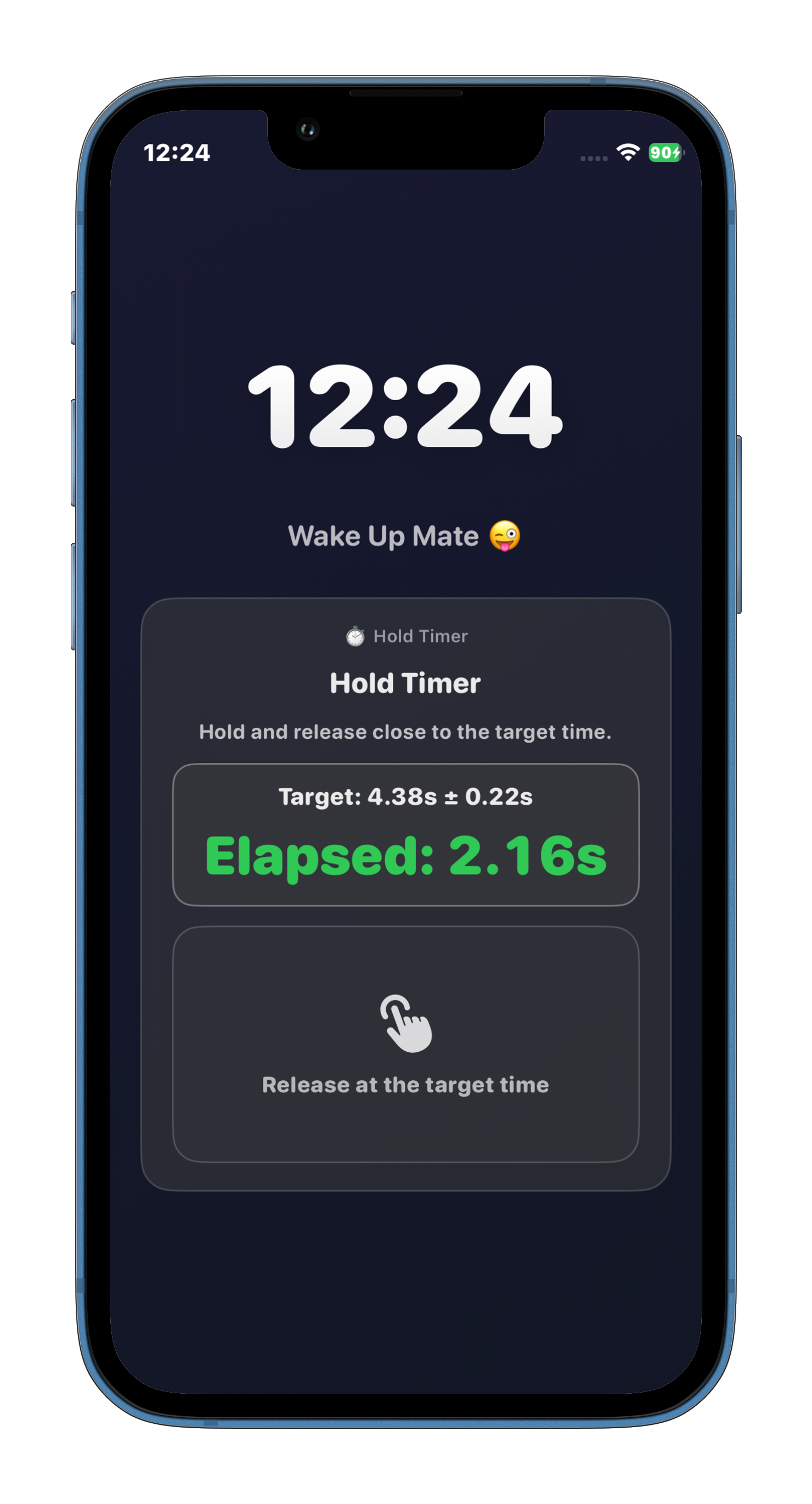
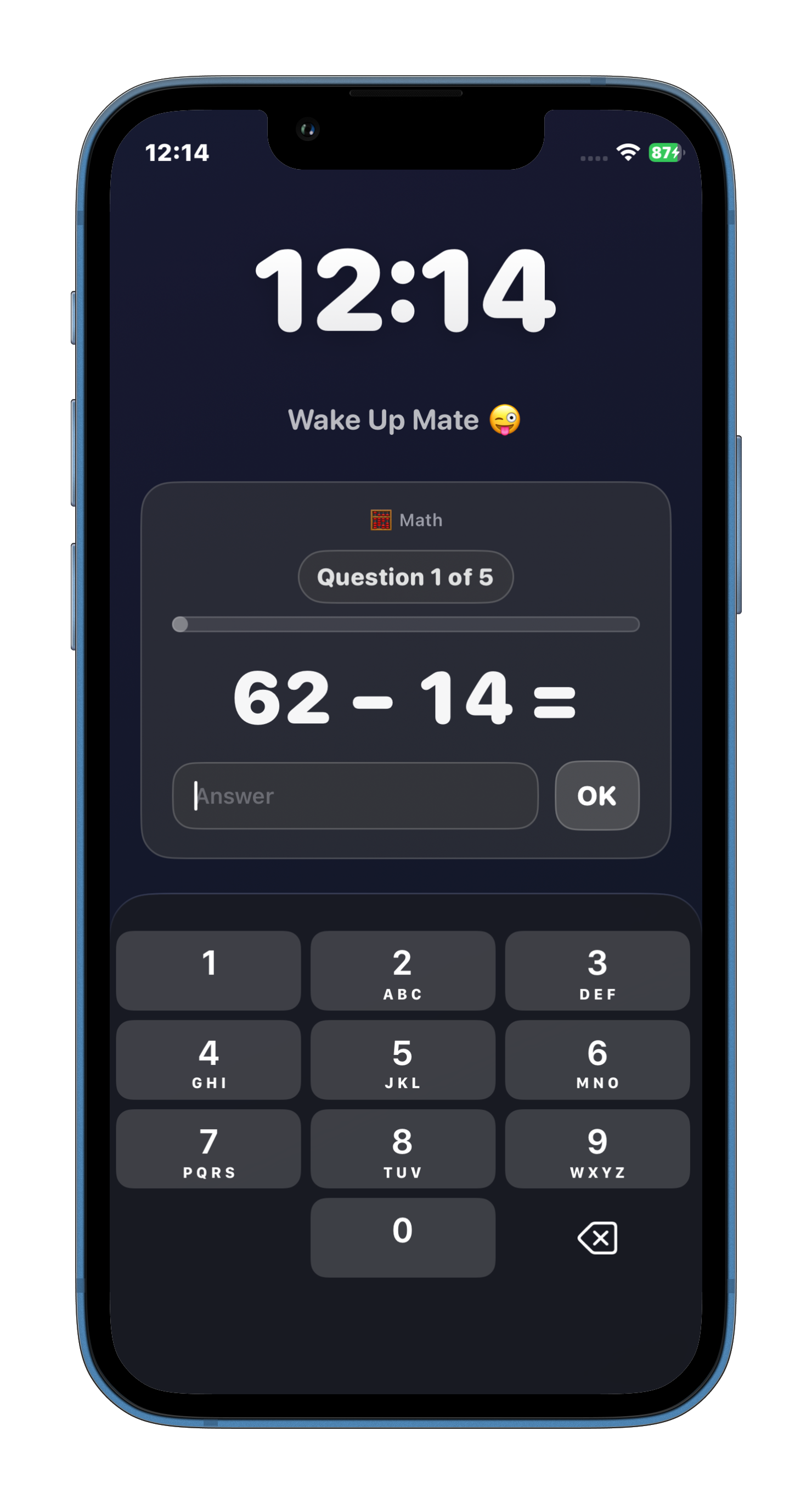
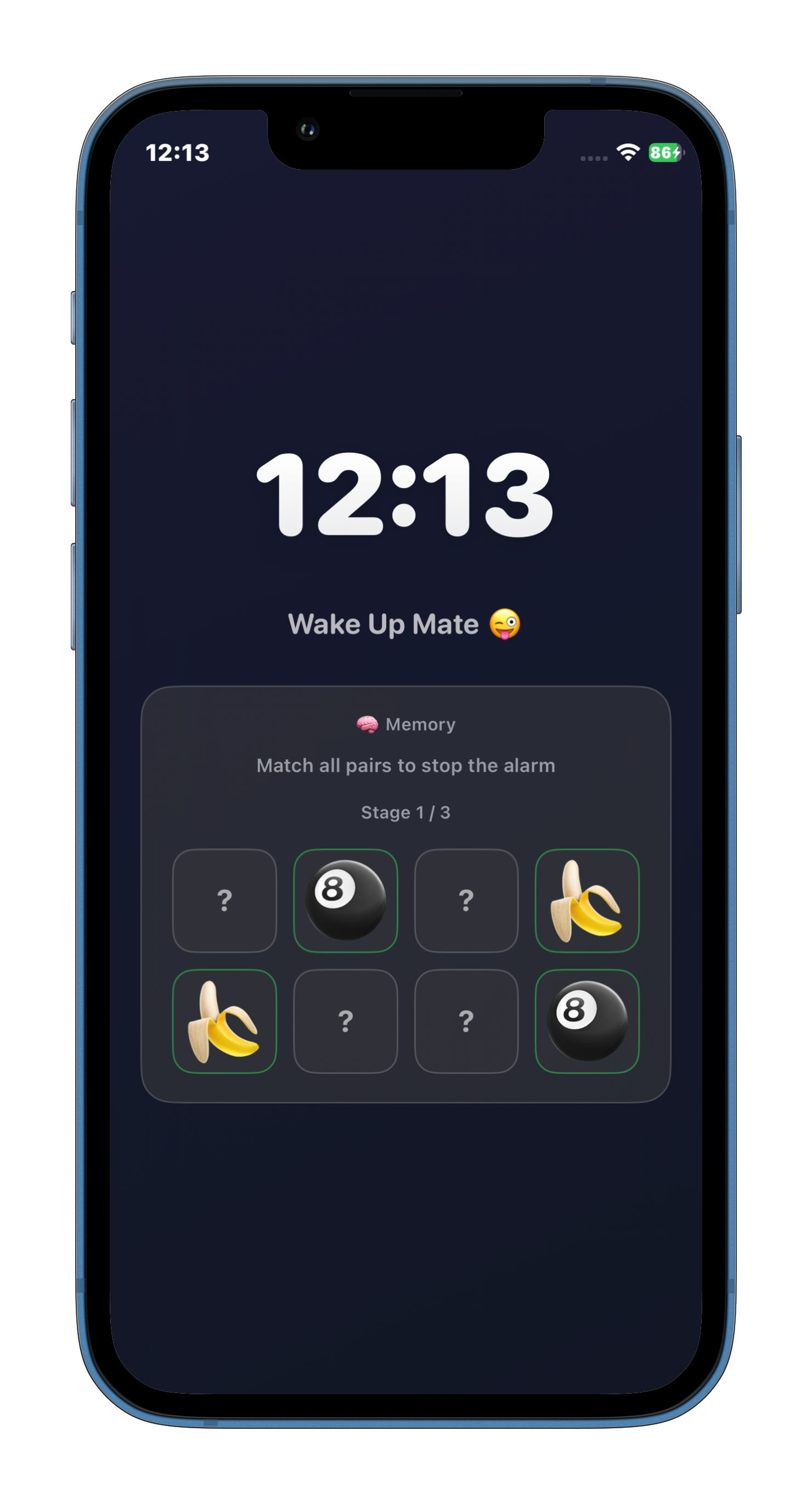
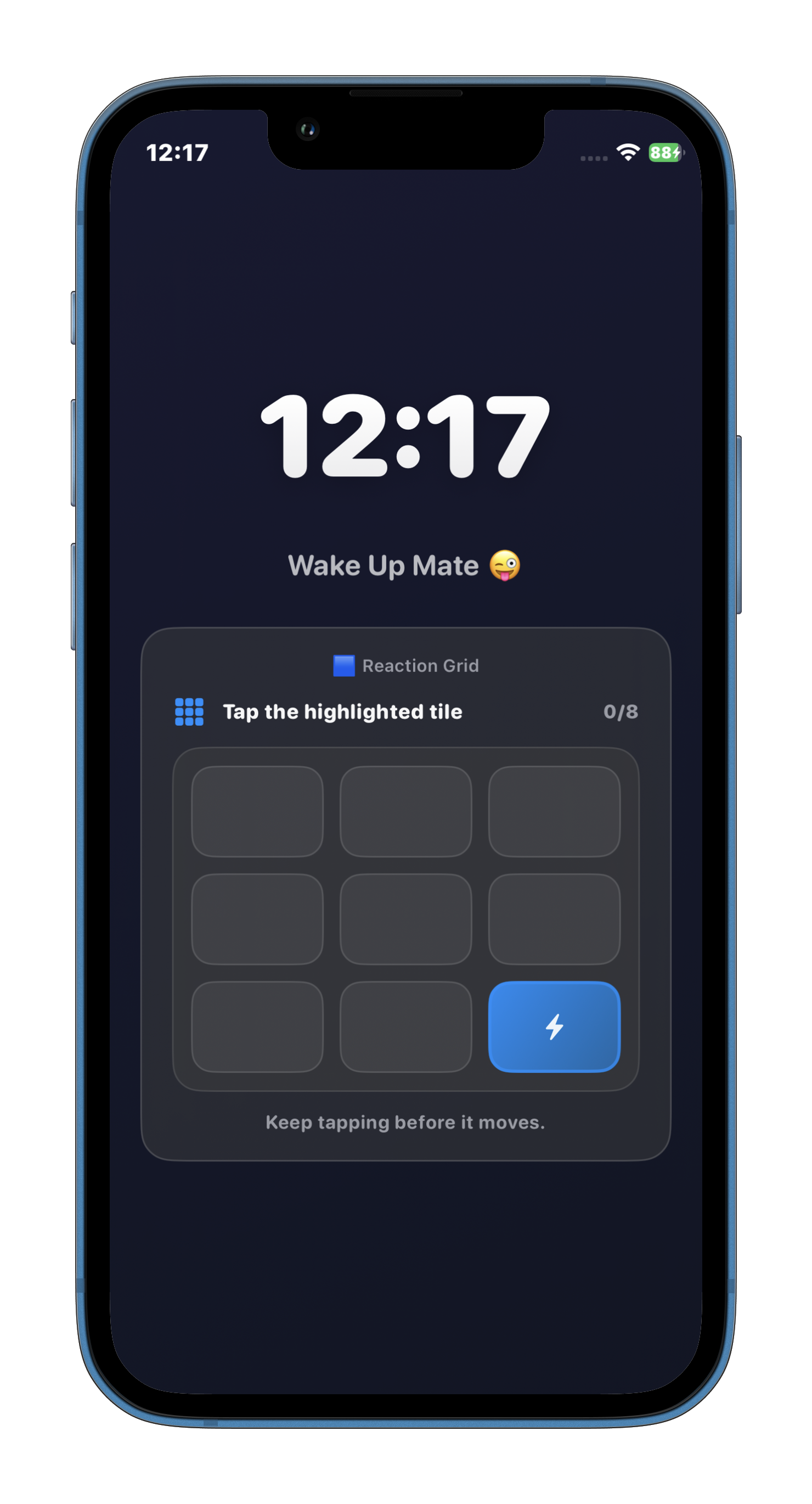
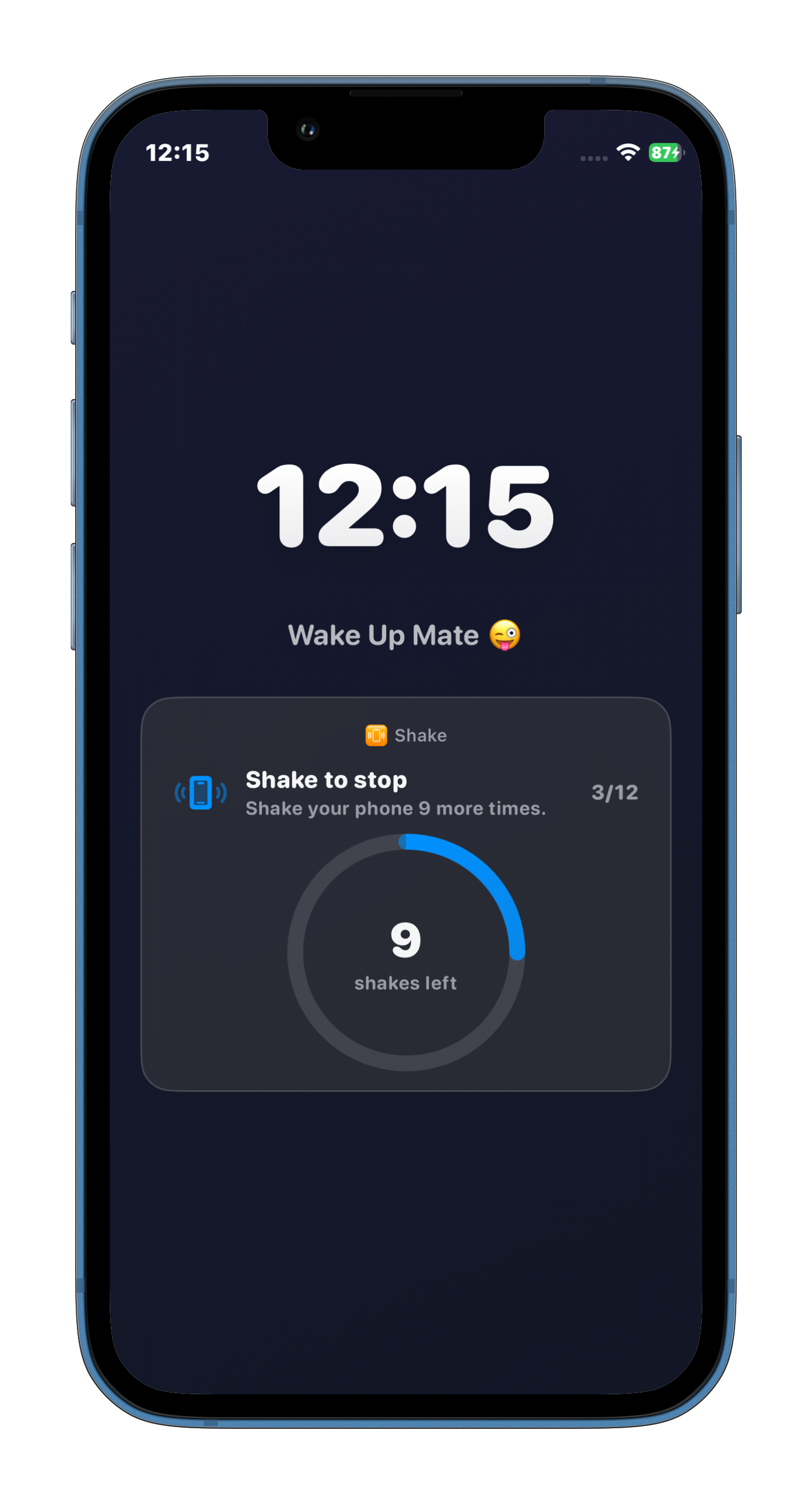
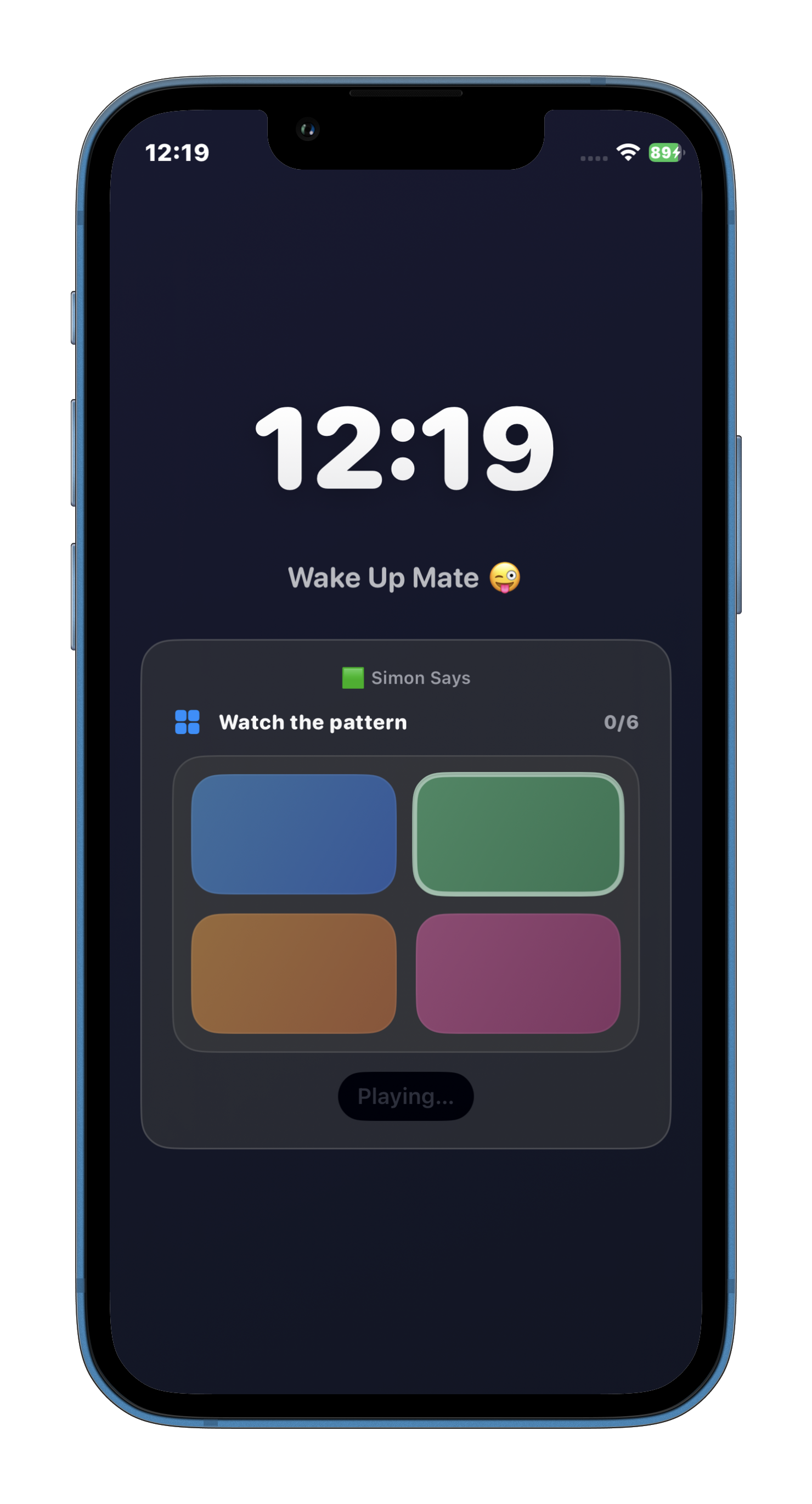
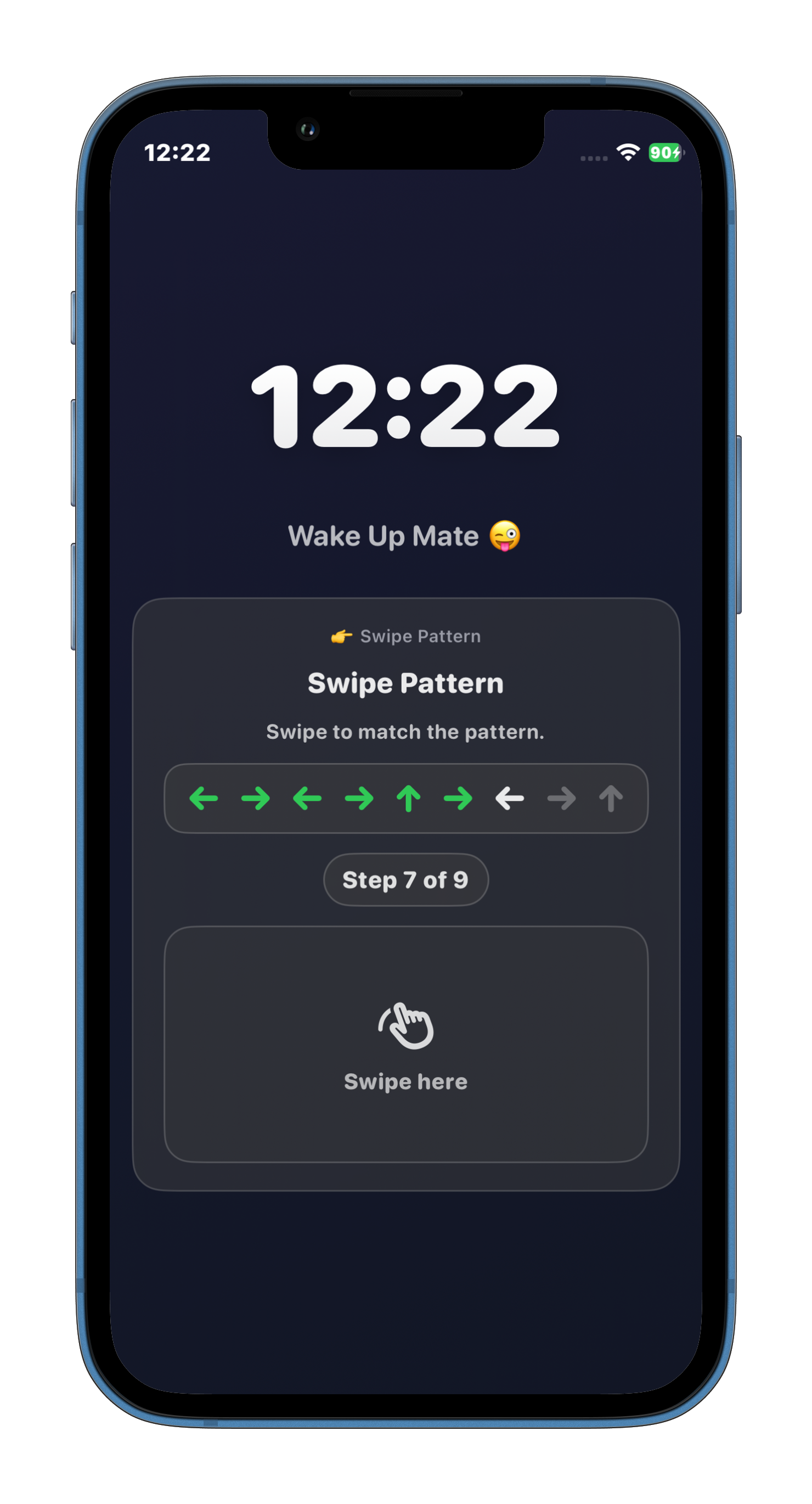
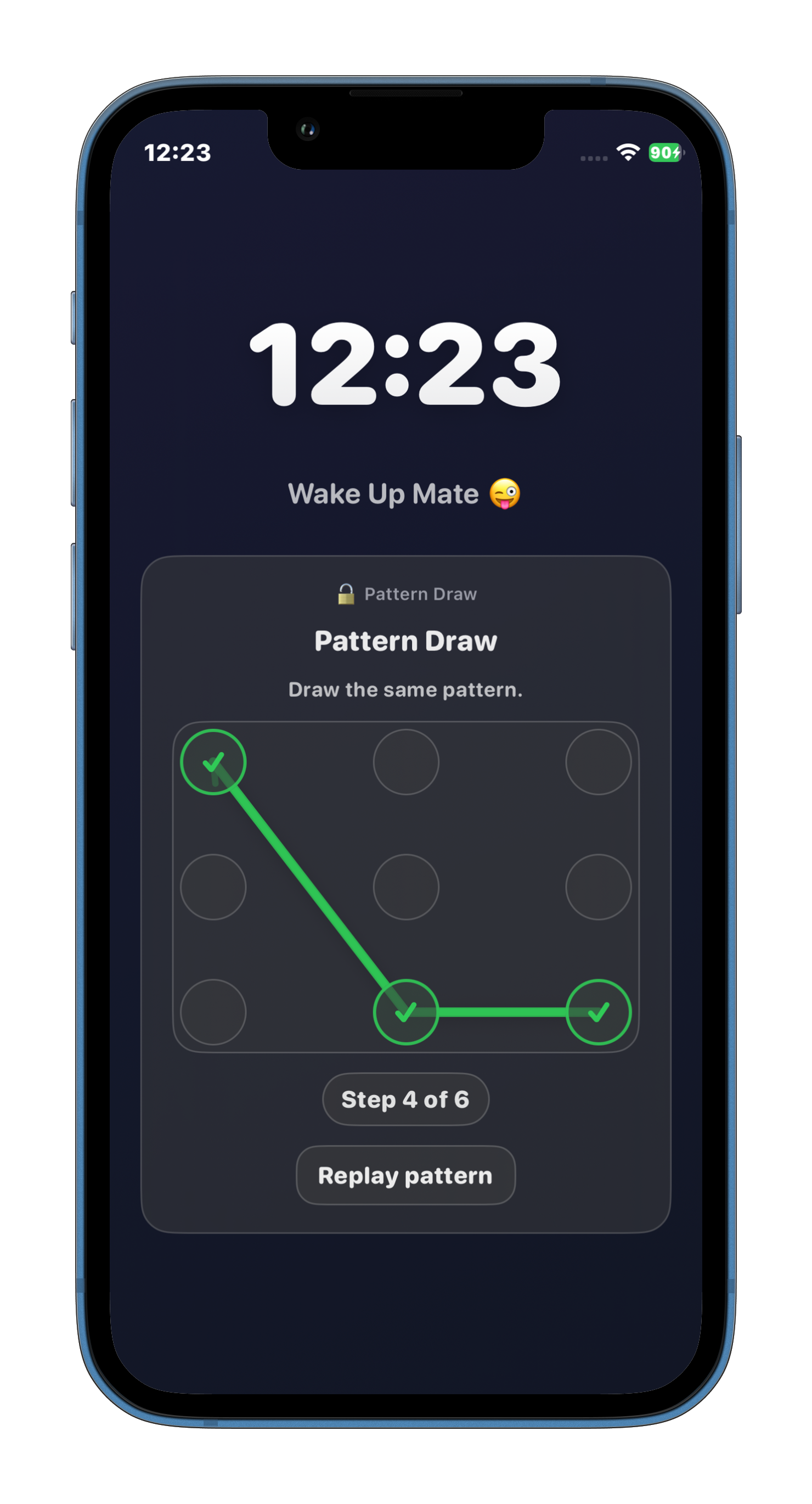
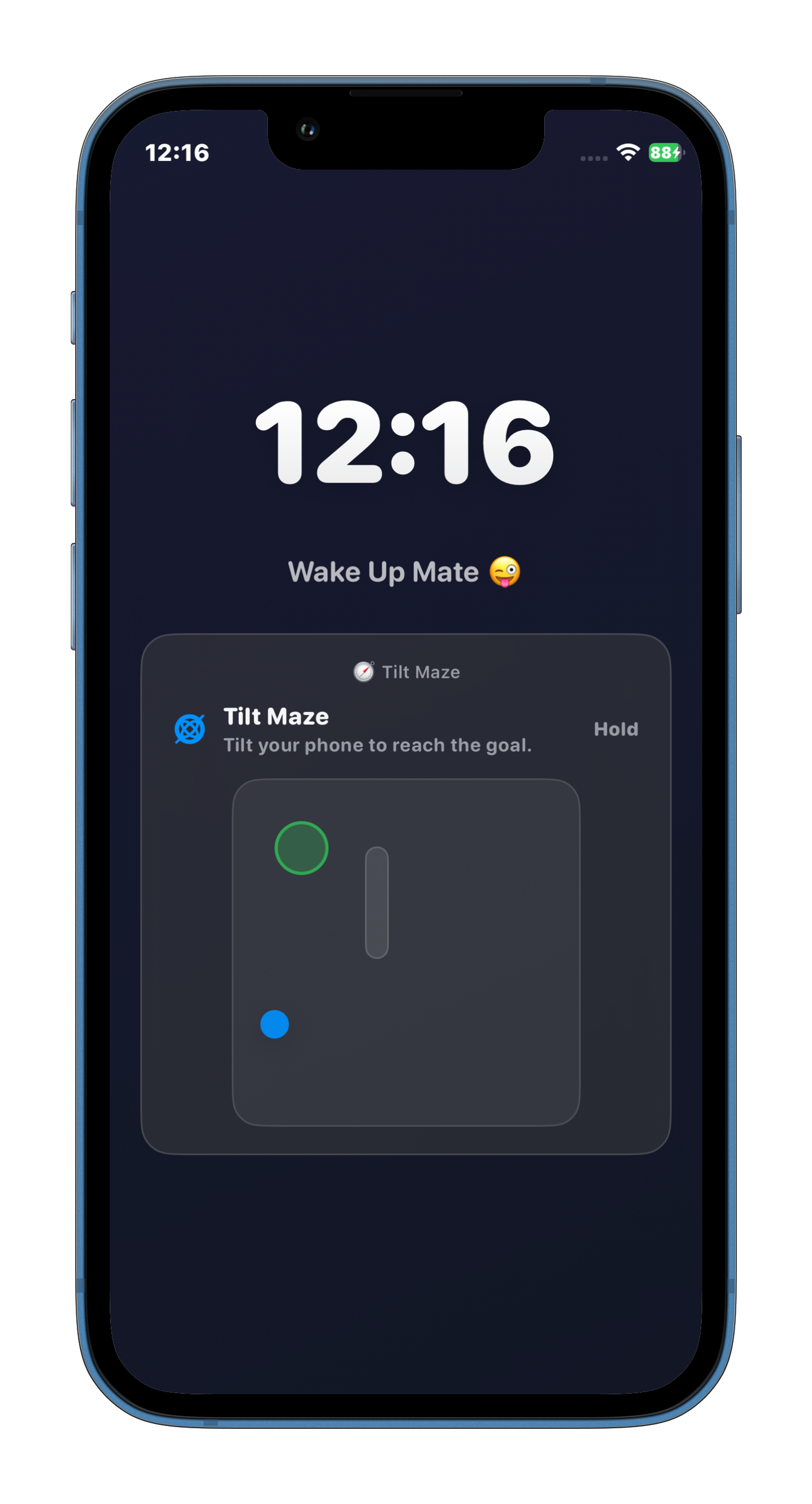
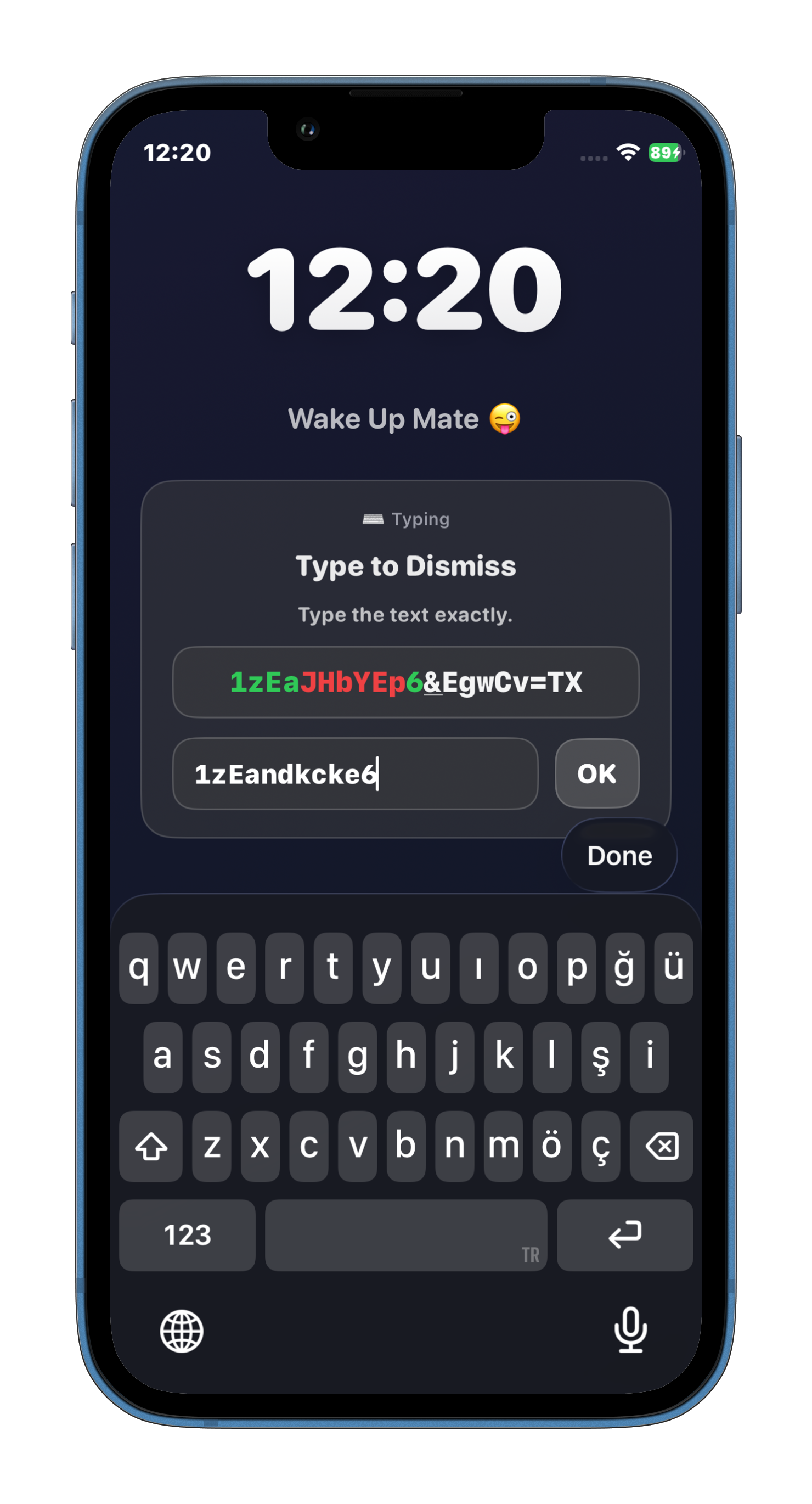
Why Alarm Arcade Works for Night owls trying to wake up earlier consistently
Consistent dismissal enforcement builds a new wake time habit
Habit formation requires consistent behavior at a consistent time. Mission-based dismissal ensures you engage with the alarm — and therefore complete the wake-up process — at the same time each morning. Consistency over two to three weeks is enough for the new wake time to start feeling natural.
Ten missions prevent the early alarm from being ignored on autopilot
Evening chronotypes are particularly good at dismissing early alarms without fully waking — the alarm fires during a phase of sleep that their body considers 'too early,' so the brain is highly motivated to return to sleep after minimal engagement. Ten rotatable missions make that minimal engagement insufficient for dismissal.
Free to try, $1.49 one-time Pro — lower barrier to building a new habit
Building a new wake time habit requires at least two to three weeks of consistency. A subscription alarm you might cancel after a bad week introduces financial friction that disrupts the habit-building window. A free download with a one-time upgrade removes that friction.
Why willpower alone doesn't work — and what does
| Feature | Alarm Arcade | Alarmy | iPhone Clock |
|---|---|---|---|
| No subscription required | ✓ | ✗ | ✓ |
| Game-based dismissal | ✓ | ✓ | ✗ |
| Works offline (no account) | ✓ | ✗ | ✓ |
| Pricing | $1.49 one-time | $4.99/mo | Free |
| Multiple mission types | ✓ | ✓ | ✗ |
The science of chronotypes and early rising
Your circadian rhythm is regulated by the suprachiasmatic nucleus in the brain, which responds to light exposure to set the timing of alertness and sleepiness cycles. Evening chronotypes have a delayed phase — their core body temperature, cortisol release, and melatonin timing all run later than morning types. This means that at 6 AM, an evening type's body chemistry is closer to a morning type's 4 AM state. Waking up at 6 AM for a night owl is like a morning type waking up at 4 AM — not impossible, but physiologically aversive.
The good news is that consistent early wake times with morning light exposure can shift the circadian rhythm forward by 30–60 minutes over two to three weeks. The mechanism is light-induced suppression of melatonin in the morning, which advances the phase of the entire circadian cycle. The practical implication: if you consistently wake up at your target time and immediately expose yourself to bright light (go outside, turn on bright lights, open blinds), your body will gradually begin to feel less groggy at that time. The alarm app handles the consistent wake-up enforcement; the light exposure handles the biological adjustment.
Step-by-step fix using Alarm Arcade
Step 1: Set your target wake time — start no more than 30 minutes earlier than your current natural wake time. Attempting a 2-hour shift immediately creates a failure rate that disrupts the habit. Work toward earlier times in 15–30 minute increments over weeks. Step 2: Install Alarm Arcade and set your target time with Typing or Math at Medium difficulty. These high-demand cognitive missions are most effective for evening chronotypes because they require the prefrontal cortex to come online immediately.
Step 3: Place your phone across the room. Getting your feet on the floor before attempting the mission significantly increases the probability of staying up. The combination of physical movement and mission completion is more powerful than either alone. Step 4: Immediately upon completing the mission, expose yourself to bright light. Open blinds, turn on overhead lights, or step outside. This is the circadian-shifting action that makes the habit sustainable over weeks rather than being perpetually difficult.
Frequently Asked Questions
Most evening chronotypes can shift their effective wake time forward by 30–90 minutes with consistent behavior and morning light exposure. Very extreme evening chronotypes (delayed sleep phase disorder) may have more limited flexibility and might benefit from a sleep specialist consultation. For the majority of self-described night owls, the chronotype is real but not completely fixed — consistent early rising with the right behavioral support does produce genuine adaptation over weeks.
Research on habit formation suggests 18–66 days for a new behavior to become automatic, with the median around 21 days. For wake times specifically, most people notice a reduction in morning difficulty after 14–21 days of consistent early rising. The first week is the hardest; by the third week, the new wake time typically feels significantly less aversive than it did initially.
Both, eventually — but getting up earlier is the more reliable lever. The circadian system is anchored more strongly by wake time than sleep time. Consistently waking at the same time each morning will gradually shift your sleep pressure earlier, making earlier bedtimes feel more natural. Trying to force an earlier bedtime without a consistent earlier wake time often results in lying awake rather than sleeping. Start with the alarm and let the sleep time follow.
Make early rising non-negotiable — starting tonight
Free to download. Takes 60 seconds to set up. No subscription, no account needed.
Download Alarm Arcade — Free