 Alarm Arcade
How to set up Alarm Arcade for maximum wake-up power
Alarm Arcade is more effective with the right setup than with defaults — mission choice, difficulty, phone placement, and rotation strategy all matter. This guide covers the optimal configuration for both heavy and light sleepers so you get the most out of the app from the first morning.
Most alarm apps have one relevant setting: the time. Alarm Arcade has four: the time, the mission, the difficulty, and the phone placement (which isn't an in-app setting but is the most important environmental variable). Getting all four right produces a wake-up system that works reliably long-term. Getting one or two wrong reduces effectiveness significantly — the most common mistake is setting Easy difficulty or keeping the phone in bed.
The principle behind all four settings is the same: create the maximum gap between the sleep-inertia state and the cognitive requirements of dismissal. The wider that gap, the more reliably the alarm produces genuine wakefulness before stopping. This guide walks through each setting with specific recommendations.
Who This Is For
- New Alarm Arcade users who want the optimal configuration from day one
- Existing users who set up the app quickly and want to refine their setup
- Heavy sleepers who've downloaded the app but aren't sure they've configured it correctly
- People switching from another alarm app who want to understand the full setup
- Light sleepers who want to confirm they're using the minimum effective configuration
- Anyone who's been using the app for a while and wants to optimize their rotation strategy
Why Alarm Arcade Works for Alarm Arcade users optimizing their configuration
Four variables, all adjustable — personalized to your sleep patterns
Alarm Arcade's effectiveness is calibrated through mission type, difficulty, phone placement, and rotation frequency. This guide covers all four so you can dial in the configuration that works for your specific sleep patterns rather than using a generic default.
Maximum enforcement: right mission + hard difficulty + phone across the room
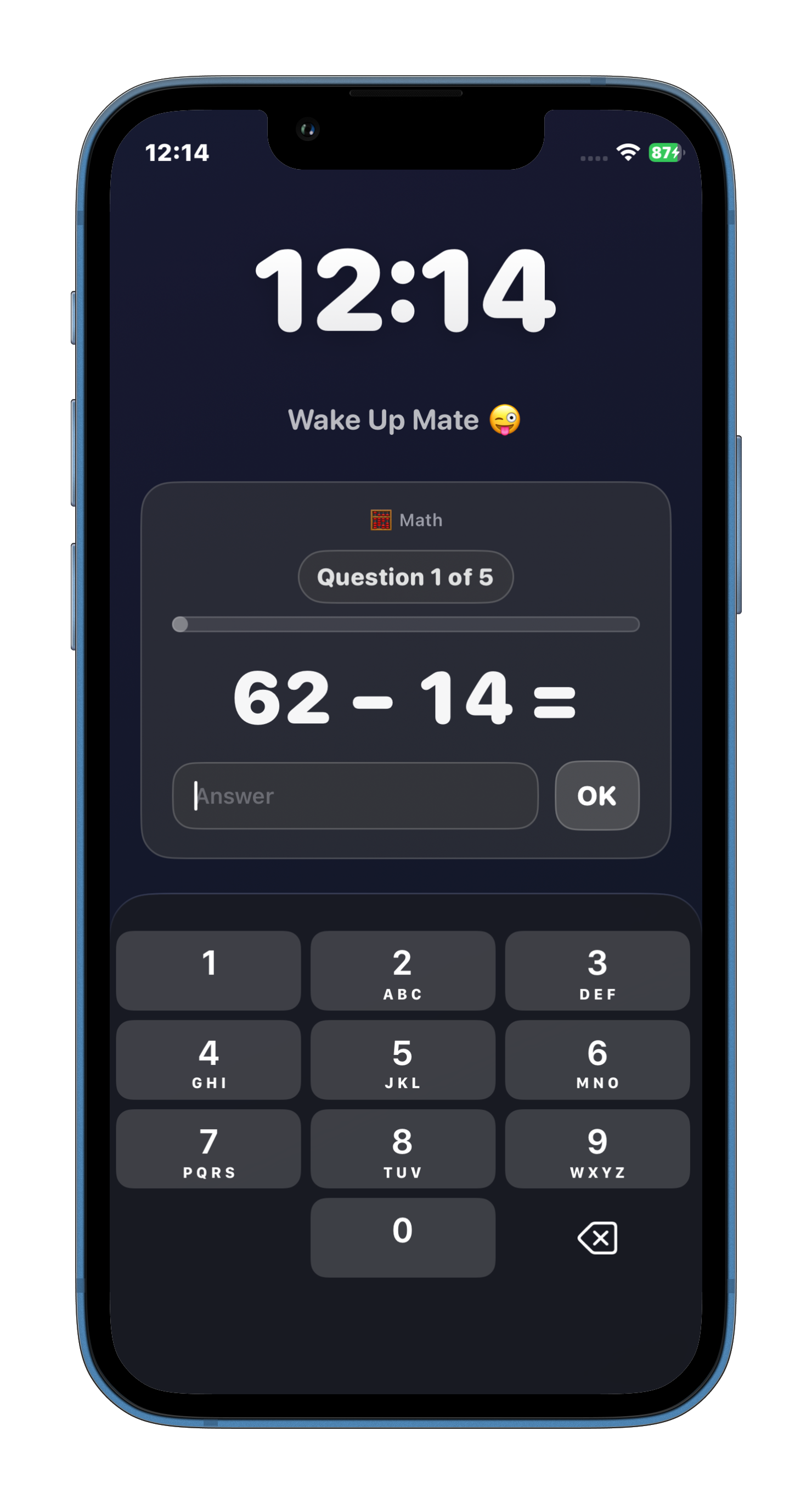
The highest-enforcement configuration is a cognitively demanding mission (Typing or Math) at Hard difficulty, phone placed across the room. This combination addresses sleep inertia (cognitive task), dismissal mechanic (mission requirement), and physical position (across the room) simultaneously.
Rotation strategy: the long-term maintenance that keeps it working
The best initial setup only stays effective with rotation. This guide includes a specific rotation plan — which missions to use, in what order, and how frequently to change — that keeps the system working indefinitely rather than degrading over weeks.
Alarm Arcade at default vs Alarm Arcade optimized
| Feature | Alarm Arcade | Alarmy | iPhone Clock |
|---|---|---|---|
| No subscription required | ✓ | ✗ | ✓ |
| Game-based dismissal | ✓ | ✓ | ✗ |
| Works offline (no account) | ✓ | ✗ | ✓ |
| Pricing | $1.49 one-time | $4.99/mo | Free |
| Multiple mission types | ✓ | ✓ | ✗ |
Why setup matters: the four variables that determine effectiveness
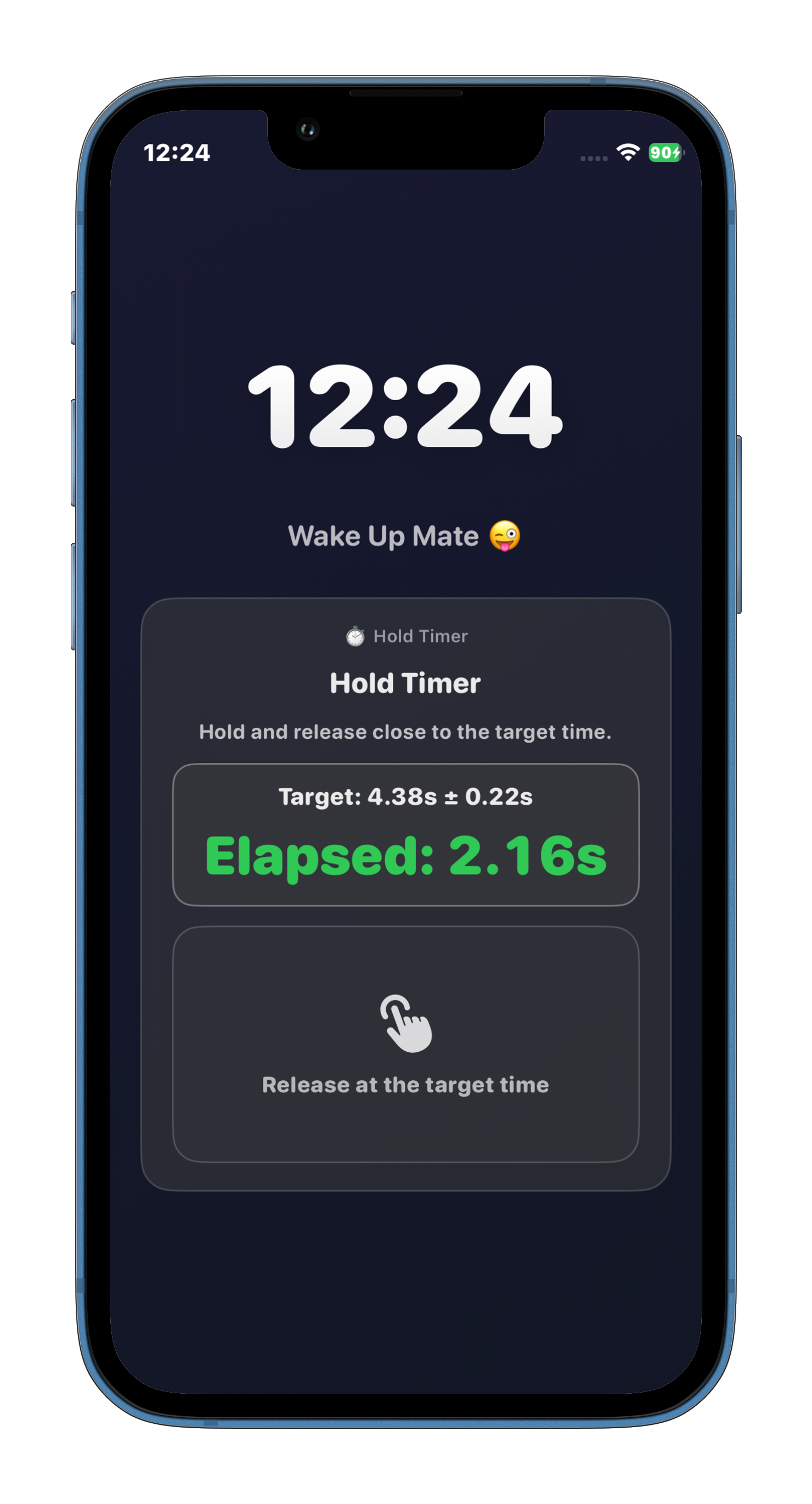
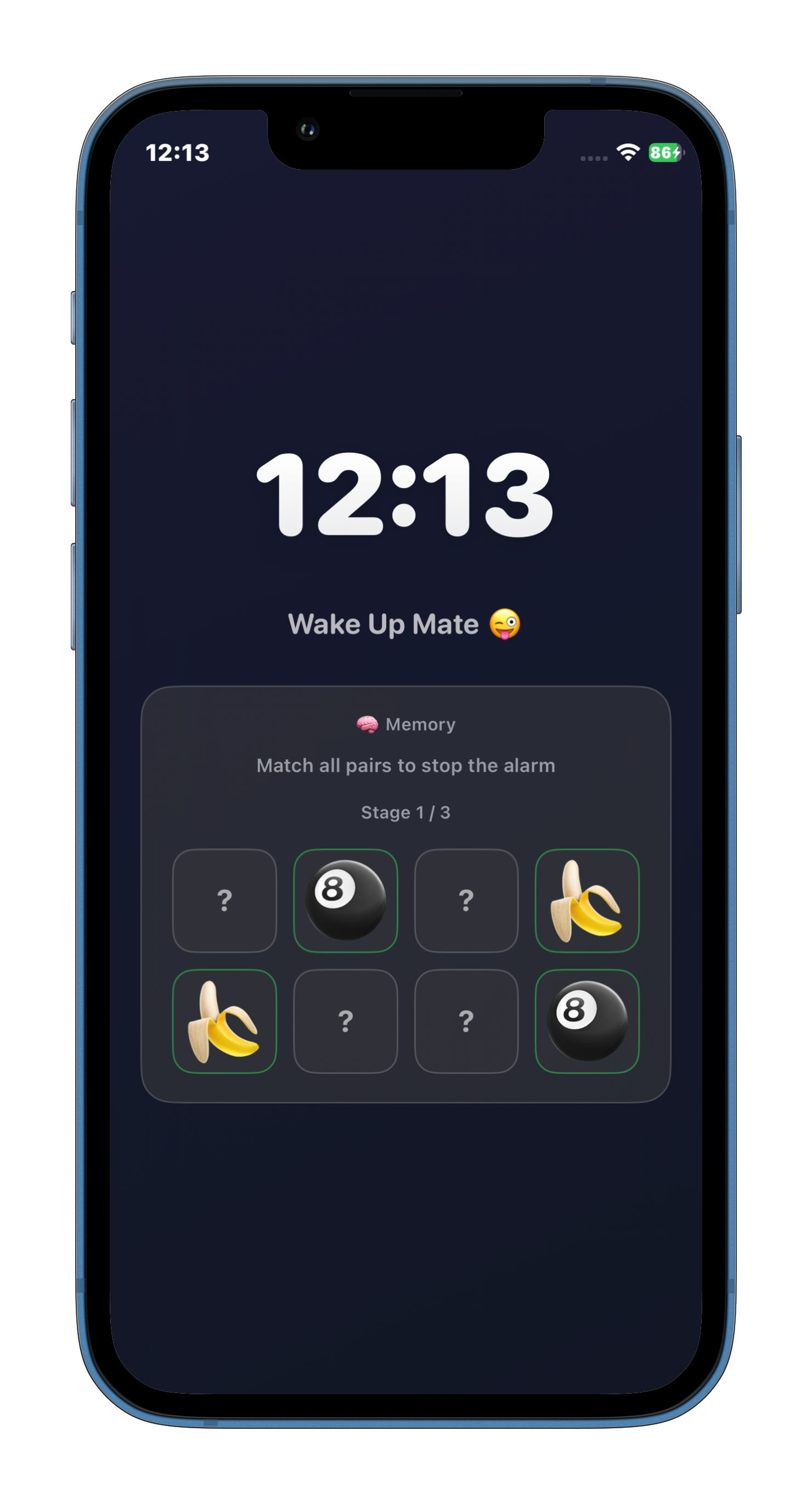
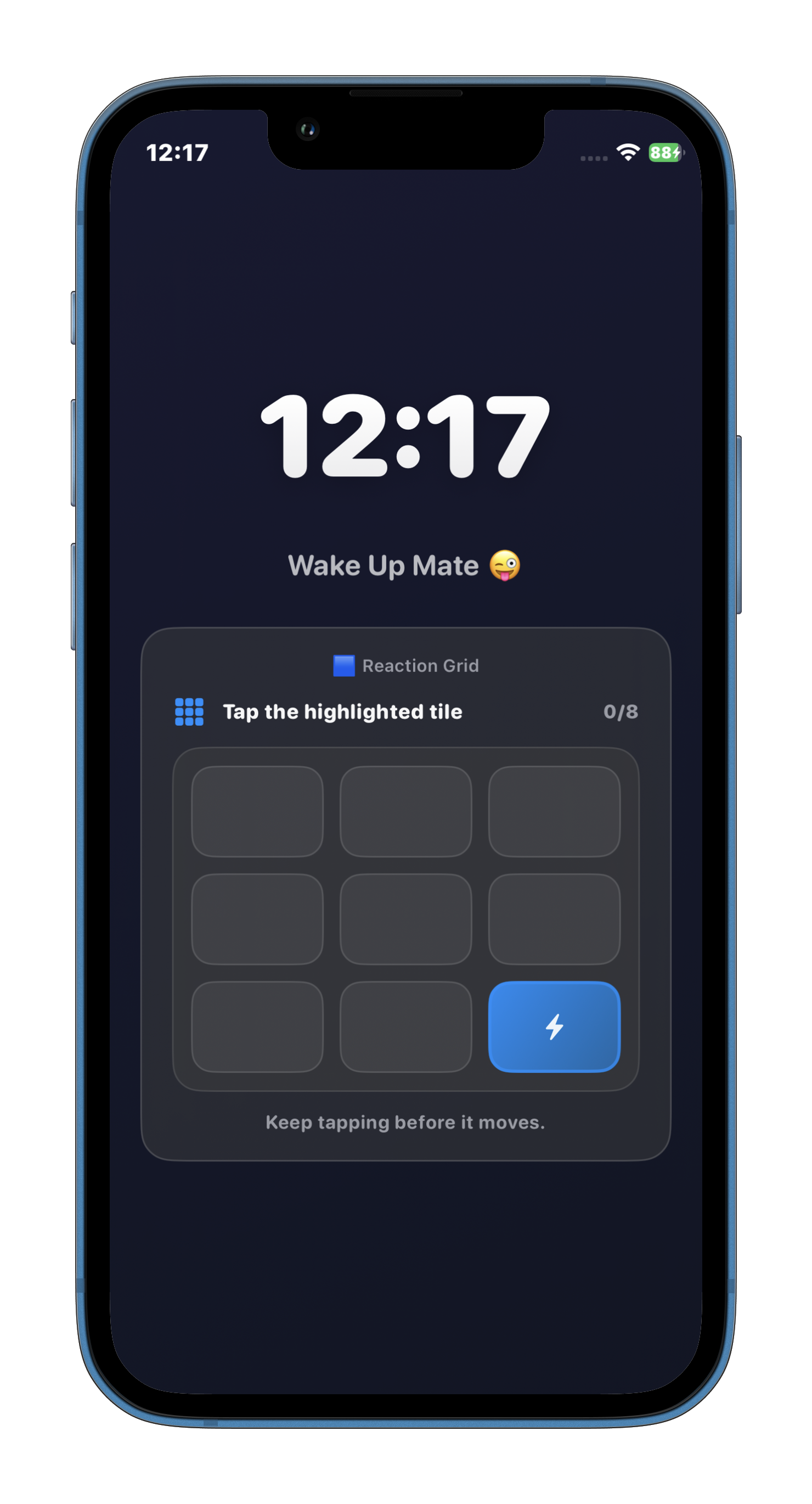
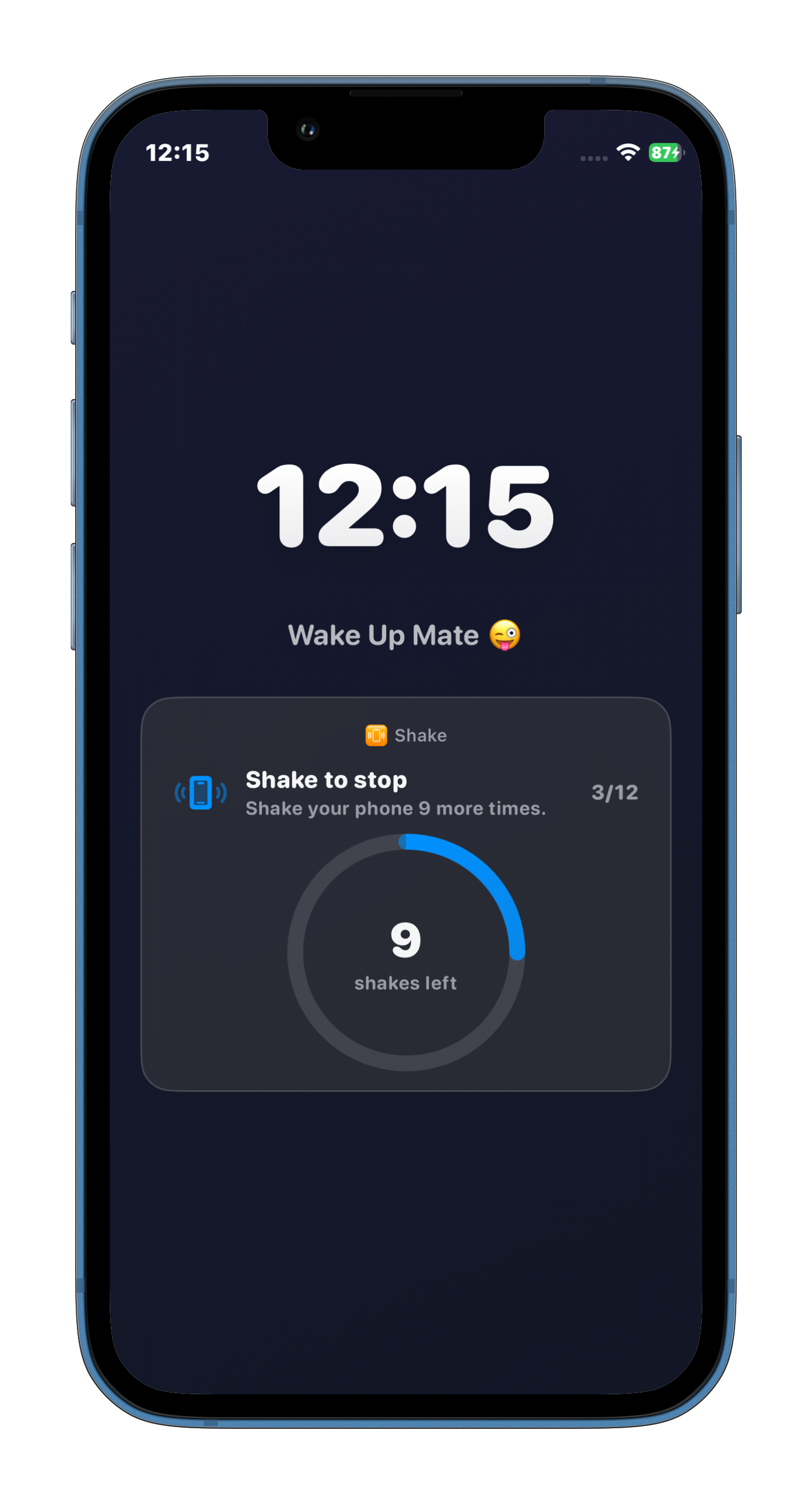
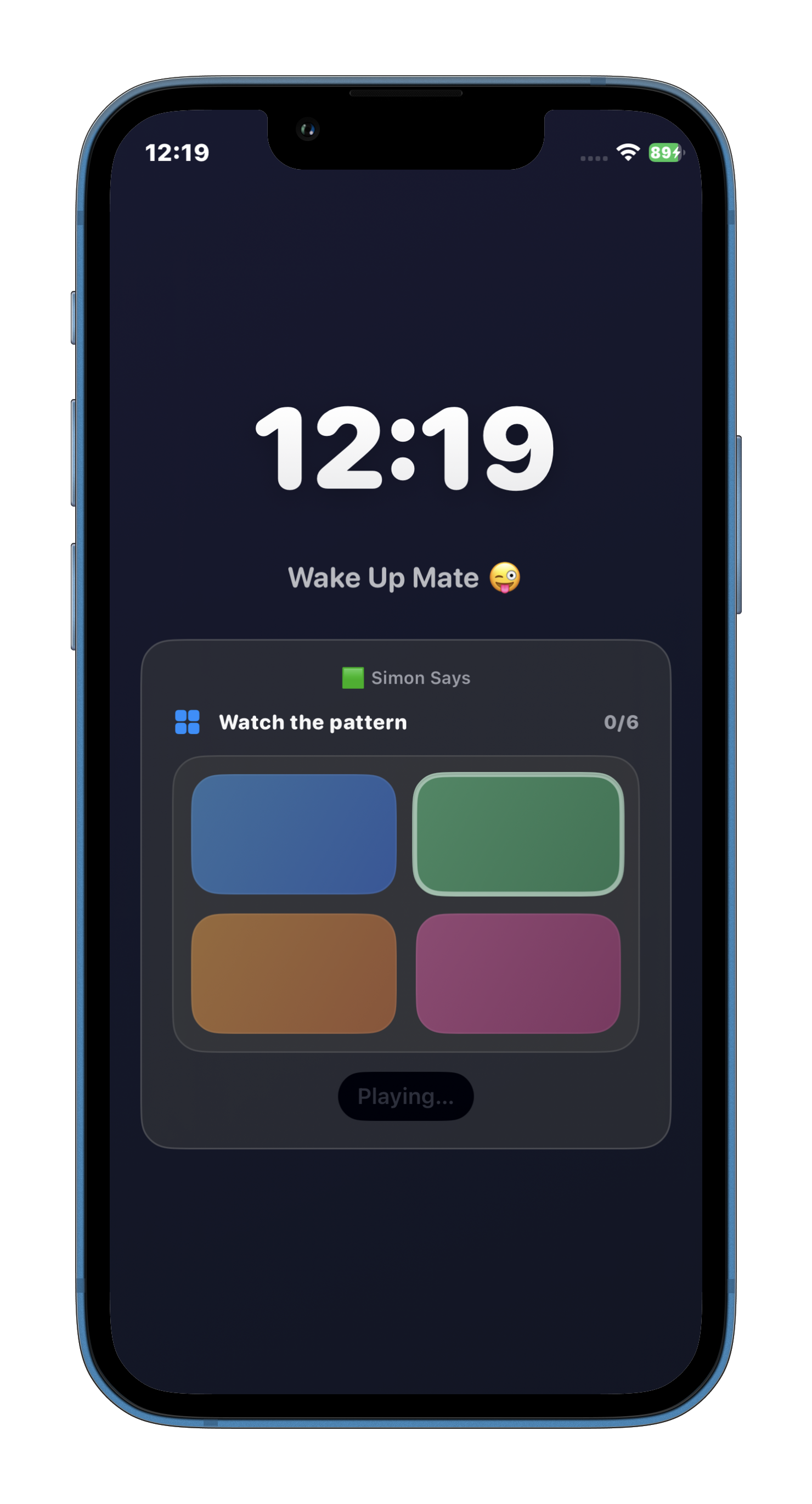
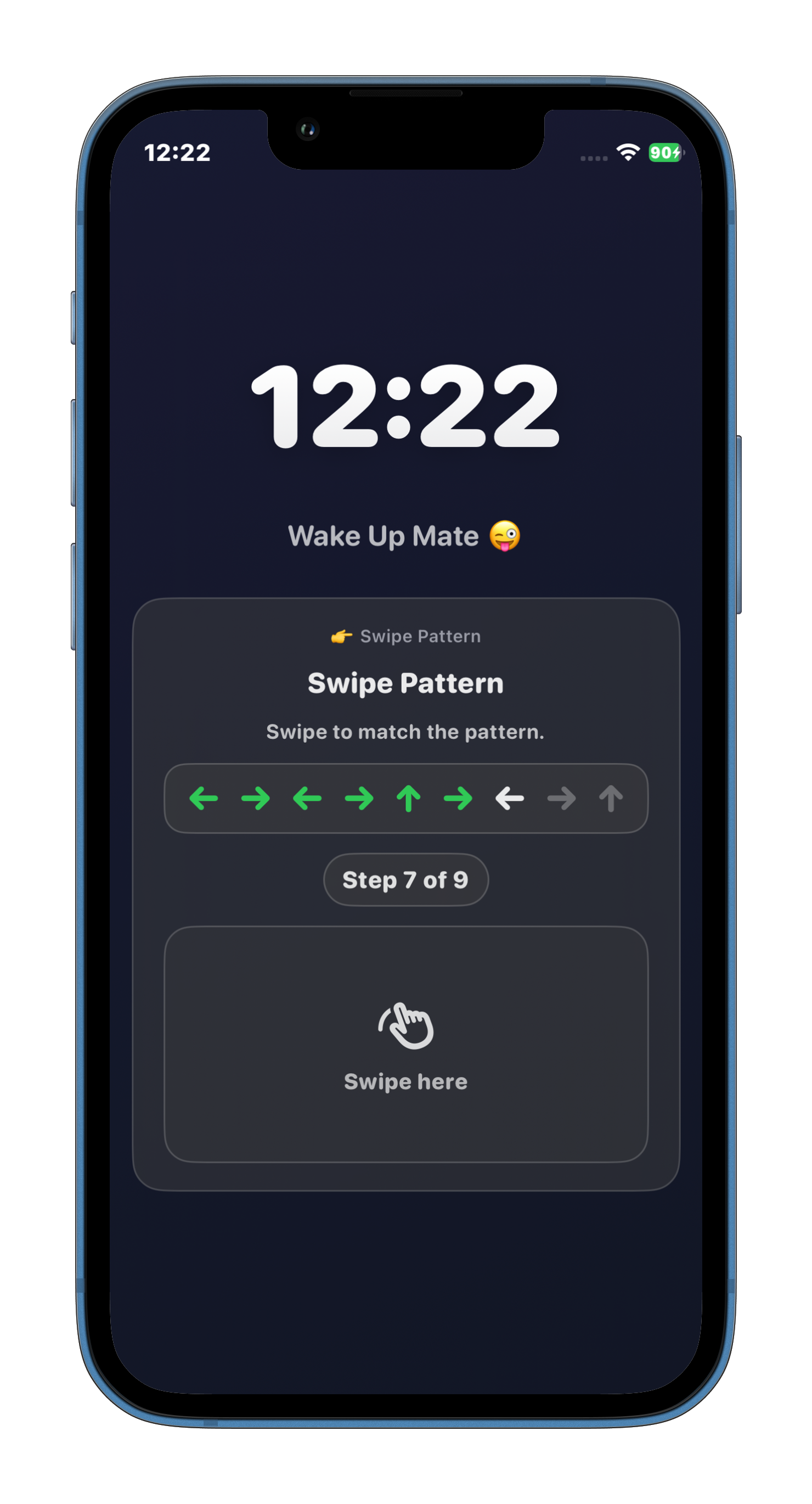
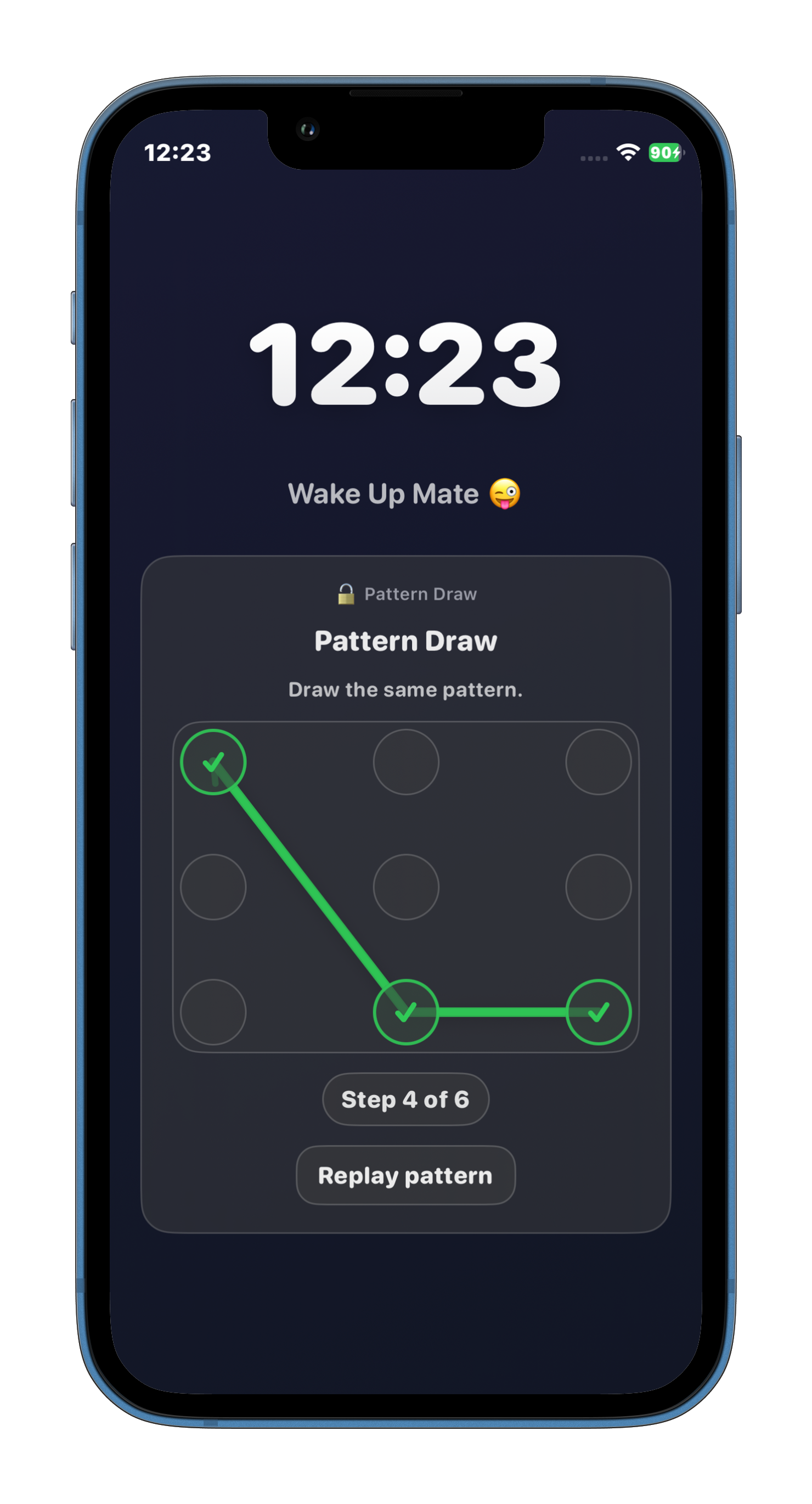
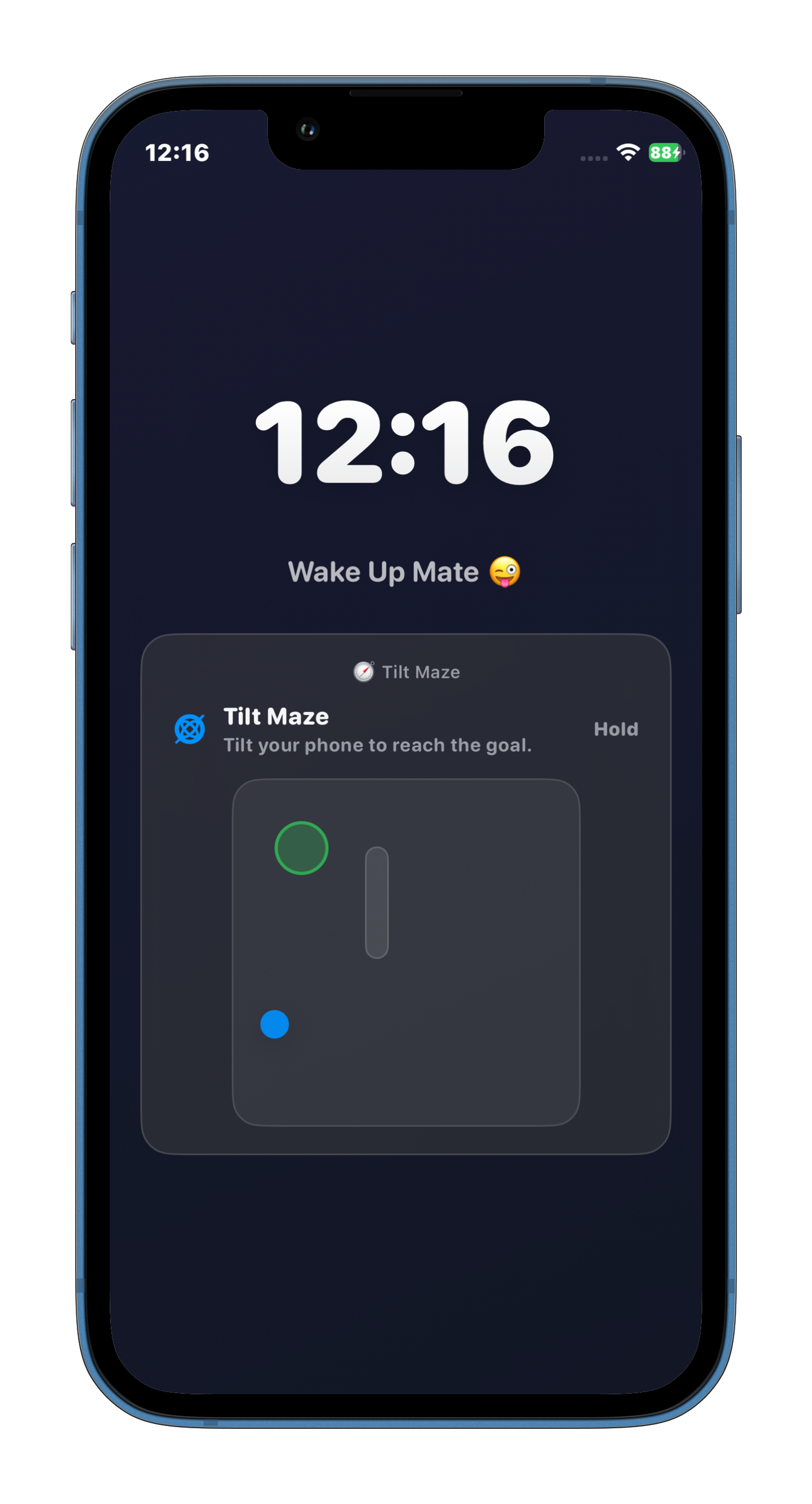
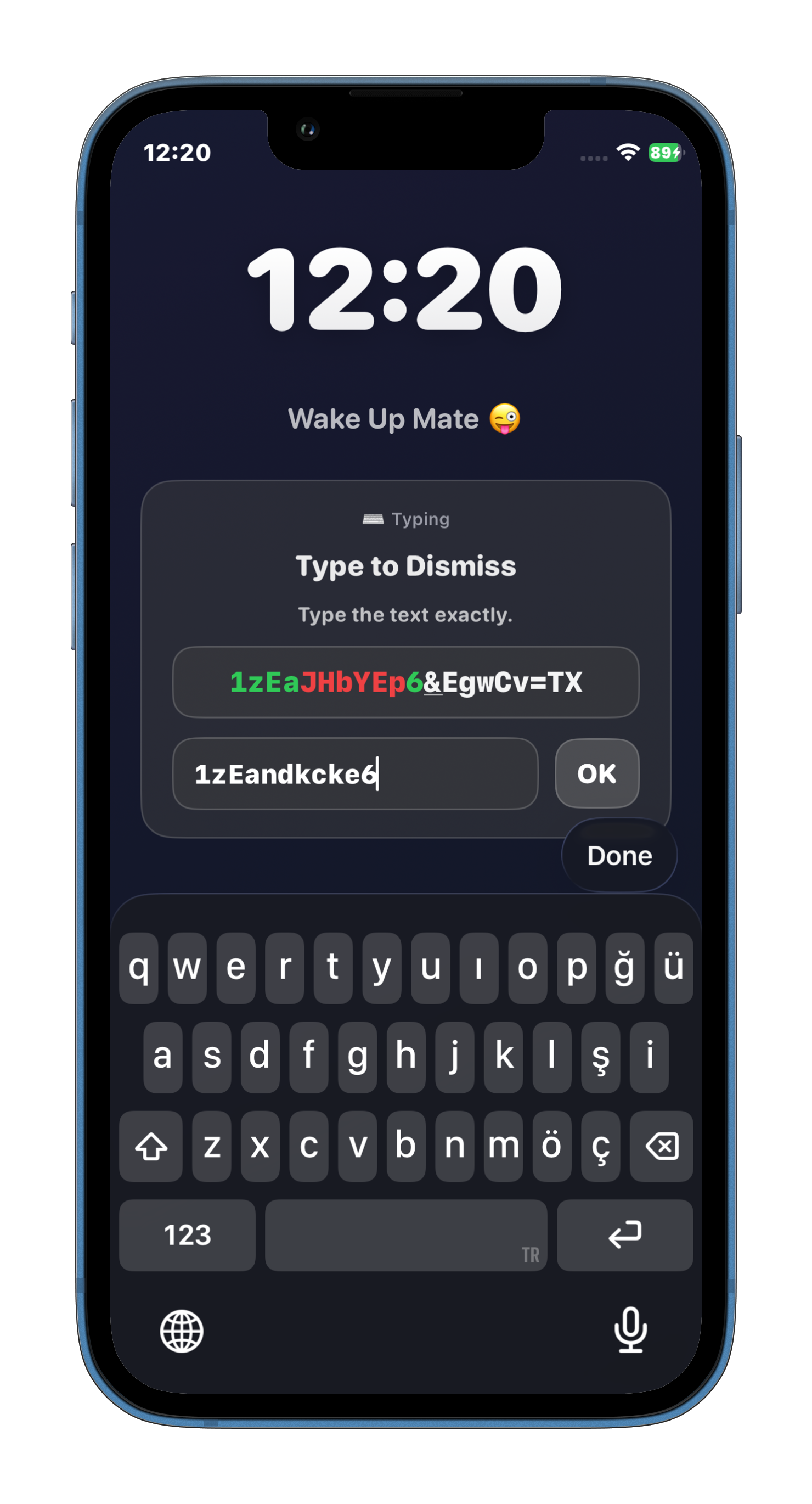
Mission type determines which cognitive system the dismissal challenge engages. Cognitive missions (Math, Typing, Memory Match, Simon Says) engage working memory and executive function — the systems most impaired by sleep inertia. Physical missions (Shake, Tilt Maze) engage the vestibular system and motor activation — useful for people who need physical movement to wake up but weaker at preventing cognitive autopilot dismissal. Reaction missions (Reaction Grid, Swipe Pattern) are fast and attention-demanding — effective for people who habituate to slower missions.
Difficulty determines the cognitive gap between 'mission completable while groggy' and 'mission completable while awake.' Easy difficulty creates a small gap — low sleep inertia is sufficient to complete it. Hard difficulty creates a large gap — only genuine wakefulness produces reliable completion. Phone placement determines whether completing the mission requires leaving the bed. In-bed completion is possible with all missions but significantly less effective at preventing return to sleep. Across-the-room placement makes completion a physical commitment, after which returning to bed requires a deliberate decision that your now-awake self is much less likely to make.
Step-by-step optimal setup
Step 1 — Mission selection: Heavy sleepers: Typing or Math (highest cognitive demand). Light sleepers or new users: Reaction Grid or Memory Match (engaging but lower frustration risk at first). Physical responders: Shake as primary, Tilt Maze as rotation partner. Step 2 — Difficulty: Heavy sleepers: start at Hard. Light sleepers: start at Medium, increase to Hard after one week if Medium feels easy. Never start at Easy unless you're using it as a brief evaluation period — Easy is typically insufficient for anyone with a meaningful snooze problem.
Step 3 — Phone placement: Place the phone on a desk, dresser, or surface across the room. If the phone is within arm's reach from bed, move it further. The target is a placement that requires getting your feet on the floor before you can interact with the phone. Step 4 — Rotation schedule: Change mission every two to three days, cycling through at least two different category types per week (e.g., cognitive Monday-Wednesday, physical Thursday-Friday, reaction Saturday-Sunday). Set a weekly phone reminder to change your mission if you need an external prompt.
Frequently Asked Questions
For heavy sleepers: Math at Medium. It's cognitively demanding, widely understood, and gives you an immediate sense of whether task-based dismissal works for you. For light sleepers or anyone unsure: Reaction Grid at Medium — fast, engaging, and lower frustration risk than arithmetic first thing. After one week on either, evaluate whether to increase difficulty or switch to a different mission type.
Start with one mission for the first week to establish the habit and confirm the setup works for your sleep patterns. Beginning with daily rotation can make it harder to identify whether the system is working because too many variables are changing. After a week of consistent performance, begin rotating missions every two to three days.
Yes. If you consistently fail the mission on most mornings — not just occasionally, but regularly — the difficulty is too high and is creating frustration that will cause you to abandon the app. The target is 'hard enough to prevent completion while sleep-impaired, easy enough to complete reliably once genuinely awake.' If you're failing more than once or twice a week consistently, reduce difficulty by one level.
Set up for maximum effectiveness — starting tonight
Free to download. Takes 60 seconds to set up. No subscription, no account needed.
Download Alarm Arcade — Free