 Alarm Arcade
How to stop hitting snooze every morning
Snoozing isn't a discipline problem — it's a design problem. If the alarm is easy to silence, you'll silence it before you're conscious. This guide explains why snoozing happens and gives you a concrete, hardware-and-software solution that makes it mechanically harder.
The snooze reflex is driven by sleep inertia — the neurological state that follows abrupt waking from deep sleep. During sleep inertia, your prefrontal cortex (the part responsible for deliberate decision-making) is still offline. Your limbic system (impulse and comfort-seeking) is already running. The result: your hand reaches for the alarm and silences it before your conscious mind has any say. Willpower can't override this because willpower is a prefrontal cortex function that isn't available yet.
The solution is not to try harder — it's to change the mechanics. If silencing the alarm requires completing a task that your groggy brain can't execute on autopilot, the snooze reflex fails. You can't snooze what you can't dismiss without genuine engagement. That's the core design principle behind mission-based alarms, and it's the approach that actually works for people who have exhausted other strategies.
Who This Is For
- People who hit snooze every day despite genuinely wanting to wake up earlier
- Chronic snoozers who've tried putting the phone across the room with no lasting effect
- Students who keep being late despite setting early alarms
- People who've read 'just go to bed earlier' advice and found it insufficient
- Shift workers who can't afford the late start that snooze cycles create
- Anyone who knows they have a snooze problem and is looking for a structural fix, not a motivational one
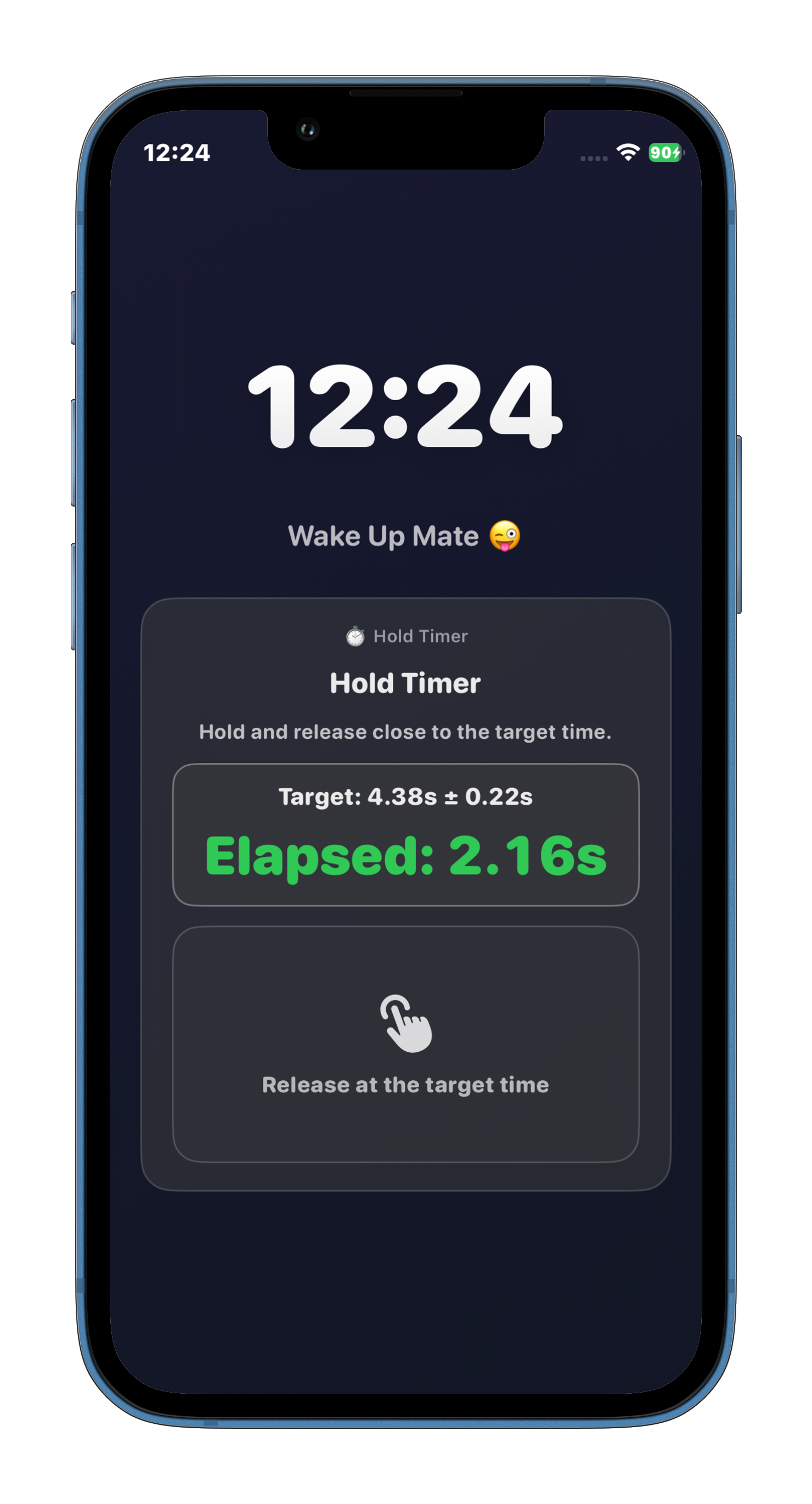
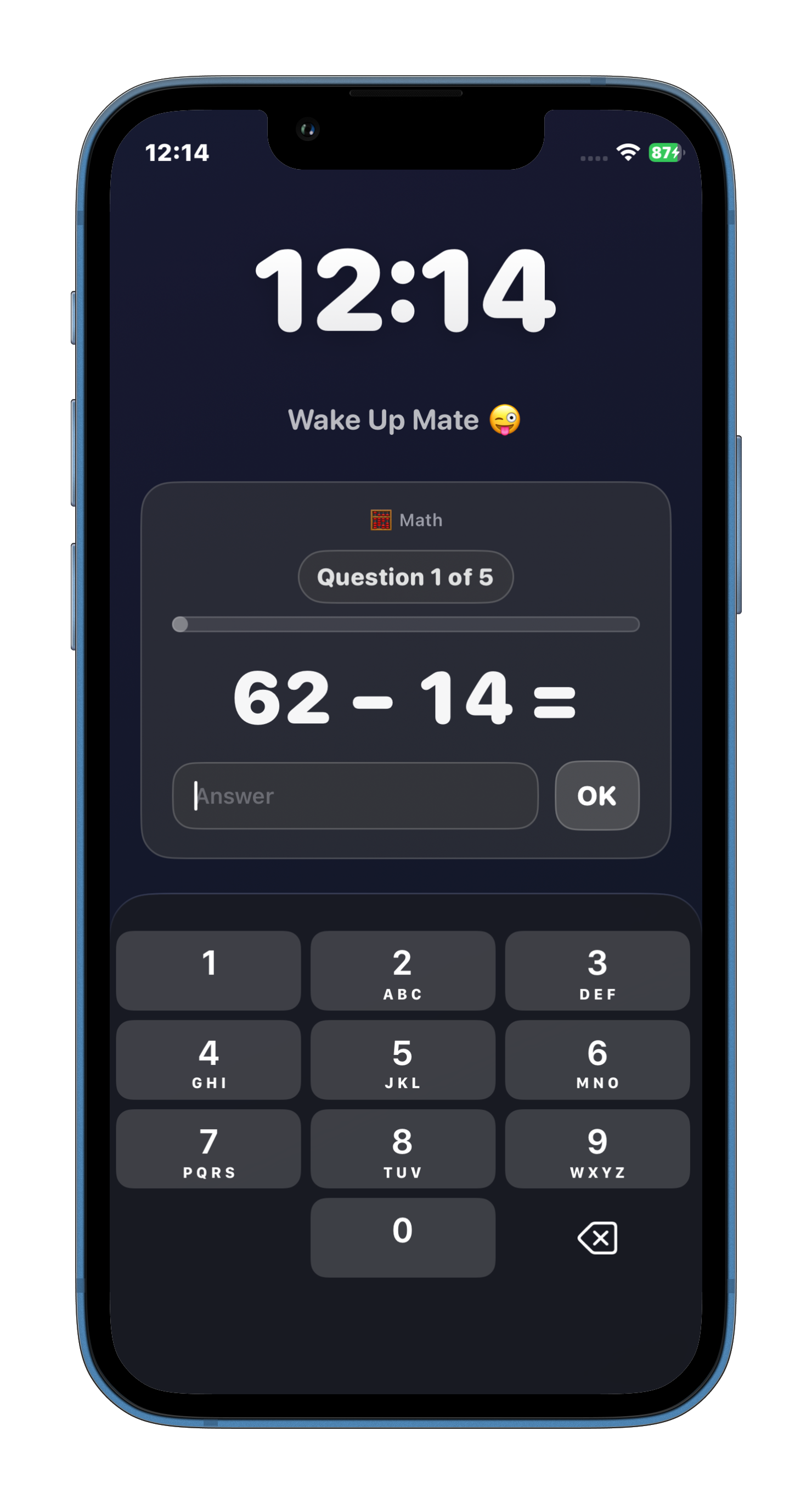
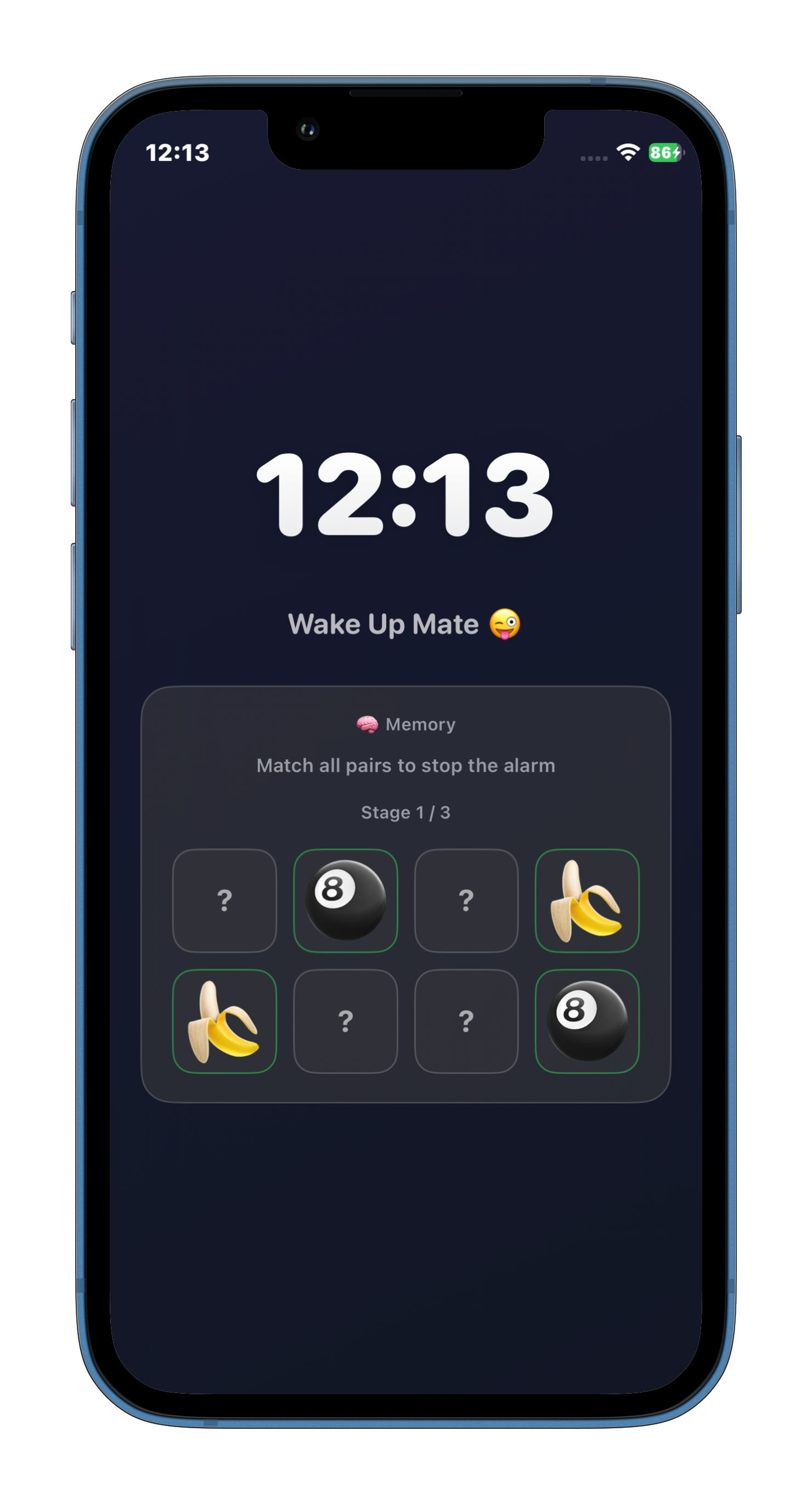
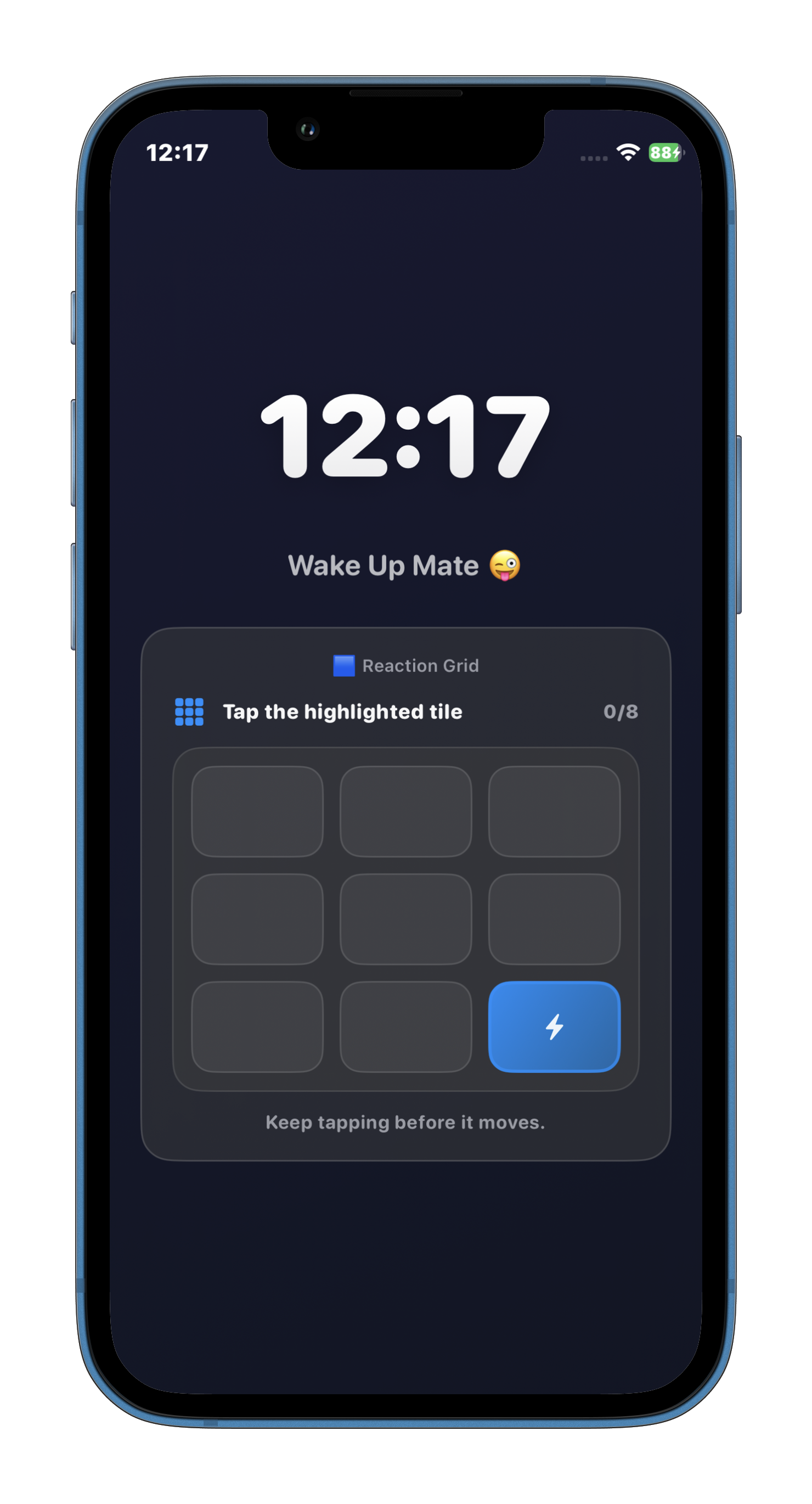
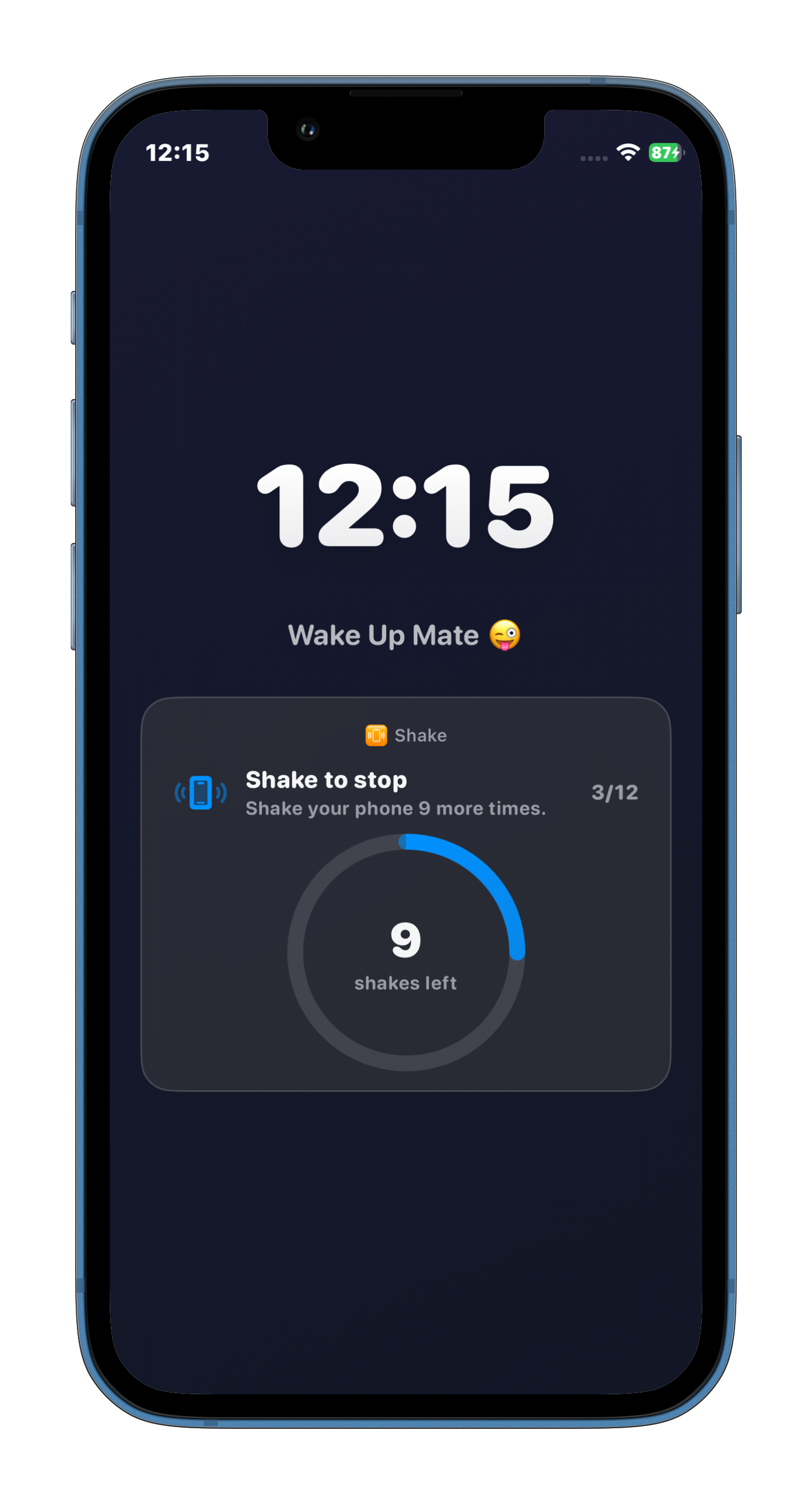
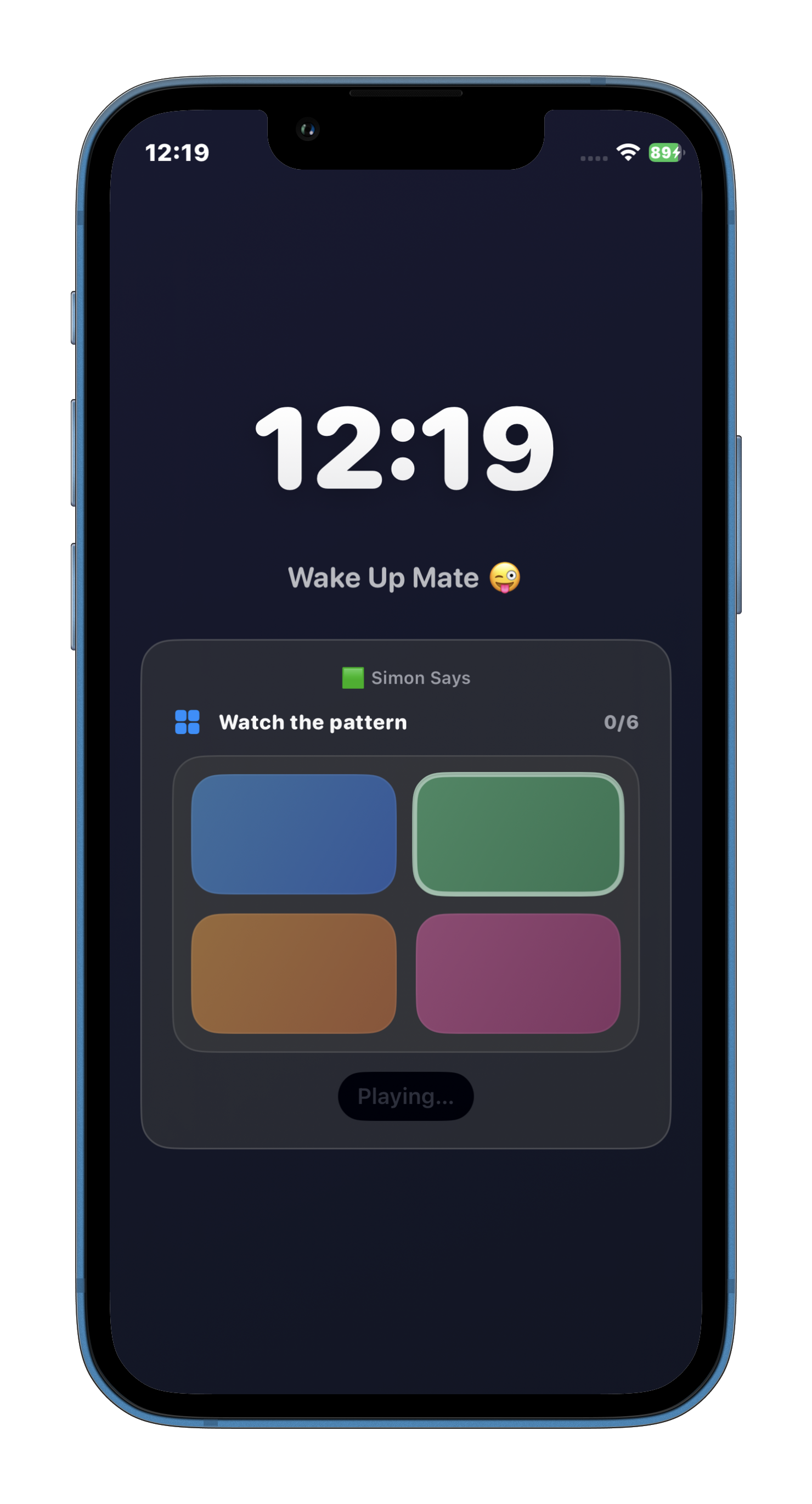
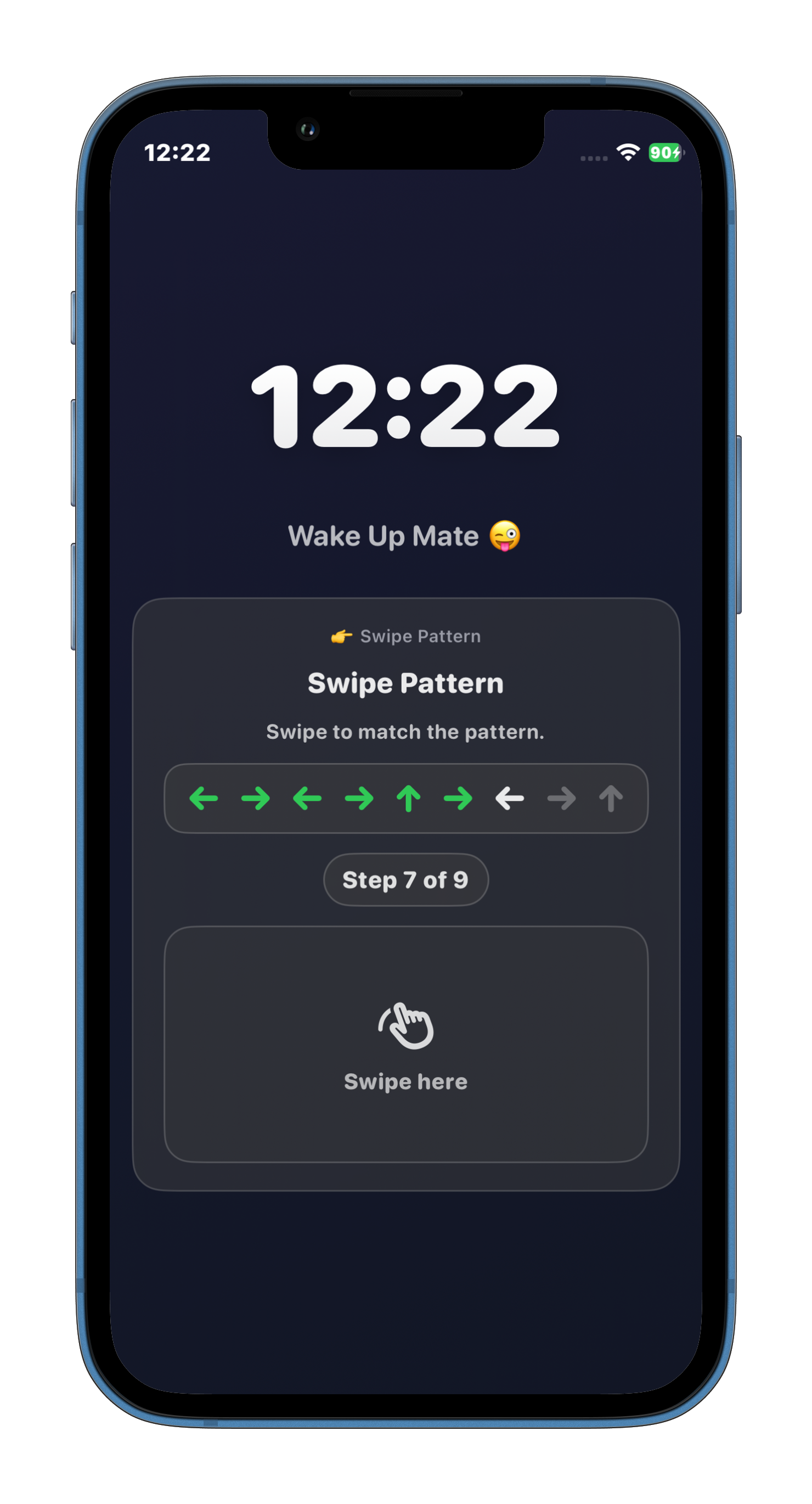
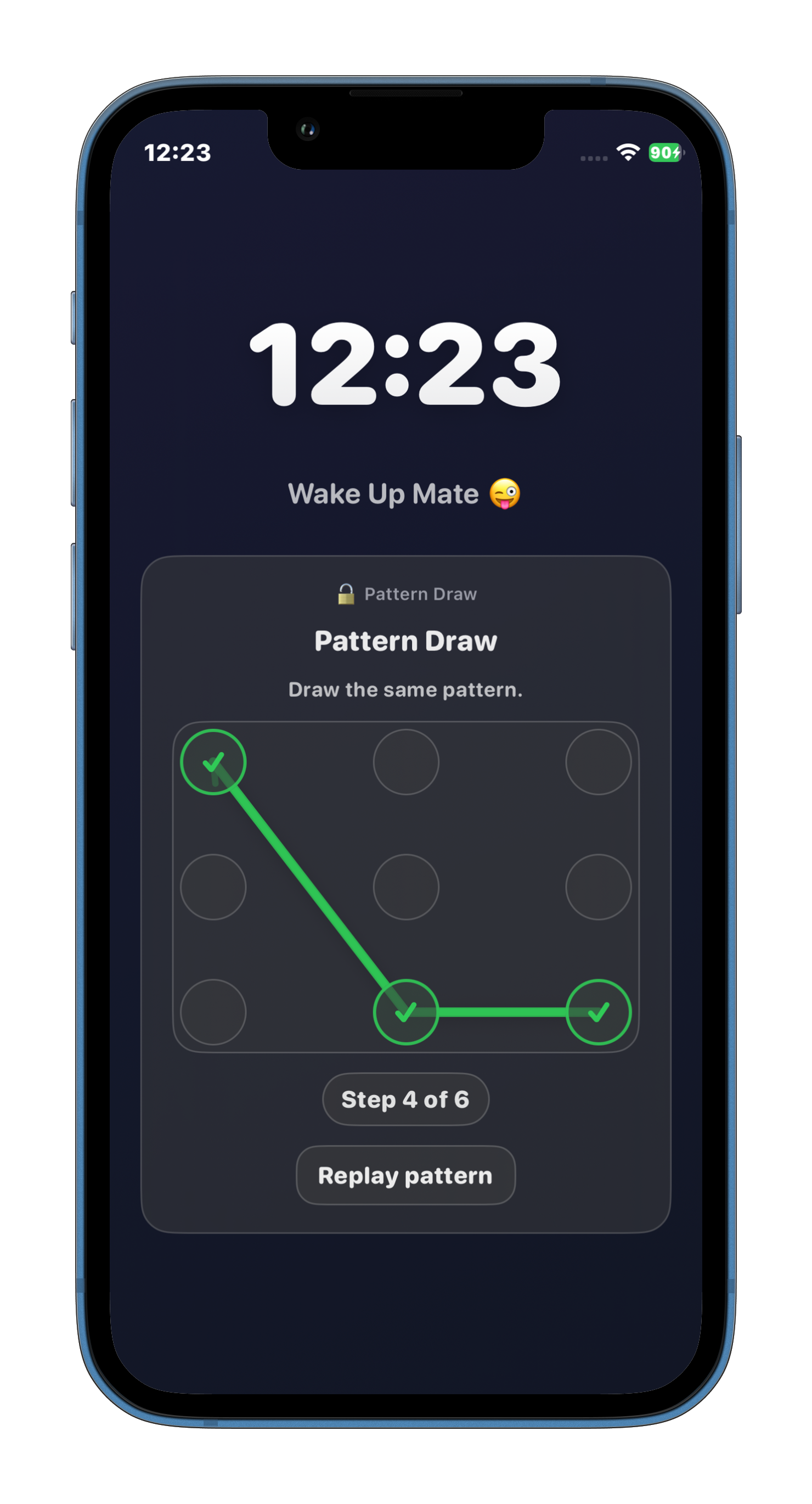
Why Alarm Arcade Works for Chronic snoozers looking for a structural solution
Removes the easy-dismiss path — the only fix that works mechanically
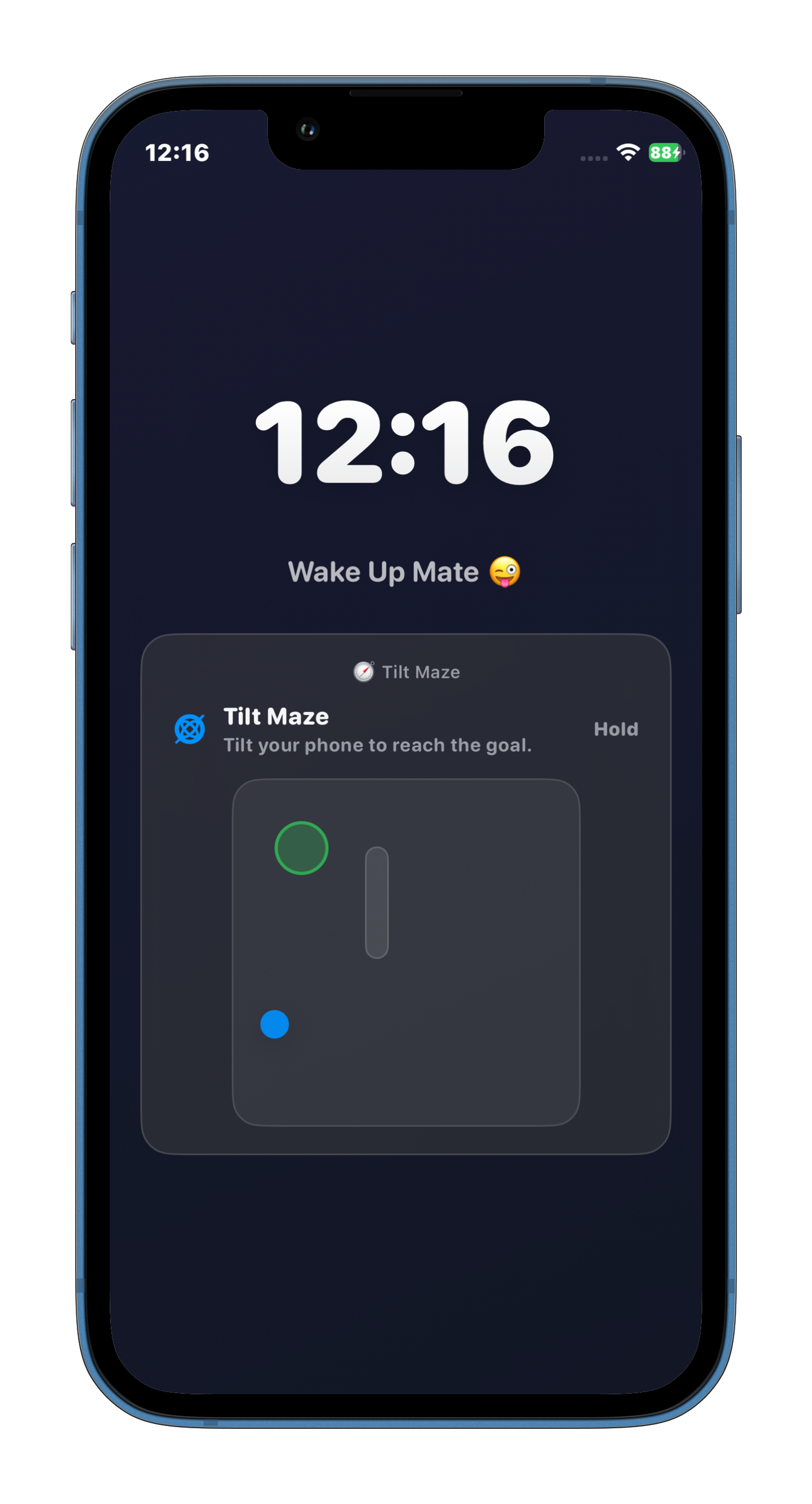
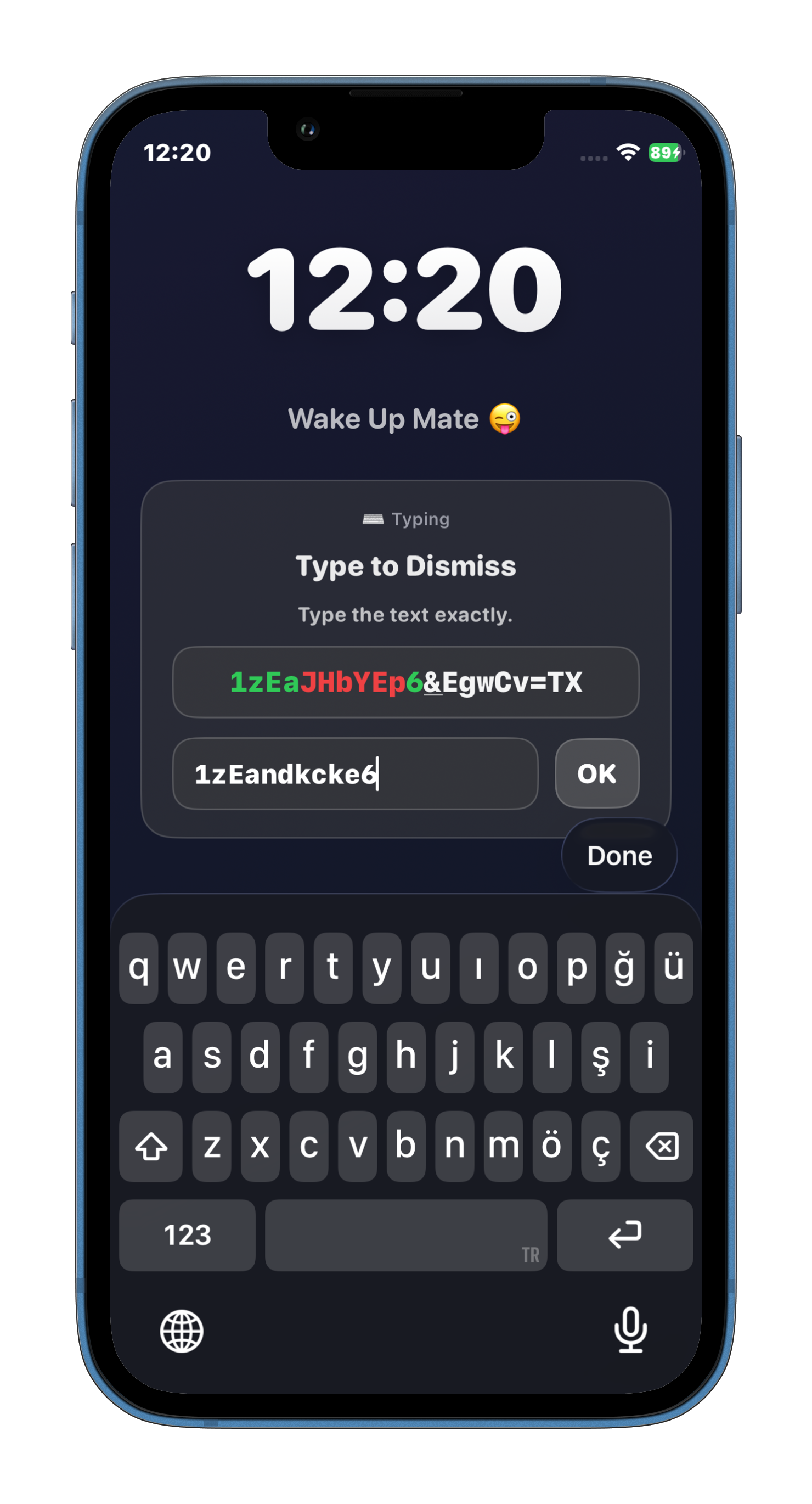
Alarm Arcade requires completing a mission before the alarm stops. There is no one-tap snooze, no swipe-to-dismiss, no shortcut. The snooze reflex requires a path of least resistance — Alarm Arcade removes that path entirely.
Ten missions prevent the task from becoming the new snooze
Task-based alarms can eventually be dismissed on autopilot if the task is always the same. Alarm Arcade's ten missions — across cognitive, physical, and reaction categories — ensure the challenge stays genuinely unpredictable through regular rotation.
Works offline, no account — no failure points at 6 AM
The last thing a chronic snoozer needs is a system that sometimes fails. Alarm Arcade runs entirely on-device with no internet dependency and no login requirements. It fires when it's supposed to, every time.
Why willpower alone doesn't work — and what does
| Feature | Alarm Arcade | Alarmy | iPhone Clock |
|---|---|---|---|
| No subscription required | ✓ | ✗ | ✓ |
| Game-based dismissal | ✓ | ✓ | ✗ |
| Works offline (no account) | ✓ | ✗ | ✓ |
| Pricing | $1.49 one-time | $4.99/mo | Free |
| Multiple mission types | ✓ | ✓ | ✗ |
The science behind why you keep hitting snooze
Sleep inertia is the disorientation, grogginess, and impaired judgment that follow abrupt waking. It peaks in the first few minutes after the alarm fires and can last 15–30 minutes in severe cases. During this window, your brain's executive functions are suppressed — you are literally less capable of deliberate decision-making than you were an hour earlier while asleep in a lighter phase. This is why 'just decide to get up' fails: the decision-making capacity needed to choose getting up over sleeping more isn't available at the moment it's needed.
The snooze button is the perfect exploit of this state. It requires zero cognitive engagement — a tap or a swipe, both of which are habitual motor actions your brain can execute during sleep inertia without conscious instruction. Each snooze cycle also worsens the problem: fragmenting sleep in 9-minute intervals prevents the deeper sleep stages from completing, leaving you groggier at each subsequent alarm than you would have been if you'd simply stayed asleep. The multi-alarm snooze strategy isn't just ineffective — it actively makes waking up harder.
Step-by-step fix using Alarm Arcade
Step 1: Delete your snooze stack. Turn off all backup alarms except one. Multiple alarms give your brain permission to ignore the first one, the second one, and possibly the third. One alarm means the first alarm is the only alarm — which fundamentally changes how your brain processes it. Step 2: Install Alarm Arcade and set your one alarm at the actual time you need to be awake — not a buffer time. Assign Math or Typing as your first mission at Medium difficulty.
Step 3: Put the phone out of arm's reach. Across the room, on a desk, on a high shelf — anywhere that requires you to physically get out of bed. The combination of having to stand up and then complete a mission is significantly more effective than either strategy alone. Step 4: Commit to one week. The first few mornings with a mission-based alarm feel unfamiliar and slightly frustrating. By day four or five, the routine is established and the mission feels like a normal part of waking up. Give it a week before evaluating whether it's working.
Frequently Asked Questions
Physical distance helps, but it doesn't change the dismissal mechanic. You can sleepwalk across the room, tap dismiss, and walk back to bed — and many chronic snoozers do exactly this with no memory of it afterward. Physical distance reduces the likelihood of this; mission-based dismissal makes it nearly impossible because you can't dismiss without completing a cognitive task that your sleep-walking brain cannot execute.
The alarm continues until the mission is completed — there's no give-up option. The persistence of the alarm is the enforcement mechanism. Yes, this is unpleasant on a very tired morning. That discomfort is the point: it's more unpleasant than actually completing the mission, which motivates completion. Choose a difficulty level where failure is occasional rather than frequent — the goal is challenging, not impossible.
Mission-based alarms address the behavioral component of oversleeping (easy dismissal) but not underlying clinical causes (sleep disorders, circadian rhythm disorders, medication effects). If you suspect a clinical issue is contributing to your sleep problems, a conversation with a doctor or sleep specialist is worthwhile. Alarm Arcade is a behavioral tool, not a medical one — it's most effective when the core issue is dismissal mechanics rather than sleep architecture.
Make snoozing non-negotiable to stop — starting tonight
Free to download. Takes 60 seconds to set up. No subscription, no account needed.
Download Alarm Arcade — Free