 Alarm Arcade
How to build a morning routine if you're a heavy sleeper
For heavy sleepers, building a morning routine has a prerequisite problem that productivity guides skip: you have to actually get up first. This guide addresses the alarm side before the routine side, because a morning routine that starts at 8 AM when you meant to start at 6 AM isn't a routine — it's a recovery.
Heavy sleepers face a specific obstacle that light sleepers don't: deep, slow-wave sleep produces more severe sleep inertia, meaning the grogginess and cognitive impairment at wake-up is more intense and lasts longer. Building a morning routine on top of this requires solving two distinct problems — reliably waking at the intended time, and having enough cognitive function in the first 10–15 minutes to actually execute the routine. Both problems have solutions, but they require different tools.
Most morning routine advice assumes the waking-up problem is solved and focuses on what to do after you're up. For heavy sleepers, that assumption fails. The first tool in a heavy sleeper's morning routine is an alarm system that makes dismissal genuinely difficult. Everything else — exercise, journaling, cold water, sunlight — only works if you're actually awake to do it.
Who This Is For
- Heavy sleepers who have a morning routine they want to follow but can't start it on time
- People who've read morning routine guides but struggle with the first step
- Students trying to establish a consistent morning schedule
- People who wake up groggy and spend the first 30 minutes in a fog
- Anyone who's tried morning routines and abandoned them because of inconsistent wake times
- Heavy sleepers who want a realistic, heavy-sleeper-specific approach to mornings
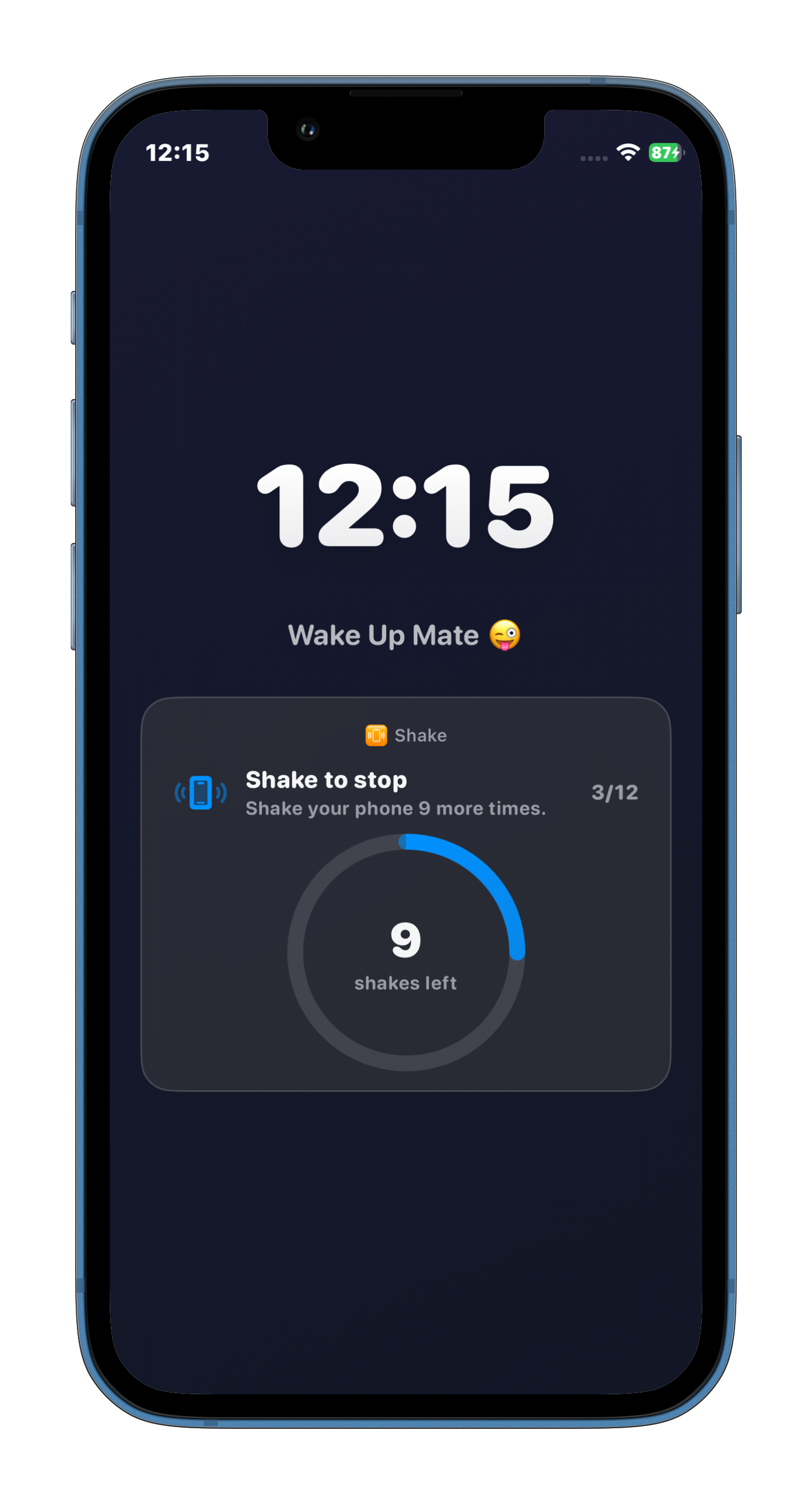
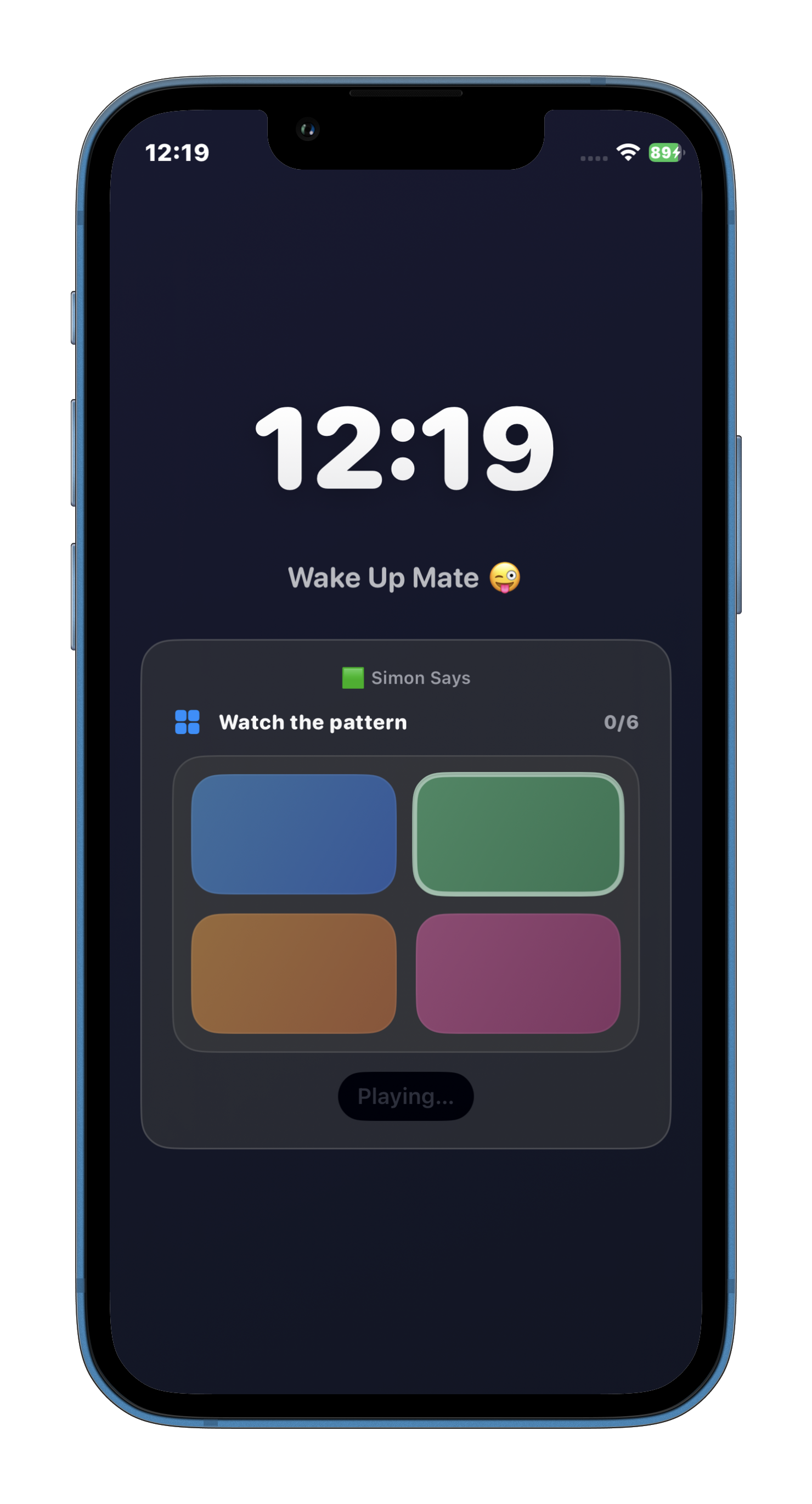
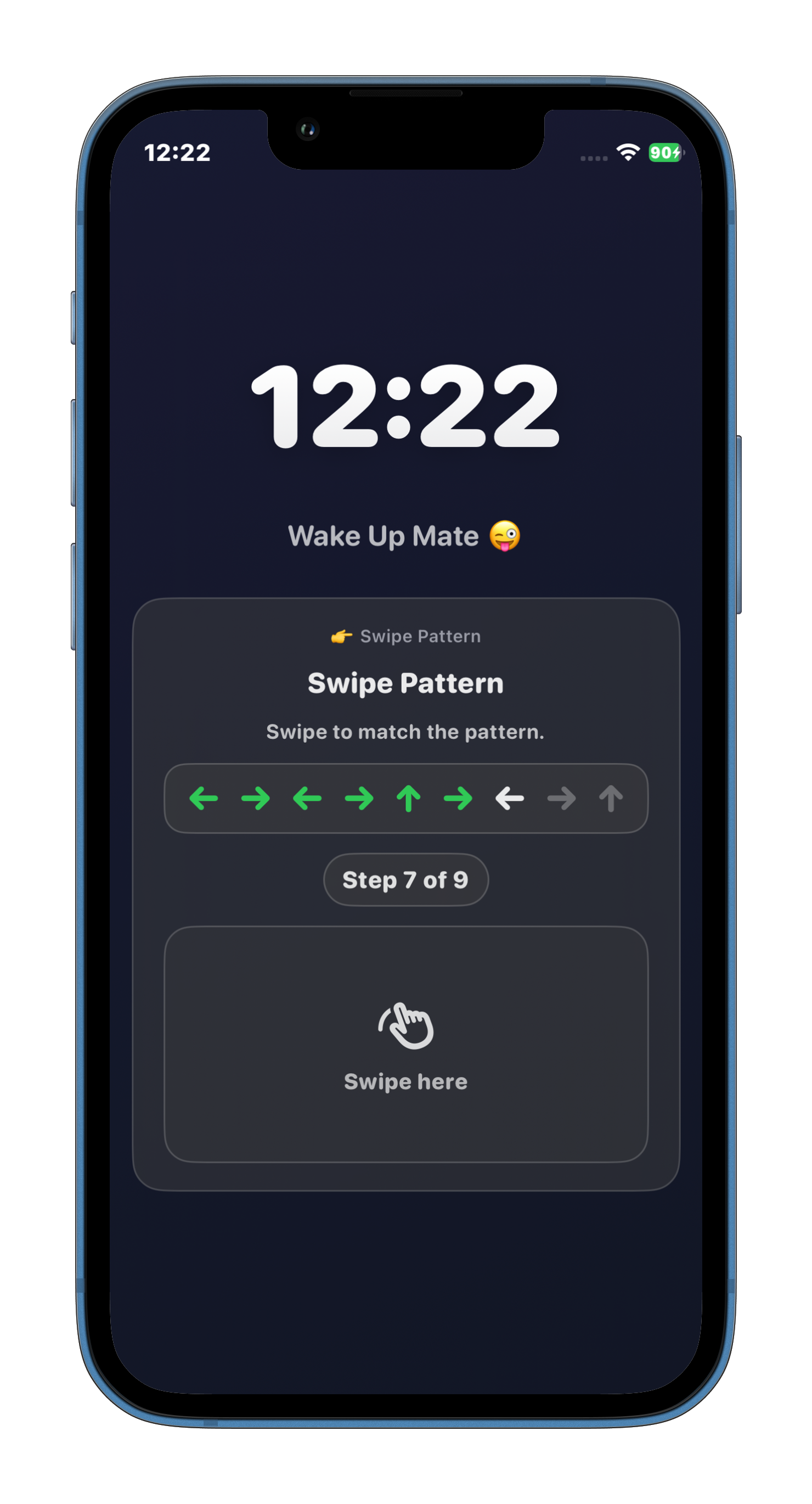
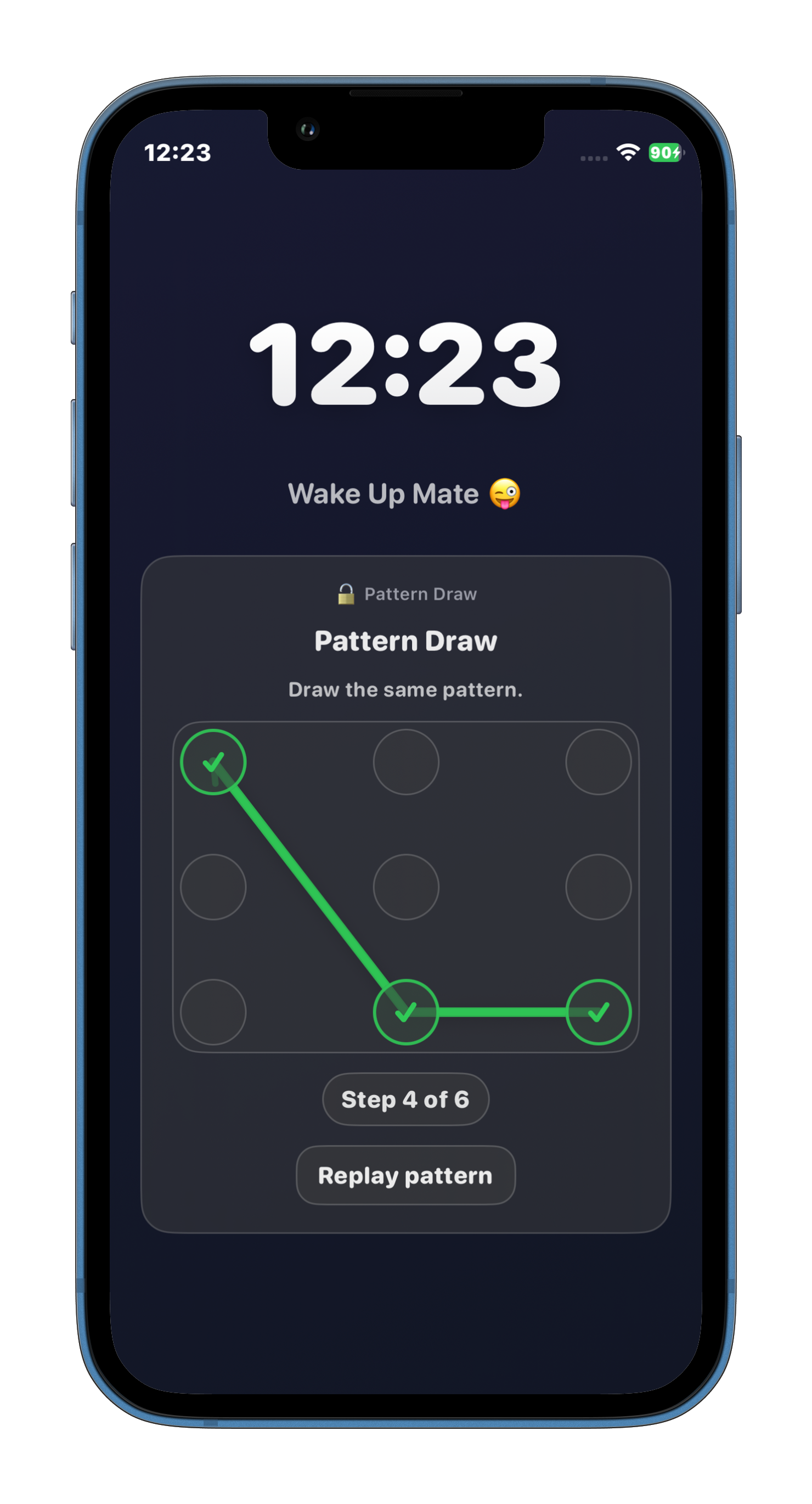
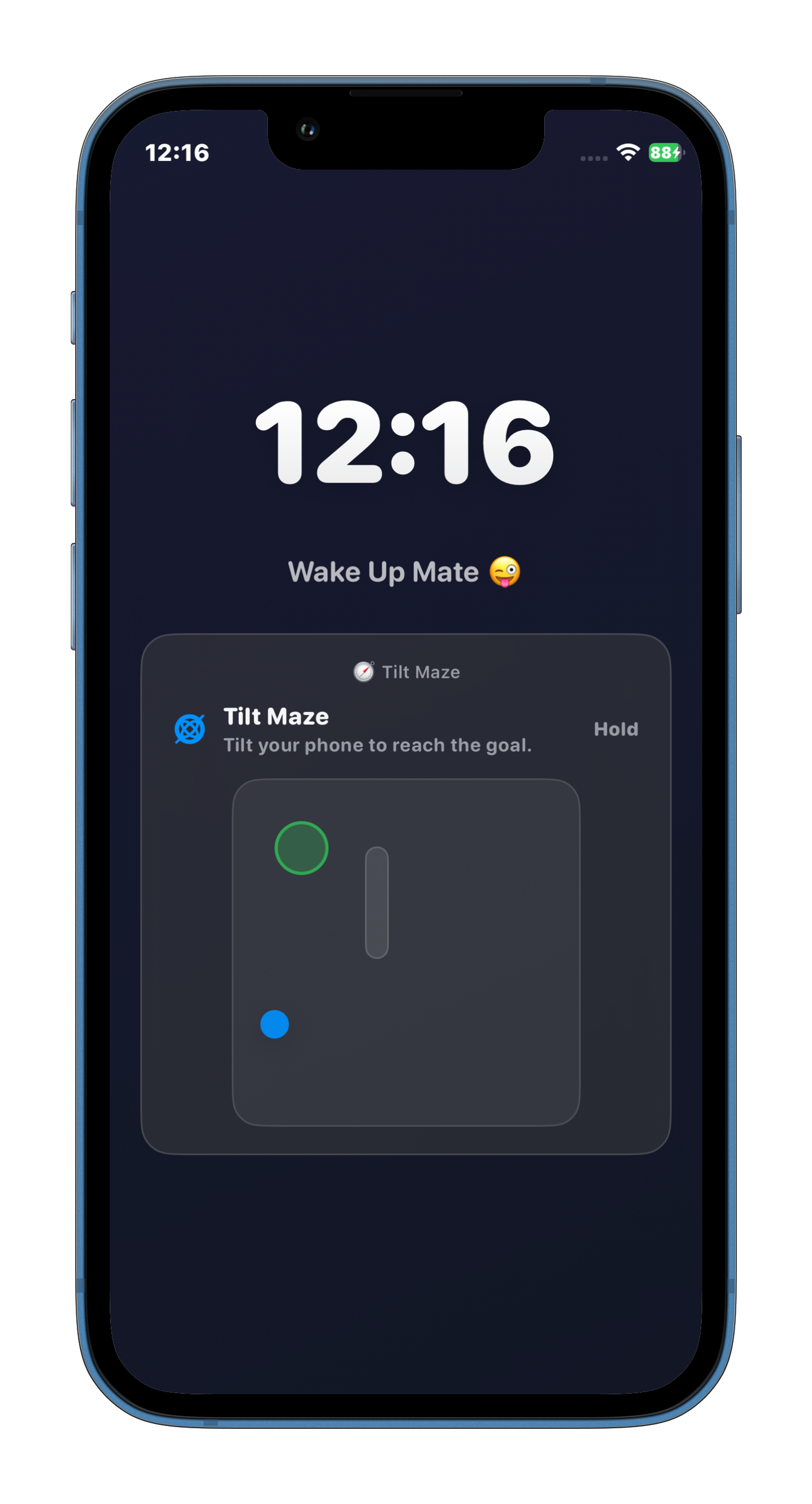
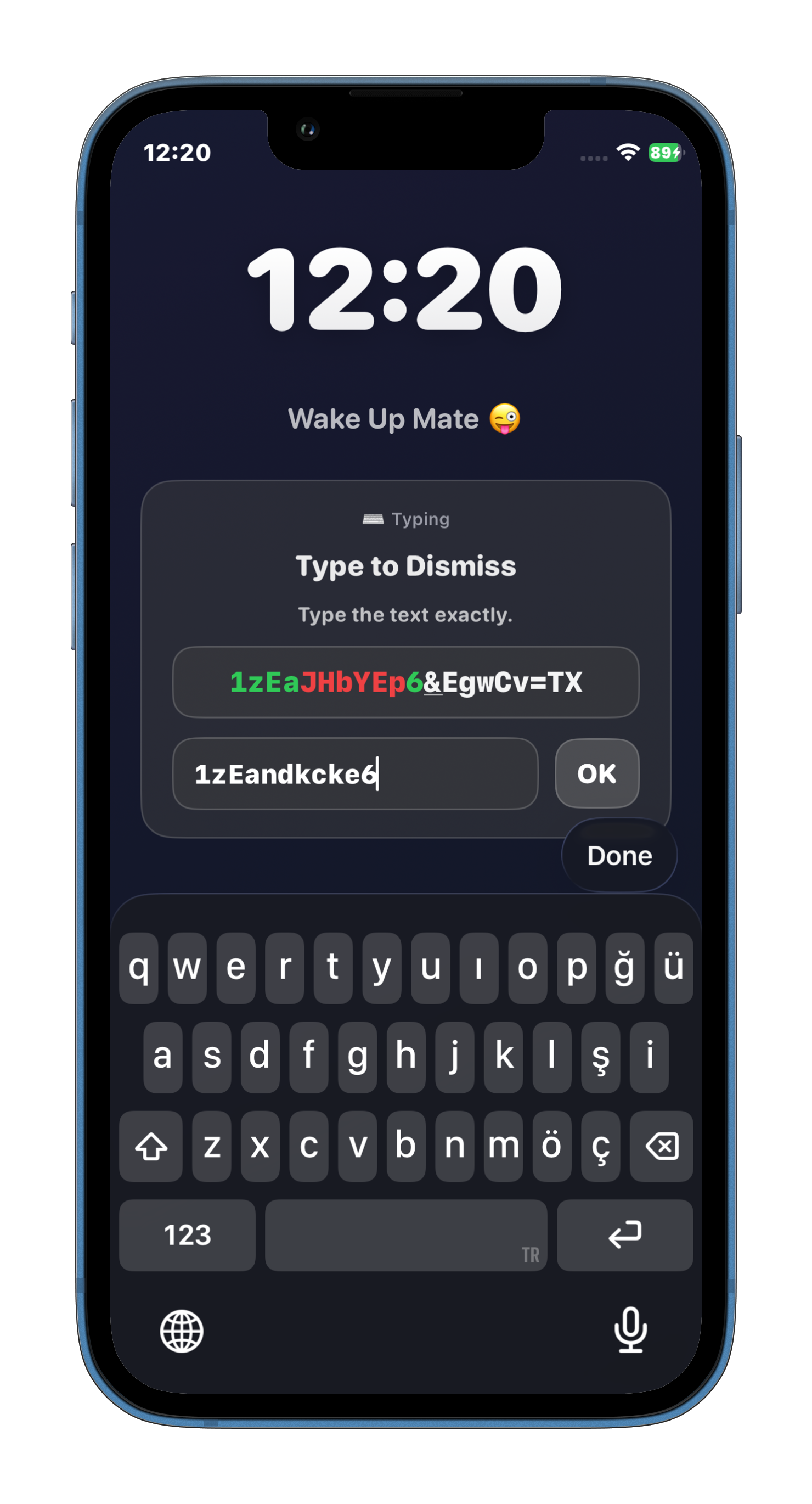
Why Alarm Arcade Works for Heavy sleepers trying to establish a morning routine
Solves the prerequisite — getting up — before anything else
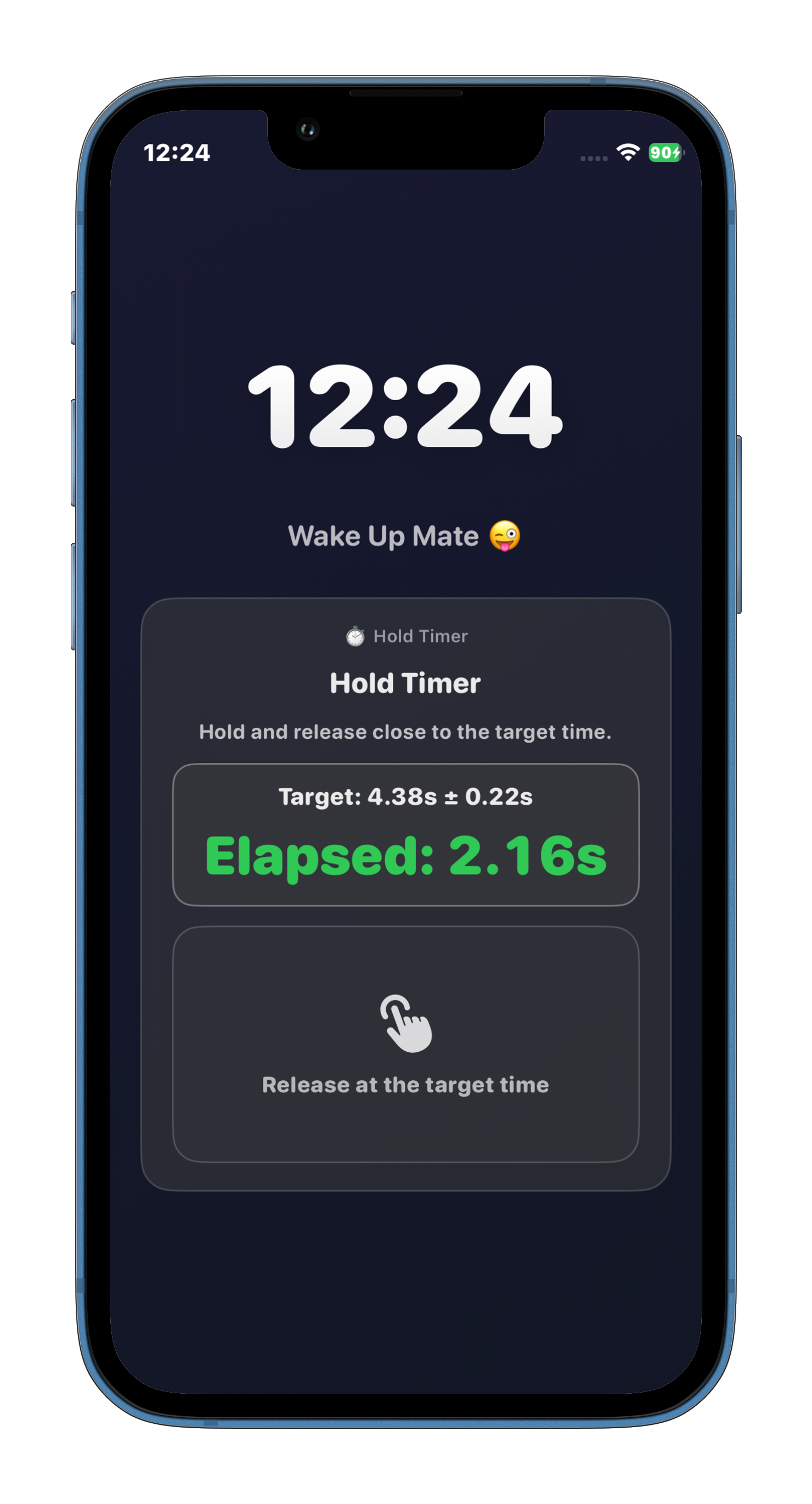
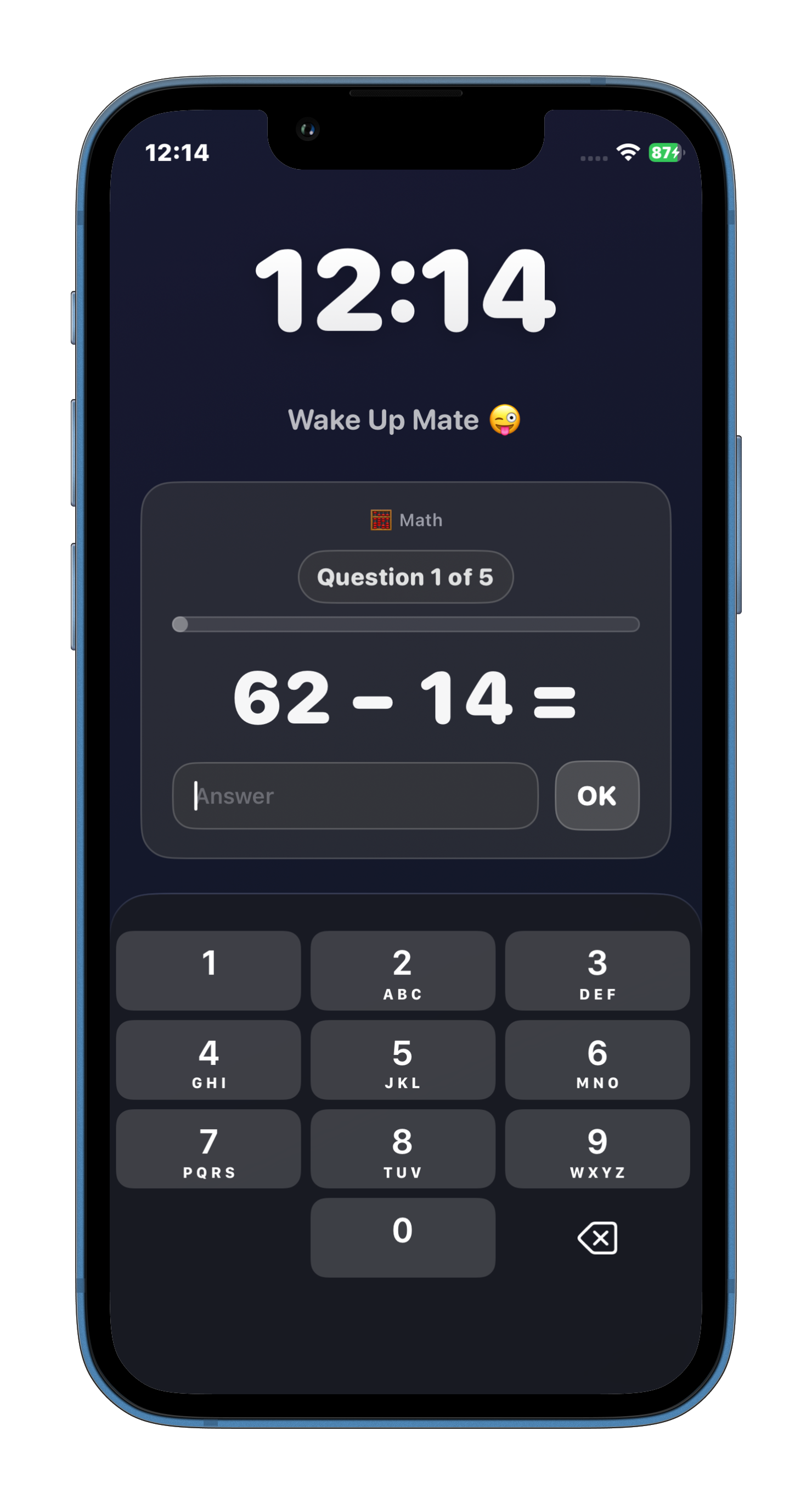
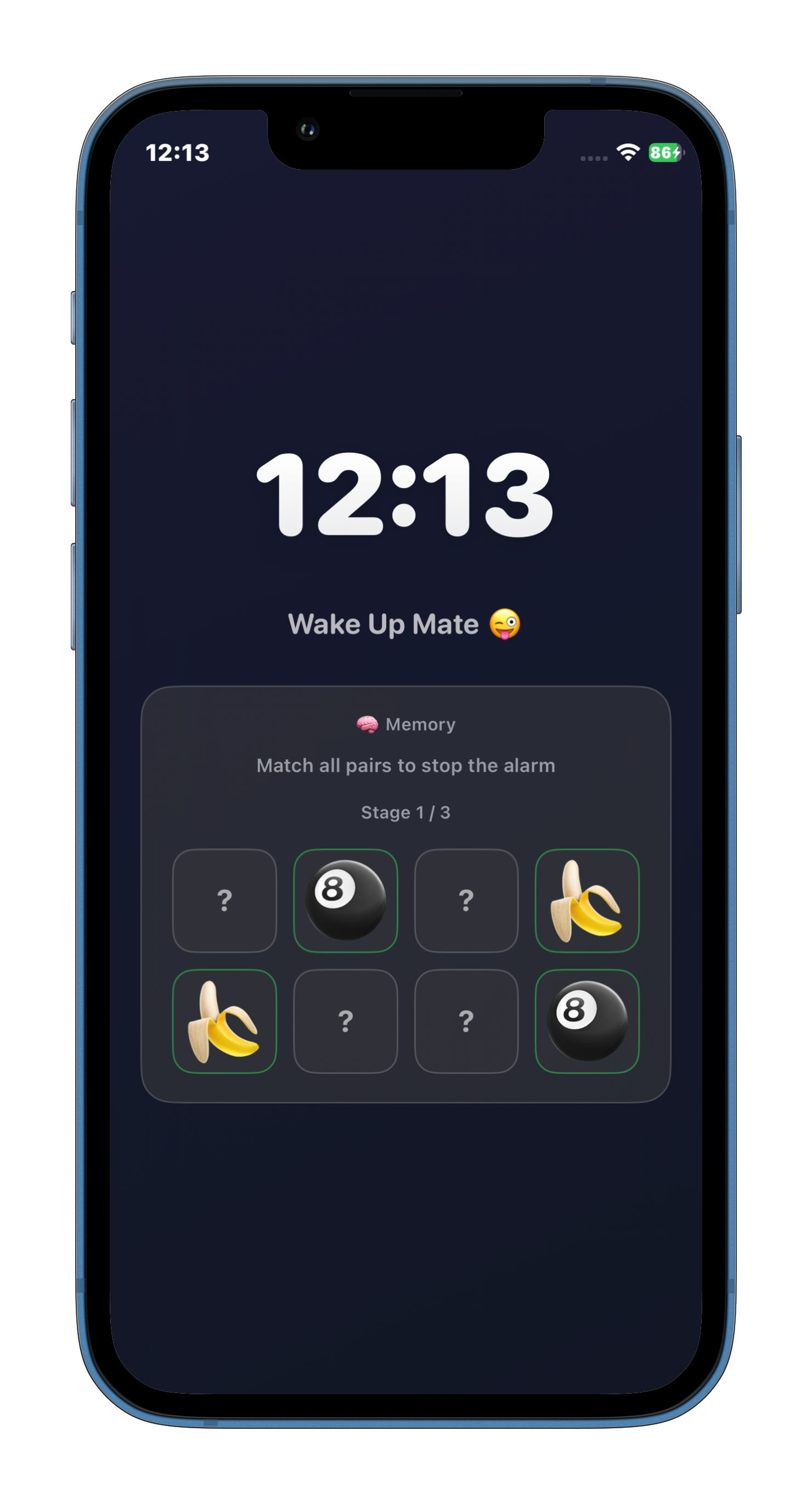
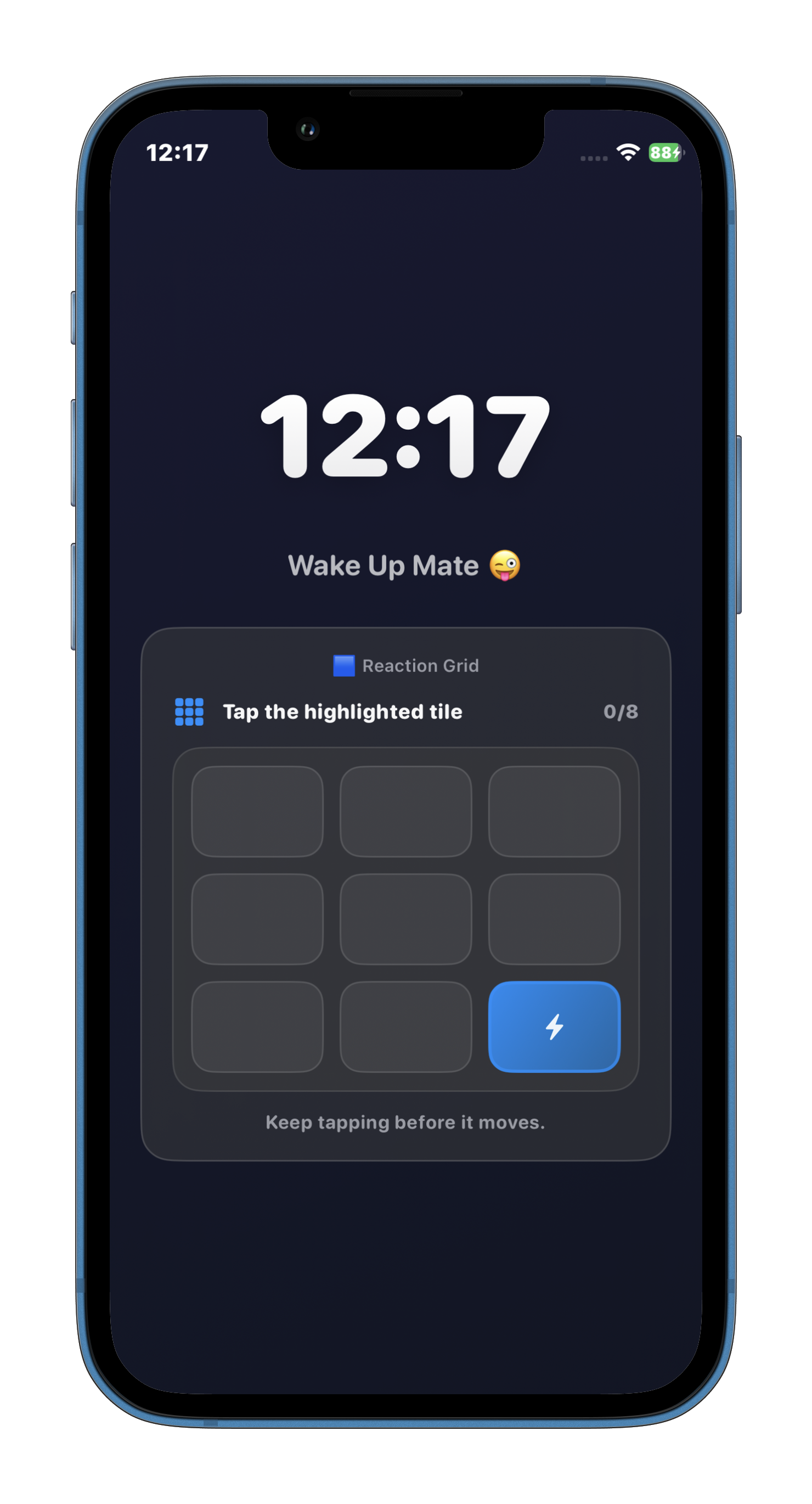
Alarm Arcade's mission-based dismissal is the first step of a heavy sleeper's morning routine. It ensures you're cognitively engaged before the alarm stops, which puts you in a better state to execute whatever comes next. You can't journalize or exercise your way to a better morning if you don't get out of bed.
The mission activates your brain before your routine begins
Completing a Math or Typing mission requires prefrontal cortex engagement. That engagement doesn't stop when the alarm does — it carries forward into the first minutes of your morning. A heavy sleeper who completes a cognitive mission before getting out of bed is in a measurably more alert state than one who tapped dismiss and stumbled to the bathroom.
Consistent wake time is the foundation of any reliable routine
A morning routine is only a routine if it starts at the same time. Mission-based dismissal creates the consistent wake anchor that everything else hangs on. Once the wake time is reliable, the rest of the routine can be built predictably.
Why willpower alone doesn't work — and what does
| Feature | Alarm Arcade | Alarmy | iPhone Clock |
|---|---|---|---|
| No subscription required | ✓ | ✗ | ✓ |
| Game-based dismissal | ✓ | ✓ | ✗ |
| Works offline (no account) | ✓ | ✗ | ✓ |
| Pricing | $1.49 one-time | $4.99/mo | Free |
| Multiple mission types | ✓ | ✓ | ✗ |
The science of sleep inertia and why morning routines fail for heavy sleepers
Slow-wave sleep (deep sleep, stages 3 and 4) is harder to wake from and produces more severe sleep inertia when disrupted. Heavy sleepers tend to spend more time in slow-wave sleep and cycle through it more deeply — which is why they sleep soundly through sounds that wake light sleepers, and why they feel more disoriented and groggy when finally awoken. This isn't a deficit; deep sleep is associated with better physical recovery and memory consolidation. The tradeoff is harder waking.
Sleep inertia in heavy sleepers can last 15–30 minutes and impairs attention, working memory, and decision-making during that window. This is why the first activities of a heavy sleeper's morning routine matter: passive activities (scrolling phone, watching TV) prolong sleep inertia; active activities (exercise, cold water, bright light, cognitive engagement) accelerate recovery from it. A mission-based alarm kickstarts cognitive engagement immediately, which shortens the sleep inertia window and makes the rest of the routine more accessible.
Step-by-step setup for heavy sleepers
Step 1: Alarm setup. Install Alarm Arcade. Set one alarm at your target wake time with Typing or Math at Medium or Hard difficulty. Put the phone across the room. Delete all backup alarms — they undermine the system. This is your only alarm, and it requires cognitive engagement to stop. Step 2: First 5 minutes after the mission. Complete the mission standing up (not in bed). After the mission, immediately expose yourself to bright light — open blinds, turn on overhead lights, or step outside. Bright light is the fastest environmental cue for suppressing sleep inertia.
Step 3: First 10–15 minutes. Cold water on your face, a glass of water, or 5 minutes of light movement (walking, stretching). These physical inputs accelerate the cardiovascular and temperature shifts that signal wakefulness. Choose the one with the lowest setup friction — if a glass of water is easier than going outside, start there. Step 4: The actual routine. Only add habit stack elements (exercise, journaling, reading, preparation) after you've confirmed that Steps 1–3 are working consistently. Build from a reliable wake time and a clear first 15 minutes. Add complexity once the foundation is solid.
Frequently Asked Questions
Three to four weeks to establish consistent waking; six to eight weeks for the full routine to feel automatic. The first week is the hardest — sleep inertia is at its worst when the wake time is new. By week two, the consistent wake time starts to feel less physically aversive. By week four, the routine has enough momentum that skipping it feels strange rather than appealing.
Bright light exposure is the highest-impact first action: open blinds, go outside for a moment, or turn on bright overhead lights. Cold water on your face or drinking a glass of water are effective second steps. The goal is to accelerate the physiological transition from sleep inertia to wakefulness through environmental inputs, not through willpower. The cognitive activation from completing the mission provides the mental component; light and water provide the physical component.
A morning routine built on insufficient total sleep will be difficult to sustain. If you're consistently sleeping fewer than 7 hours and waking unrefreshed regardless of alarm type, the primary problem may be total sleep opportunity rather than dismissal mechanics. That said, even sleep-deprived people benefit from consistent wake times — they maintain circadian rhythm stability that helps sleep quality over time. A mission-based alarm ensures the wake time stays consistent even on low-sleep days.
Build a morning routine that actually starts on time
Free to download. Takes 60 seconds to set up. No subscription, no account needed.
Download Alarm Arcade — Free