 Alarm Arcade
Hard mode alarm: Why easy alarms keep failing you
A hard mode alarm is an alarm you can't dismiss with a lazy swipe—your alarm only stops after you complete a real challenge. It's effective because it breaks "half-asleep autopilot" and forces your brain (and sometimes your body) to fully engage.
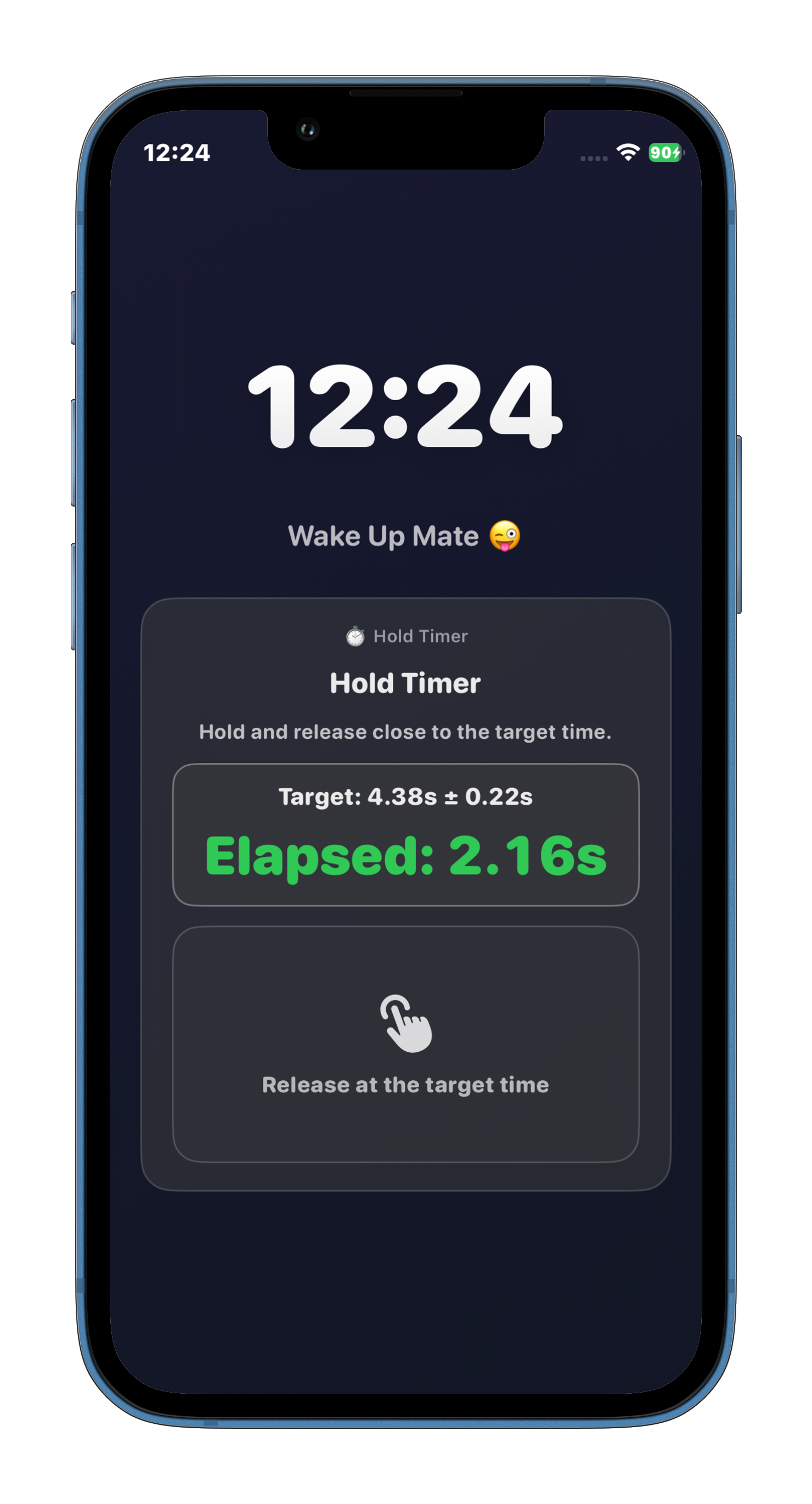
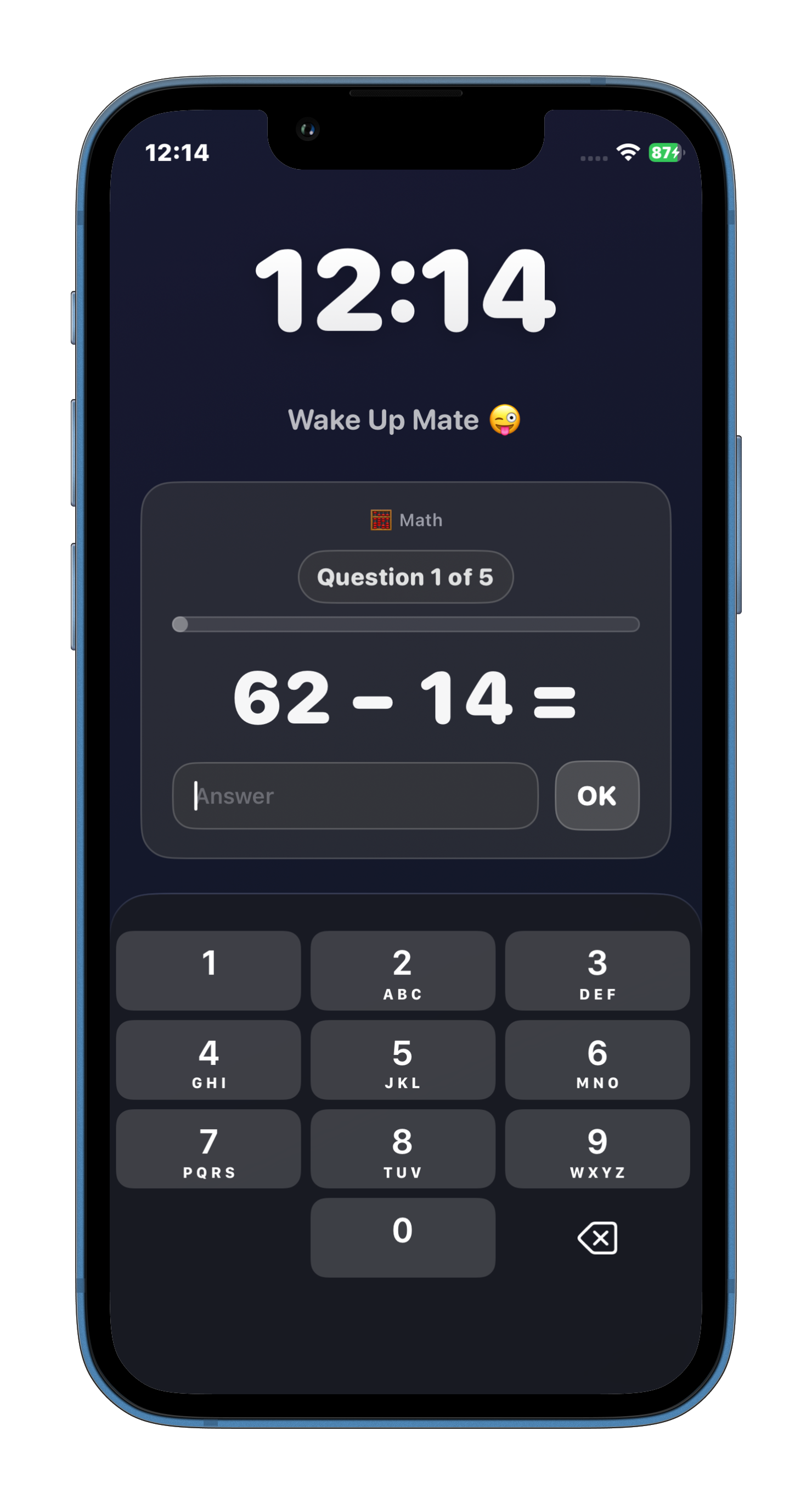
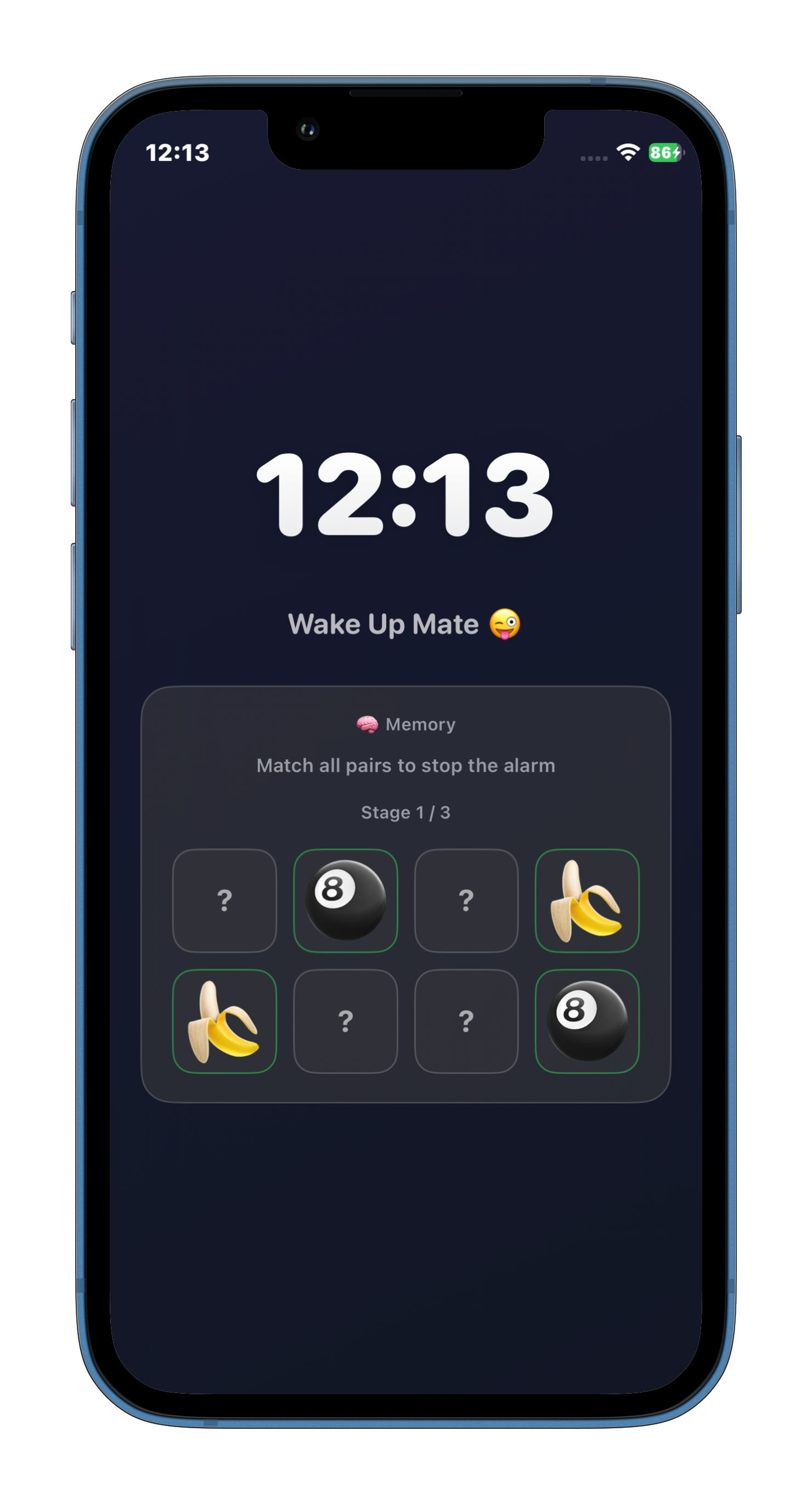
In Alarm Arcade, "hard mode" is how you set up your alarm: choose a mission that requires effort and increase its difficulty so it can't be solved while you're barely awake. When the alarm rings, you see a mini-game like Math, Reaction Grid, Shake, Typing, or Pattern Draw, and you must complete it to turn off the alarm. You can also stack a backup alarm with a different mission a few minutes later so you don't adapt.
Easy alarms fail because the sleeping brain is optimized for speed and comfort—when you're groggy, you take the shortest path back to sleep. Harder challenges raise the "wake-up cost" by requiring attention, working memory, and motor control. That cognitive load increases arousal and reduces automatic responses, which makes it much less likely you'll snooze, dismiss, or fall back asleep instantly.
Who This Is For
- Heavy sleepers who swipe alarms off without remembering it
- Chronic snoozers who keep negotiating with themselves every morning
- Students who miss classes because they silence alarms on autopilot
- Shift workers whose wake-ups must be non-negotiable
- People with "sleep inertia" (brain fog) who need a strong activation trigger
- Anyone who wants a stricter alarm without subscriptions or logins
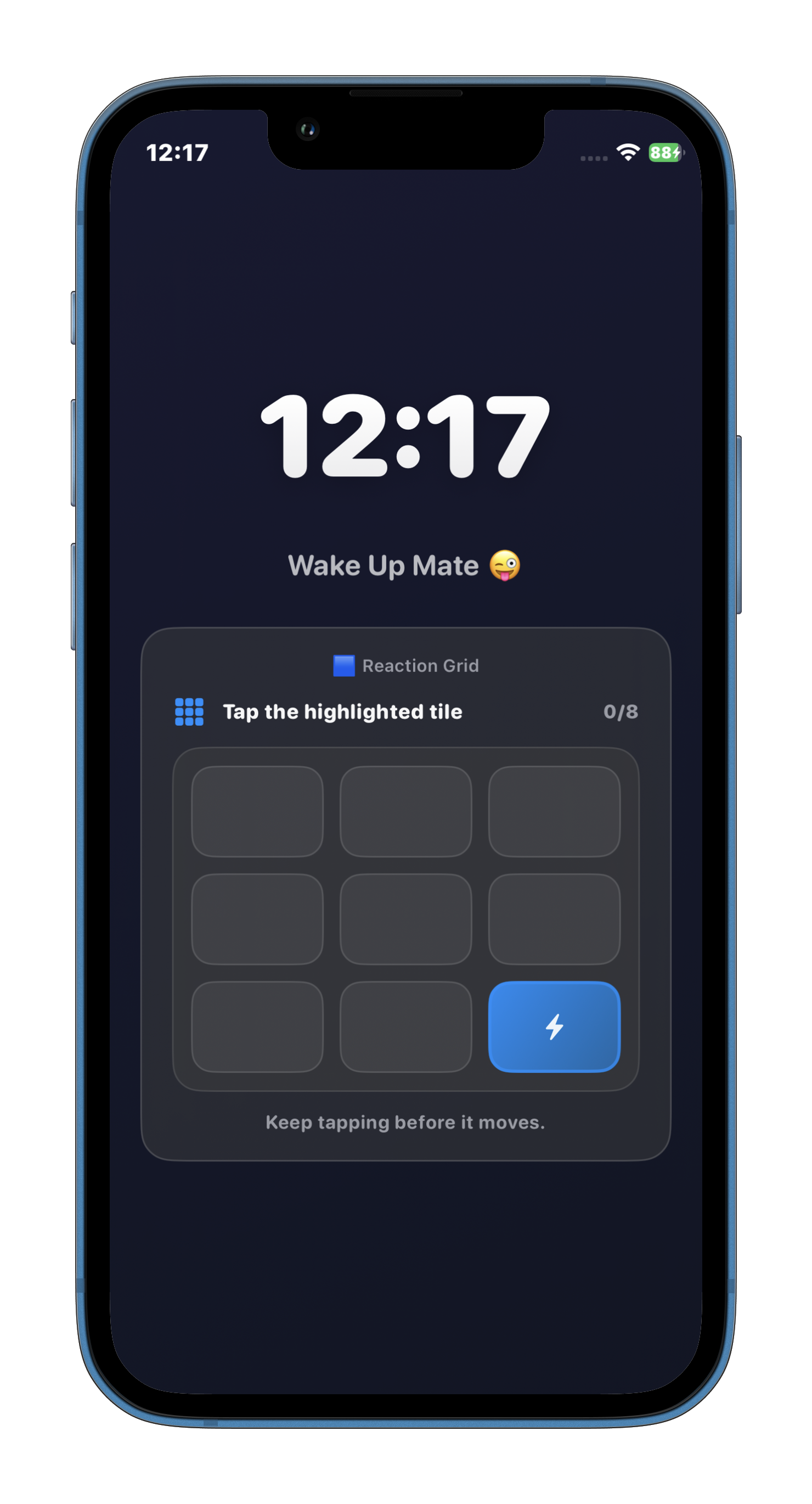
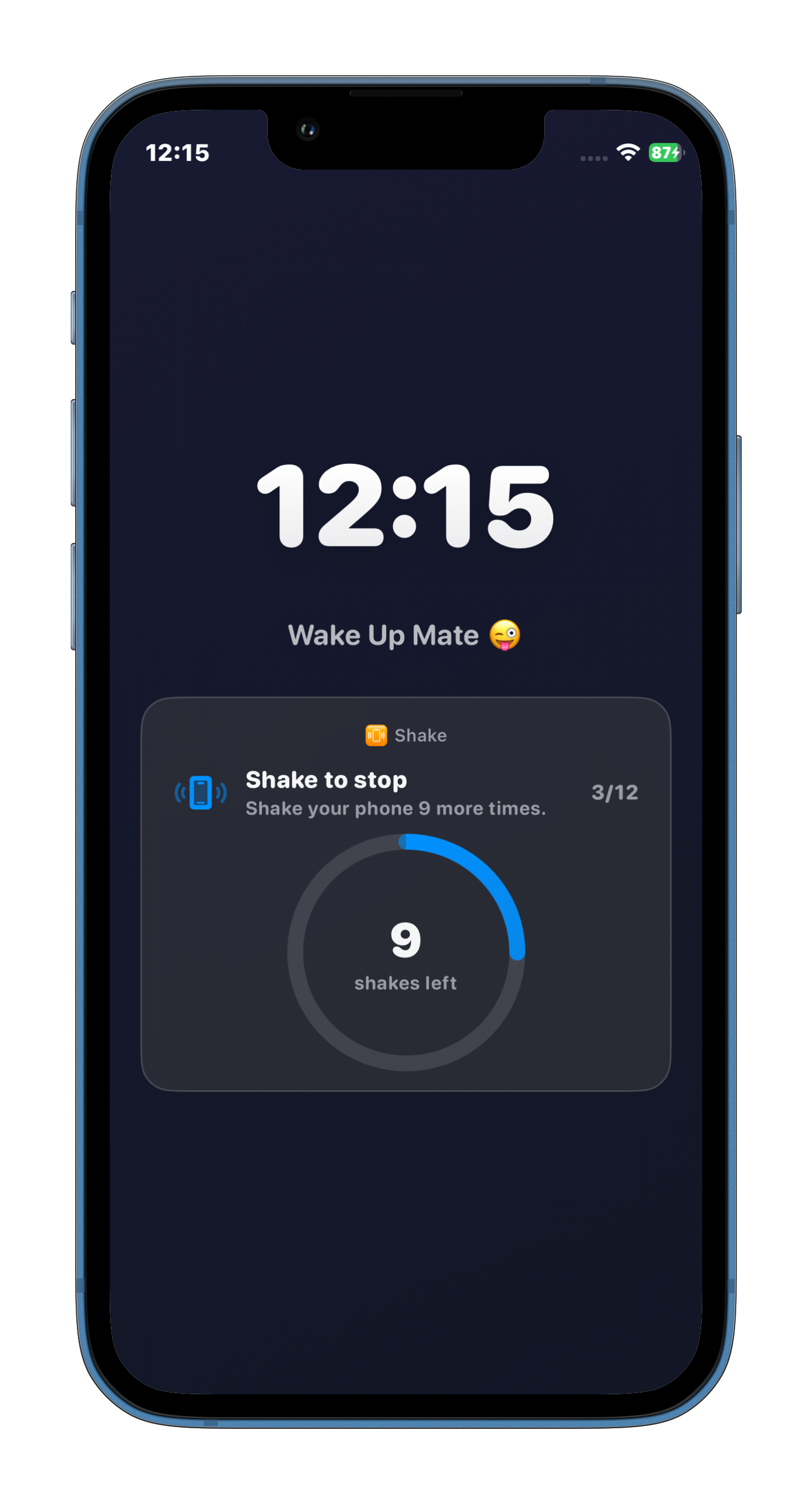
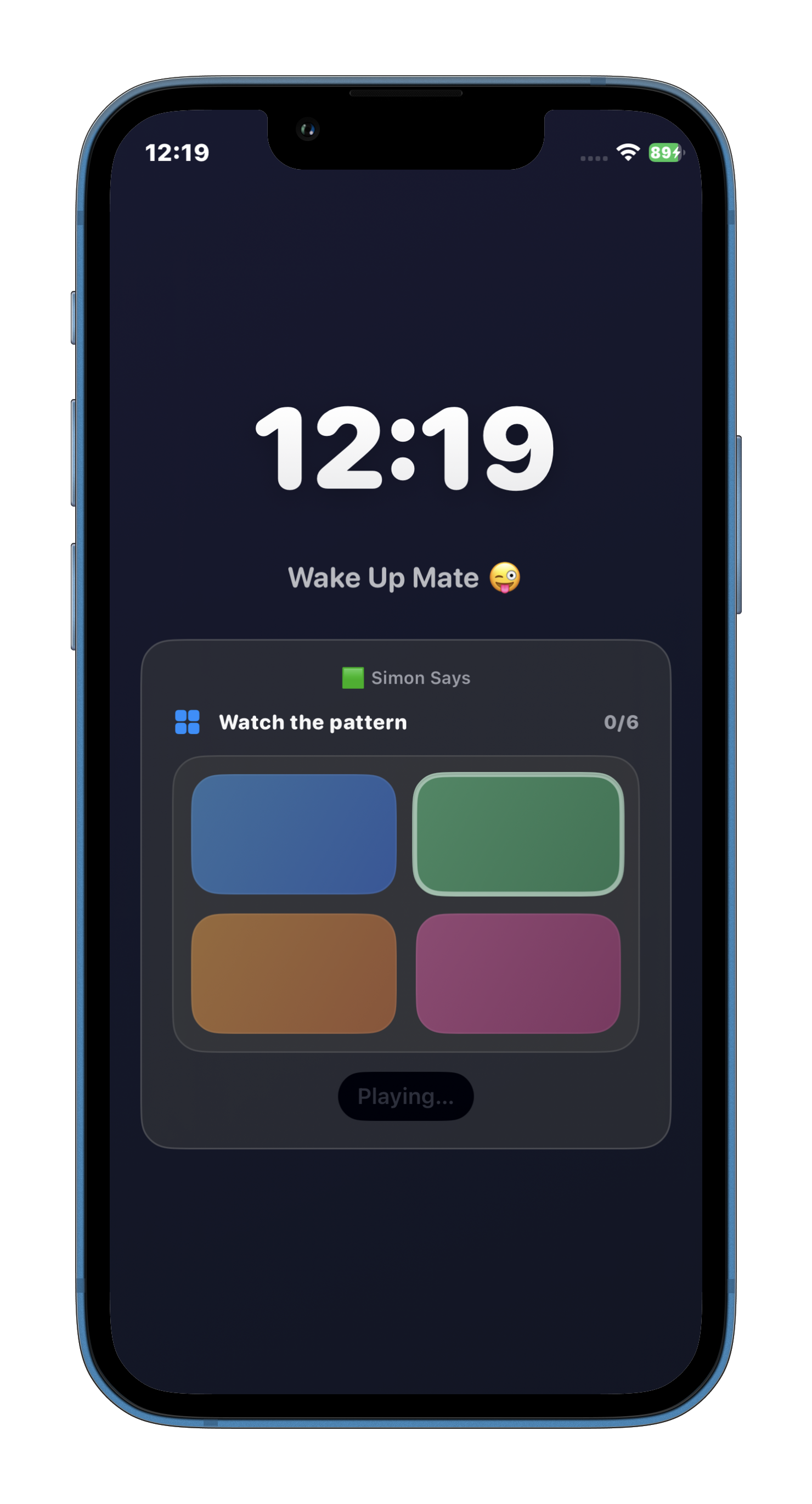
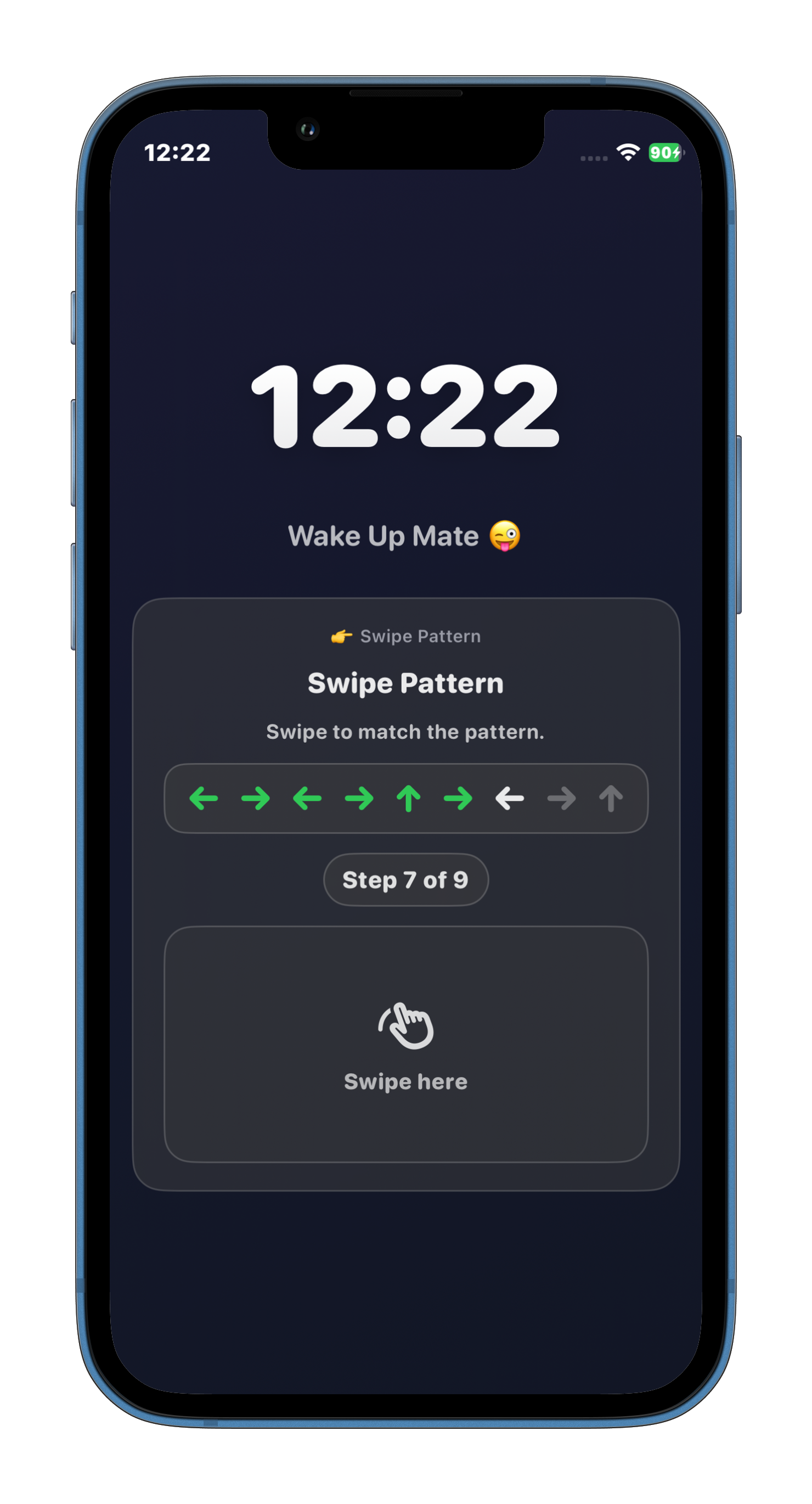
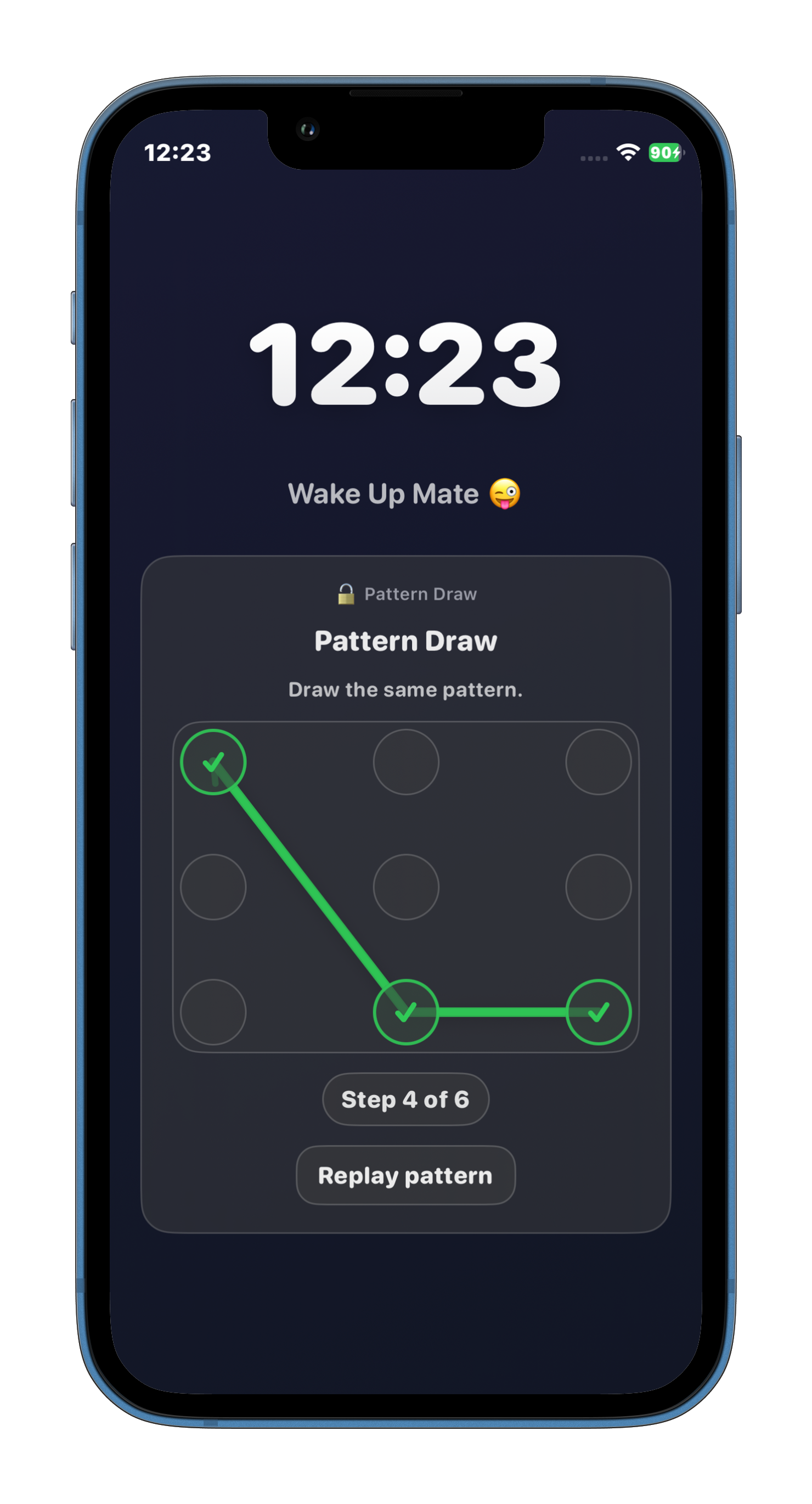
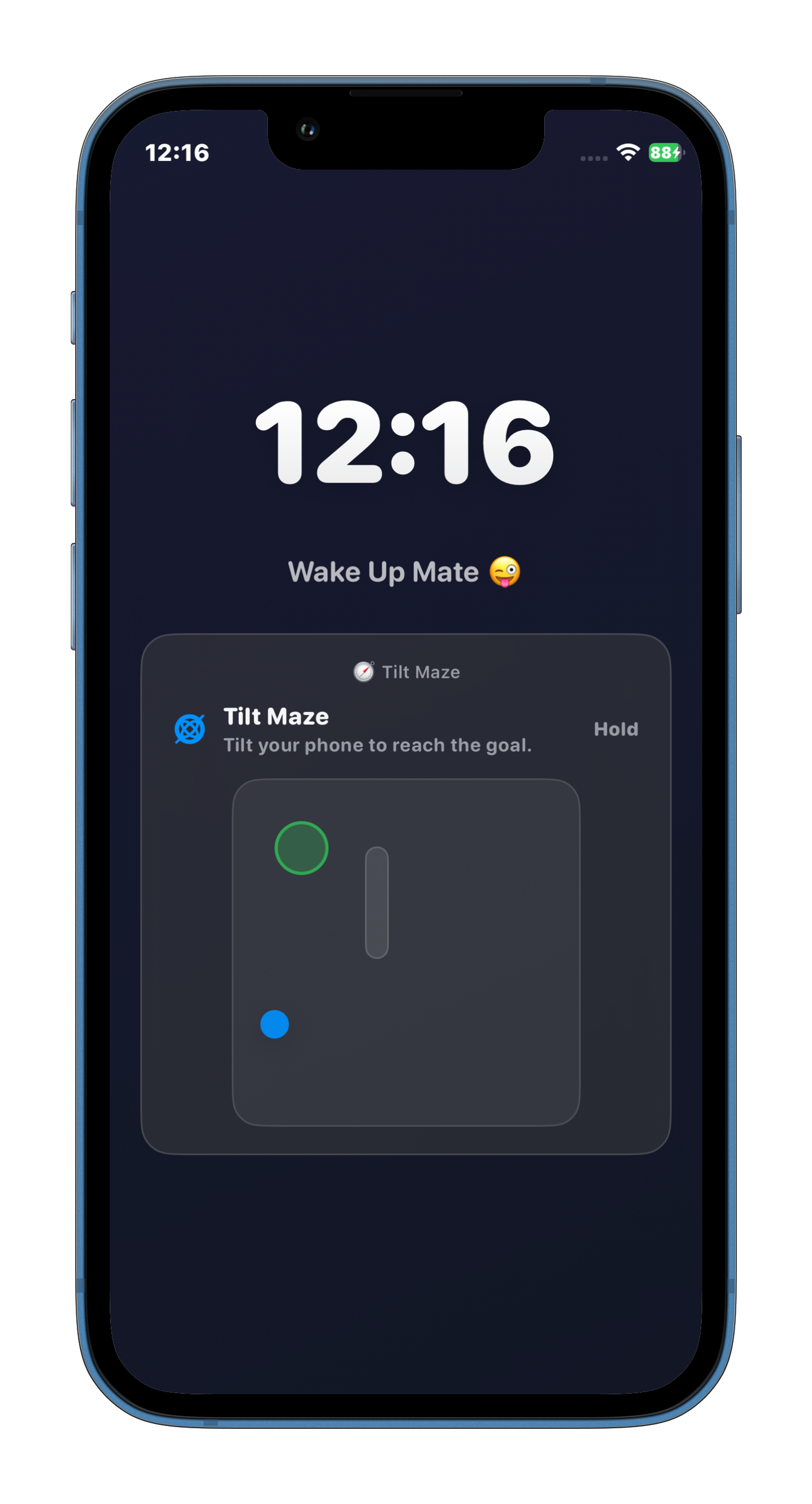
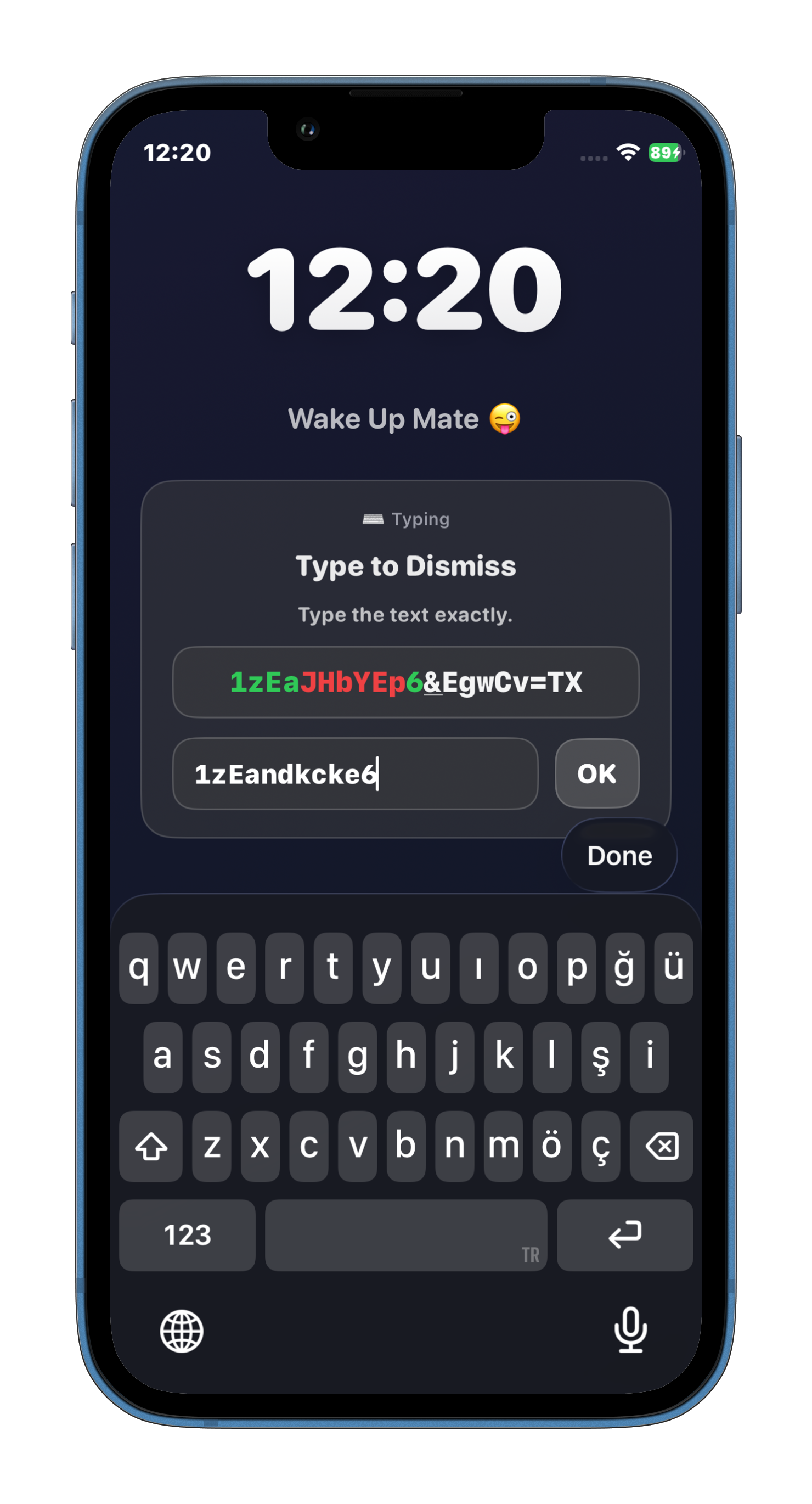
Why Alarm Arcade Works for people using hard mode
Forces real attention
Missions like Math, Simon Says, and Typing require focus—so your brain can't "sleepwalk" through dismissal.
Adds wake-up friction
Movement missions like Shake and Tilt Maze make it harder to stay in bed and drift back to sleep.
Difficulty you can tune
You can start medium and raise difficulty until it's impossible to beat half-asleep—without needing an expensive subscription.
Hard mode alarm vs Standard Alarm — Why It Actually Works
| Feature | Alarm Arcade | Alarmy | iPhone Clock |
|---|---|---|---|
| No subscription required | ✓ | ✗ | ✓ |
| Game-based dismissal | ✓ | ✓ | ✗ |
| Works offline (no account) | ✓ | ✗ | ✓ |
| Pricing | $1.49 one-time | $4.99/mo | Free |
| Multiple mission types | ✓ | ✓ | ✗ |
How to Get the Most Out of This Mission
Start with one hard mission and one backup. Set your main alarm to a focus-heavy mission (Reaction Grid, Math, Typing) at medium difficulty. Then add a backup alarm 2–4 minutes later with a different mission (Shake or Tilt Maze) so your brain can't adapt to a single pattern.
If you fail the mission too often, lower difficulty one step—hard mode should be "annoying but beatable," not impossible. If you beat it while lying down, it's too easy: increase difficulty or switch to a mission that forces posture (Typing) or movement (Shake). For the strongest effect, rotate your mission pair every 3–5 days.
Combine with Other Missions for Best Results
No-autopilot combo: Reaction Grid → Shake (backup). Fast focus first, then forced movement if you try to cheat.
Brain-switch-on combo: Math → Typing. Math warms the brain, typing prevents you from drifting back down. Full-body wake combo: Simon Says → Tilt Maze. Pattern attention plus steady hand control makes it hard to stay sleepy.
Frequently Asked Questions
Reaction Grid is a great first pick because it breaks autopilot fast. If you want something calmer but still effective, start with Math on medium difficulty.
If it's too difficult, you might spend longer dismissing it—so start medium and adjust after 1–2 mornings. A backup alarm with a different mission also protects you from "getting stuck."
No. Alarm Arcade is free to download, missions work fully offline, and there's no account or sign-up required. Pro is optional and $1.49 one-time (not a subscription).
Wake up with your brain switched on
This mission is free. Download Alarm Arcade and try it tonight.
Download Alarm Arcade — Free