 Alarm Arcade
How gamification helps you wake up (science-backed)
Gamification as a wake-up strategy works — but only when the game is the dismissal mechanism, not a reward layered on top of it. This guide explains the neuroscience of why game-based challenges disrupt sleep inertia and what the research actually says about interactive tasks at wake-up.
Gamification applies game design elements — challenge, feedback, progression, mastery — to non-game contexts to drive engagement and behavior change. In the context of alarms, the relevant principle is cognitive activation: interactive challenges that require attention and decision-making engage neural systems that are suppressed during sleep inertia. A game you must complete to turn off the alarm forces prefrontal cortex engagement before dismissal, which is the specific window where standard alarms fail.
The important distinction is where the gamification is applied. Alarm apps that gamify the post-wake experience (streaks, points for waking on time) are applying the game mechanics in the wrong place — after the dismissal decision has already been made. Alarm Arcade puts the game at dismissal itself: you cannot silence the alarm without completing a challenge. This is the only placement that addresses sleep inertia directly.
Who This Is For
- People curious about the science behind why game-based alarms work
- Anyone who's tried streak-based or points-based alarm apps and found them ineffective
- People who want to understand gamification as a cognitive tool, not just a marketing term
- Heavy sleepers interested in the neurological basis of their dismissal problem
- Parents or educators looking for evidence-based wake-up strategies
- Anyone who's skeptical about gamified alarms and wants the research framing before trying one
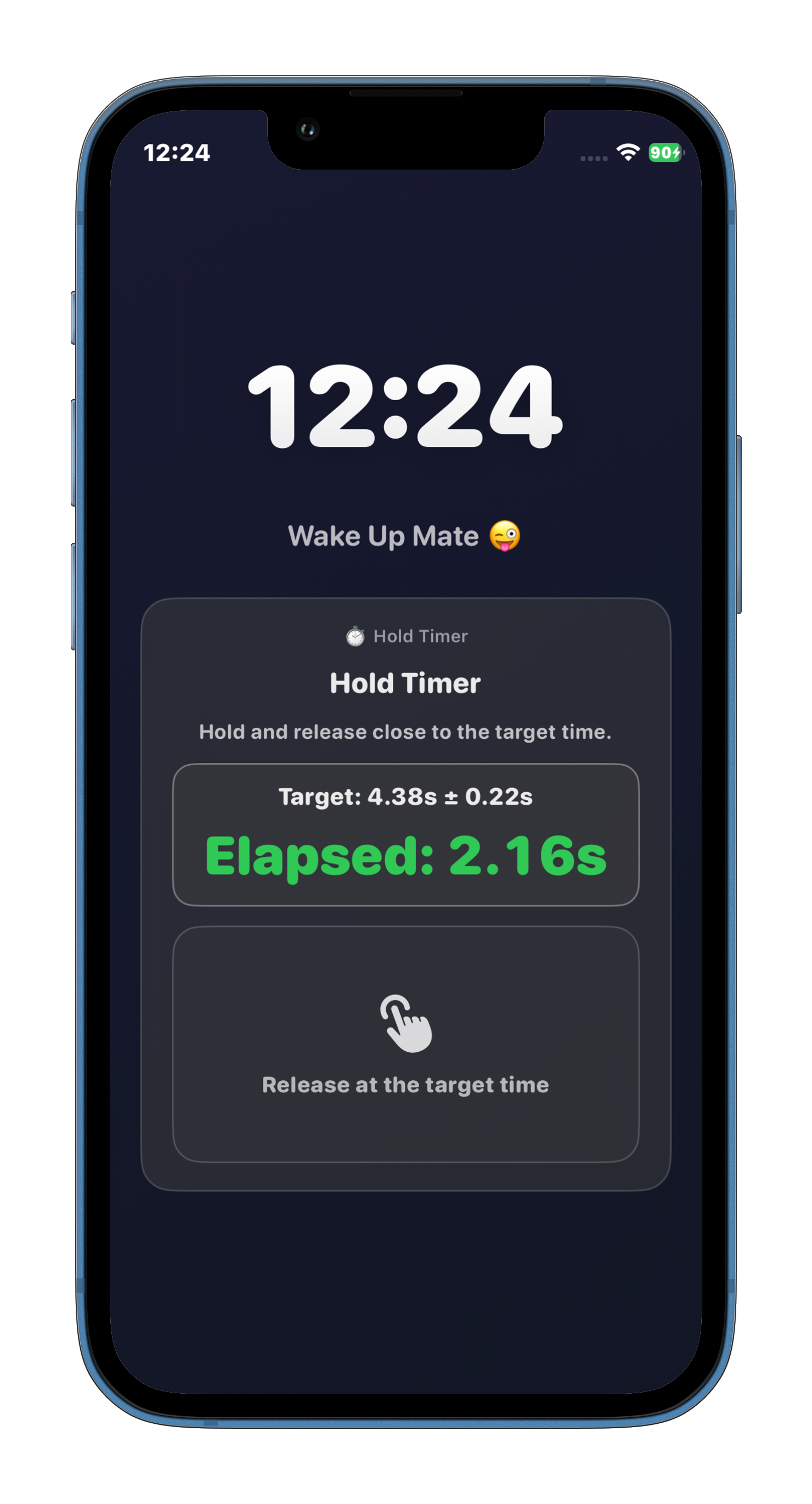
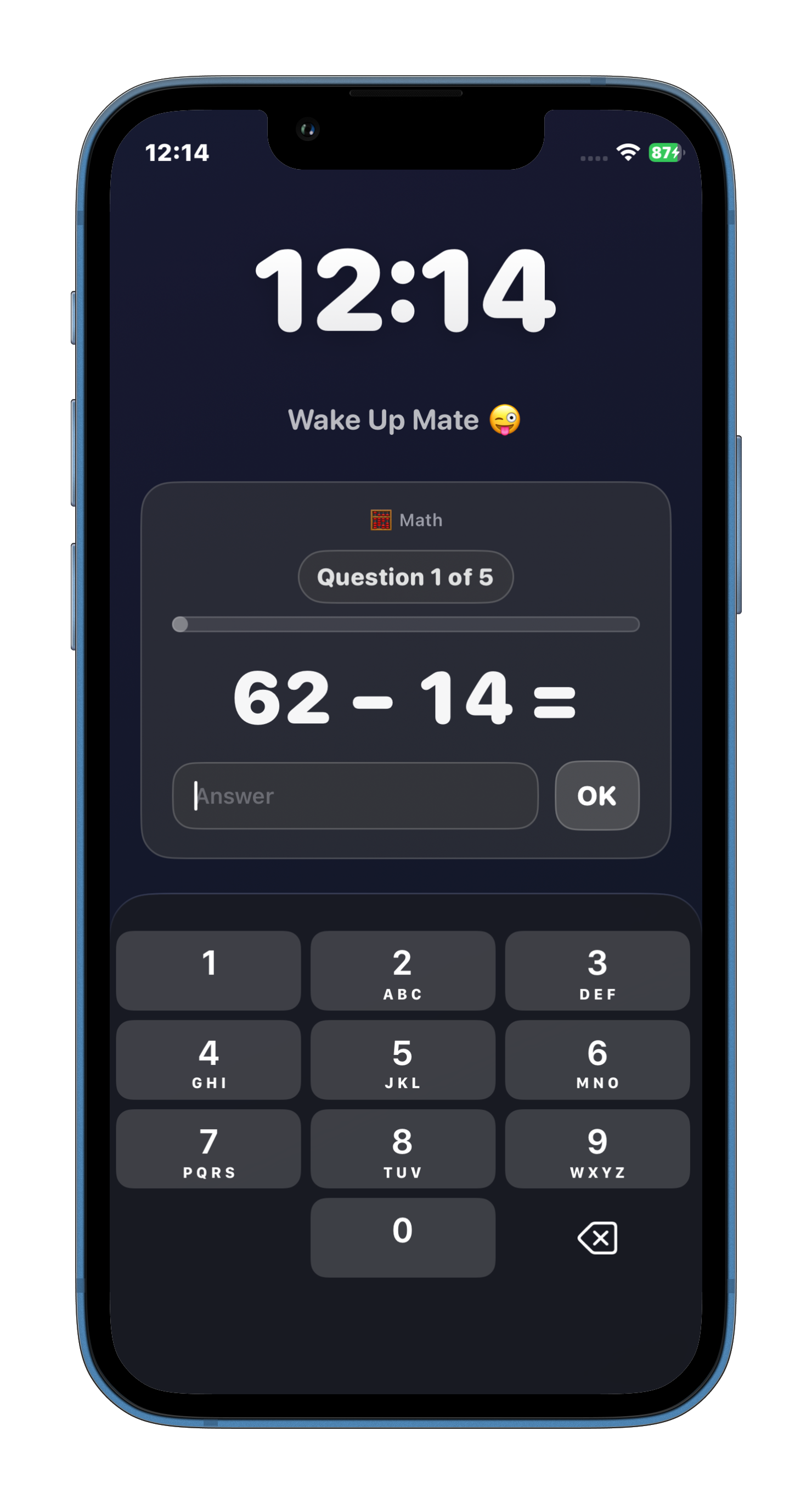
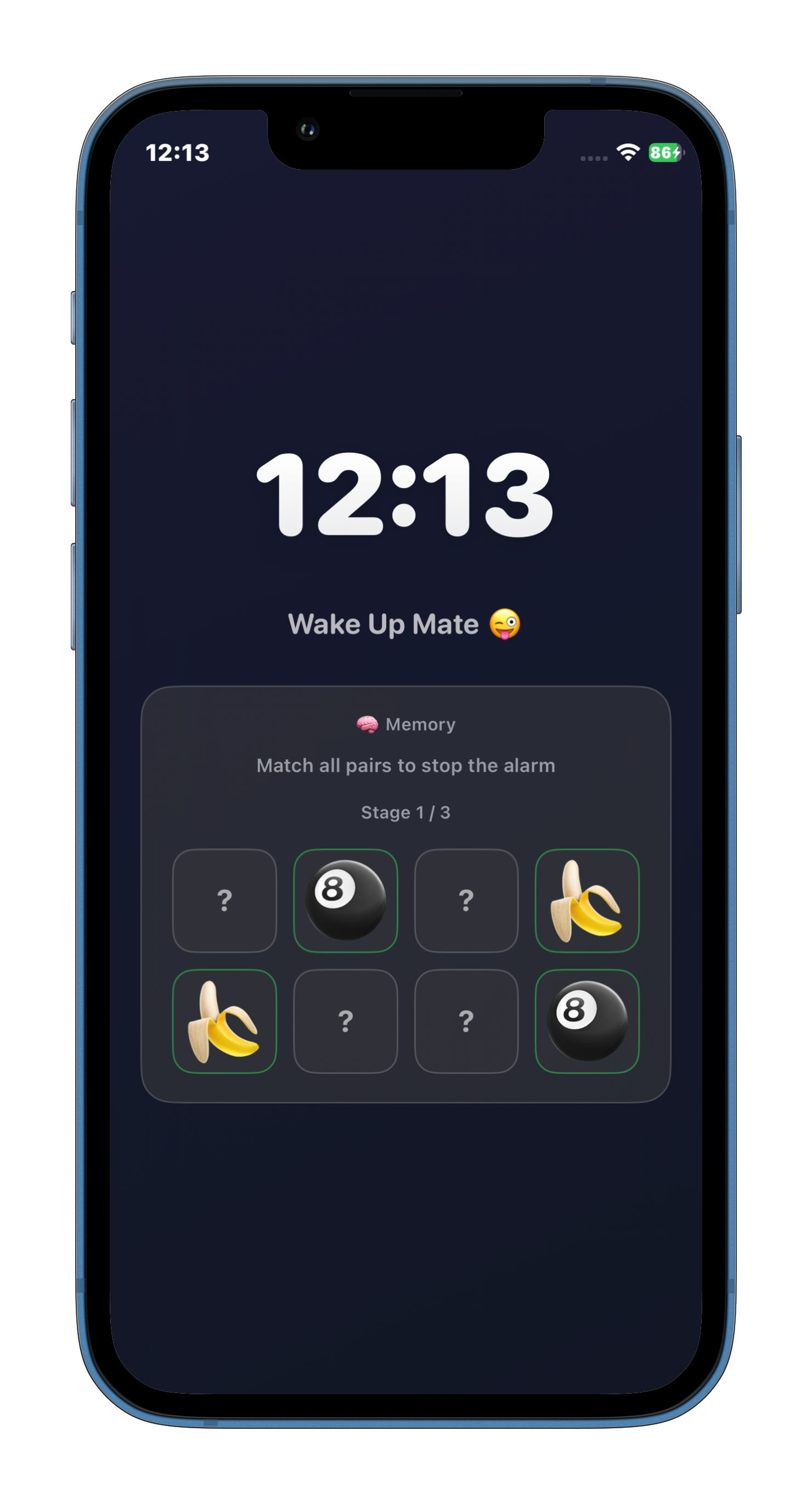
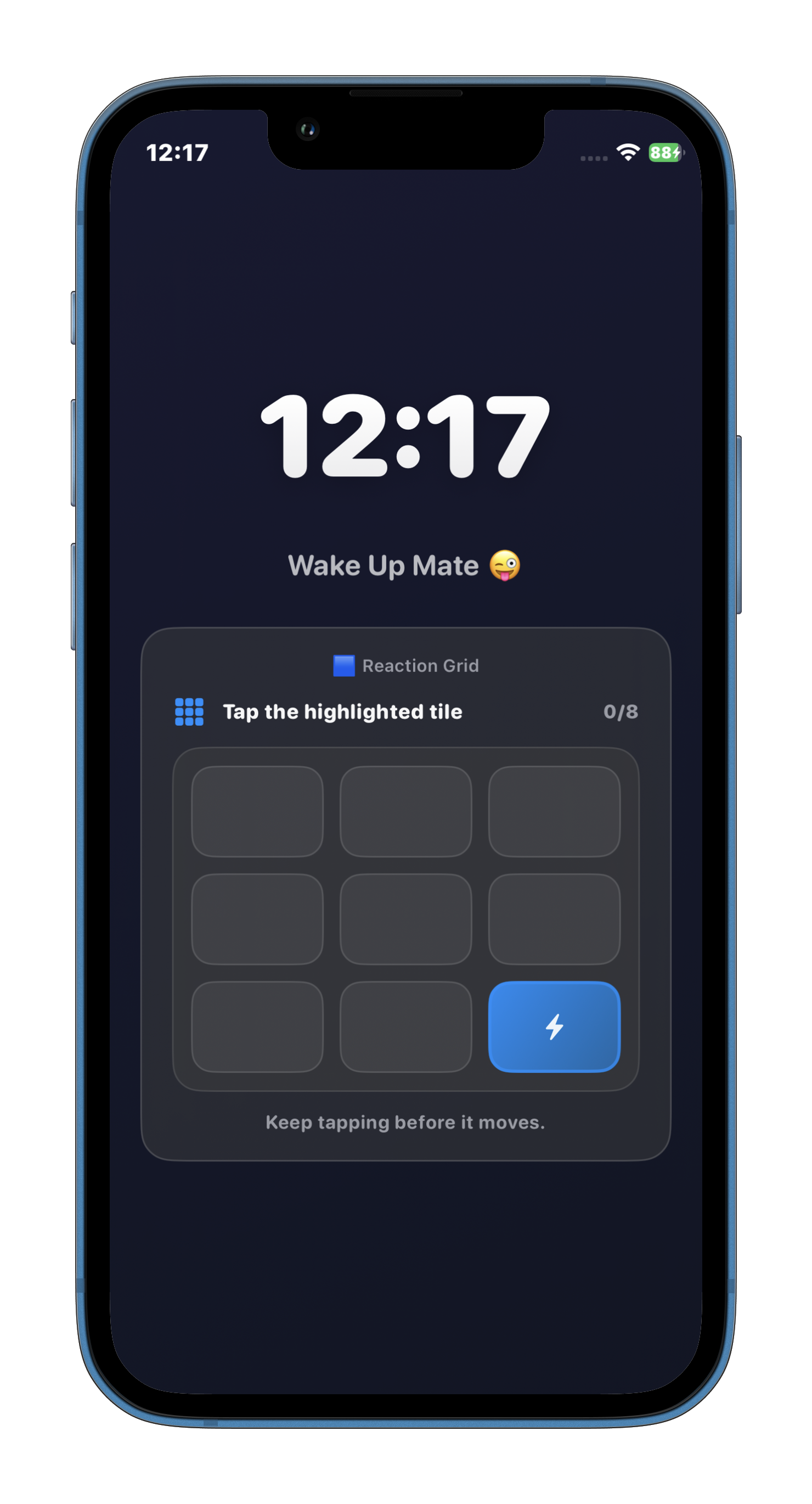
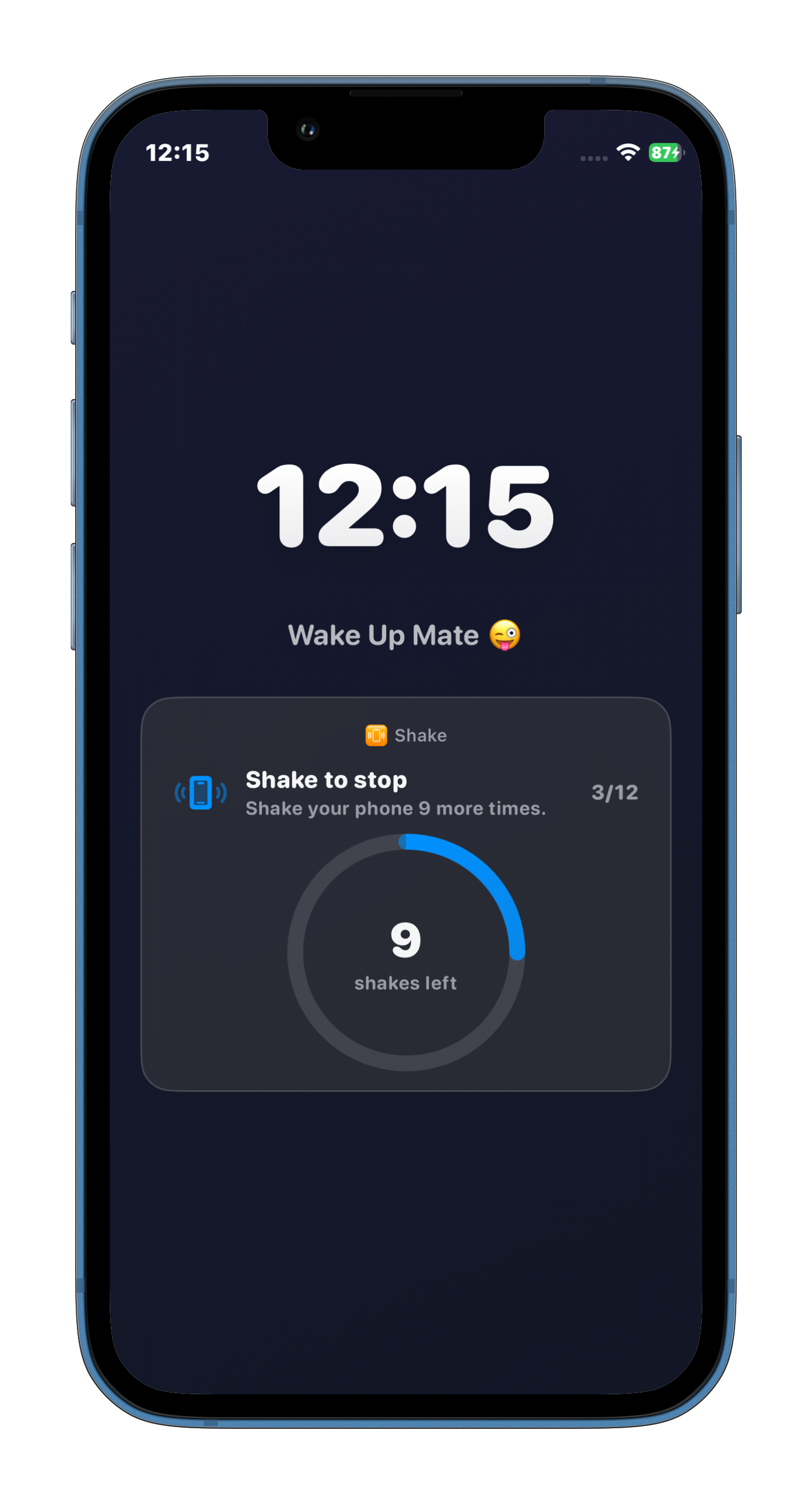
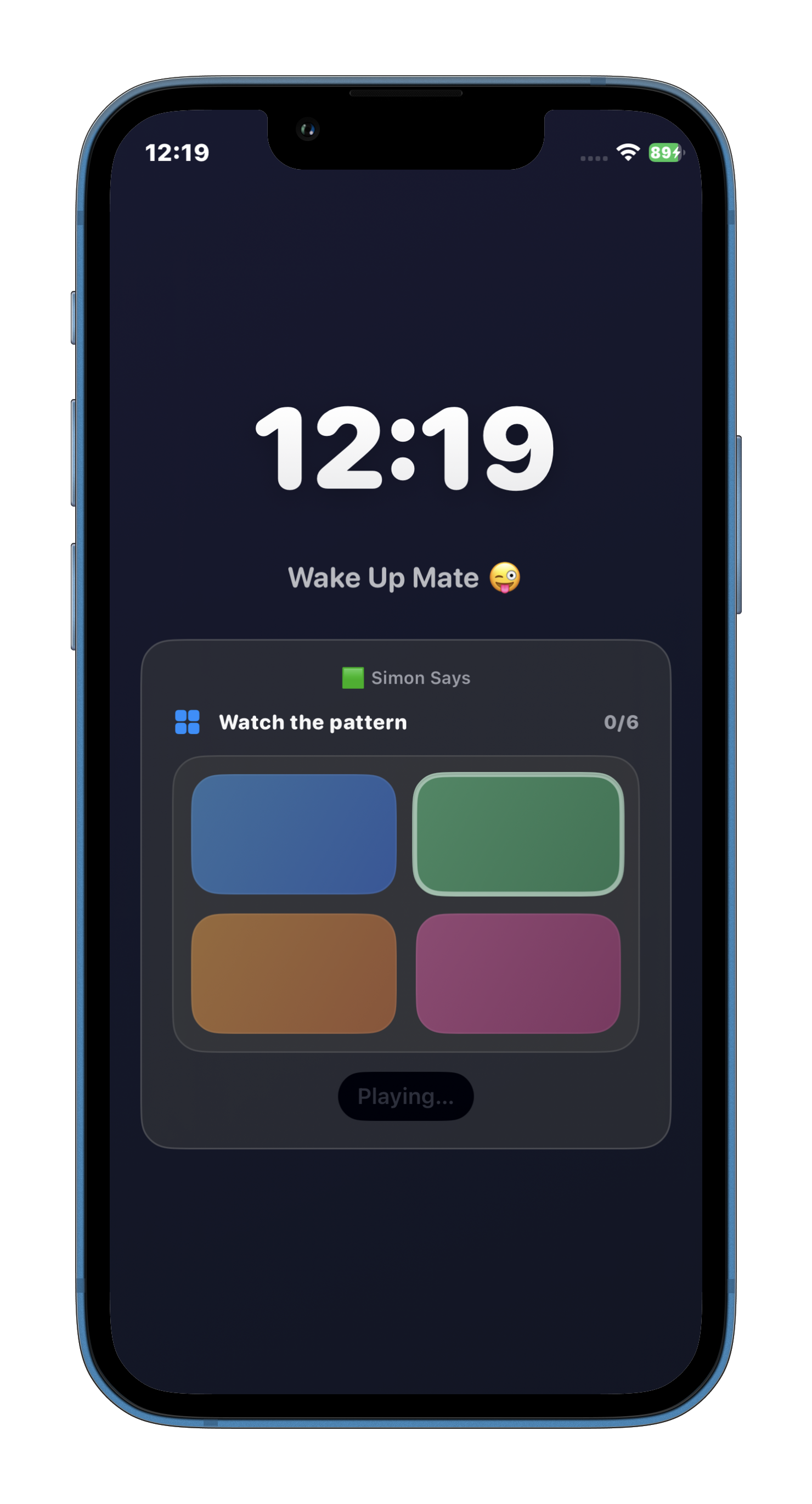
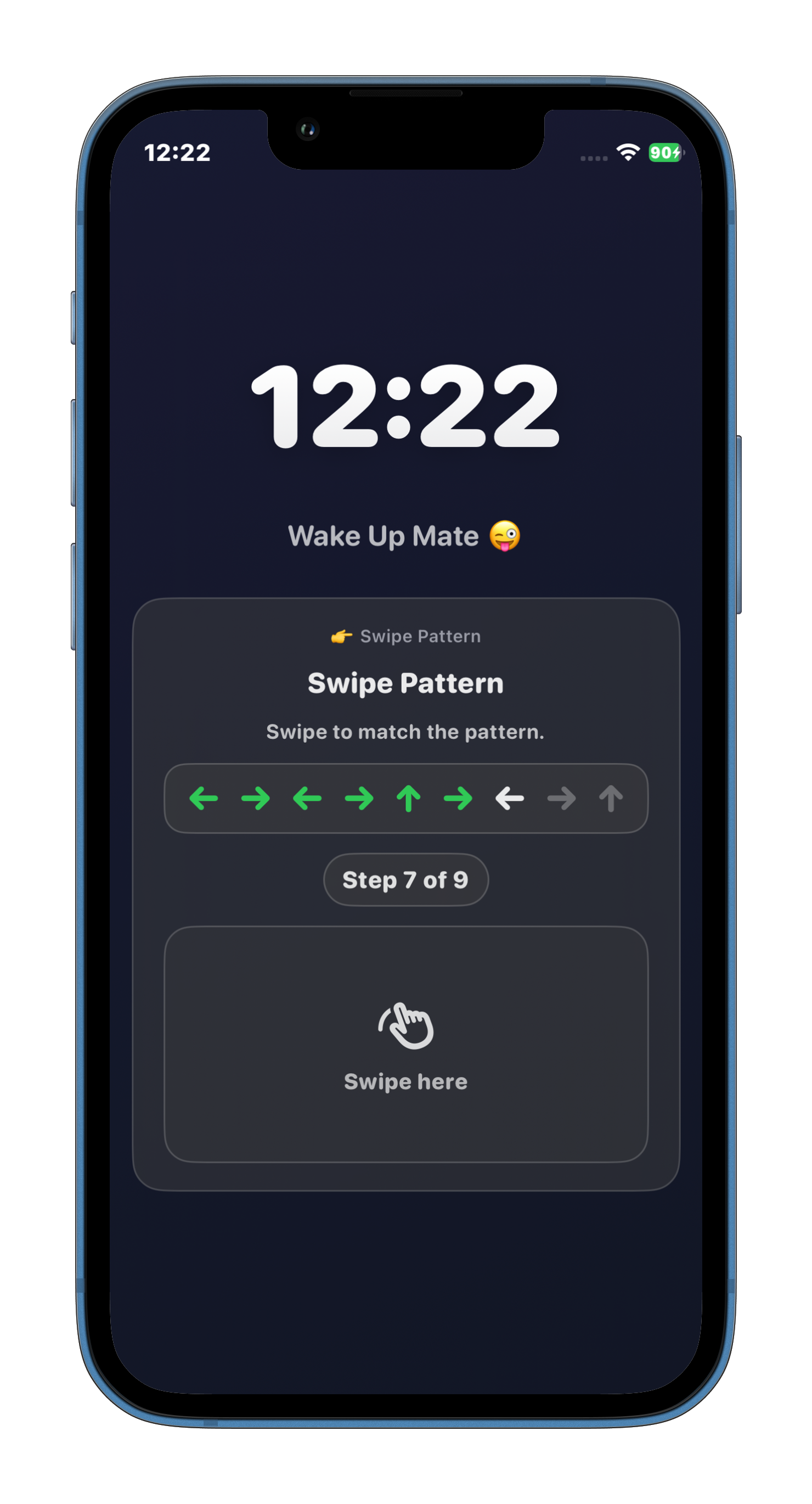
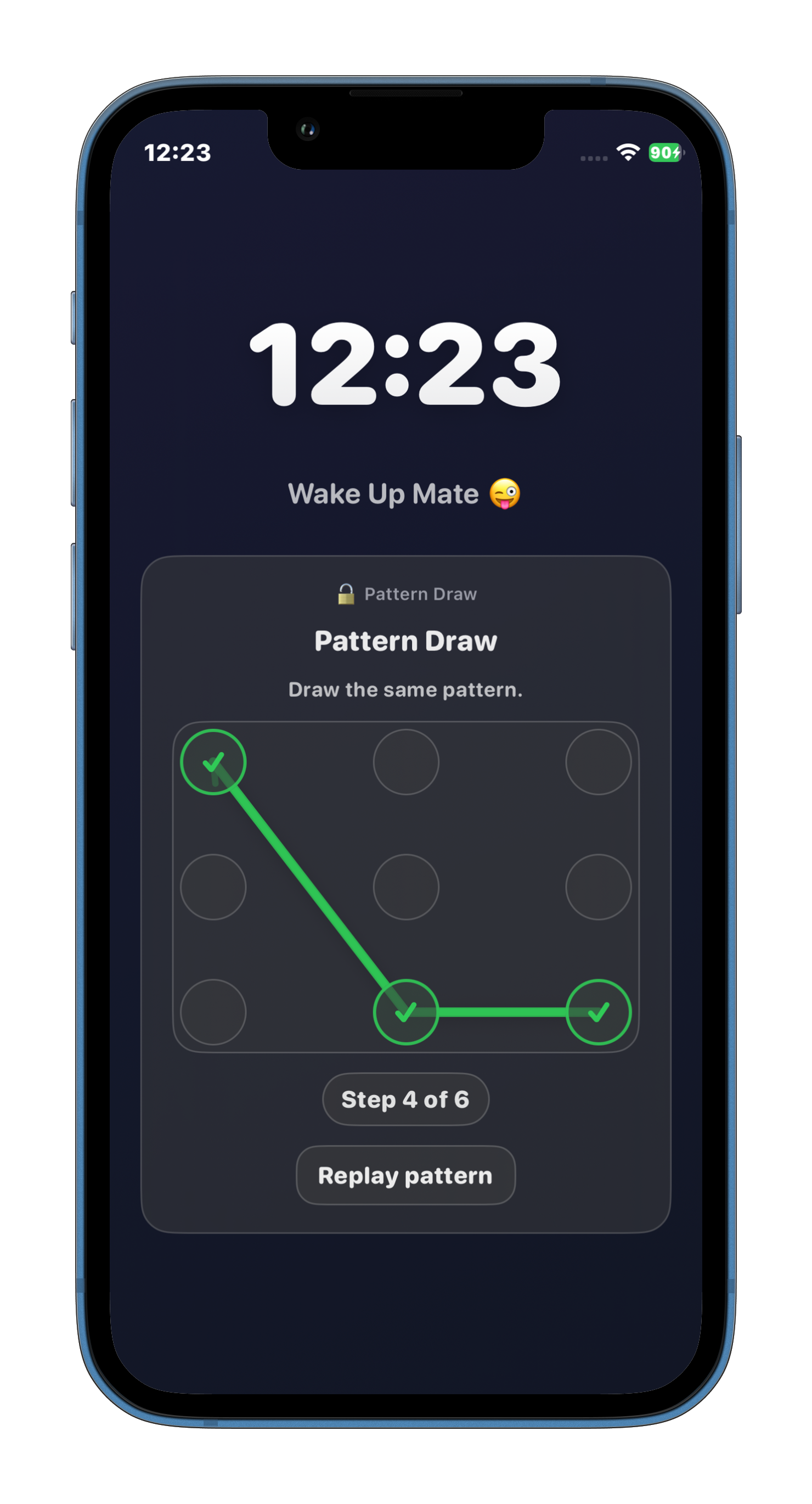
Why Alarm Arcade Works for People interested in the science of gamified wake-up
Cognitive activation at the right moment — dismissal, not post-wake
Alarm Arcade's missions create cognitive engagement at the exact moment that standard alarms fail: when sleep inertia is at peak severity. The game interrupts the snooze reflex before it can complete, not after.
Challenge calibrated to the cognitive deficit of sleep inertia
The missions in Alarm Arcade are designed to be completable by a fully awake adult in 20–45 seconds and significantly harder when groggy. This calibration is not arbitrary — it targets the cognitive gap between sleep inertia and full wakefulness, which is exactly the gap that mission-based dismissal needs to span.
Ten mission types prevent habituation — the failure mode of gamification
Gamification fails when the game becomes predictable and automatic. Alarm Arcade's ten missions span cognitive, physical, and reaction categories — enough variety that no single response pattern can develop. The game stays effective because it stays genuinely novel.
Why willpower alone doesn't work — and what does
| Feature | Alarm Arcade | Alarmy | iPhone Clock |
|---|---|---|---|
| No subscription required | ✓ | ✗ | ✓ |
| Game-based dismissal | ✓ | ✓ | ✗ |
| Works offline (no account) | ✓ | ✗ | ✓ |
| Pricing | $1.49 one-time | $4.99/mo | Free |
| Multiple mission types | ✓ | ✓ | ✗ |
The neuroscience of gamification at wake-up
Interactive challenges engage the dorsolateral prefrontal cortex (working memory and executive function), the anterior cingulate cortex (attention and conflict monitoring), and the motor cortex (response execution). All three are among the last neural systems to recover from sleep inertia. A task that requires these systems cannot be completed on autopilot during the sleep inertia window — which is why even simple challenges (a three-digit arithmetic problem, a four-card memory match) are genuinely difficult in the first 90 seconds after waking from deep sleep and easy just five minutes later.
There's also a physiological component. Completing an interactive challenge — particularly one with a time-pressure element or a physical component — activates the sympathetic nervous system slightly, increasing cortisol and norepinephrine release. These hormones are part of the normal wake-up cascade and their early activation (through challenge completion) accelerates the recovery from sleep inertia. The game doesn't just distract you from sleep; it chemically accelerates the transition to wakefulness. This is why people who complete a mission-based alarm often report feeling more alert in the first few minutes than they do after a standard alarm, even controlling for total sleep time.
Step-by-step setup using Alarm Arcade
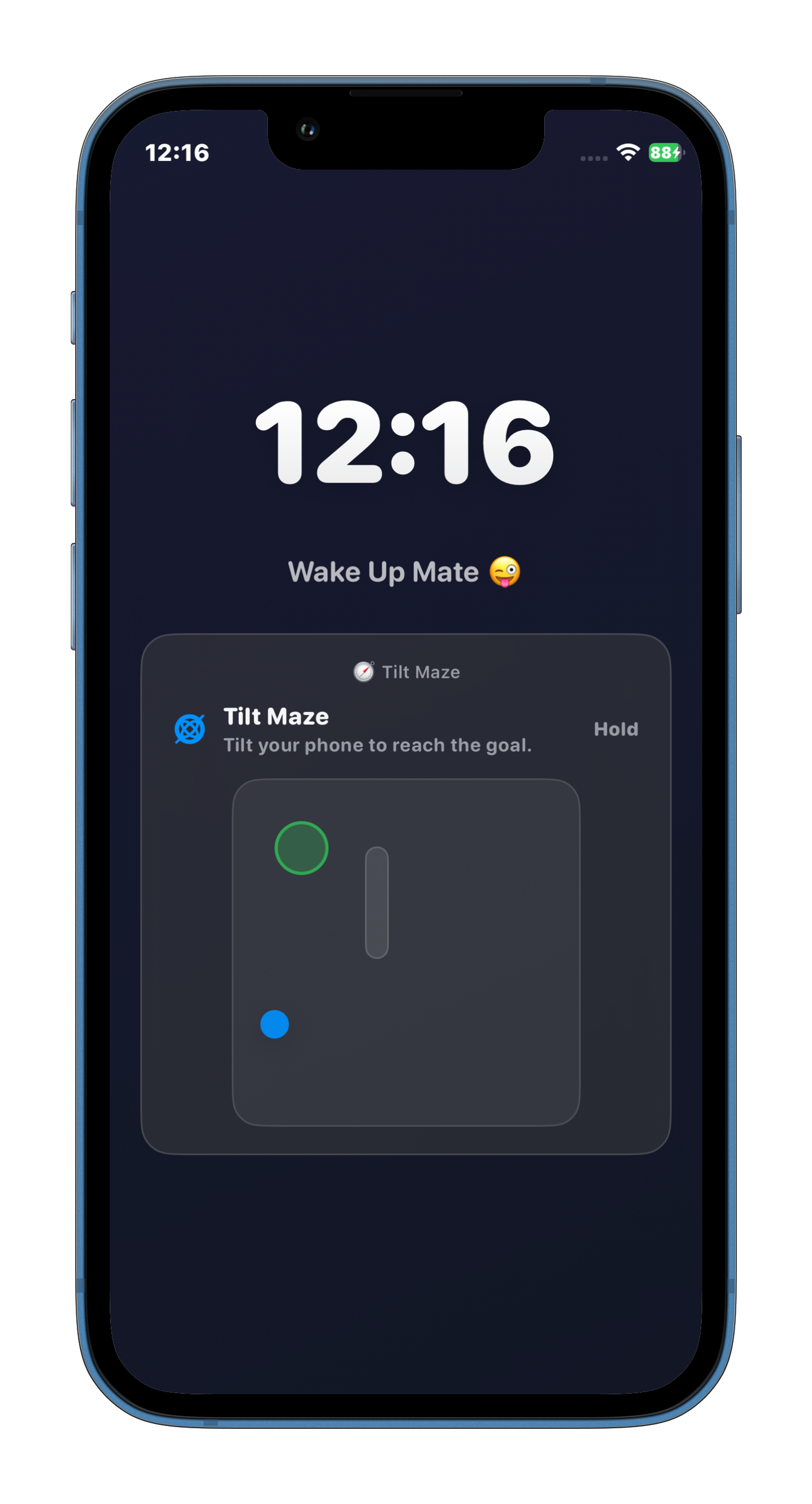
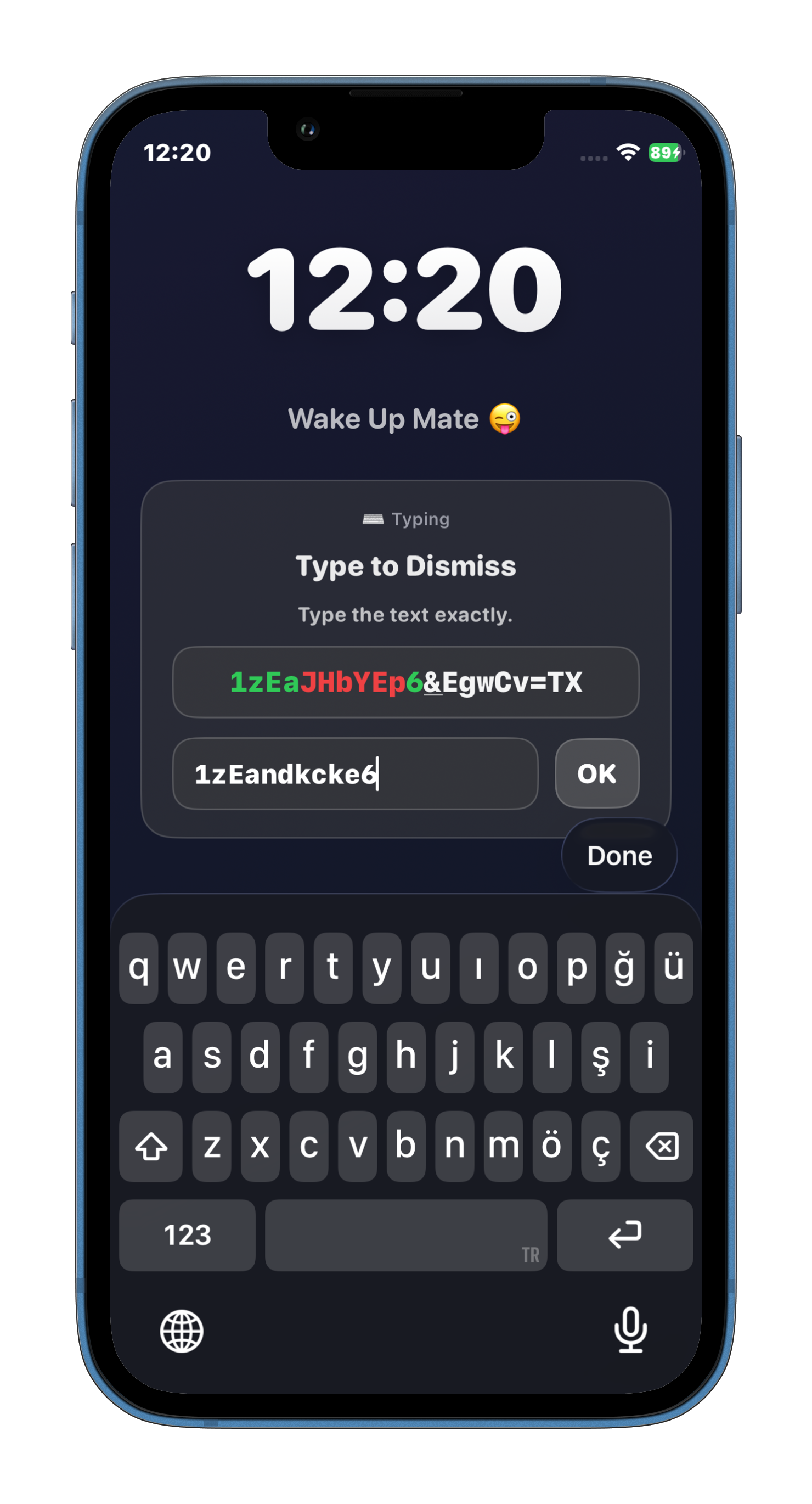
Step 1: Choose a mission based on the cognitive system you want to activate. For maximum prefrontal engagement: Math or Typing (working memory and executive function). For visual-spatial engagement: Memory Match, Tilt Maze, or Pattern Draw. For attention and response speed: Reaction Grid or Simon Says. For physical activation alongside cognitive challenge: Shake or Tilt Maze. Start with one mission at Medium difficulty.
Step 2: Set the phone across the room. Physical distance adds a proprioceptive and cardiovascular component to the gamification effect — standing and moving while completing the mission amplifies the sympathetic activation. Step 3: Commit to the rotation principle. Change your mission every two to three days, cycling through at least two different cognitive categories per week. This maintains the novelty that makes gamification effective long-term. Step 4: After two weeks, assess whether dismissal feels like genuine effort. If it feels easy, increase difficulty or increase rotation frequency.
Frequently Asked Questions
Direct research on gamified alarm apps as a category is limited, but the underlying mechanisms — cognitive activation, sleep inertia severity, and interactive task engagement — are well-documented. Research on sleep inertia (Tassi & Muzet, multiple studies) demonstrates the impairment of executive function at waking. Research on interactive tasks and arousal demonstrates sympathetic activation from challenge completion. Alarm Arcade's design applies these mechanisms directly, even if the app category itself hasn't been the subject of controlled trials.
Primarily harder to avoid — but for many users, the interactive challenge becomes genuinely engaging over time. Several users report that the morning mission becomes something they look forward to rather than dread, particularly when they rotate missions to maintain variety. The gamification doesn't make early rising pleasant in itself, but it changes the experience from 'passive sound I want to silence' to 'challenge I'm actively engaged with' — which is a meaningful shift in how the morning feels.
No. The effectiveness depends on where the gamification is applied. Post-wake gamification (streaks, points, achievements) has minimal effect on sleep inertia because the dismissal decision has already happened. Pre-dismissal gamification (you must complete a task before the alarm stops) directly addresses sleep inertia. Within pre-dismissal gamification, variety matters — a single repeated task habituates faster than a rotating set. Alarm Arcade's ten-mission approach is specifically designed to maximize long-term effectiveness through variety.
Apply the science starting tonight
Free to download. Takes 60 seconds to set up. No subscription, no account needed.
Download Alarm Arcade — Free