 Alarm Arcade
Best alarm app for people with ADHD
You wake up, hit snooze "for 5 minutes," then suddenly it's 45 minutes later and you're late again. Even if you get up, your brain wants one more loop—one more scroll, one more thought—until the morning disappears.
For many people with ADHD, regular alarms fail because they're too easy to ignore and too easy to silence. Snooze becomes an automatic habit, and mornings are full of time blindness—minutes don't feel real until they're gone. A basic alarm sound can't compete with a tired brain that's looking for the path of least resistance.
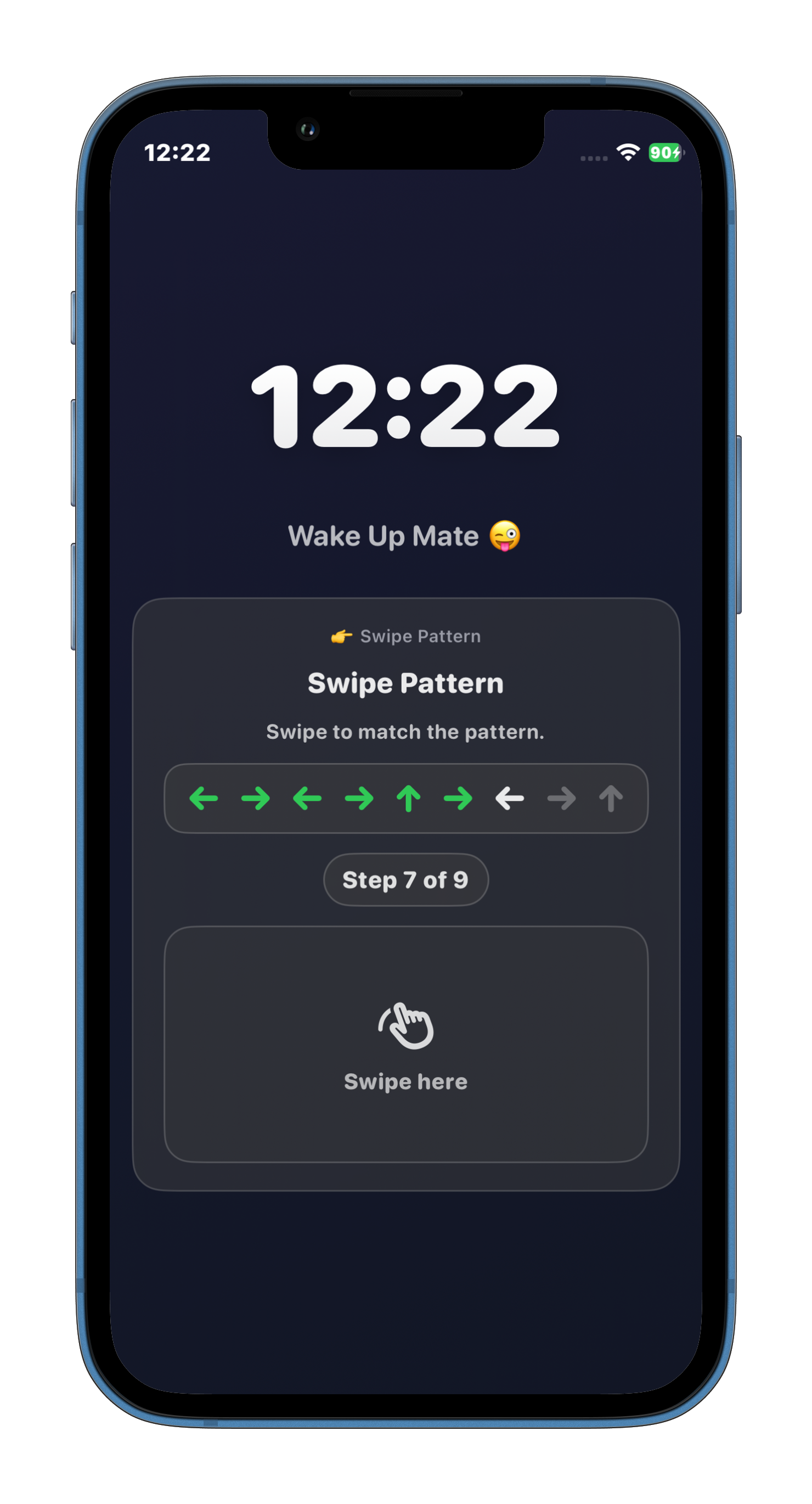
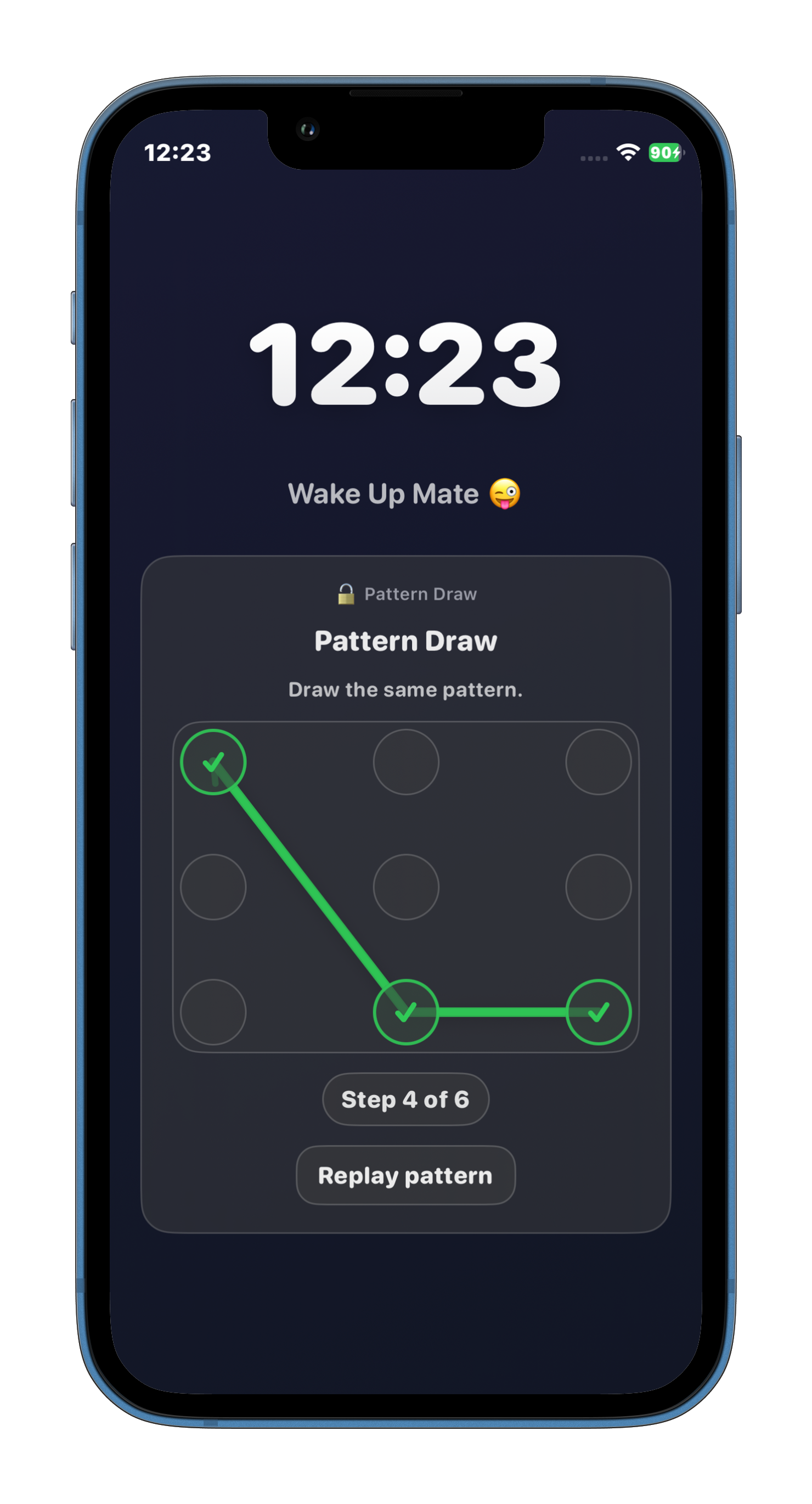
Alarm Arcade makes waking up an active moment instead of a passive one. To stop the alarm, you must complete a short mission that pulls your attention into the present. That quick hit of focus helps break the snooze spiral and gives you a clearer "I'm awake now" transition.
Who This Is For
- People with ADHD who snooze repeatedly without thinking
- Anyone with time blindness in the morning
- Students or workers who wake up late despite good intentions
- People who get up, then get distracted and lose the morning
- Night owls with ADHD struggling with consistent wake times
- People who need stimulating routines to start the day
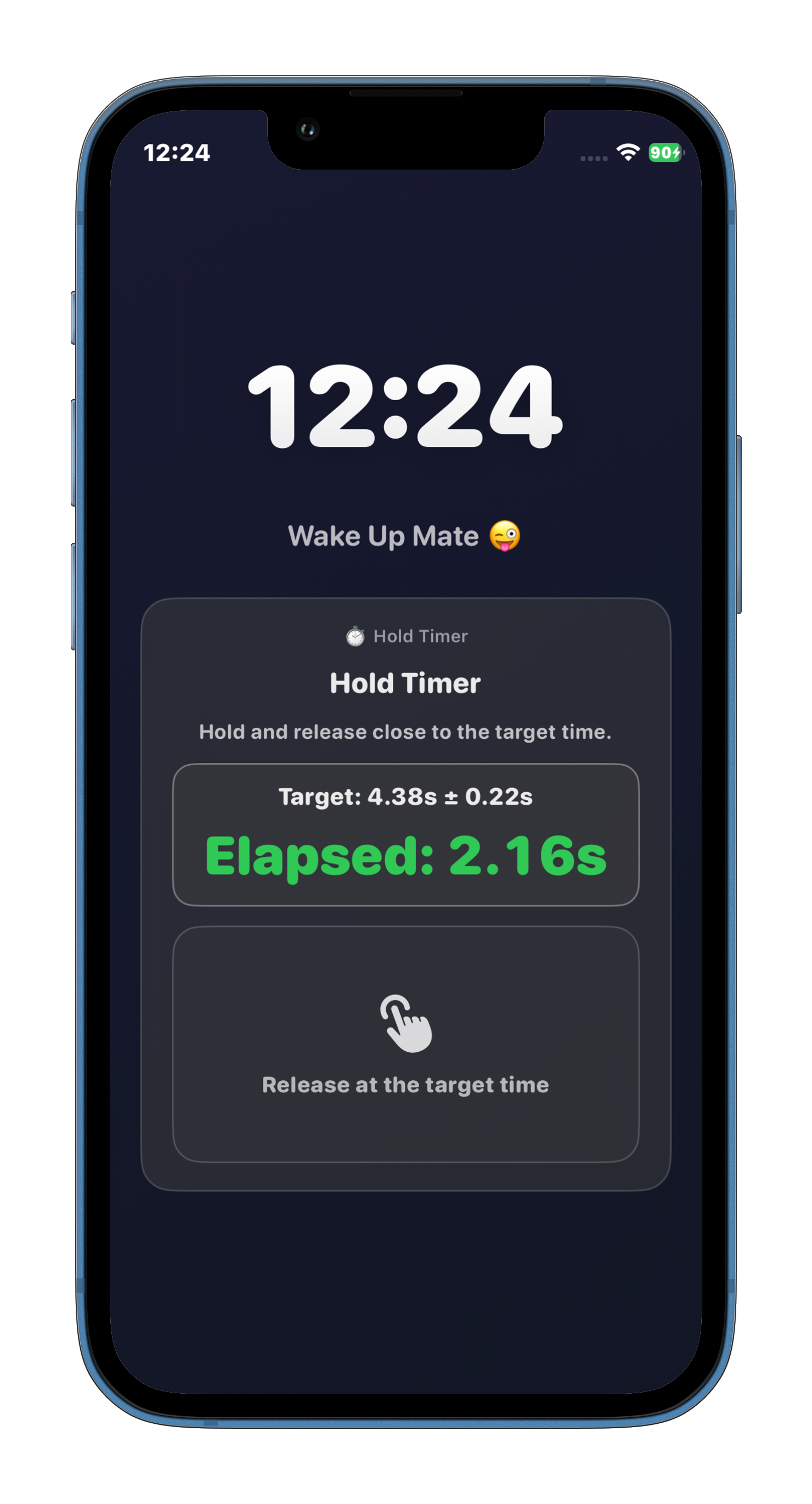
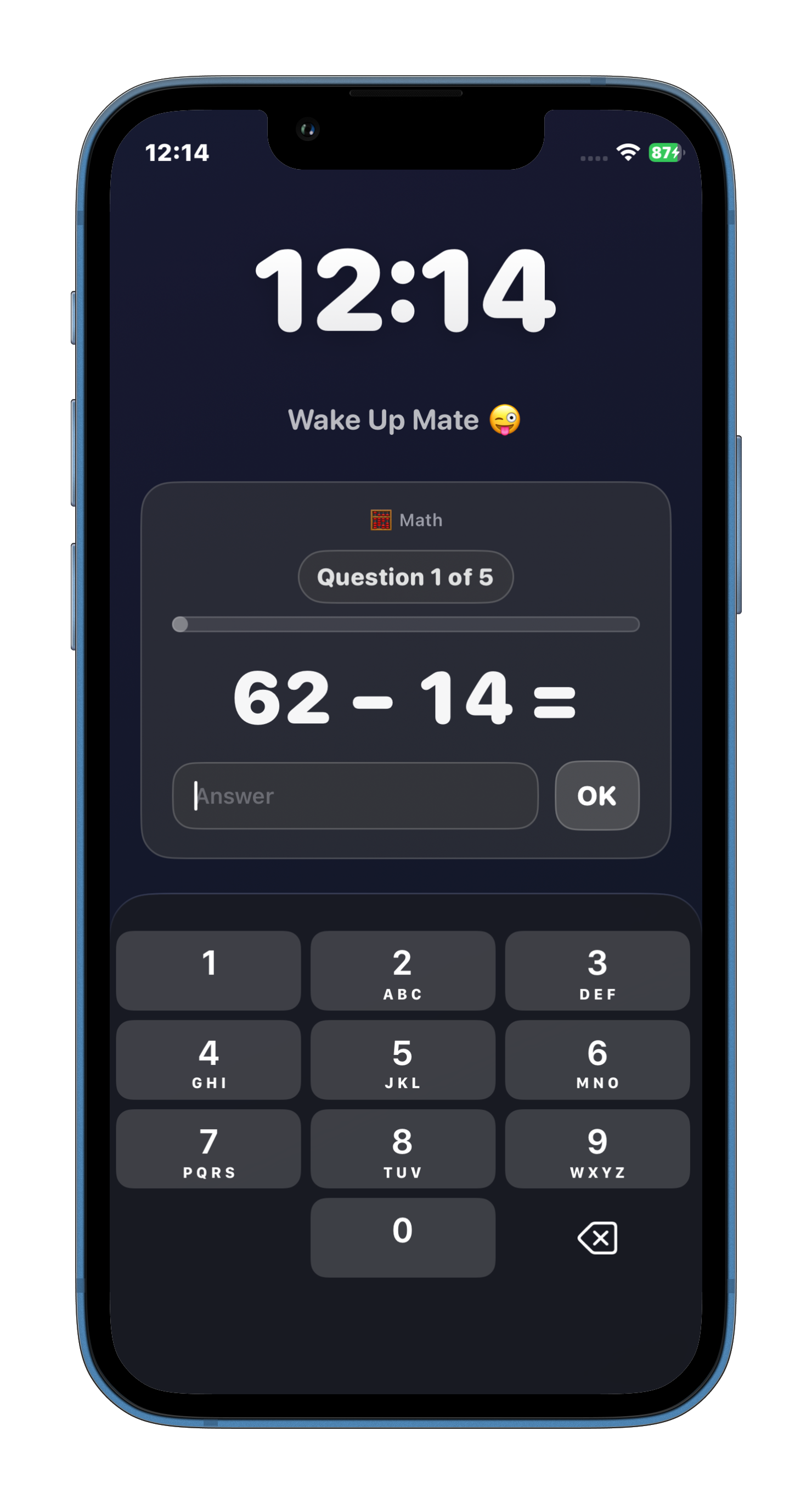
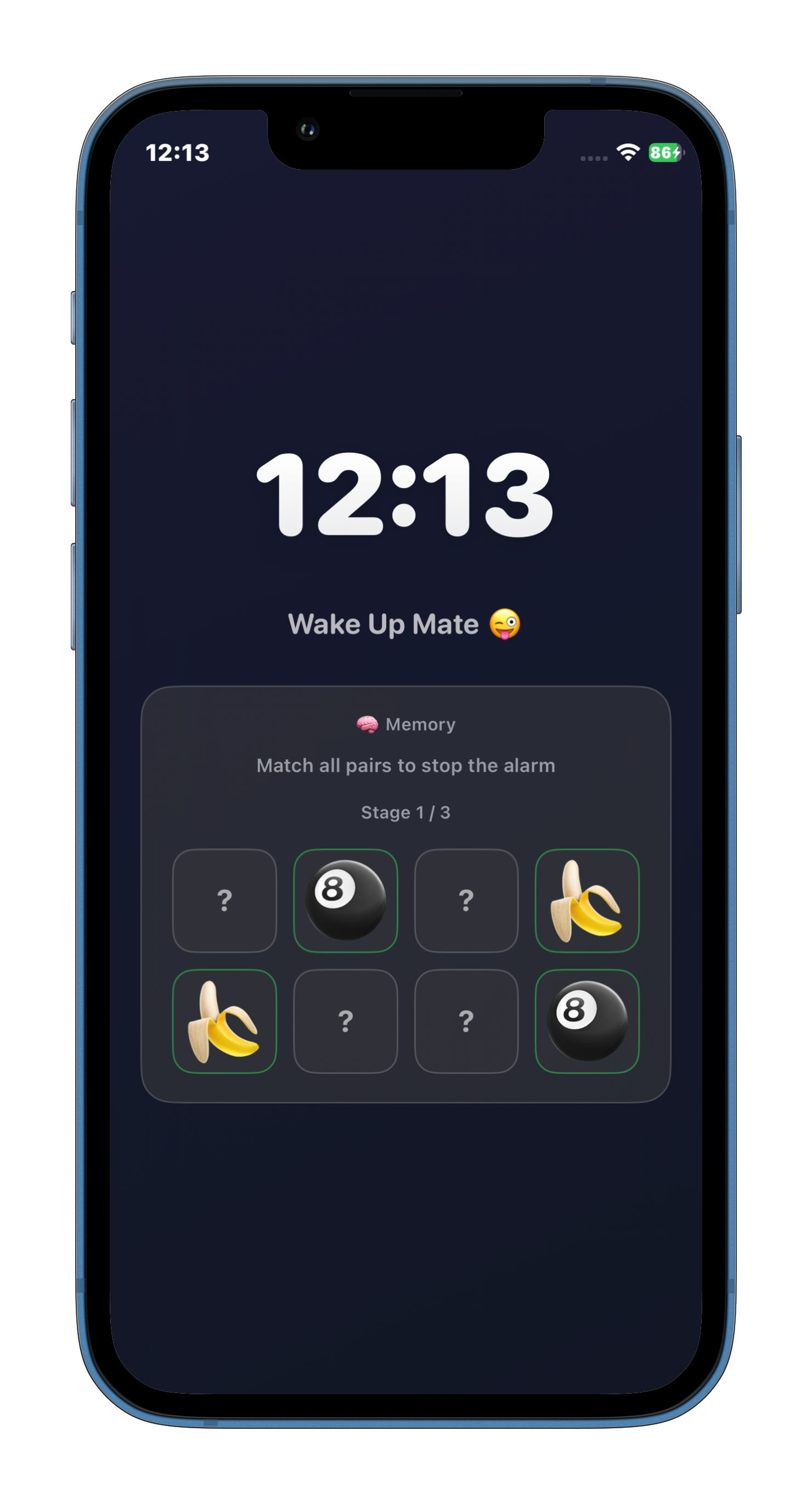
Why Alarm Arcade Works for people with ADHD
A dopamine-friendly wake-up trigger
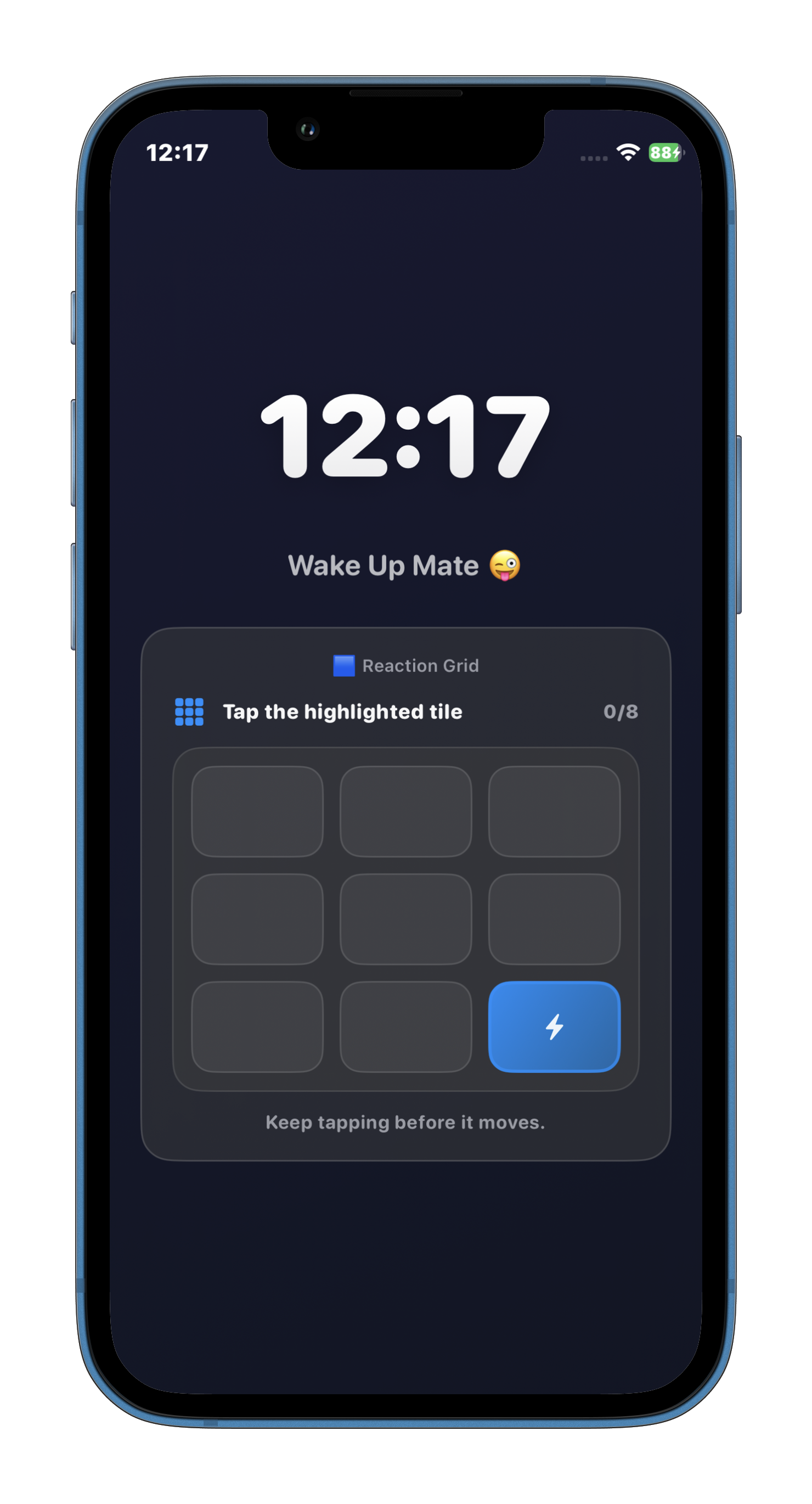
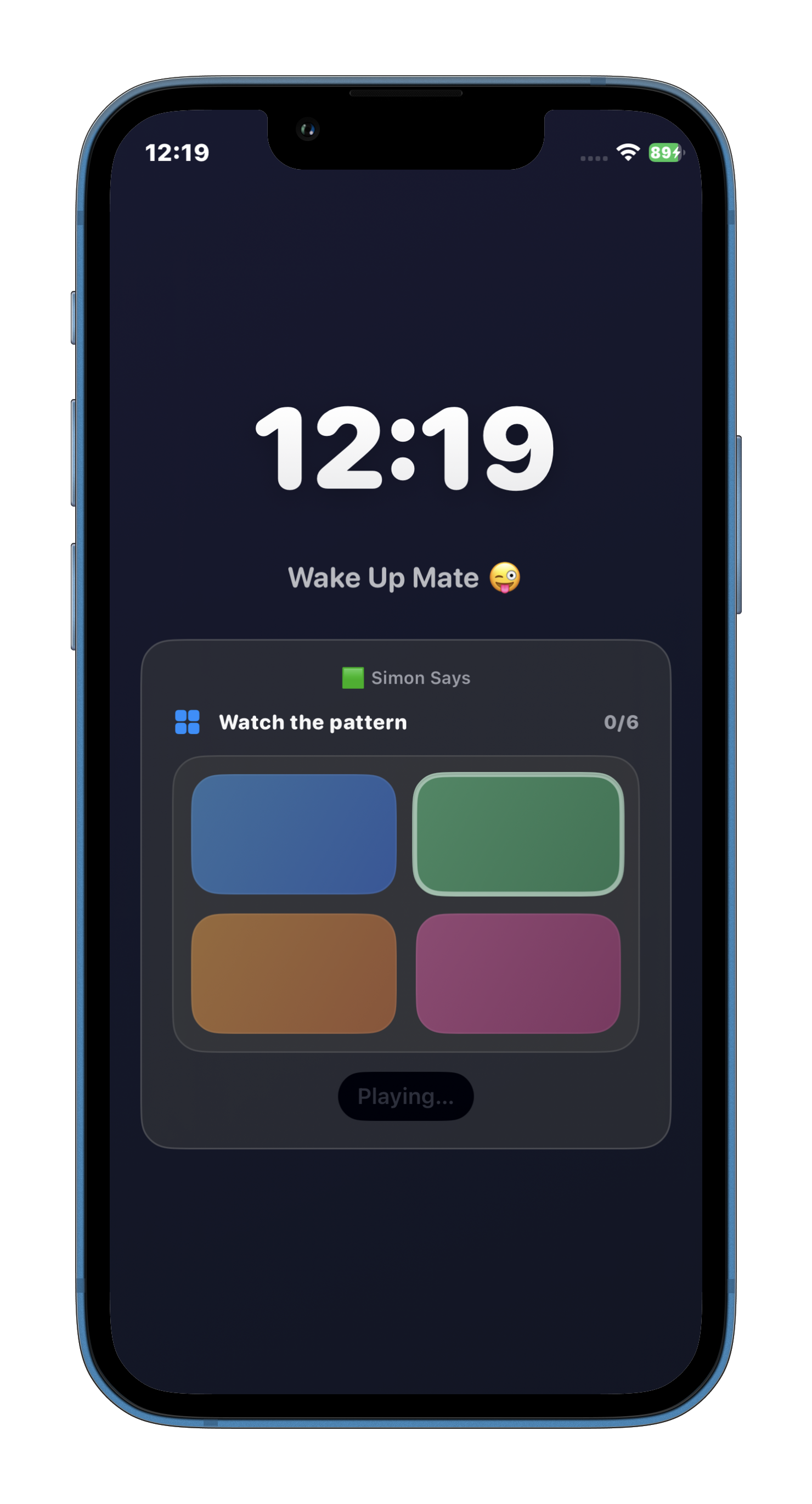
A mini-game is more engaging than a boring beep. Missions like Reaction Grid, Simon Says, and Memory Match give your brain something to lock onto, making it harder to slip back into sleep or mindless snoozing.
Breaks the autopilot snooze habit
ADHD mornings often run on automatic behavior. Alarm Arcade replaces "tap snooze" with a mission you must actually complete, creating a speed bump that interrupts the loop and helps you wake up intentionally.
Simple, private, and predictable
No account, no sign-up, no data collection. It works fully offline, so your alarm doesn't depend on Wi-Fi or services. You set it once and it behaves the same every morning.
Alarm Arcade vs alternatives for people with ADHD
| Feature | Alarm Arcade | Alarmy | iPhone Clock |
|---|---|---|---|
| No subscription required | ✓ | ✗ | ✓ |
| Game-based dismissal | ✓ | ✓ | ✗ |
| Works offline (no account) | ✓ | ✗ | ✓ |
| Pricing | $1.49 one-time | $4.99/mo | Free |
| Multiple mission types | ✓ | ✓ | ✗ |
Why people with ADHD keep failing with regular alarms
Two common ADHD morning problems are low activation and time blindness. When you first wake up, your brain may feel under-stimulated and resistant to effort—so it grabs the easiest option: snooze. Because the action is simple and rewarding (more sleep), it becomes a habit that runs before you're fully conscious.
Then time blindness kicks in. "Five minutes" doesn't feel like five minutes when you're half-awake, and your brain struggles to track the passage of time accurately. Regular alarms don't add any friction to this pattern. An active task that demands attention creates a stronger wake boundary and reduces the chance you drift into another snooze cycle.
The exact Alarm Arcade setup for people with ADHD
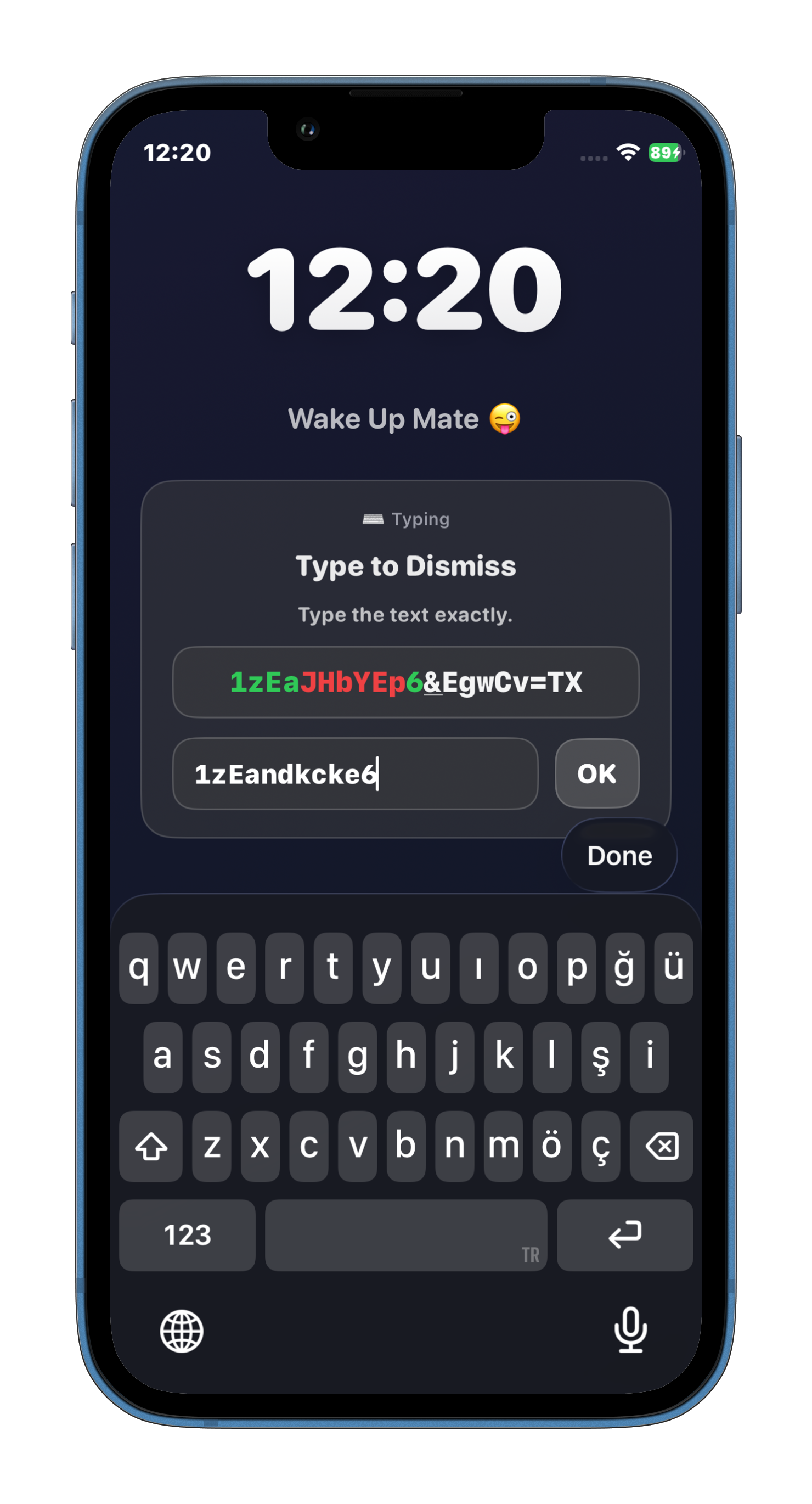
Pick missions that are stimulating but not punishing. Reaction Grid is a strong default because it's quick, visual, and attention-grabbing. Simon Says and Memory Match work well if you need a "focus hook" to fully wake. If your ADHD brain tends to rush and mis-tap, Typing is great because it forces accuracy and slows down autopilot behavior.
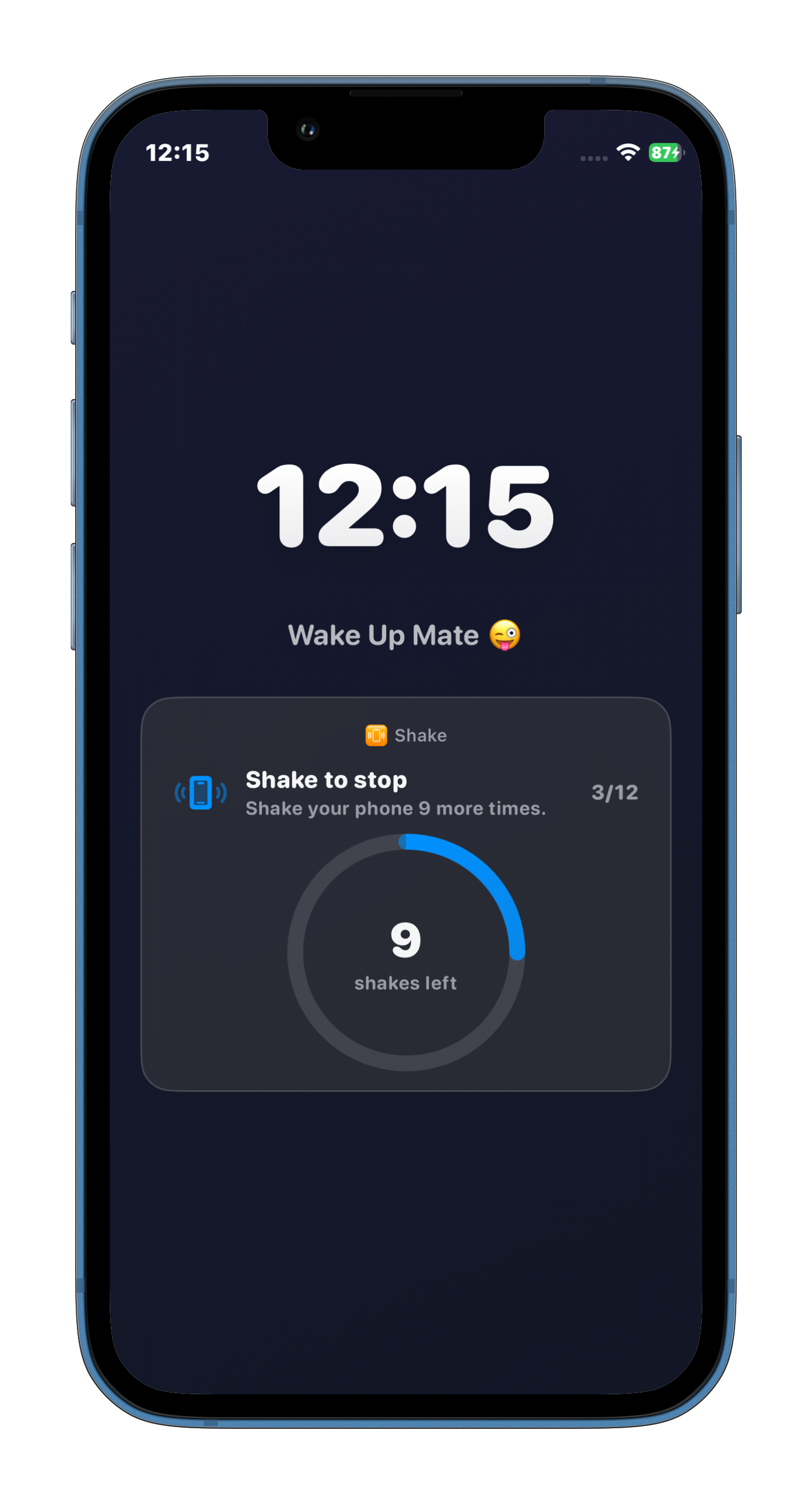
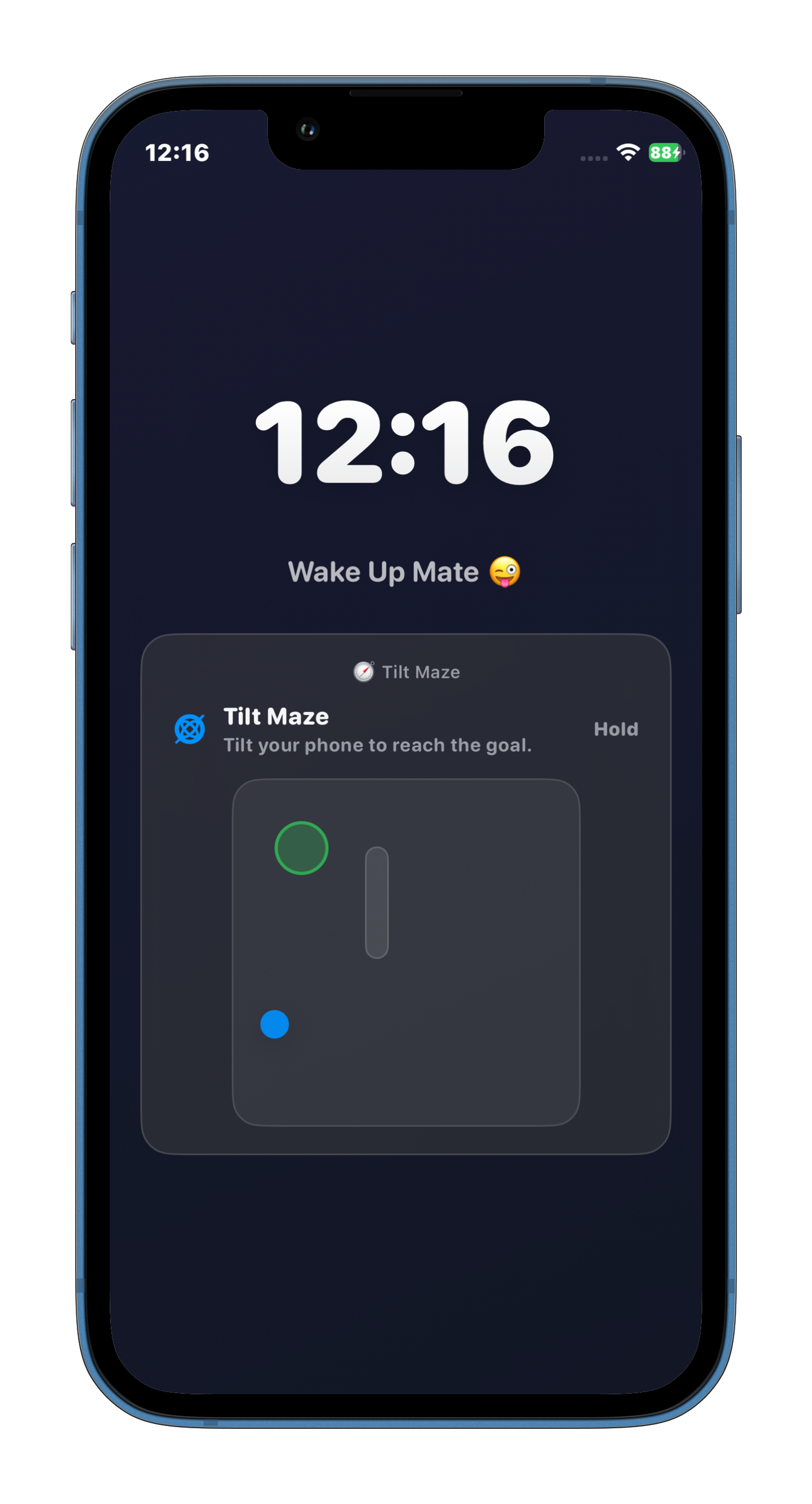
To reduce distractions, keep your morning plan simple: one primary alarm, one mission you can't do while half-asleep, and place your phone slightly out of reach so you must sit up. Rotate missions every few days to avoid building a sleepy shortcut (e.g., Reaction Grid → Typing → Math). If you struggle with oversleeping, add a physical mission like Shake or Tilt Maze to get your body involved too.
Frequently Asked Questions
It helps by creating a clean "wake boundary." Instead of drifting between snoozes, you must complete a mission that demands attention. That moment makes it easier to notice time passing and move into your next step intentionally.
Choose a mission that feels motivating, not stressful, and start at an easier difficulty. Reaction Grid, Simon Says, and Hold Timer are good low-friction options. You can raise difficulty once the habit is consistent.
No. Alarm Arcade requires no account, works fully offline, and collects no data. You download it and start using it immediately.
Make waking up the first win of your day
Download Alarm Arcade and replace snooze autopilot with a quick mission that snaps you awake. Free to try, Pro is $1.49 one-time, works offline.
Download Alarm Arcade — Free