 Alarm Arcade
What's the best time to wake up? Sleep cycles explained
If you wake up feeling wrecked even after "enough" hours, you're probably waking in the wrong part of a sleep cycle. This guide explains sleep cycles in plain English and gives a simple, repeatable alarm setup that makes waking up feel easier.
This problem is common because sleep isn't one smooth block—you move through repeating cycles with lighter and deeper stages. When an alarm hits during a deeper stage, you get stronger sleep inertia (grogginess, confusion, slow reaction time), which makes you hate mornings and slam snooze. Over time, alarm fatigue also kicks in: your brain learns that alarm sounds are negotiable.
The solution isn't "try harder" at 7am—it's designing your wake-up so it lands closer to a lighter sleep window and prevents autopilot snoozing. That means smarter timing, fewer but better alarms, and a dismissal method that forces real engagement.
Who This Is For
- People who feel groggy no matter how long they sleep
- Snoozers who wake up worse after hitting snooze
- Heavy sleepers who miss alarms or dismiss them unconsciously
- Shift workers with inconsistent bedtimes
- Students trying to wake up for early classes consistently
- Anyone testing sleep cycle alarms but still oversleeping
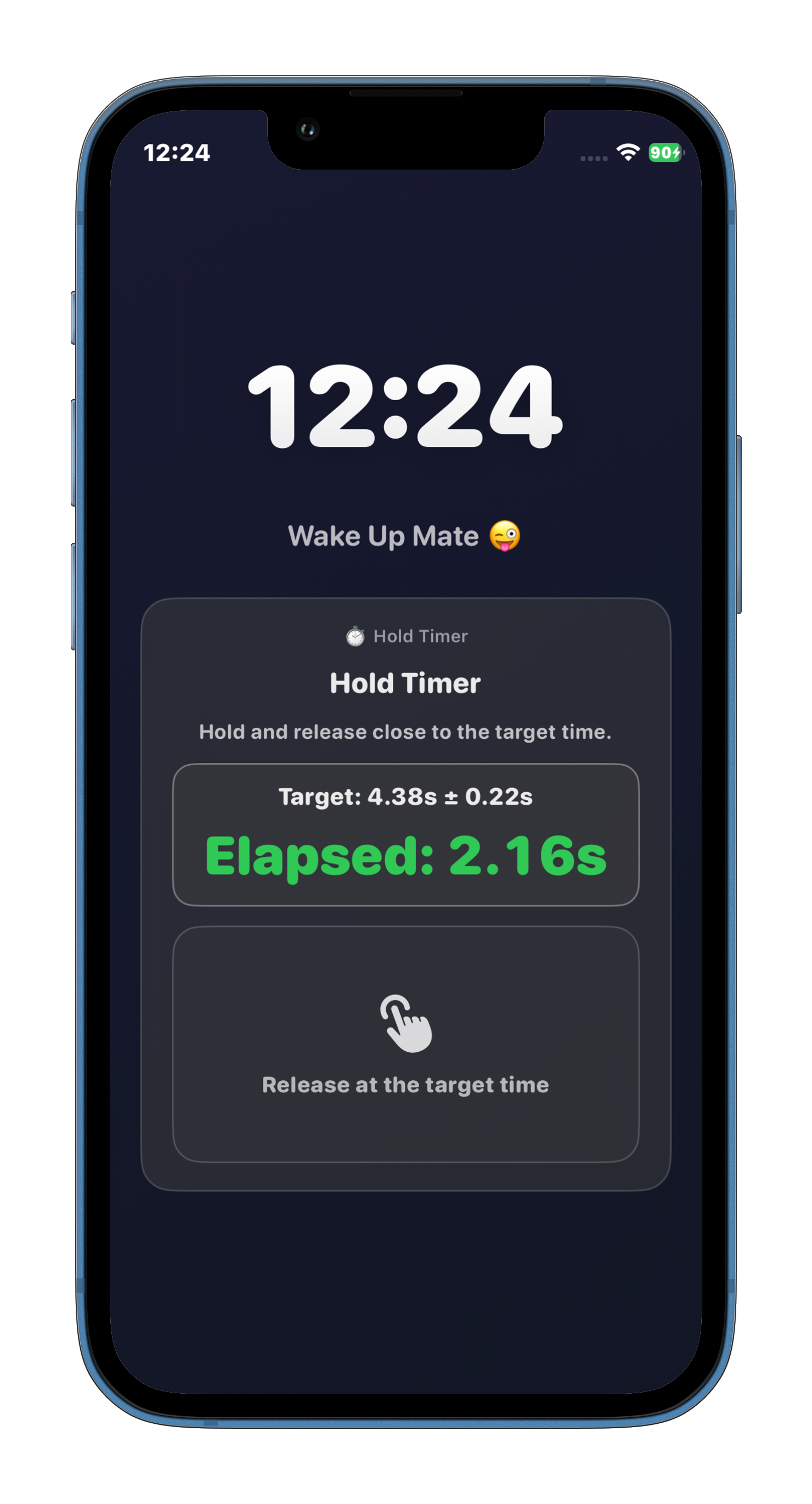
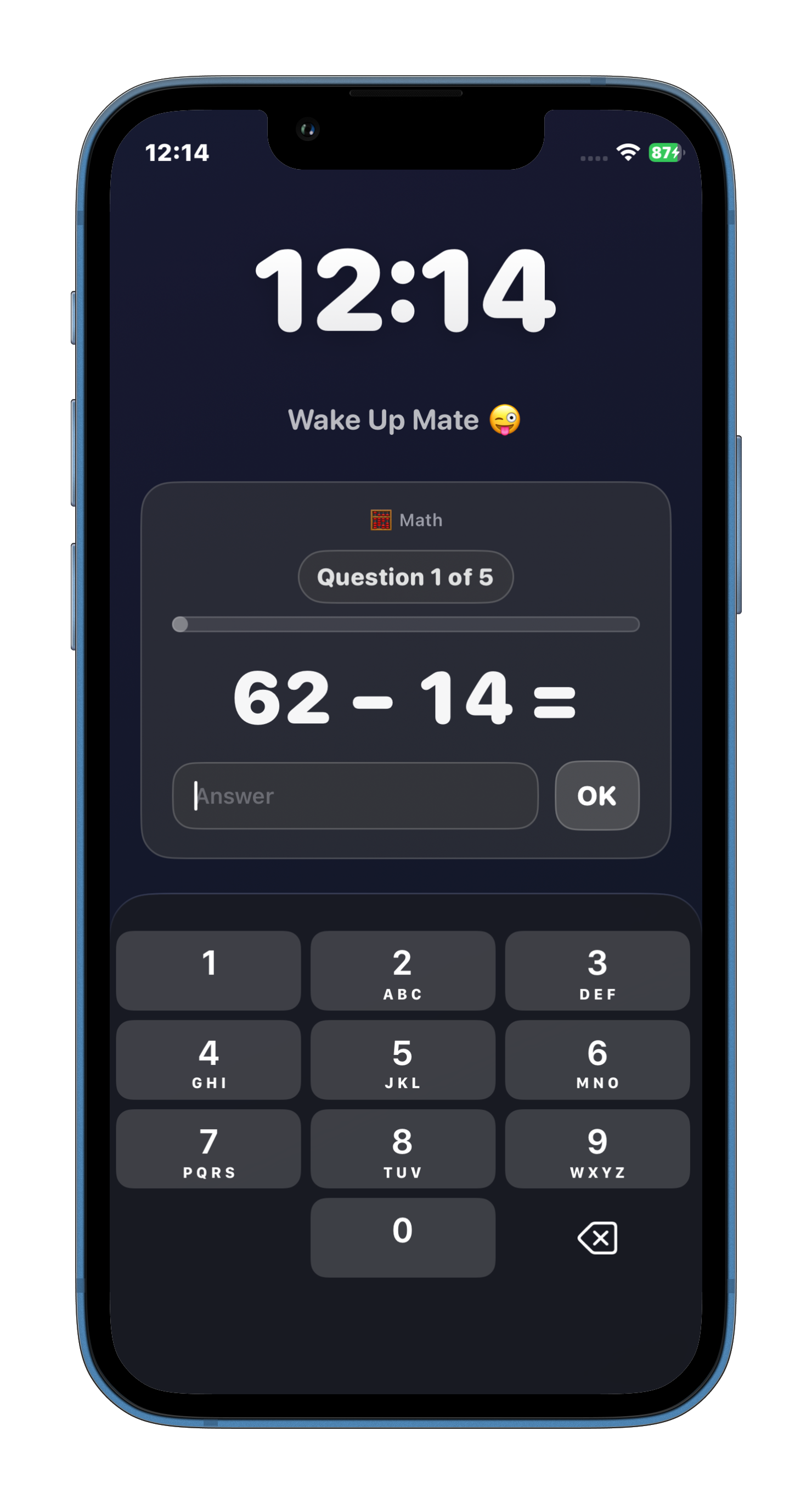
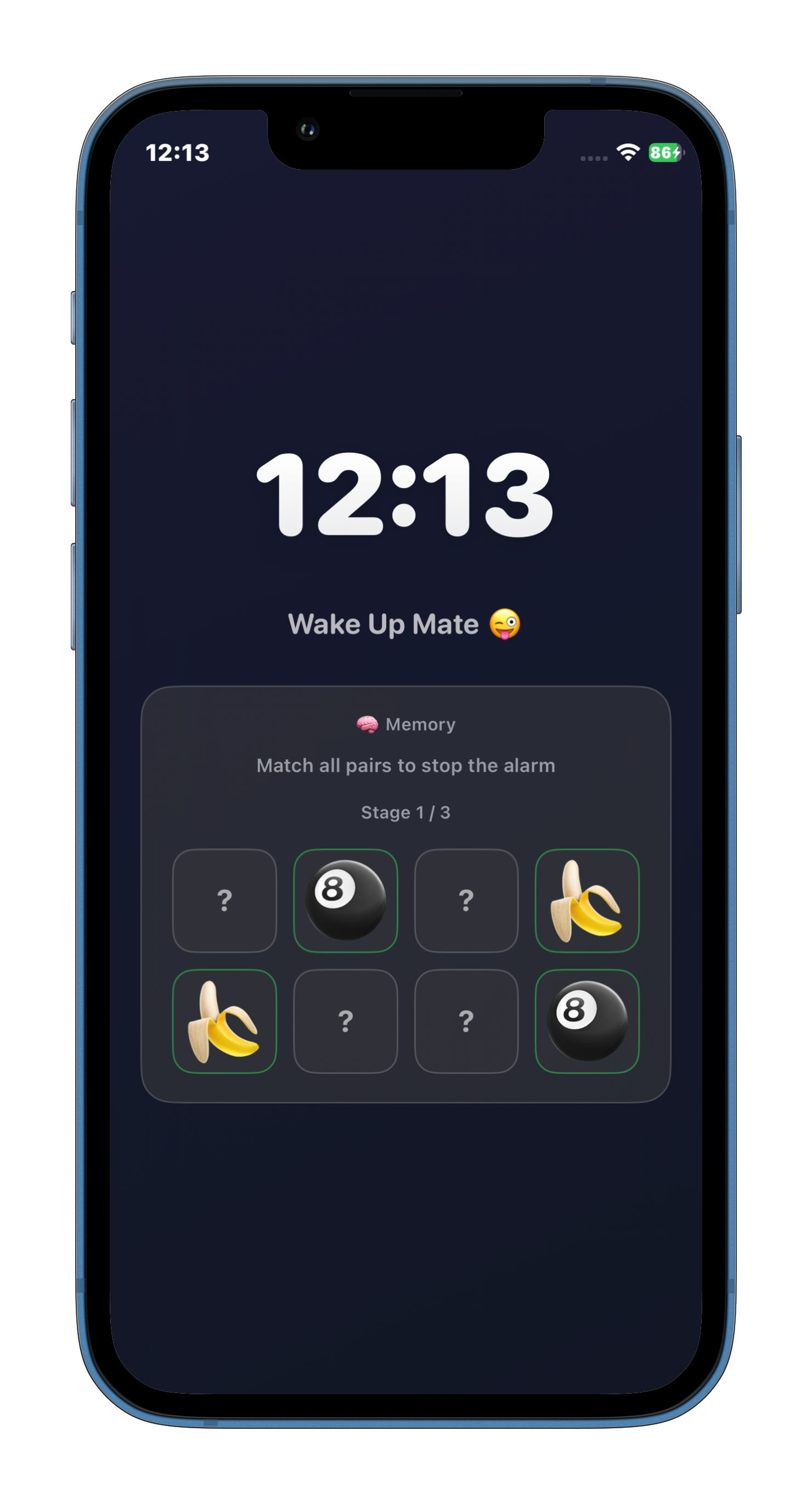
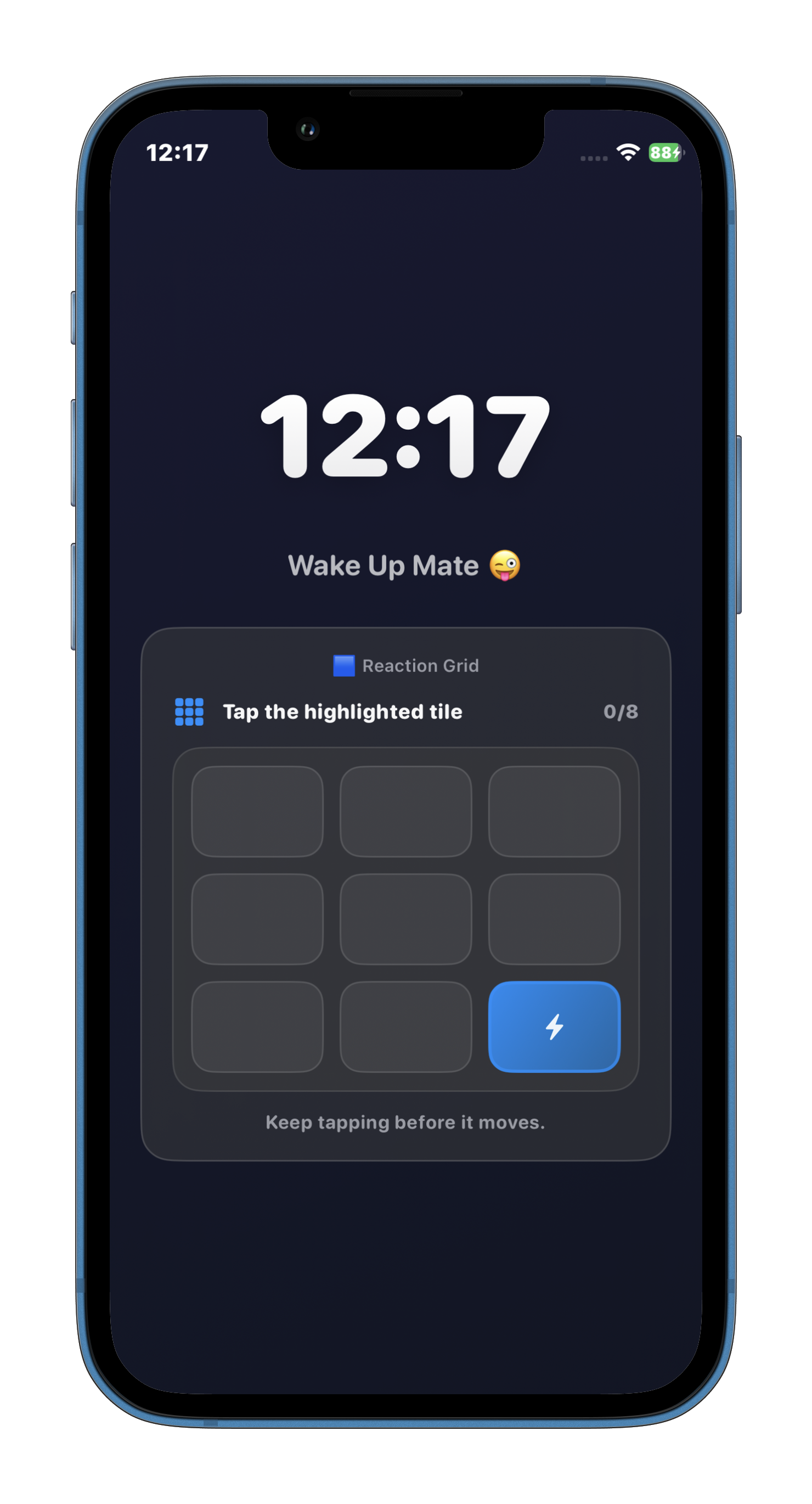
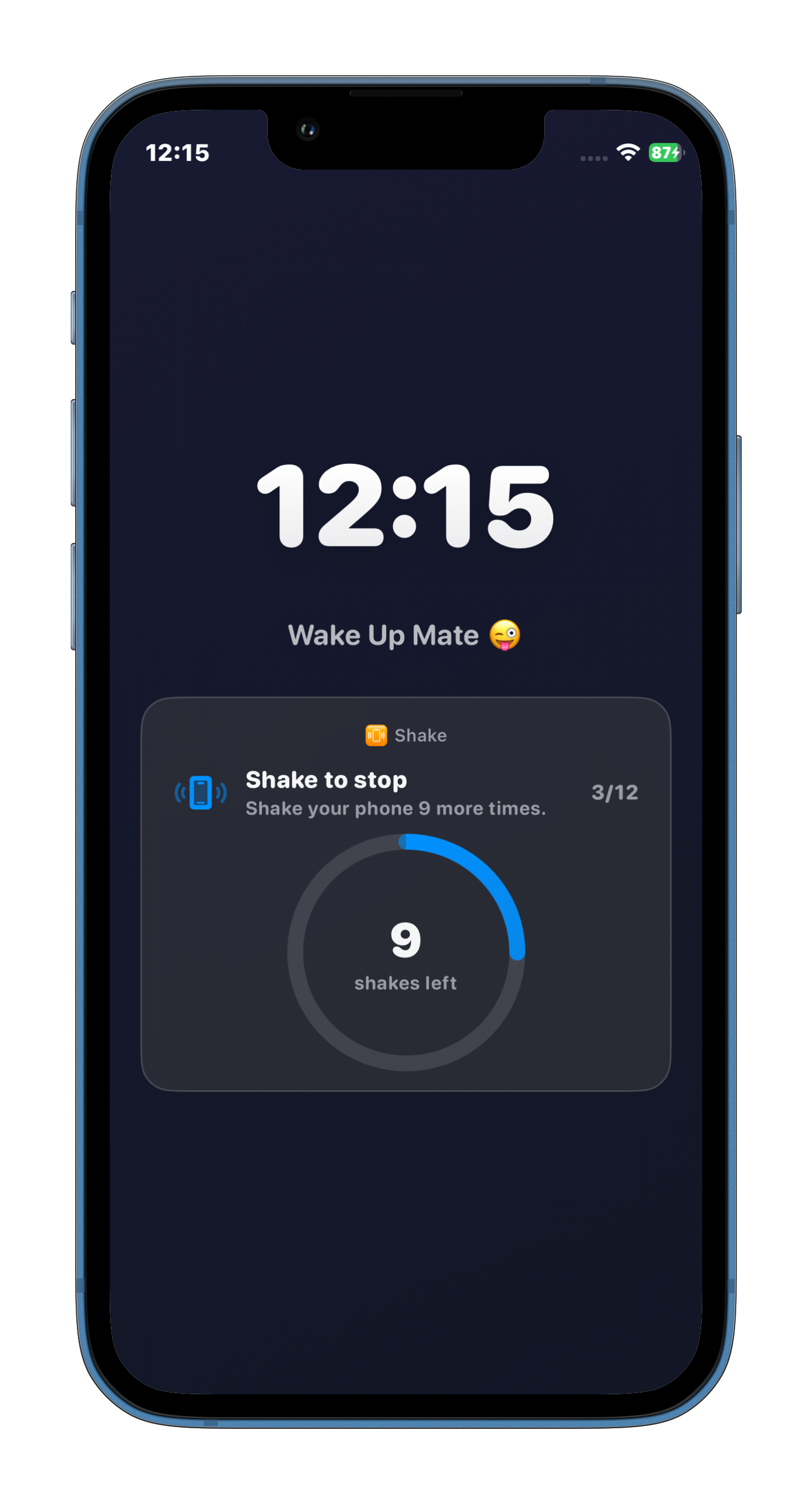
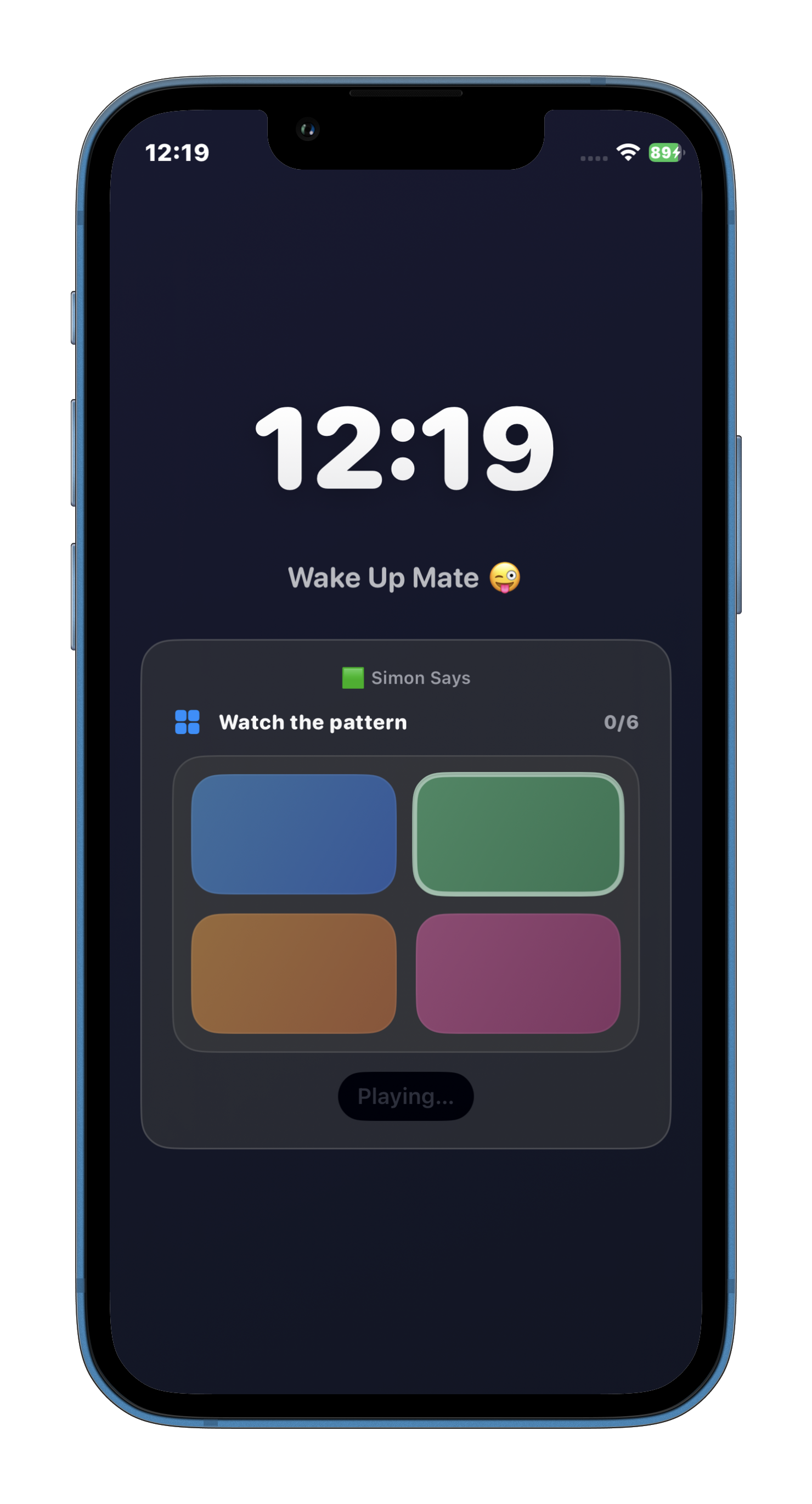
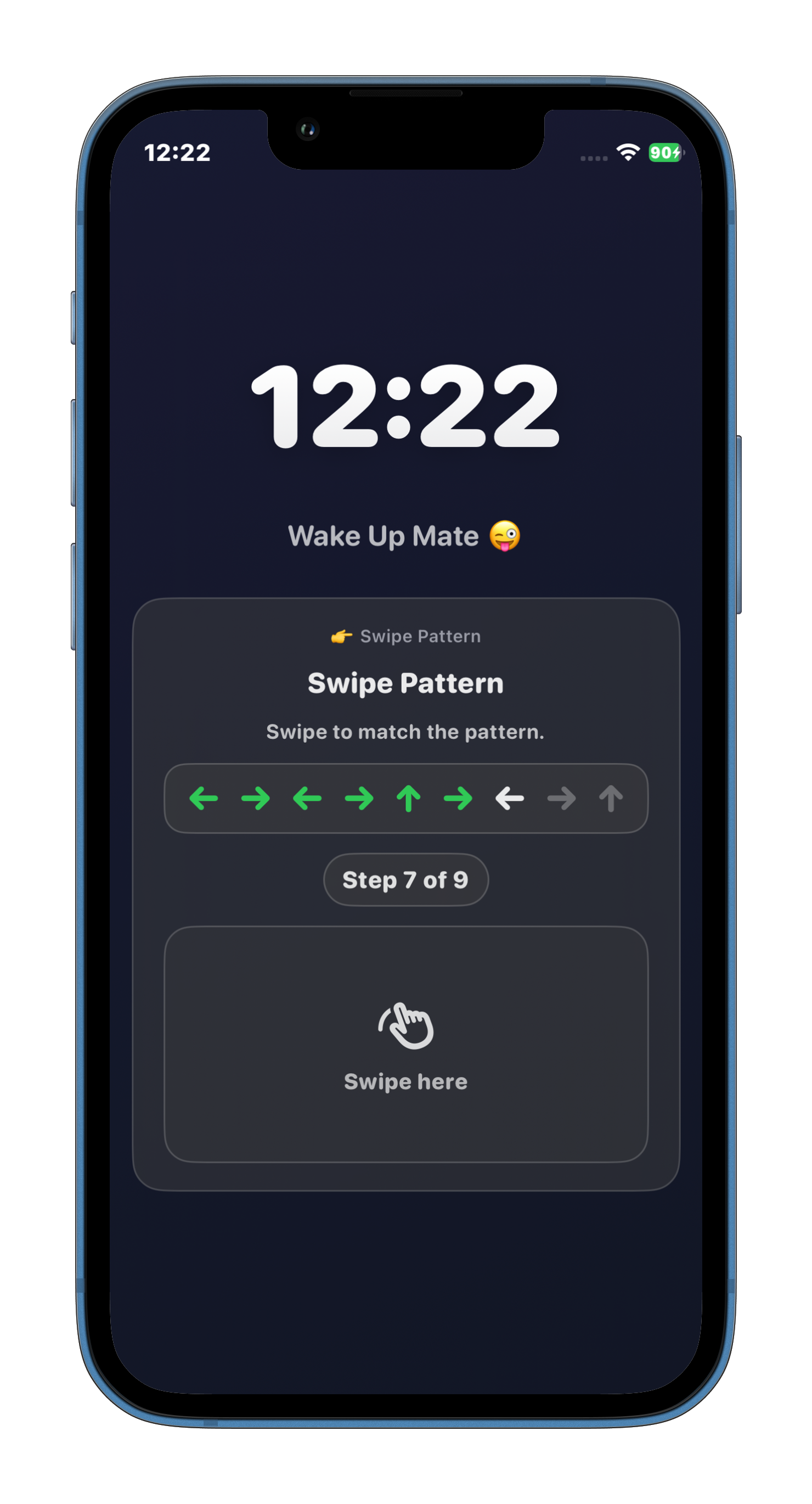
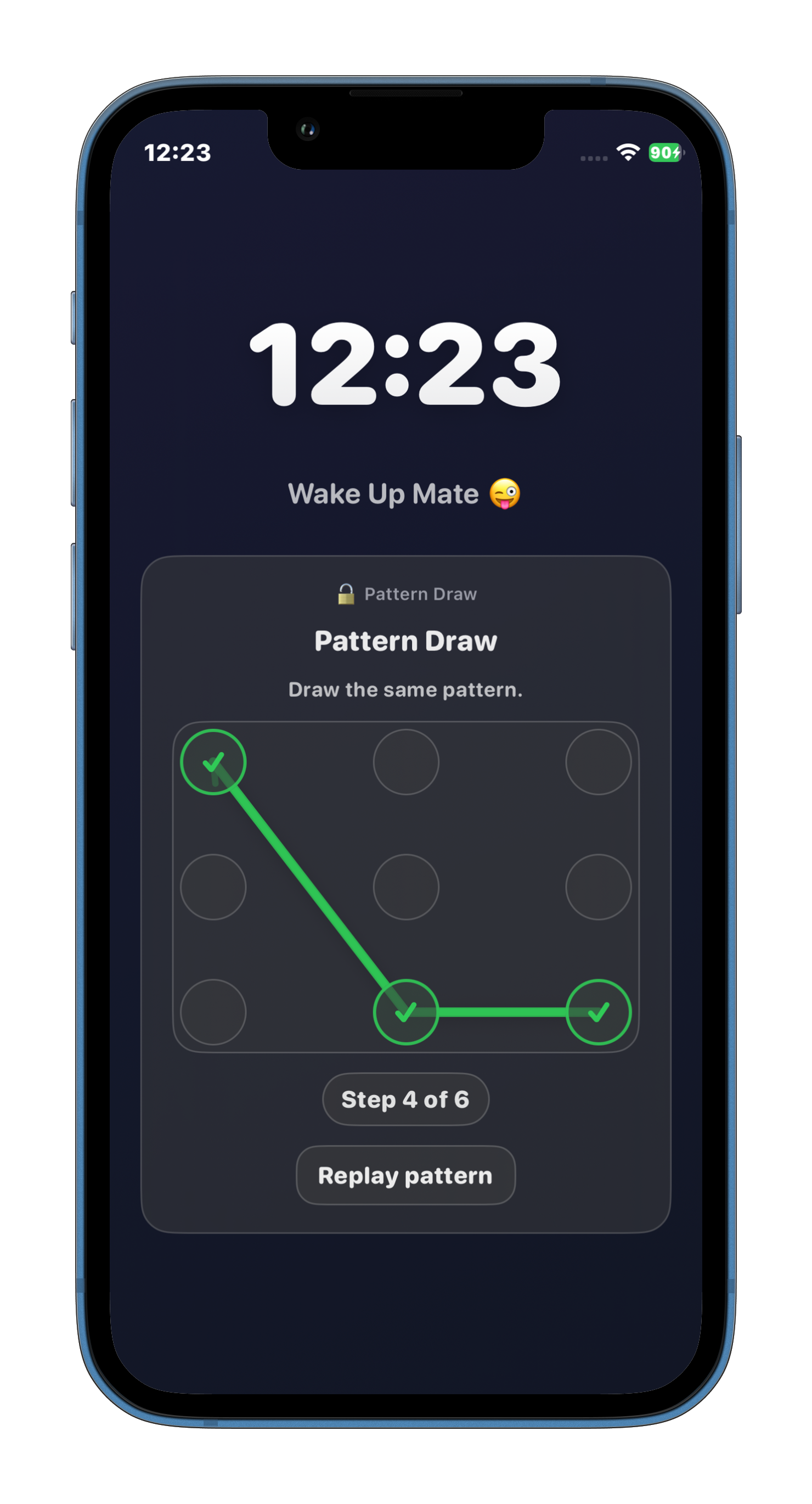
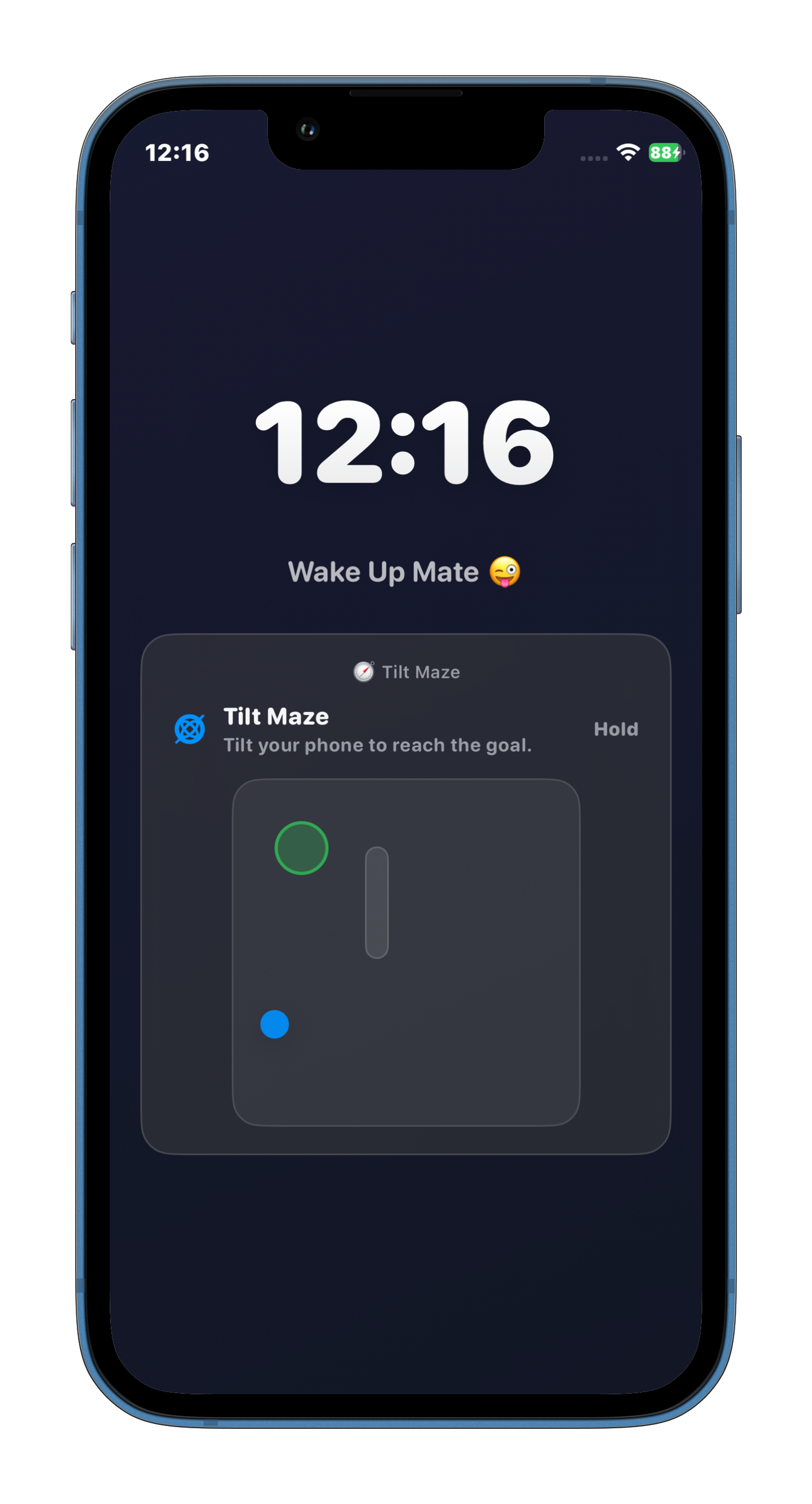
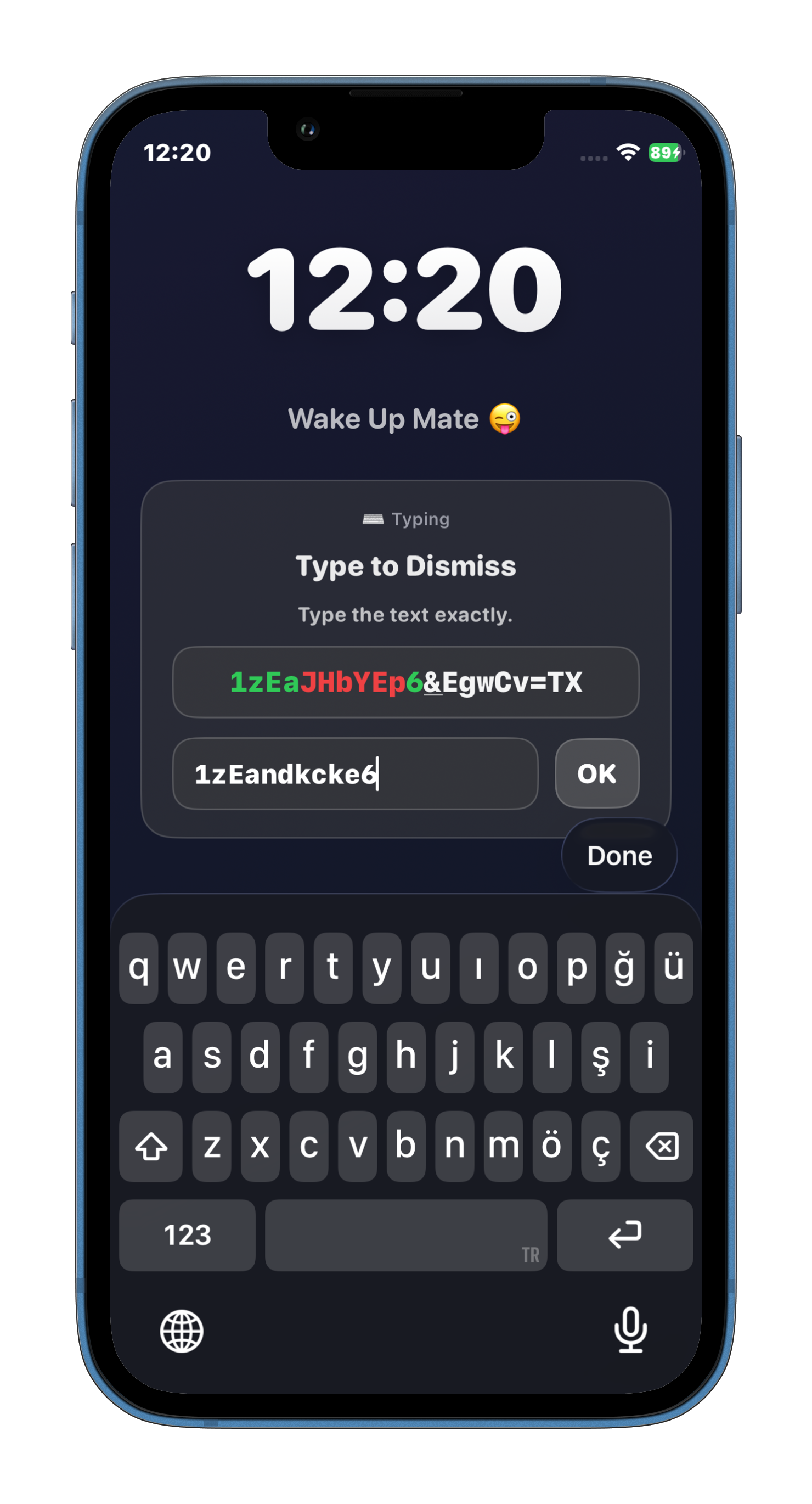
Why Alarm Arcade Works for people who want to wake at the right time
Stops autopilot in the groggy window
Mini-game missions force attention to dismiss the alarm, which helps you push through sleep inertia instead of mindlessly snoozing.
Mission variety prevents alarm fatigue
Switch missions (Math, Reaction Grid, Shake, Typing, etc.) so your brain can't learn one easy dismissal pattern.
Reliable even when your routine isn't
Works fully offline with no account and no data collection—so your wake-up system stays consistent anywhere, anytime.
Why Willpower Alone Doesn't Work — and What Does
| Feature | Alarm Arcade | Alarmy | iPhone Clock |
|---|---|---|---|
| No subscription required | ✓ | ✗ | ✓ |
| Game-based dismissal | ✓ | ✓ | ✗ |
| Works offline (no account) | ✓ | ✗ | ✓ |
| Pricing | $1.49 one-time | $4.99/mo | Free |
| Multiple mission types | ✓ | ✓ | ✗ |
The Science Behind the Best Time to Wake Up (Sleep Cycles)
Sleep cycles repeat through the night, moving between lighter sleep and deeper sleep. Waking up during lighter sleep is usually easier because your brain is already closer to "awake mode."
When your alarm hits during deeper sleep, sleep inertia is stronger: you feel foggy, uncoordinated, and your brain looks for the quickest escape—usually snooze. That's why two people can sleep the same number of hours and feel totally different in the morning. The practical takeaway: aim for consistency and give yourself a small wake window rather than one exact second. If you can't perfectly time sleep cycles, you can still win by reducing snooze behavior and forcing engagement when the alarm goes off.
Step-by-Step Fix Using Alarm Arcade
1) Pick a realistic wake window: set your target wake time, then create a 10–20 minute "buffer" (e.g., target 7:30, buffer 7:20–7:40). Your goal is to catch a lighter moment inside that window. 2) Set Alarm #1 at the start of the buffer with a cognitive mission (Math, Memory Match, Simon Says, or Typing). Medium difficulty is enough to break autopilot without making you rage-quit.
3) Set Alarm #2 at your target time with a different mission style (Reaction Grid or Shake). Different stimulus = less adaptation and a stronger second push through sleep inertia. 4) Keep snooze off (or treat it like "not allowed"): if you clear Alarm #1, you still must clear Alarm #2. After 3 mornings, adjust: if you're still too groggy, move the buffer earlier by 5 minutes; if you're waking easily, shorten the buffer.
Frequently Asked Questions
Not exactly. Cycle length varies by person and night, which is why a small wake window works better than trying to hit one perfect minute.
Snooze often drops you back into sleep, so you wake up repeatedly in fresh sleep inertia. It feels like you got "more sleep," but you actually get more grogginess.
Tracking can help awareness, but it doesn't stop autopilot dismissal. Pair any tracking with an alarm that forces engagement—Alarm Arcade works offline and doesn't require an account.
Make wake-up non-negotiable starting tonight
Free to download. Takes 60 seconds to set up.
Download Alarm Arcade — Free