 Alarm Arcade
The psychology behind why we snooze — and how apps help
Snoozing feels like a choice, but the neuroscience says otherwise — your brain is operating well below conscious capacity when the alarm fires. Understanding why snoozing happens automatically is the first step toward building a system that makes it structurally impossible.
The snooze reflex is a product of three converging forces: sleep inertia (temporary impairment of executive function in the first minutes after waking), operant conditioning (your brain has learned that alarms can be ignored because a next one always comes), and the path-of-least-resistance dismissal mechanic (a single tap requires zero conscious engagement). These three forces don't require you to be lazy or undisciplined — they operate below the threshold of deliberate choice.
Willpower-based solutions fail because they attempt to deploy a prefrontal cortex resource that isn't available at the moment it's needed. The effective solution is structural: change the dismissal mechanic so that silencing the alarm requires more cognitive engagement than your sleep-inertia brain can provide on autopilot. That's the design principle behind mission-based alarms, and it's the only approach that addresses all three causes simultaneously.
Who This Is For
- People curious about the neuroscience of snoozing, not just the fix
- Anyone who's tried willpower-based approaches and found them ineffective
- People who snooze despite genuine motivation to stop
- Students and professionals wanting to understand the mechanism before choosing an alarm app
- People who've read productivity advice about waking up but want the underlying science
- Anyone who finds it helpful to understand why something works before committing to it
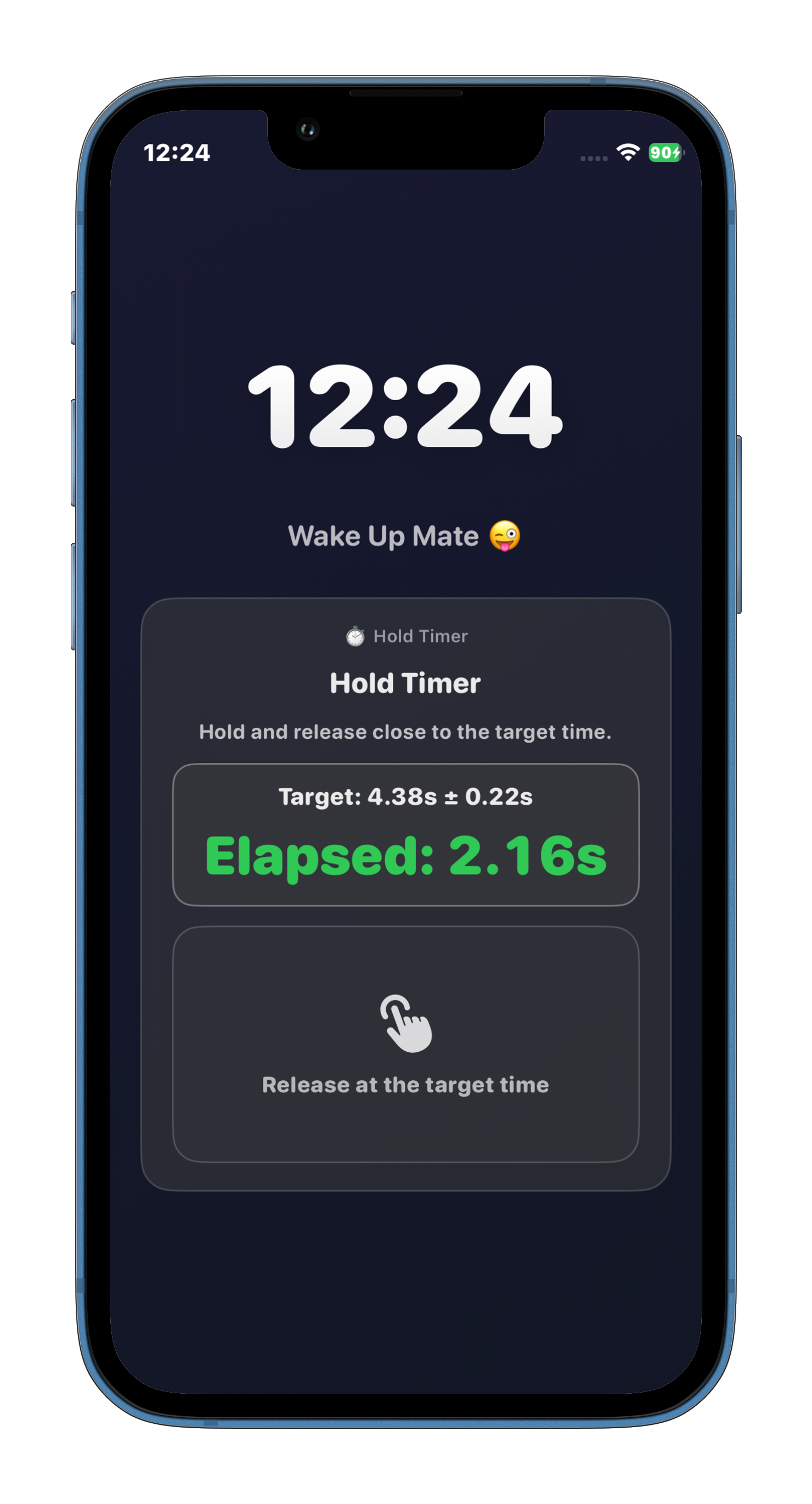
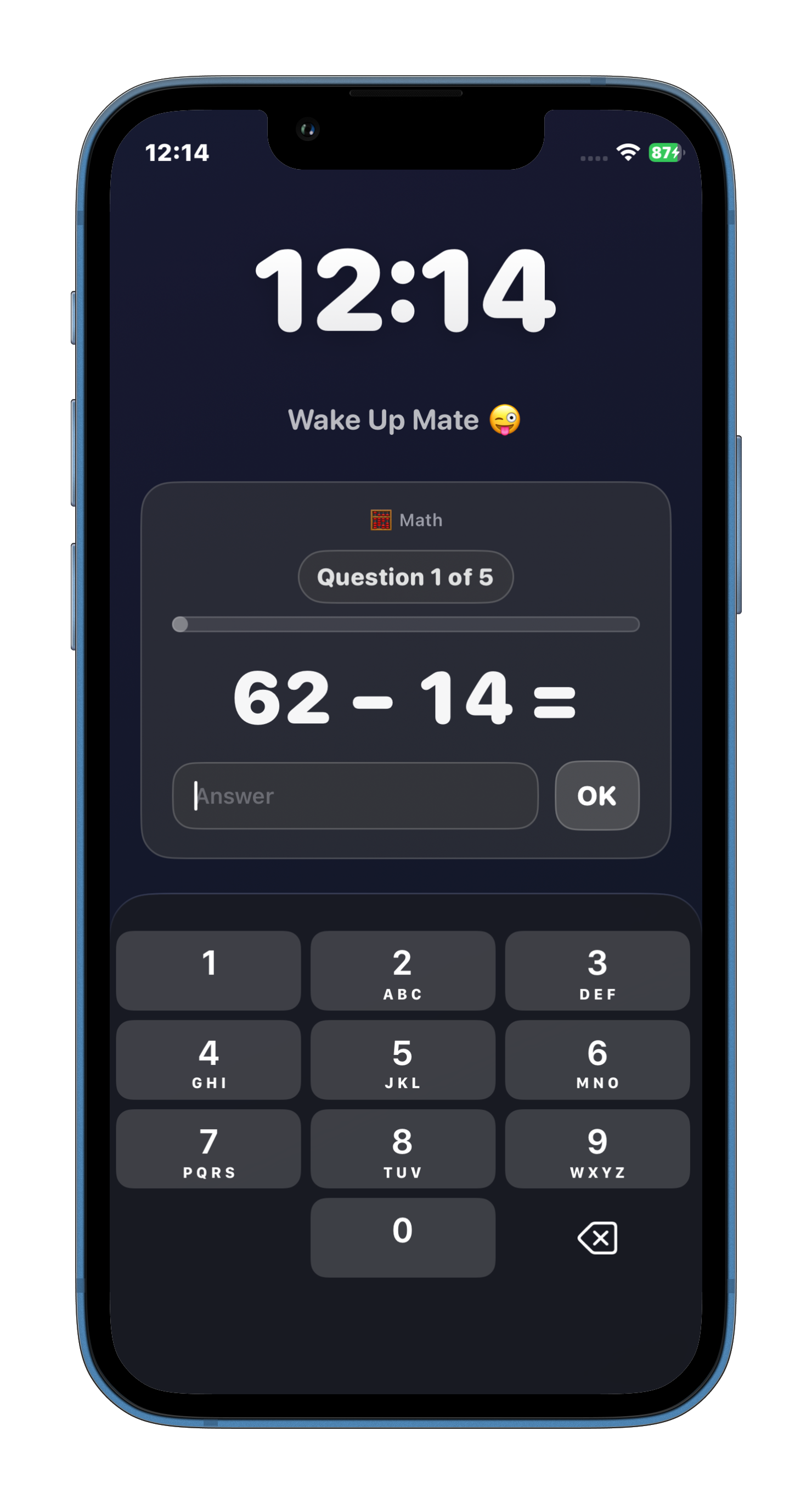
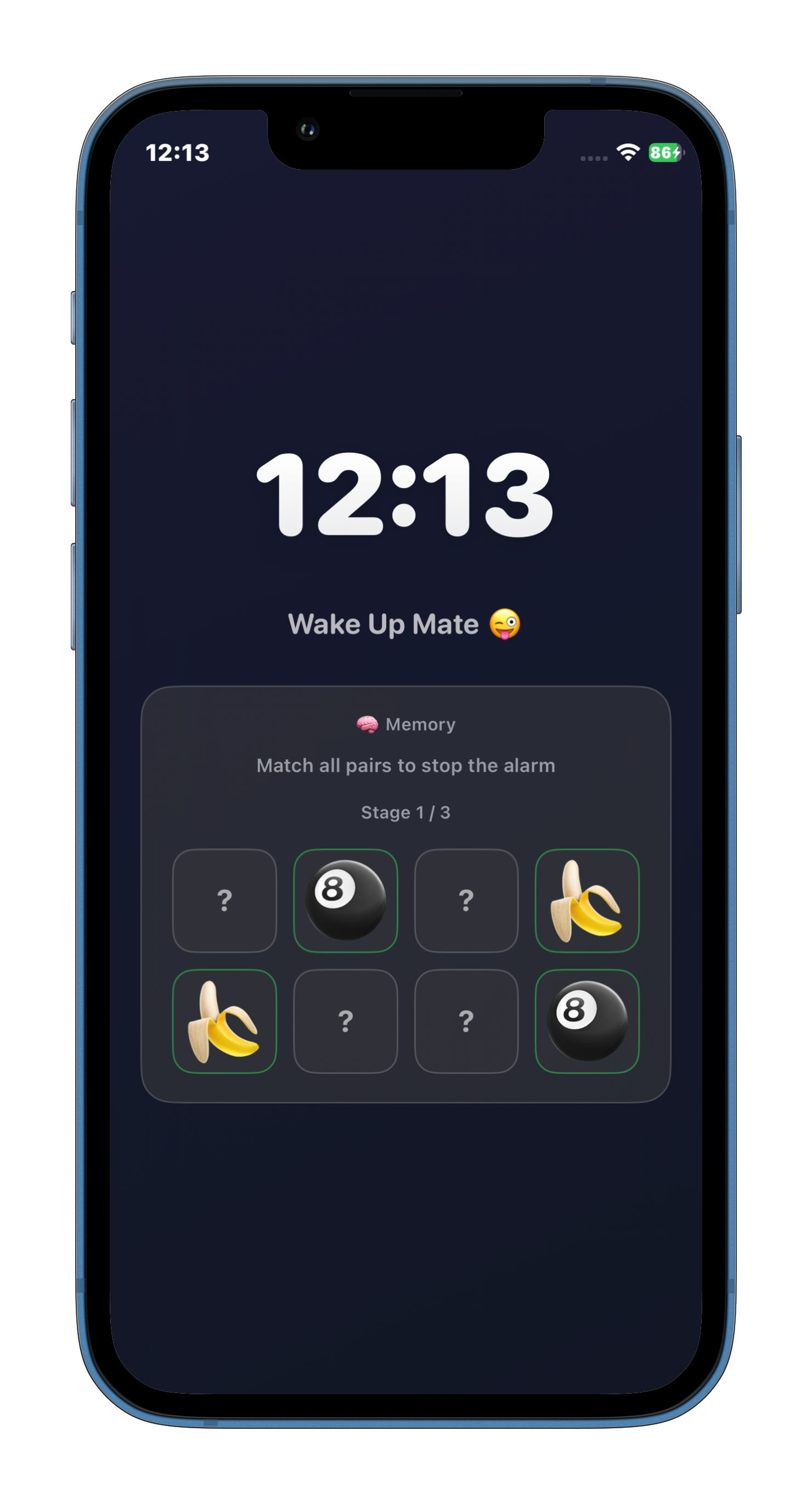
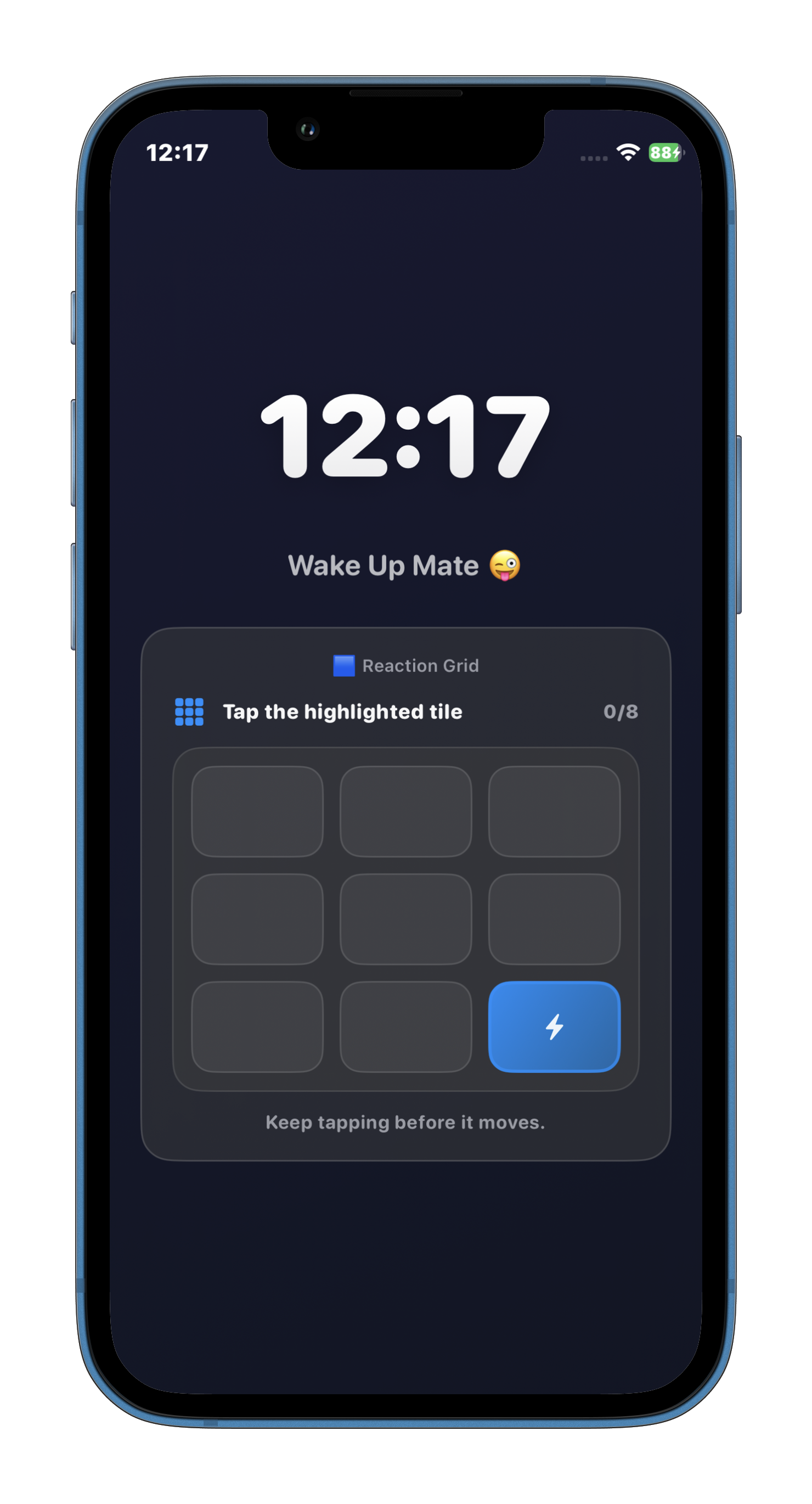
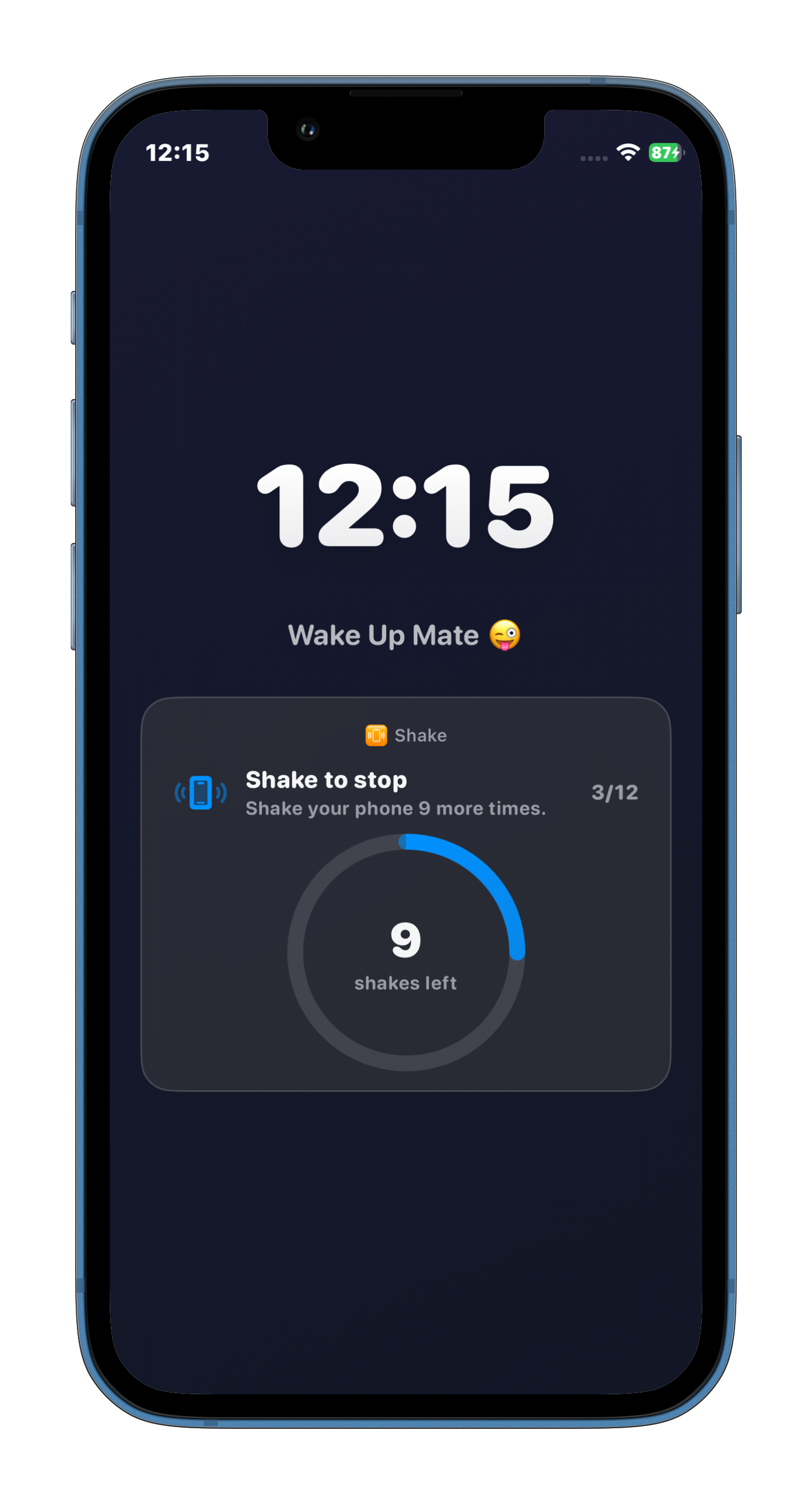
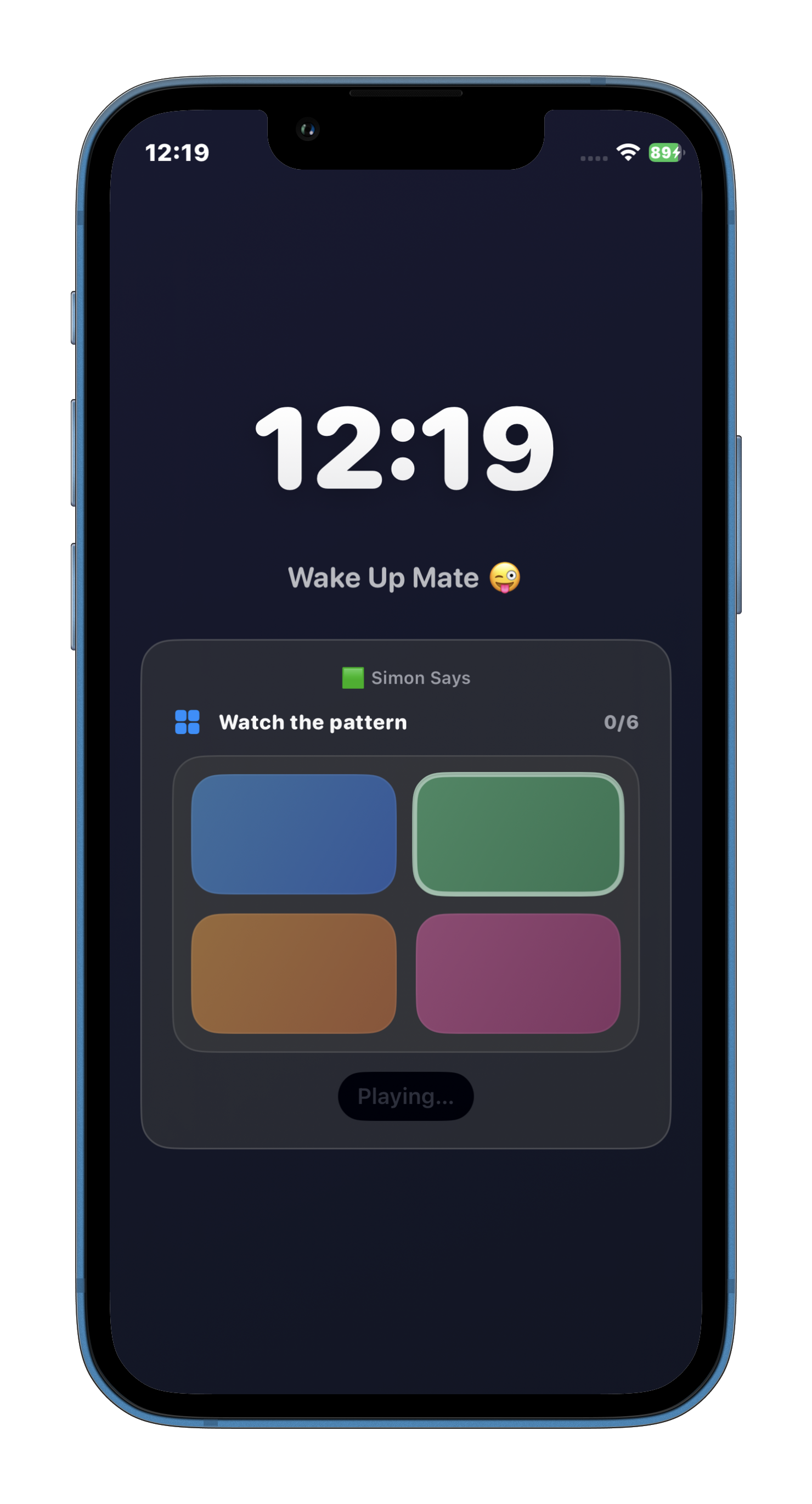
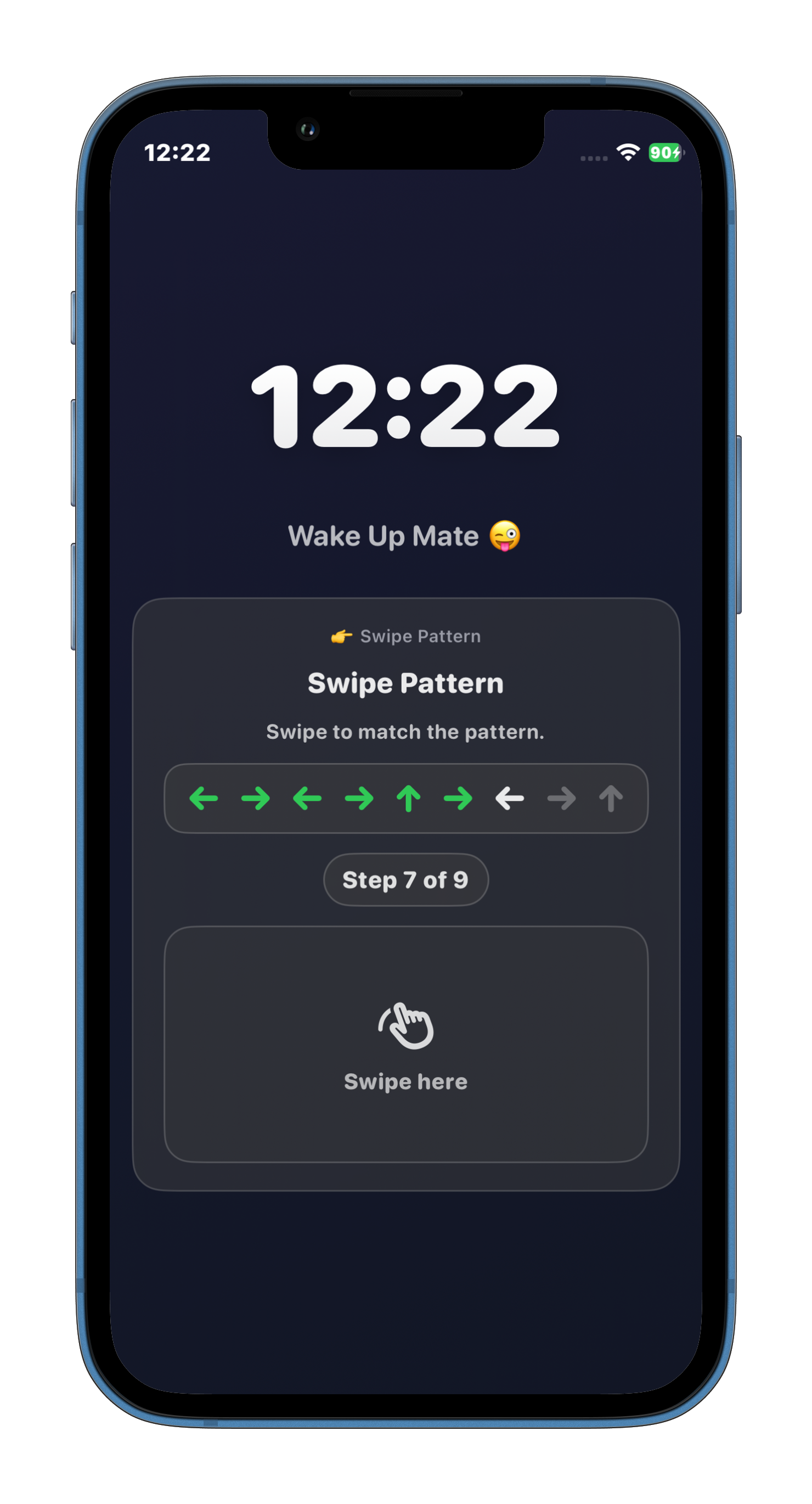
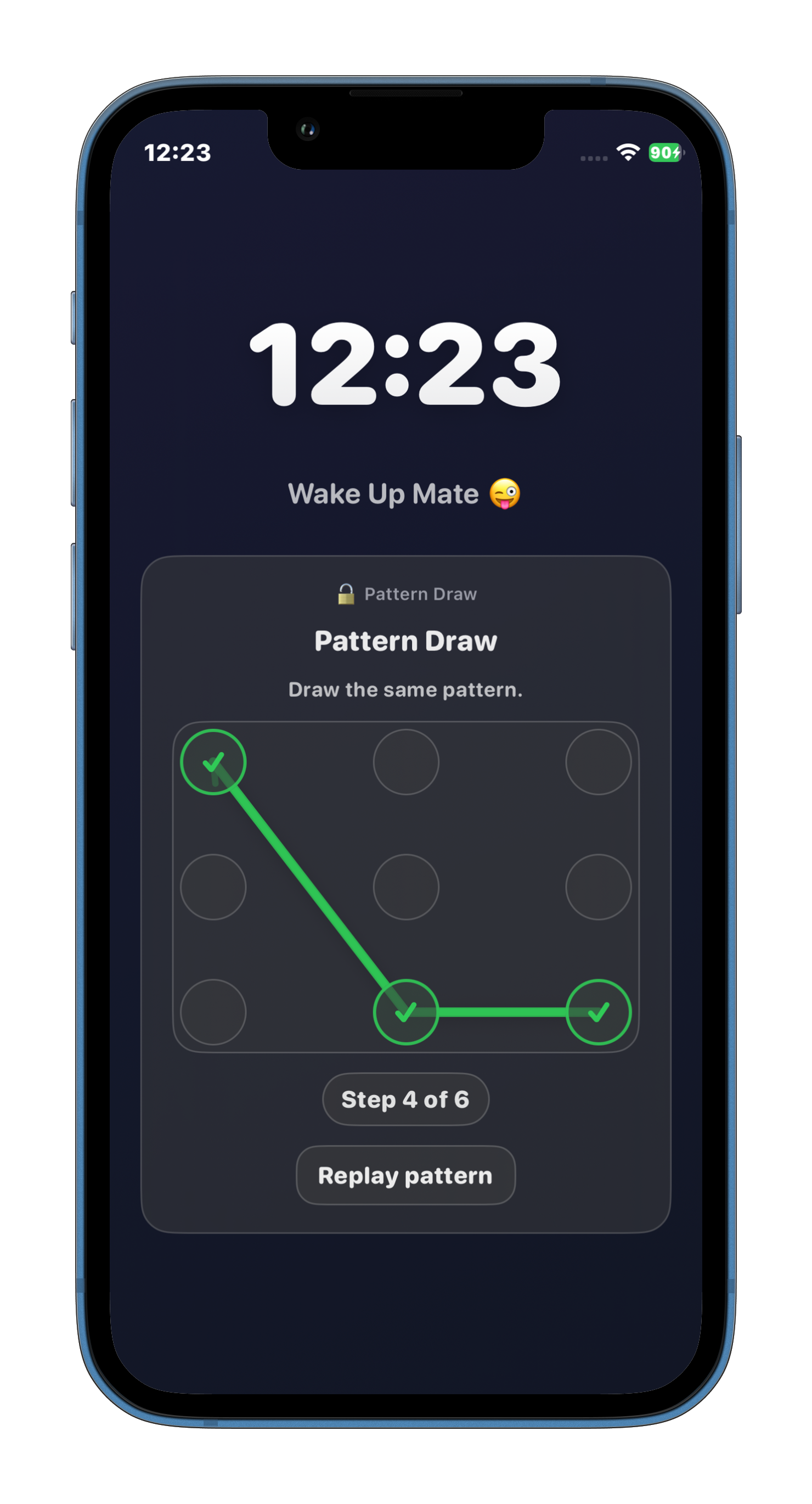
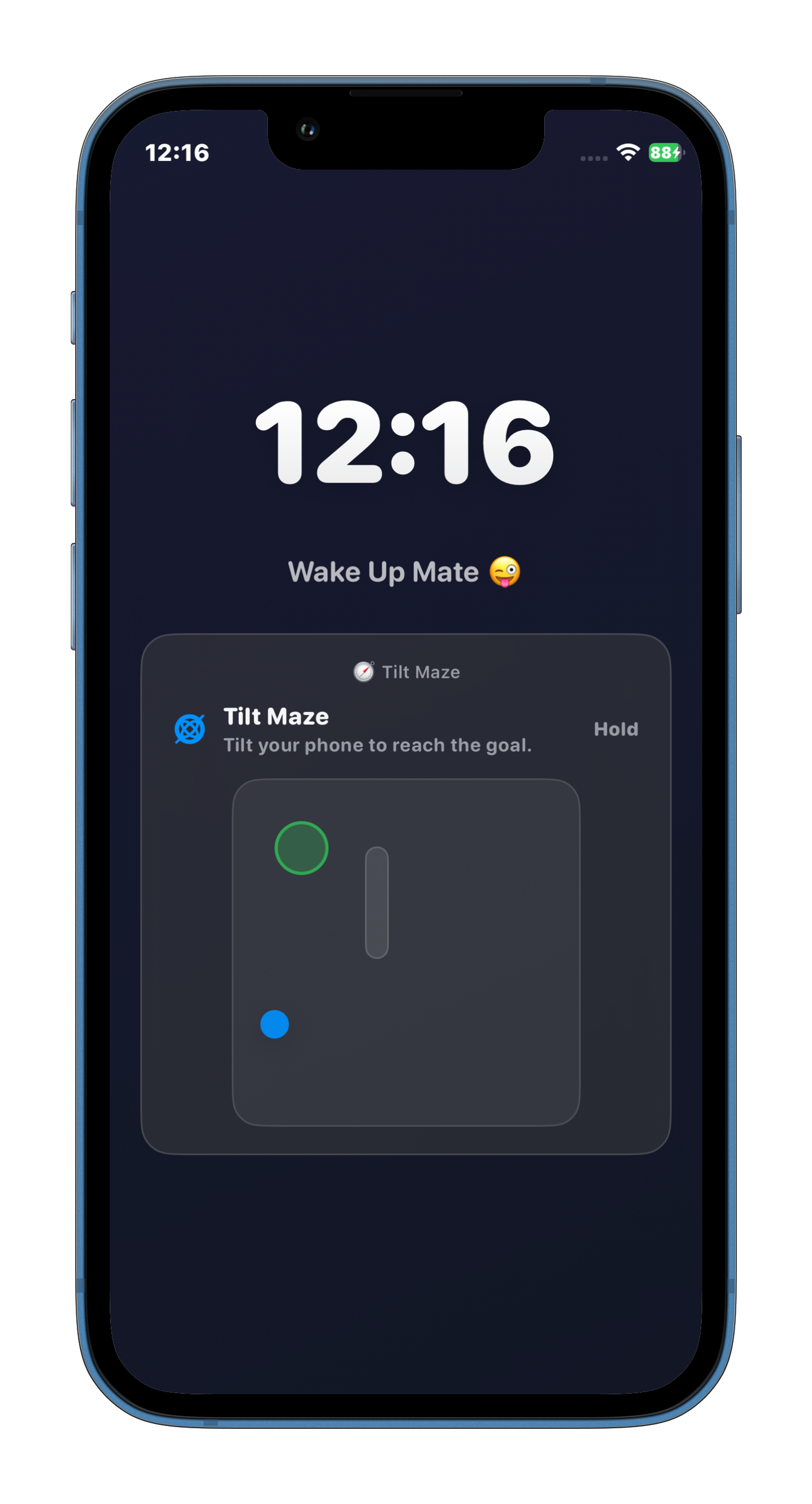
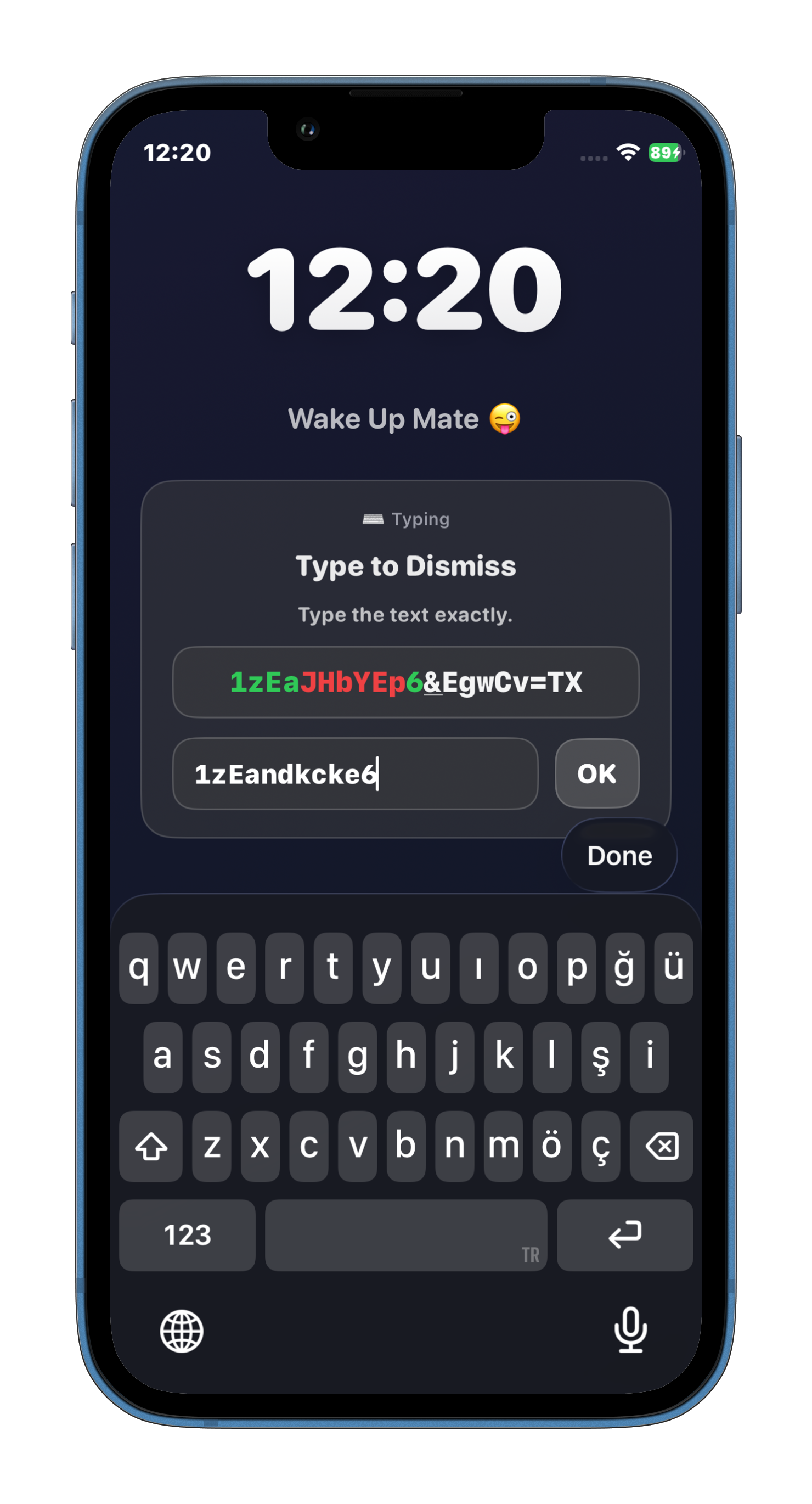
Why Alarm Arcade Works for People exploring the psychology of snoozing
Bypasses the impaired prefrontal cortex entirely
Willpower requires prefrontal cortex function, which is suppressed during sleep inertia. Alarm Arcade's missions don't rely on motivation — they require cognitive engagement that your brain cannot fake regardless of motivational state. The mechanism works even when willpower doesn't.
Breaks the operant conditioning of the alarm stack
Multiple easy-dismiss alarms condition your brain to treat alarms as optional. One mission-based alarm with no dismissal bypass re-establishes the alarm as a signal that demands a real response. The conditioning reverses within a week of consistent use.
Ten missions prevent the new dismissal action from becoming habitual
Even a mission-based alarm becomes habitual if the task never changes. Alarm Arcade's ten missions rotate the challenge across cognitive, physical, and reaction types — preventing any single response pattern from developing.
Why willpower alone doesn't work — and what does
| Feature | Alarm Arcade | Alarmy | iPhone Clock |
|---|---|---|---|
| No subscription required | ✓ | ✗ | ✓ |
| Game-based dismissal | ✓ | ✓ | ✗ |
| Works offline (no account) | ✓ | ✗ | ✓ |
| Pricing | $1.49 one-time | $4.99/mo | Free |
| Multiple mission types | ✓ | ✓ | ✗ |
The psychology and neuroscience of the snooze reflex
Sleep inertia is the neurological bridge between sleep and wakefulness. When you wake from deep slow-wave sleep, your brain doesn't transition instantaneously to full consciousness — it enters a 5–30 minute window of impaired function where reaction time, decision quality, and impulse control are measurably reduced. During this window, the limbic system (emotion, impulse, comfort-seeking) is running at full speed while the prefrontal cortex (deliberate reasoning, long-term planning, impulse regulation) is still coming online. The result is a decision-making environment strongly biased toward immediate comfort over long-term goals — you choose five more minutes of warmth over the work or gym session your awake self cares about.
Operant conditioning adds a behavioral layer on top of the neurological one. Every morning that you successfully sleep through the first alarm and wake up on the third, you reinforce a learned association: early alarms can be dismissed because later ones will handle the actual wake-up. This conditioning builds over months of alarm-stack use and is the primary reason reducing alarm count feels so difficult — your brain genuinely believes the later alarms are more important. The path-of-least-resistance mechanic completes the picture: a single tap is a habitual motor action that requires no conscious instruction. Your hand reaches for the phone and silences the alarm before your prefrontal cortex has registered the decision.
Step-by-step setup using Alarm Arcade
Step 1: Choose a mission that engages the cognitive system most impaired by sleep inertia. Working memory tasks (Math, Memory Match) and language processing tasks (Typing) are the most effective because they specifically require prefrontal cortex engagement — the same system that's offline during sleep inertia. Start at Medium difficulty. Step 2: Remove the alarm stack. Set one alarm at your actual required wake time. The absence of backup alarms is a necessary part of breaking the operant conditioning — your brain needs to relearn that the first alarm is the only alarm.
Step 3: Place the phone out of arm's reach. Physical distance forces you to get out of bed before completing the mission, which engages your cardiovascular system and helps accelerate prefrontal recovery from sleep inertia. Step 4: Rotate missions every two to three days. This prevents the new dismissal action from itself becoming habitual — the behavioral lever that makes mission-based alarms work is novelty, and rotation maintains it.
Frequently Asked Questions
Yes, in two ways. First, fragmented sleep from multiple dismissals prevents sleep cycles from completing, leaving you in a worse neurological state at final wake time than if you'd slept uninterrupted to that point. Second, the micro-arousals from repeated alarms disturb the light sleep stages without providing the restorative value of uninterrupted deep sleep. The popular belief that snoozing gives you 'extra rest' is neurologically backward — the nine-minute snooze intervals are too short to complete any useful sleep stage.
Moderately. Insight into the mechanism can reduce guilt and shift the framing from 'I lack discipline' to 'my alarm system has a design flaw' — which is more accurate and more actionable. But understanding alone doesn't change the neurological reality of sleep inertia at 6 AM. Structural changes to the dismissal mechanic are necessary in addition to understanding.
Sleep inertia severity varies significantly between individuals, influenced by sleep depth, genetics, chronotype, and current sleep debt. People who spend more time in slow-wave sleep (often associated with being a 'heavy sleeper') experience more severe sleep inertia and are more susceptible to the snooze reflex. Chronotype also plays a role: evening types waking at morning-biased times are fighting their circadian rhythm in addition to sleep inertia. The people who 'just get up' when the alarm fires are typically morning chronotypes waking from lighter sleep — an experience that genuinely feels different from what heavy sleepers experience.
Put the psychology to work — starting tonight
Free to download. Takes 60 seconds to set up. No subscription, no account needed.
Download Alarm Arcade — Free