 Alarm Arcade
Building an alarm habit that actually sticks
Most new alarm systems work for about two weeks before the novelty wears off and the old patterns return. Building a wake-up habit that genuinely sticks requires understanding the three-component habit loop and designing an alarm system that reinforces all three components simultaneously.
Habit formation follows a reliable three-component loop: cue (the stimulus that triggers the behavior), routine (the behavior itself), and reward (the consequence that reinforces the loop). Standard alarms break the habit loop at the routine component — the routine (dismissal) requires no engagement, so there's no reinforcement pathway to build a habit. Mission-based alarms engage the routine component meaningfully, creating a brief but real cognitive or physical event that can generate a reward signal (the satisfaction of task completion) and reinforce the habit loop.
The second reason alarm habits fail is inconsistency. Habits are encoded through repetition at consistent times — skipped mornings break the associative link being built between the wake time and the wake behavior. A mission-based alarm makes the routine harder to skip by removing the path-of-least-resistance dismissal option. The combination of meaningful routine and enforced consistency is what makes the habit stick past the two-week novelty window.
Who This Is For
- People who've built and abandoned morning alarm habits multiple times
- Anyone who follows habit formation strategies but can't get them to apply to waking up
- People who maintain other daily habits successfully but struggle with consistent wake times
- Students or professionals starting a new schedule who want it to become automatic quickly
- People who understand habit science and want an alarm system designed with it in mind
- Anyone who's consistent on weekdays but loses the habit over weekends
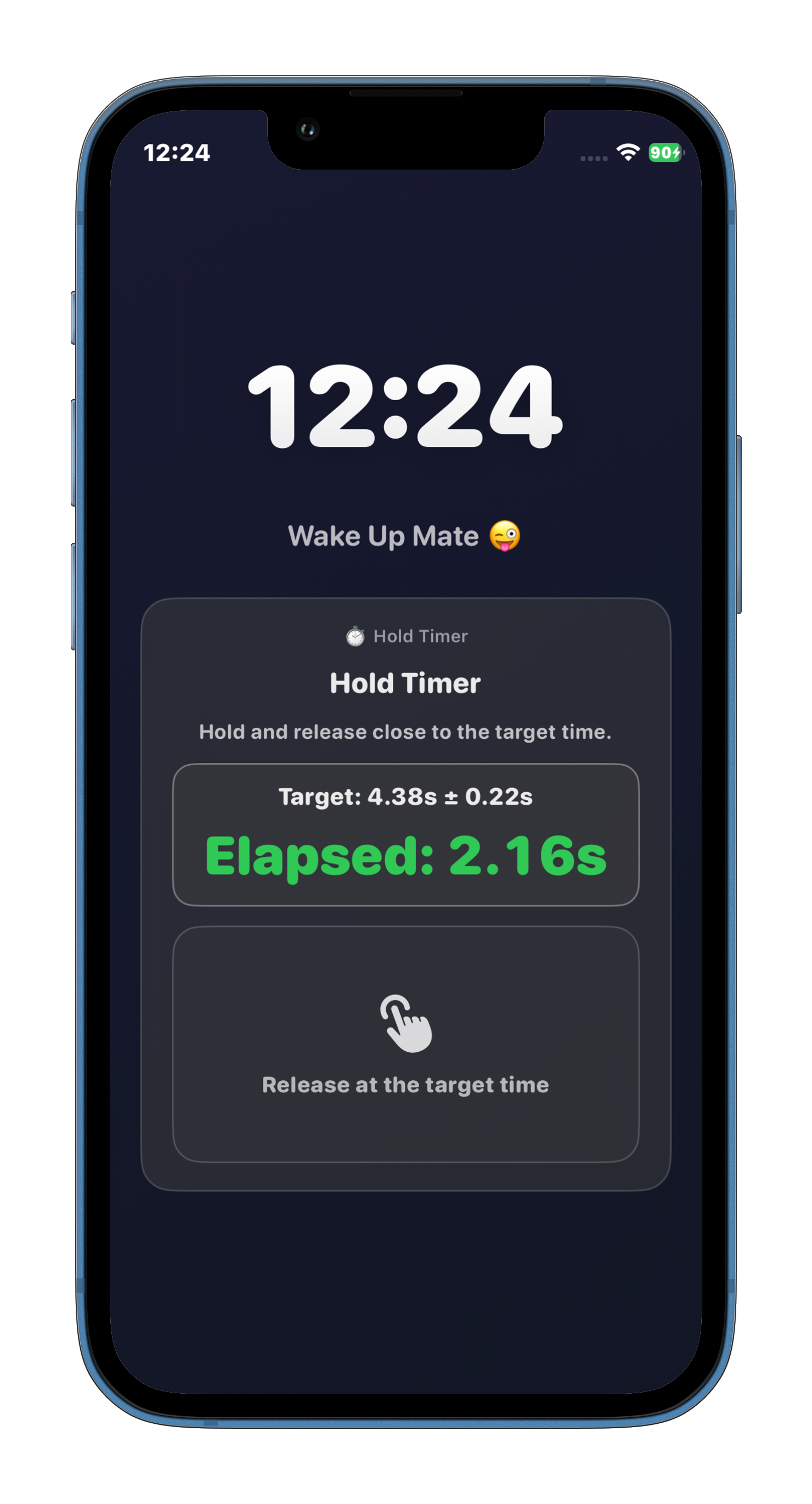
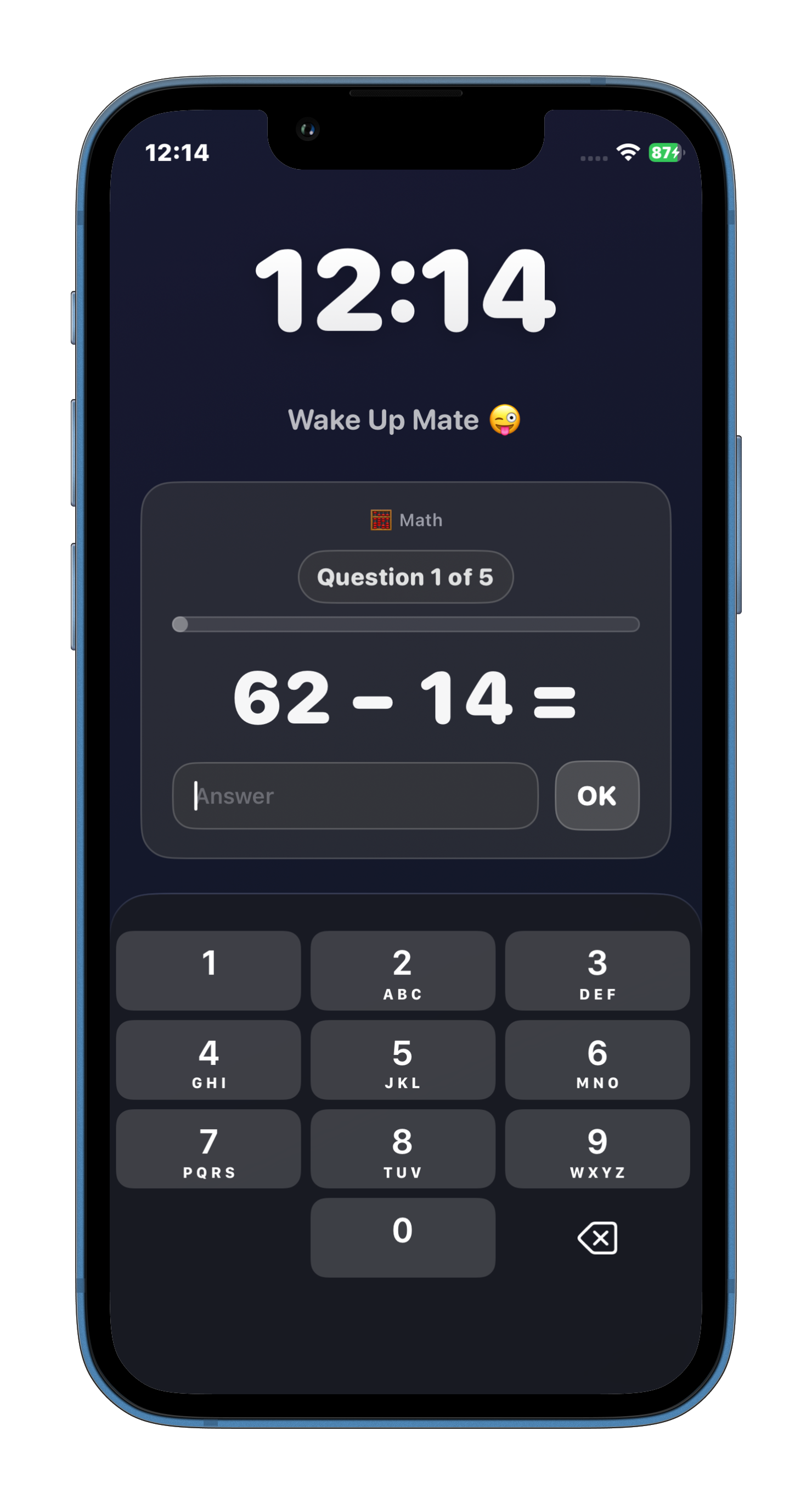
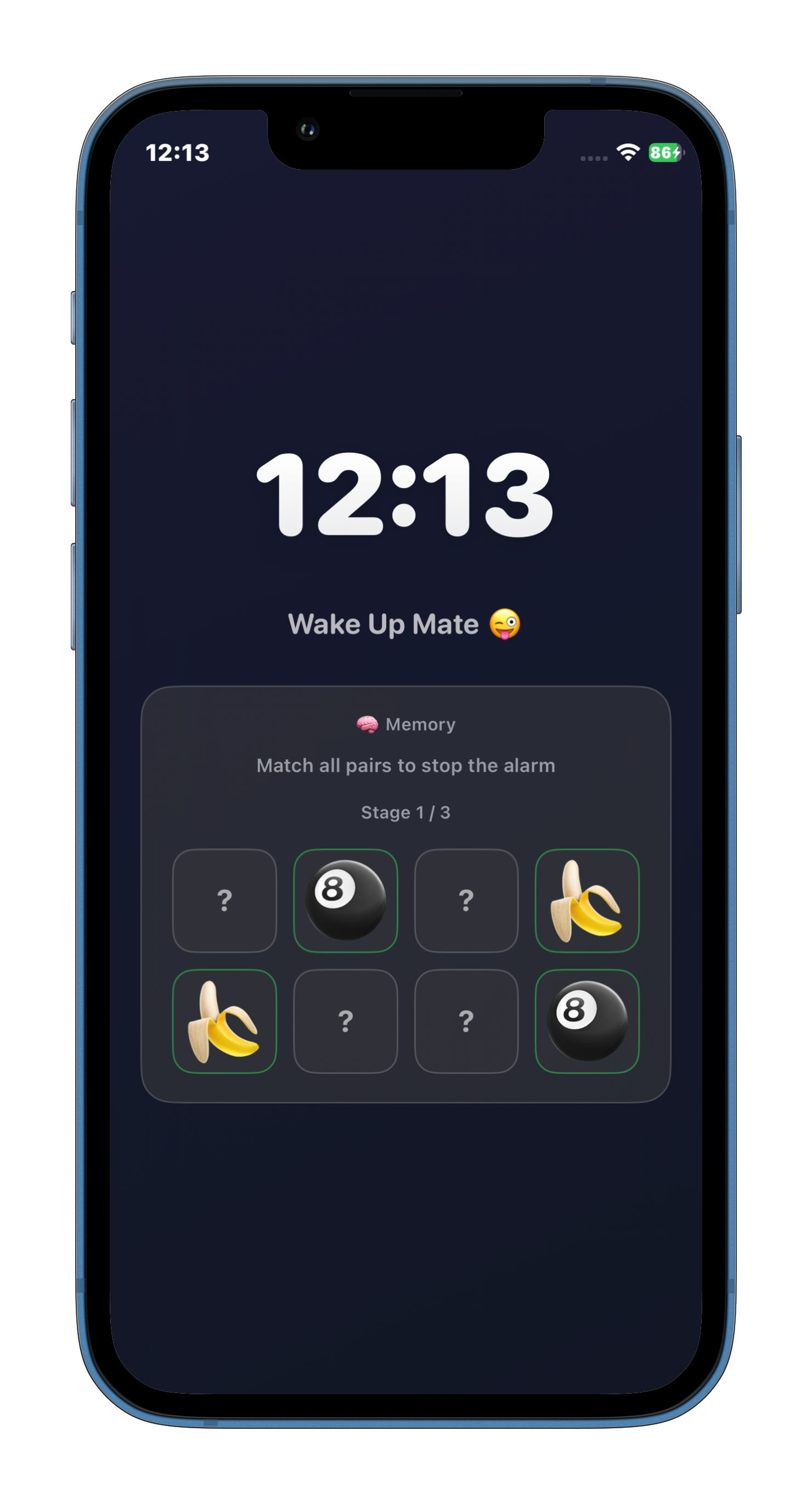
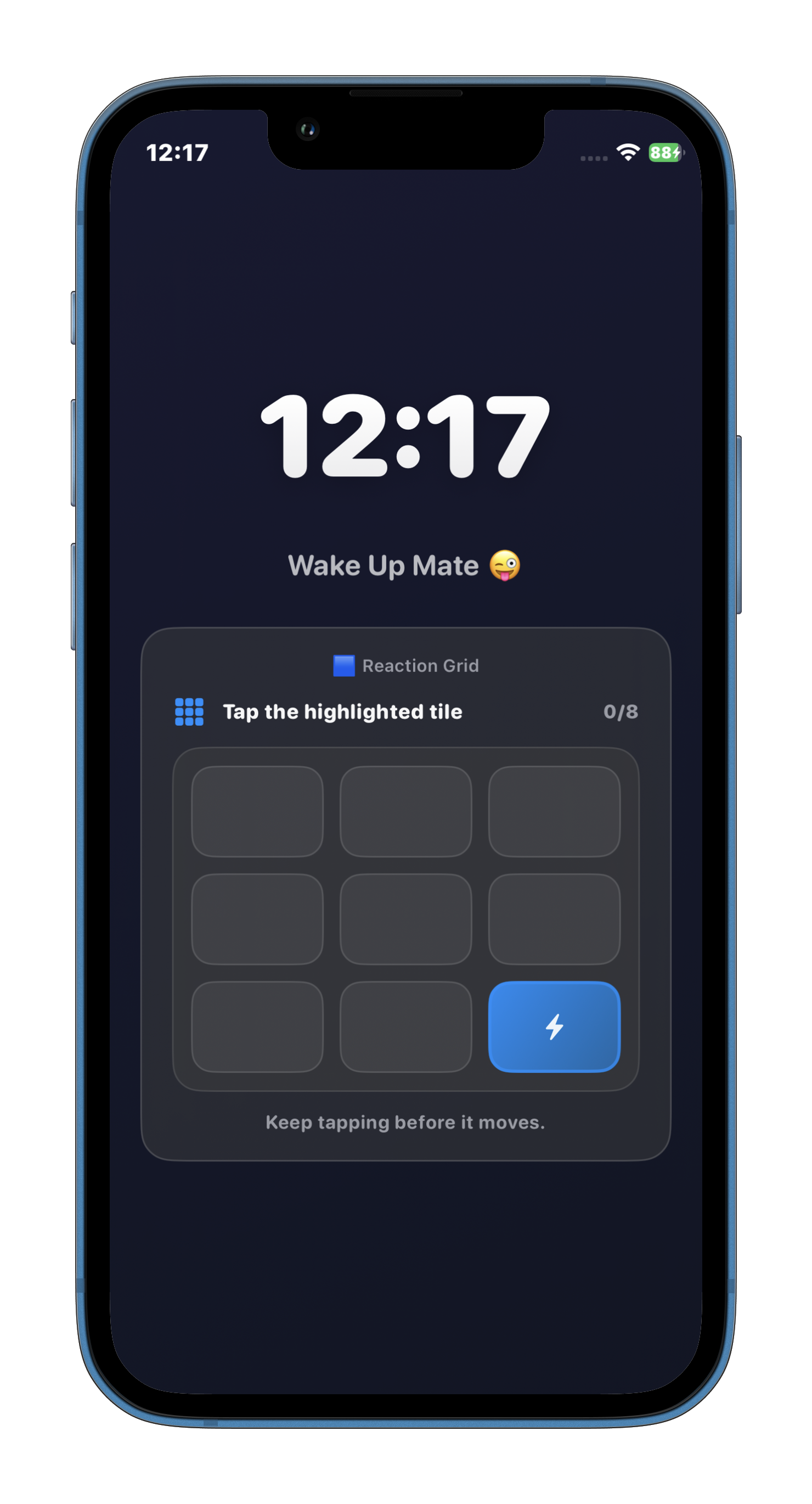
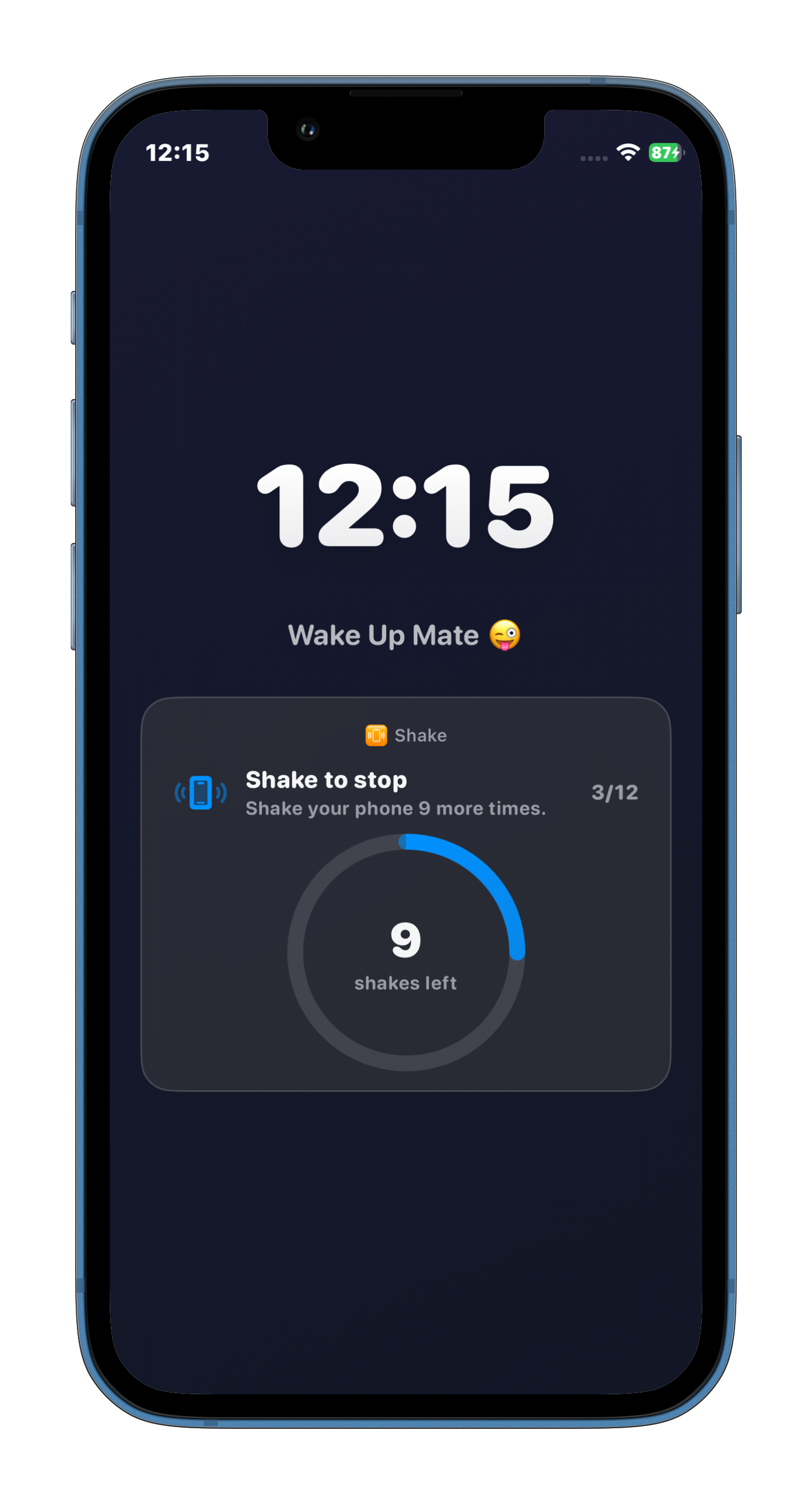
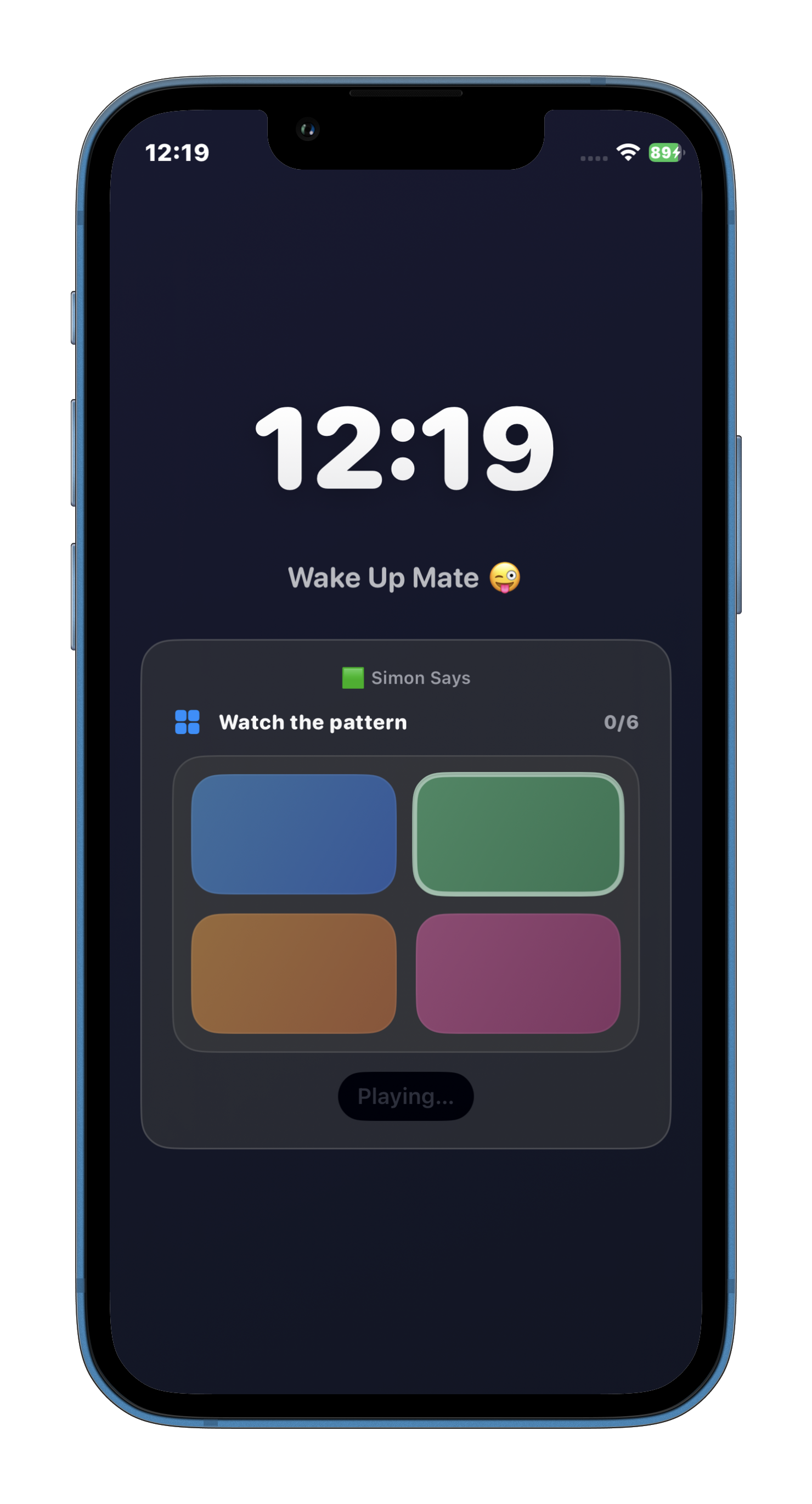
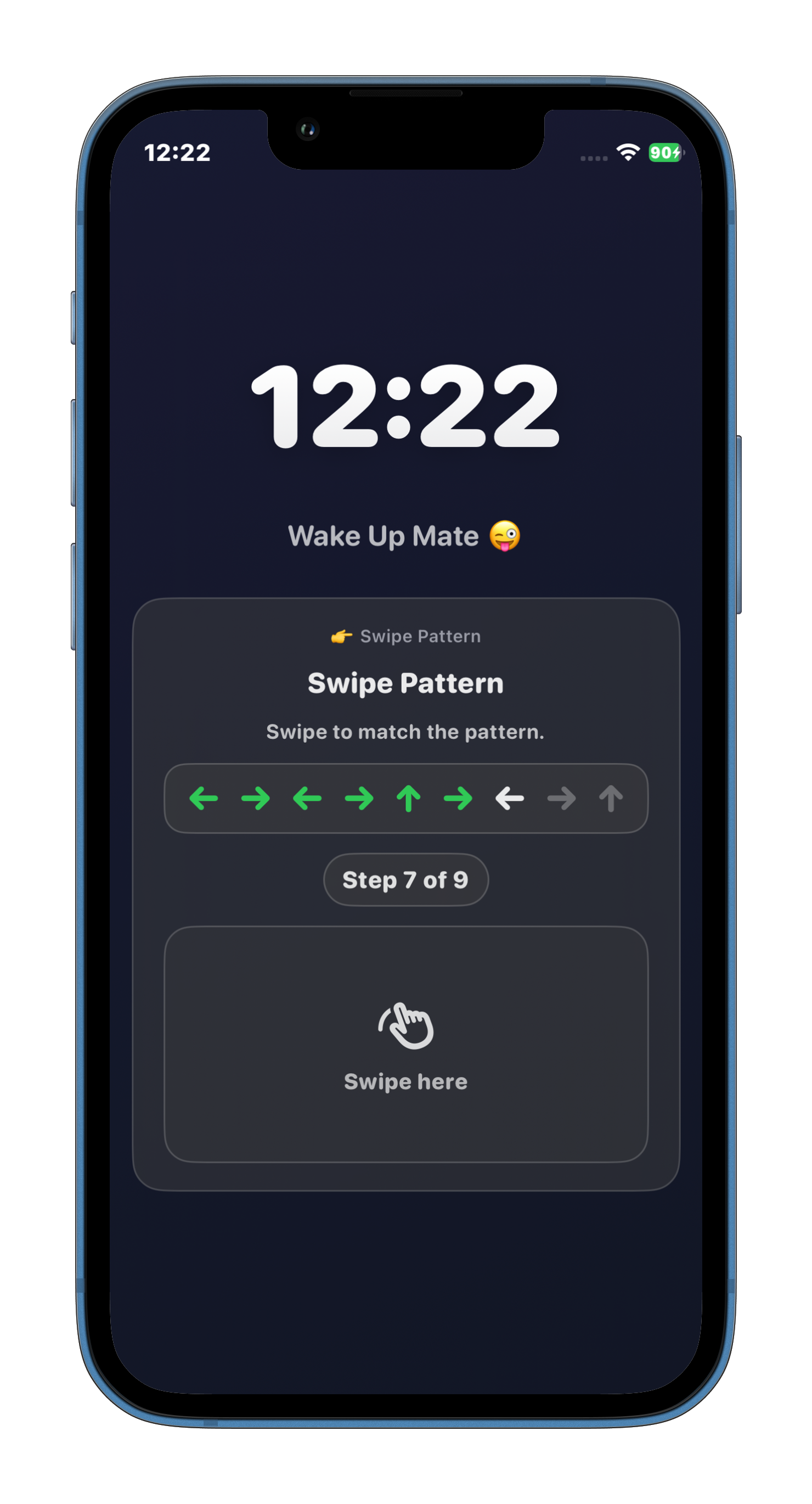
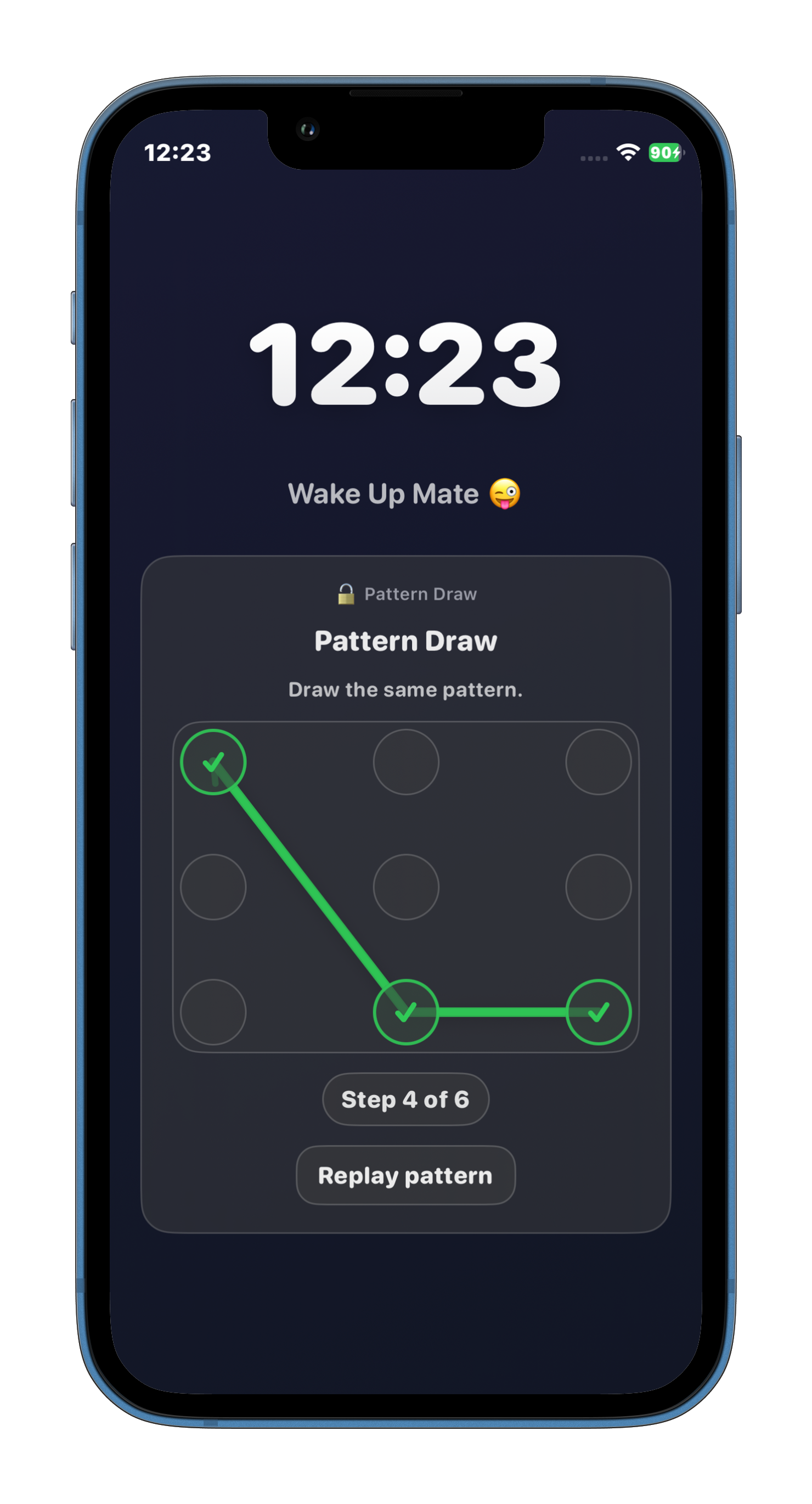
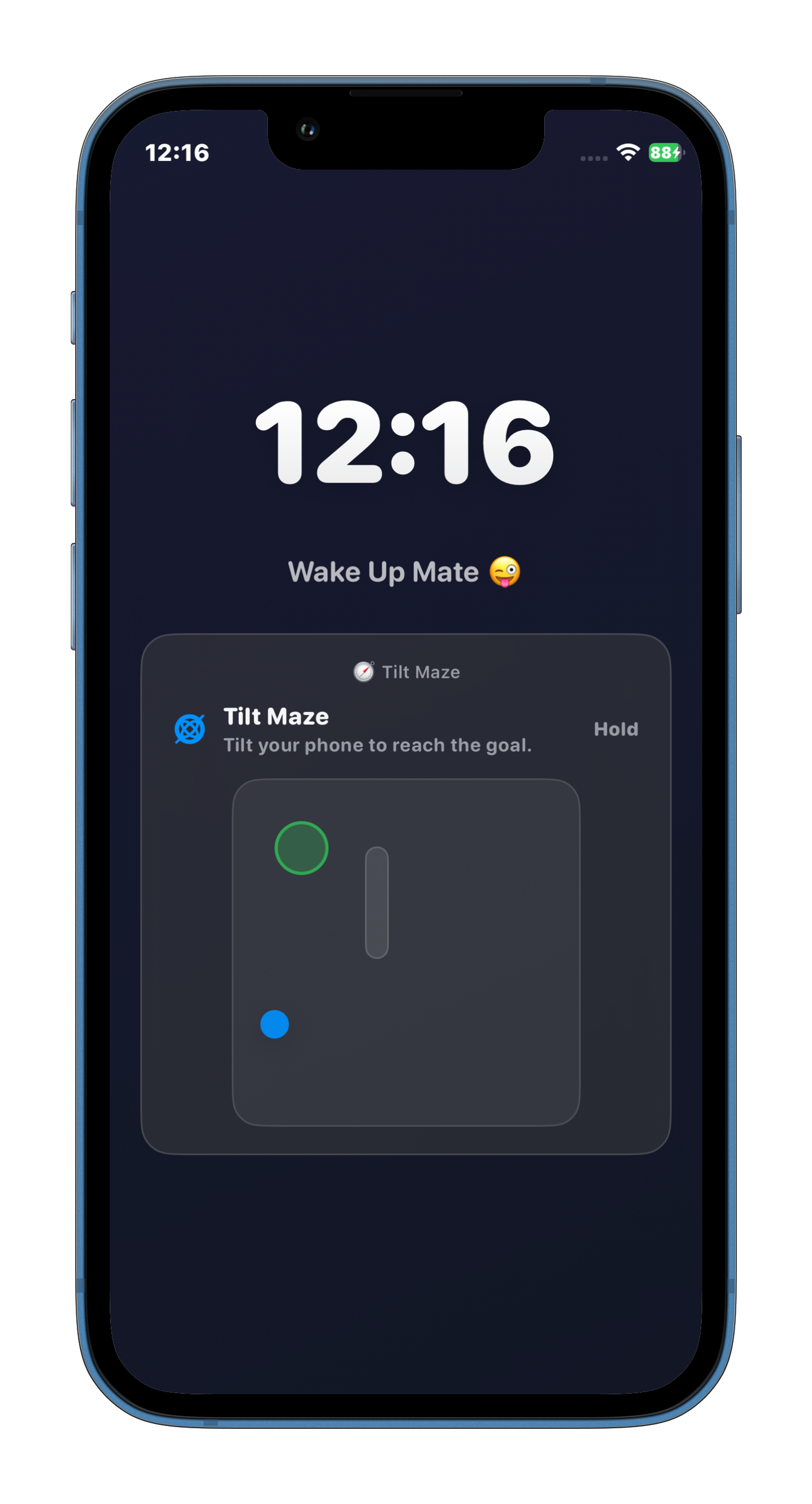
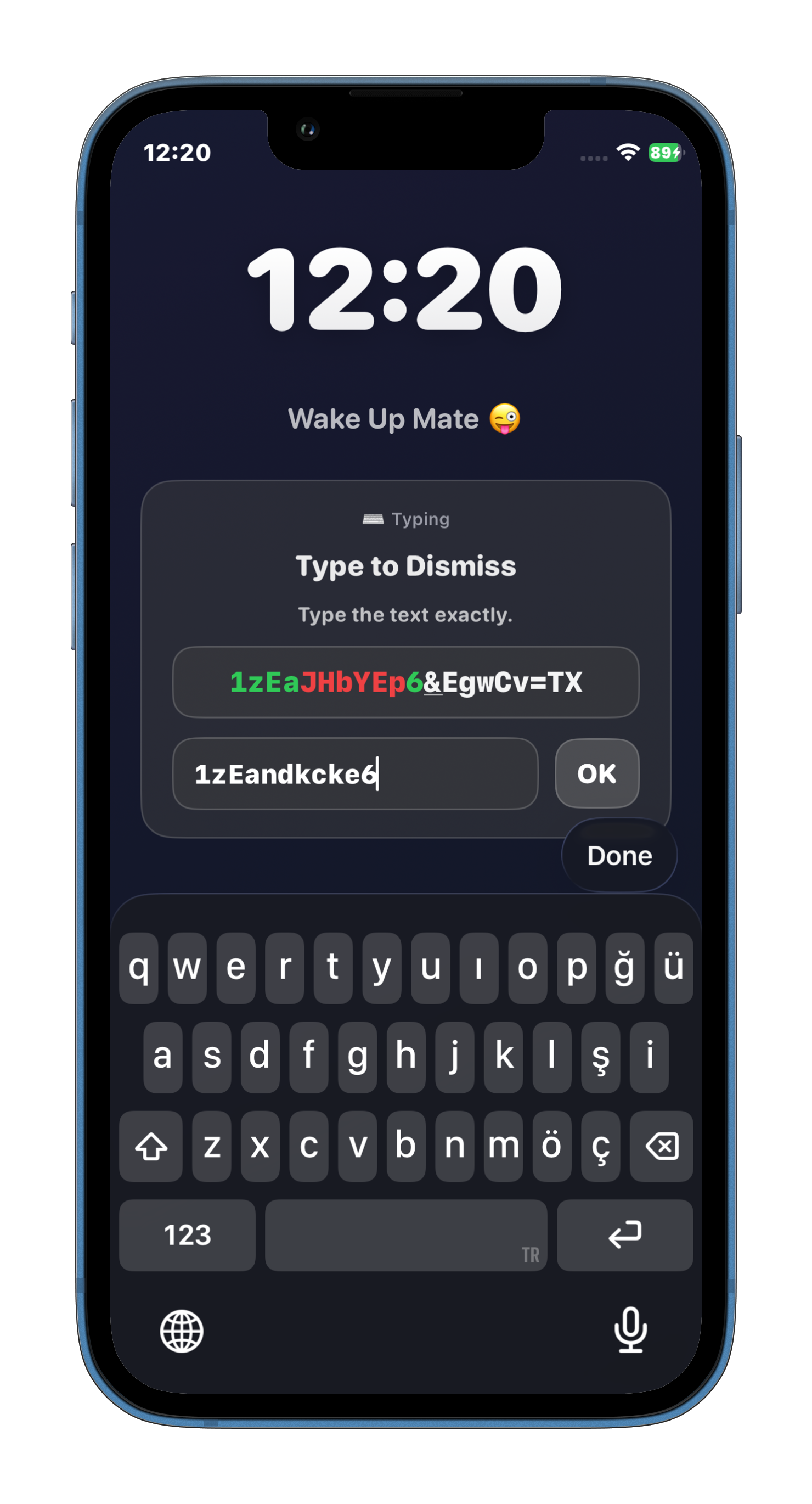
Why Alarm Arcade Works for People trying to build a lasting morning alarm habit
Completes the habit loop — cue, routine, reward — every morning
The alarm fires (cue), you complete the mission (routine), the alarm stops and you're awake (reward). This complete loop is missing from standard alarms because the routine (tap to dismiss) provides no reinforcement signal. Mission completion provides a micro-reward through task completion satisfaction that standard dismissal doesn't.
Enforced consistency — the mission prevents habit-breaking snooze cycles
Habits require consistent repetition to encode. Snooze cycles break the consistency by introducing variable wake times (sometimes 6:30, sometimes 7:15, sometimes 8:00). Mission-based dismissal enforces the wake time because the only way to stop the alarm is to complete the mission — which produces genuine wakefulness at the intended time, consistently.
Rotation prevents the novelty drop-off that kills habits at week two
Habit systems fail when they become boring or automatic. Ten rotatable missions keep the morning interaction varied enough to maintain engagement past the novelty window. The mission is different enough each time to remain a real routine rather than a habitual reflex.
Why willpower alone doesn't build lasting alarm habits
| Feature | Alarm Arcade | Alarmy | iPhone Clock |
|---|---|---|---|
| No subscription required | ✓ | ✗ | ✓ |
| Game-based dismissal | ✓ | ✓ | ✗ |
| Works offline (no account) | ✓ | ✗ | ✓ |
| Pricing | $1.49 one-time | $4.99/mo | Free |
| Multiple mission types | ✓ | ✓ | ✗ |
The habit science behind alarm routines
Habit formation requires the consistent pairing of a cue with a routine followed by a reward. The strength of the habit is determined by the consistency and quality of this loop over time. For morning alarms, the cue is the alarm sound, the routine is dismissal, and the reward should be the positive experience of being awake and starting the day. The problem with standard alarms is that the routine (tap-to-dismiss) is executed before genuine wakefulness occurs, so the 'reward' of being awake doesn't register as a reward — the most recent conscious experience is the warm bed, not the dismissed alarm.
Mission-based alarms fix this by inserting a genuine routine between cue and reward. Completing a Math problem or Memory Match challenge requires a few seconds of real engagement — enough for the brain to begin registering wakefulness before the alarm stops. The reward (silence, completion, the satisfaction of solving a challenge) is now paired with the active state of being awake rather than the passive state of reaching for a phone while still half-asleep. This loop is much more amenable to habit formation because the reward is consistently paired with the intended behavior.
Step-by-step habit setup using Alarm Arcade
Step 1 — Anchor time: Choose your wake time and commit to it for 21 days without exception, including weekends. Weekend wake time variation is the most common cause of morning habit failure — social jet lag from sleeping in on weekends resets the circadian anchor and makes Monday morning feel like the first morning of the habit again. If your weekday wake time is 6:30 AM, your weekend wake time should be no later than 7:30 AM. Step 2 — Mission selection: Start with one mission and commit to it for the first week. Habit formation benefits from predictability in the early phase — the novelty of the mission should be modest, not disorienting. Math or Memory Match at Medium are good starting missions.
Step 3 — Build the post-alarm routine: The two minutes after completing the mission are the highest-leverage window for habit anchoring. Have a consistent next action ready: glass of water, opening blinds, turning on lights — something immediate and physical that bridges the alarm completion and the start of your morning. This action becomes part of the habit loop and reinforces both the alarm routine and whatever comes after it. Step 4 — Rotate at week two: Once the basic wake time is established, begin rotating missions. This prevents the routine from becoming automatic and maintains the genuine engagement that makes the habit loop work.
Frequently Asked Questions
Research on habit formation suggests the median is around 21 days, with significant individual variation (18–66 days depending on the complexity of the behavior and individual differences). For wake time habits specifically, most people notice meaningful reduction in morning resistance after 14–21 days of consistent early rising. The habit becomes automatic — no longer requiring deliberate effort to initiate — around the 30-day mark for most people.
Yes, partially. The circadian anchor that makes a consistent wake time feel natural is built through consistent light exposure at the same time each morning. Sleeping in on weekends delays morning light exposure and shifts the circadian phase slightly later — which is why Monday mornings often feel harder than Fridays. Keeping weekend wake times within 60 minutes of weekday times preserves most of the habit progress. More than 90 minutes of difference and the Monday reset effect becomes significant.
Missing one morning doesn't break a habit that's already building — the research on this is fairly clear. What does break habits is multiple consecutive misses or a pattern of frequent skipping. If you miss one morning, return to the habit the next day without treating it as a failure that requires starting over. The habit is more durable than a single disruption once it's been building for more than two weeks.
Build the habit that sticks — starting tonight
Free to download. Takes 60 seconds to set up. No subscription, no account needed.
Download Alarm Arcade — Free