 Alarm Arcade
Wake-up tools for people with sleep apnea
Sleep apnea can leave you waking up exhausted even after a full night in bed—so missing alarms can become a daily risk for work, school, and health routines. This page shares a stricter alarm setup that's designed to break autopilot and help you get fully awake, not just "silence the sound."
With sleep apnea, mornings often come with heavy fatigue, brain fog, and a strong pull to fall back asleep. Oversleeping can mean missing work, medication timing, important appointments, or even your CPAP routine and follow-ups—plus it can snowball into stress and poor sleep habits at night.
A standard alarm isn't reliable enough here because the problem isn't volume—it's wakefulness. When you're dealing with sleep inertia and exhaustion, it's easy to dismiss an alarm without forming a memory of it. You need an alarm that forces engagement, so you can't accidentally shut it off and drift back into sleep.
Who This Is For
- People diagnosed with obstructive sleep apnea who wake up exhausted
- CPAP users who still struggle with morning grogginess
- People awaiting a sleep study who suspect apnea and oversleep often
- Partners of sleep apnea sufferers who need a more reliable wake-up plan
- Shift workers with apnea who must wake up at strict times
- Anyone whose morning brain fog makes snoozing automatic
Why Alarm Arcade Works for people with sleep apnea
Stops accidental dismissal
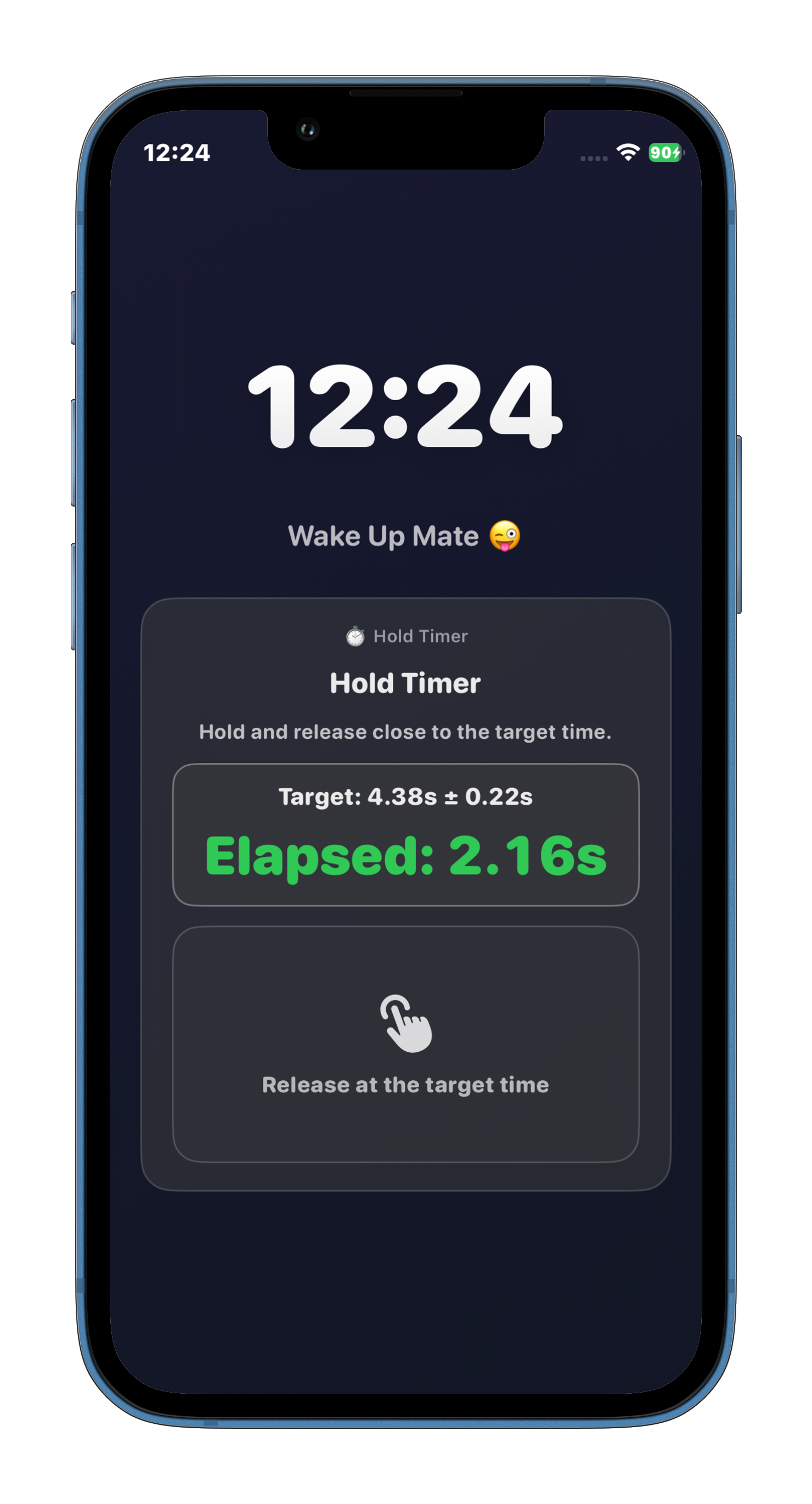
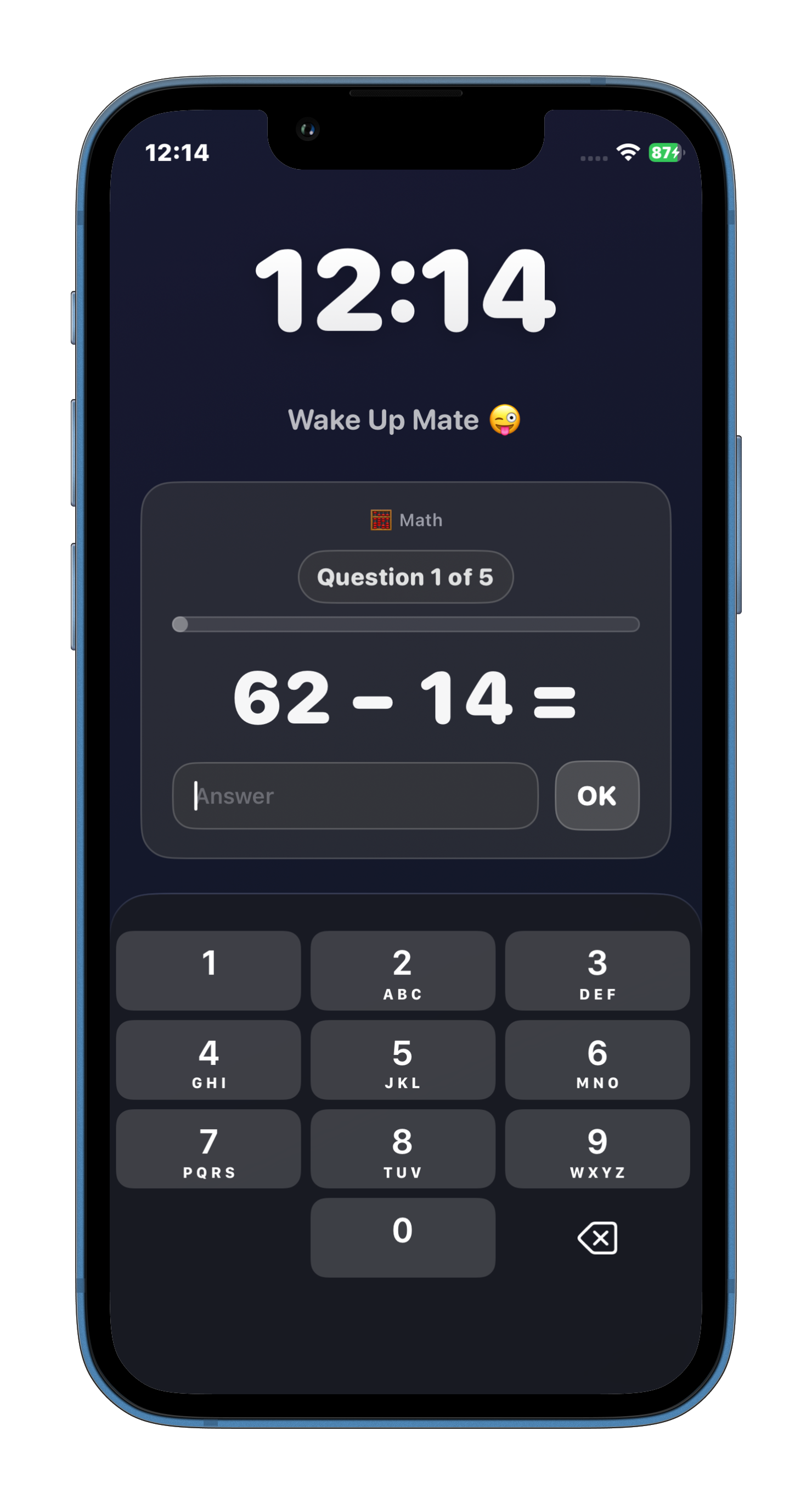
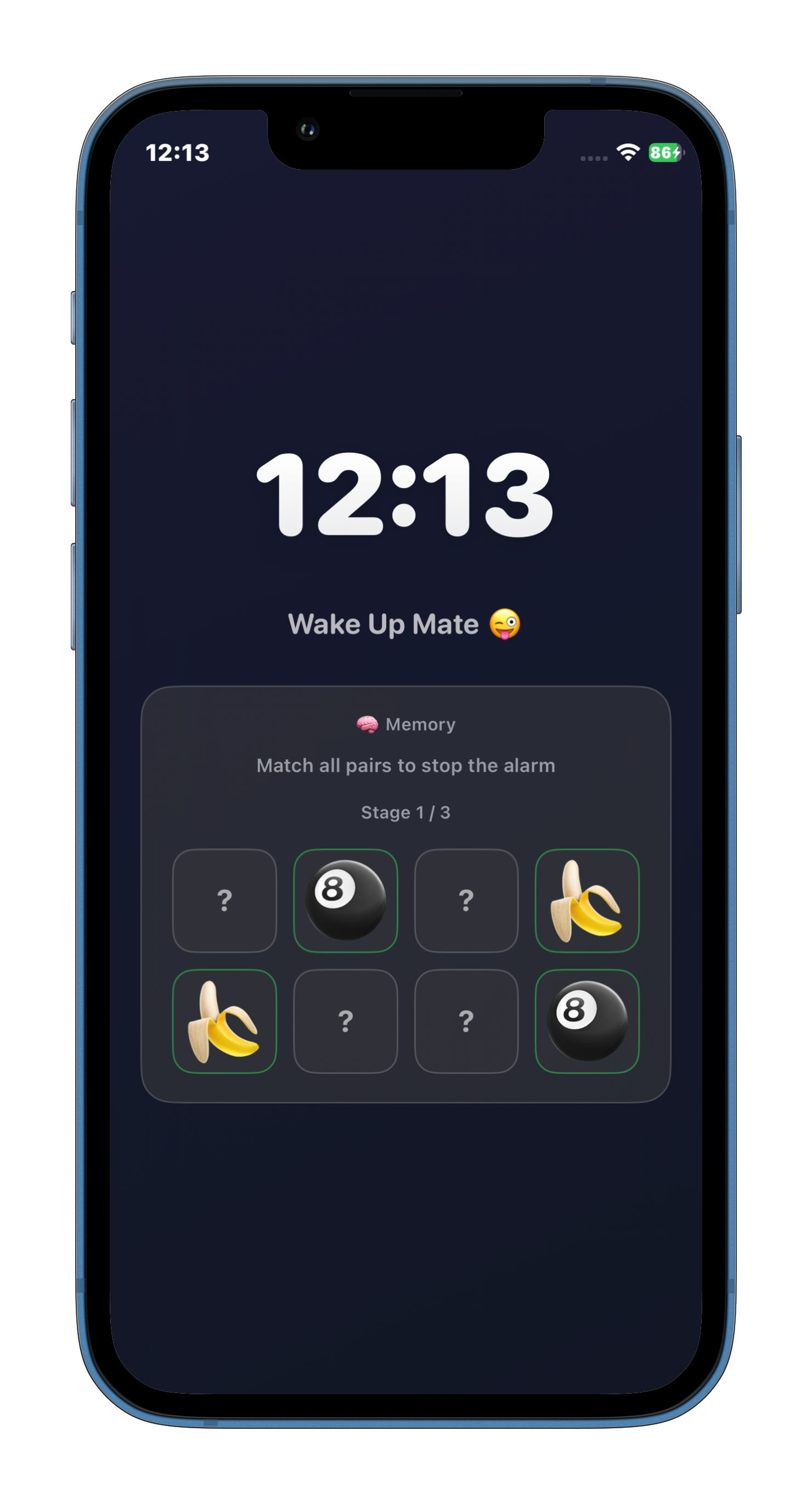
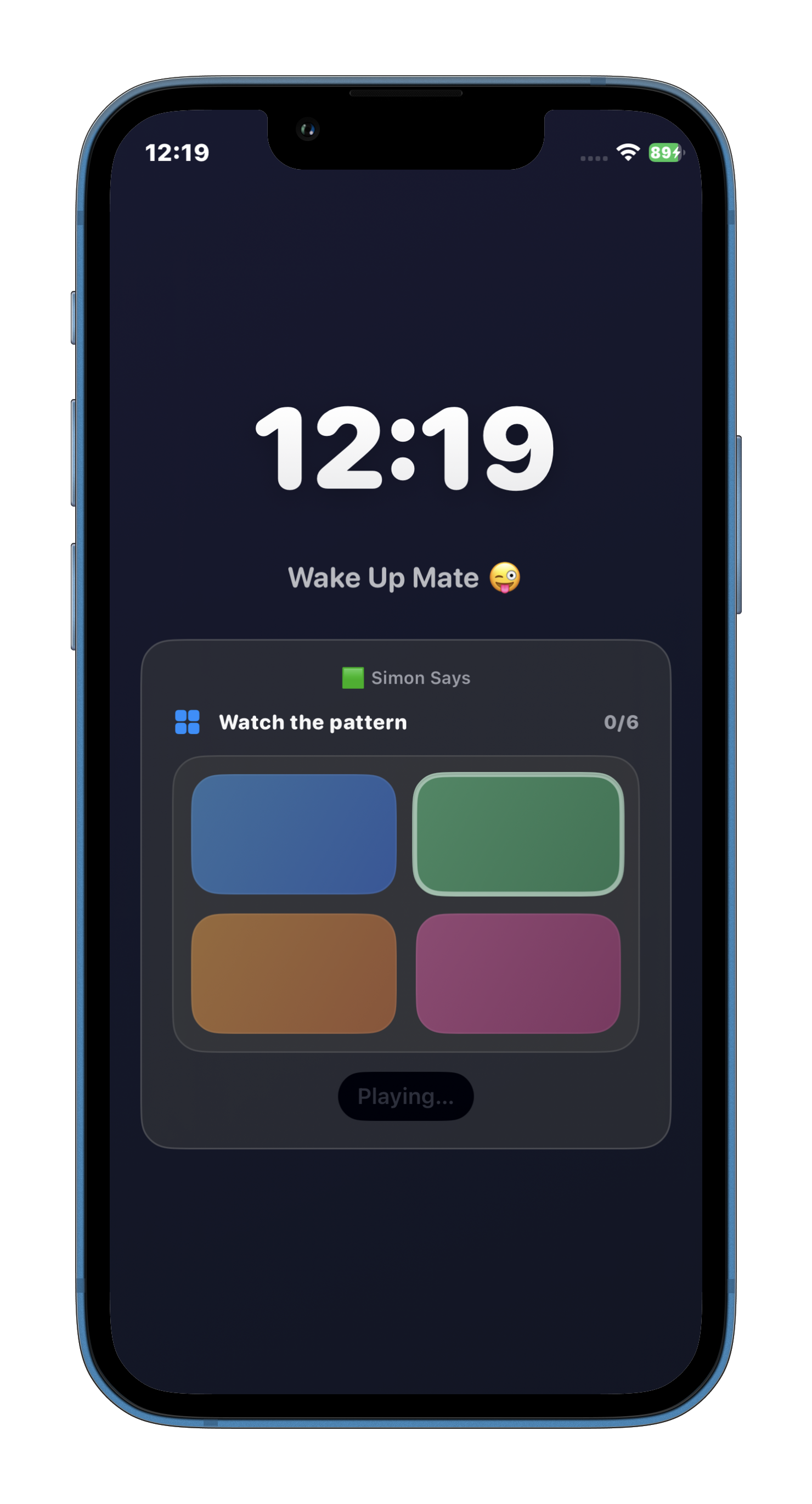
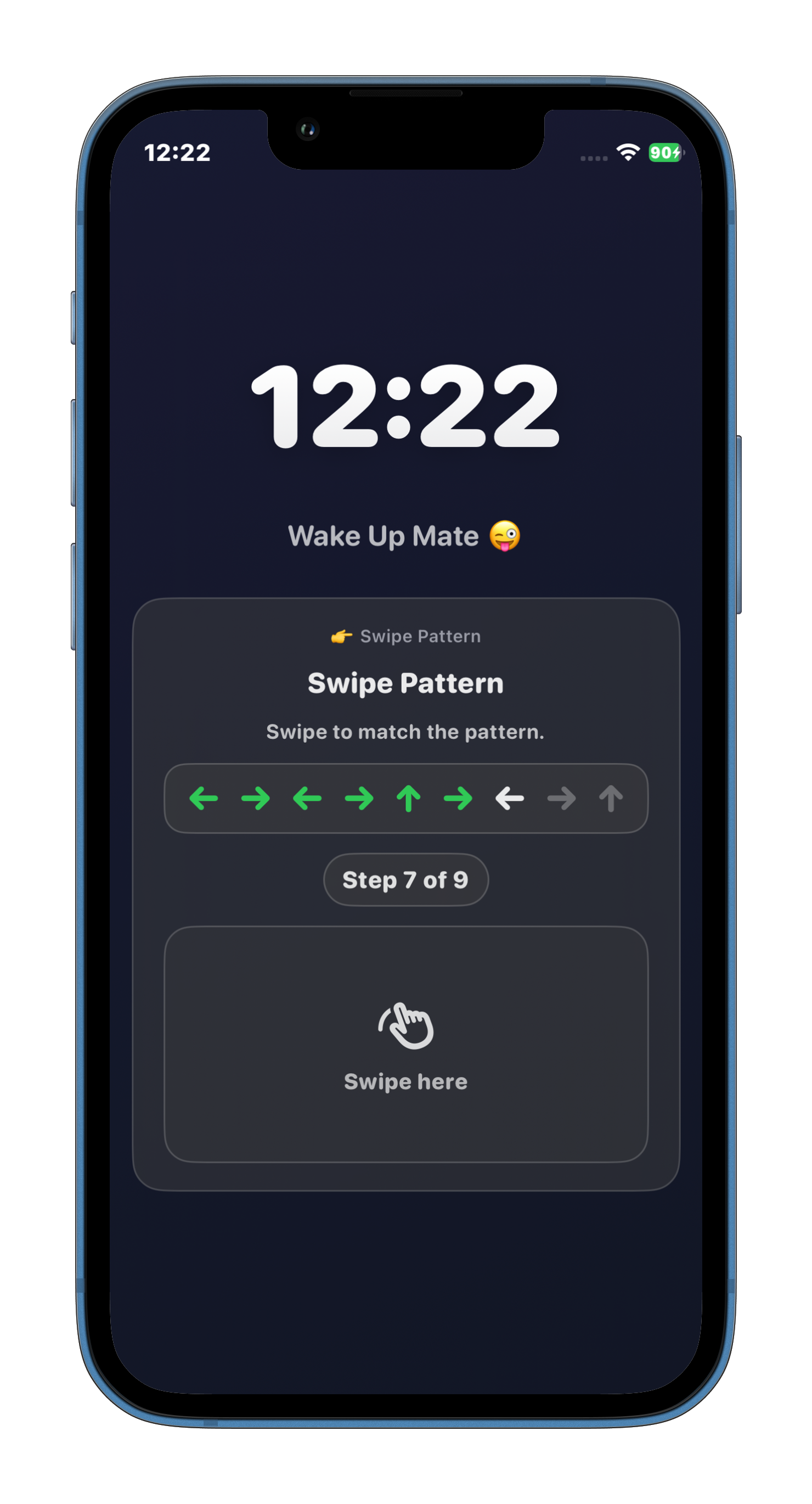
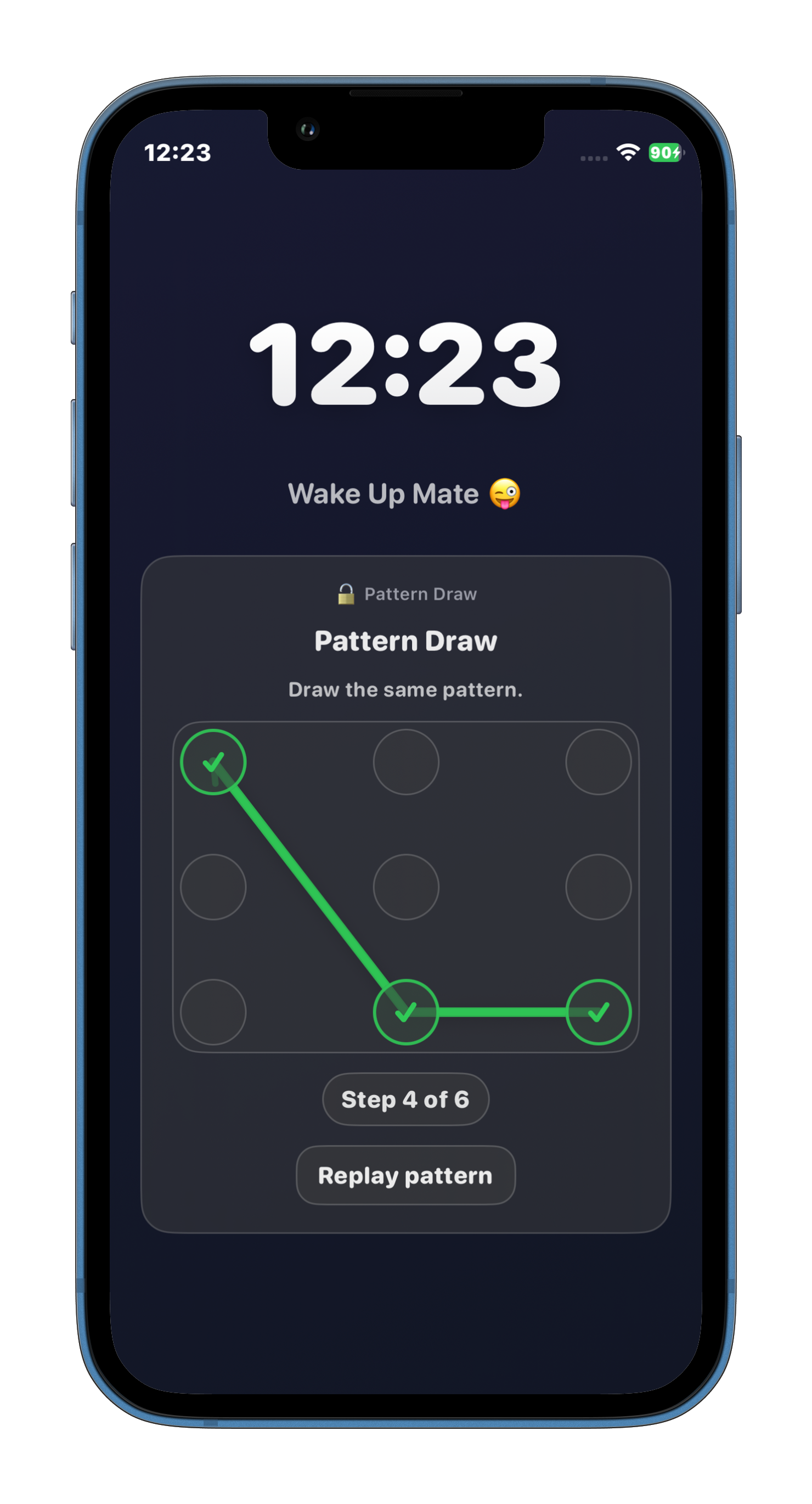
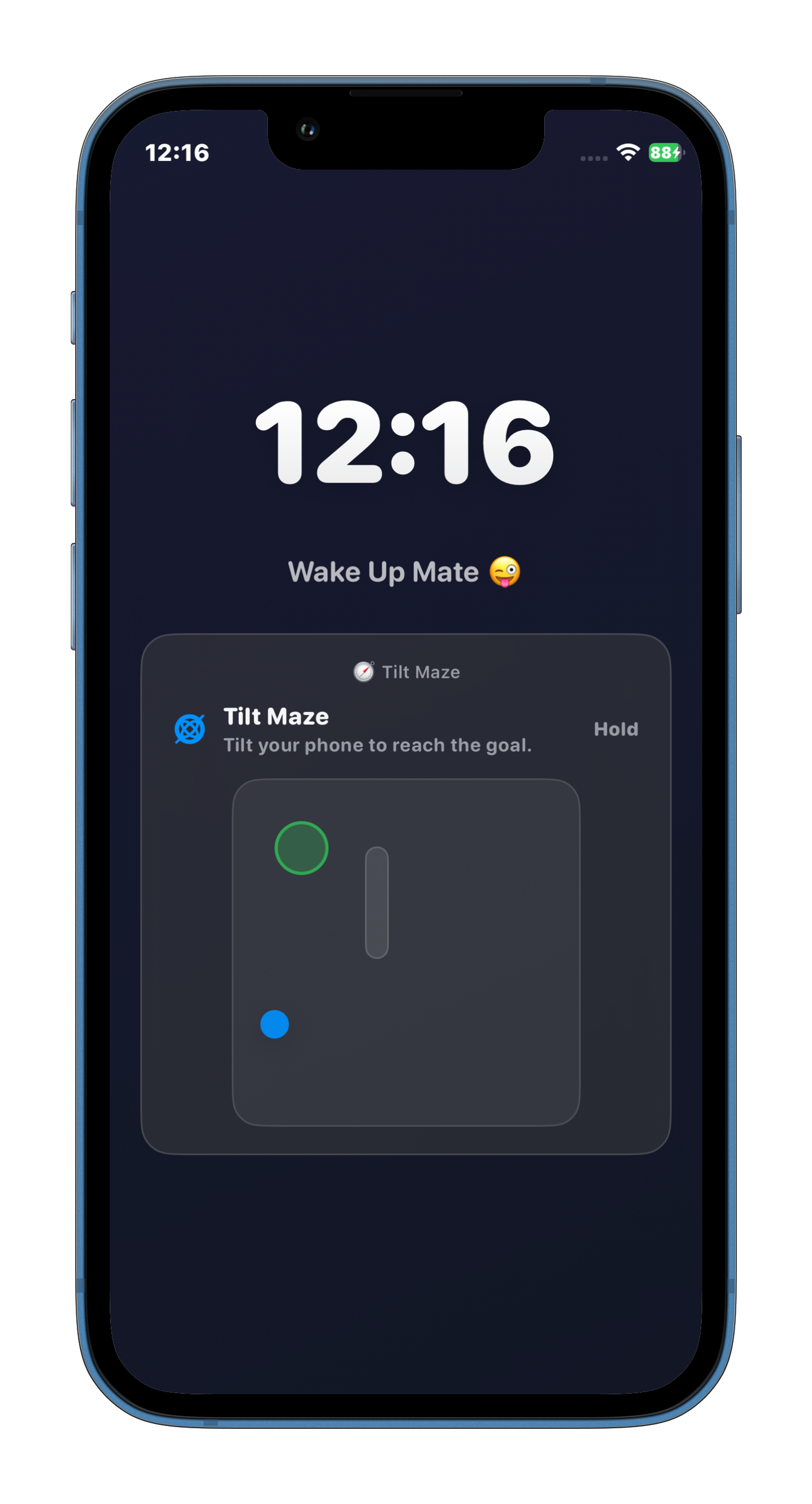
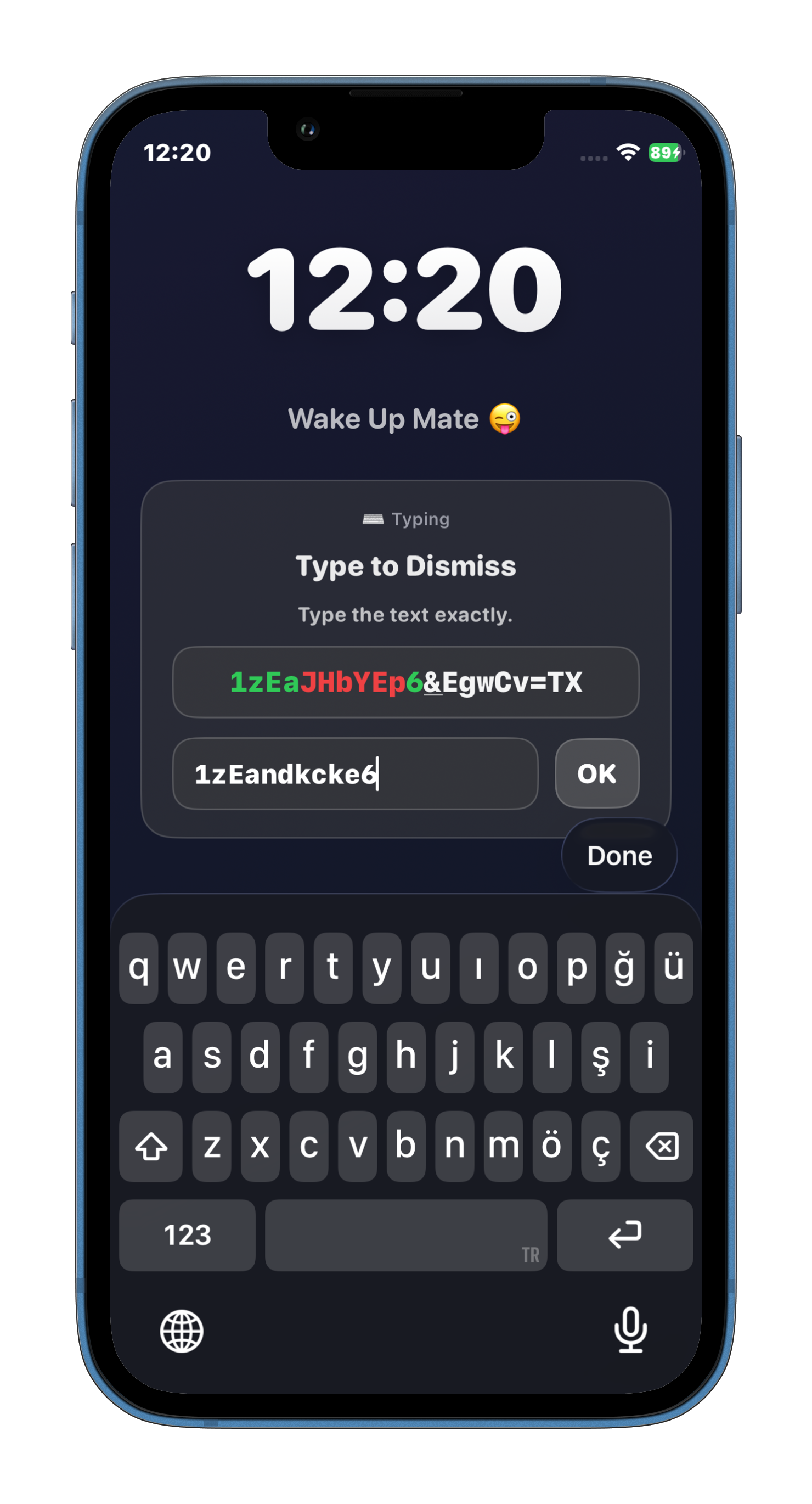
A mini-game forces attention to dismiss the alarm, so you're less likely to shut it off half-asleep and forget it happened.
Stronger engagement than noise
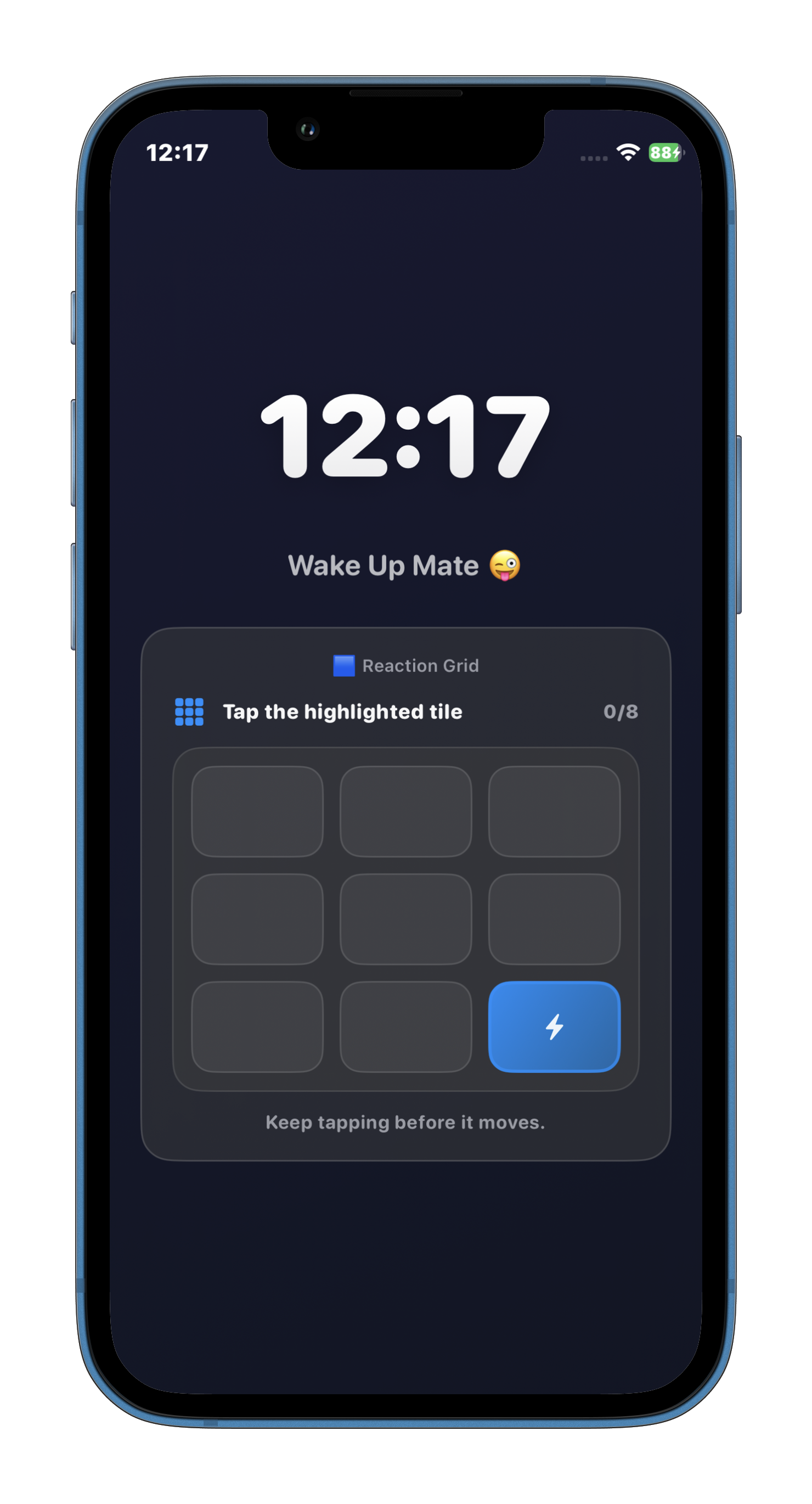
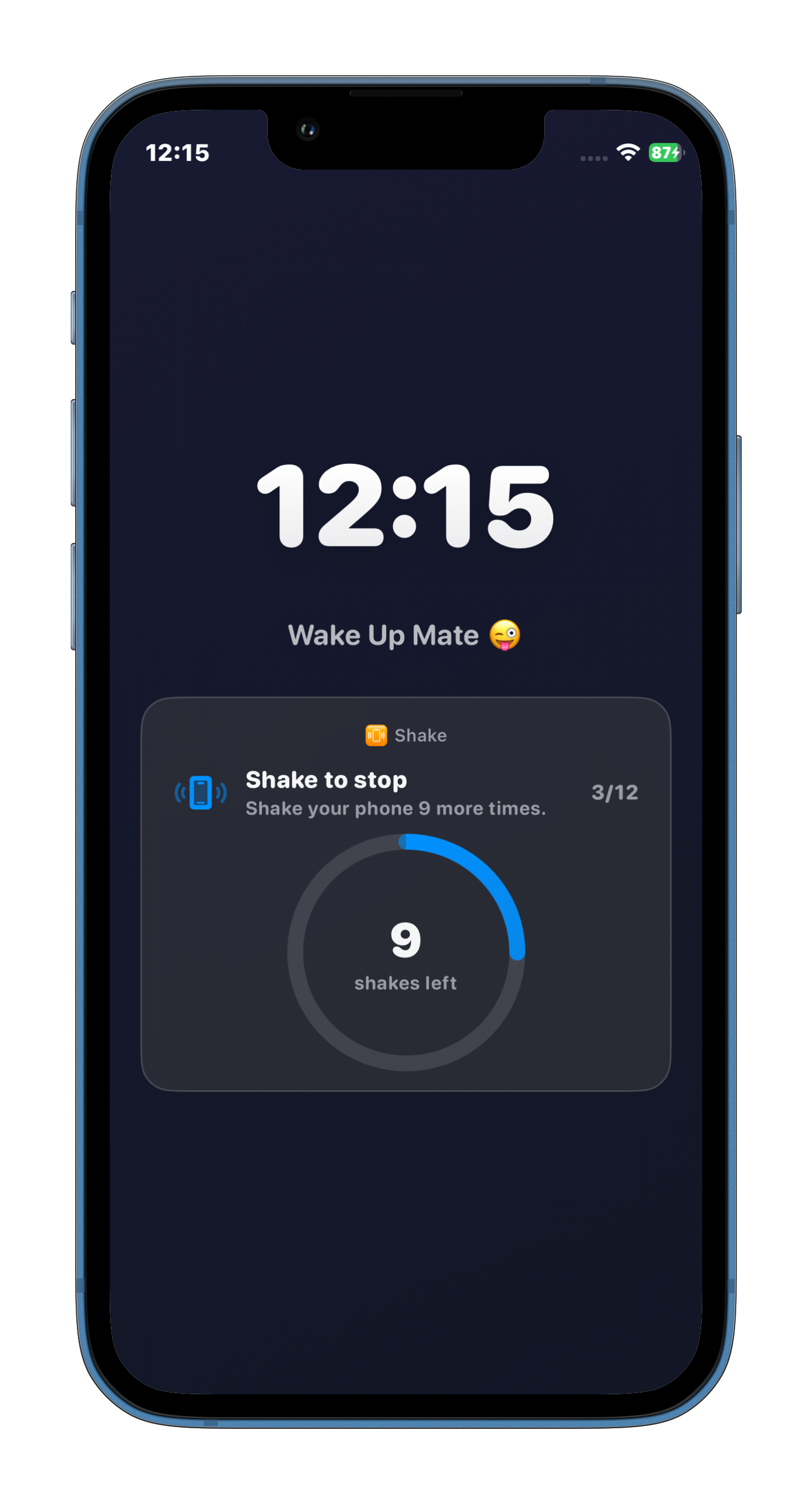
When fatigue is the issue, sound alone isn't enough. Missions like Reaction Grid or Shake create a real "wake-up moment."
Simple, offline, no account
Works fully offline with no sign-up and no data collection. Set it once and rely on it every morning.
Best alarm setup for people with sleep apnea
| Feature | Alarm Arcade | Alarmy | iPhone Clock |
|---|---|---|---|
| No subscription required | ✓ | ✗ | ✓ |
| Game-based dismissal | ✓ | ✓ | ✗ |
| Works offline (no account) | ✓ | ✗ | ✓ |
| Pricing | $1.49 one-time | $4.99/mo | Free |
| Multiple mission types | ✓ | ✓ | ✗ |
Why This Scenario Demands a Stricter Alarm
Sleep apnea often increases sleep fragmentation and morning sleep inertia—so you can wake up feeling like you barely slept. In that state, your brain looks for the fastest path back to sleep, and the default alarm swipe becomes a reflex, not a decision.
The risk isn't just being late. Repeated oversleeping can disrupt routines that support better sleep (consistent wake times, morning light, medication schedules, appointments, and CPAP adherence). A stricter alarm helps you create a reliable "first win" each morning: getting fully awake before your brain negotiates with you.
The Exact Alarm Arcade Setup for This Situation
Primary alarm: Use Reaction Grid or Shake on medium difficulty. These missions are fast and highly interruptive—great for cutting through brain fog and autopilot.
Backup alarm: Set a second alarm 2 minutes later with a different mission (e.g., Math → Shake, or Simon Says → Reaction Grid). The mission switch prevents your brain from adapting and gives you a second "wake-up jolt." Placement tip: Put your phone out of reach (nightstand across the room if possible). Even sitting up to complete a mission improves the odds you stay awake. Start medium for 2 mornings, then increase difficulty if you're still beating it too easily.
Frequently Asked Questions
No. Alarm Arcade is a wake-up tool, not a treatment. If you suspect sleep apnea or are struggling despite treatment, it's best to speak with a clinician or sleep specialist.
Try Reaction Grid or Shake first. They interrupt autopilot quickly and don't rely on slow, careful thinking when you're foggy.
Yes—use a primary alarm plus a backup 2 minutes later with a different mission. It reduces the chance of accidental dismissal and falling back asleep.
Don't leave your morning wake-up to chance
Download free. Set up in 60 seconds. Never miss it again.
Download Alarm Arcade — Free