 Alarm Arcade
Best alarm app for school mornings
School mornings are one of the most consistent alarm failure scenarios — students sleep deeply, sleep late naturally, and face early start times that fight their biology. Alarm Arcade makes dismissal genuinely hard, which is the structural fix that motivation and multiple alarms haven't provided.
Students, particularly teenagers and young adults, have a biological tendency toward later sleep and wake times — evening chronotype prevalence increases sharply in adolescence and peaks in the late teens. Early school start times create a chronic mismatch between students' natural sleep timing and required wake times, resulting in more severe sleep inertia, higher snooze rates, and greater alarm failure risk than in adult populations. A standard alarm isn't sufficient for this combination of deep sleep, late chronotype, and early required wake time.
The practical solution is an alarm that prevents dismissal through genuine cognitive engagement rather than relying on motivation that genuinely isn't available at 6:45 AM for a 17-year-old's biology. Mission-based alarms address the problem structurally — and Alarm Arcade's free download and $1.49 one-time Pro makes it accessible for students.
Who This Is For
- High school students with early start times who consistently run late
- University students with morning lectures they keep missing
- Parents looking for an effective alarm solution for a teenager who sleeps through everything
- Students who've received tardiness warnings or missed class credit due to late arrivals
- Students who study late and struggle most on mornings after late-night sessions
- Anyone starting a new semester who wants to build a reliable school morning routine from the start
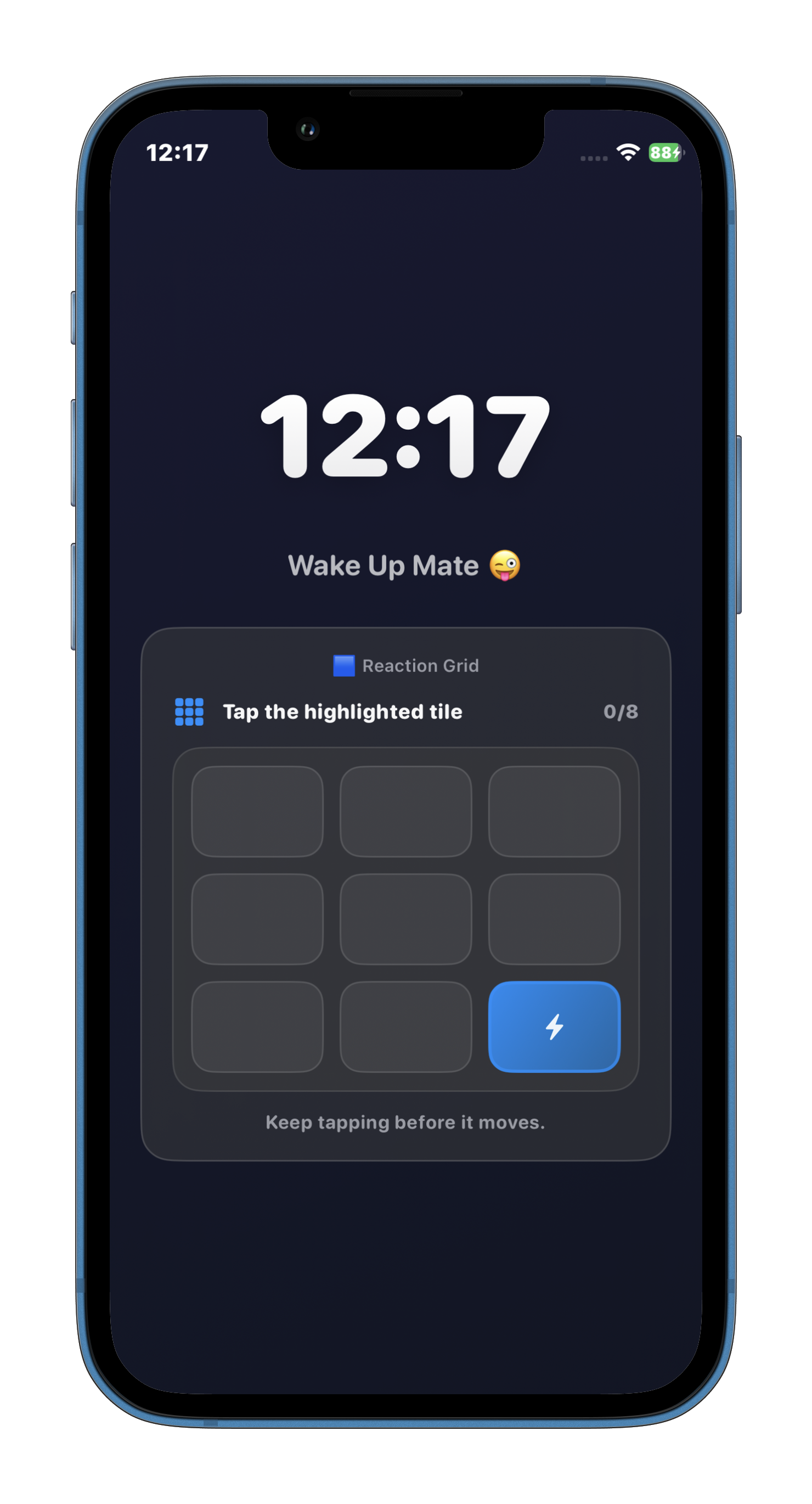
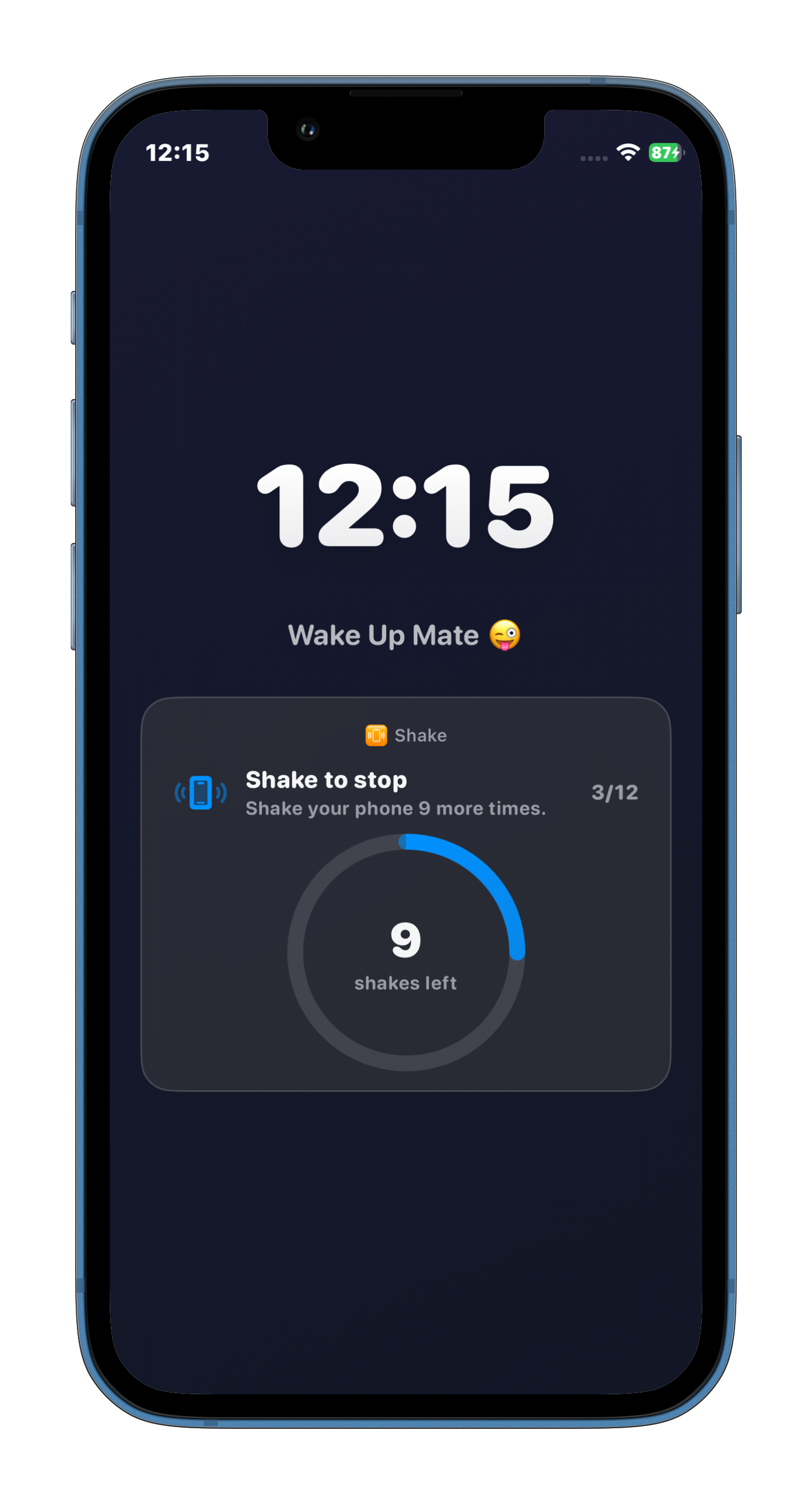
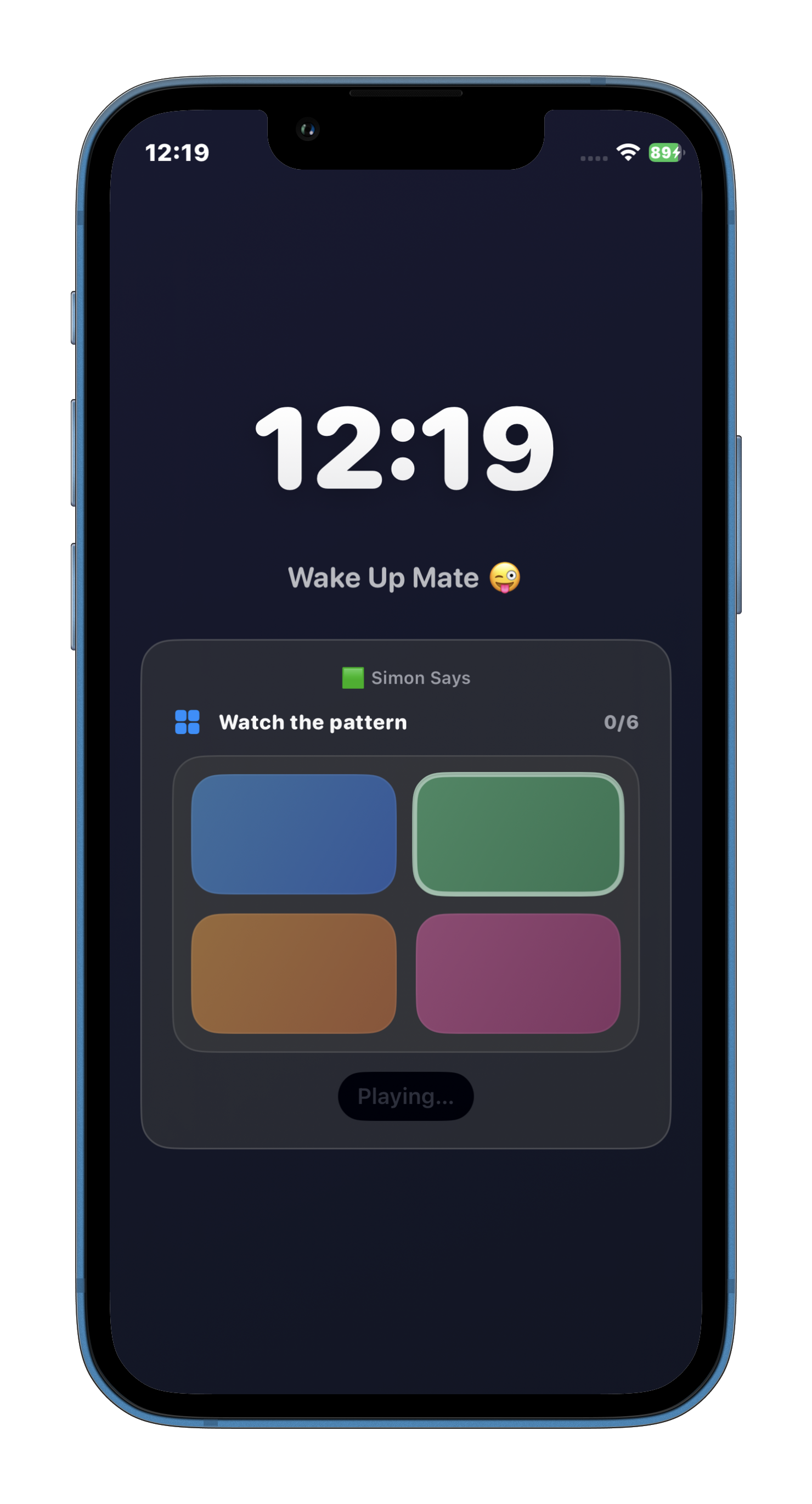
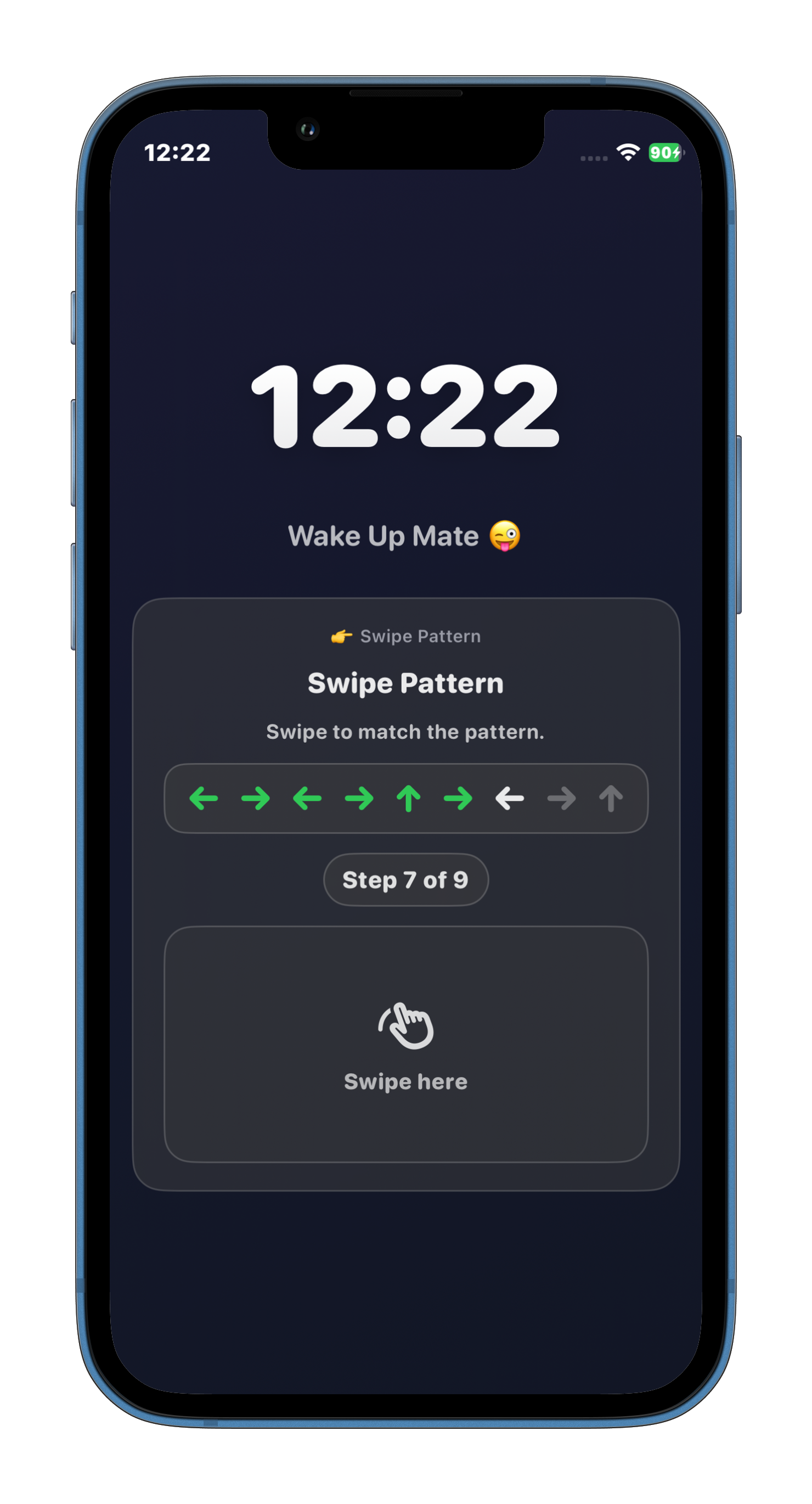
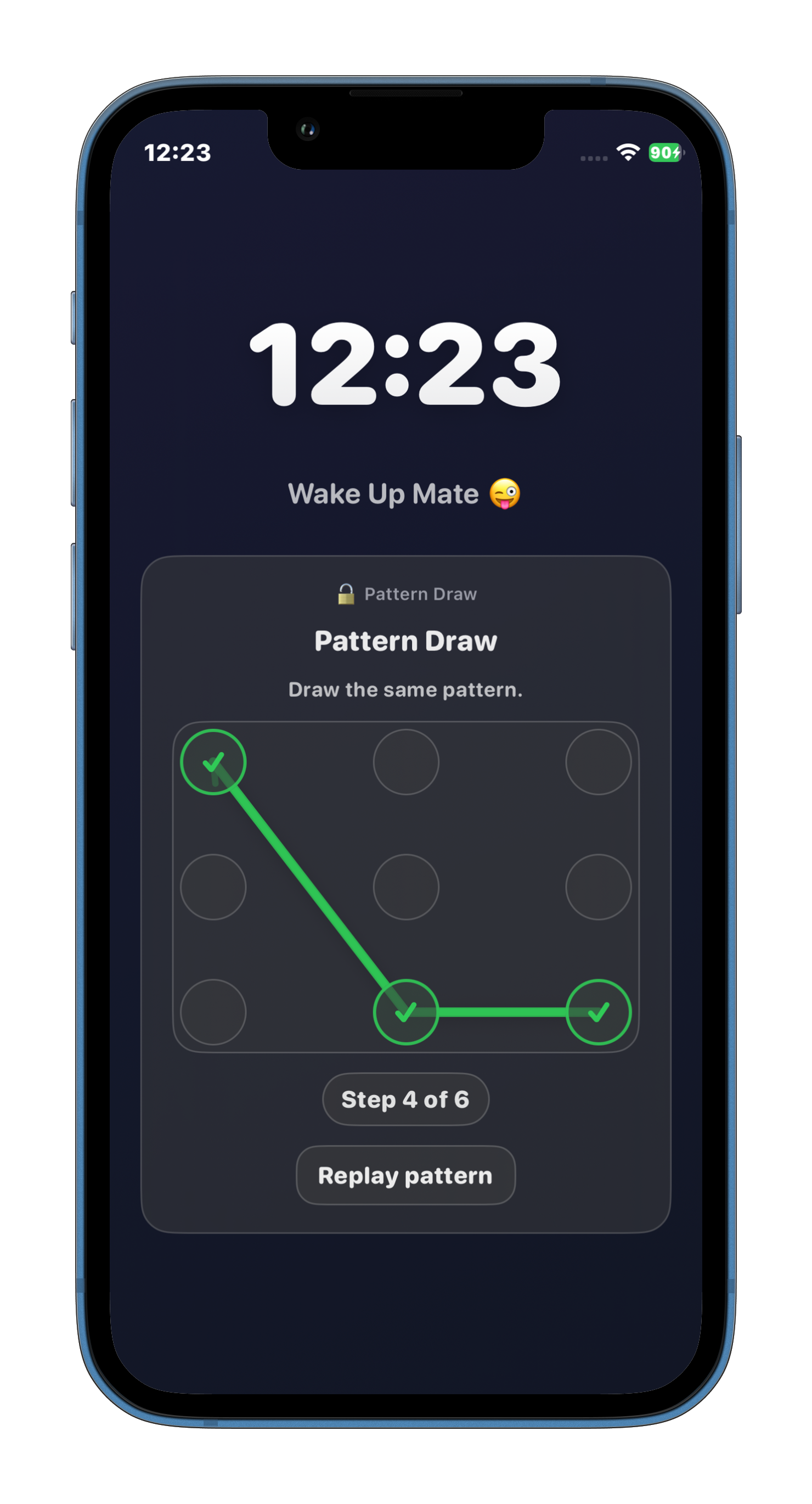
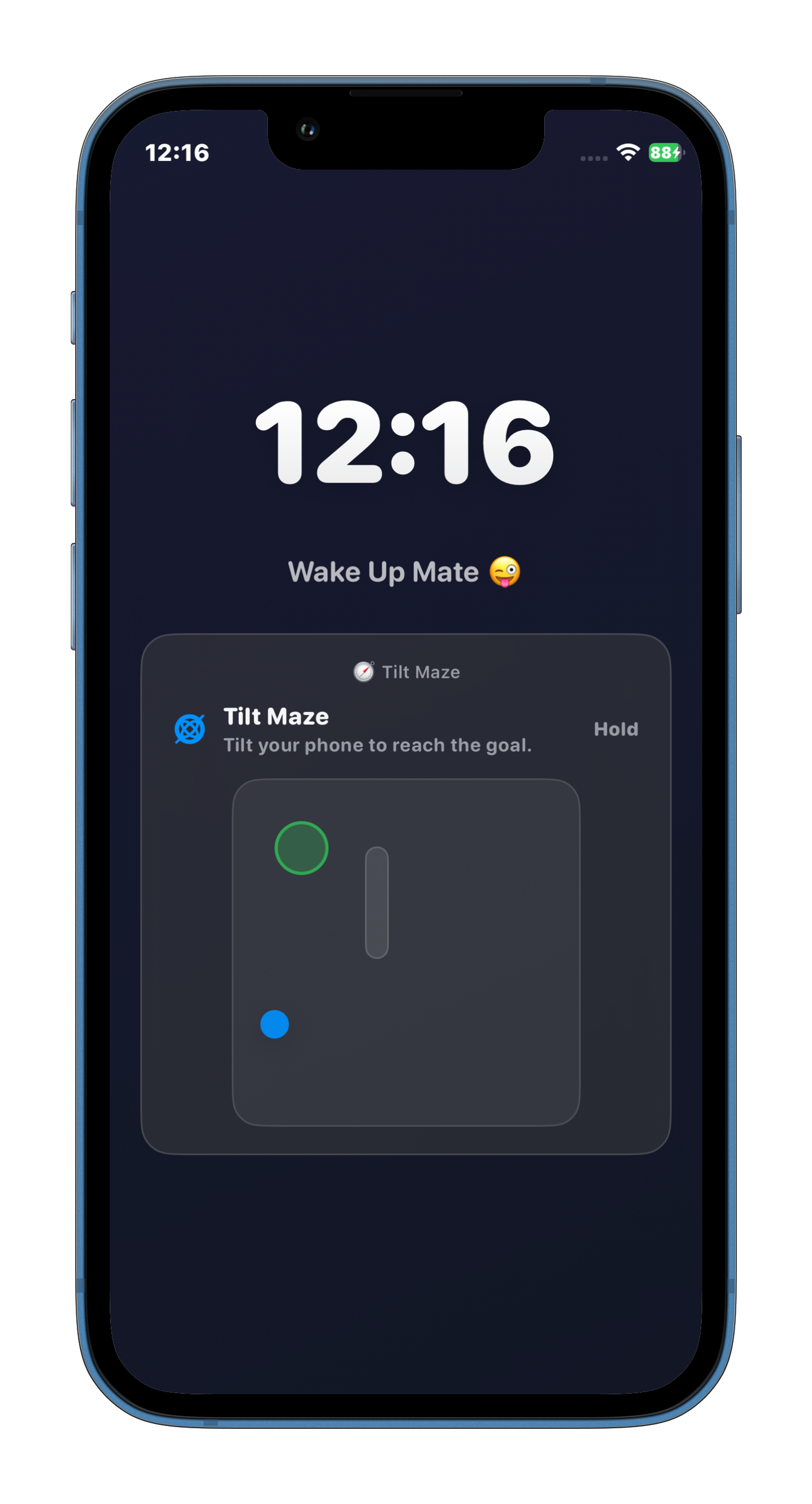
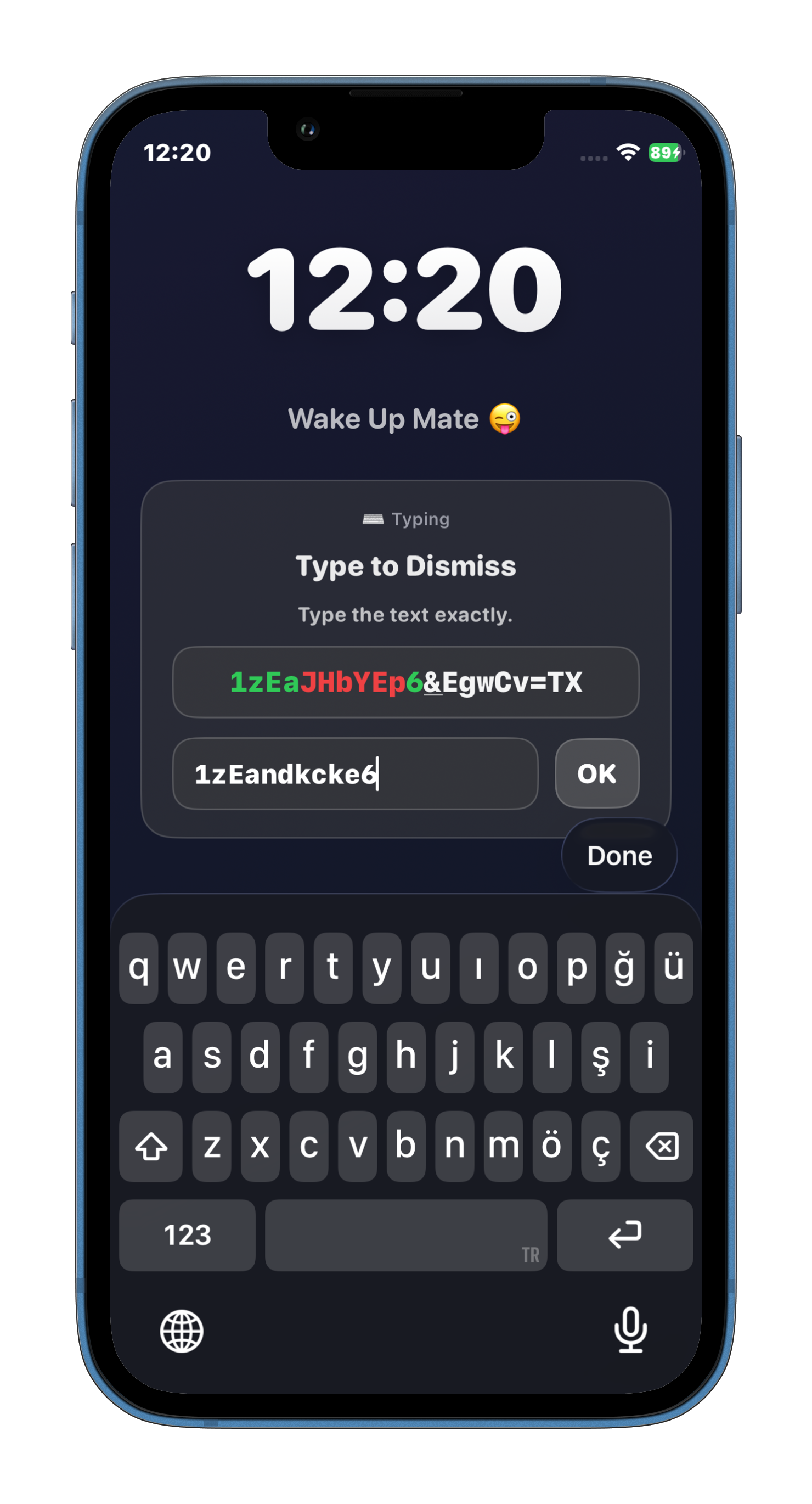
Why Alarm Arcade Works for Students needing a reliable school morning alarm
Works with teenage biology — not against it
Mission-based dismissal is biology-agnostic. It doesn't require morning-person motivation or a friendly chronotype — it requires completing a task. That structural requirement works regardless of whether the sleeper has a natural early-morning orientation.
Free to try, $1.49 for the full library — student-budget friendly
Alarm Arcade is free to download with no time limit on the free version. The full ten-mission library is $1.49 once — less than a meal. No subscription, no monthly charge, no renewal reminder at a bad time.
Ten missions feel less like punishment, more like a challenge
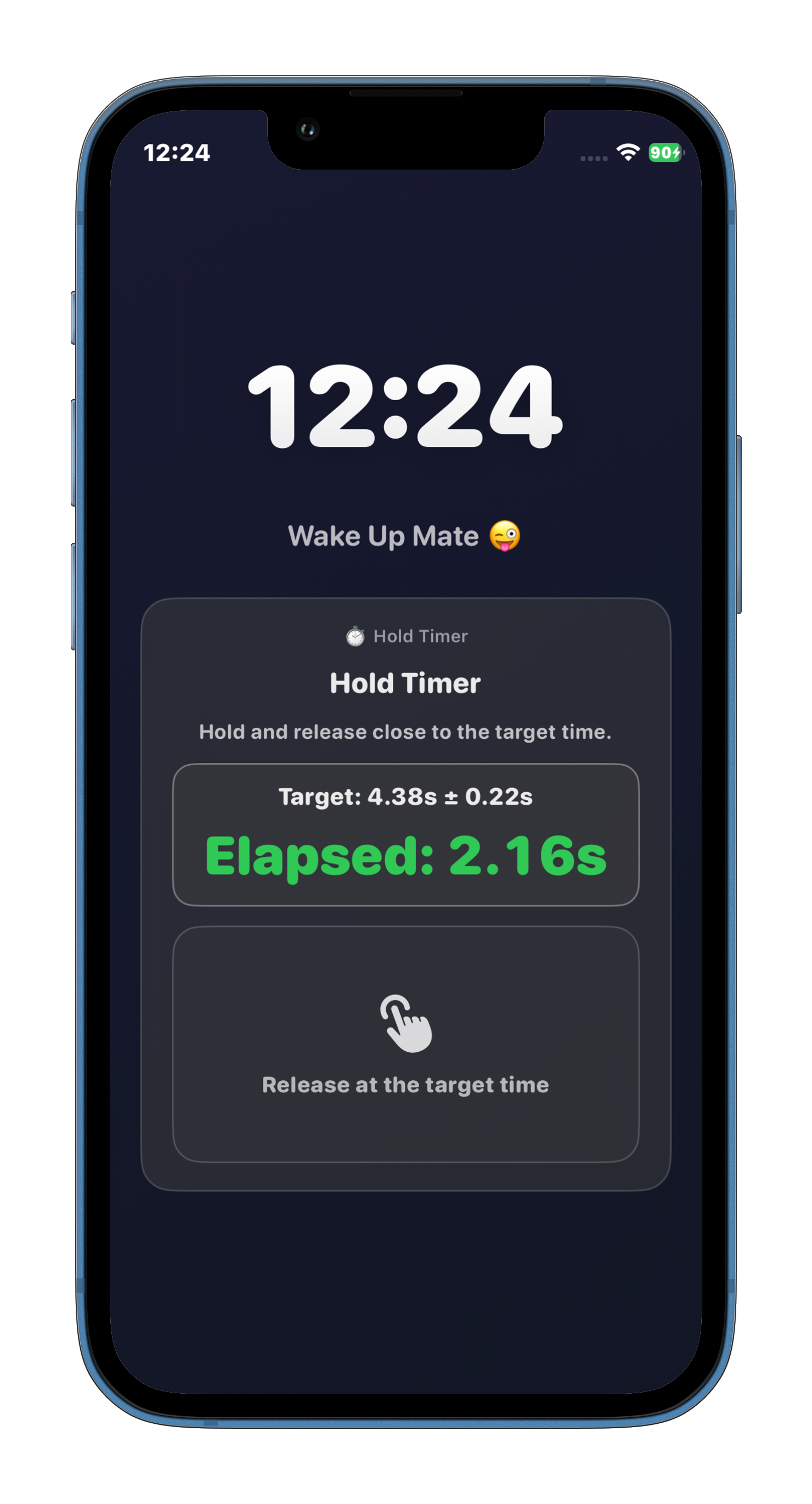
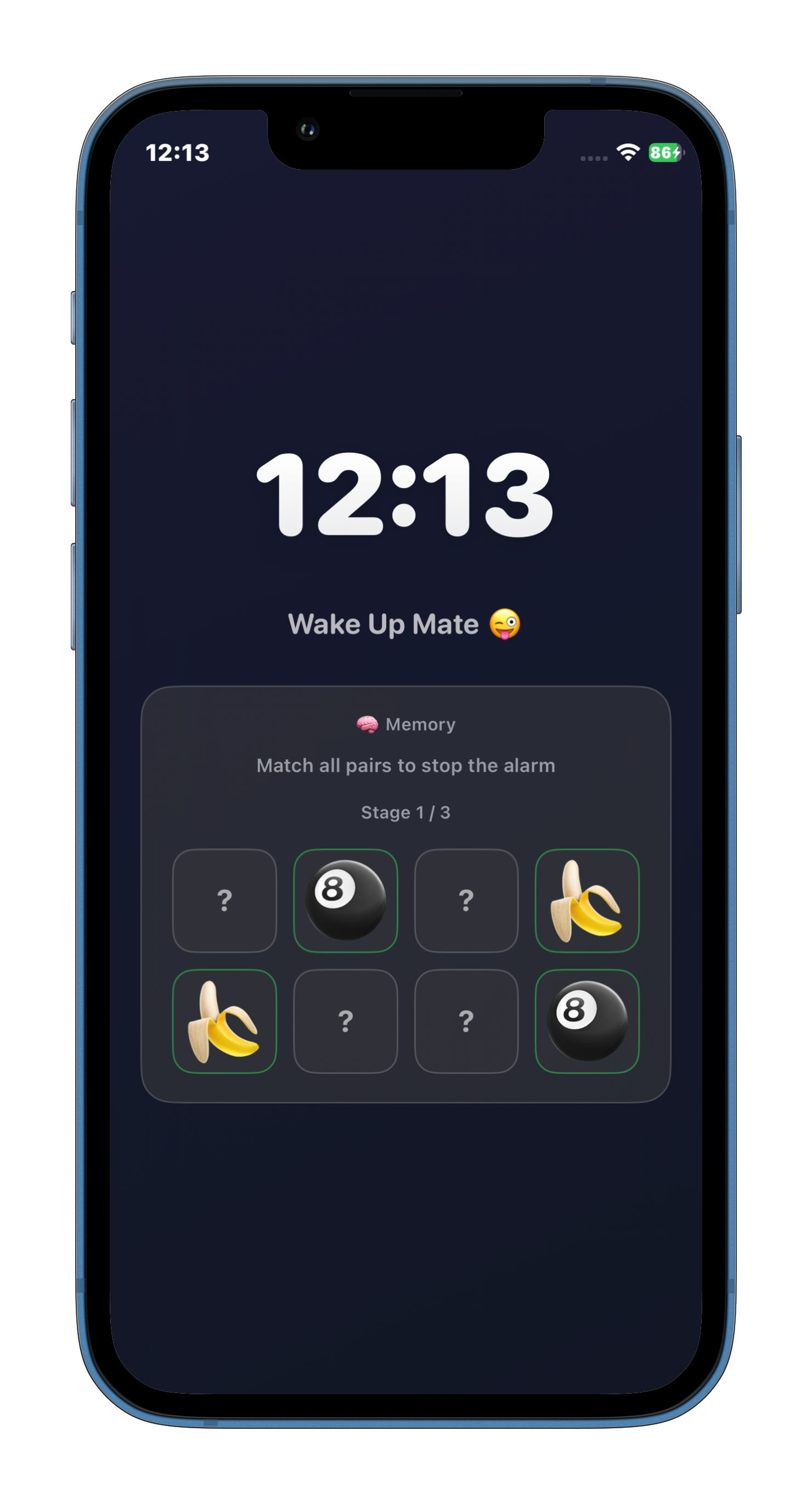
For younger users, the game framing of Alarm Arcade is genuinely more engaging than a harsh buzzzer. The missions — Memory Match, Simon Says, Reaction Grid, Tilt Maze — are interactive challenges that activate the brain without the punitive feel of some task-based alarm apps.
Best alarm setup for school mornings
| Feature | Alarm Arcade | Alarmy | iPhone Clock |
|---|---|---|---|
| No subscription required | ✓ | ✗ | ✓ |
| Game-based dismissal | ✓ | ✓ | ✗ |
| Works offline (no account) | ✓ | ✗ | ✓ |
| Pricing | $1.49 one-time | $4.99/mo | Free |
| Multiple mission types | ✓ | ✓ | ✗ |
Why school mornings are uniquely difficult for students
Adolescent sleep biology is genuinely different from adult sleep biology. The circadian rhythm shifts later during puberty — this is a well-documented phenomenon, not a character trait. Melatonin onset (the chemical signal that initiates sleepiness) occurs later in teenagers than in adults, which means that a 10:30 PM bedtime for a teenager may correspond physiologically to an 8:30 PM bedtime for an adult. Waking at 6:45 AM is, for many teenagers, physiologically equivalent to an adult waking at 4:45 AM.
This mismatch is compounded by social factors: screen use, social media, and homework that extends late into the night all delay sleep onset further. The result is a population with less total sleep, more severe sleep inertia at early required wake times, and a higher natural resistance to early alarms than any other demographic group. Standard alarms are the least appropriate tool for this group and the most commonly used one.
The exact Alarm Arcade setup for school mornings
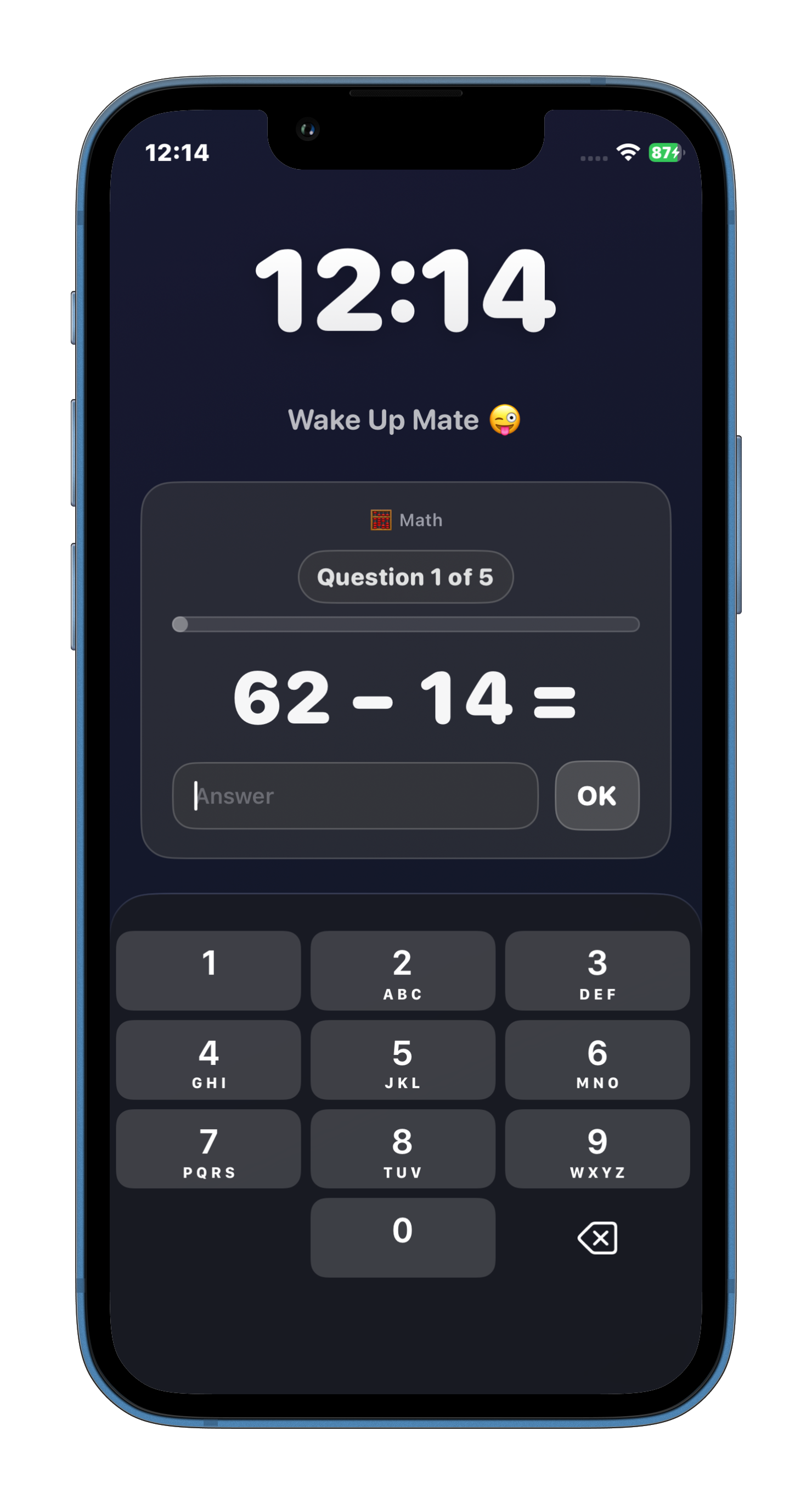
Mission for students: Simon Says or Memory Match at Medium for first use — engaging, game-like, and lower frustration risk than arithmetic first thing. After one week, increase to Hard or switch to Math or Typing for stronger enforcement. For students who are extreme heavy sleepers, start at Typing Hard immediately. Difficulty: Medium for most students as a starting point; Hard if Medium is being completed while still functionally asleep (a common sign is completing the mission with no memory of it).
Phone placement: This is the most important variable for students. The phone in bed is the most common school morning failure mode — students complete the mission while still horizontal and go back to sleep. Phone must be on a desk, bookshelf, or other surface across the room. If the student won't move it: turn off bedroom charging. The phone charges in a common area or at a desk; it doesn't come to bed. Homework done, phone charges across the room, alarm set.
Frequently Asked Questions
Alarm Arcade requires no account and collects no data, which makes it more privacy-appropriate for younger users than account-based apps. The missions are all skill-based challenges with no inappropriate content. Parents should supervise app installation and setup as with any app for younger children. The game-based format is generally well-received by younger users who find standard alarm apps boring.
Either works — Alarm Arcade doesn't require account authentication so a parent can set the alarm and mission on the child's device without creating any account. The setup takes under two minutes. For older students, self-setup is generally better for habit ownership; for younger children, parental setup ensures the correct configuration.
Reaction Grid and Simon Says tend to be most engaging for students because they feel the most game-like. Memory Match is also popular. Math is highly effective but sometimes generates resistance ('I don't want to do math at 7 AM') that can cause alarm avoidance. Starting with a reaction or memory mission and adding Math or Typing to the rotation after the first week tends to produce better student buy-in and long-term compliance.
Start the school year with an alarm that works
Download free. Set up in 60 seconds. Never miss it again.
Download Alarm Arcade — Free