 Alarm Arcade
Best nap alarm app — wake up refreshed, not groggy
A power nap can either leave you refreshed or send you into a two-hour sleep that ruins the rest of your day — the difference is entirely determined by whether your nap alarm reliably wakes you. Mission-based dismissal makes the nap boundary structurally enforced rather than dependent on your groggy judgment.
The science of power naps is well-established: 10–20 minute naps improve alertness, mood, and cognitive performance without producing sleep inertia. Naps longer than 30 minutes enter slow-wave sleep and produce significant grogginess (sleep inertia) upon waking. Naps longer than 90 minutes cycle through a full sleep cycle and may disrupt nighttime sleep. The benefit window is narrow, and the consequence of oversleeping a nap is either hours of grogginess or disrupted nighttime sleep — both worse than not napping at all.
The problem is that the 20-minute boundary is enforced by the same alarm system that fails for morning wake-up. If you fall asleep deeply enough to benefit from the nap, you may be deeply enough asleep that a standard alarm is dismissed before consciousness — especially if you're already sleep-deprived. A mission-based nap alarm enforces the boundary mechanically.
Who This Is For
- People who nap regularly and want to stay within the optimal nap duration
- Anyone who's had a 'quick nap' turn into a three-hour sleep
- Shift workers who nap between shifts and need to wake at a specific time
- Students who nap during study breaks and need to wake for evening obligations
- People recovering from sleep deprivation who need to nap strategically
- Anyone who's woken from a nap more groggy than before they lay down
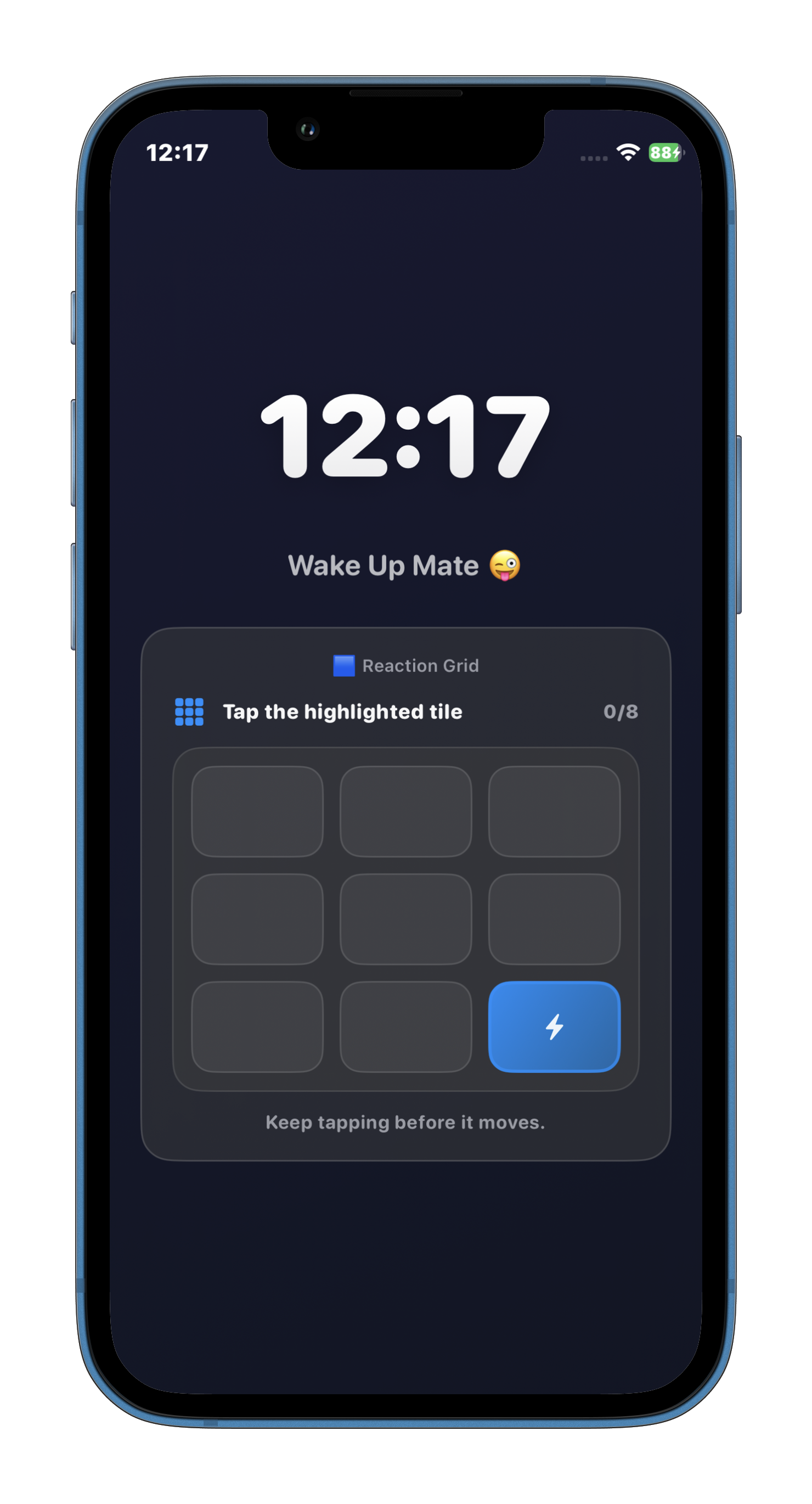
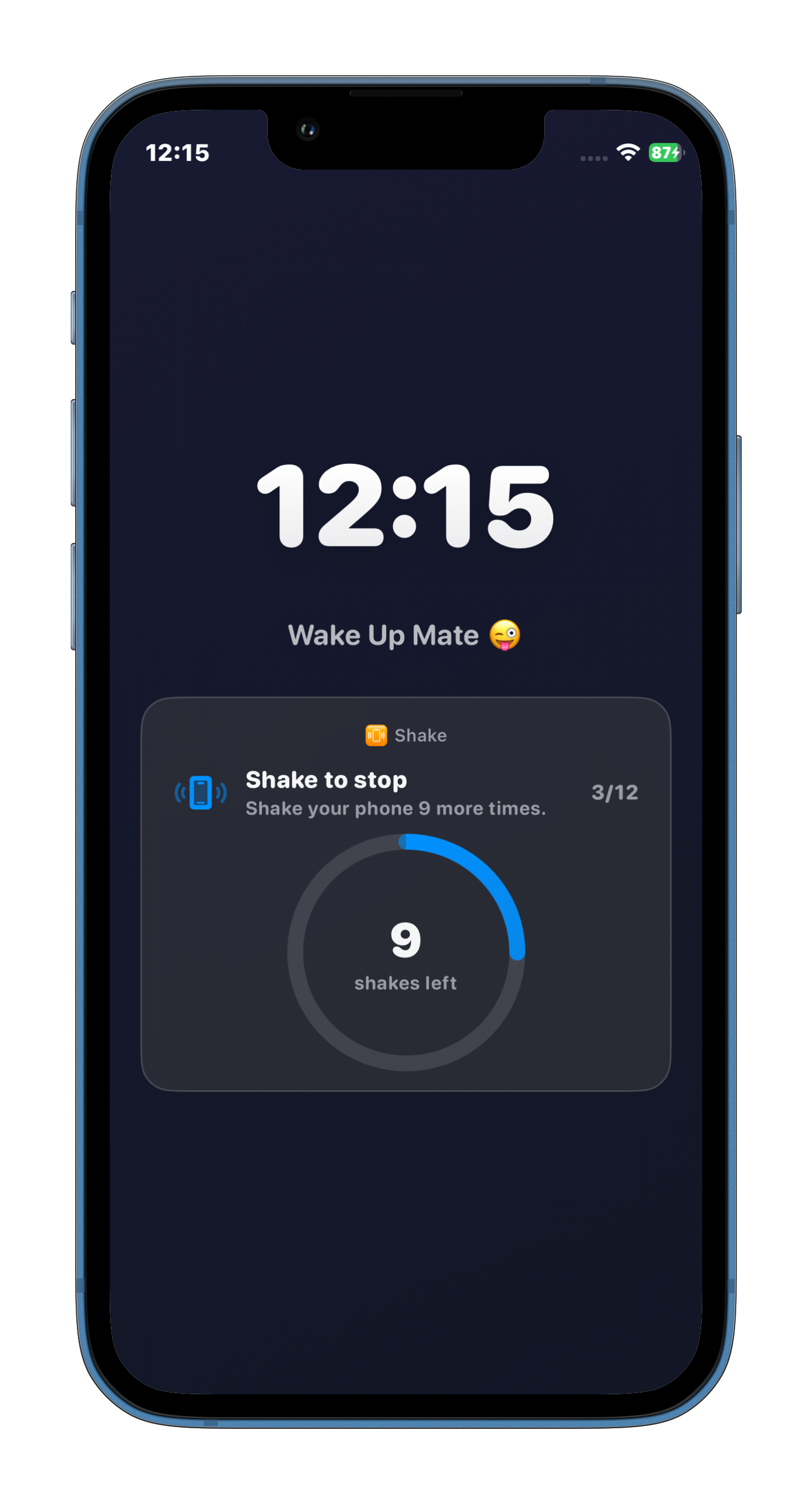
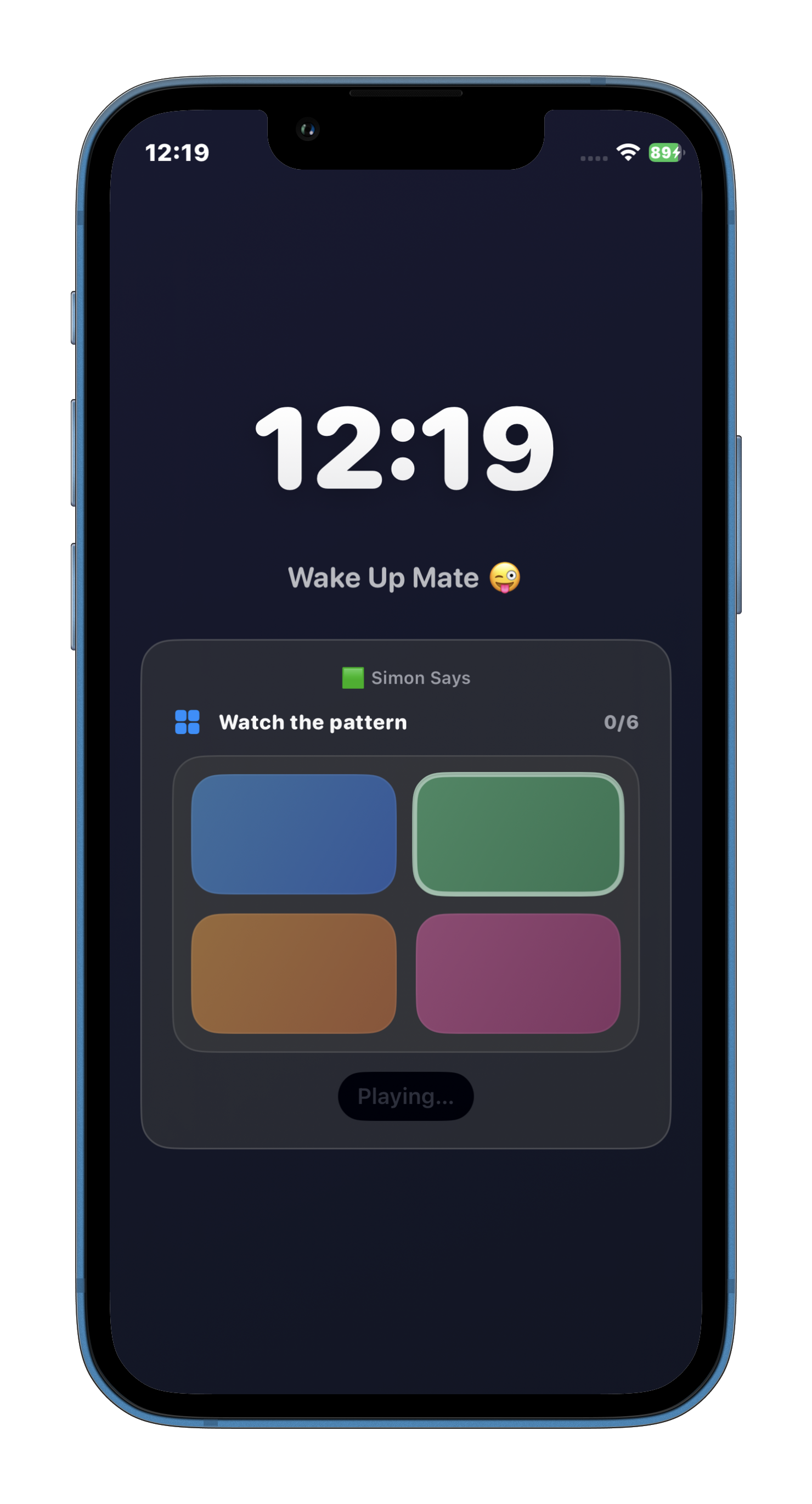
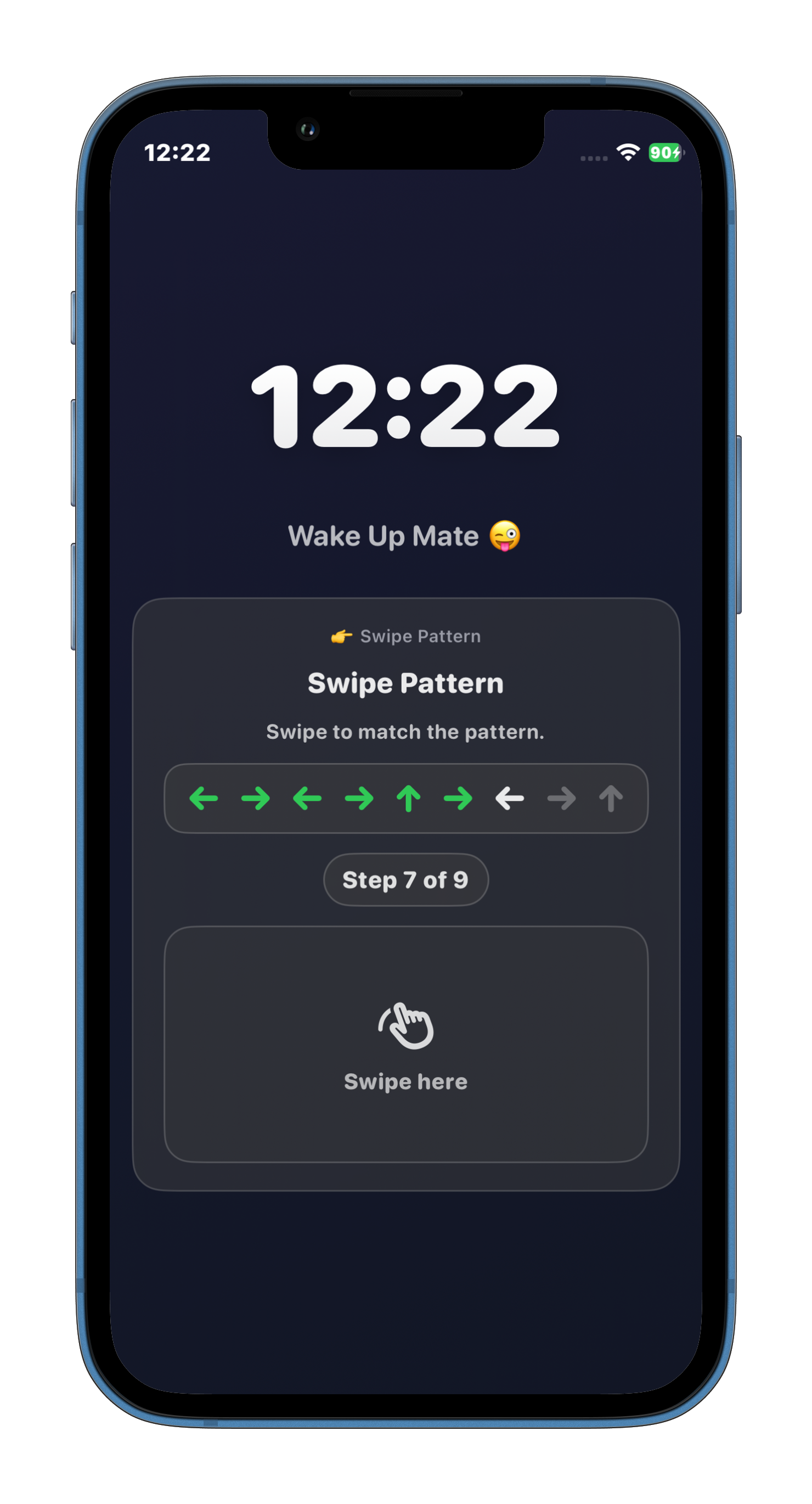
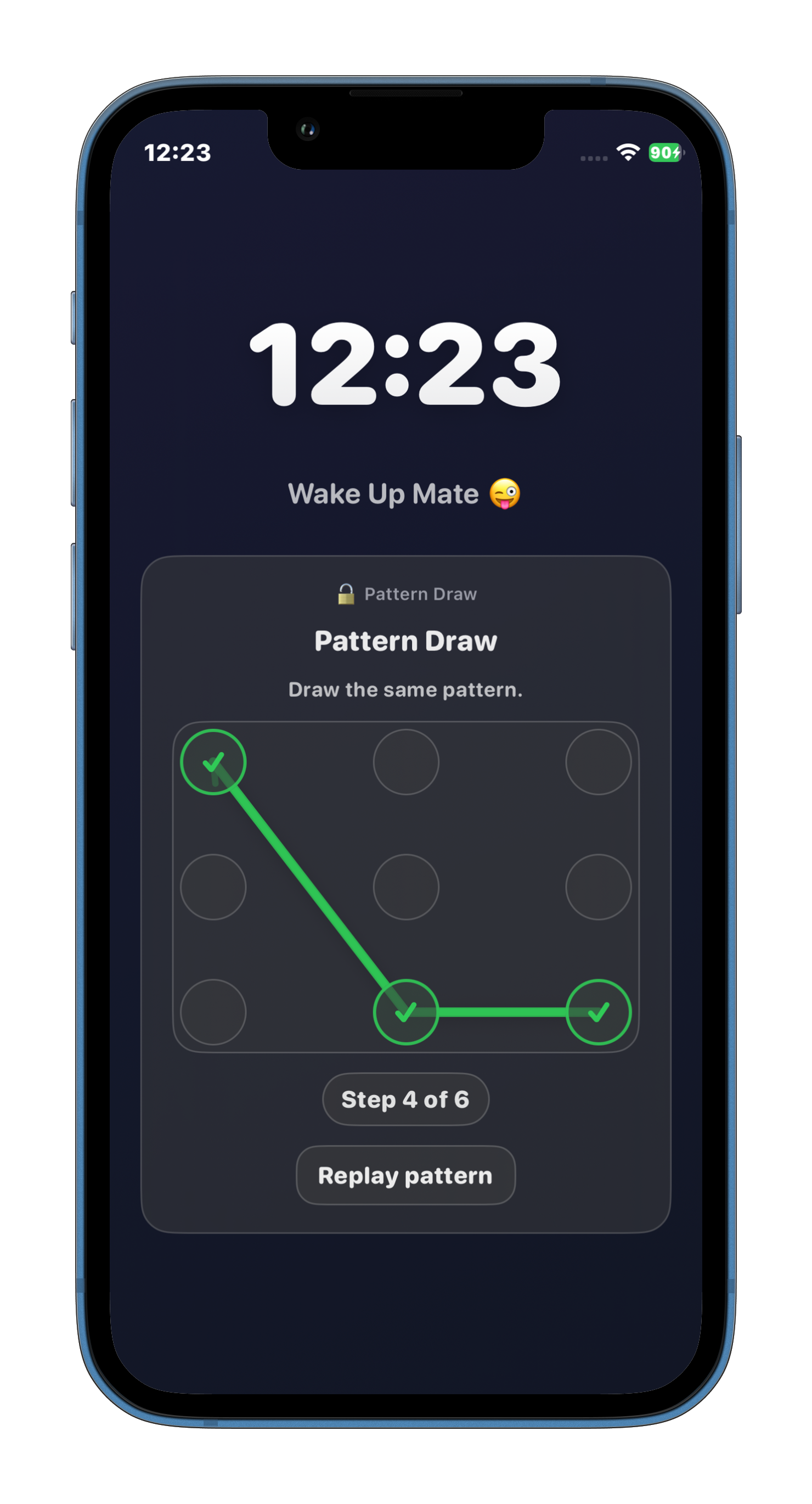
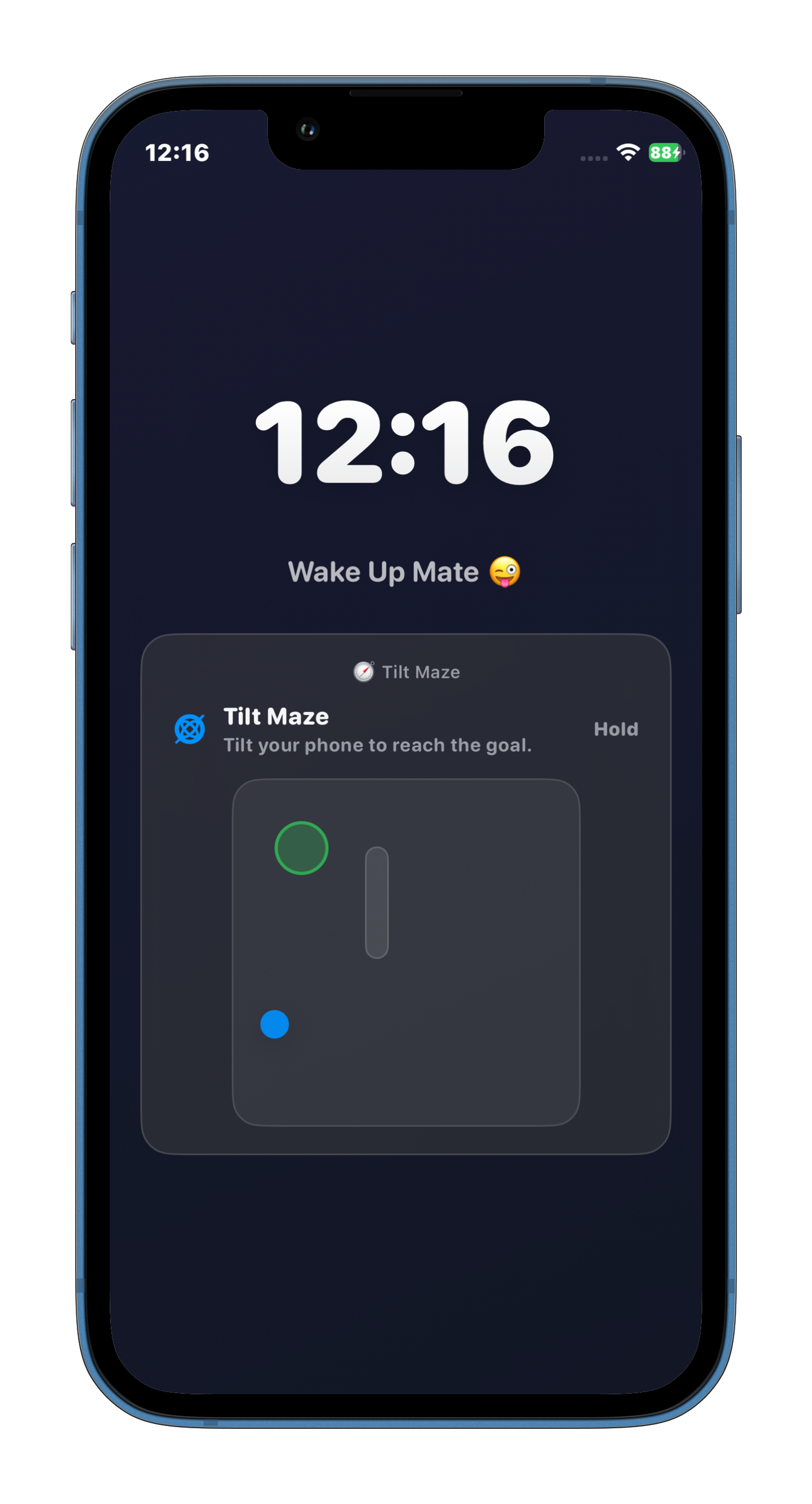
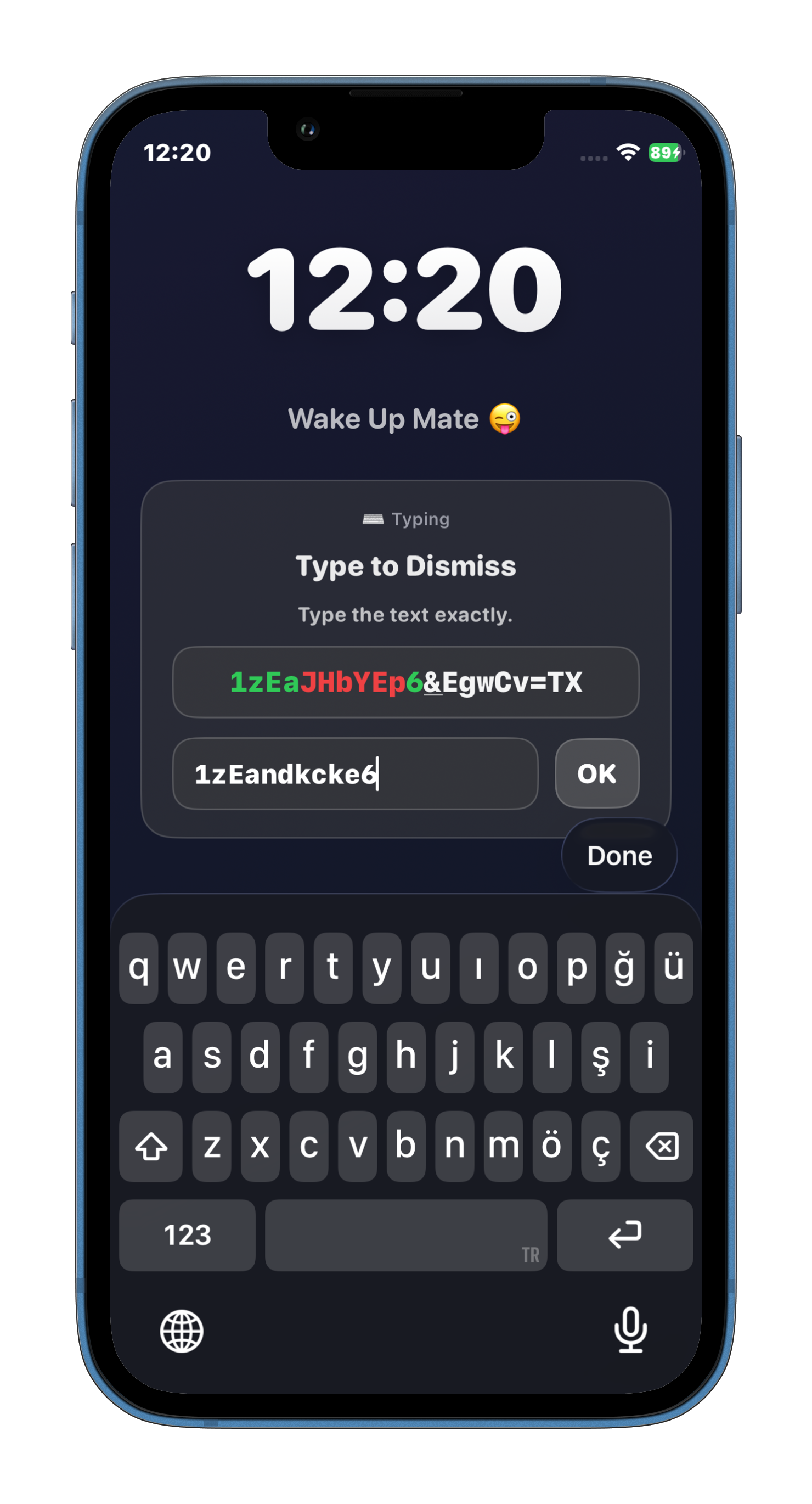
Why Alarm Arcade Works for People who nap and need a reliable wake-up alarm
Enforces the nap boundary — the mission fires whether or not you're ready
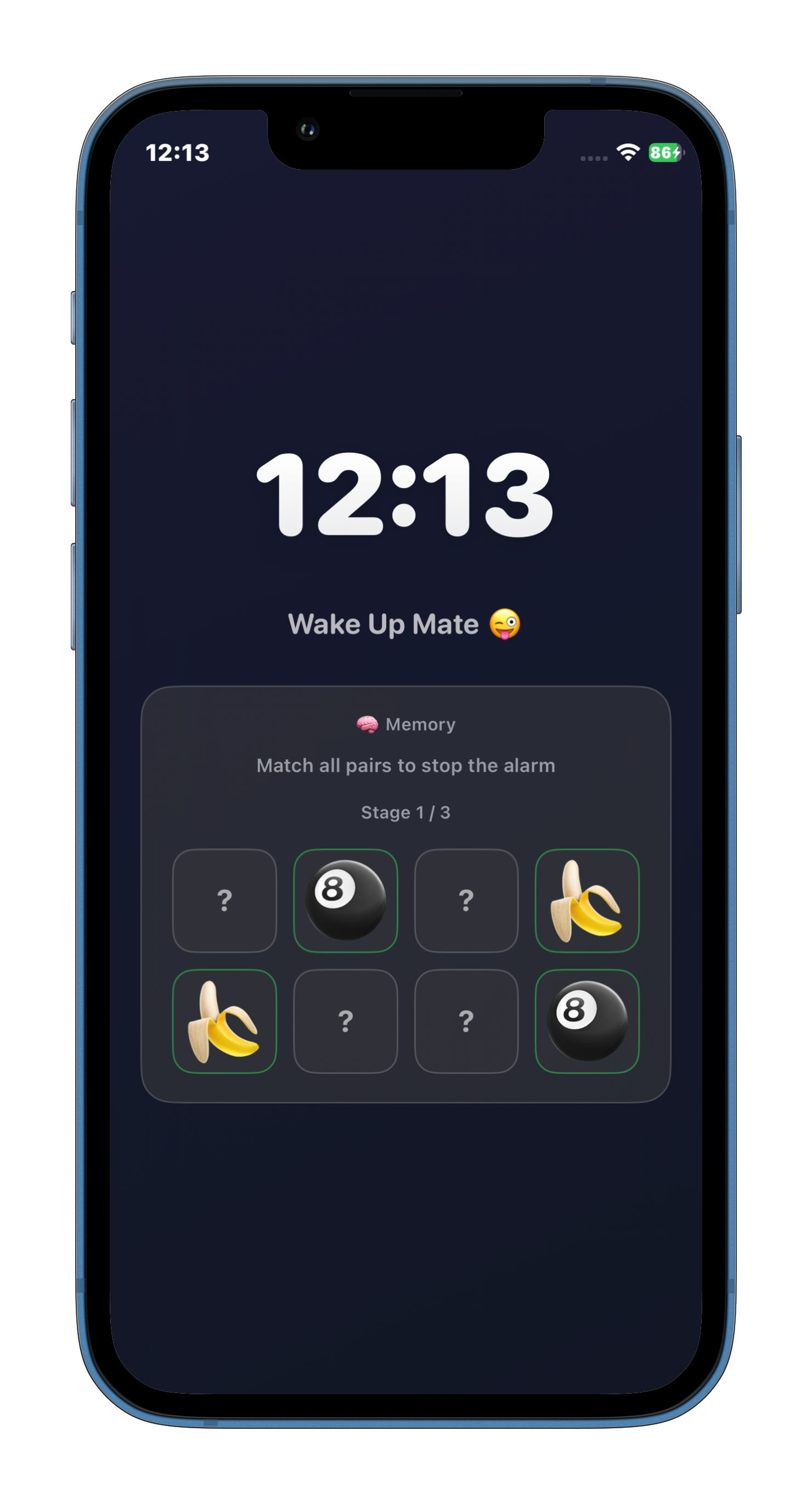
A standard timer is dismissed with a tap; a sleeping brain dismisses taps reflexively. Alarm Arcade's mission fires and cannot be stopped without task completion — which means the nap boundary is enforced by cognitive engagement, not by your willingness to stop sleeping.
Quick alarm setup from the home screen widget
Alarm Arcade's home screen widget lets you set a 20-minute nap alarm without opening the app. The friction between 'I want a quick nap' and 'alarm is set' is one tap — which means you'll actually set it every time instead of trusting yourself to wake up.
Lighter mission option for nap alarms — enforced but not harsh
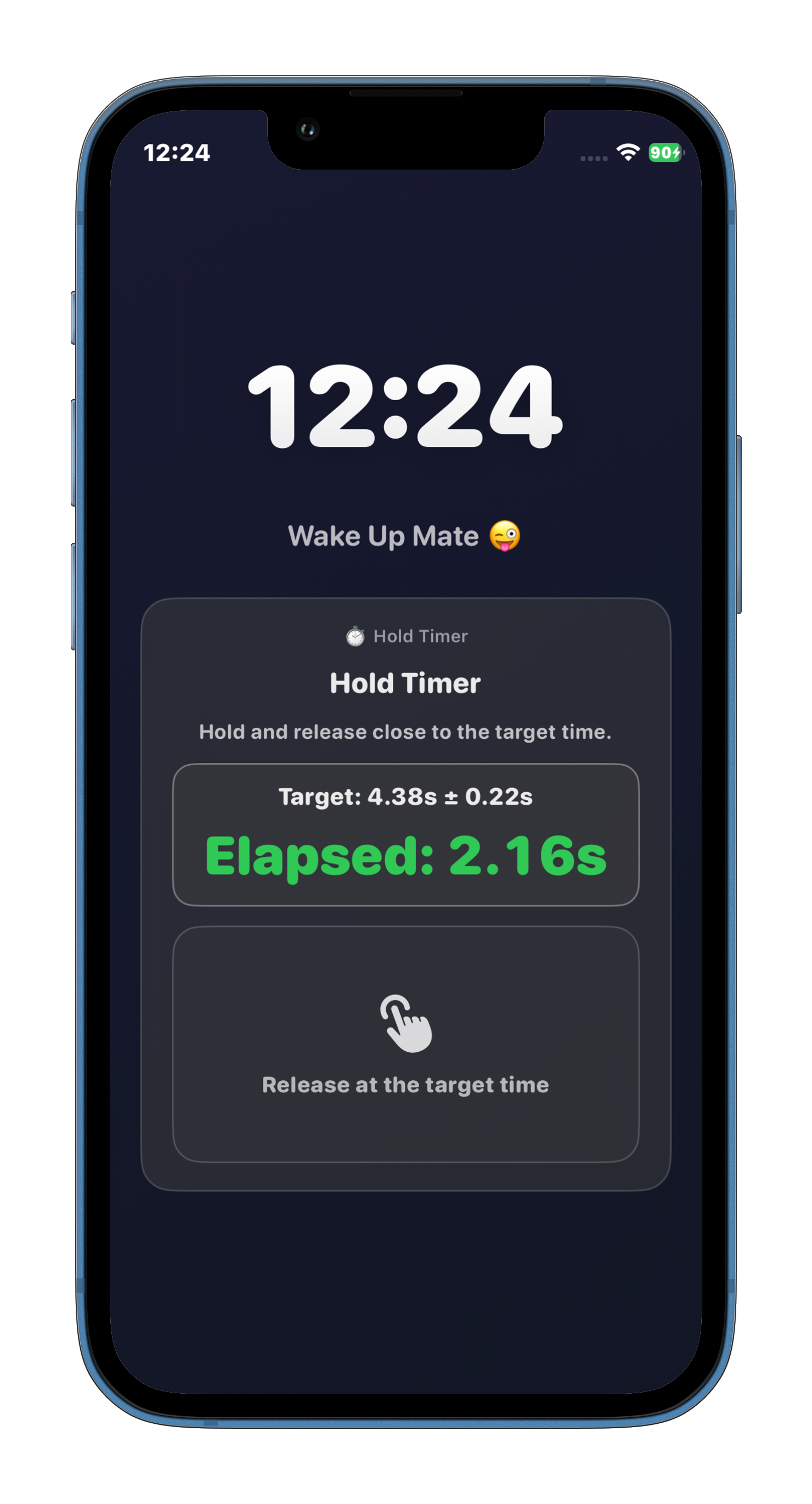
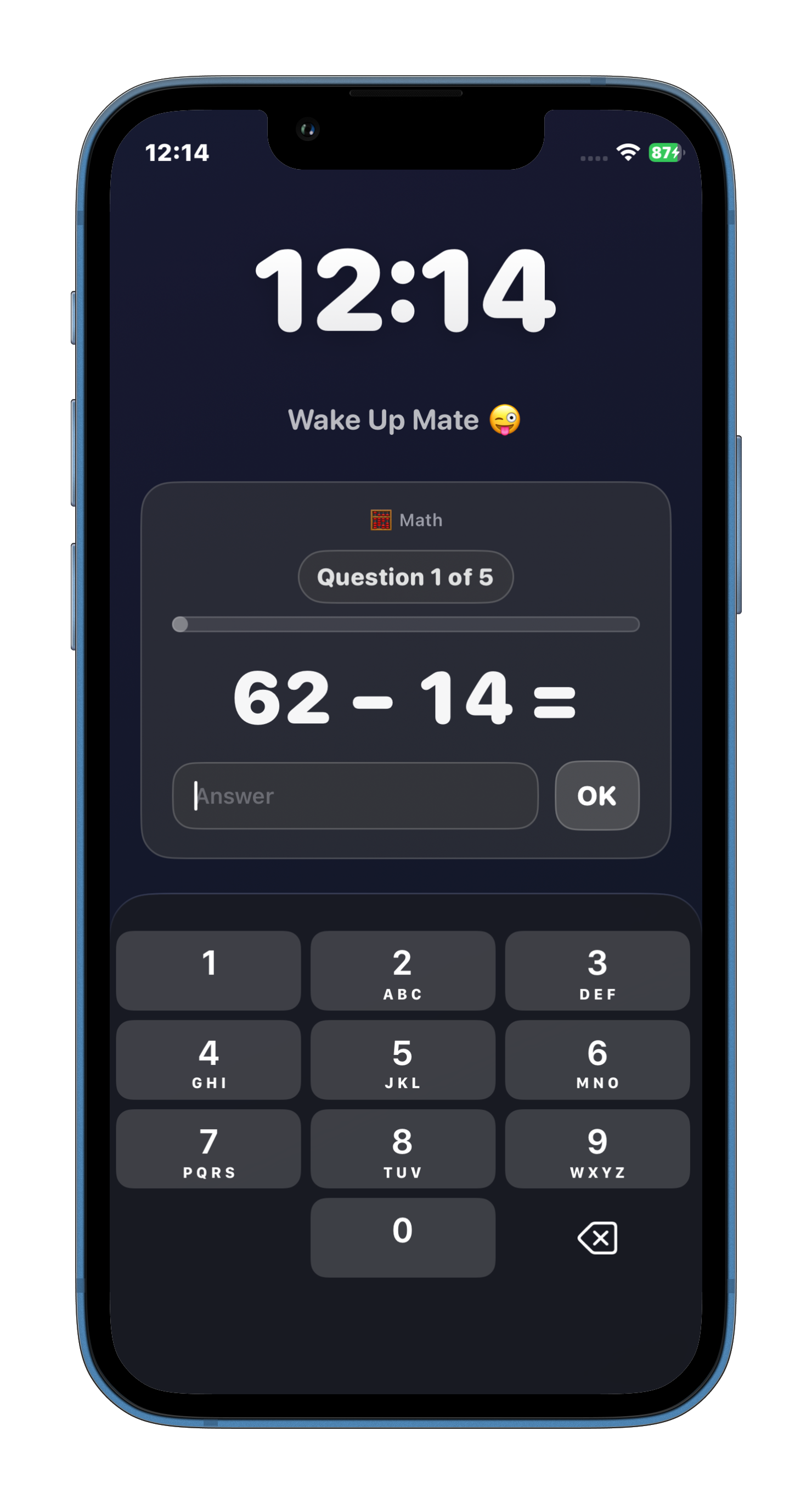
Assign a lighter mission (Hold Timer or Swipe Pattern at Easy) to nap alarms. These require enough engagement to confirm wakefulness without the cognitive demand of Hard Math after 20 minutes of sleep. You wake up, you're awake, but you're not starting an arithmetic problem mid-afternoon.
Best alarm setup for power naps
| Feature | Alarm Arcade | Alarmy | iPhone Clock |
|---|---|---|---|
| No subscription required | ✓ | ✗ | ✓ |
| Game-based dismissal | ✓ | ✓ | ✗ |
| Works offline (no account) | ✓ | ✗ | ✓ |
| Pricing | $1.49 one-time | $4.99/mo | Free |
| Multiple mission types | ✓ | ✓ | ✗ |
Why nap alarm failures are different from morning alarm failures
Nap sleep inertia is often worse than morning sleep inertia when the nap occurs at the wrong depth. If you fall into slow-wave sleep during a 20-minute nap (which can happen when sleep-deprived), waking at the alarm fires during slow-wave sleep produces maximal sleep inertia — grogginess, disorientation, and impaired cognitive function that can last 20–30 minutes. This is paradoxically worse than not napping: you're more impaired after the nap than before it.
The standard alarm fails for naps in the same way it fails for morning wake-up, but with the added factor that post-nap sleep inertia tends to produce a stronger return-to-sleep pull. You wake up groggy, the nap environment is still comfortable, and tapping dismiss requires no conscious engagement. The mission barrier is the same solution: by the time the task is completed, you've engaged enough neural systems that re-entry into sleep requires a deliberate decision.
The exact Alarm Arcade setup for naps
Nap duration and alarm timing: Set the alarm for 20–25 minutes after you plan to lie down (accounting for sleep onset time). This targets the optimal nap window and avoids slow-wave sleep entry. For a coffee nap (drinking caffeine immediately before napping — caffeine takes 20–30 minutes to absorb), set the alarm for 20 minutes exactly. Mission for naps: Hold Timer at Easy or Swipe Pattern at Easy. The goal is to confirm wakefulness without demanding high cognitive performance mid-afternoon. Easy-difficulty Hold Timer (10–15 second hold) is gentle, quiet, and sufficient for nap dismissal.
Phone placement for naps: Arm's reach is acceptable for nap alarms (unlike morning alarms) because the nap environment is typically not a bed you'll be tempted to stay in for hours. The couch, an office chair, or a recliner is less pull-back-to-sleep than a warm bed. If you're napping in bed, follow the same across-the-room rule as morning alarms. Light exposure: Immediately upon completing the nap mission, open blinds or expose yourself to light. Light exposure is the fastest intervention to accelerate recovery from sleep inertia and is particularly useful for post-nap grogginess.
Frequently Asked Questions
10–20 minutes is the evidence-based optimal range for alertness improvement without sleep inertia. The 90-minute nap (a full sleep cycle) is the next option up — short enough to avoid mid-cycle waking but long enough to complete restorative sleep stages. The 30–60 minute range is the worst for grogginess: long enough to enter slow-wave sleep but not long enough to complete the cycle, producing severe sleep inertia on waking.
Yes, if you're prone to oversleeping naps. The sleep-deprived brain is particularly good at dismissing alarms and returning to sleep quickly — you can fall back into sleep within 30 seconds of dismissing a 10-minute nap alarm if the dismissal required no cognitive engagement. A Hold Timer at Easy adds 10–15 seconds of consciousness-confirming engagement that significantly reduces the probability of returning to sleep immediately after dismissal.
Yes. Alarm Arcade fires at the set time with a mission regardless of whether you were sleeping. Using it as a task reminder or break timer works — the mission fires and requires completion, which ensures you actually acknowledge the alarm rather than dismissing it automatically. For important reminders (medication, meetings, task switches), the mission engagement provides the same pattern-interrupting benefit it provides for sleep.
Nap without the risk of oversleeping — set it tonight
Download free. Set up in 60 seconds. Never miss it again.
Download Alarm Arcade — Free