 Alarm Arcade
Medication reminder alarm app
A medication alarm that can be dismissed without full consciousness is a medication alarm that gets missed — not because you chose to skip your medication, but because the alarm was silenced before you were awake enough to act on it. Mission-based dismissal ensures acknowledgment happens with genuine awareness.
Medication timing matters for many conditions and treatments. Morning medications taken significantly late can affect blood levels, reduce efficacy, or cause side effects from schedule disruption. For people who take first-thing-in-the-morning medications, the alarm that prompts them must produce genuine wakefulness, not just sound that the sleeping brain reflexively silences.
A standard alarm or notification stops when you tap it — and for morning medications, that tap often happens before full consciousness. Alarm Arcade's mission requirement means you're cognitively engaged before the alarm stops, which means you're in a state to actually take the medication rather than having acknowledged a notification you have no memory of.
Who This Is For
- People with morning medications that must be taken at a consistent time
- Anyone who's dismissed a medication alarm and then can't remember whether they took it
- People managing conditions where medication timing affects efficacy (thyroid medications, diabetes, blood pressure)
- Caregivers setting medication reminders for family members who sleep heavily
- People on new medication regimens who are building the habit of taking them
- Anyone who's missed morning medication more than once because of alarm dismissal
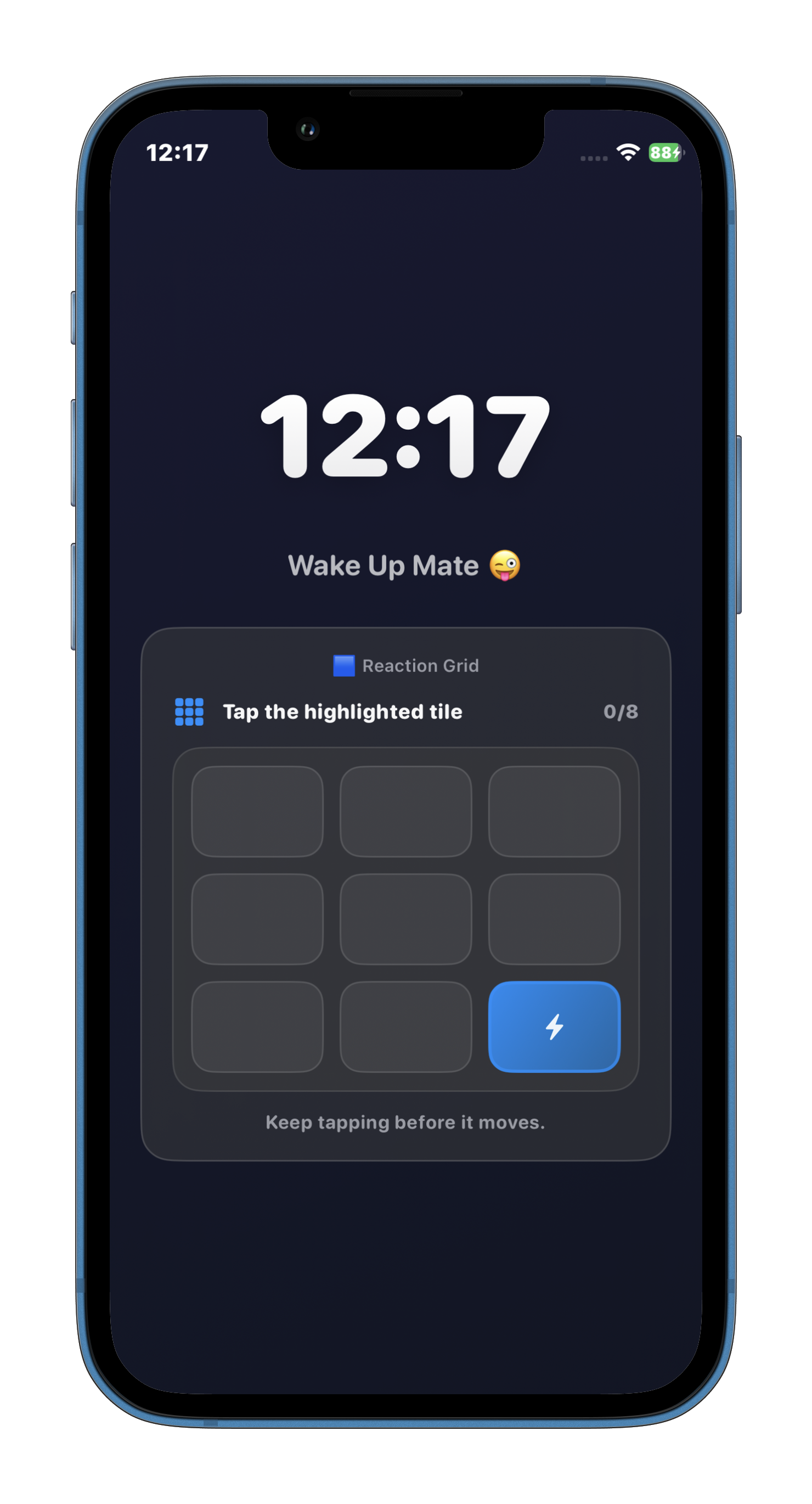
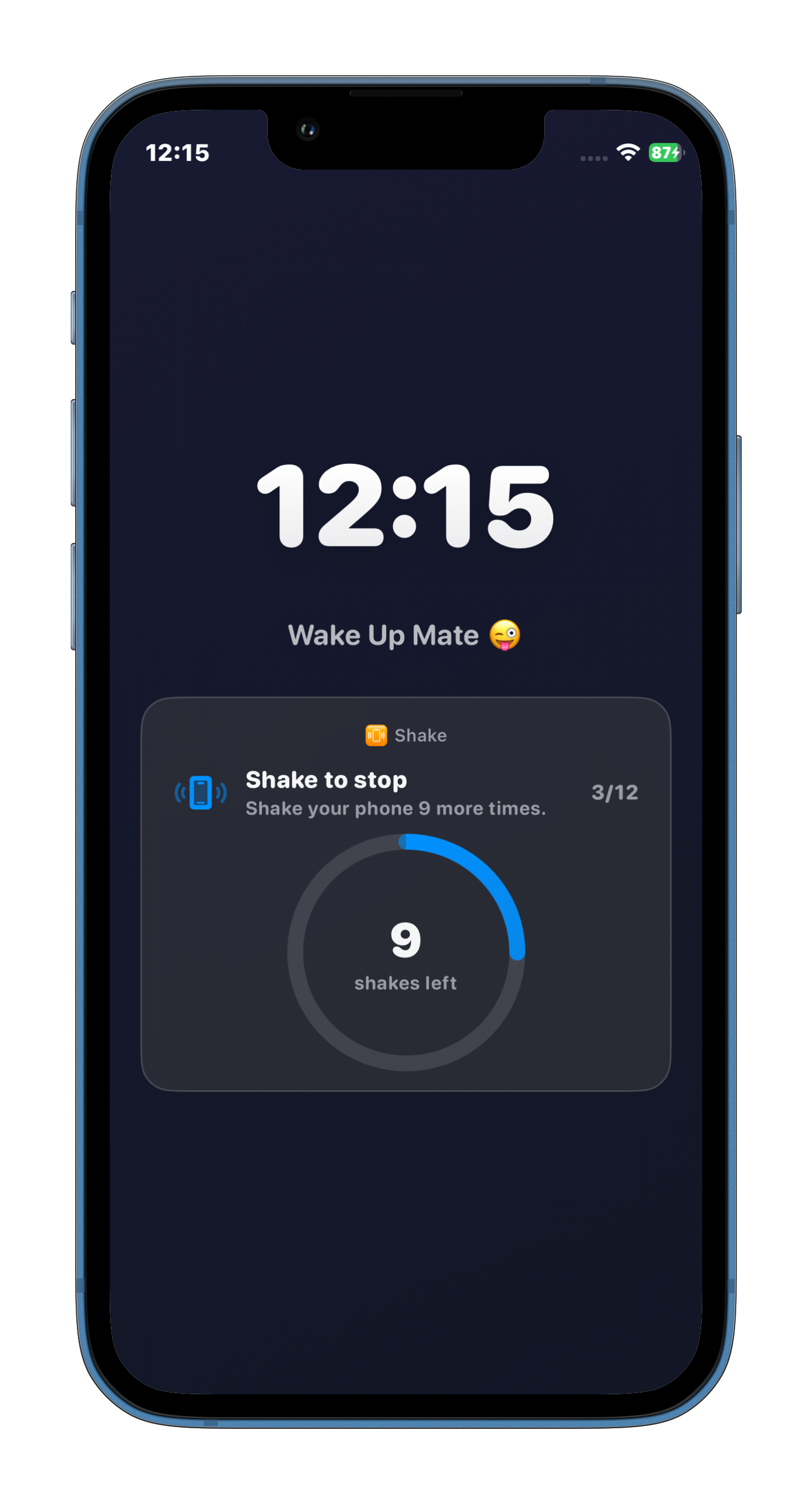
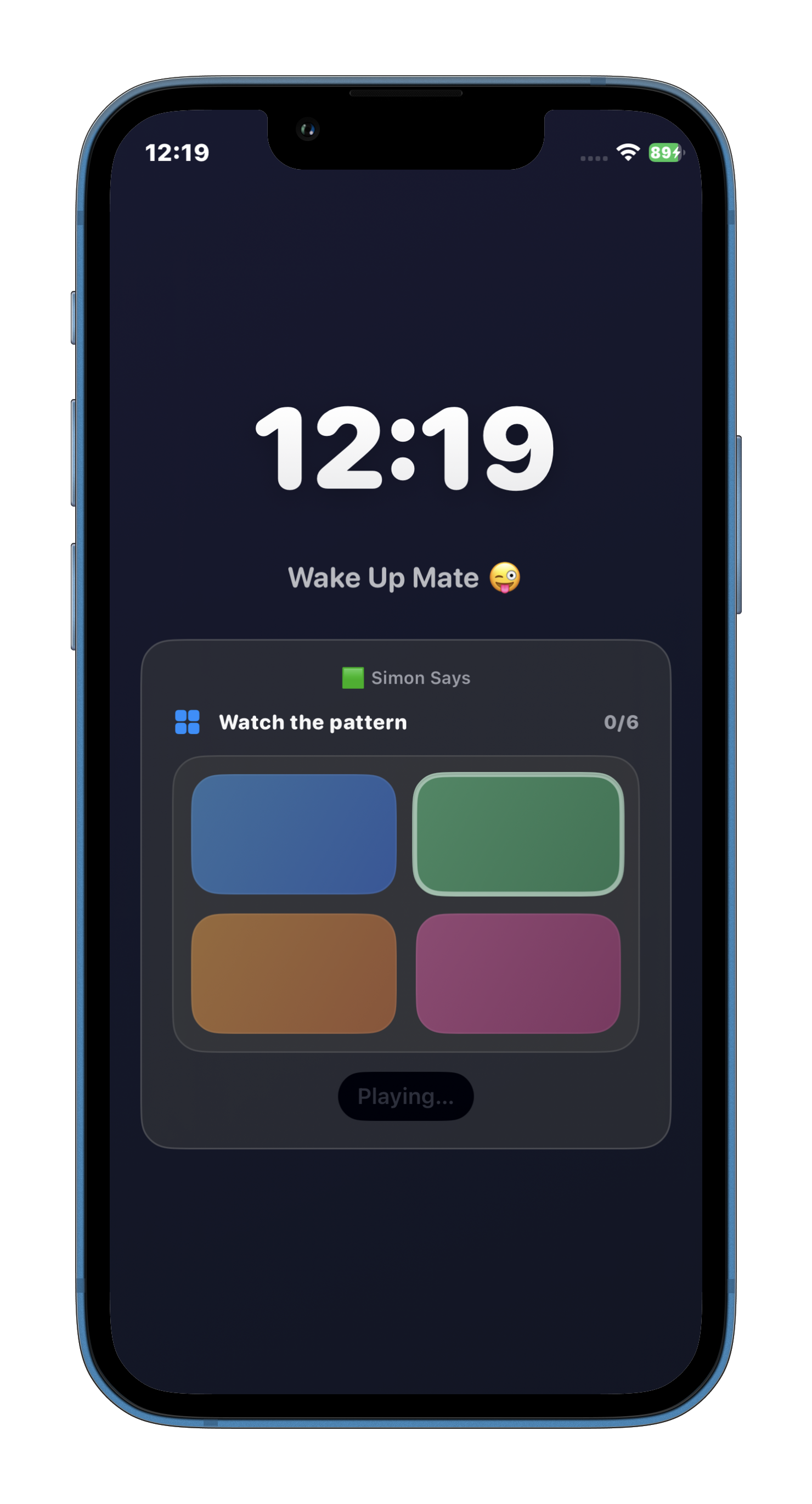
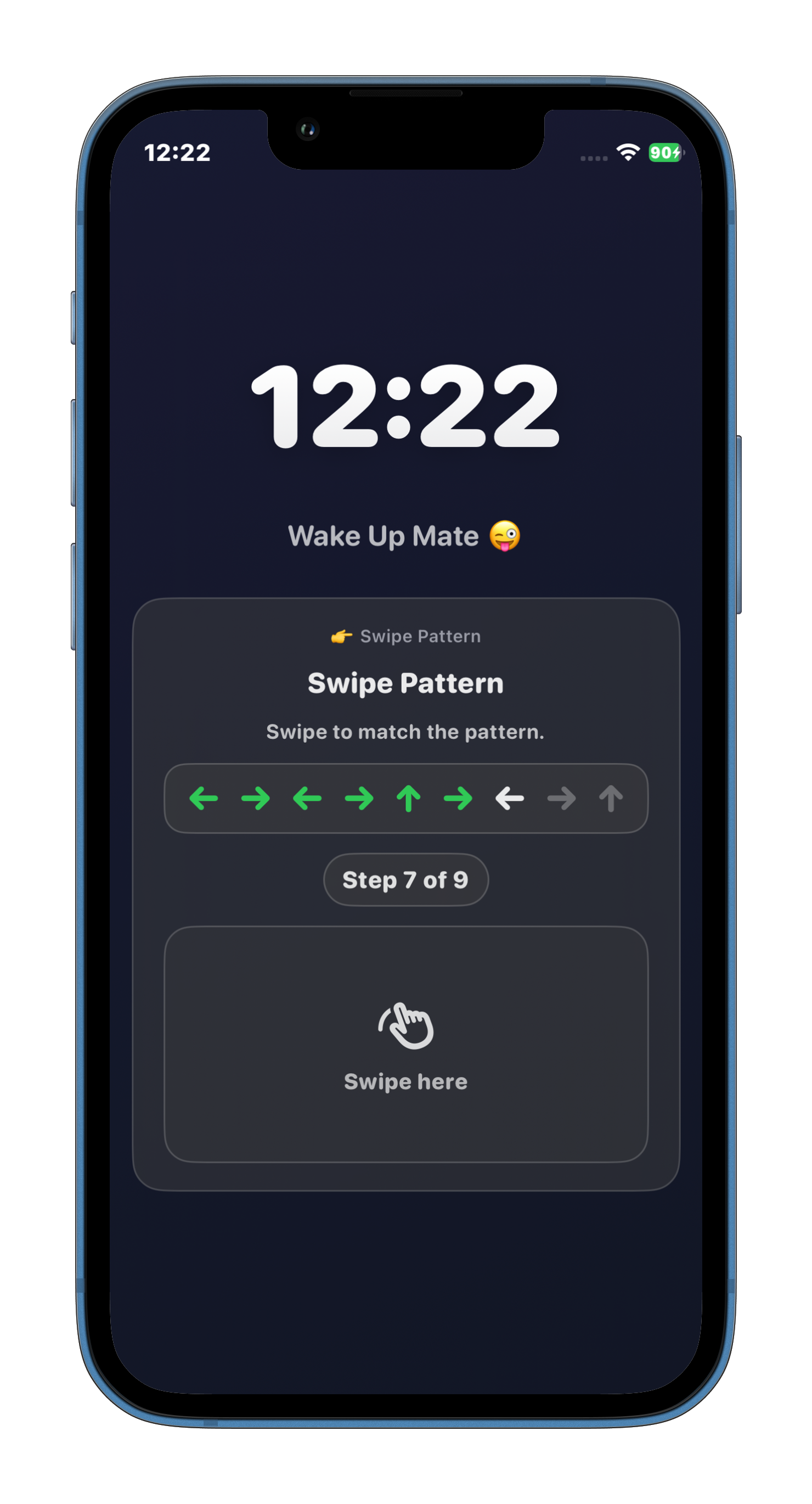
Why Alarm Arcade Works for People using alarms for medication reminders
Genuine acknowledgment — you're awake before the alarm stops
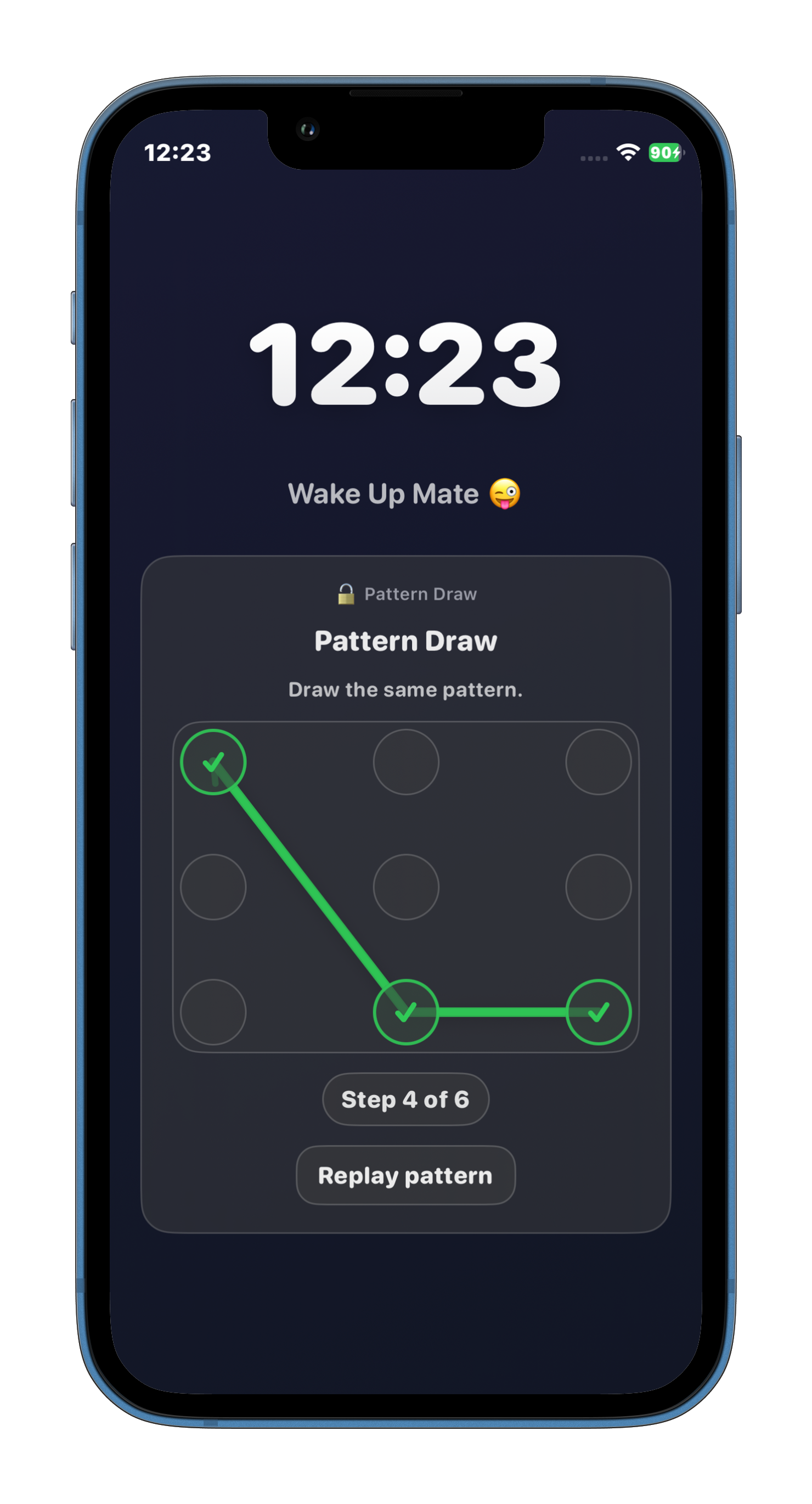
Dismissing a mission-based alarm requires cognitive engagement — which means by the time the alarm stops, you're in a state to actually remember to take your medication. The mission completion is a confirmation of consciousness, not just a reflexive tap.
Offline, no account — the alarm fires regardless of connectivity
Medication alarms must be reliable. Alarm Arcade has no external dependencies: no Wi-Fi needed, no account login, no server contact. It fires when scheduled, regardless of connectivity, exactly like a medication regime requires.
Lighter mission options for middle-of-night or early-morning medications
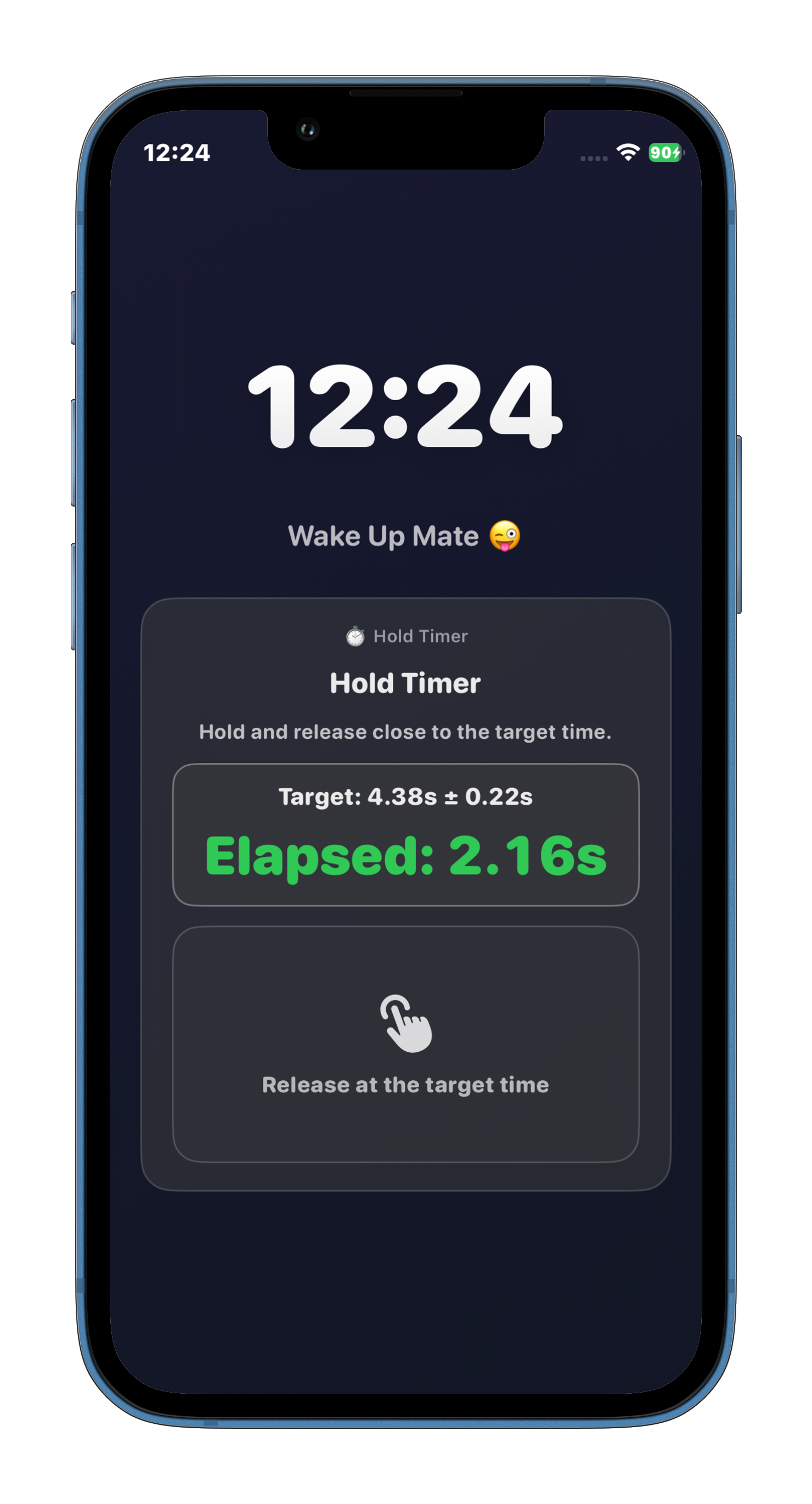
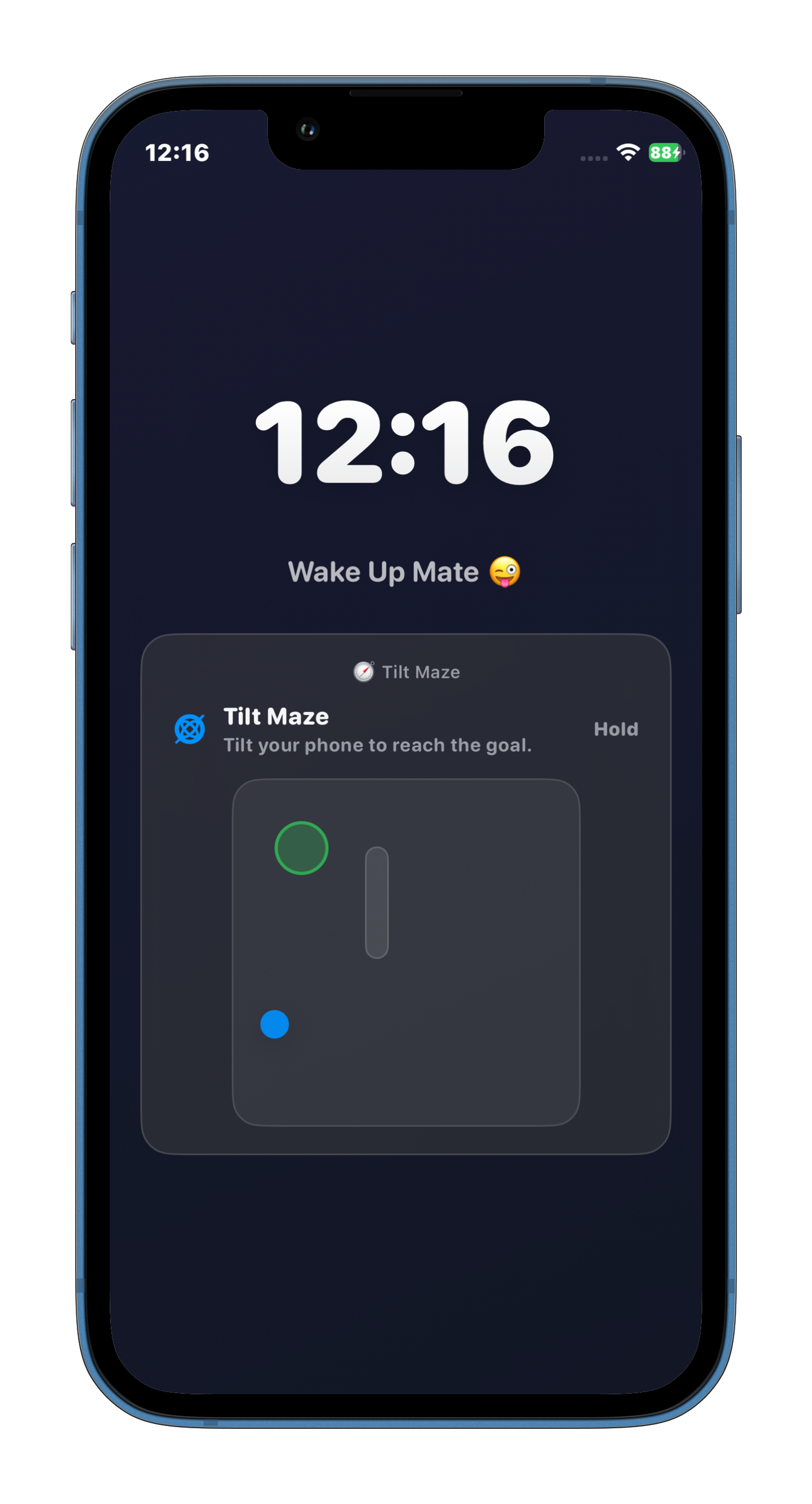
For medications taken at unusual hours when maximum cognitive disruption isn't appropriate, Hold Timer or Swipe Pattern at Easy provides enough conscious engagement to confirm wakefulness without demanding arithmetic at 3 AM. The mission strength can be calibrated to the time and stakes.
Best alarm setup for medication reminders
| Feature | Alarm Arcade | Alarmy | iPhone Clock |
|---|---|---|---|
| No subscription required | ✓ | ✗ | ✓ |
| Game-based dismissal | ✓ | ✓ | ✗ |
| Works offline (no account) | ✓ | ✗ | ✓ |
| Pricing | $1.49 one-time | $4.99/mo | Free |
| Multiple mission types | ✓ | ✓ | ✗ |
Why medication alarms need more than a standard notification
Standard notifications and alarms for medications have a specific failure mode: the tap-to-acknowledge action doesn't require consciousness and doesn't produce a memory of the action. This is the 'did I take my medication?' problem — you wake up later with no clear memory of whether you silenced the alarm and took the medication or just silenced the alarm and went back to sleep. This uncertainty leads to either skipping doses out of fear of double-dosing or taking double doses from uncertainty.
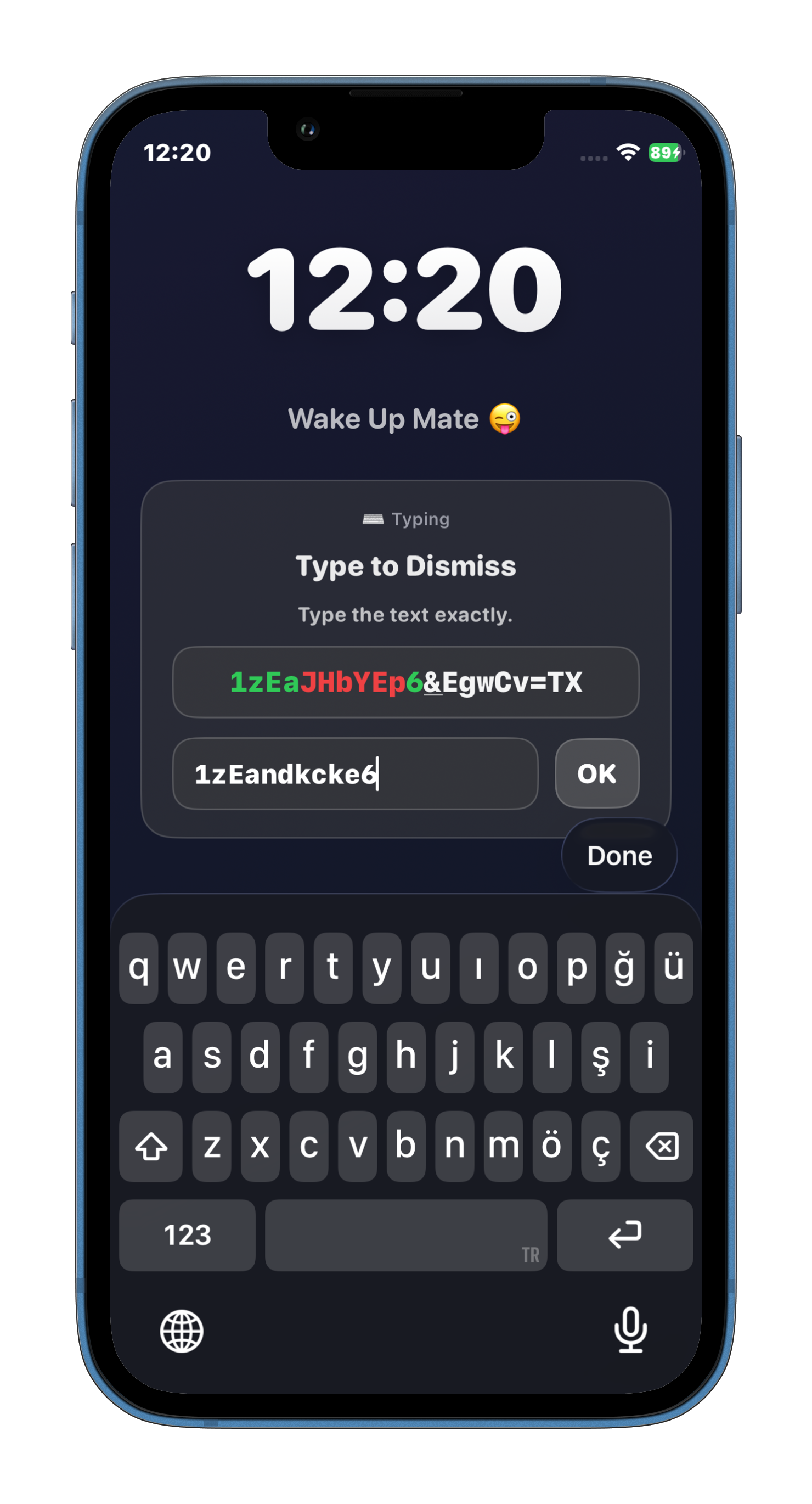
A mission-based alarm addresses this directly. Completing a cognitive task produces a brief but clear memory trace — you'll remember doing Math or Typing at 7 AM in a way you won't remember tapping a notification. The mission completion itself becomes an anchor memory for the morning medication event. This doesn't completely eliminate the 'did I take it?' uncertainty (you still need to pair the alarm with the physical act of taking the medication), but it significantly reduces the probability of dismissing the alarm without full consciousness.
The exact Alarm Arcade setup for medication reminders
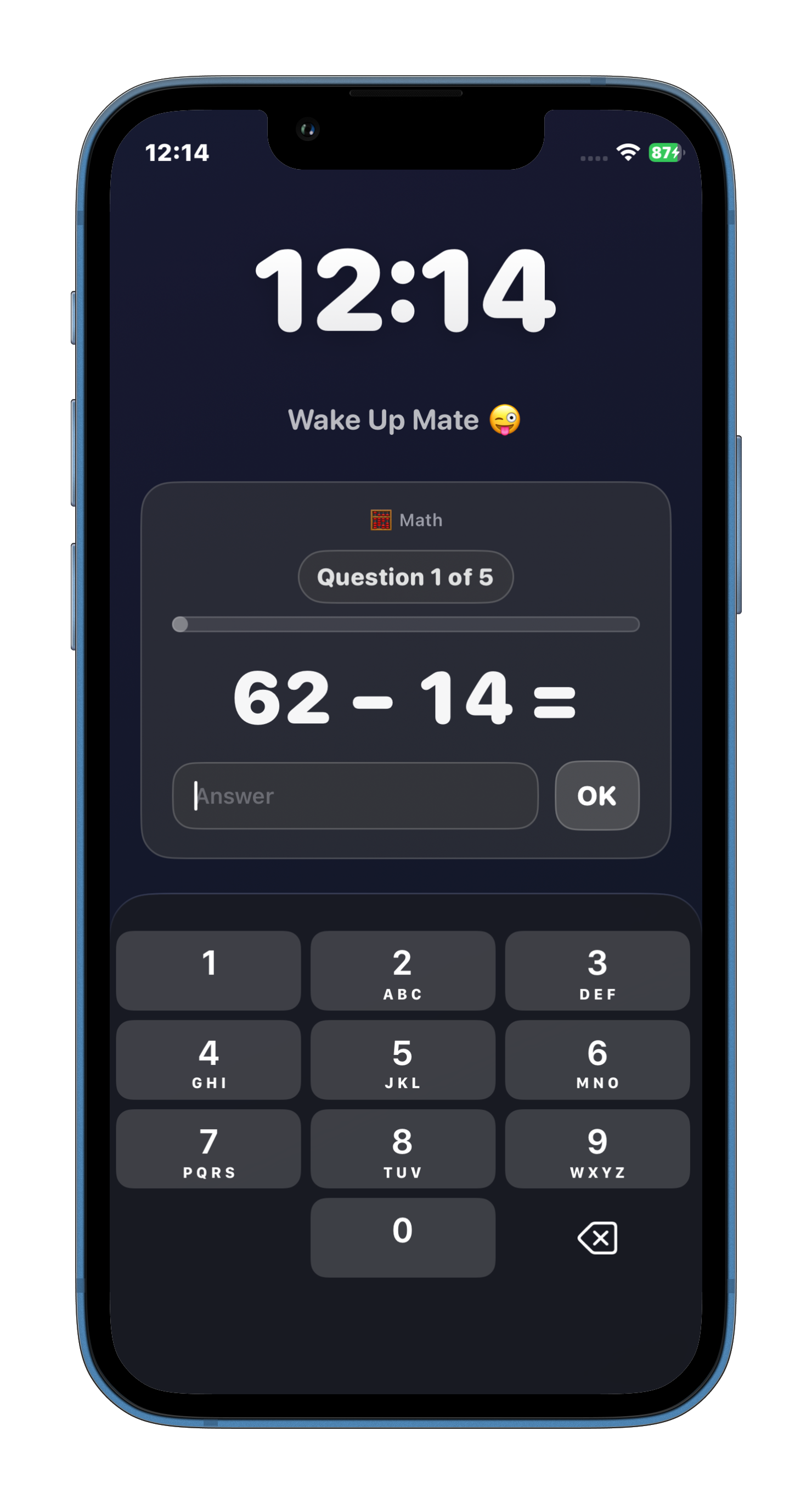
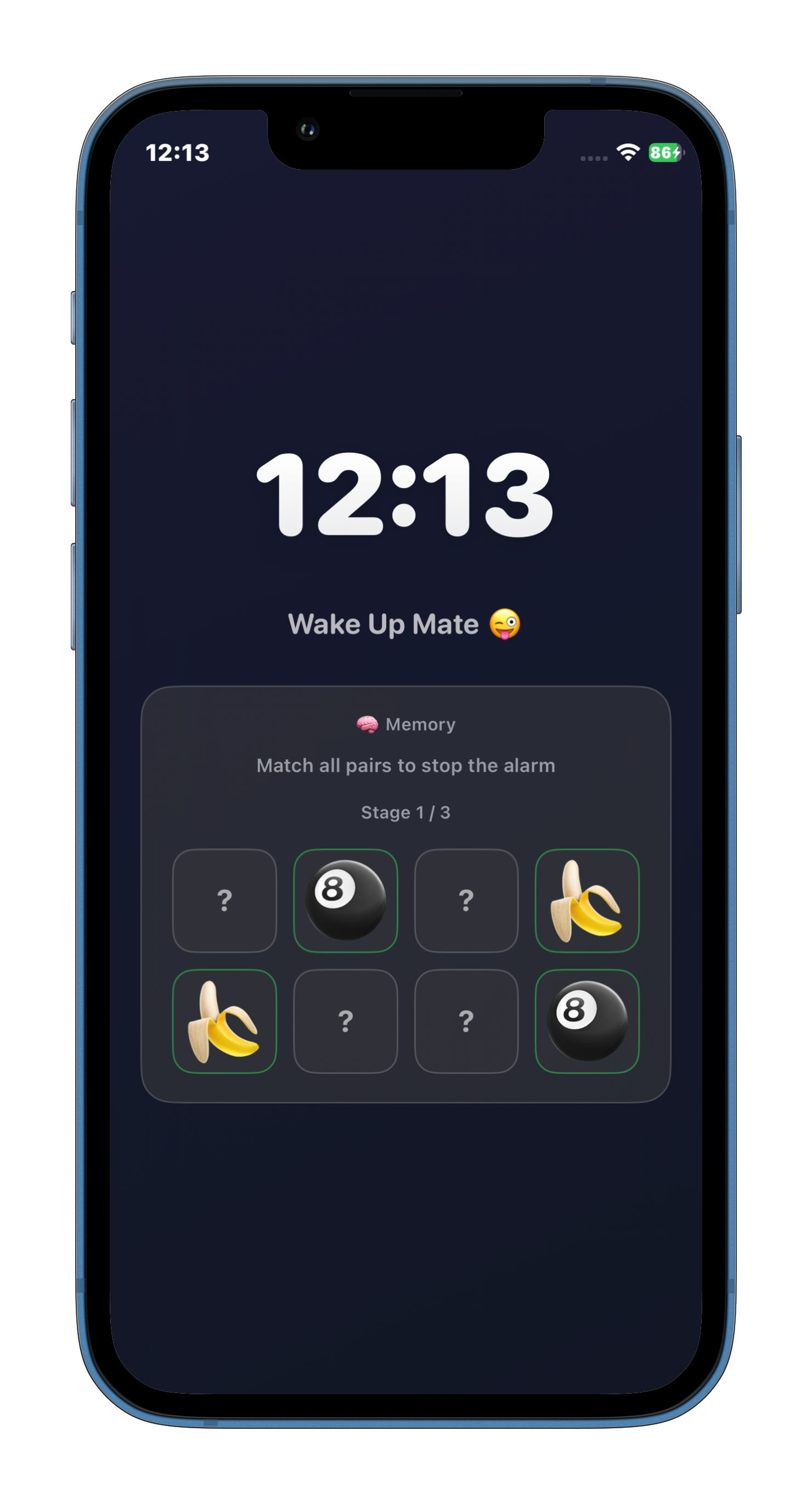
Mission selection by timing: Morning medication at standard wake time: Typing or Math at Medium — high enough engagement to ensure full consciousness, aligned with the general wake-up alarm. Early morning medication (before normal wake time): Hold Timer or Memory Match at Easy — sufficient to confirm consciousness without being harsh at an unusual hour. Middle-of-night medication: Hold Timer at Easy — the gentlest mission with enough engagement to confirm wakefulness.
Pairing the alarm with the medication: The most effective setup pairs the alarm physically with the medication location. Phone and medication on the same surface (nightstand, bathroom counter) means that completing the mission and accessing the medication are part of the same physical sequence. The proximity reduces the probability of completing the mission and then not taking the medication before returning to bed. Physical habit stacking — phone alarm completion and medication access as adjacent actions — is the most reliable long-term approach. Important note: Alarm Arcade is a reminder tool, not a medical device. For critical medications, discuss timing needs with your healthcare provider and consider dedicated medication management apps alongside Alarm Arcade for additional tracking features.
Frequently Asked Questions
No. Alarm Arcade is an alarm app, not a medication management app — it fires a mission-based alarm but doesn't track medication adherence, log completions, or send reports. For medication tracking (especially useful for multi-medication regimens or when reporting adherence to a doctor), a dedicated medication app provides those features. Use Alarm Arcade for the wake-up enforcement and a tracking app for the adherence record if both are needed.
Alarm Arcade supports multiple alarms at different times, each with its own mission assignment. Set separate alarms for each medication time — morning, noon, evening — with different missions or difficulties as appropriate for each time of day. Evening medication alarms don't need the same cognitive intensity as morning ones, so lighter missions at lower difficulty are appropriate for the later doses.
This depends on the nature and severity of the impairment. For people with mild cognitive impairment or early-stage memory concerns, the interactive mission provides an engagement prompt that standard alarms don't. For people with more significant cognitive impairment, the mission may add frustration without reliably confirming medication intake. Caregivers setting up medication alarms for family members should evaluate whether the mission complexity is appropriate for the individual and choose the simplest effective mission (Hold Timer at Easy is the lowest barrier) or consider dedicated caregiver-facing medication management tools.
Make medication alarms actually work — starting tonight
Download free. Set up in 60 seconds. Never miss it again.
Download Alarm Arcade — Free