 Alarm Arcade
How to make sure you wake up for an exam
Missing an exam because of an alarm failure is one of the most preventable academic disasters — and yet it happens regularly, often to students who thought their alarm setup was sufficient. This guide explains the specific failure modes of exam-day alarms and how to build a system with no single point of failure.
Exam nights are high-anxiety sleep environments. Pre-exam stress activates the HPA axis, increasing cortisol and interfering with sleep onset and sleep quality. Poor sleep increases sleep inertia severity the following morning — meaning you're more likely to dismiss your alarm without full consciousness on the morning of an exam than on a normal morning. The alarm failure risk is highest precisely when the consequences of that failure are most severe.
The standard advice — set multiple alarms, ask someone to call you — has failure modes. Multiple alarms can all be dismissed in sequence; the person you asked to call might forget or oversleep themselves. A mission-based alarm adds a structural layer that doesn't depend on external people or the assumption that your groggy brain will make the right choice: you literally cannot dismiss it without completing a task.
Who This Is For
- Students with high-stakes exams who can't afford to oversleep
- Anyone who has anxiety about exam mornings and wants a reliable system
- Students who've previously overslept for something important and won't risk it again
- People who sleep poorly before important events and wake up more groggy than usual
- Students in unfamiliar accommodations (dorm, hotel, friend's place) for an exam
- Parents setting up a reliable wake-up system for a student before a major exam
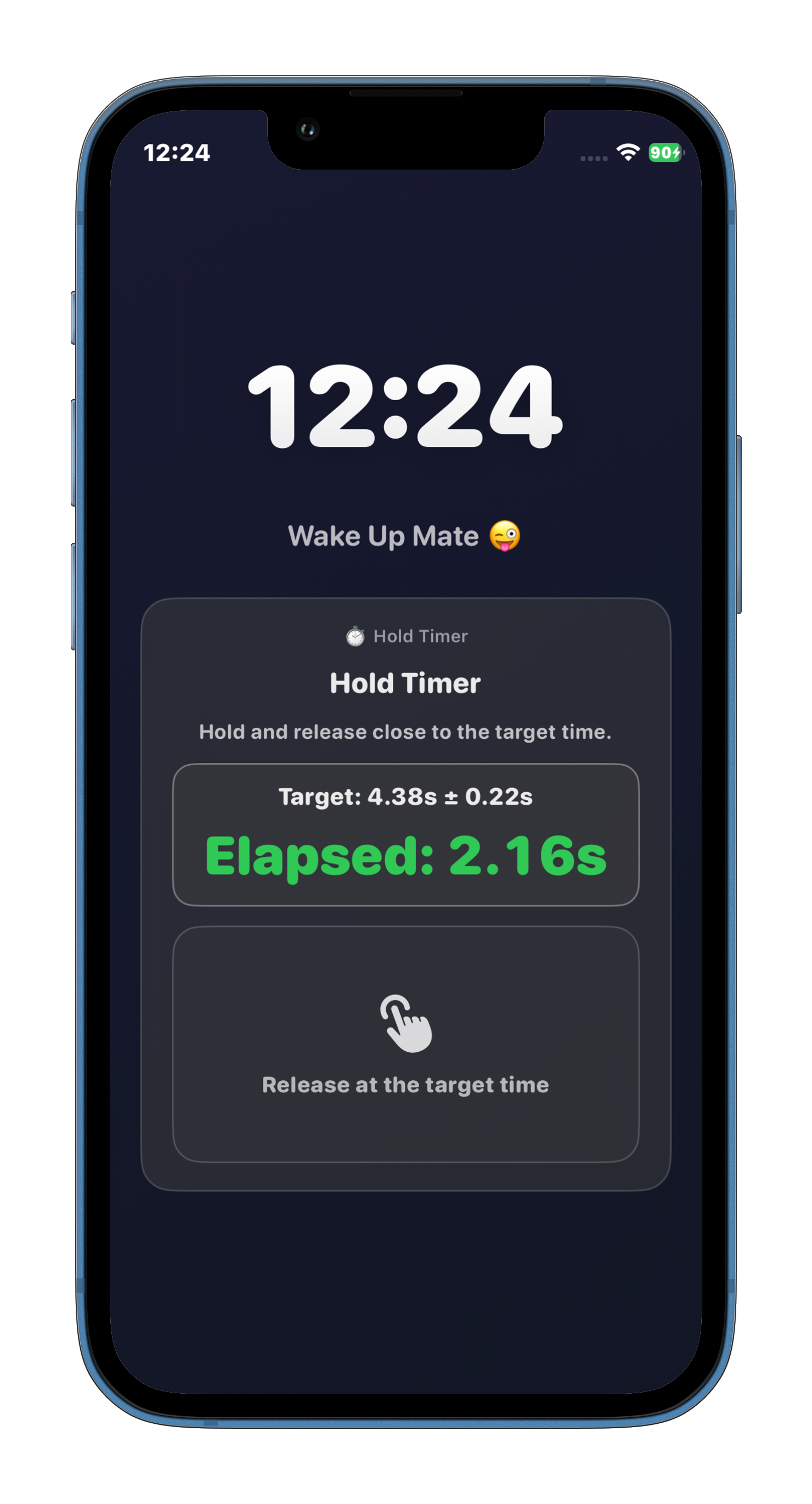
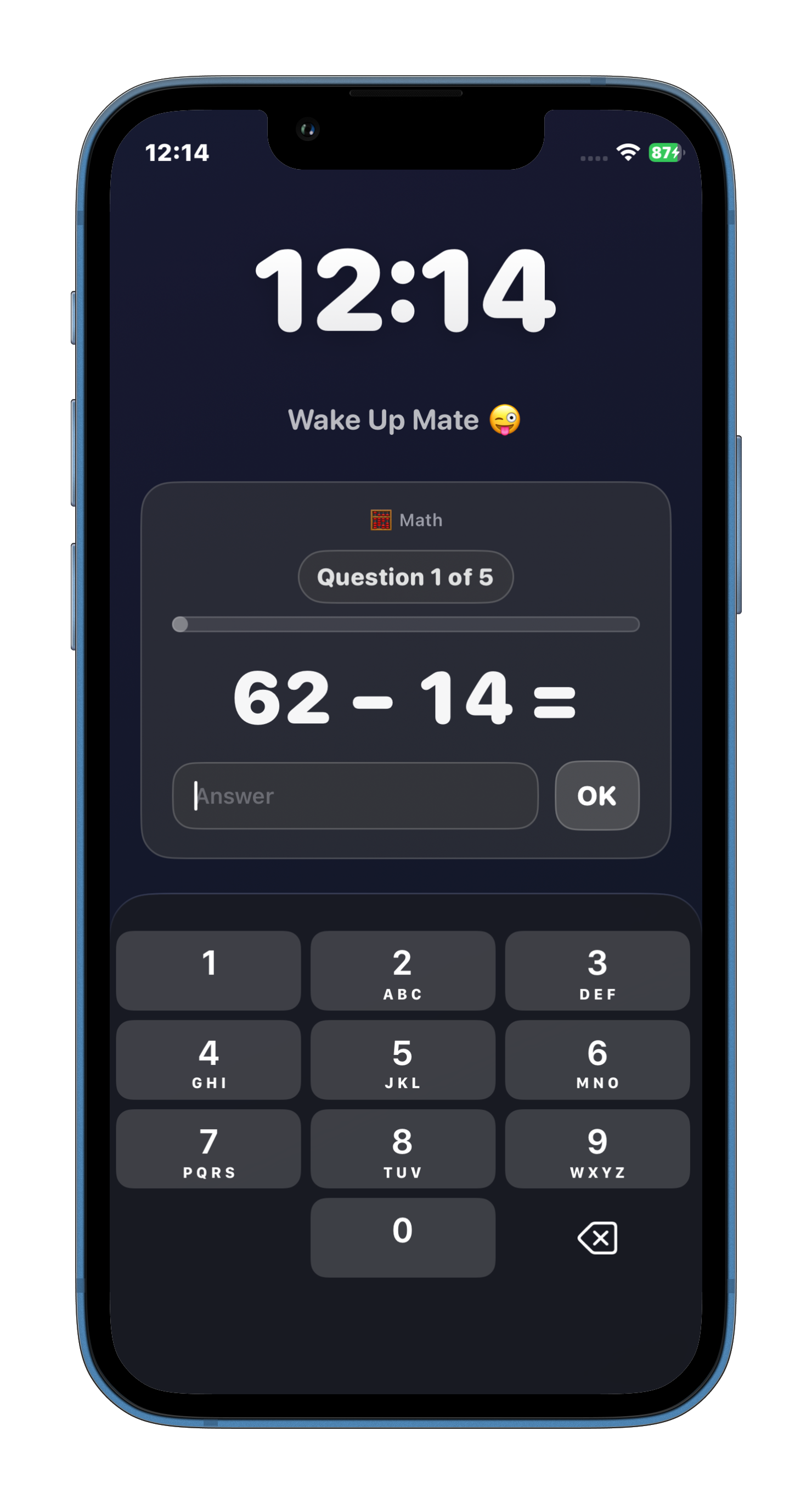
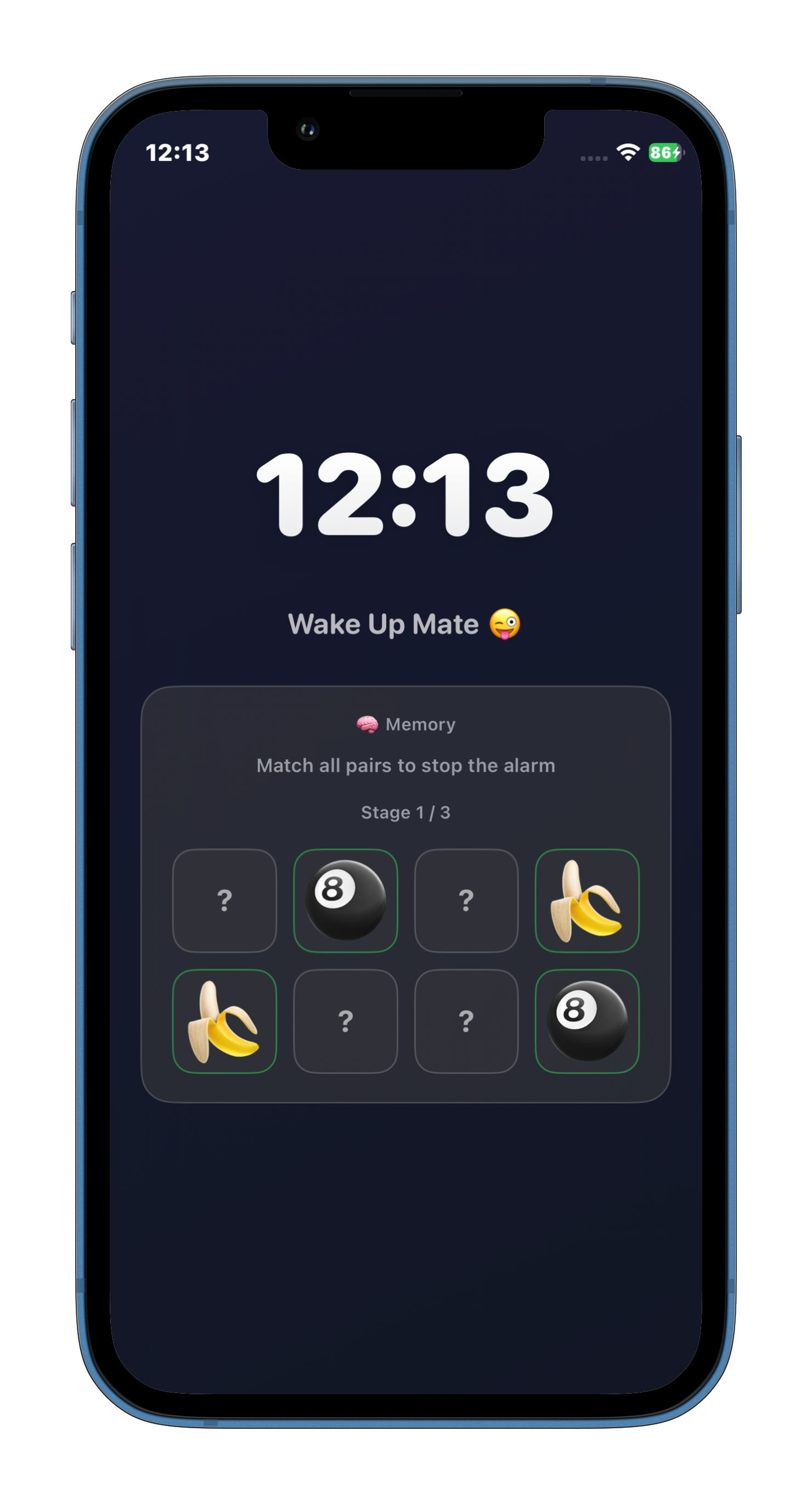
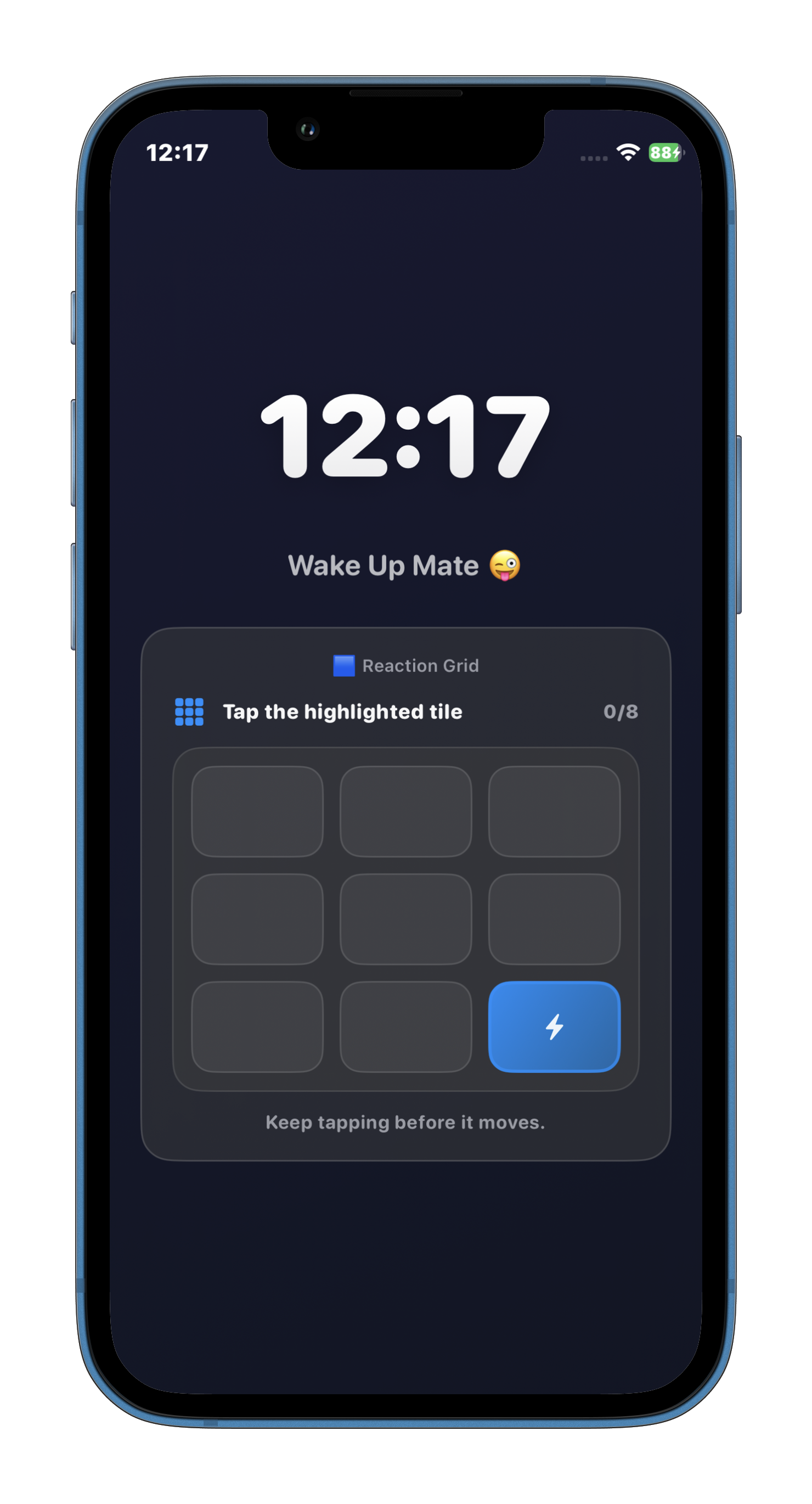
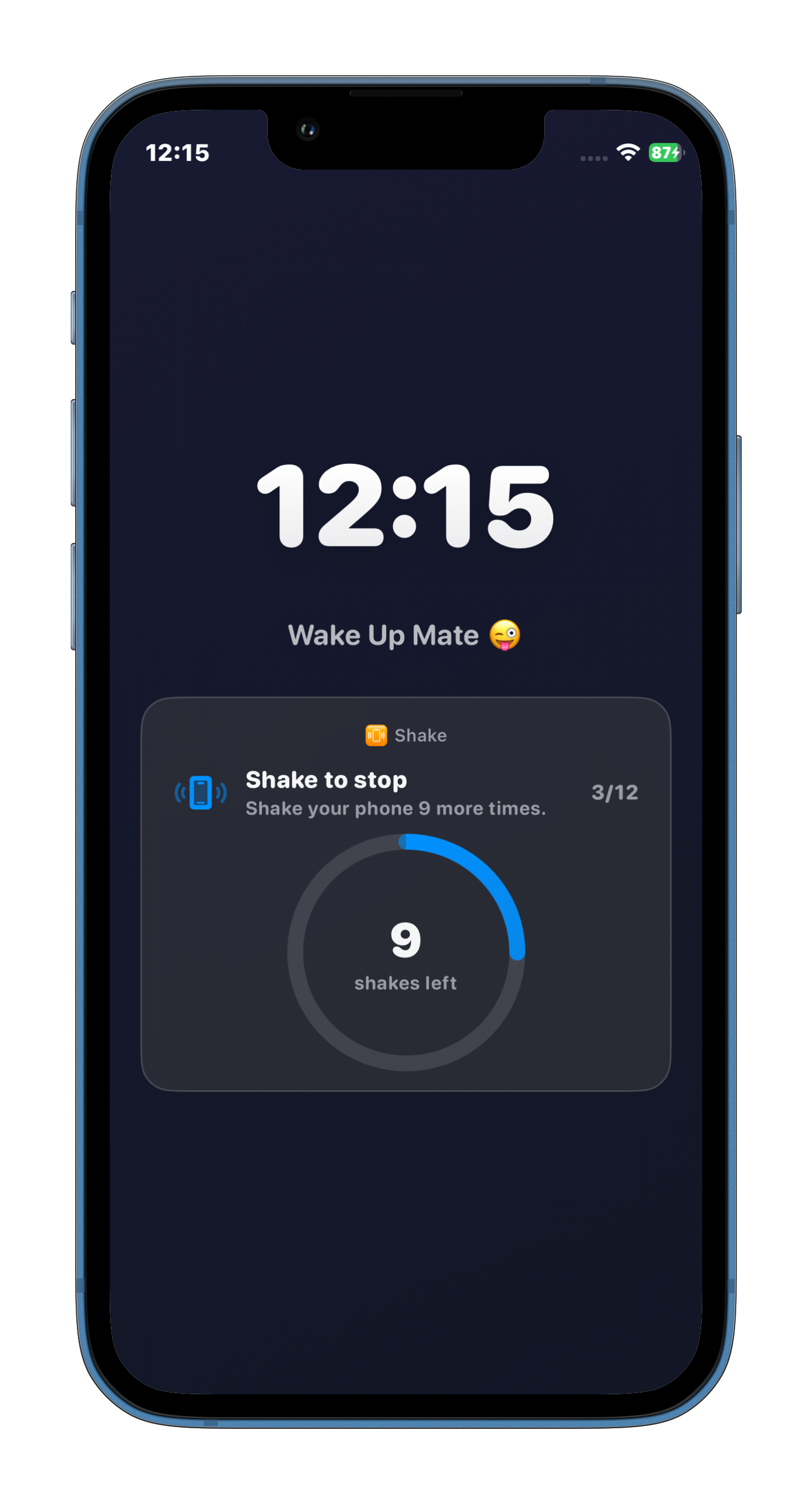
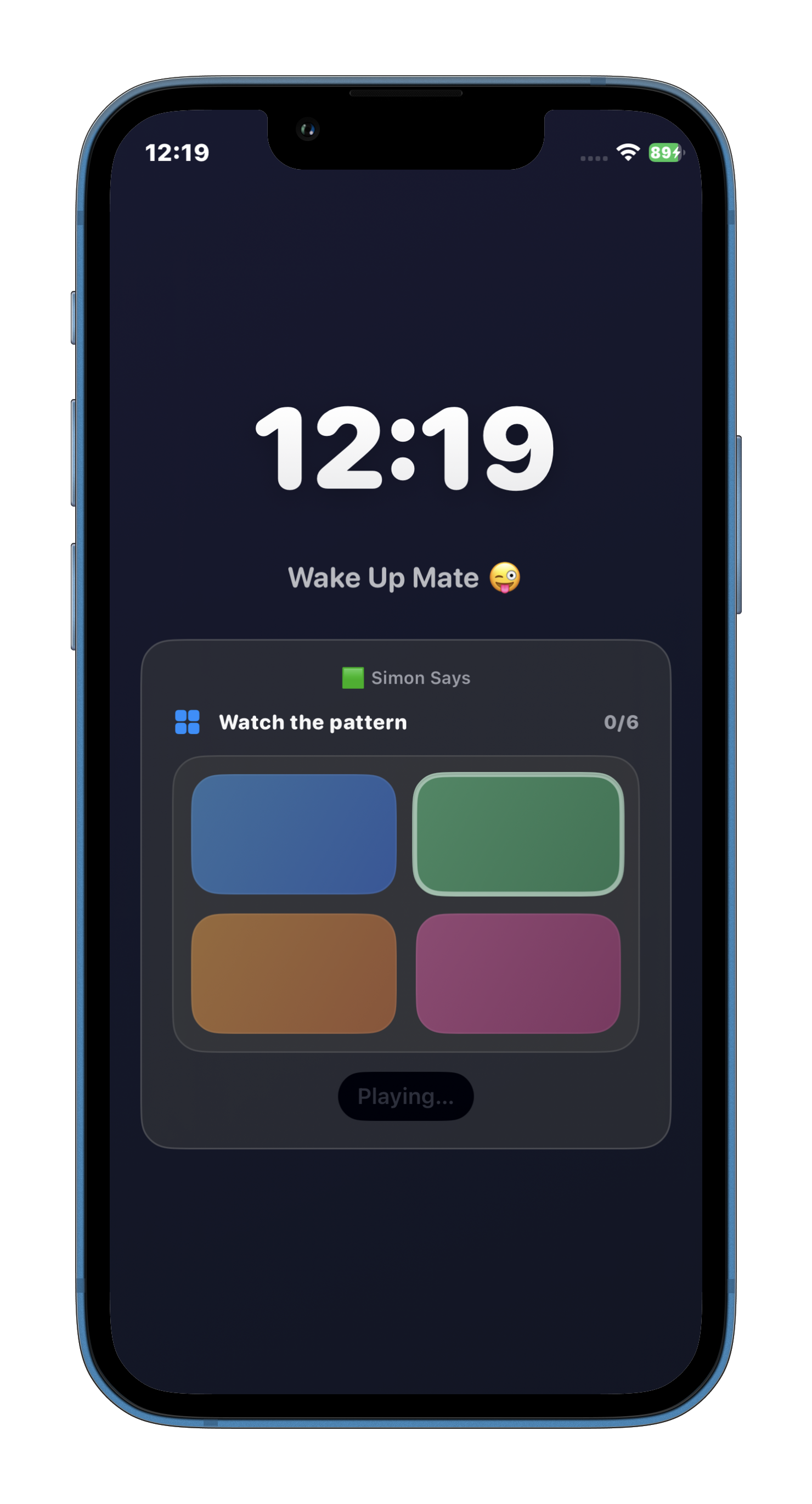
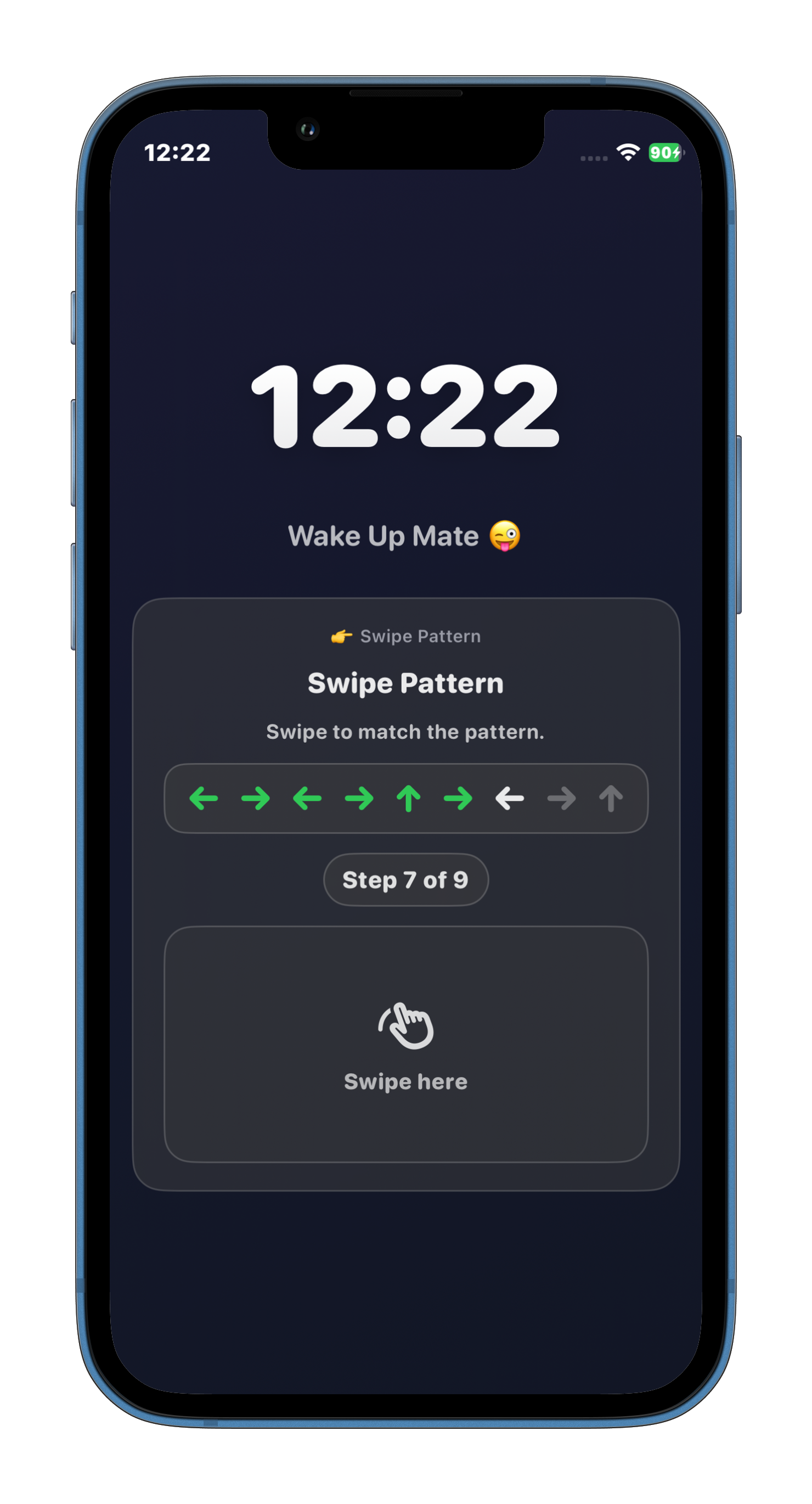
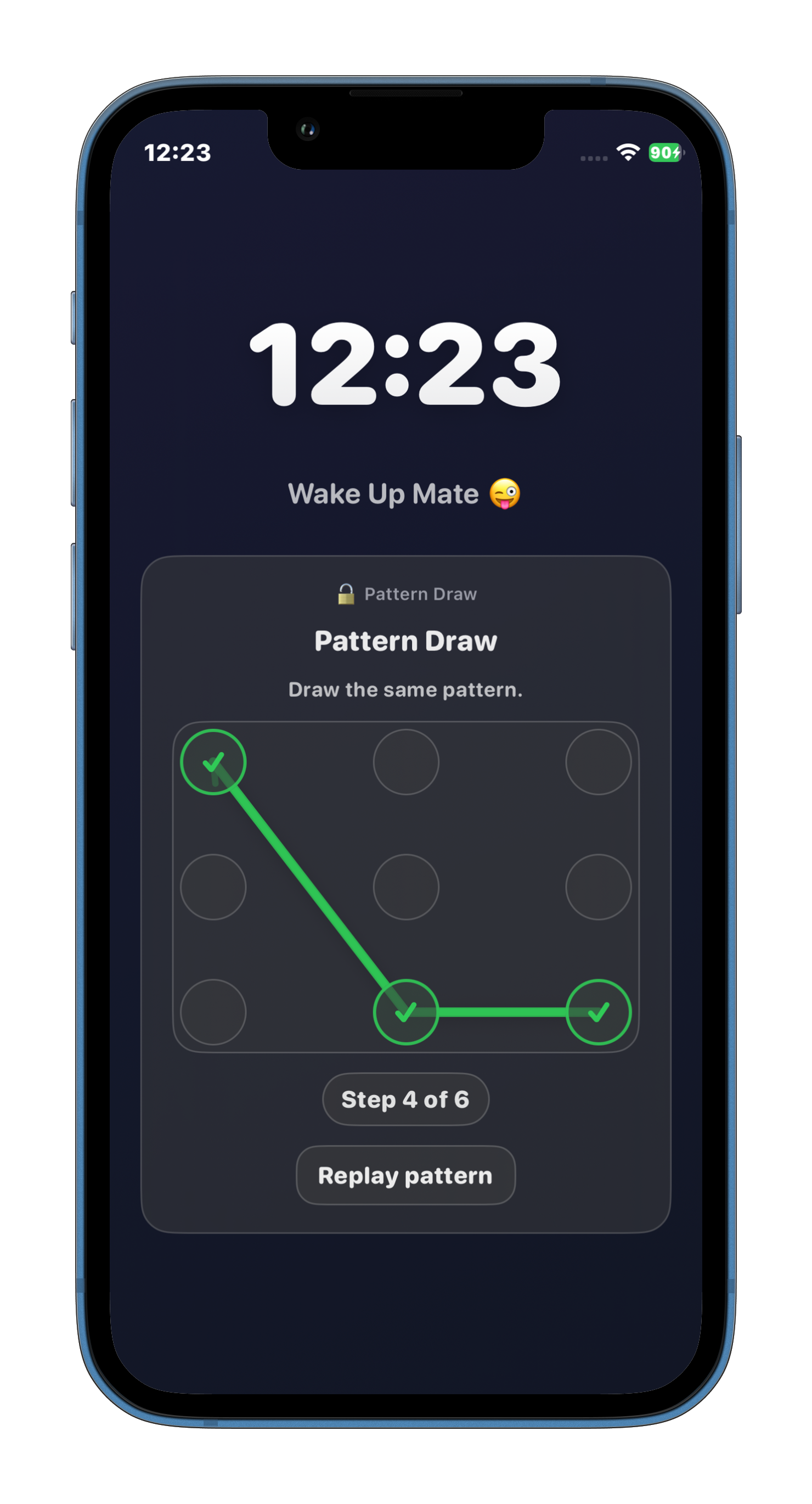
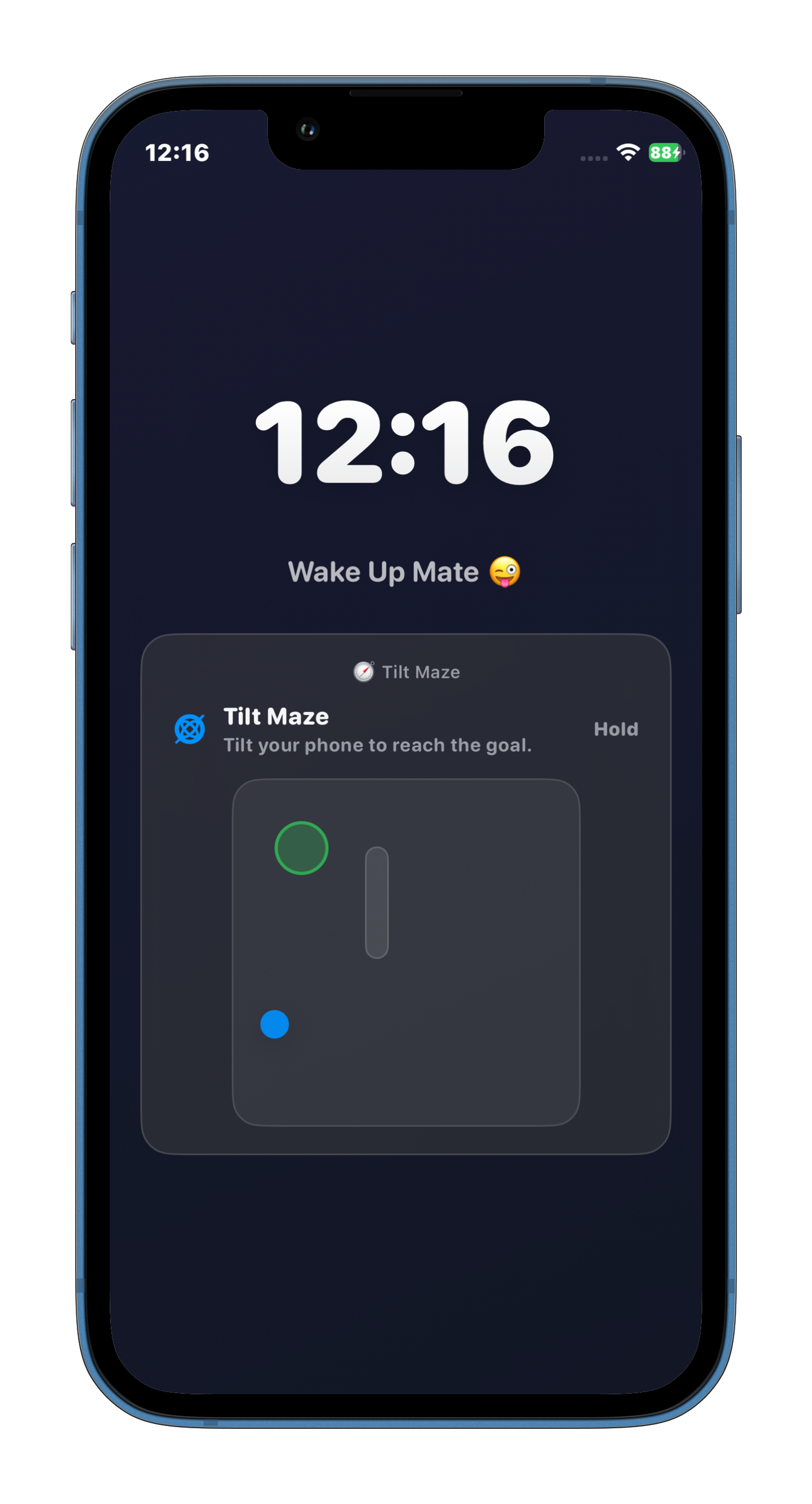
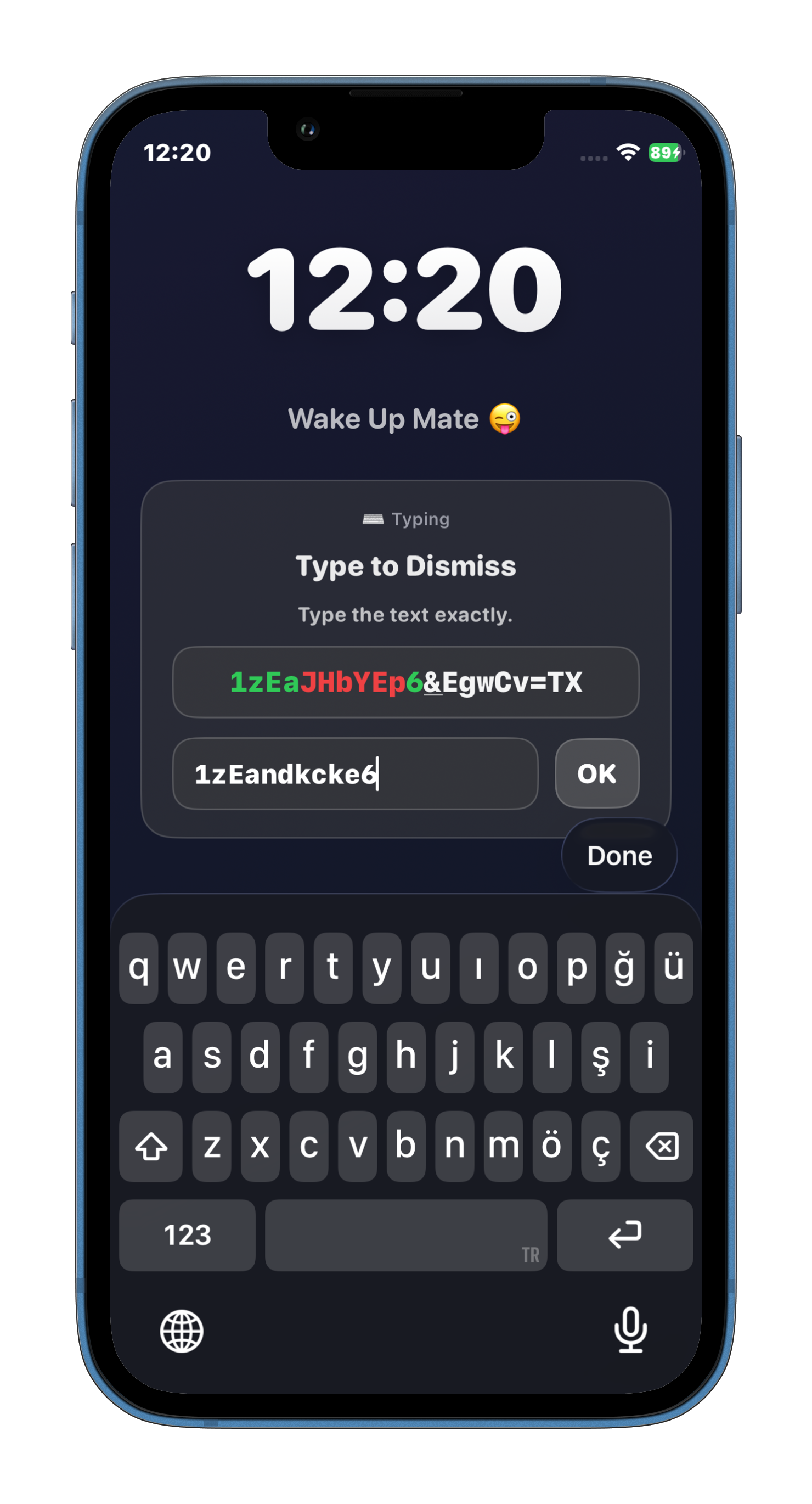
Why Alarm Arcade Works for Students needing a reliable alarm for exam day
Structural protection — doesn't depend on your exam-night sleep quality
Pre-exam anxiety reduces sleep quality, which increases sleep inertia severity, which makes standard alarms less reliable. Alarm Arcade's mission requirement is independent of your sleep quality — the task must be completed regardless of how well you slept. The worse your sleep, the more important the structural enforcement.
Fully offline — works without hotel Wi-Fi or signal in unfamiliar locations
If you're taking an exam away from home — at a test center, in a hotel, at a university you're visiting — connectivity can't be assumed. Alarm Arcade runs entirely on-device. It fires and requires mission completion in any location without any network dependency.
One exam, one alarm — mission forces you to be awake before it stops
For exam day, one high-enforcement alarm beats five easy-dismiss backups. Alarm Arcade's mission ensures that the first alarm requires genuine engagement — no backup needed if the first alarm is truly impossible to sleep through.
Why standard exam-day alarm advice isn't enough
| Feature | Alarm Arcade | Alarmy | iPhone Clock |
|---|---|---|---|
| No subscription required | ✓ | ✗ | ✓ |
| Game-based dismissal | ✓ | ✓ | ✗ |
| Works offline (no account) | ✓ | ✗ | ✓ |
| Pricing | $1.49 one-time | $4.99/mo | Free |
| Multiple mission types | ✓ | ✓ | ✗ |
Why exam morning is the highest-risk alarm failure scenario
Three factors converge to make exam morning uniquely high-risk for alarm failure. First, pre-exam anxiety disrupts sleep — difficulty falling asleep, lighter sleep stages, more frequent waking — which results in less total restorative sleep than a normal night. Second, reduced sleep quality increases sleep inertia severity: you wake up groggier than usual, which makes dismissing alarms without full consciousness more likely. Third, the emotional weight of the exam creates a psychological avoidance response — your sleep-inertia brain is more motivated than usual to find reasons to stay in bed.
The multiple-alarm strategy fails under these conditions in a specific way. Your brain enters the morning expecting a series of alarms it has learned to dismiss sequentially. The pre-exam stress increases the depth of this tolerance because you're sleeping worse and waking more impaired. The result is a higher probability of sleeping through more alarms than usual, on the morning when you can least afford it. A single, mission-enforced alarm breaks this pattern by making sequential dismissal impossible — there's only one alarm, and it requires completion.
The exact Alarm Arcade setup for exam day
Mission recommendation: Typing or Math at Hard difficulty. These are the highest cognitive-demand missions and the most effective at breaking through exam-morning sleep inertia. Typing requires language processing and motor coordination; Math requires working memory and arithmetic. Both engage the prefrontal cortex directly and cannot be completed reflexively. Set the alarm 15–20 minutes earlier than you think you need — exam mornings often involve unexpected friction (traffic, parking, anxiety-related slowness) and a buffer is worth the extra wakefulness.
Phone placement: Across the room, on a desk or high surface — somewhere you have to fully stand up and walk to. On exam morning, the combination of physical position (standing) and cognitive engagement (completing Typing or Math) produces a rapid prefrontal recovery that leaves you in a much better state to begin your exam routine. Backup strategy: Set one second alarm on a different device (tablet, laptop alarm, secondary phone if available) 10 minutes after the primary. Not a stack on the same phone — a genuinely separate system as emergency backup. The primary should handle it; the backup is catastrophic insurance only.
Frequently Asked Questions
If you wake up naturally and feel alert, dismiss the pending alarm in the Alarm Arcade app before it fires. Natural pre-alarm waking on high-stress mornings is common — exam anxiety can cause the HPA axis to produce enough cortisol for spontaneous waking. If this happens, use the extra time productively rather than trying to sleep again (which may not succeed and may leave you groggier at the actual alarm time).
For extra-high-stakes mornings, use your hardest mission at Hard difficulty, even if your usual daily alarm uses Medium. Math or Typing at Hard is the maximum-enforcement configuration available in Alarm Arcade. The one-time use of a harder mission on an important morning is a reasonable adjustment.
iOS alarms, including those set through Alarm Arcade, are designed to bypass Do Not Disturb by default — the same behavior as the built-in Clock alarm. Verify your iOS alarm settings allow Alarm Arcade to bypass DND before exam night. The setting is in iOS Settings → Focus → Do Not Disturb → Allow Notifications → Scheduled (alarms are typically permitted by default).
Don't leave exam morning to chance
Free to download. Takes 60 seconds to set up. No subscription, no account needed.
Download Alarm Arcade — Free