 Alarm Arcade
Building your 2026 morning routine with the right alarm
A morning routine only works if you actually start it—missing the first 5 minutes usually ruins the whole plan. This page shows how to set an alarm that forces real wakefulness so your 2026 routine doesn't die on day three.
If you oversleep, your "perfect" routine collapses fast: you skip the workout, rush breakfast, miss your focus block, and the day starts with stress. Over a week, that becomes inconsistency—and inconsistency kills habit building because your brain never learns the pattern.
A standard alarm isn't reliable enough for routine-building because it's designed for convenience, not behavior change. When you're half-asleep, snooze is too easy, and you can dismiss the alarm without your brain fully turning on—so the routine never gets a fair chance.
Who This Is For
- People trying to build a consistent gym or walk habit before work
- Students planning a morning study block and failing to start on time
- Founders and creators who want a daily deep-work routine
- Anyone resetting sleep after a chaotic year and needing structure
- Habit trackers users who keep missing day-one momentum
- Heavy sleepers who want routines but lose to snooze every morning
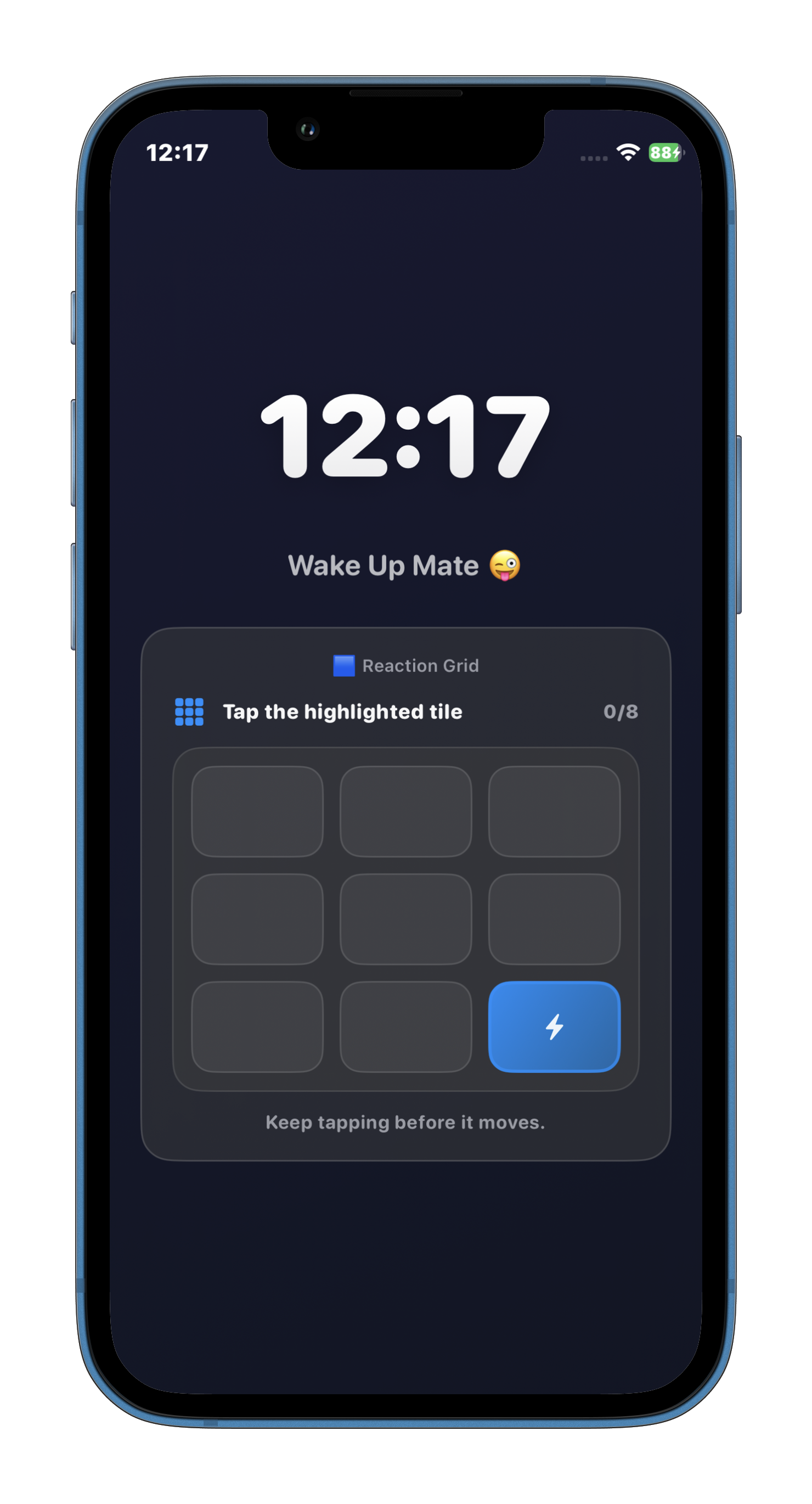
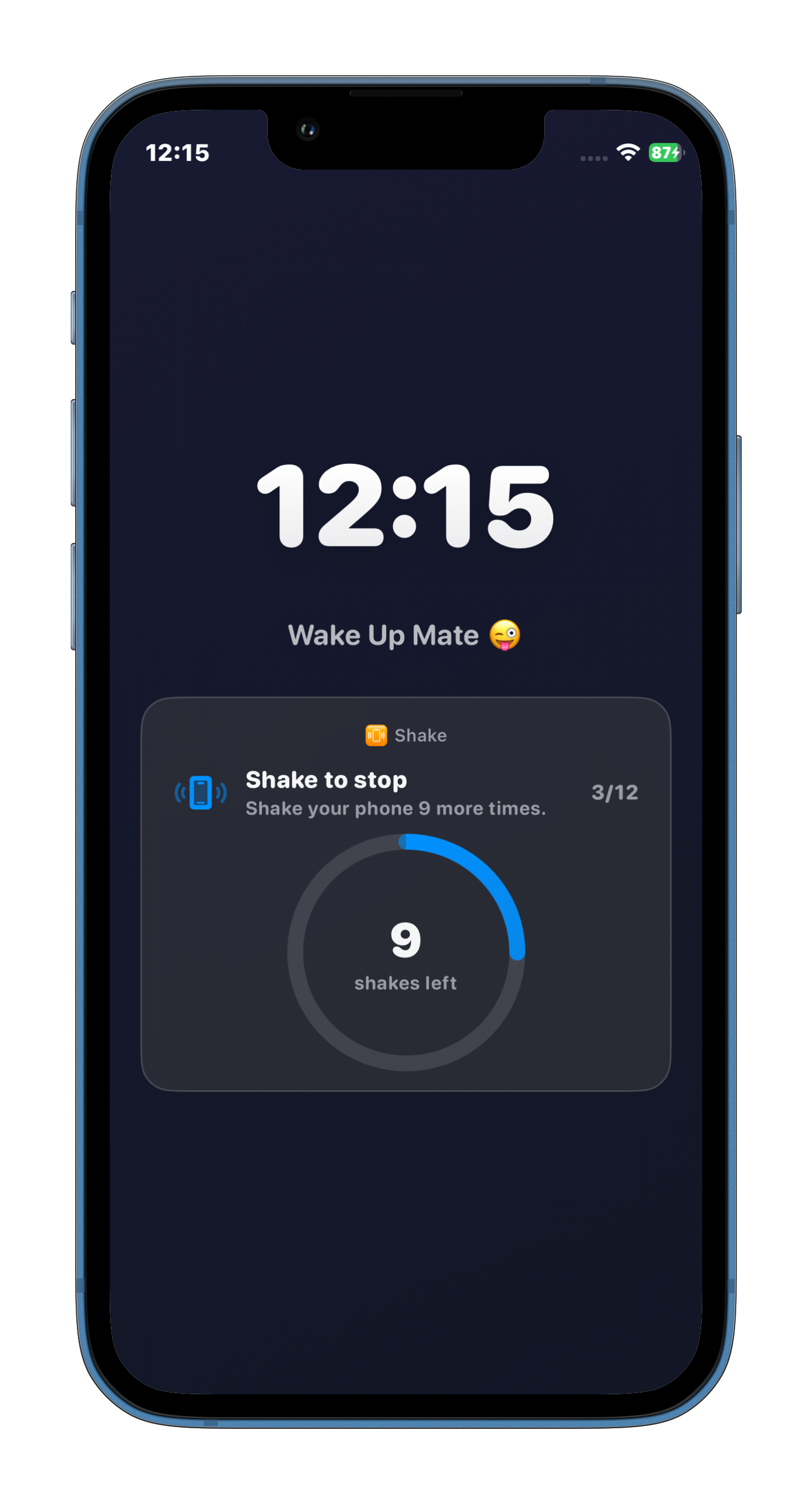
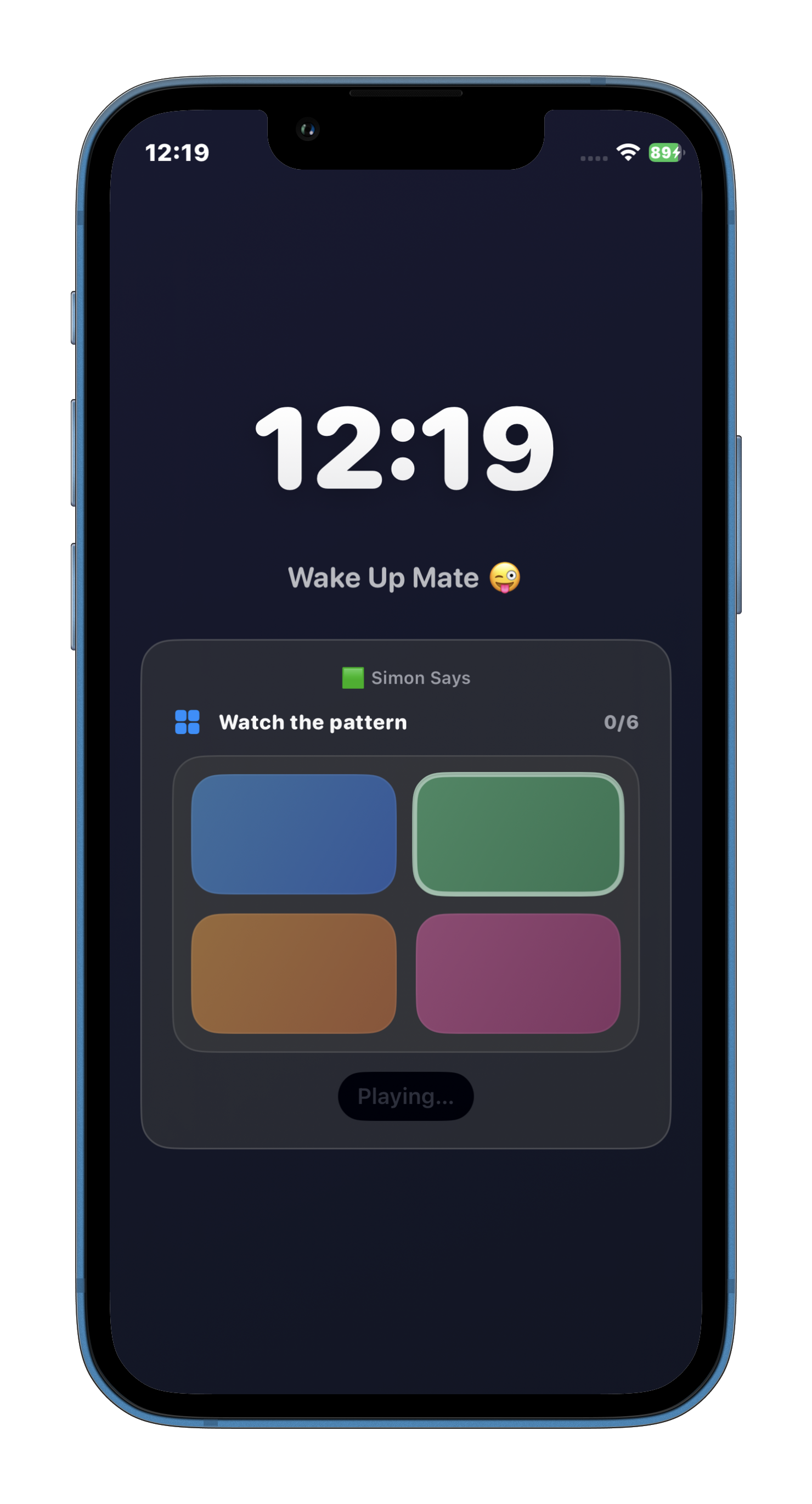
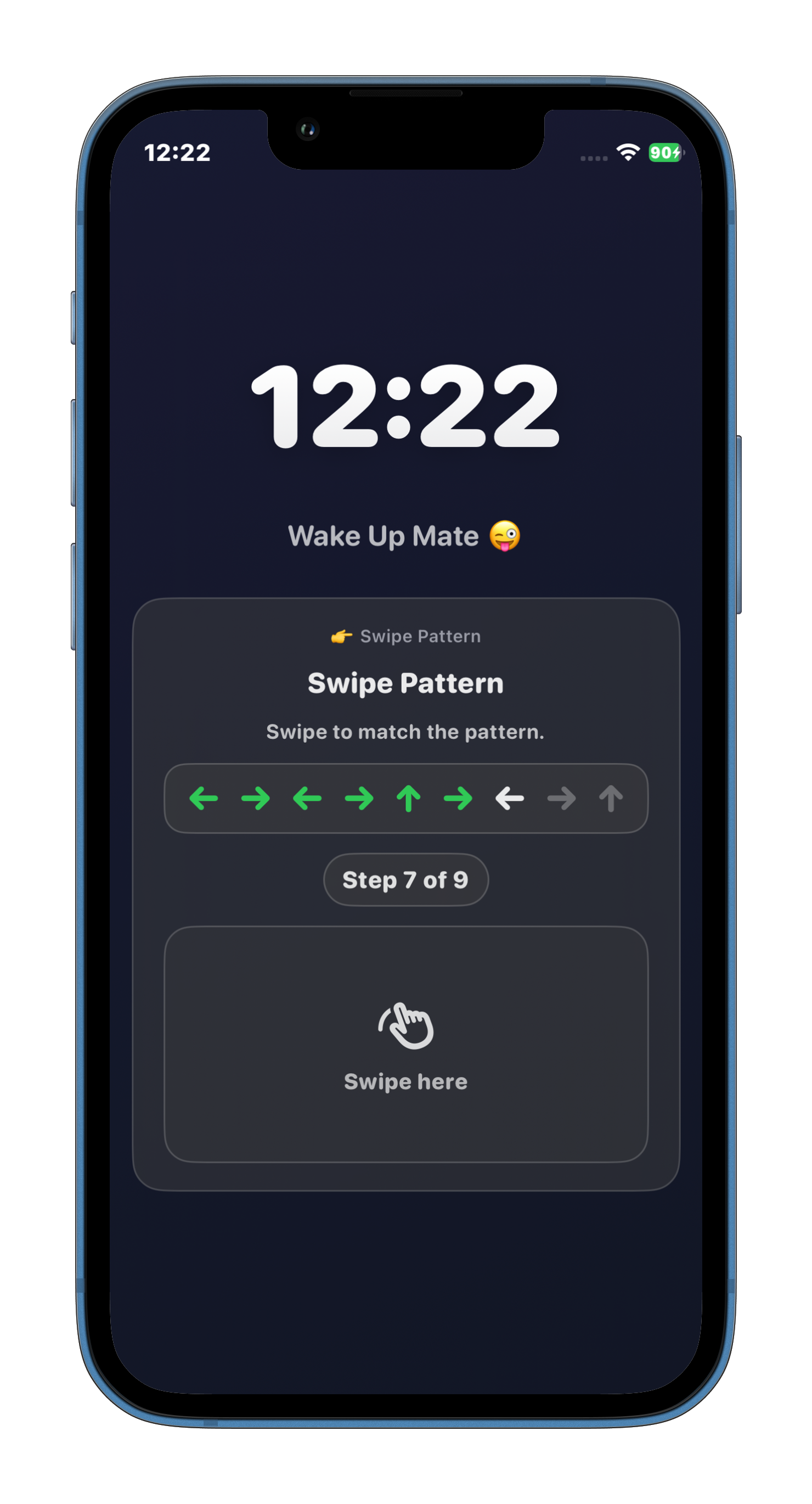
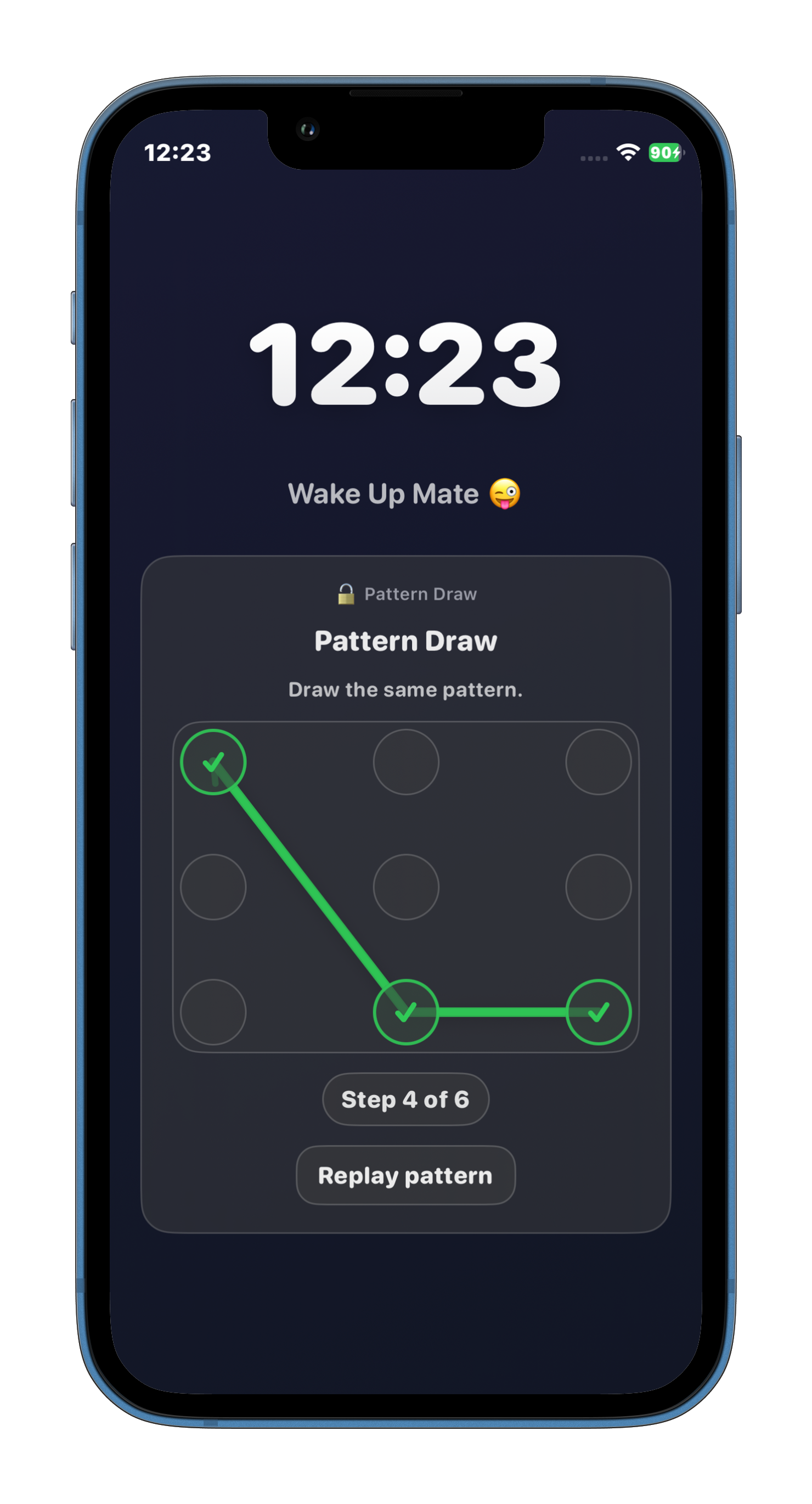
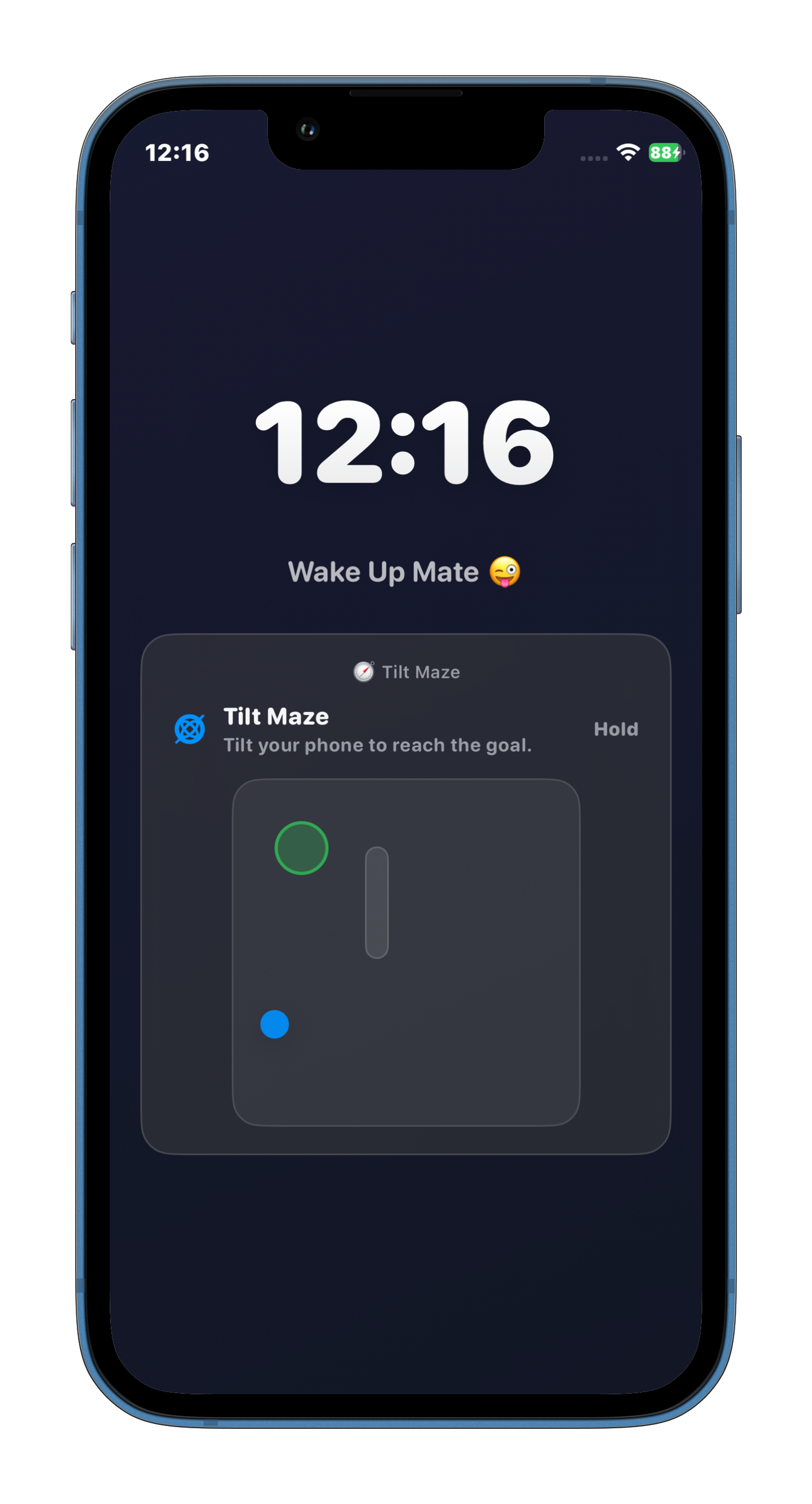
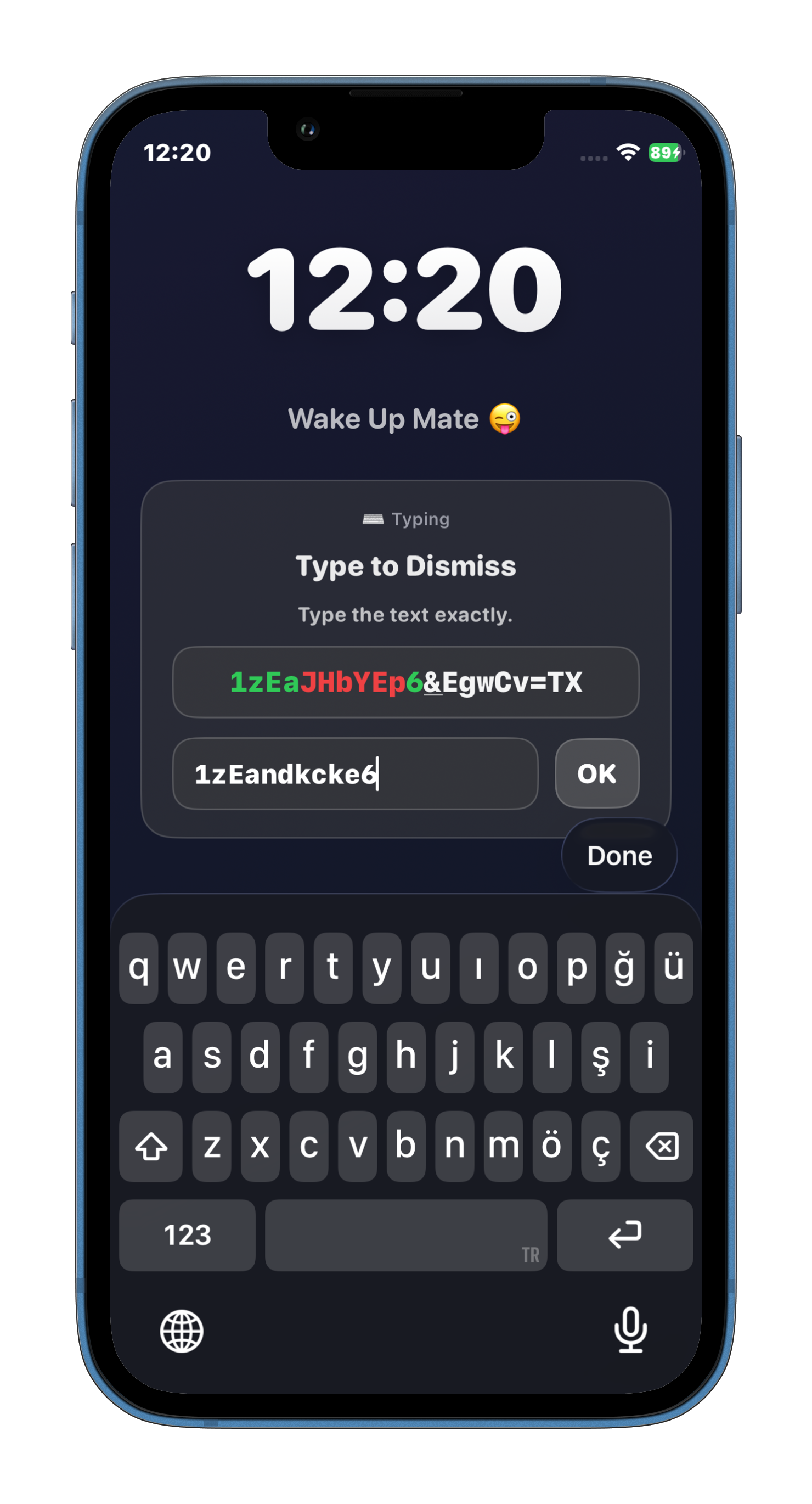
Why Alarm Arcade Works for people building a 2026 morning routine
Stops autopilot mornings
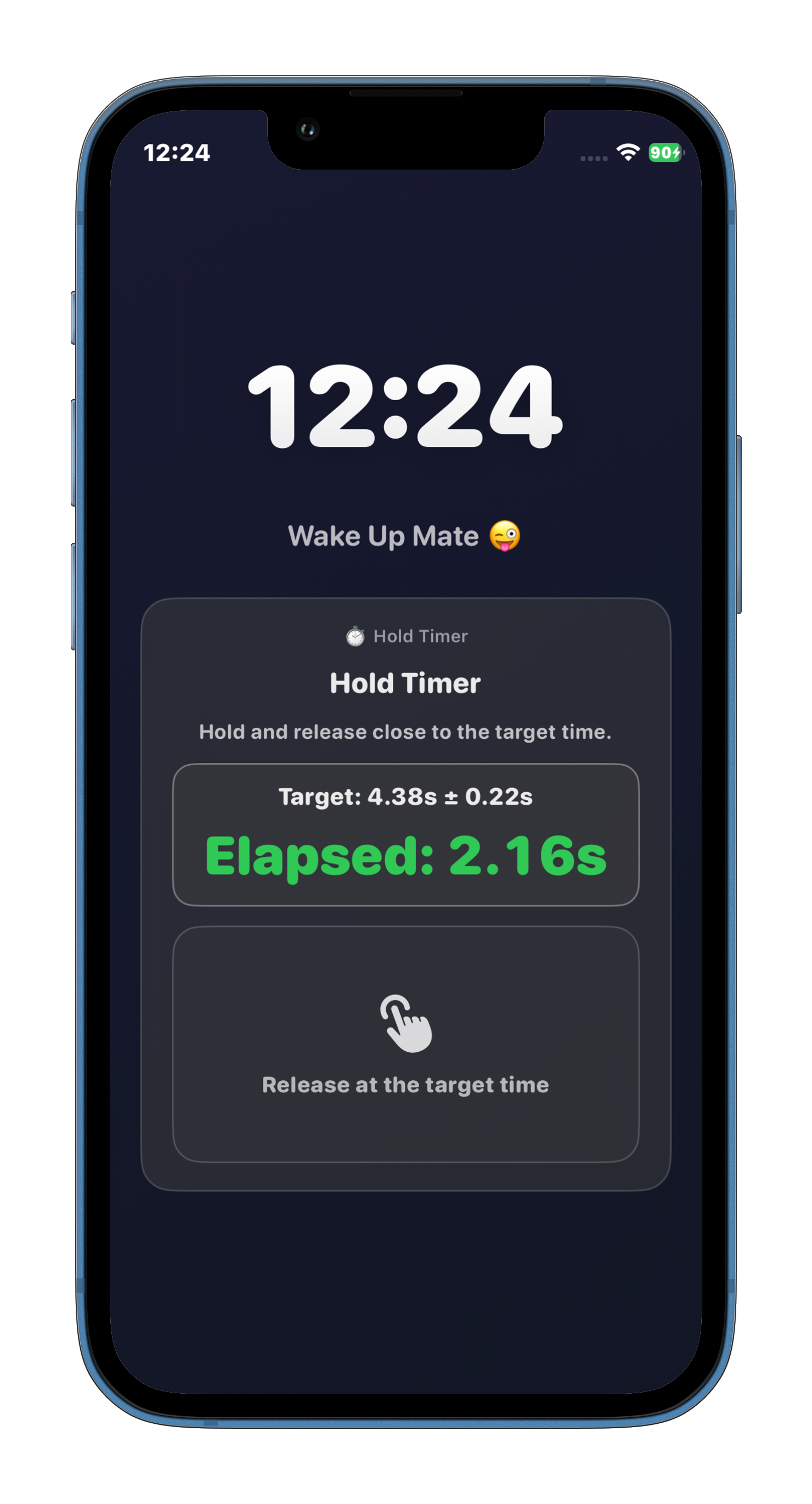
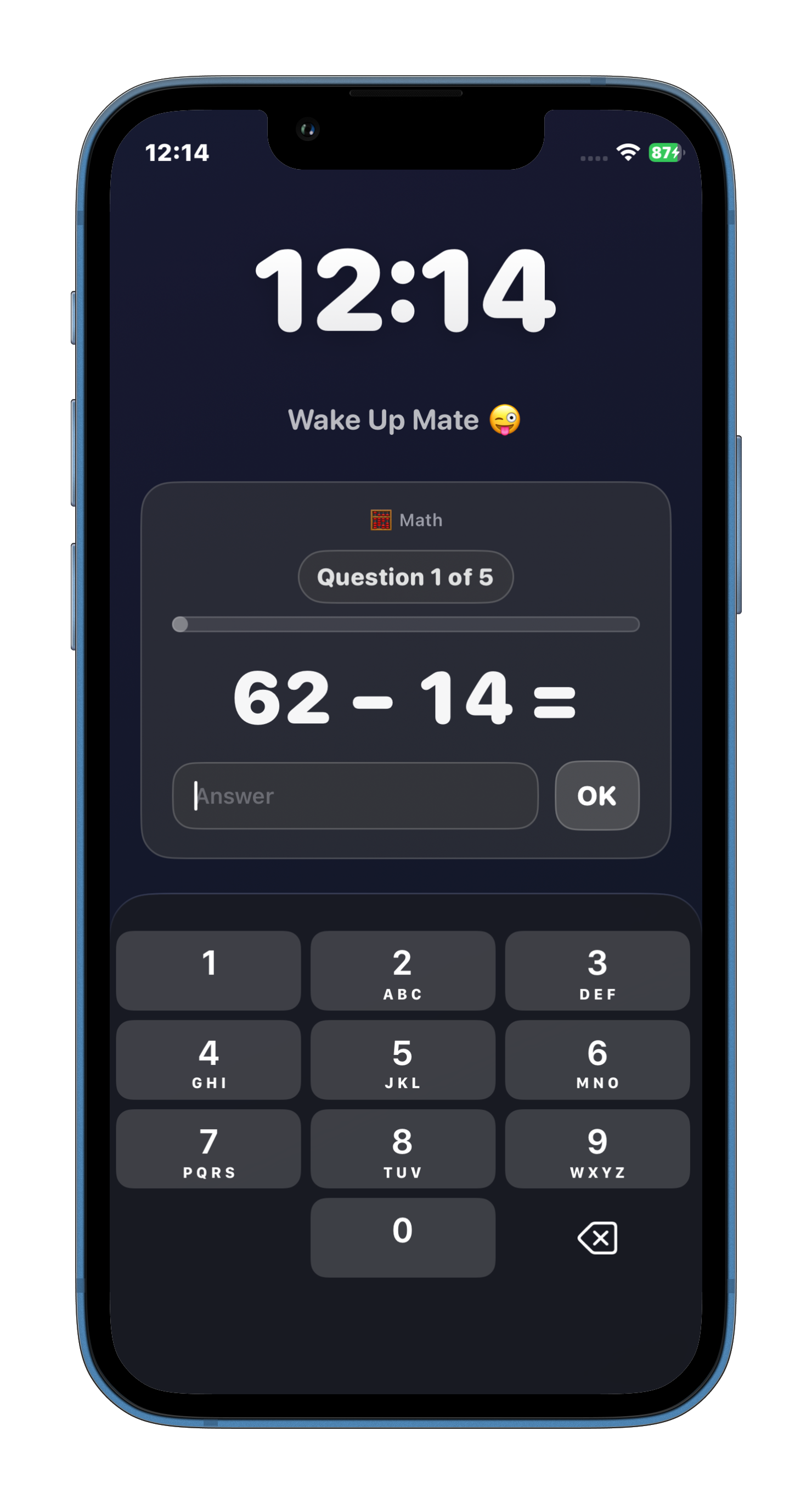
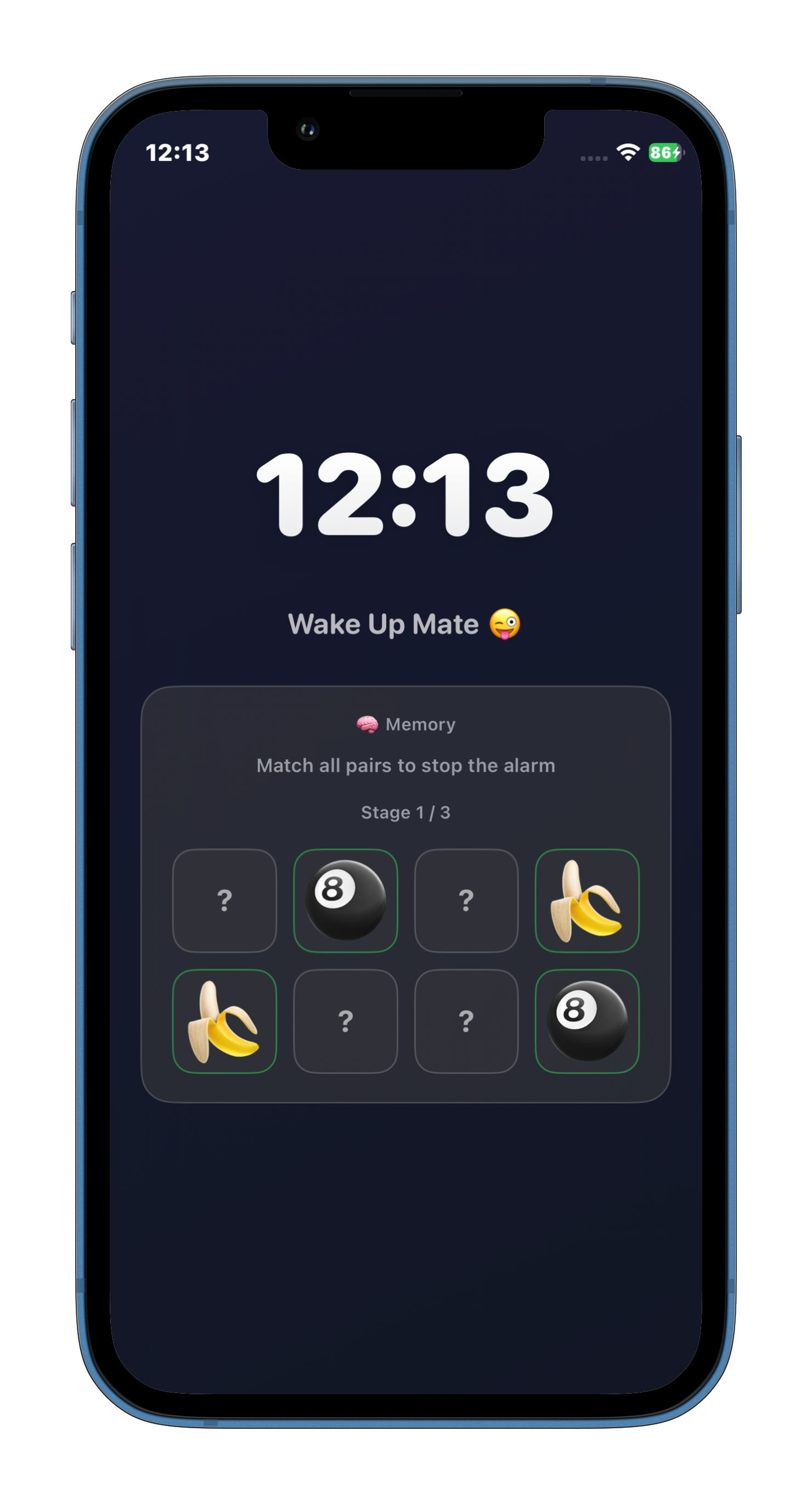
You must beat a mini-game to dismiss the alarm, which forces attention before you can "accidentally" go back to sleep.
Works offline, no friction
No account, no sign-up, no data collection, and it works fully offline—so your routine doesn't depend on Wi-Fi or logins.
No subscription tax
Free to download. Pro is a $1.49 one-time unlock (not a subscription), so you can commit to the routine without monthly pressure.
Best alarm setup for your 2026 morning routine
| Feature | Alarm Arcade | Alarmy | iPhone Clock |
|---|---|---|---|
| No subscription required | ✓ | ✗ | ✓ |
| Game-based dismissal | ✓ | ✓ | ✗ |
| Works offline (no account) | ✓ | ✗ | ✓ |
| Pricing | $1.49 one-time | $4.99/mo | Free |
| Multiple mission types | ✓ | ✓ | ✗ |
Why This Scenario Demands a Stricter Alarm
Routine-building is mostly about consistency, not motivation. If you "miss once," your brain starts negotiating: "I'll do it tomorrow." Miss twice, and the routine becomes optional. The alarm is the trigger—if the trigger fails, the entire chain breaks.
The biggest enemy is sleep inertia + autopilot behavior: your brain wants the fastest path back to comfort. A stricter alarm interrupts that loop by forcing a small challenge, which creates enough wakefulness to choose the routine instead of the bed.
The Exact Alarm Arcade Setup for This Situation
Start with one core alarm (don't overcomplicate). Set your wake time and choose a mission that matches your morning: Groggy brain → Math or Memory Match (medium). Deep autopilot → Reaction Grid or Shake (medium). Need full engagement → Typing or Pattern Draw.
Add a backup alarm 2 minutes later with a different mission (example: Math → Shake). This prevents adaptation and gives you a second "wake-up punch" without spamming 10 alarms. For the first week, keep your routine small: 5 minutes only (water + sunlight + quick movement). Once you hit a streak, increase mission difficulty slightly so dismissing stays effortful but not impossible.
Frequently Asked Questions
Start with Math or Memory Match on medium if you wake up groggy, or Reaction Grid / Shake on medium if you dismiss alarms on autopilot. The best mission is the one you can't beat half-asleep.
Use one main alarm and one backup 2 minutes later with a different mission. Too many alarms trains you to ignore them and makes your routine feel optional.
No. Alarm Arcade is free to download and the core mission-based wake-up works without a subscription. Pro is optional and costs $1.49 one-time.
Don't leave your morning routine to chance
Download free. Set up in 60 seconds. Never miss it again.
Download Alarm Arcade — Free