 Alarm Arcade
Easy vs Hard alarm difficulty: Which should you use?
Alarm difficulty is not 'harder is better' — it's about finding the level where completion requires genuine conscious engagement without causing repeated failure. This guide explains what each difficulty level does across Alarm Arcade's missions and how to calibrate yours correctly.
In Alarm Arcade, each mission has adjustable difficulty that scales different parameters depending on the mission type. For Math, difficulty increases the complexity and step count of equations. For Memory Match, it increases grid size and shortens the card reveal time. For Shake, it increases the required count and intensity threshold. For Simon Says, it increases sequence length and playback speed. The principle is the same across all missions: harder difficulty requires more sustained engagement before completion.
The optimal difficulty level is one where you complete the mission in 20–45 seconds when genuinely awake, and cannot complete it within that time when still groggy. Easy is too easy if you complete it without noticing; Hard is too hard if you fail multiple times per morning and start dreading the alarm. The goal isn't punishment — it's a cognitive threshold that reliably falls between 'asleep' and 'awake.' Most people start at Medium and adjust from there.
Who This Is For
- New Alarm Arcade users deciding where to start
- People who set Easy and found the mission stopped being effective
- People who set Hard and found it too frustrating to use daily
- Users who want to understand how difficulty affects each mission type
- Heavy sleepers who need to know when to increase difficulty
- Anyone calibrating their alarm setup for maximum long-term effectiveness
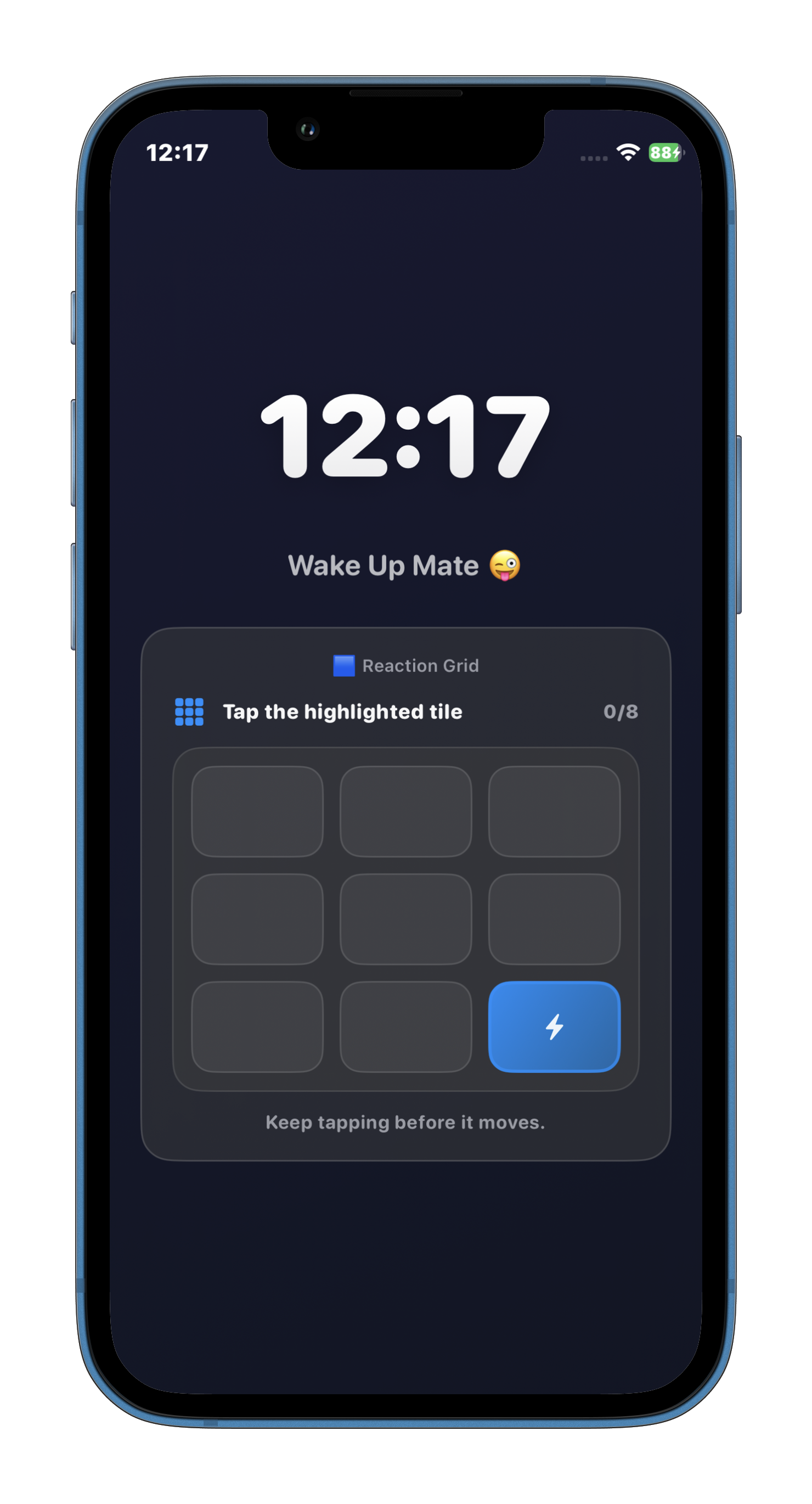
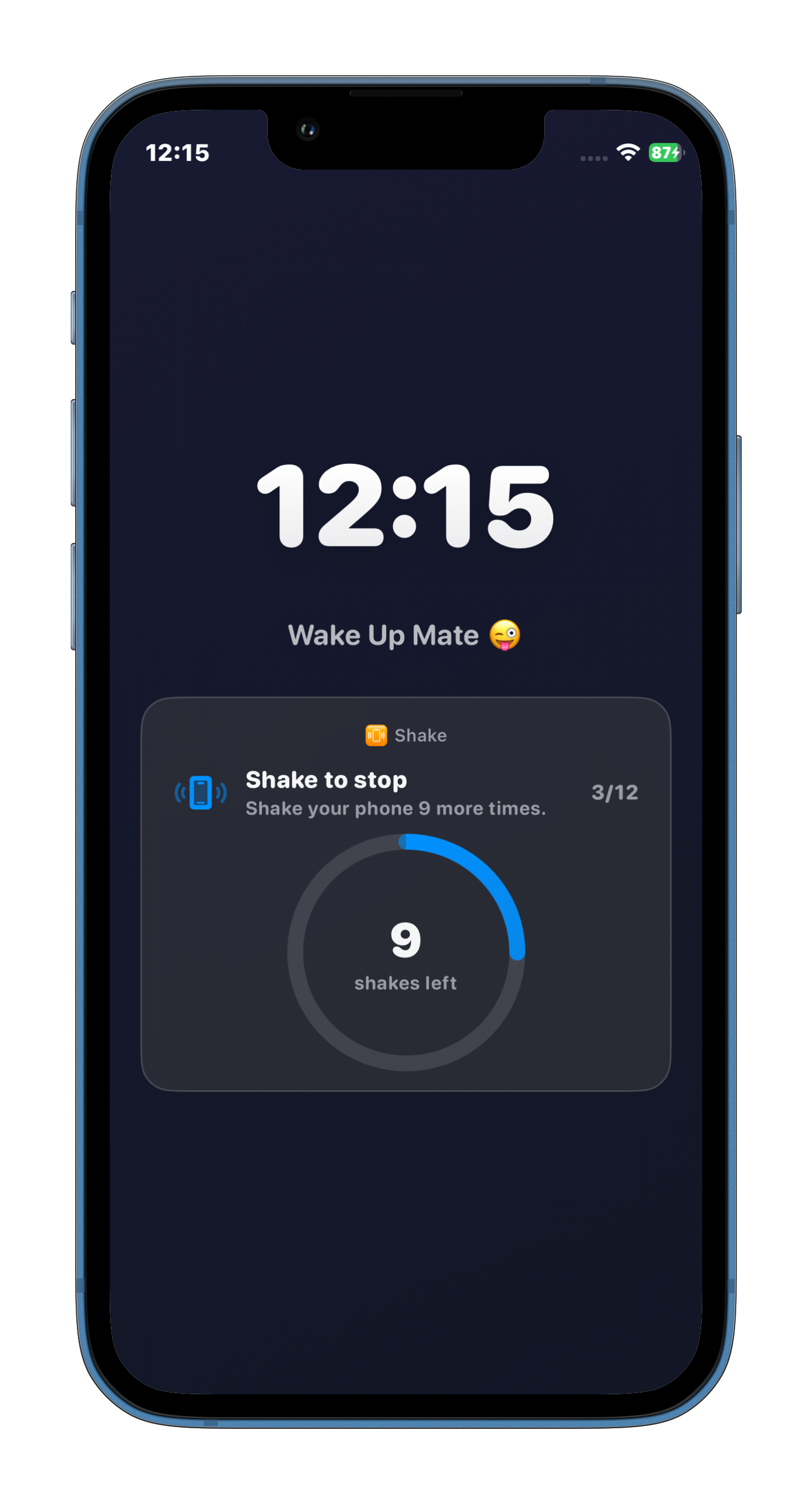
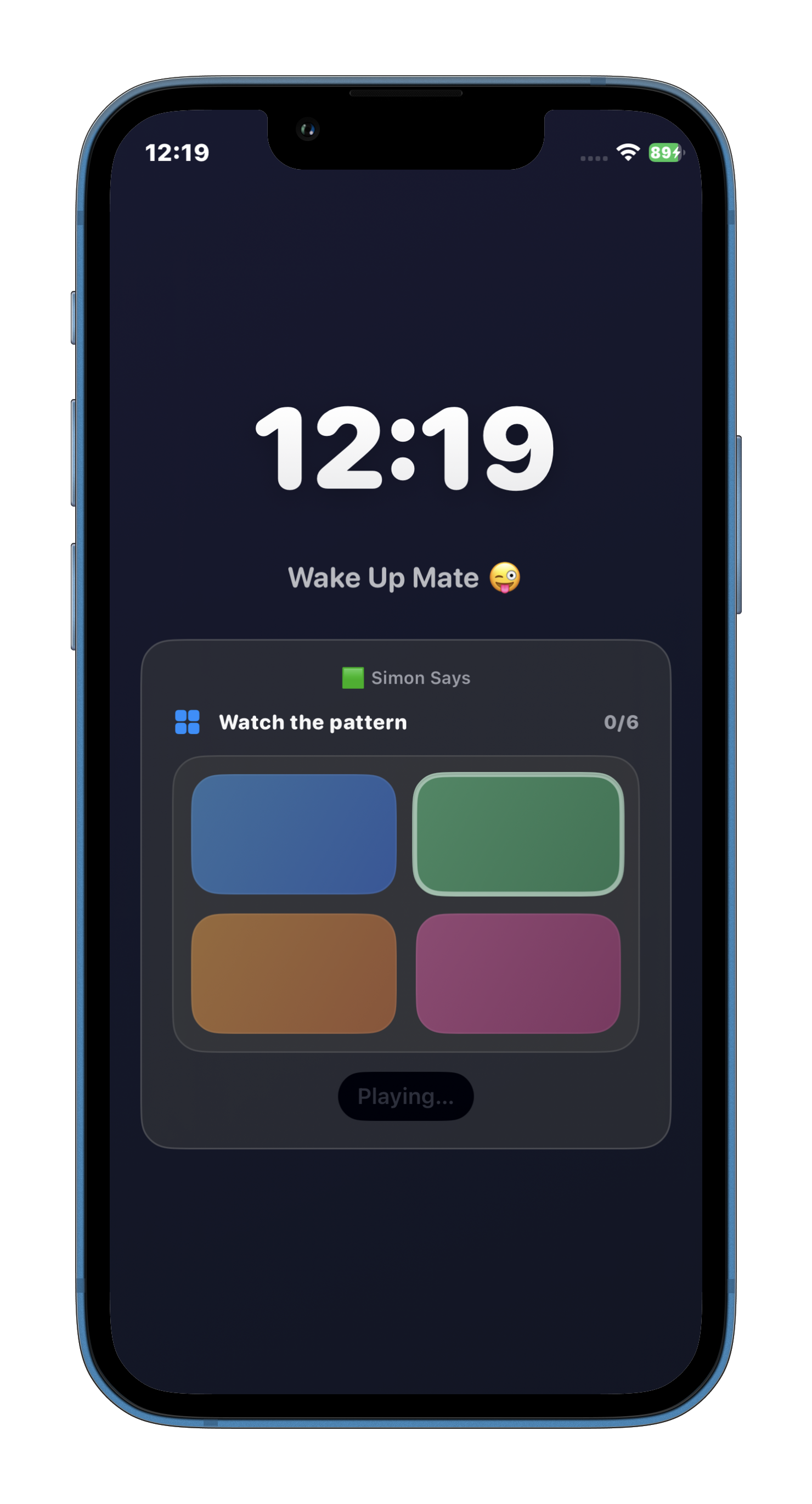
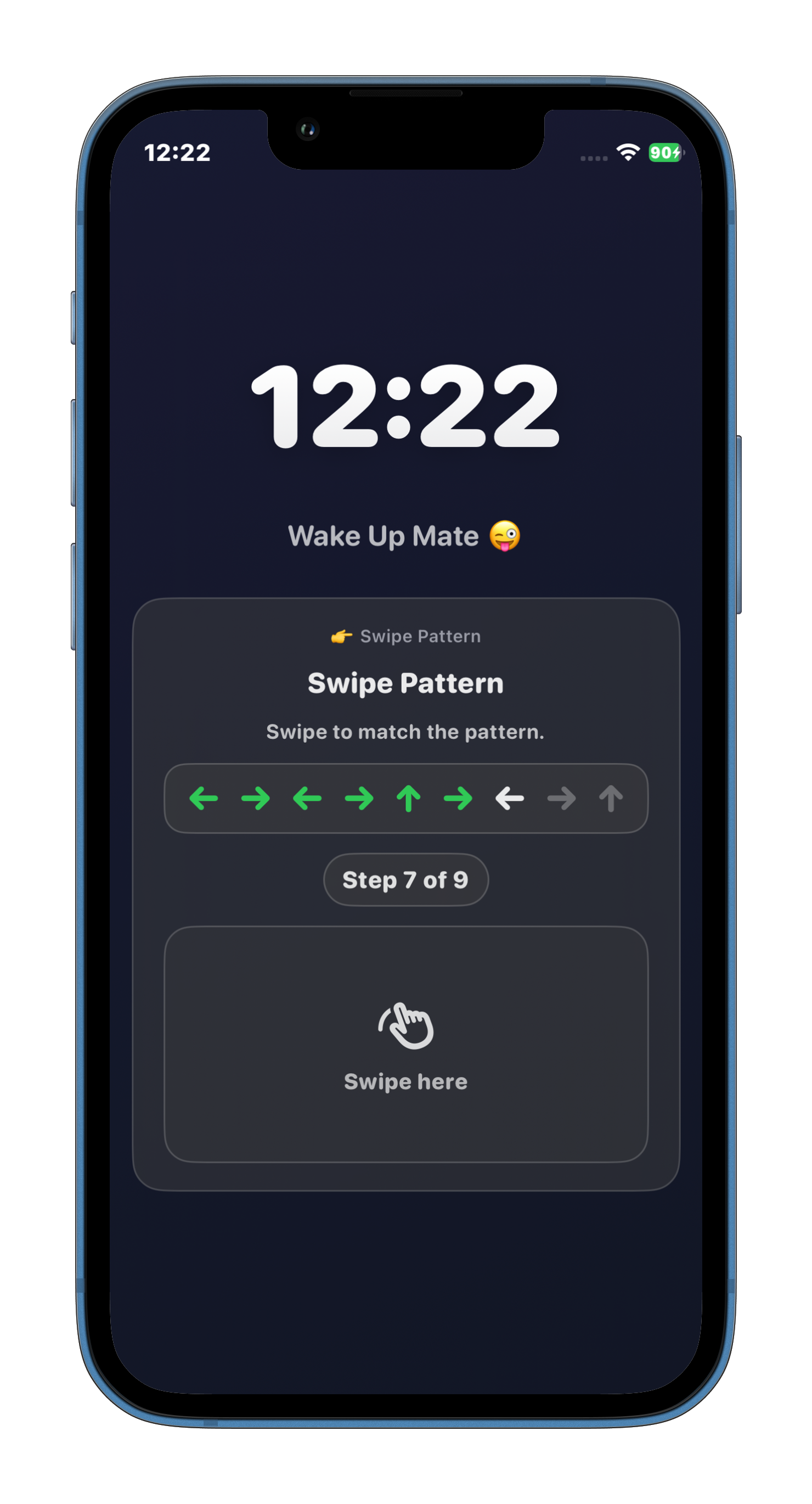
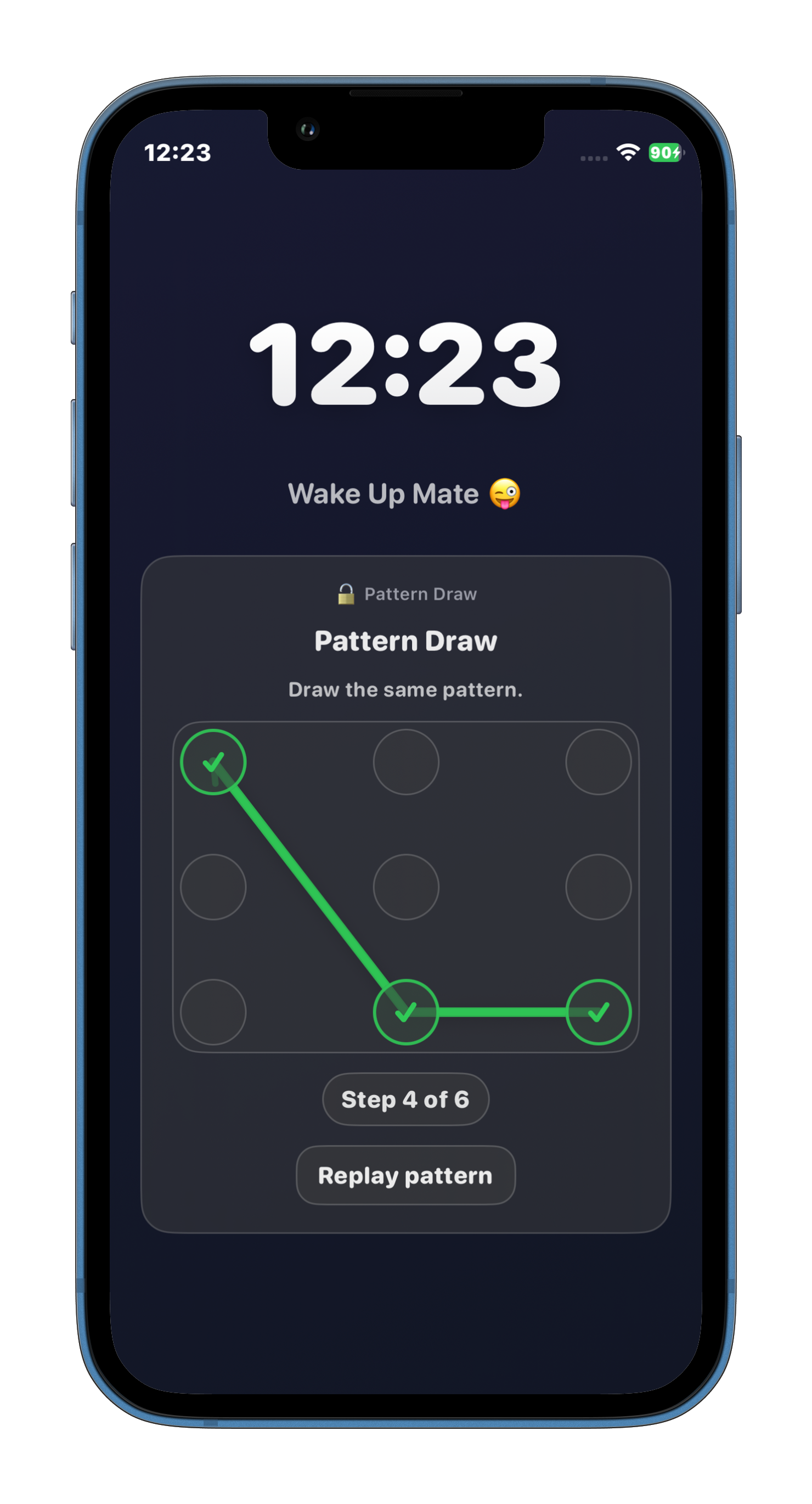
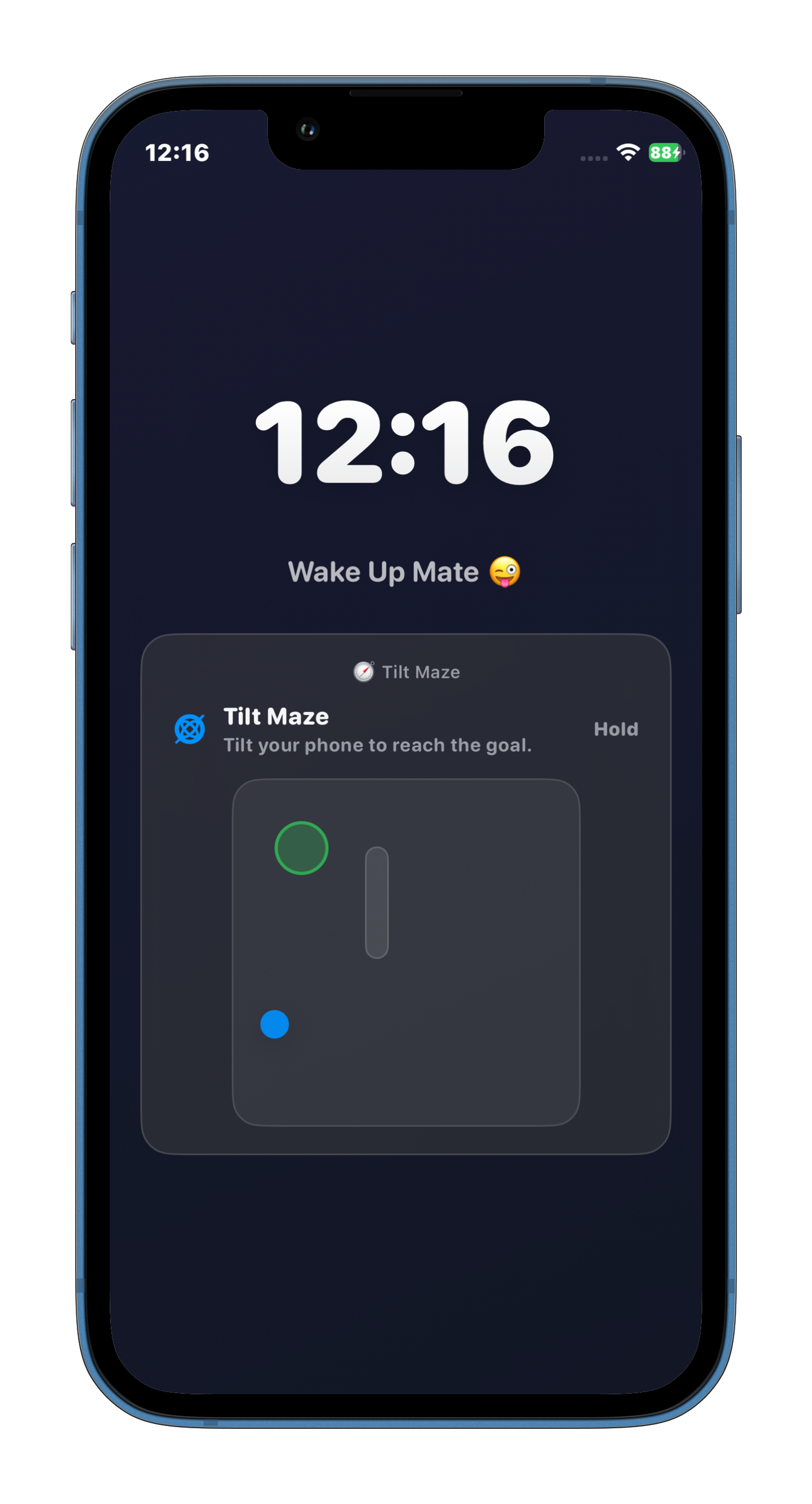
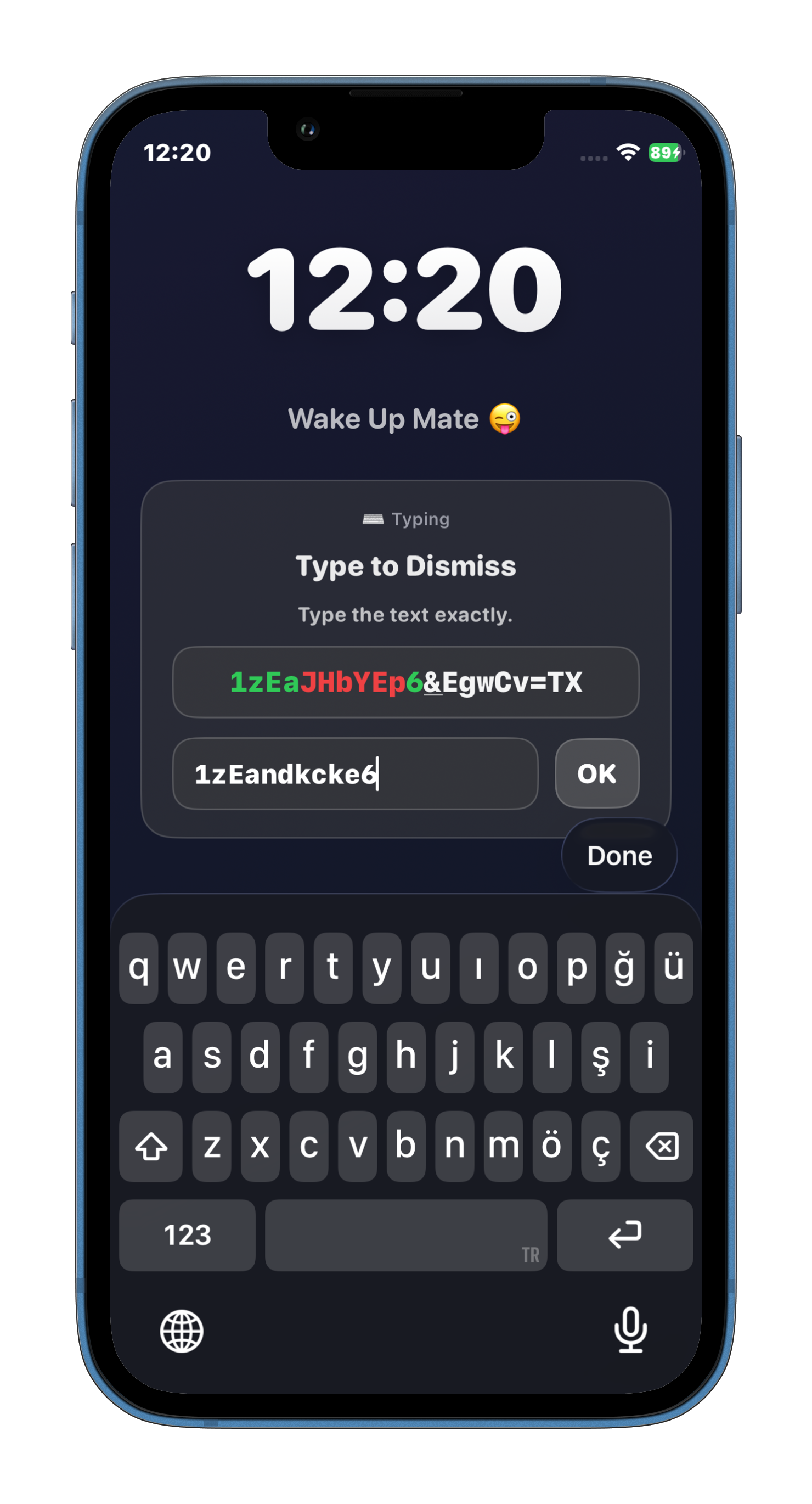
Why Alarm Arcade Works for People choosing and adjusting difficulty in Alarm Arcade
Medium is the default for a reason — but it's adjustable
Medium difficulty is calibrated for the average adult completing the mission under moderate sleep inertia. It's the right starting point for most people. Easy is available for lighter sleepers or low-sleep nights; Hard is for heavy sleepers who adapt quickly. The flexibility to adjust is the feature.
Increase difficulty when the mission starts to feel automatic
The signal that you need harder difficulty is completing the mission in a few seconds without feeling engaged. That's habituation — your brain has proceduralized the task. Increasing difficulty resets the cognitive load back to a level that requires genuine attention.
Difficulty and rotation work together
Increasing difficulty extends the effectiveness of a single mission. Mission rotation extends the effectiveness of the whole system. Both strategies address habituation but through different mechanisms — difficulty raises the bar; rotation changes the game. Use both for maximum long-term reliability.
Difficulty calibration vs fixed difficulty — Why adjustability matters
| Feature | Alarm Arcade | Alarmy | iPhone Clock |
|---|---|---|---|
| No subscription required | ✓ | ✗ | ✓ |
| Game-based dismissal | ✓ | ✓ | ✗ |
| Works offline (no account) | ✓ | ✗ | ✓ |
| Pricing | $1.49 one-time | $4.99/mo | Free |
| Multiple mission types | ✓ | ✓ | ✗ |
How to choose and adjust difficulty for each mission type
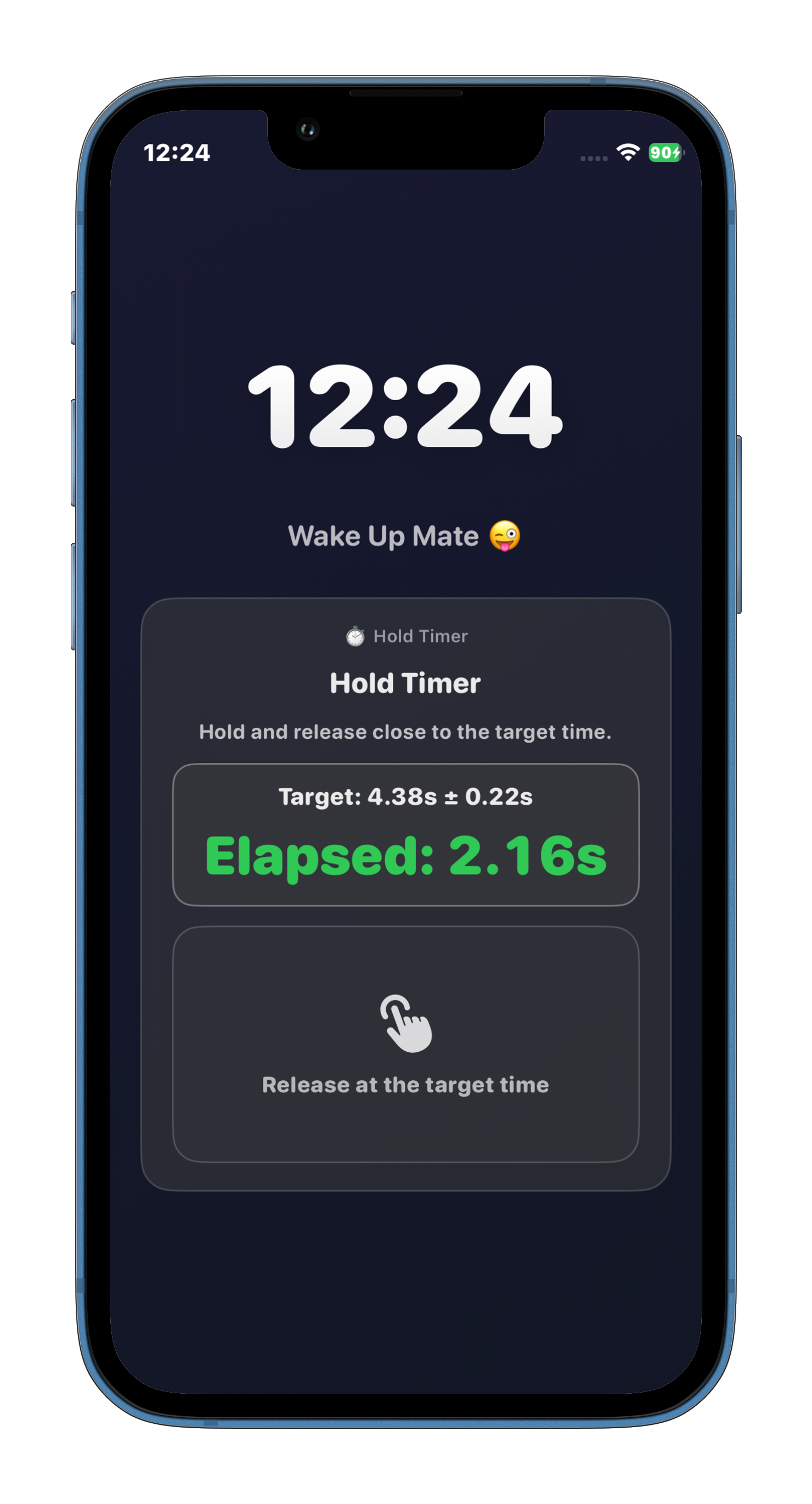
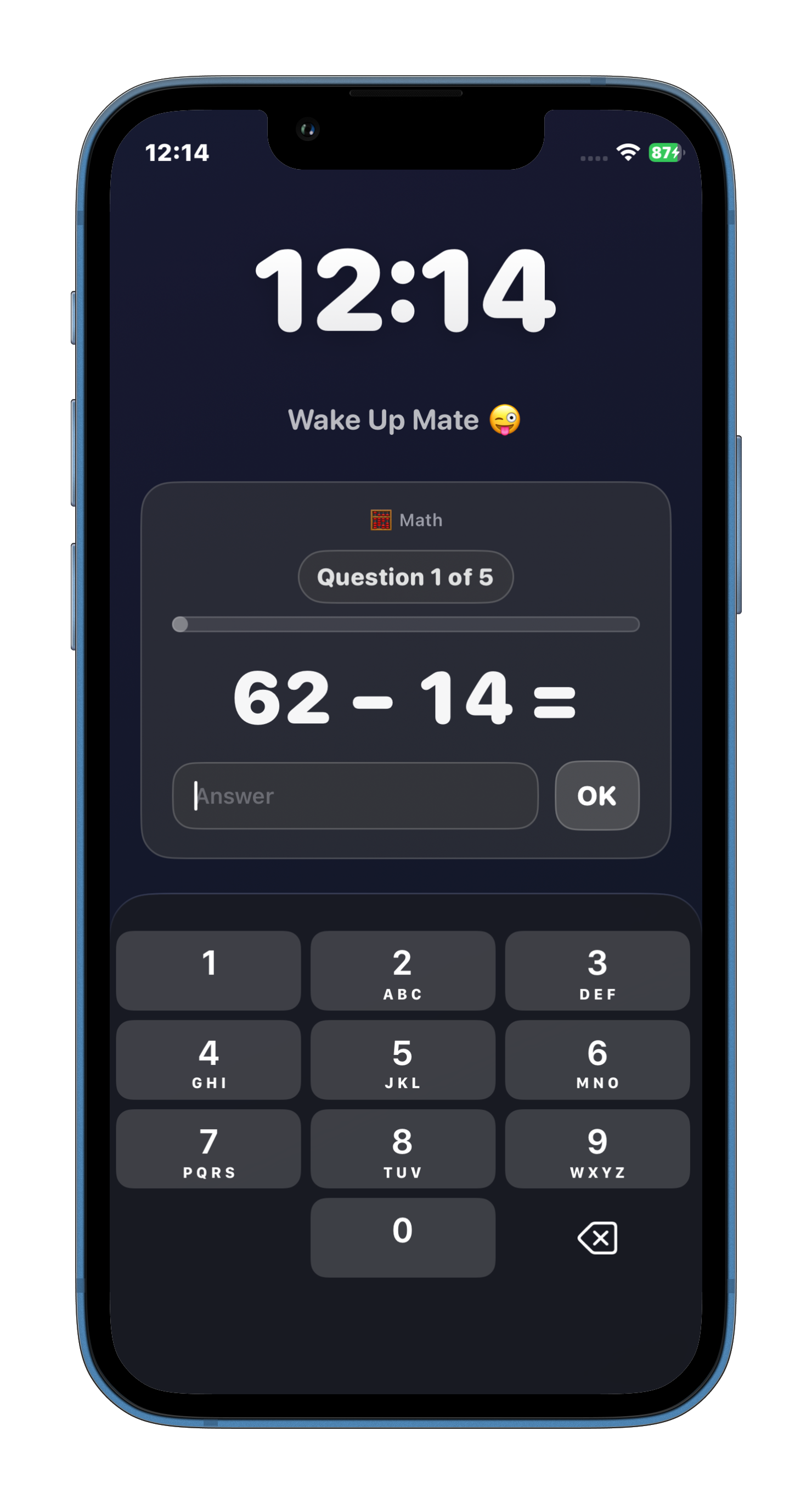
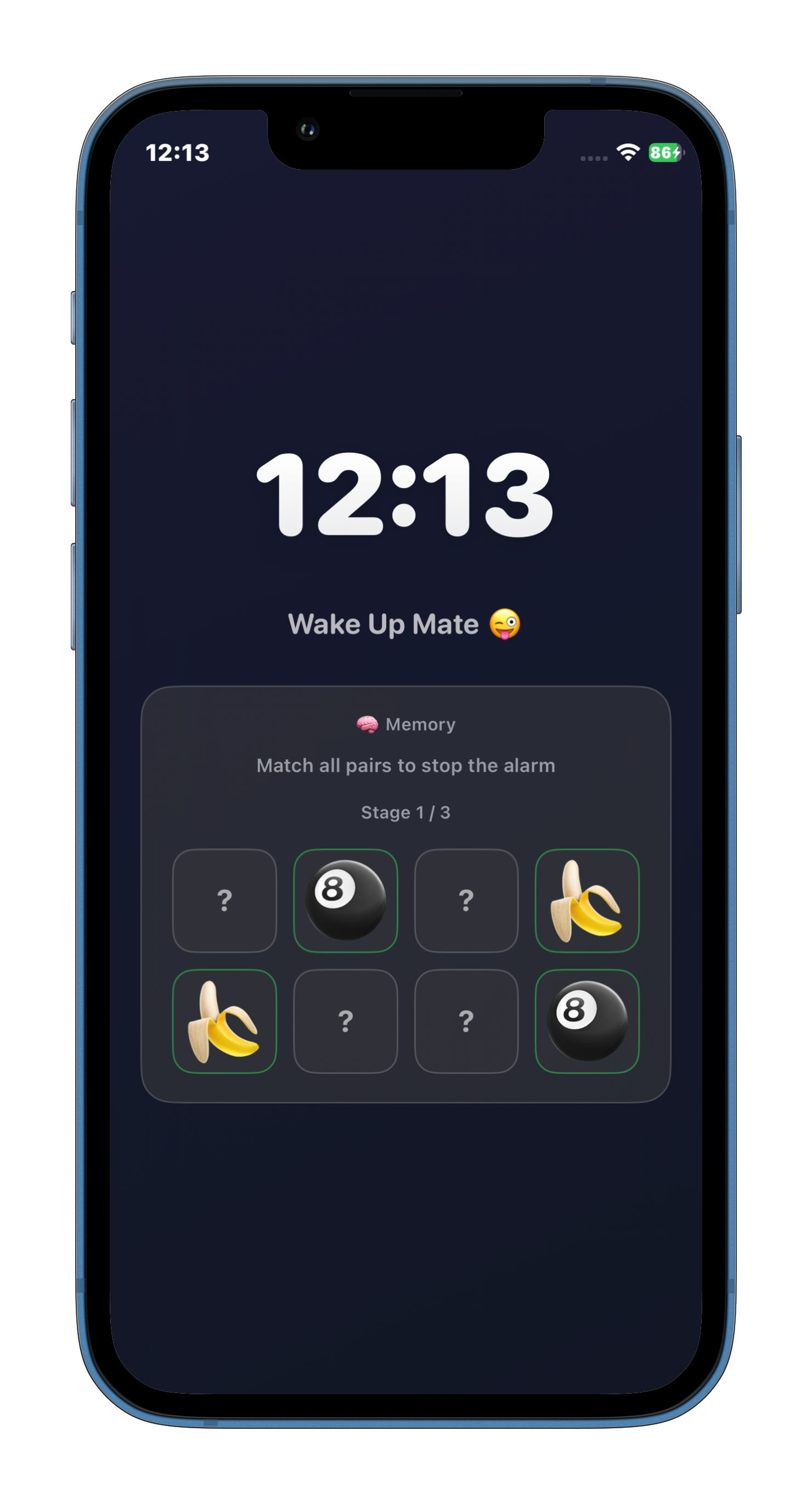
Math: Start at Medium (two-step problems, moderate numbers). Increase to Hard when you're solving problems in under five seconds. Easy is appropriate for very tired mornings or for initial testing. Memory Match: Start at Medium (moderate grid, brief reveal). Increase to Hard when you're finding pairs without consciously thinking about card positions. Simon Says: Start at Medium (four to five color sequences). Increase when you can replicate sequences without actively encoding them during playback.
Shake: Start at Medium (moderate count). Increase to Hard if you complete the shaking while still lying down without effort. Tilt Maze: Start at Medium (moderate maze complexity). Increase when you navigate the maze without needing to think about the path. Typing: Start at Medium (moderate phrase length). Hard Typing is genuinely demanding — reserve it for mornings when you need maximum challenge. Reaction Grid: Start at Medium. Hard with random illumination order is significantly more demanding than Easy with predictable sequence.
Difficulty strategies for different sleeper types
Light sleepers: Easy to Medium across all missions. You wake up relatively quickly and don't need maximum challenge — just enough friction to prevent reflexive dismissal. Start Easy, increase to Medium if you find yourself dismissing while still feeling groggy. Mission rotation matters more than difficulty for light sleepers.
Heavy sleepers: Medium to Hard across all missions. Start at Medium to calibrate, and increase to Hard within a week if Medium feels manageable. For the highest-demand missions (Typing, Math), Hard is the appropriate default for serious heavy sleepers. Combine Hard difficulty with physical distance (phone across the room) for the most effective setup. Chronic oversleepers: Start with Hard difficulty on a high-demand mission (Typing or Math), phone across the room, and no backup alarm. This is the maximum-enforcement configuration. It's frustrating for the first few days but becomes the expected morning ritual quickly.
Frequently Asked Questions
Math Easy: simple single-step operations. Medium: two-step operations with moderate numbers. Hard: multi-step problems with larger numbers. Memory Match Easy: small grid, long reveal. Medium: moderate grid, brief reveal. Hard: large grid, flash reveal. Shake Easy: low count, moderate intensity. Hard: high count, strong intensity required. Simon Says Easy: short sequences. Hard: long sequences, fast playback. The pattern is consistent: more volume, less time, and higher accuracy requirements at harder levels.
Yes. Each alarm in Alarm Arcade has independent mission and difficulty settings. Your weekday morning alarm can be Hard, a weekend alarm can be Medium, and a nap alarm can be Easy. This flexibility lets you match difficulty to the specific stakes of each alarm — maximum enforcement for the alarm that matters most, lighter enforcement for lower-stakes wake-ups.
Yes. If a mission is so hard that you fail it repeatedly on most mornings, two things happen: you become frustrated and start looking for ways to bypass the alarm entirely (lower volume, earlier dismissal attempts, switching apps), and the experience of failing a hard task while groggy creates a negative association with waking up. The right difficulty is the one where you succeed, but it takes real effort. Failing occasionally is fine; failing consistently means difficulty is too high.
Wake up with your brain switched on
Difficulty is adjustable anytime. Download Alarm Arcade and calibrate your setup tonight.
Download Alarm Arcade — Free